
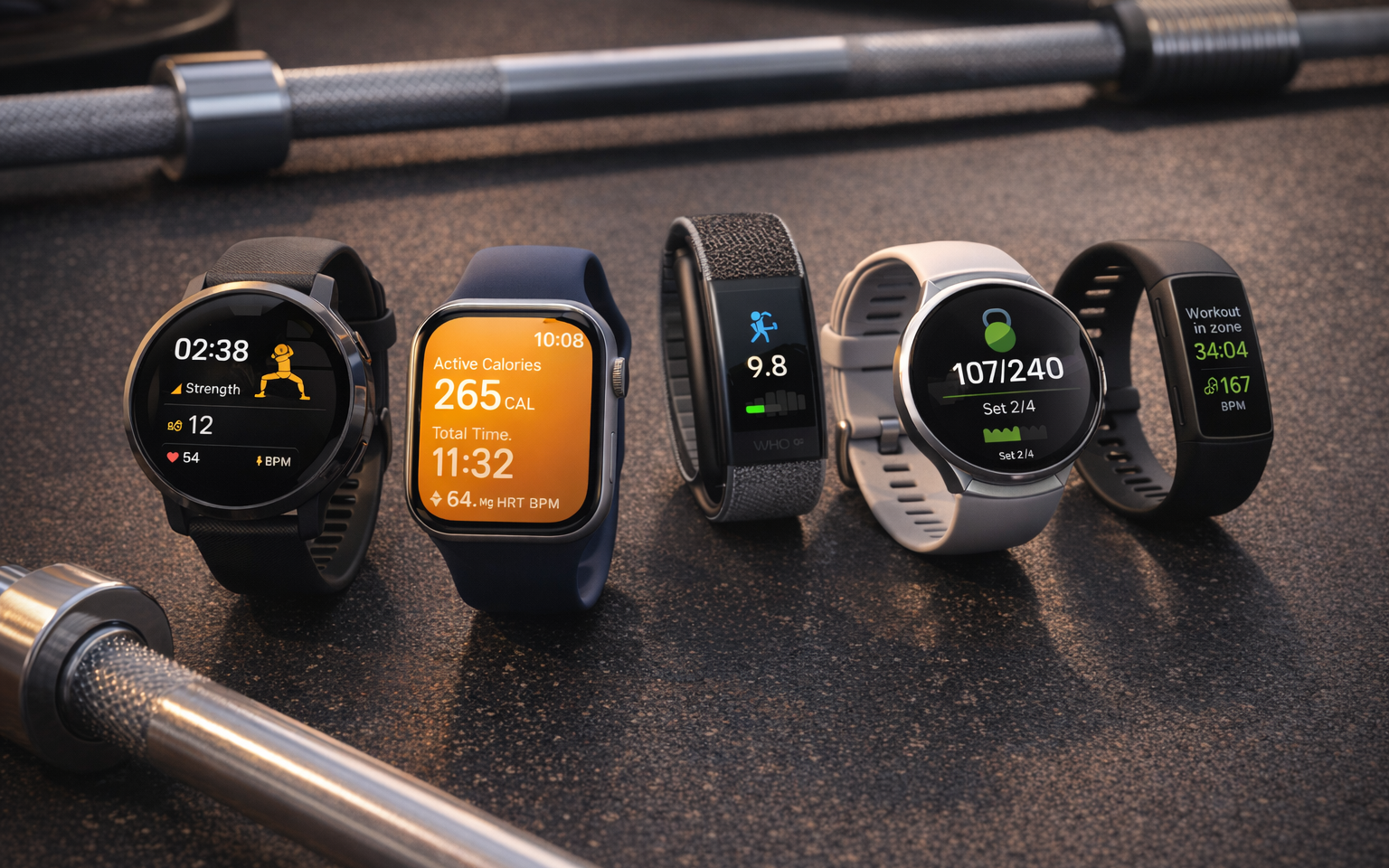
Picking a fitness tracker for weight training is a different problem than picking one for running. A gym-focused device has to do things a marathon watch never worries about: count reps on a strength set, survive a barbell rolling across your wrist, categorize which muscles you worked, and tell you whether yesterday's leg day means you should push or back off today. Most trackers are built cardio-first and treat lifting as an afterthought. A handful genuinely aren't, and those are the ones worth your money.
Two tradeoffs shape almost every decision here. The first is the rep-counting watch versus the recovery band: a wrist display that walks you through animated sets and tallies reps is great mid-workout, but a screenless band that stays out of your grip and obsesses over recovery is what serious lifters often prefer. The second is screen distraction versus comfort under load: a bright always-on display is useful until it's digging into your wrist during a heavy press. The six picks below span $160 to $550 and each solves the gym problem from a different angle, so match the device to how you actually train.
Garmin Venu 4 – Best Overall for the Gym

The Garmin Venu 4 is the most complete gym watch here, and it earns the top spot on strength features, not just general polish. It ships with a dedicated strength training activity that displays animated on-screen demonstrations of each exercise and counts your reps automatically, with the count surfacing once you clear four reps and post-workout stats categorizing the muscle groups you hit. Rep and set detection here is noticeably sharper than earlier Venu models.
What rounds it out is everything around the lift. Body Battery and recovery metrics tell you how much you have in the tank before you walk in, and the watch prompts you to log which equipment you used so your history stays organized. Preloaded strength, cardio, and HIIT workouts mean you don't have to build a routine from scratch, and adaptive coaching adjusts as you progress.
The honest caveat is price: at $549.99 it's the most expensive pick on this list, and if you don't care about the AMOLED display or the deep recovery suite, you're paying for a lot you may not use. If you're weighing it against its cheaper sibling, our Venu 4 vs Vivoactive 6 comparison breaks down exactly what the extra money buys.
Apple Watch Series 11 – Best for iPhone Users

If you carry an iPhone, the Apple Watch Series 11 is the obvious call, and it's a stronger gym companion than Apple gets credit for. The built-in Workout app includes Functional Strength Training, Traditional Strength Training, and Core Training modes, and watchOS 26 added Training Load so you can see whether your recent sessions are building you up or grinding you down. VO2 max, heart rate zones, and a custom workout builder round out the native toolkit.
The real strength differentiator is the ecosystem. Apple's third-party app library is unmatched for logging lifts – apps like Strong, Hevy, and Gymaholic run natively on the wrist, so you can track sets, reps, and weight with a level of detail no built-in strength mode matches. Fitness+ adds guided strength sessions if you want structure.
The caveats are familiar: it's iPhone-only, so Android users should look elsewhere, and battery life means charging roughly daily, which is a real consideration if you also want sleep and recovery data. Android users torn between this and Samsung's flagship can see how they stack up in our Series 11 vs Galaxy Watch 8 comparison.
Samsung Galaxy Watch 8 – Best for Android / Auto Rep Counting
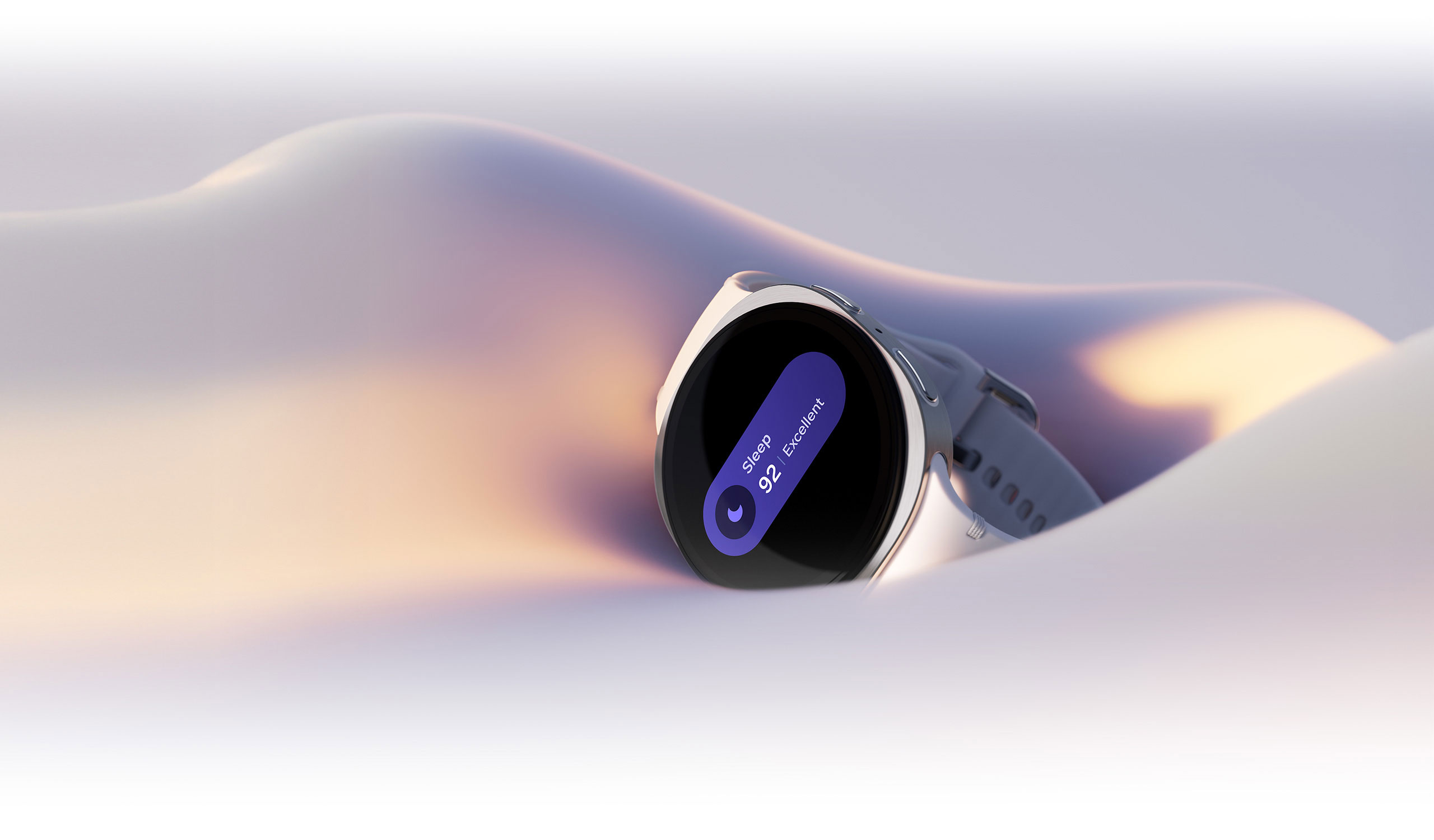
The Samsung Galaxy Watch 8 is the natural pick for Android and Galaxy phone owners, and at $349 it undercuts the Apple flagship while offering the tightest integration with Samsung's ecosystem. Its BioActive sensor drives a daily Energy Score that reads your recovery each morning, and Samsung Health covers a wide spread of workout types.
On strength, the watch can track sets and reps for free-weight exercises using motion algorithms when you use the weightlifting categories with dumbbells or barbells. That's genuinely useful for lifters who want rep tracking without a third-party app. Be realistic about the limits, though: machine-based workouts don't get set and rep tracking, and in practice the counting isn't fully hands-off – many users still confirm or adjust reps between sets rather than relying on it to catch every movement automatically.
The honest caveat is that it leans best-in-Samsung: some features are richer if you're on a Galaxy phone, and battery life runs about a day. But for Android lifters who want auto-ish rep tracking and a clean recovery score, it's the most sensible flagship.
Garmin Vivoactive 6 – Best Value
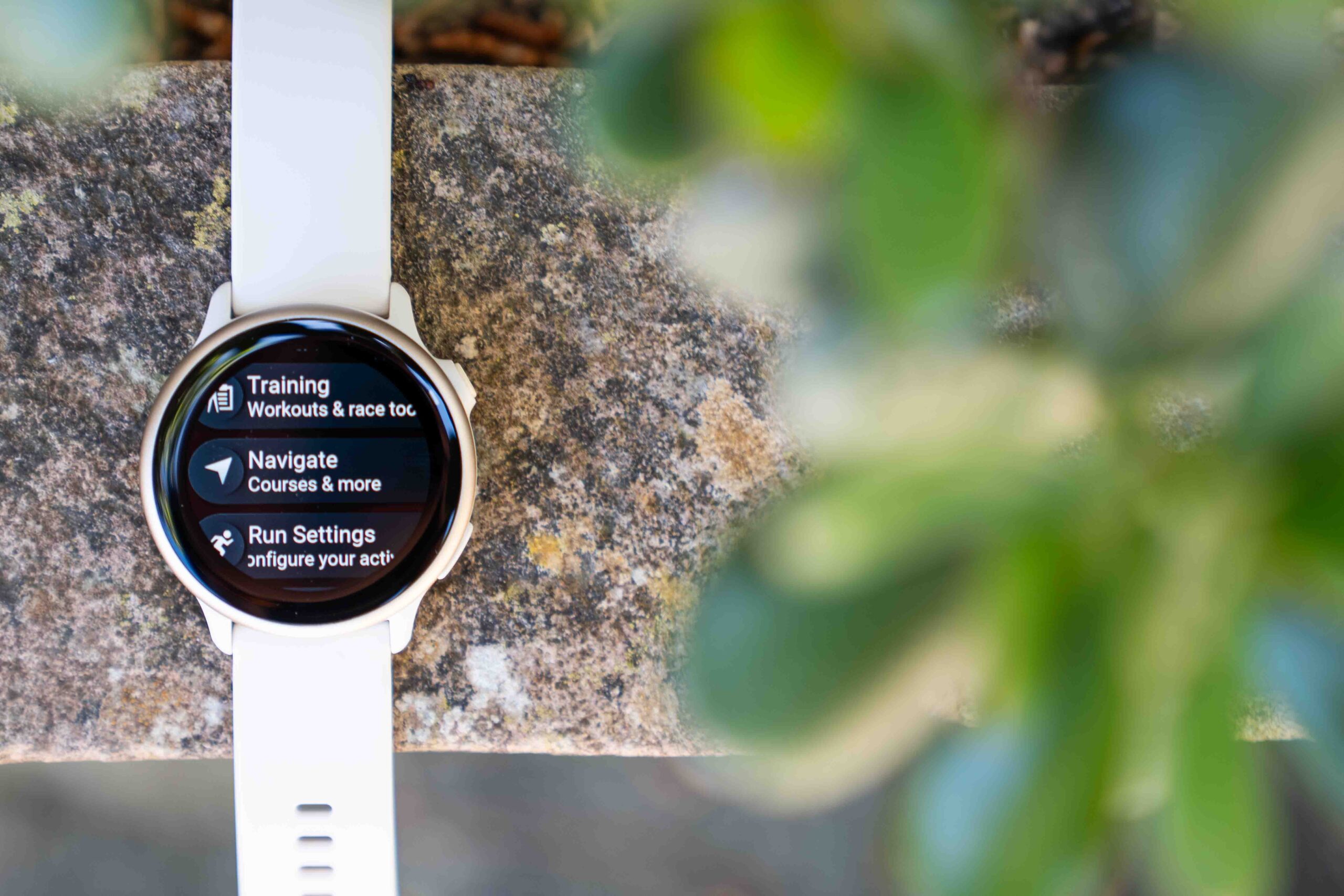
The Garmin Vivoactive 6 is the smart-money pick because it delivers Garmin's core strength experience for $299.99 – roughly $250 less than the Venu 4. You get the same animated on-screen strength workouts, automatic rep counting, and muscle heat maps that make the pricier Garmins so good in the gym. Notably, Garmin restored the workout animations on this generation after dropping them from the previous model, which is exactly the feature lifters want mid-set.
Rep counting works the same way it does across the Garmin line: a rep is tallied when the wrist wearing the watch returns to its starting position, so upper-body movements track cleanly while some leg exercises won't register. For pure gym use, that's a minor gap.
The caveat is what you give up for the savings. There are no onboard maps, and it lacks some of the deeper recovery and training-readiness metrics of Garmin's flagships. If your training lives in the weight room rather than the trail, none of that matters, and the value here is hard to beat.
Whoop 5.0 – Best for Serious Lifters (Recovery & Strain)
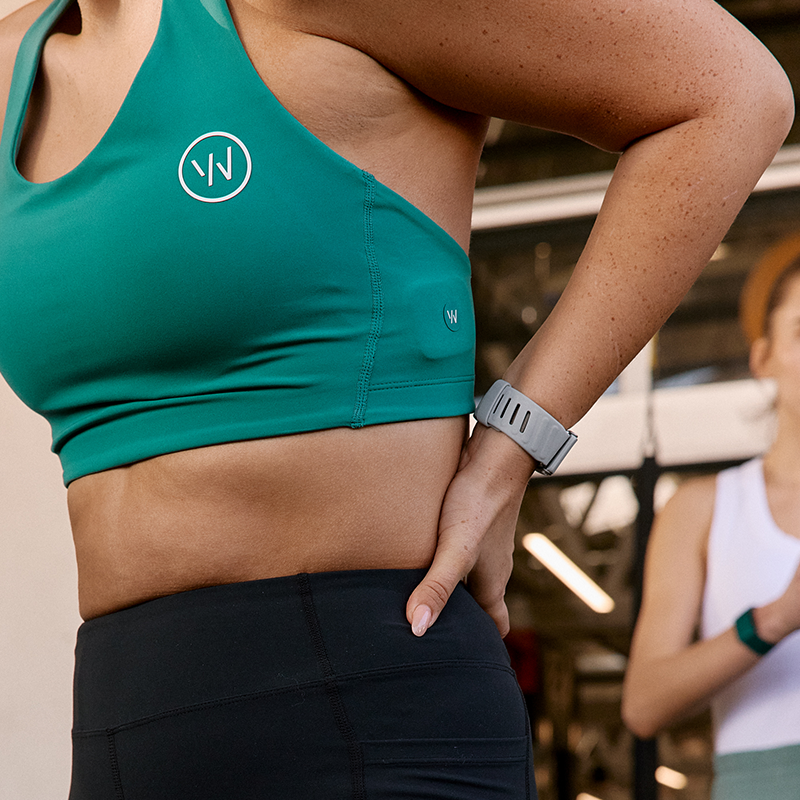
For lifters who care more about recovery than a wrist readout, the Whoop 5.0 is the specialist's choice, and its screenless design is the whole point. A band with no display doesn't interfere with a barbell grip or dig into your wrist under load – you barely notice it's there during a heavy set. That physical detail alone makes it the most comfortable option on this list for serious training.
Whoop's focus is strain, recovery, and HRV rather than reps. Its Strength Trainer now estimates the muscular load of your lifts, and a 2026 update lets it automatically estimate musculoskeletal load for weightlifting, functional fitness, and powerlifting activities from your movement and heart rate data. That feeds directly into more conservative recovery guidance and higher sleep-need recommendations after hard sessions – the kind of feedback loop that matters when you're training near your limits. To understand how the sensor and recovery model work before committing, our explainer on how Whoop tracks recovery and strain is a good primer, and whether Whoop is worth it tackles the subscription question head-on.
The caveats are real. There's no rep display on your wrist and no clock, so this isn't a mid-set coach – it's a recovery instrument. And it's a $199/yr membership, meaning you never truly own it. If you're deciding between this and a cheap band, our Whoop 5.0 vs Fitbit Charge 6 comparison frames the choice well.
Fitbit Charge 6 – Best Budget Band
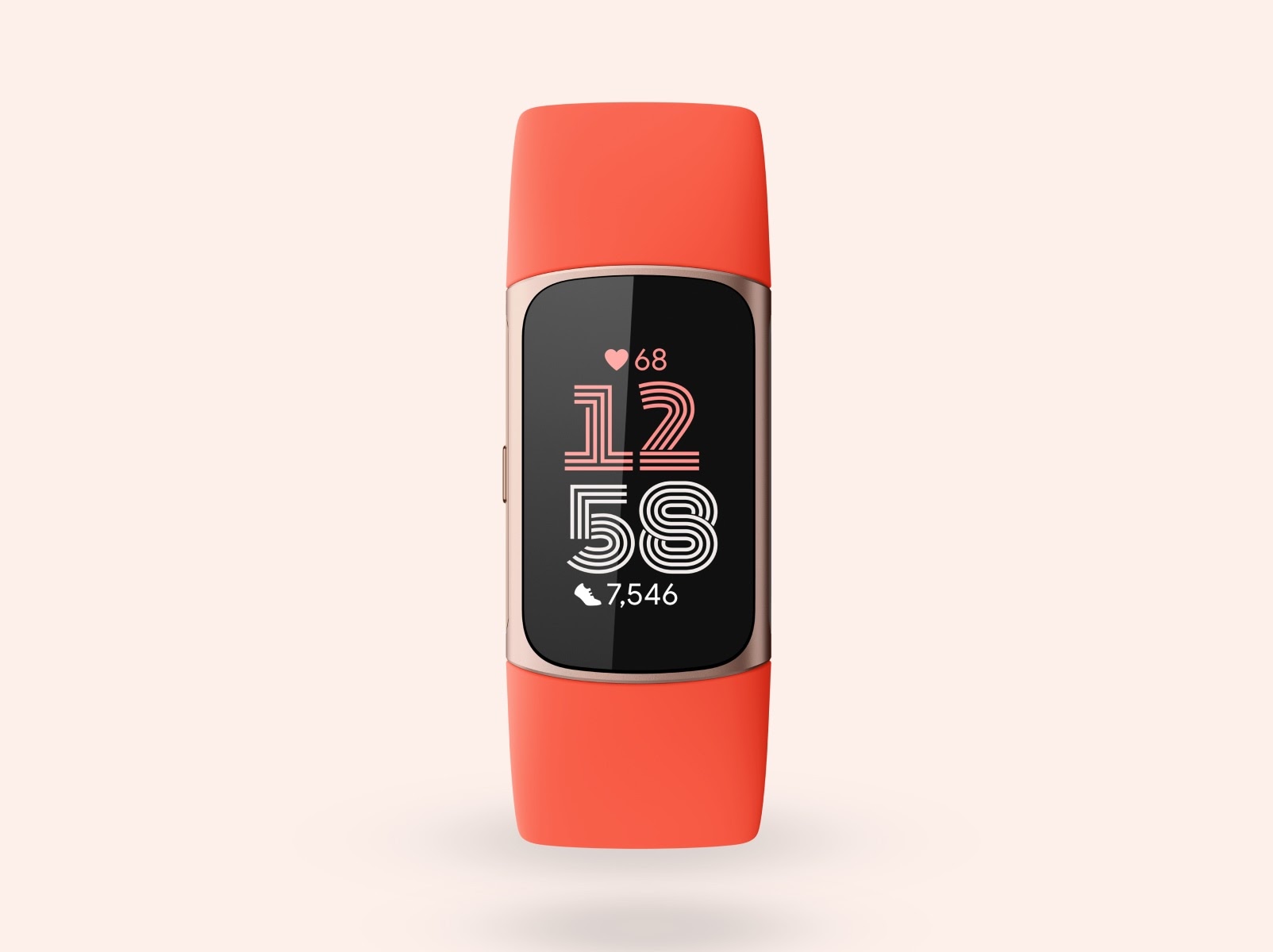
The Fitbit Charge 6 is the budget entry point at $159.95, and it punches above its price for gym use in one specific way. It broadcasts your heart rate over Bluetooth to compatible gym cardio equipment – Peloton, NordicTrack, Tonal, and standard treadmills, ellipticals, rowers, and bikes – so your real-time heart rate shows on the machine's screen. For anyone who splits time between the weight floor and cardio machines, that's a feature usually reserved for pricier devices.
The slim band is comfortable enough to forget on your wrist, it carries 40+ exercise modes including a weights mode, and a Daily Readiness Score gives you a basic recovery read. Built-in GPS covers outdoor cardio on lifting rest days.
The caveat is strength depth: there's no automatic rep counting at all. A weights session logs heart rate, calories, and duration, but it won't tally your sets or reps – so this isn't the band for someone who wants a lifting log on their wrist. Treat it as an excellent heart-rate and general-activity band that happens to integrate beautifully with gym cardio machines, not a dedicated lifting computer.
How We Chose
We compared these six against the metrics that actually matter in a weight room, not the ones that sell running watches. Rep and set counting came first: does the device have a real strength mode that tracks your work, and how reliably does it count? Garmin leads here with animated workouts and automatic reps, Samsung offers free-weight tracking with caveats, and the rest range from no rep counting at all to intentionally hands-off recovery bands.
Recovery was the second pillar. Strength progress lives and dies by recovery, so we weighted HRV, Body Battery, Energy Score, and strain metrics heavily – Whoop and the Garmins stand out. Comfort under load mattered more than usual: a device that snags on a bar or presses into your wrist is a device you'll stop wearing, which is why Whoop's screenless band and the slim Fitbit score well on ergonomics.
We also looked at gym-equipment heart-rate integration (the Fitbit's Bluetooth broadcast is a standout), ecosystem fit (Apple for iPhone, Samsung for Galaxy), and price. That last point is deliberate: our picks span from $159.95 to $549.99, a budget-to-premium spread wide enough that no one has to overspend to get the gym feature they actually need.
Who Should Buy What
The all-in gym-goer who wants everything on the wrist: the Garmin Venu 4. Animated workouts, automatic reps, and deep recovery in one package – for people who'll use all of it.
The iPhone owner: the Apple Watch Series 11. The native strength modes are solid, and the third-party lifting-app ecosystem is unbeatable.
The Android or Galaxy phone owner who wants rep tracking: the Samsung Galaxy Watch 8. Free-weight set-and-rep tracking plus a clean daily Energy Score.
The value shopper who lifts more than they run: the Garmin Vivoactive 6. Nearly all of the Venu's gym smarts for $250 less.
The serious lifter focused on recovery: the Whoop 5.0. A screenless band that stays out of your grip and obsesses over strain, HRV, and recovery.
The budget buyer or cardio-and-weights hybrid: the Fitbit Charge 6. A comfortable band that broadcasts heart rate straight to gym machines for well under $200.
What To Avoid
Skip bulky adventure and expedition watches for pure gym use. A big, rugged case with a protruding bezel looks capable, but it snags on bars and machines and adds weight you'll feel on every set – the strength features rarely justify the bulk if you're not also hiking or diving.
Be clear-eyed about subscription lock-in. A membership-based band ties your data and features to an ongoing fee, and if you stop paying, the device largely stops working. That can be worth it for the recovery depth, but go in knowing you're renting, not buying.
Finally, don't buy a tracker with no real strength mode and expect it to handle the weight room. Plenty of cardio-first bands log a generic "workout" with a timer and heart rate but never touch reps, sets, or muscle groups. If lifting is your focus, that's not a fitness tracker for weight training – it's a step counter wearing a gym outfit. For functional-fitness athletes specifically, our guide to the best watches for CrossFit and WODs covers picks tuned for mixed-modal training.