
Choosing between Polar and Garmin is the oldest rivalry in serious sports watches—and the most lopsided in terms of how the two brands are usually perceived. Garmin is the default. It dominates running club wrists, triathlon transition areas, and the trail-running circuit so thoroughly that "GPS watch" and "Garmin" have become almost synonymous. Polar, by contrast, is the brand that quietly invented this entire category and then spent the last decade watching a company it once outclassed run away with the market.
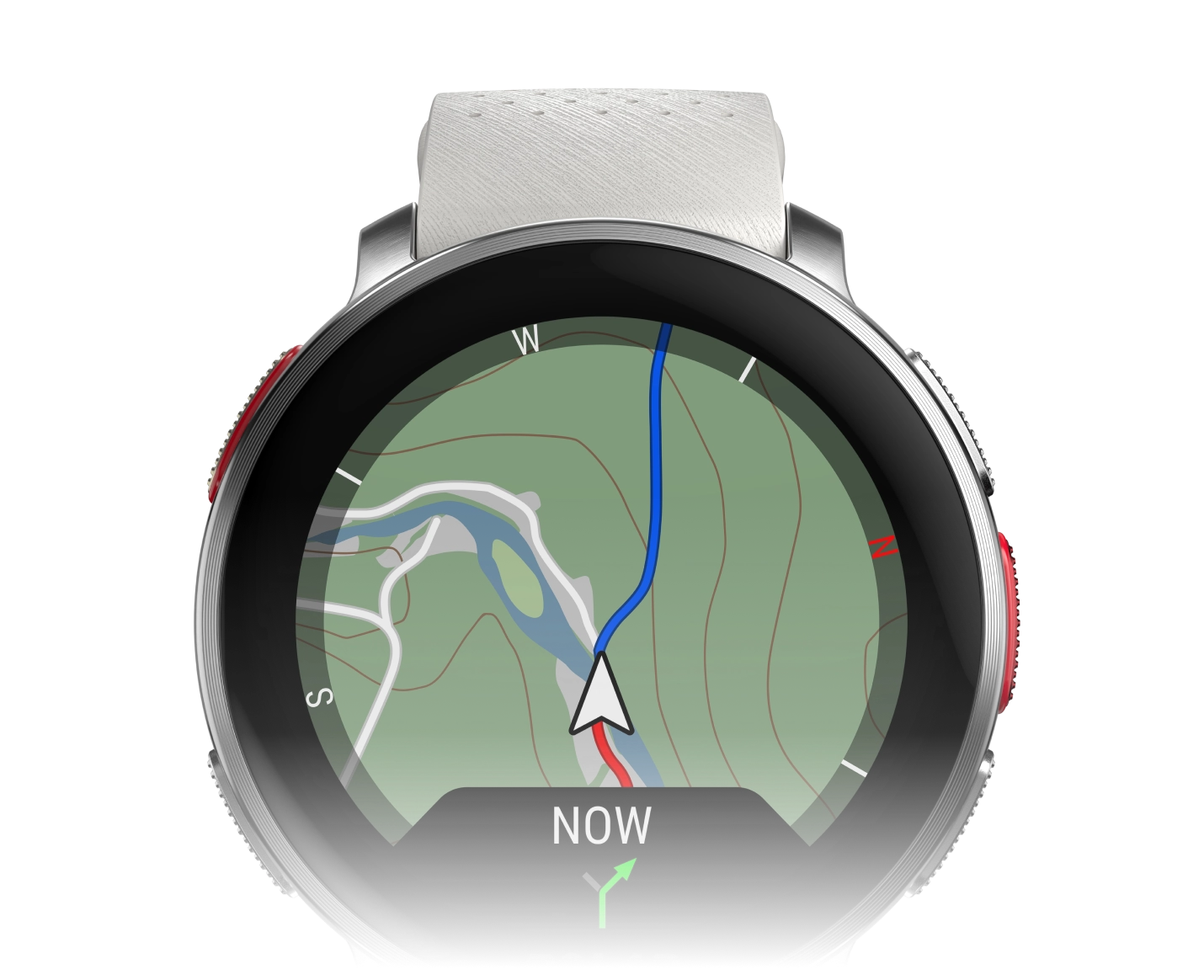
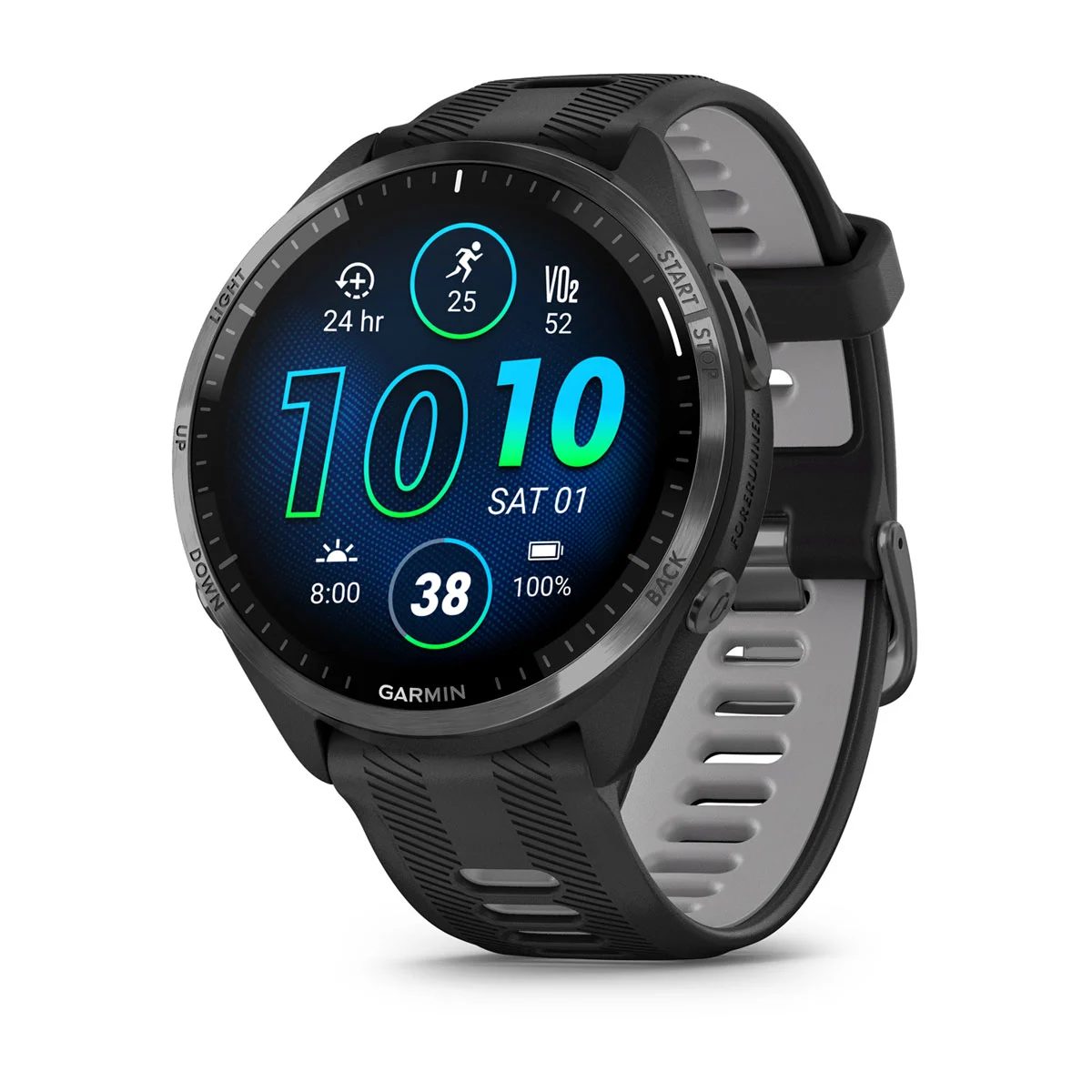
But perception and reality have drifted apart. Polar is the company that built the first wireless heart rate monitor in 1982, defined training zones before most of its rivals existed, and still makes what many coaches consider the most physiologically rigorous training platform on the wrist. The Vantage V3 finally gave that platform a modern body—AMOLED display, dual-frequency GPS, offline maps, and an ECG-grade biosensor. Meanwhile Garmin has spent those same years building not just better watches but an entire ecosystem: routable maps, an app store, on-wrist payments, music, and a lineup that spans every conceivable budget and sport.
So this is not the reflexive Garmin landslide the reputations suggest. Polar wins real categories—and loses others decisively. The right answer depends entirely on whether you want a focused training instrument or a do-everything fitness ecosystem, which is exactly what this comparison works through, category by category.
Heart Rate and Sensor Accuracy
This is Polar's home turf, and it still owns it. Heart rate measurement is the discipline Polar invented, and four decades of refinement show. The Polar Vantage V3 introduced the Elixir biosensing platform, which combines a fourth-generation optical heart rate array with an ECG sensor, SpO2, and skin temperature in one package. In independent wrist-versus-chest-strap testing, Polar's optical sensor consistently ranks among the most accurate available, particularly during the steady-state efforts that make up most endurance training.
Garmin's Elevate sensor has improved dramatically across generations—the latest versions on the Forerunner 970 and Fenix 8 are genuinely good—but Garmin's optical accuracy has historically lagged Polar's during high-intensity intervals and activities with a lot of wrist flexion. Both brands struggle with the same fundamental limitation every wrist sensor faces: rapid heart rate changes during sprint intervals.
Where Polar pulls further ahead is the chest strap. The Polar H10 remains the gold-standard reference device that other companies' sensors get validated against, and it pairs natively with every Polar watch. Garmin's HRM-Pro Plus is excellent too, but if absolute heart rate fidelity is your priority, Polar's heritage is not just marketing—it is measurable.
Training Features and Analytics
Both brands offer sophisticated analytics, but they come at the problem from opposite directions.
Polar's approach is physiological and prescriptive. Training Load Pro separates cardio load from perceived strain and muscle load, Recovery Pro (paired with the H10) gives orthostatic-test-based recovery guidance, and Nightly Recharge measures how well your autonomic nervous system bounced back overnight. FuelWise handles in-race fueling, and FitSpark serves up ready-made workouts. It is a system designed by sports scientists, and it shows in the rigor of the recommendations. For an athlete following a structured plan, Polar's guidance feels like it was built by a coach rather than an algorithm.
Garmin's approach is broader and more gamified. Training Readiness folds HRV status, sleep, recovery time, and acute load into a single morning score. Body Battery tracks your energy reserves through the day. PacePro delivers grade-adjusted race pacing, ClimbPro breaks down every ascent, and Garmin Connect serves daily suggested workouts tuned to your fitness and training history. The breadth is simply unmatched—Garmin produces more derived metrics, across more sports, than anyone else, and the Firstbeat analytics engine behind them has years of refinement.
The honest summary: Polar's analytics are deeper in pure endurance physiology, while Garmin's are broader and better integrated into daily life. A marathoner chasing a peak will appreciate Polar's recovery science; an all-around athlete who wants metrics for strength, trail, swim, and sleep in one place will prefer Garmin's reach.
GPS and Navigation
GPS accuracy is close to a draw at the top of each lineup. The Vantage V3 and the Garmin Forerunner 965 both ship with dual-frequency (L1/L5) GNSS pulling from all major satellite constellations, and in open-sky conditions both track within hundredths of a mile of measured courses. Garmin's newest Elevate-paired chipsets hold a slight edge in dense urban canyons and heavy tree cover, but for the vast majority of runs the difference is negligible.
Navigation is where Garmin pulls decisively ahead. Garmin offers full routable TopoActive maps on its mid-range and premium watches—miss a turn and the watch reroutes you automatically. The Vantage V3 added genuine offline maps, a huge leap for Polar, and they are perfectly usable for following a pre-loaded course with breadcrumb and turn prompts. But they are not routable: the watch cannot generate a new route on the fly if you go off-plan. For trail runners and hikers who improvise, or anyone who explores unfamiliar terrain without a pre-built course, Garmin's routable maps remain in a class of their own. Polar's lower-tier watches, meanwhile, drop maps entirely, while Garmin pushes navigation down to surprisingly affordable models.
Battery Life
This category defies the stereotype. At the flagship level, Polar actually out-endures Garmin in pure GPS training time. The Vantage V3 delivers up to 61 hours of full-GPS tracking, 47 hours in dual-frequency mode, and a remarkable 140 hours in power-save GPS. The Forerunner 965, hampered by its bright AMOLED panel, manages roughly 31 hours in standard GPS mode and just 19 hours in all-systems multiband. For an ultrarunner timing a 100-miler, the Vantage V3 is the more dependable choice between these two.
Garmin claws the category back in two ways. First, smartwatch standby: the Forerunner 965 runs up to 23 days between charges in watch mode, versus roughly eight days for the Vantage V3, so as an everyday wearable the Garmin needs the charger far less often. Second, and more importantly, lineup breadth. Garmin sells purpose-built endurance machines that Polar simply has no answer for—the Garmin Fenix 8 and the solar-charging Enduro 3, which can stretch past 300 hours of GPS with sunlight. Polar's range tops out at the Vantage V3 and the rugged Grit X2 Pro; there is no multi-week, solar-assisted, expedition-grade option.
So battery is genuinely split: head-to-head at the flagship tier, Polar's GPS endurance wins, but Garmin offers far more battery options across its broader catalog.


Build Quality and Design
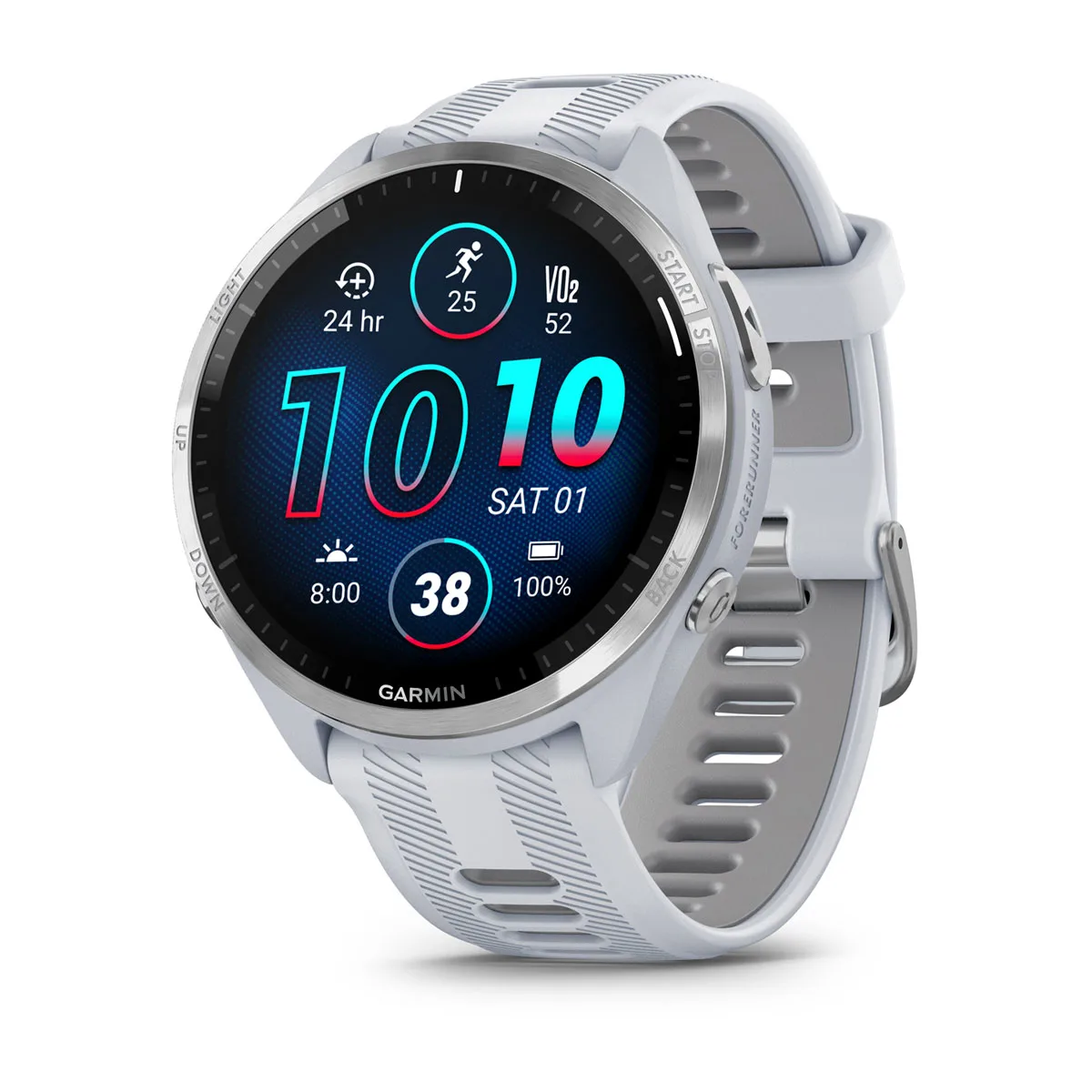
Both brands build watches that survive serious abuse, but Garmin offers more material and size choices. At the premium end, Garmin's Fenix 8 brings sapphire crystal, titanium bezels, and 100-meter water resistance, and the Forerunner 965 already uses a titanium bezel and Gorilla Glass 3 DX. The Vantage V3 counters with an aerospace-grade aluminum case, Gorilla Glass 3, and WR50 water resistance—well built and lighter than a Fenix, but without a sapphire option and only available in a single 47mm case size.
Garmin's biggest structural advantage is fit. The Fenix line comes in 43mm, 47mm, and 51mm; the Forerunner line offers smaller variants like the 42mm Forerunner 265S for slimmer wrists. Polar's modern watches are essentially one size each, which leaves smaller-wristed athletes with fewer comfortable choices.
Control philosophy is similar—both use a five-button layout supplemented by a touchscreen on their AMOLED models, so both work in rain and with gloves. Display quality is effectively a draw at each tier: both brands have moved to crisp, bright AMOLED panels on current flagship and mid-range watches, with Polar's screens hitting 1,500 nits and Garmin's matching them for outdoor legibility.
Software and Ecosystem
This is Garmin's most decisive win, and the gap is enormous. Garmin Connect is the most comprehensive fitness platform in the wearable world, and Garmin Connect IQ adds an app store with thousands of watch faces, data fields, and apps that nothing in the sports-watch space comes close to matching. Garmin watches store music from Spotify and Amazon Music, support contactless payments through Garmin Pay, and place phone calls through built-in speakers and microphones on newer models. They integrate with a vast network of third-party services and the largest user community in the category.
Polar Flow is a clean, focused, sports-science-first platform—but it is narrow by comparison. There is no app store, no on-wrist music storage, and no contactless payments on Polar's watches. Third-party sync covers the essentials (Strava, TrainingPeaks, and the major training platforms all work), but the everyday smartwatch experience is bare. As our Vantage V3 review put it, you get elite training smarts wrapped around a barebones smartwatch. If you want your watch to handle music, payments, and apps in addition to training, Polar will frustrate you; if you want a focused training tool and use your phone for everything else, the gap matters far less.
Value and Pricing
Garmin's biggest weakness against Polar is, surprisingly, value at the top—while its biggest strength is value everywhere else. The Vantage V3 sells for $599.95, and the Forerunner 965 launched at the nearly identical $599.99—but the Garmin now routinely sells closer to $450 to $500, undercutting Polar's flagship in practice while offering a richer ecosystem.
Polar fights back hardest in the mid-range. The Polar Vantage M3 at $399 inherits nearly the entire Vantage V3 sensor suite—dual-frequency GPS, the full Elixir biosensor with ECG, the same AMOLED display technology, and identical training analytics—in a lighter, cheaper body. Getting comparable training science from Polar costs less than getting it from Garmin, where the analytics scale with price. By contrast, the Garmin Forerunner 265 at $449.99 (street prices near $300) is the most direct mid-range rival, and it answers with music, payments, and Garmin's broader ecosystem—but no ECG and no offline maps.
The deciding factor is what you count as value. If "value" means the most training science per dollar, Polar's Vantage M3 is hard to beat. If "value" means the most total capability and ecosystem per dollar across an entire lineup, Garmin's catalog—from the $250 Forerunner 165 up to the Fenix 8—offers something compelling at nearly every price point, which Polar's slim range cannot match.
Subscription Requirements
Polar charges nothing, ever. Every Polar Flow feature, every training metric, every recovery tool, and every firmware update is included with the watch. There are no tiers, no paywalls, and no recurring fees, and Polar has given no indication of changing that.
Garmin's core experience is also free, but the picture changed in March 2025 when Garmin launched Connect+ at $6.99/month ($69.99/year). It adds AI-powered Active Intelligence insights, enhanced LiveTrack, and other premium extras. Garmin insists existing free features stay free—but it has been clear that new advanced features will increasingly land in the paid tier, and the backlash from owners of $750-plus watches was immediate. The concern is the trajectory, not today's feature list. Over three years, Connect+ adds roughly $210 on top of the hardware—exactly the kind of ongoing cost Polar pointedly does not impose.
For subscription-averse athletes, Polar's stance is a real differentiator. It will not, on its own, outweigh Garmin's ecosystem advantages for most buyers—but it is a clean, principled contrast that Polar has earned the right to advertise.
Who Should Buy What
Buy Polar if you: - Prioritize heart rate accuracy and recovery science above all else - Follow a structured endurance plan and want coach-grade training guidance - Want the deepest physiological analytics—Training Load Pro, Nightly Recharge, Recovery Pro - Refuse to pay any subscription on top of your hardware - Want flagship sensors and analytics at a mid-range price (the Vantage M3) - Are happy to use your phone for music, payments, and apps
Buy Garmin if you: - Want a complete ecosystem: routable maps, music, contactless payments, and an app store - Need the widest possible choice of models, sizes, and sport-specific watches - Want broad analytics across running, trail, swim, strength, and daily wellness - Value the largest community, third-party integration, and Connect IQ - Need expedition-grade or solar battery options Polar does not offer - Want strong value across every price tier, not just the mid-range
Our Verdict
Garmin is the better sports watch brand for most athletes in 2026—but by a narrower margin than its reputation suggests. The breadth of Garmin's lineup, the depth of its ecosystem, its routable maps, its smartwatch features, and analytics that now match or exceed Polar's in scope make it the safer recommendation for the widest range of buyers. If you want one brand that can outfit a beginner runner, a trail ultrarunner, a triathlete, and a casual wellness user, Garmin is the only company that does all of it well.
But Polar is far from beaten, and for a specific athlete it is the smarter choice. If your priority is heart rate fidelity, recovery science, and a focused training instrument—and you do not care about maps you can reroute, music on your wrist, or paying for an app at the coffee shop—Polar gives you more of what actually makes you faster, often for less money, and never asks for a subscription. The Vantage M3 in particular is one of the best training values on the market.
Garmin wins the brand war on completeness. Polar wins it on focus. The fact that the company that invented this category can still out-measure the market leader on its core discipline, four decades later, tells you the rivalry is healthier than the sales figures suggest.
Specs at a Glance
Flagship
| Spec | Polar Vantage V3 | Garmin Forerunner 965 |
|---|---|---|
| Price | $599.95 | $599.99 (street ~$450-500) |
| Weight | 57g (with band) | 53g |
| Display | 1.39" AMOLED, 454x454 | 1.4" AMOLED, 454x454 |
| GPS Battery (full) | 61 hrs | 31 hrs |
| GPS Battery (multiband) | 47 hrs | 19 hrs |
| Smartwatch Battery | ~8 days | 23 days (7 with always-on) |
| Multiband GPS | Yes | Yes |
| Offline Maps | Yes (non-routable) | Yes (routable) |
| ECG | Yes | No |
| Music Storage | No | Yes |
| Contactless Payments | No | Yes (Garmin Pay) |
| Materials | Aluminum bezel, Gorilla Glass 3 | Titanium bezel, Gorilla Glass 3 DX |
| Water Resistance | WR50 (50m) | 5 ATM (50m) |
| Subscription | None | Core free (Connect+ optional, $6.99/mo) |
Mid-Range
| Spec | Polar Vantage M3 | Garmin Forerunner 265 |
|---|---|---|
| Price | $399 | $449.99 (street ~$300) |
| Weight | 53g | 47g |
| Display | 1.28" AMOLED, 416x416, 1,500 nits | 1.3" AMOLED, 416x416 |
| GPS Battery (full) | 30 hrs (dual-freq) / 70 hrs (eco) | 20 hrs |
| Smartwatch Battery | 7 days | 13 days |
| Multiband GPS | Yes | Yes |
| Offline Maps | Yes (non-routable) | No |
| ECG | Yes | No |
| Music Storage | No | Yes |
| Contactless Payments | No | Yes (Garmin Pay) |
| Subscription | None | Core free (Connect+ optional) |