
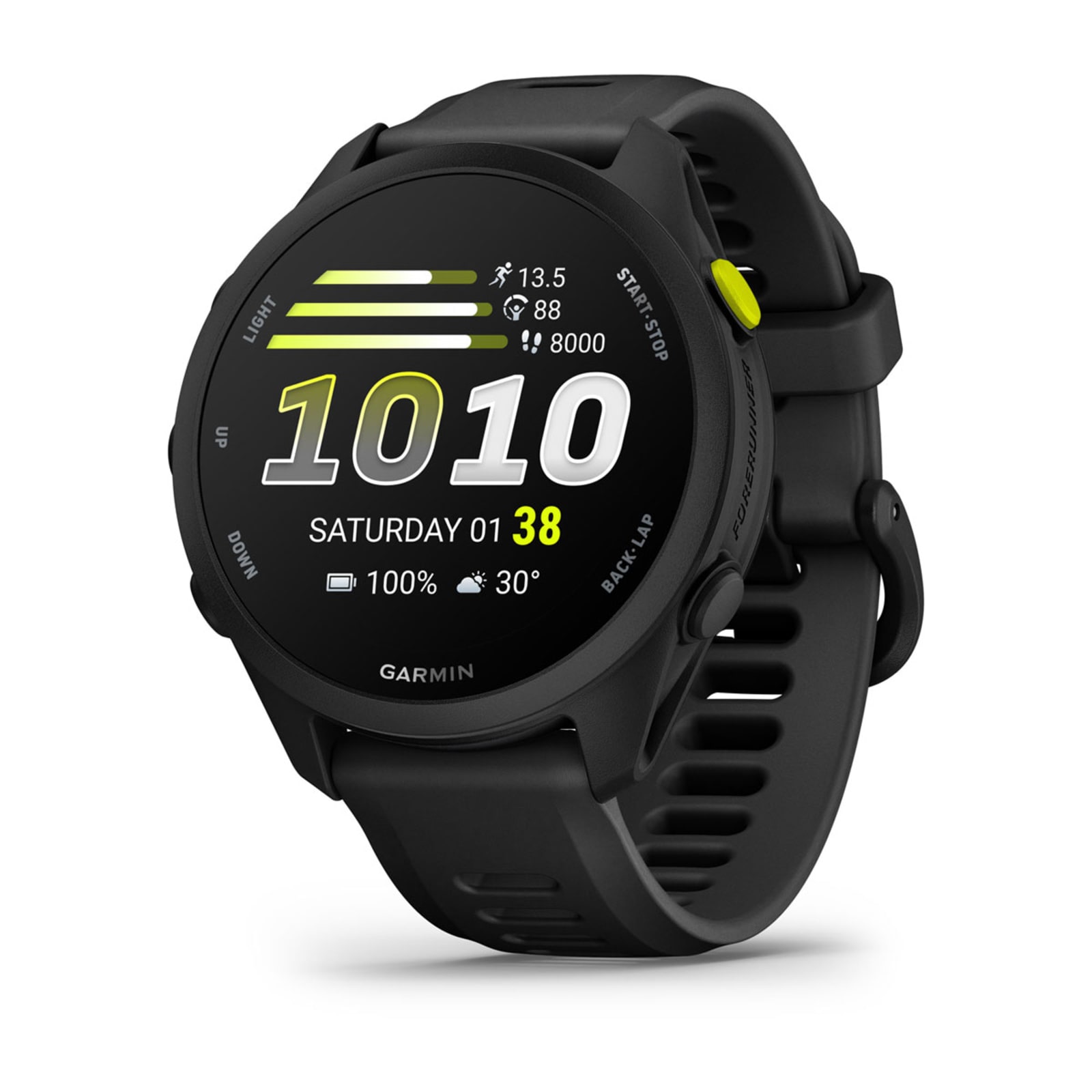
Garmin has a cannibalization problem, and it is called the Forerunner 70. At $249, this entry-level running watch packs Training Readiness, wrist-based Running Power, HRV Status, and a vivid AMOLED display – features that until recently required spending $450 or more at launch on a Forerunner 265. For new and intermediate runners, the Forerunner 70 is the most compelling Garmin in years, and the gap is wider than the price suggests.
That does not mean it is flawless. The omission of music storage, Garmin Pay, and a barometric altimeter keeps this firmly in the "road runner's watch" category. But for the runner who wants structured coaching and genuine training intelligence without the premium price tag, the Forerunner 70 delivers where it matters most.
Design and Build
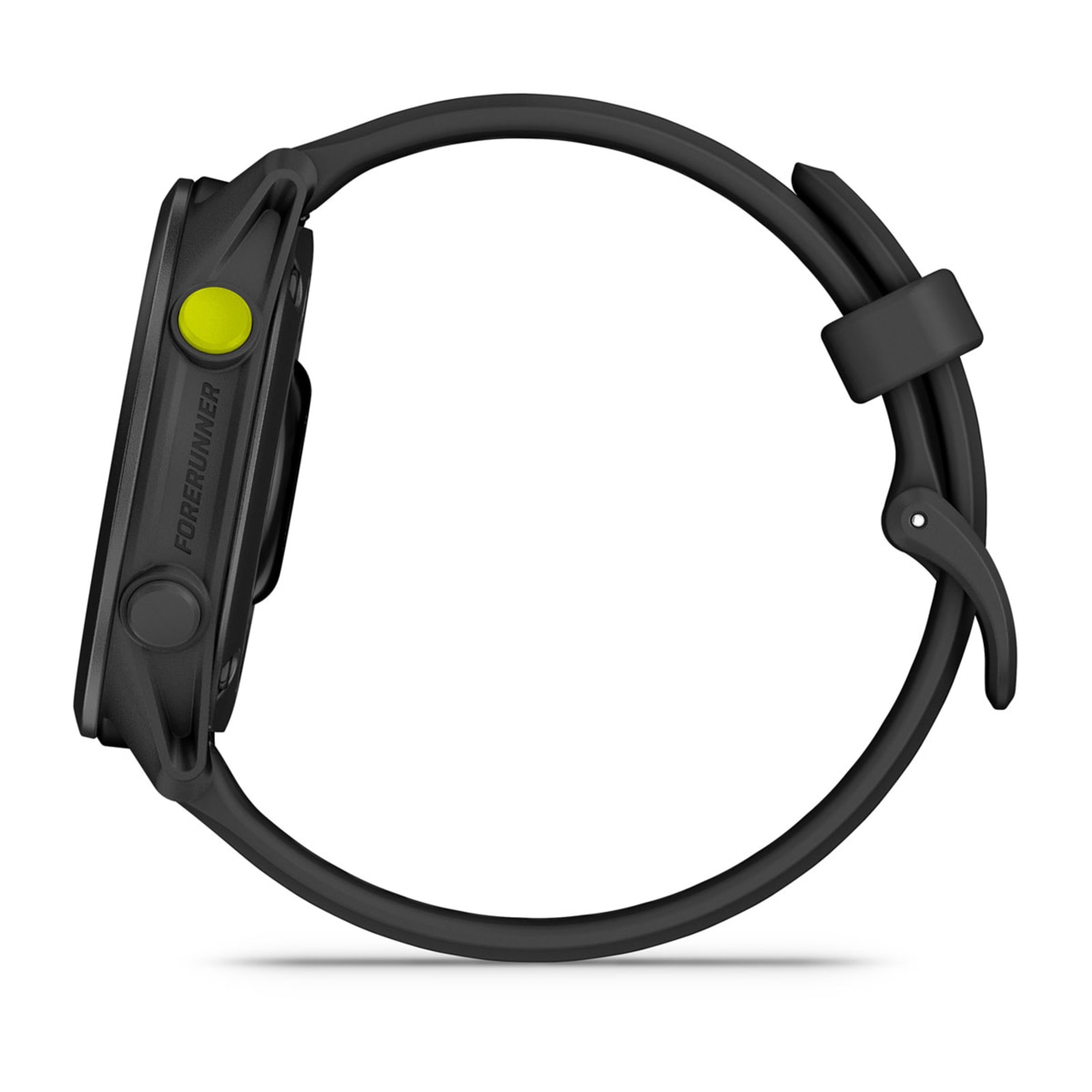
At 40 grams and 42.6mm across, the Forerunner 70 practically disappears on the wrist. The fiber-reinforced polymer case is lightweight and durable, if unremarkable – standard fare for a sub-$300 running watch. Six color options (black, whitestone, citron, soft pink, tidal blue, cool lavender) give it more personality than any previous entry-level Forerunner, and the citron and lavender variants genuinely look good.
The five-button layout flanks both sides of the case, paired with a responsive touchscreen. This dual-input approach remains Garmin's best interface design: buttons for mid-run reliability, touch for scrolling menus and maps. The 20mm quick-release silicone band swaps easily, opening up Garmin's extensive aftermarket band ecosystem.
Water resistance is rated at 5 ATM (50 meters), sufficient for pool swimming and rain. The reinforced glass lens is a step below the premium Gorilla Glass found on higher-end models, so screen protector enthusiasts will want to plan accordingly.
Display
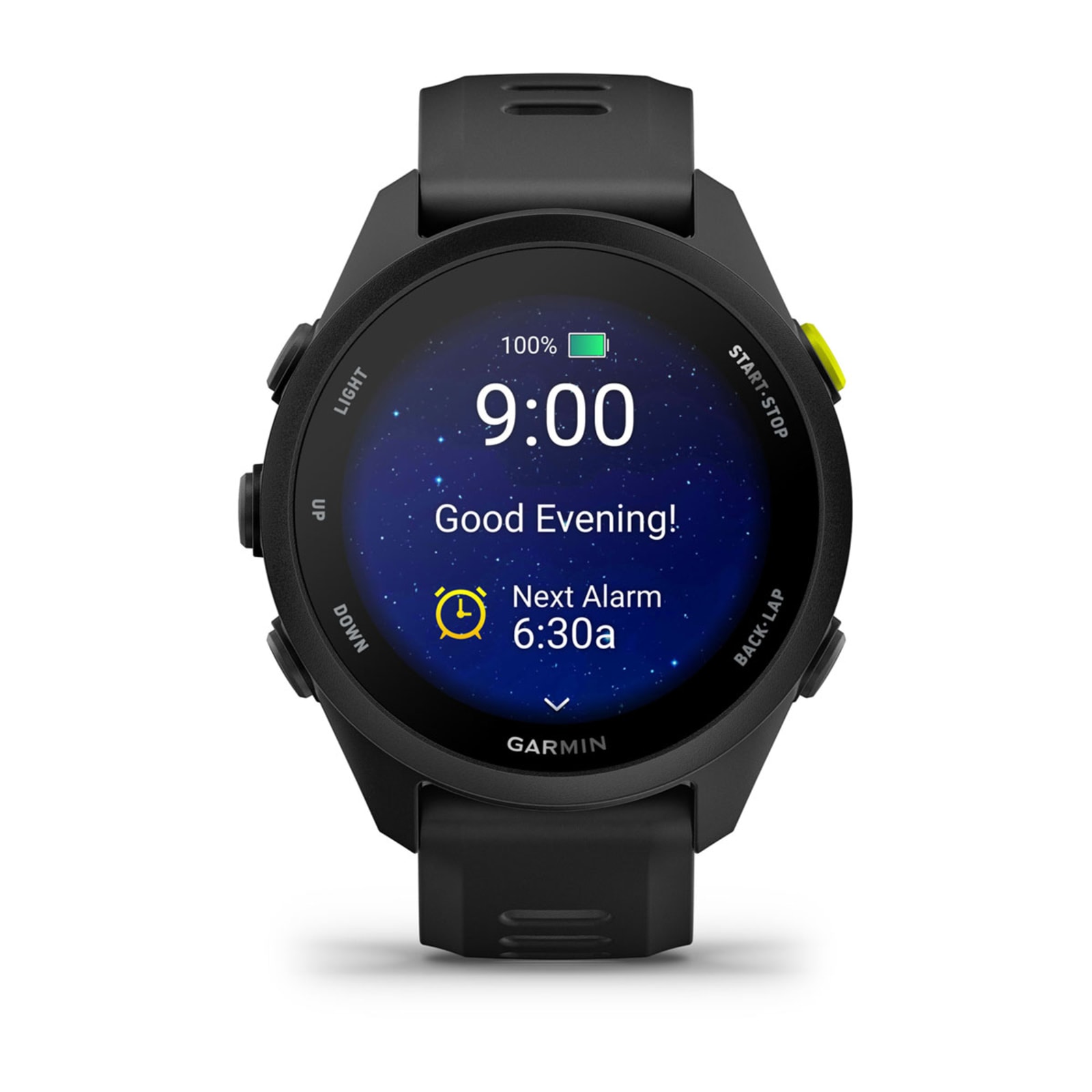
The 1.2-inch AMOLED display with 390 x 390 resolution and peak brightness estimated at around 1,500 nits (Garmin does not publish an official figure) is the single biggest upgrade from the Forerunner 55's aging MIP screen. Colors pop, text is razor-sharp, and outdoor visibility is excellent even in direct sunlight. Garmin's always-on display mode is available but drops battery life from 13 days to roughly five – a tradeoff worth considering based on personal preference.
This is the same display technology found across Garmin's current lineup, and it transforms the user experience at this price point. Scrolling through workout data mid-run, reviewing sleep charts, or checking Training Readiness scores feels polished and modern rather than utilitarian.
Performance and Features
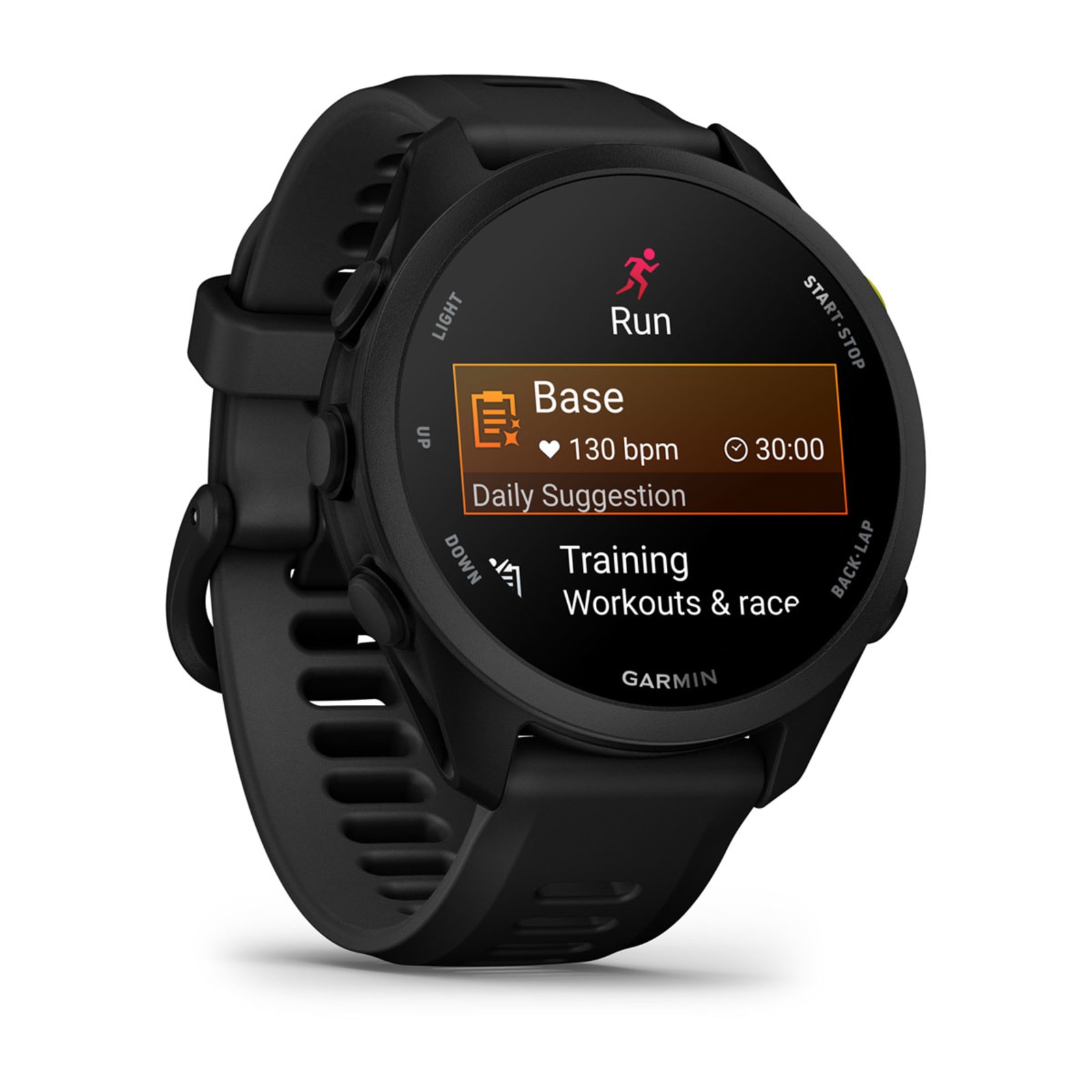
The Forerunner 70's headline story is not the hardware – it is the software. Garmin has dropped its full physiological training stack into a $249 watch, and the result is transformative for the entry-level category.
Training Readiness analyzes sleep quality, recovery time, HRV status, stress, and training load to generate a daily score indicating how prepared the body is for hard effort. Training Status tracks whether fitness is improving, maintaining, or declining over time. Wrist-based Running Power provides real-time power output in watts without requiring an external sensor. These features previously lived exclusively in $400+ Forerunners.
The new Quick Workouts feature is particularly well-suited for beginners. Input a time window and desired intensity, and the watch generates a structured session on the spot. Combined with Garmin Coach adaptive training plans – which now include run/walk intervals for newer runners – the Forerunner 70 offers genuine coaching intelligence rather than simple activity recording.
GPS uses a multi-GNSS single-frequency chipset supporting GPS, GLONASS, Galileo, BeiDou, and QZSS. The absence of dual-band/multi-band GPS is the most notable hardware gap compared to competitors like the Coros Pace 4 ($249). In practice, single-frequency performance on open roads and park trails is reliable, with occasional drift in dense urban canyons or heavy tree cover. For the target audience – road runners and light trail users – accuracy is more than adequate.
Course following uses breadcrumb navigation rather than full maps. Routes sync from Garmin Connect, and the watch displays a simple track to follow. Serious trail navigation demands a higher-tier watch, but for following a pre-planned 10K route through an unfamiliar city, it works.
With 80+ built-in sport profiles covering running, cycling, swimming (pool only), strength training, yoga, and more, the Forerunner 70 handles cross-training sessions capably.
Health and Fitness Tracking
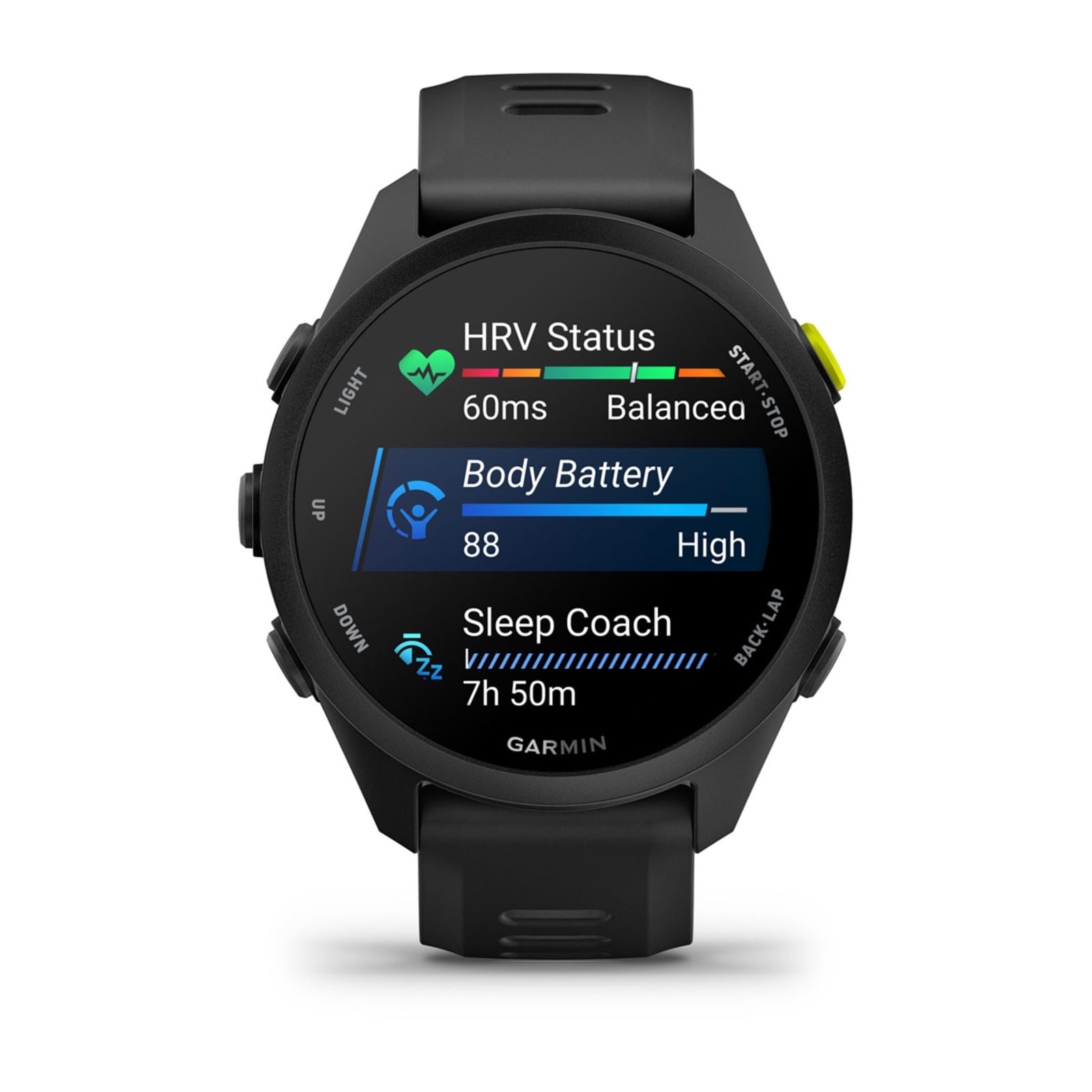
The Elevate V4 optical heart rate sensor is a generation behind Garmin's latest V5, but it remains one of the more reliable wrist-based sensors in the category. Resting heart rate and all-day tracking are consistent, and during steady-state running, readings align well with chest strap data. High-intensity intervals with rapid heart rate changes can introduce minor lag – a limitation shared by virtually every optical wrist sensor.
Pulse Ox (SpO2) monitoring is available for spot checks and overnight tracking. HRV Status tracks heart rate variability trends over time, providing useful insight into recovery and overall autonomic health. Body Battery translates stress, activity, and sleep data into a single energy score – surprisingly useful for deciding whether today is a hard workout day or a recovery day.
Sleep tracking includes Sleep Score, Sleep Coach with recommended bedtime windows, and nap detection. The data feeds into Training Readiness calculations, creating a cohesive feedback loop between recovery and training recommendations. For runners trying to understand why some days feel sluggish and others feel effortless, this integration is genuinely valuable.
Smart Features and Connectivity
The Forerunner 70 connects to Garmin Connect – the gold standard running ecosystem – for detailed analysis, social challenges, and long-term trend tracking. Phone notifications (calls, texts, app alerts) display on the AMOLED screen, and Bluetooth and ANT+ support means external heart rate straps and running footpods pair seamlessly. Connect IQ provides downloadable watch faces and data fields, adding customization without cluttering the stock experience.
What is missing matters here: no music storage means no phone-free listening on runs, and no Garmin Pay means the phone stays in the pocket for post-run purchases. For runners who rely on either, the Forerunner 170 Music ($349) or the Garmin Vivoactive 6 fill the gap. For everyone else, these omissions are easy to live with at $249.
Battery Life
The Forerunner 70 delivers up to 13 days in standard smartwatch mode, five days with the always-on display enabled, and 28 days in battery saver mode. In GPS mode, expect up to 23 hours with GPS-only GNSS or 16 hours with all satellite systems active.
For context, 23 hours of GPS runtime covers a marathon with hours to spare, and even a moderate ultra. The 13-day smartwatch figure is competitive with anything in the AMOLED running watch category at this price. The Coros Pace 4 ($249) offers up to 41 hours in standard GPS mode and 31 hours in dual-frequency Max GPS mode, making it the better choice for ultra-distance runners who need every hour. But for runners logging 30-60 minutes of GPS activity several times a week, the Forerunner 70's battery is a non-issue.
Charging uses Garmin's standard proprietary 4-pin clip connector on the watch side, with a USB-C end on the power adapter – a convenient modernization for the cable bag, even if it is not a universal cable.
Who It Is For
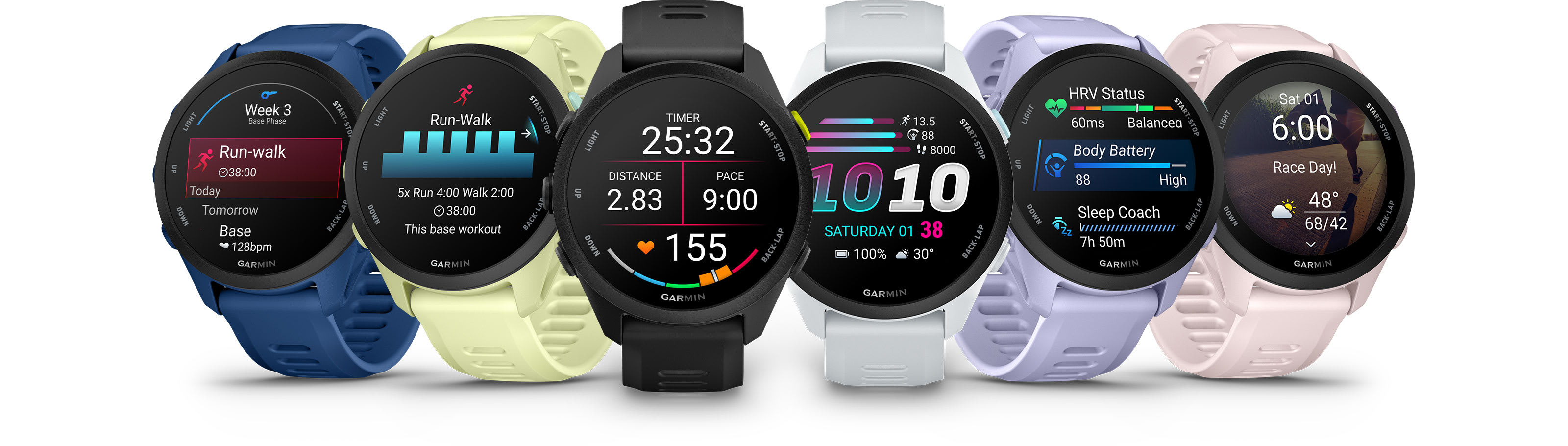
The Forerunner 70 is built for runners stepping beyond basic fitness trackers who want real training guidance without a steep learning curve or price tag. First-time marathon trainees, 5K-to-half-marathon runners looking to improve, and fitness enthusiasts who want Garmin's ecosystem at the lowest possible entry point will find enormous value here.
It also makes a compelling case for experienced runners who own an aging Forerunner 55 or 235 – the leap in training intelligence is substantial, and the AMOLED display alone justifies the upgrade.
Who Should Skip
Trail runners who require a barometric altimeter and compass for elevation data and navigation need the Forerunner 570 or above. Cyclists wanting power meter support should step up to the Forerunner 170 at minimum. And runners fixated on GPS precision in challenging environments should consider watches with dual-band GPS, like the Coros Pace 4.
The Verdict
The Garmin Forerunner 70 redraws the value line for the entire running-watch category. What previously required a $400+ Forerunner is now table stakes at $249, and that recalibration benefits every runner shopping in this category. The sacrifices – no music, no payments, no altimeter, single-band GPS – are real but carefully chosen to matter least to the road runners this watch targets.
For new and improving runners who want a watch that coaches rather than merely records, the Forerunner 70 earns its place on our best running watches list without reservation.
Score: 81/100
| Category | Weight | Score | Weighted |
|---|---|---|---|
| Core Function (GPS, running features, accuracy) | 30% | 80 | 24.0 |
| Build Quality (materials, water resistance, comfort) | 15% | 74 | 11.1 |
| User Experience (software, Garmin Connect, ease of use) | 20% | 82 | 16.4 |
| Value ($249 vs. competitors) | 20% | 90 | 18.0 |
| Battery Life (vs. category expectations) | 15% | 78 | 11.7 |
| Overall | 100% | 81.2 |