
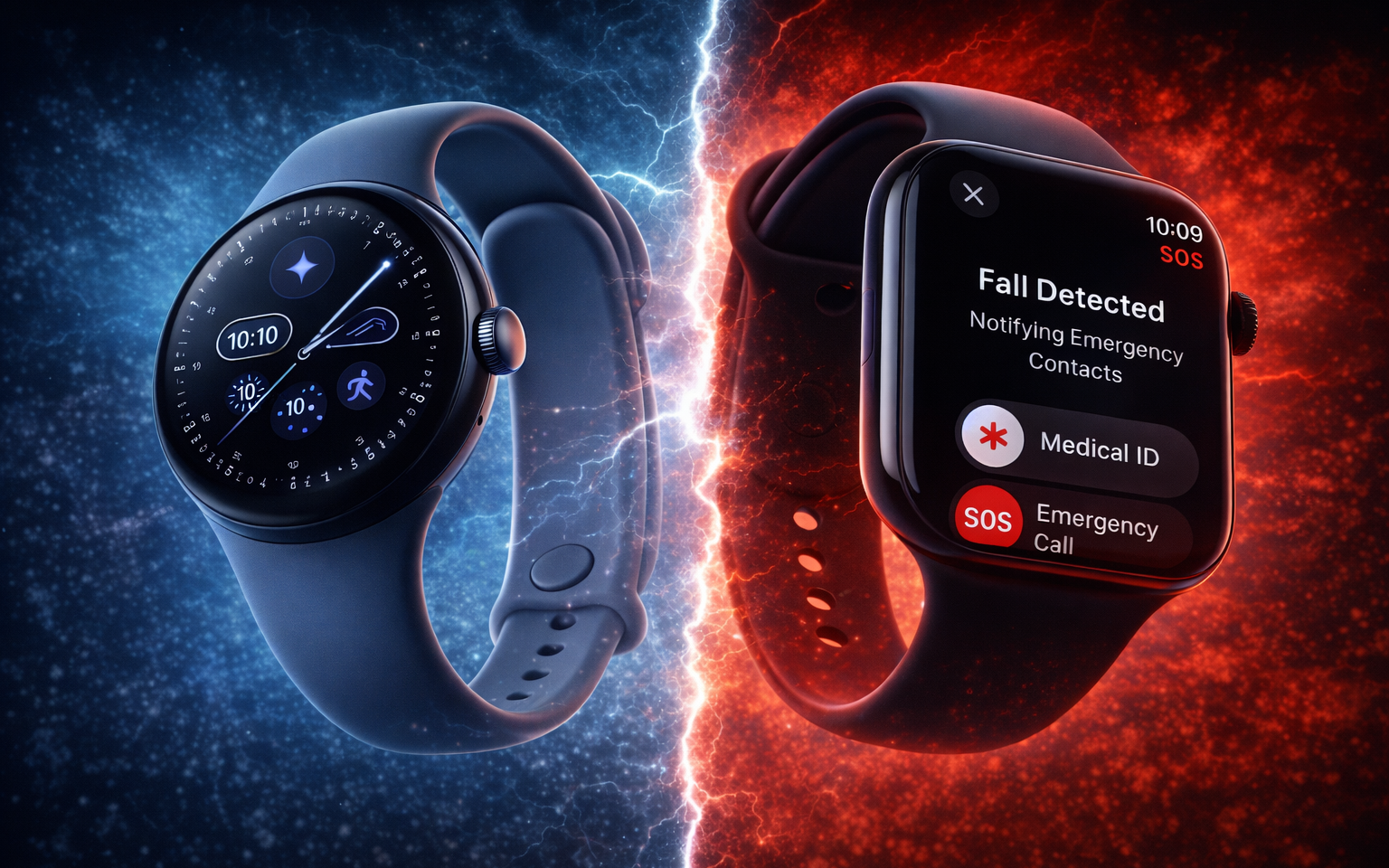
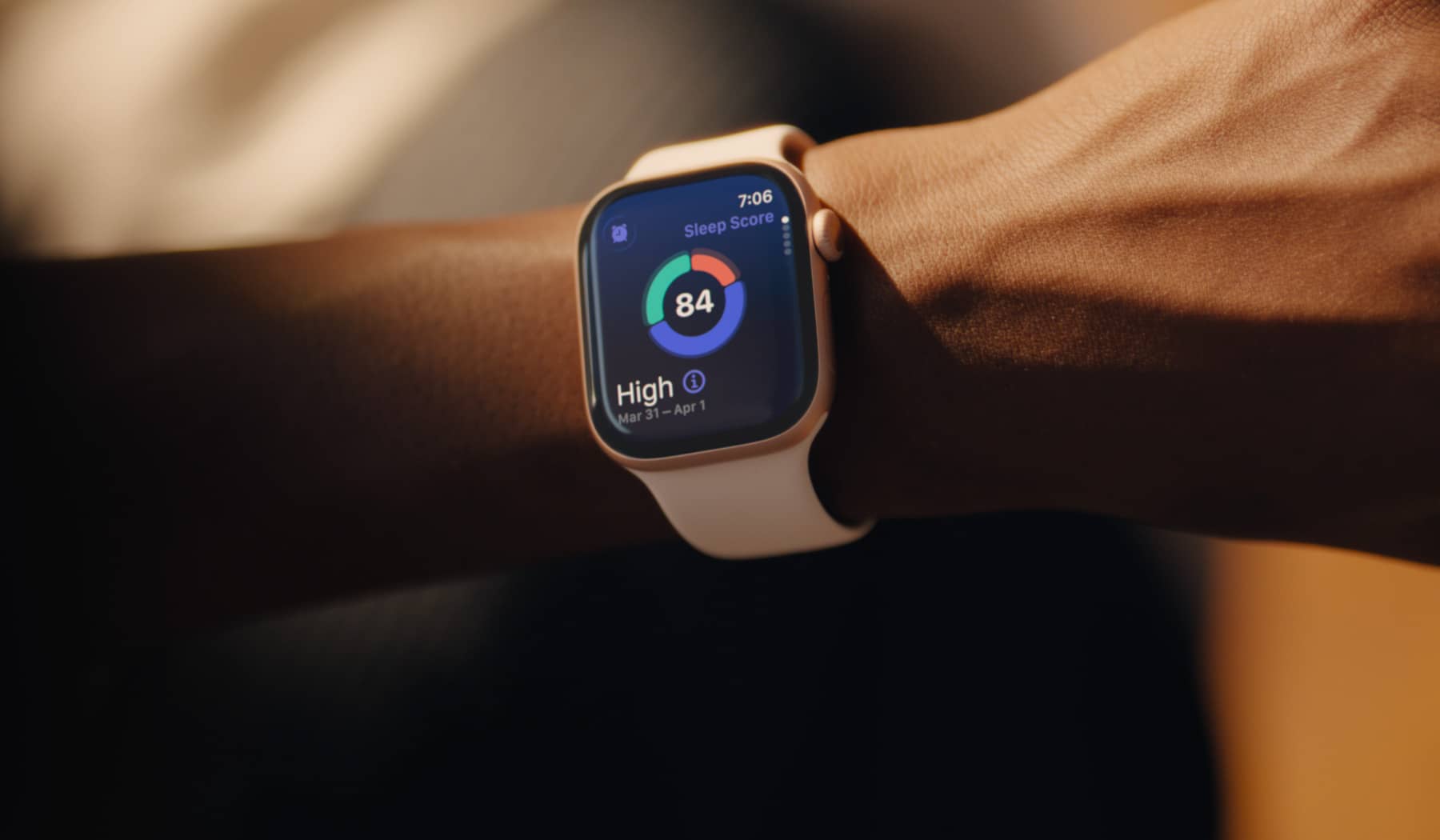
Every year, the same question resurfaces: is it finally time to cross the aisle? The Google Pixel Watch 4 and the Apple Watch Series 11 both scored 84/100 in our reviews, and for the first time, that tie isn't a consolation prize for the Android side. Google's fourth-generation smartwatch genuinely competes on hardware merit — brighter display, longer battery, better AI, standalone satellite SOS. But Apple counters with FDA-cleared hypertension screening, an untouchable app ecosystem, and the kind of software stability that just works.
This isn't a spec-sheet comparison. It's an ecosystem decision that shapes your daily routine. Whether you're an Android holdout eyeing Apple's polish, an iPhone user curious about Pixel's momentum, or someone about to switch phones entirely, the tradeoffs here are real and surprisingly close.
Display: Pixel Watch 4 Outshines by 50%
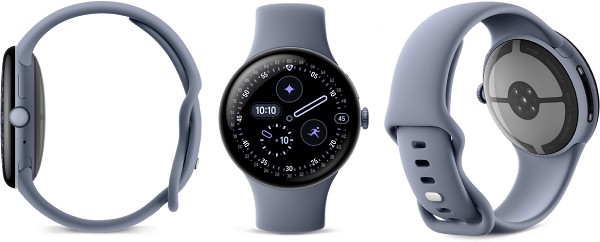
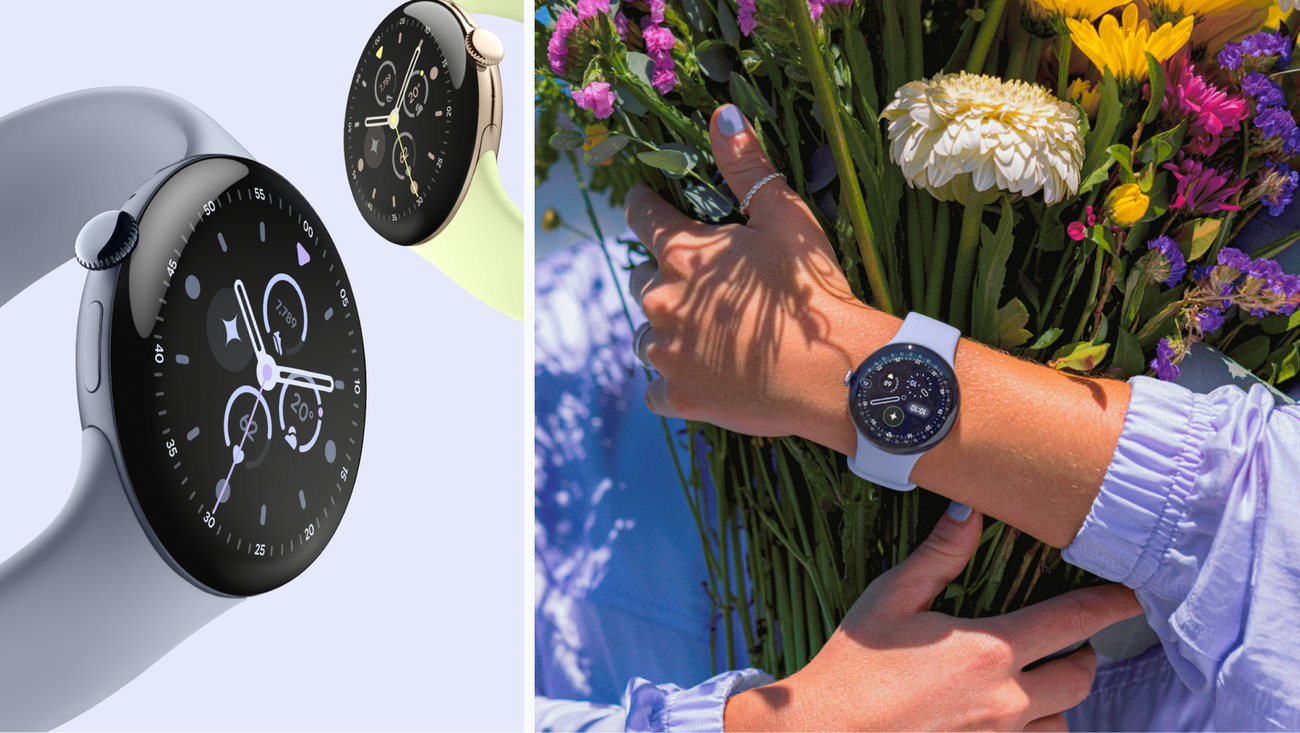
The Pixel Watch 4 pushes 3,000 nits of peak brightness through its Actua 360 AMOLED panel — the brightest display on any mainstream smartwatch. On a sunny afternoon, the screen cuts through glare without hesitation. The domed design creates a seamless look that wraps the display right to the edge of the case, and the visual effect is striking.
The Apple Watch Series 11 hits 2,000 nits, which remains excellent by any standard. The Always-On Retina display is crisp, colors are accurate, and the LTPO3 OLED panel handles variable refresh rates smoothly. In normal indoor conditions, you won't notice a difference between the two.
But step outside, and the 50% brightness gap becomes obvious. Whether you're checking a notification mid-run or glancing at navigation directions while cycling, the Pixel Watch 4 is simply easier to read in bright sunlight. One caveat: the Pixel Watch 4's domed Gorilla Glass 5 is more scratch-prone than Apple's Ion-X with ceramic coating — a tradeoff we cover in detail in the Durability section below.
Winner: Pixel Watch 4 for raw brightness and outdoor readability. The Apple Watch's scratch resistance is better, but brightness is something you notice every time you raise your wrist.
Battery Life: Pixel Watch 4 Ends the Daily Charging Debate
This category isn't close. The Pixel Watch 4 45mm is rated for 40 hours and consistently delivers 48+ hours with always-on display enabled in real-world use. The 41mm model manages 30 hours — still comfortably a two-day watch. Charging is equally impressive: 50% in just 15 minutes means a brief morning charge covers most of the day.
The Apple Watch Series 11 lasts 24 hours in standard mode, stretching to 38 hours with Low Power Mode. Real-world use lands somewhere around 27 to 32 hours depending on workout frequency and notification volume. That's a genuine improvement over previous generations, but it still means nightly charging is non-negotiable. Fast charging reaches 80% in about 30 minutes — respectable, but the Pixel Watch 4 still gets to a usable charge faster.
The practical impact is significant. The Pixel Watch 4 tracks your sleep without battery anxiety, survives a weekend trip without a charger, and still has juice left for Monday morning. The Apple Watch demands a bedtime charging ritual. For some, that's a minor inconvenience. For others, it's a dealbreaker that undermines sleep tracking entirely.
Winner: Pixel Watch 4 — nearly double the battery life and dramatically faster charging. This alone could decide the comparison for many buyers.
Health Features: Different Strengths, No Clear Winner
Both watches deliver comprehensive health monitoring — heart rate, SpO2, ECG, skin temperature, and sleep tracking with detailed sleep stages and scores. The accuracy is comparable: the Pixel Watch 4 tracks heart rate within 1-3 BPM of a chest strap, while the Apple Watch consistently lands within 1 BPM of chest strap averages.
Where they diverge is in their flagship health features. The Apple Watch Series 11 introduces FDA-cleared hypertension screening — a genuinely meaningful advancement that analyzes vascular response over 30-day periods and alerts users to potential high blood pressure. It's important to note what this is and isn't: the feature has 92.3% specificity (few false alarms) but only about 40% sensitivity, meaning it will miss more cases than it catches. It functions as a screening tool for undiagnosed users, not a blood pressure monitor. That said, given that nearly half of American adults have hypertension and many don't know it, even a low-sensitivity screen can catch something that would otherwise go unnoticed.
The Pixel Watch 4 counters with Loss of Pulse Detection, also FDA-cleared, which can detect cardiac arrest and automatically contact emergency services. It's a safety feature you hope never activates, but one that could save a life. The Pixel Watch 4 also edges ahead in step-counting accuracy — off by just 237 steps (over) on a 20,000-step test versus the Apple Watch's 422-step deficit (under).
One important caveat for Pixel Watch 4 owners: the March 2026 firmware update broke SpO2 and skin temperature readings for some users, and while a fix rolled out, the episode highlights a software stability gap that doesn't exist on the Apple side. Additionally, some of the Pixel Watch 4's deeper health insights sit behind the Google Health Premium paywall at $10/month, while the Apple Watch delivers all its health features with no subscription fees.
Winner: Tie — hypertension screening and loss of pulse detection are both potentially life-saving features aimed at different scenarios. The subscription cost and software bugs tilt slightly toward Apple for reliability, but the raw feature set is balanced.
AI and Smart Assistant: Gemini Leapfrogs Siri
The Pixel Watch 4's Gemini integration represents the most capable AI assistant on any smartwatch. Raise your wrist and speak — no button press required — and Gemini handles contextual queries, smart home control, message composition, and multi-step requests with noticeably more sophistication than Siri. It understands follow-up questions, handles ambiguous requests, and feels like it belongs in 2026.
Siri on the Apple Watch Series 11 is functional. It sets timers, sends messages, starts workouts, and answers basic questions. But it remains a step behind in conversational depth, contextual awareness, and the ability to handle complex or multi-part requests. Apple's assistant has improved incrementally, but the gap with Gemini is wider than it's been since either assistant launched.
There's a significant caveat: Gemini's raise-to-talk functionality currently requires a Pixel 9 or newer phone. Pair it with any other Android phone and you lose the most impressive AI feature on the watch. That's a meaningful limitation for non-Pixel Android users.
Winner: Pixel Watch 4 — Gemini is the more capable assistant by a clear margin, though the Pixel 9+ requirement limits who actually benefits.
Safety Features: Pixel Watch 4 Stands Alone
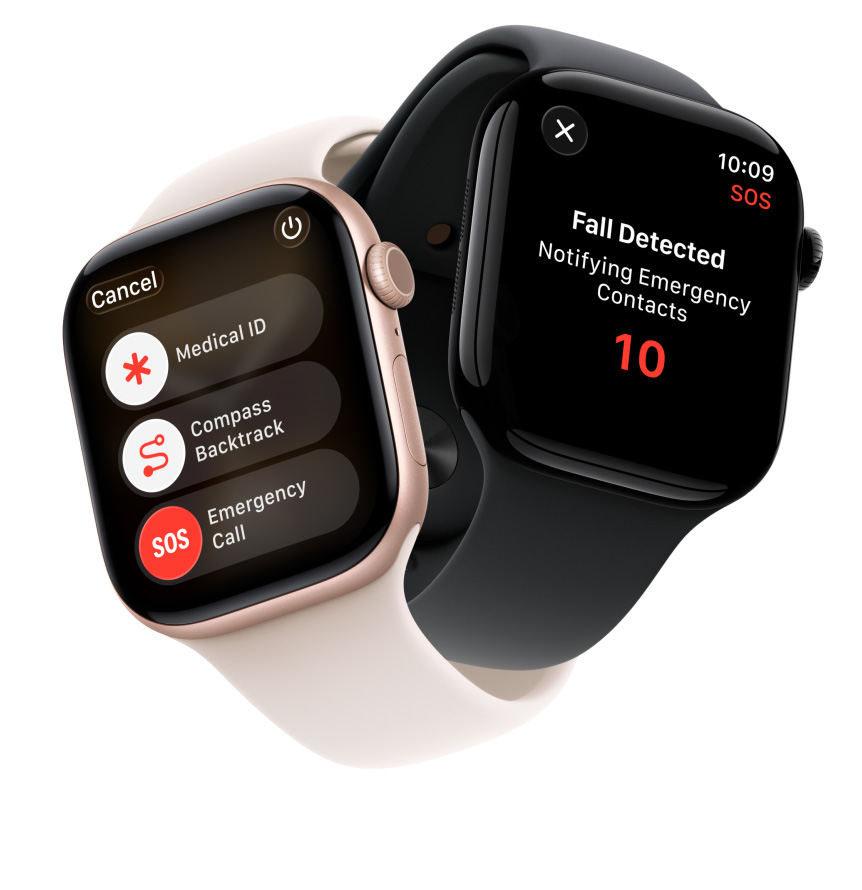
The Pixel Watch 4's LTE models include standalone satellite SOS — the ability to contact emergency services via satellite without needing a phone nearby, even outside cellular range. Currently limited to the US, this feature works independently on the watch itself. For hikers, runners in remote areas, or anyone who occasionally leaves their phone behind, satellite SOS provides genuine peace of mind.
The Apple Watch Series 11 offers Emergency SOS, but it routes through your paired iPhone. Leave the iPhone at home and you lose emergency calling unless you have the cellular model within range of a tower. The Apple Watch does include fall detection and crash detection, both proven life-saving features with years of real-world validation.
Winner: Pixel Watch 4 — standalone satellite SOS on a smartwatch is a category-defining feature. Apple's fall and crash detection are mature and reliable, but they require iPhone proximity for the actual emergency call.
App Ecosystem and Software: Apple's Unassailable Lead
This is the Apple Watch's trump card, and it's not close. The App Store offers thousands of purpose-built watchOS apps — Starbucks, Uber, Spotify, WhatsApp, banking apps, smart home controls, productivity tools. Third-party developers still prioritize Apple Watch first, and the depth of available software dwarfs what's available on Wear OS.
The Pixel Watch 4 runs Wear OS 6, which has improved substantially. Google Maps, Google Home, YouTube Music, and core Google apps work well. The Play Store's Wear OS selection has grown. But "growing" and "mature" aren't the same thing. Many popular apps either don't have Wear OS versions or offer stripped-down experiences compared to their watchOS counterparts.
Software stability also favors Apple. watchOS 26 is polished, responsive, and essentially bug-free. The Pixel Watch 4 has dealt with notification reliability issues and the aforementioned March 2026 firmware debacle that temporarily broke health features. Google's update track record is improving, but Apple's software consistency remains the industry benchmark.
Winner: Apple Watch Series 11 — the app ecosystem gap is narrowing, but Apple still leads by years in both breadth and polish. If apps drive your smartwatch use, this category alone could decide the comparison.
Durability and Repairability: A Surprising Split
The Apple Watch Series 11's Ion-X glass with ceramic coating is twice as scratch-resistant as the Series 10. The aluminum case holds up well to daily wear, and the overall build quality is excellent. But when something does break — a cracked screen, a degraded battery — you're looking at Apple's repair pricing or a trip to the Genius Bar.
The Pixel Watch 4 earned a 9/10 repairability score from iFixit, with both the battery and display designed for user replacement. That's remarkable for a smartwatch and essentially unheard of from a major manufacturer. The domed glass scratches more easily, but when it does, you can actually replace it yourself. Over a three-to-five-year ownership period, repairability extends the useful life of the device dramatically and reduces electronic waste.
The tradeoff is clear: the Apple Watch resists damage better upfront, while the Pixel Watch 4 is far easier to fix when damage inevitably occurs.
Winner: Pixel Watch 4 — repairability is the more forward-thinking approach, and a 9/10 iFixit score on a smartwatch deserves recognition. The Apple Watch's superior scratch resistance is meaningful, but it doesn't help once the glass actually cracks.
Value: Closer Than You'd Think
The Pixel Watch 4 starts at $350 for the 41mm Wi-Fi model, climbing to $400 for the 45mm and adding $100 for LTE. The Apple Watch Series 11 starts at $399 for the 42mm GPS model and $429 for the 46mm, with Titanium options from $699. On paper, the Pixel Watch 4 is cheaper.
But two factors complicate the math. First, the Apple Watch Series 11 frequently goes on sale for $299-329 — below the Pixel Watch 4's entry price. Second, the Pixel Watch 4's best health insights require Google Health Premium at $10/month, adding $120/year to the cost of ownership. Over two years, that's $240 in subscription fees on top of the hardware cost.
The Apple Watch charges no subscriptions. Every health feature, every workout insight, every sleep metric is included in the purchase price. Factor in typical sale pricing, and the Apple Watch can actually be the cheaper option over the life of the device.
Winner: Tie — at MSRP, the Pixel Watch 4 wins on hardware price. Factor in Google Health Premium and Apple's frequent sales, and the Apple Watch edges ahead on total cost of ownership. Neither is a bad value at their respective prices.
Who Should Buy What
Buy the Google Pixel Watch 4 if you:
- Use an Android phone (especially a Pixel 9 or newer for Gemini)
- Hate nightly charging and want genuine multi-day battery life
- Spend significant time outdoors and need a display that dominates in sunlight
- Want standalone satellite SOS for hiking, trail running, or remote adventures
- Value repairability and plan to keep the watch for several years
- Prioritize AI assistant capability over app selection
- Don't mind a $10/month subscription for deeper health analytics via Google Health Premium
Buy the Apple Watch Series 11 if you:
- Use an iPhone — the integration advantage is enormous
- Want hypertension screening or prioritize proven, stable health features
- Care about apps beyond the basics (the ecosystem gap remains wide)
- Prefer a watch that resists scratches rather than one you can repair
- Value software stability and a bug-free experience
- Want the lowest total cost of ownership (sale pricing + no subscriptions)
- Need the deepest smartwatch ecosystem available
Our Verdict
The Google Pixel Watch 4 wins this comparison. Across our eight categories, it takes five (display, battery, AI, safety, and repairability) to Apple's one (apps and software), with two ties (health and value). For Android users specifically, the Pixel Watch 4 is the best smartwatch available, full stop.
But the margin is razor-thin, and the Apple Watch Series 11 remains the right choice for a huge segment of buyers. If you own an iPhone, the Series 11's ecosystem integration, app library, hypertension screening, software stability, and subscription-free model create a compelling package that the Pixel Watch 4 simply cannot replicate. The Apple Watch still dominates the iPhone smartwatch category for good reason.
What makes this comparison genuinely interesting in 2026 is that the Pixel Watch 4 competes on merit, not just platform lock-in. Three years ago, recommending Google's smartwatch required asterisks and caveats. Now it requires a genuine weighing of tradeoffs. The deciding factor remains ecosystem — Android users should choose the Pixel Watch 4, iPhone users should choose the Apple Watch Series 11 — but for the first time, neither side is settling.
Specs At A Glance
| Feature | Google Pixel Watch 4 (45mm) | Apple Watch Series 11 (46mm) |
|---|---|---|
| Price | $400 (Wi-Fi), $500 (LTE) | $429 (GPS); on sale $299-329 |
| Display | 3,000 nits, AMOLED, Actua 360 | 2,000 nits, LTPO3 OLED |
| Battery | 40 hrs (real-world 48+) | 24 hrs (real-world 27-32 hrs) |
| Fast Charging | 50% in 15 min | 80% in ~30 min |
| Chip | Snapdragon W5 Gen 2 (4nm) | Apple S10 |
| RAM / Storage | 2GB / 32GB | — / 64GB |
| Water Resistance | 5ATM (50m) | WR50 (50m) |
| Weight | 36.7g | 37.8g (aluminum) |
| Health Sensors | HR, SpO2, ECG, skin temp, Loss of Pulse Detection | HR, SpO2, ECG, skin temp, hypertension screening |
| AI Assistant | Gemini (raise-to-talk) | Siri |
| Safety | Satellite SOS (LTE, US) | Fall detection, crash detection (via iPhone) |
| Scratch Resistance | Gorilla Glass 5 | Ion-X + ceramic (2x Series 10) |
| Repairability | 9/10 iFixit | Not user-serviceable |
| Subscription Required | Google Health Premium ($10/mo) for full features | None |
| Compatibility | Android only | iPhone only |
| WearableBeat Score | 84/100 | 84/100 |