
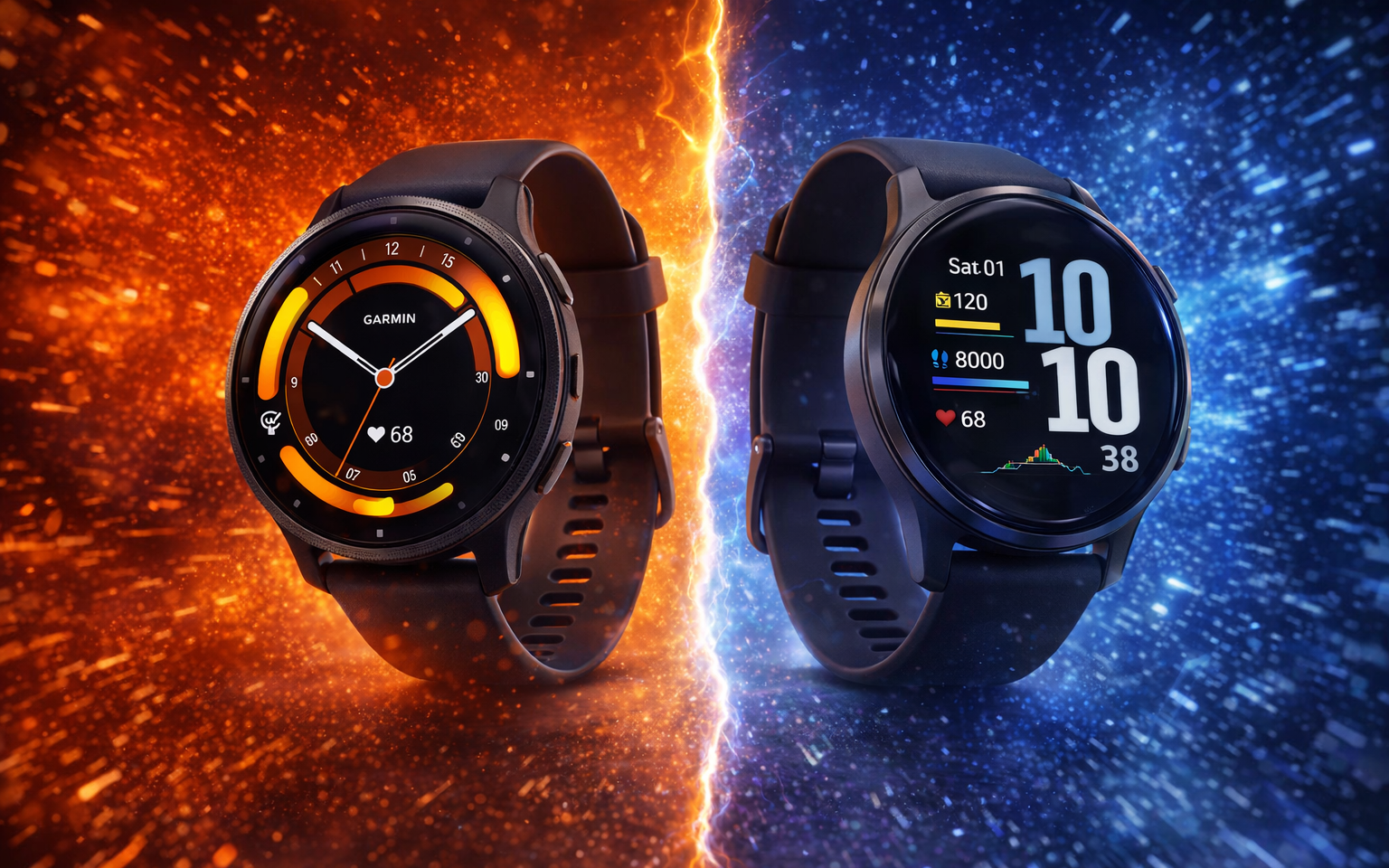
Garmin's Venu line has always sat in an awkward, appealing middle ground: the AMOLED smartwatch for people who want Garmin's health depth without committing to a chunky multisport watch. The Venu 3 nailed that brief in 2023. Two years later, the Venu 4 arrives with a heavier price tag, a heavier case, and a list of upgrades that reads impressively on paper -- dual-band GPS, a brighter screen, a built-in flashlight, and a fresh batch of training metrics.
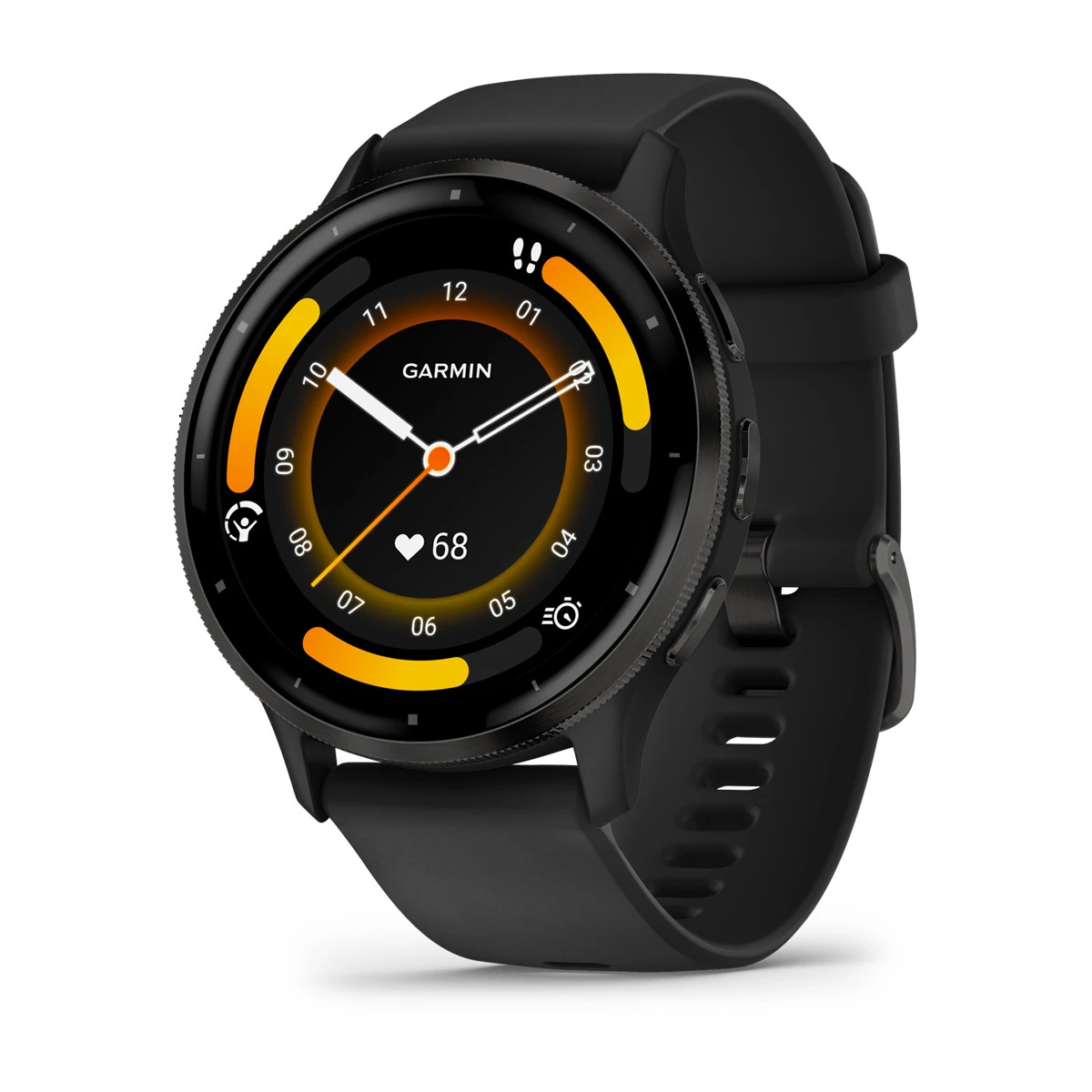
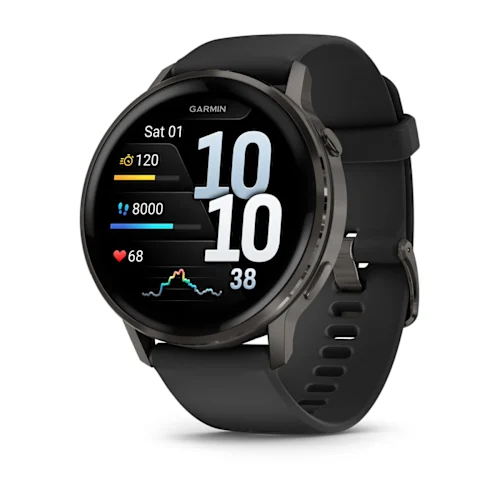
So the question for anyone shopping the Venu line right now is simple: do those upgrades justify spending roughly $150 to $200 more, or is the older, heavily discounted Venu 3 still the watch most people should buy? The answer depends almost entirely on what you do with your wrist between 5 AM and bedtime.
Build and Design: Refined Metal vs. Lightweight Polymer
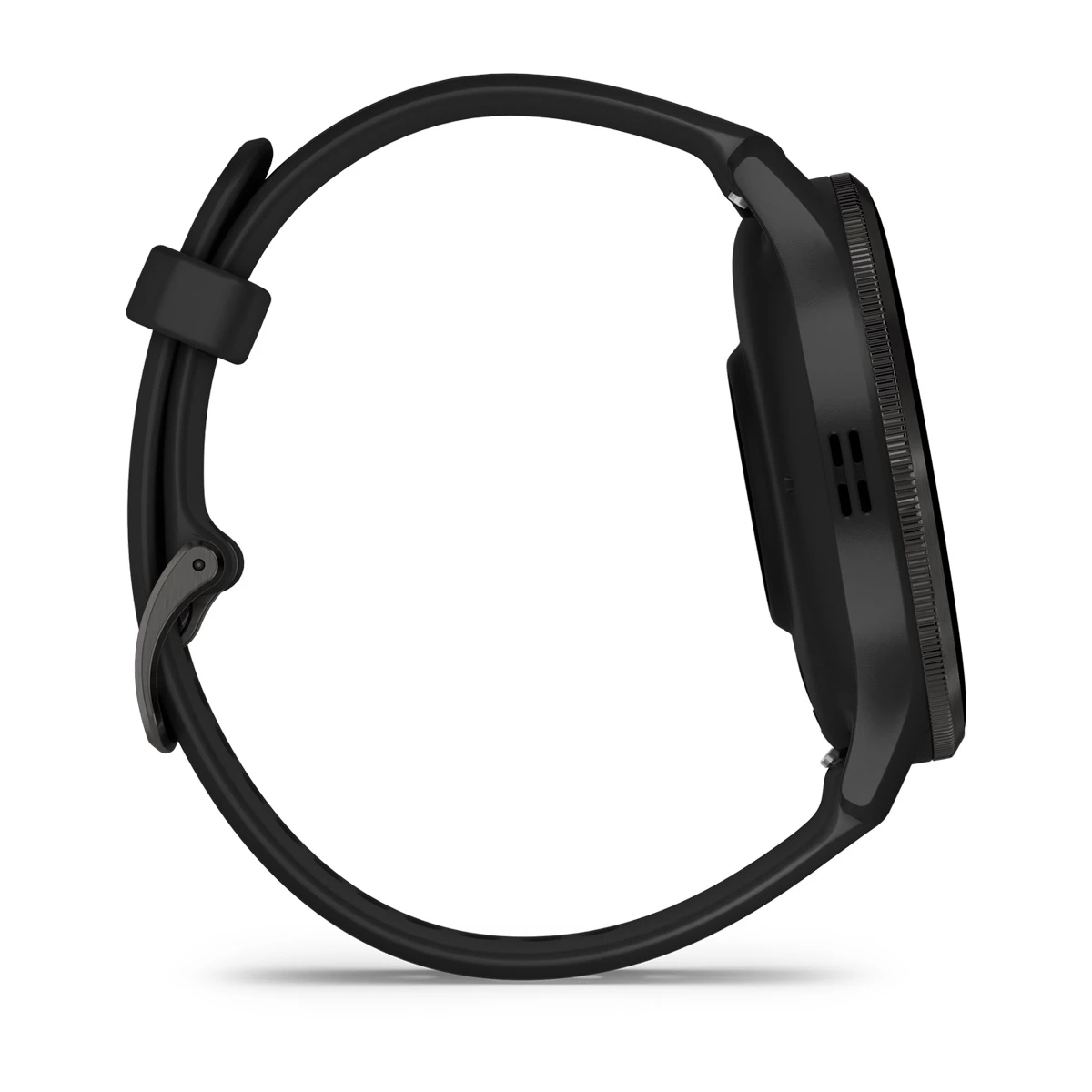
The most immediate difference is in the hand. The Venu 3 uses a fiber-reinforced polymer case with a stainless steel bezel, weighing about 46 grams with its silicone band. It is light, comfortable for all-day-and-overnight wear, and never feels like a burden during sleep tracking.
The Venu 4 ditches the polymer and goes full stainless steel. The 45mm model jumps to 56 grams, and that extra heft reads as quality rather than bulk -- this is the first Venu you would wear to dinner without a second thought. Garmin also added a genuinely useful dual-mode LED flashlight (white and red) to the top edge of the case, the kind of feature that sounds gimmicky until your first predawn run or 2 AM dog walk.
There is one more design win that is easy to overlook: the Venu 4 brings the 41mm size into the main line. The Venu 3 only shipped in 45mm; smaller wrists had to step down to the separate Venu 3S. With the Venu 4, you get both 41mm and 45mm options without losing features. For anyone who found the Venu 3 too large, this alone may settle the decision.
Winner: Venu 4. Premium materials, a practical flashlight, and a proper small-size option.
Display: Same Resolution, Brighter Glass
On a spec sheet these two look identical -- both use a 1.4-inch AMOLED panel at 454 x 454 resolution, both gorgeous, both with optional always-on display. In daily use indoors, you would struggle to tell them apart.
The difference shows up outdoors. Garmin pushed the Venu 4's peak brightness to roughly 2,000 nits, and it solves the one persistent weakness of earlier AMOLED Garmins: sunlight readability. The Venu 3's screen is excellent but can wash out in direct midday glare; the Venu 4 stays crisp. If you train outside often, that is a real, repeatable advantage rather than a spec-sheet footnote.
Winner: Venu 4, narrowly. Same beautiful panel, meaningfully brighter outdoors.
GPS and Tracking Accuracy: The Headline Upgrade
This is the single most important difference between the two watches. The Venu 3 uses single-band GPS (GPS, GLONASS, Galileo). It is perfectly fine for road runs and open-sky cycling, but it can drift in cities with tall buildings, under heavy tree cover, or in canyons.
The Venu 4 steps up to multi-band, dual-frequency GNSS (L1 + L5), pulling from five satellite systems. This is the first time multi-band positioning has appeared in the Venu series, and it is the upgrade serious athletes have been asking for. Tracks are tighter, distance is more trustworthy, and the watch holds a lock where the Venu 3 would wander. If your training log lives or dies by accurate pace and distance, this is the line item that matters.
Winner: Venu 4, decisively. Multi-band GPS is a genuine accuracy leap, not a marketing number.

Fitness and Training Depth
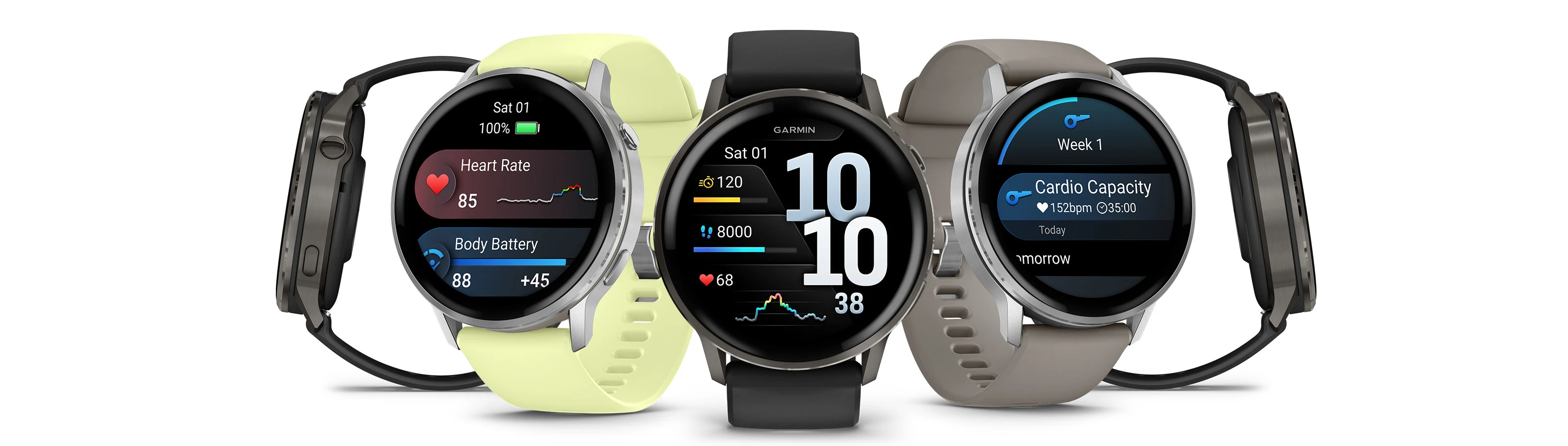
Both watches share Garmin's core health stack: Body Battery, HRV status, sleep coaching with nap detection, ECG, SpO2, skin temperature, and stress tracking. For everyday wellness, they are remarkably close, and the Venu 3 still does the lifestyle basics beautifully.
The Venu 4 widens the gap for athletes. It roughly doubles the built-in sport apps (from 30-plus to 80-plus) and layers in deeper training analytics -- the kind of readiness and load insights that used to be reserved for Garmin's pricier Forerunner and Fenix lines. If you want a watch that actively coaches your training rather than just logging it, the Venu 4 is the one that delivers.
That said, this is exactly where buyers overspend. Most people will never open the advanced training screens. If your "training" is three gym sessions and a weekend walk, the Venu 3 already tracks all of it.
Winner: Venu 4 for athletes; a draw for everyone else.
Battery Life: A Rare Step Backward
Here is the one category where the older watch wins. The Venu 3 is rated for up to 14 days in smartwatch mode; the Venu 4 drops to up to 12 days. Always-on display knocks both down hard -- to around four to five days. The brighter screen and multi-band GPS are the obvious culprits for the Venu 4's slightly shorter endurance.
In practice, the difference between 12 and 14 days is small, and both watches comfortably embarrass the roughly daily charging of an Apple Watch or Galaxy Watch. But if your single highest priority is the longest possible runtime between charges, the Venu 3 technically holds the crown.
Winner: Venu 3, narrowly.
Smart Features and Daily Use
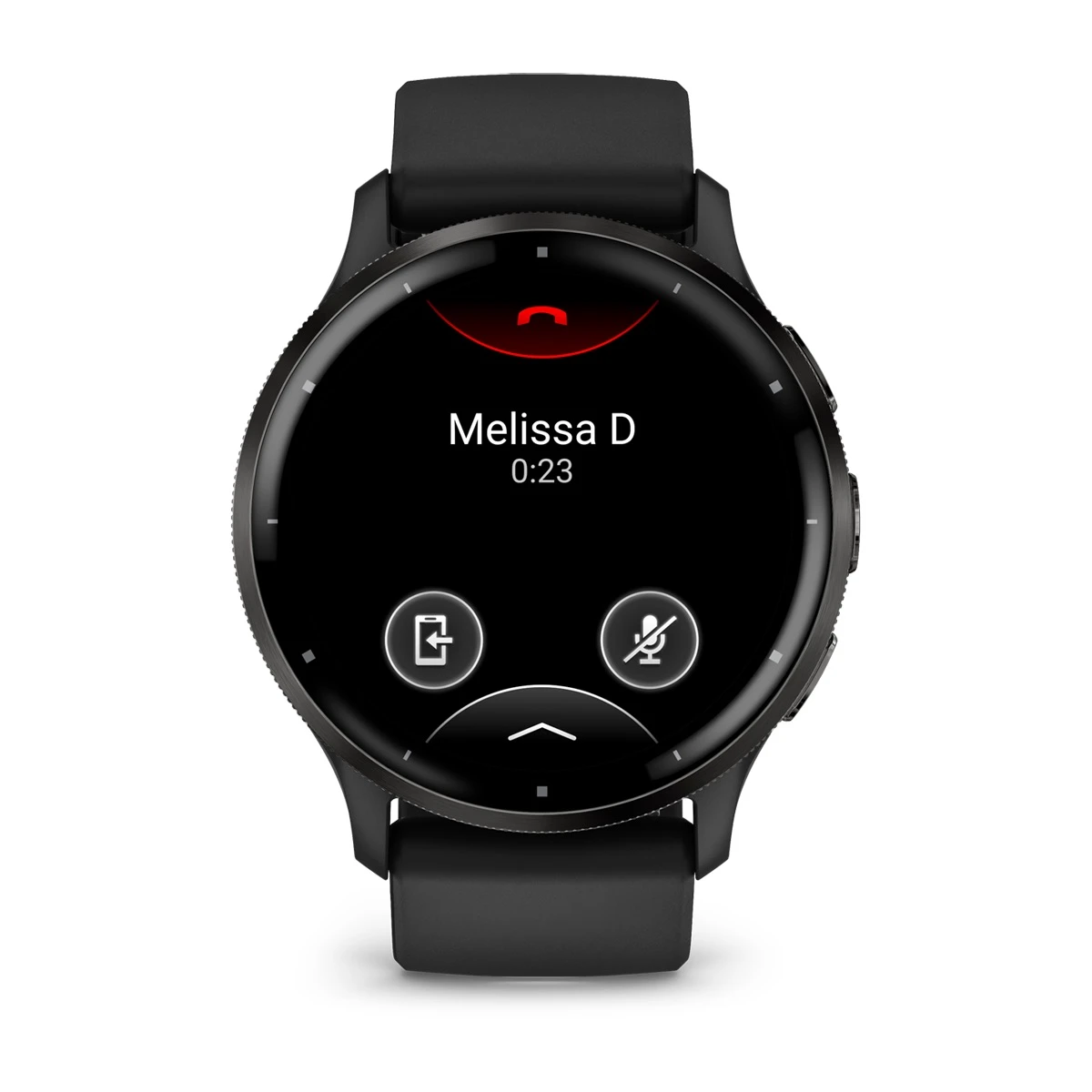
This is closer to parity than the price gap suggests. Both watches have a built-in speaker and microphone for Bluetooth calls and voice assistant access, both store music offline, both include Garmin Pay, and both run the same fundamentally function-first Garmin interface. Neither is as slick as Apple's or Samsung's software, and neither pretends to be.
The Venu 4's newer hardware gives it a small responsiveness edge and the flashlight as a daily-life bonus, but a Venu 3 owner is not missing core smart functionality. If smart features are your priority, a Garmin like the Vivoactive 6 or a Wear OS watch is a more relevant conversation than Venu 3 versus Venu 4.
Winner: Draw.
Who Should Buy What
Buy the Venu 4 if you: - Train seriously outdoors and need trustworthy, multi-band GPS accuracy - Will actually use advanced training-readiness and load metrics - Want the premium all-steel build, the brighter screen, or the LED flashlight - Prefer a 41mm watch with no feature compromises - Are buying your first Venu and want it to last several years
Buy the Venu 3 if you: - Want the best lifestyle smartwatch value Garmin makes, now heavily discounted - Care most about sleep, Body Battery, and everyday wellness rather than competitive training - Want maximum battery life and the lightest possible case - Already own a Venu 3 and do not need elite GPS -- there is no urgent reason to upgrade
Our Verdict
The Garmin Venu 4 is the better watch, but the Venu 3 is the better buy for most people.
That is not a hedge -- it is the honest shape of this matchup. The Venu 4 wins nearly every head-to-head category that involves hardware: build, brightness, GPS accuracy, and training depth. If you are buying new and either train seriously or simply want the most future-proof Venu, pay the premium and get the Venu 4. You will not regret it.
But "is the upgrade worth it?" is a different question from "which is better," and for the millions of people who use a Venu for sleep, stress, steps, and the occasional workout, the answer is no. The Venu 3 does all of that just as well, weighs less, lasts longer on a charge, and now sells for a couple hundred dollars less. Existing Venu 3 owners should hold onto their watches unless multi-band GPS is something they will genuinely use.
Spend the extra money for the GPS and the training tools, or save it because you will never touch them. There is no wrong answer here -- only the wrong watch for your wrist.
Specs at a Glance
| Spec | Garmin Venu 3 | Garmin Venu 4 |
|---|---|---|
| Launch price | $449.99 (now ~$349) | $549.99 (now ~$499) |
| Case sizes | 45mm only (3S = 41mm separate) | 41mm and 45mm |
| Case material | Polymer + steel bezel | Full stainless steel |
| Weight (45mm, w/ band) | ~46 g | ~56 g |
| Display | 1.4" AMOLED, 454 x 454 | 1.4" AMOLED, 454 x 454 (brighter, ~2,000 nits) |
| GPS | Single-band (GPS/GLONASS/Galileo) | Multi-band dual-frequency (L1 + L5) |
| Sport apps | 30+ | 80+ |
| Battery (smartwatch) | Up to 14 days | Up to 12 days |
| Flashlight | No | Yes (white + red LED) |
| Sensors | HR, SpO2, ECG, skin temp, HRV | HR, SpO2, ECG, skin temp, HRV, barometric altimeter, compass |
| Speaker / mic | Yes | Yes |
| Water resistance | 5 ATM | 5 ATM |
Still weighing the broader Garmin lineup? Our Garmin Venu vs Forerunner breakdown explains where the lifestyle Venu line ends and the dedicated running watches begin.