
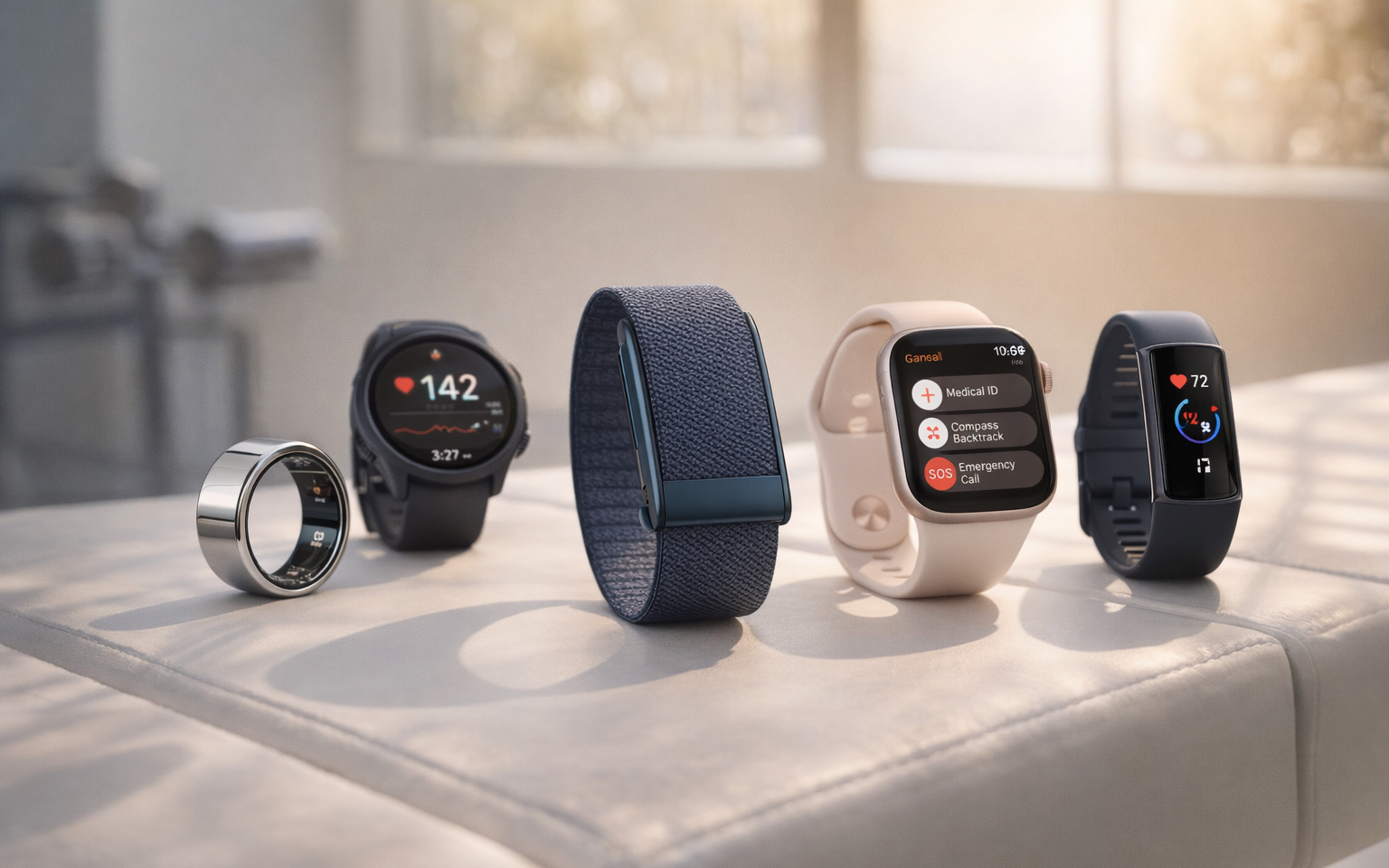
WHOOP sits in a strange position in the wearable market: it delivers genuinely best-in-class recovery coaching, but it charges you rent for the privilege – forever. There is no one-time purchase option. The hardware arrives "free," but it becomes a paperweight the moment your subscription lapses. That tension between exceptional fitness intelligence and a relentless billing cycle is the core question every potential buyer needs to answer.
The Real Cost of WHOOP Ownership
Before anything else, look at the numbers. WHOOP offers three subscription tiers in 2026:
- WHOOP One – $199/year ($25/month if paid monthly). Sleep, strain, recovery, steps, activity tracking. Ships with WHOOP 5.0. A cheaper $149/year option is available direct from whoop.com with a pre-owned WHOOP 4.0.
- WHOOP Peak – $239/year ($30/month). Adds Healthspan with WHOOP Age, Stress Monitor, and a wireless charger.
- WHOOP Life – $359/year ($40/month). Adds ECG and blood pressure monitoring via the WHOOP MG device. The ECG is FDA-cleared for AFib detection; the blood pressure feature is a wellness estimate, not FDA-cleared.
The device itself is included with every annual plan, and there is a 30-day return window on annual subscriptions. That sounds generous – until you compare lifetime cost against alternatives.
| Device | Year 1 | Year 2 | Year 3 |
|---|---|---|---|
| WHOOP One | $199 | $398 | $597 |
| WHOOP Peak | $239 | $478 | $717 |
| WHOOP Life | $359 | $718 | $1,077 |
| Oura Ring 4 + sub | $419 | $489 | $559 |
| Garmin Vivoactive 6 | $300 | $300 | $300 |
| Apple Watch Series 11 | $399 | $399 | $399 |
| Fitbit Charge 6 | $160 | $160 | $160 |
By year three, even the cheapest WHOOP tier costs nearly double what a Garmin Vivoactive 6 costs on day one. The WHOOP Life tier approaches seven times the price of a Fitbit Charge 6. That math is unforgiving, and it means WHOOP needs to deliver meaningfully better results – not just marginally better data – to justify the ongoing spend.

What WHOOP Actually Does Best
The reason WHOOP maintains a devoted following despite that pricing is simple: its recovery and strain coaching genuinely changes training behavior.
Every morning, WHOOP delivers a Recovery Score based on heart rate variability, resting heart rate, respiratory rate, and sleep performance. That score maps directly to a recommended strain target for the day. Train too hard on a red recovery day, and you are increasing your injury risk. See a green score after what felt like a rough night, and you know your body can handle more than your brain is telling you.
This feedback loop is where WHOOP earns its money. The recovery coaching is best-in-class – more granular, more actionable, and more consistently useful than what any competitor offers. Garmin's Body Battery is solid but less nuanced. Oura Ring 4 delivers excellent sleep data but weaker strain guidance. Apple Watch has no comparable recovery framework at all.
The sleep tracking deserves separate praise. WHOOP's sleep staging is detailed, its sleep need calculations adjust based on recent strain and sleep debt, and the Sleep Coach feature provides a target bedtime that actually accounts for your recent training load. For athletes who treat sleep as a performance tool rather than an afterthought, this data is valuable.
The WHOOP 5.0 hardware (Peak and Life tiers) has improved significantly over the 4.0. Battery life now stretches past 14 days – a massive jump from the roughly five days of its predecessor. The unit is 7% smaller, the processor is 60% faster, and at 26.5 grams it remains one of the lightest wearables available. It is waterproof to 10 meters and the screenless design means zero notification distractions during training. One caveat: like all optical wrist sensors, heart rate accuracy is good but not chest-strap-level, particularly during high-intensity intervals. If precision matters, pair it with a chest strap.
Who Should Buy WHOOP
The Dedicated Athlete (5+ Training Days Per Week)
Recommendation: WHOOP Peak at $239/year – worth it.
If you train five or more days per week and periodize your workouts, WHOOP delivers genuine return on investment. The recovery score becomes a daily decision-making tool: it tells you when to push, when to pull back, and when to prioritize active recovery.
The key test is honest and simple: if your recovery score came back red tomorrow morning, would you actually modify your workout? If yes, WHOOP is built for you. If you would ignore it and train hard anyway, you are paying for data you will not use.
The Peak tier is the right choice. The $40 premium over One buys the Stress Monitor – real-time stress data throughout the day that reveals how off-field recovery habits (work stress, poor nutrition, travel) affect training capacity. The extra $40 is not optional – without the Stress Monitor, you lose one of WHOOP's clearest advantages over a $300 Garmin.
The Health-Conscious Professional
Recommendation: WHOOP Life at $359/year – conditionally worth it.
The Life tier with WHOOP MG adds ECG and continuous blood pressure monitoring, pushing WHOOP into health monitoring territory. For professionals who want health tracking alongside fitness data and can afford $359/year, the Life tier consolidates several monitoring functions into one ecosystem.
Two conditions apply. First, you need to actually review the data regularly and share it with a healthcare provider – blood pressure insights sitting unread in an app are not worth $40 a month. Second, the blood pressure feature is a wellness estimate that has not received FDA clearance and should not replace clinical measurement. If you do not have a specific medical reason to track blood pressure trends, the Peak tier gives you everything you need.
The Endurance Athlete With a GPS Watch
Recommendation: WHOOP Peak as a secondary device – worth it for some.
Runners, cyclists, and triathletes who already use a GPS watch for pace and distance sometimes add WHOOP as a dedicated recovery device. The screenless design is a genuine advantage here – no notifications buzzing during a long run, no temptation to check messages during intervals. You pair it with a Garmin or Coros for in-workout data and use WHOOP purely for the recovery side. Budget accordingly: a GPS watch upfront plus $239/year for WHOOP indefinitely adds up, but the people who run this dual-device setup tend to be fiercely loyal to it.

Who Should Skip WHOOP
The Casual Exerciser (2-3 Workouts Per Week)
Skip it. This is the clearest case against WHOOP. If you work out two or three times a week, the recovery coaching provides minimal actionable value. You are not training frequently enough for overtraining to be a real risk, and your recovery windows are naturally long enough that a daily score will not change your behavior. A Fitbit Charge 6 at $160 with no subscription tracks your workouts, heart rate, and sleep more than adequately.
Anyone Who Wants On-Wrist Functionality
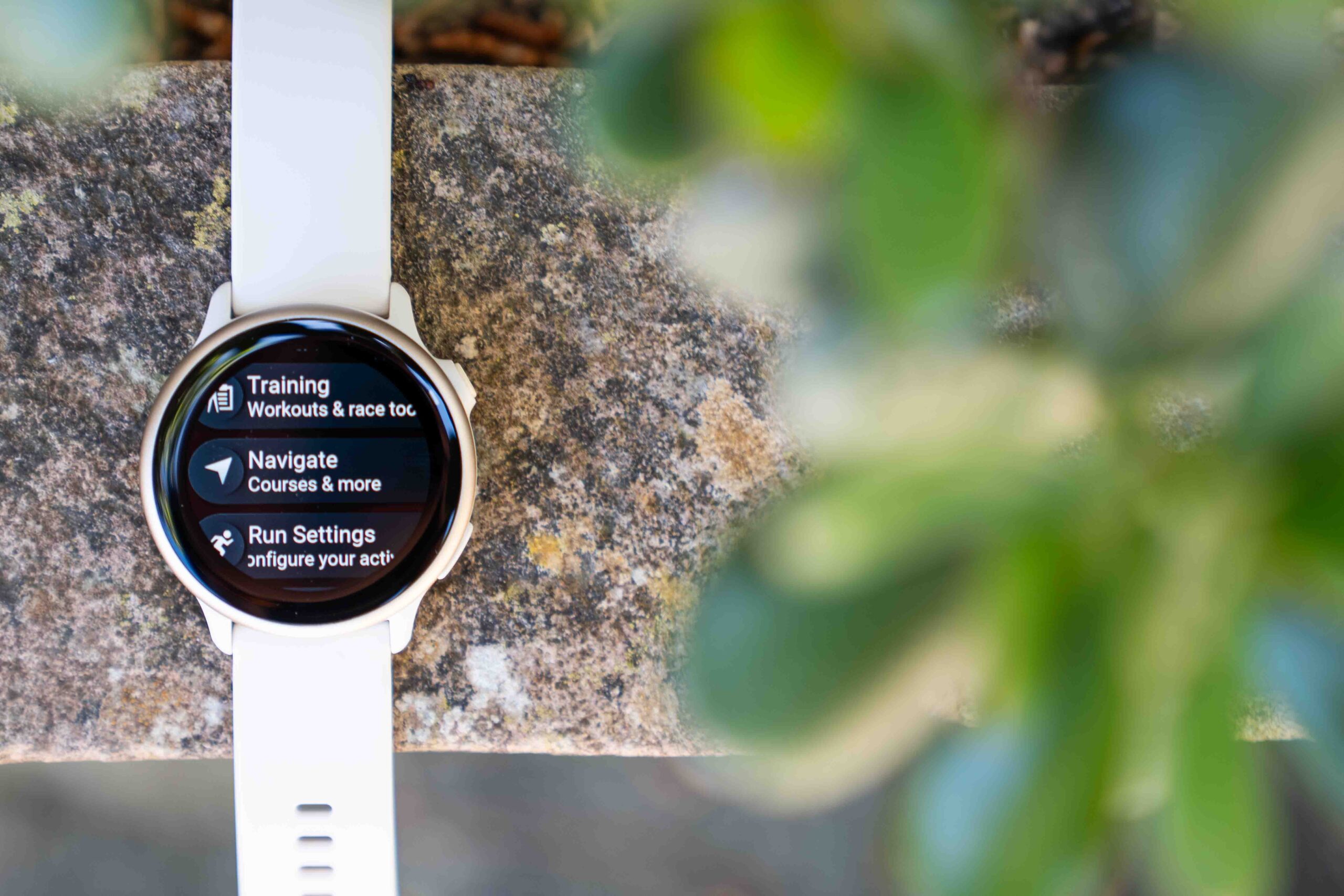
Skip it. WHOOP has no screen, no GPS, no apps, no notifications, no contactless payments, and no music control. During a run or ride, you cannot glance at your wrist for pace, distance, or heart rate zones. For any traditional smartwatch or sports watch functionality, you need a different device. The Apple Watch Series 11 and Garmin Vivoactive 6 both deliver real-time metrics on-wrist with no subscription while also tracking recovery. For a deeper look at the tradeoffs, the WHOOP 5.0 vs Apple Watch comparison breaks it down.
The Budget-Conscious Buyer
Skip it. There is no way around the subscription math. Even WHOOP One at $199/year costs more over three years than any one-time purchase alternative. If you are price-sensitive, the Fitbit Charge 6 offers solid value with no ongoing fees, and Garmin's lineup delivers subscription-free training metrics that cover 90% of what most people need. The best WHOOP alternatives guide covers more affordable options in depth.
Buying Pitfalls
Going monthly instead of annual. WHOOP's monthly pricing inflates your cost by up to 51% on the One and Peak tiers – $300/year for One versus $199 on the annual plan, and $360 for Peak versus $239. If you are going to commit, commit to the annual price. Use the 30-day return window to test it risk-free.
Choosing the WHOOP One tier over Peak. At $199/year, One strips out Healthspan and the Stress Monitor – the features that differentiate WHOOP from cheaper competitors. The extra $40/year for Peak buys the features that actually justify choosing WHOOP over alternatives.
Subscribing without a clear use case. The most common regret from former WHOOP users is subscribing out of curiosity, checking the app religiously for two months, then gradually ignoring it while the subscription quietly renews. Be honest about whether you will act on the data before you commit.
Ignoring the upgrade history. In May 2025, WHOOP initially charged existing members $49 to upgrade to the 5.0 hardware, then reversed the decision for members with 12 or more months remaining on their subscription after significant backlash. The incident revealed a willingness to test the boundaries of what subscribers would tolerate. Factor that into your long-term cost calculations.
The Bottom Line
If a red recovery score would change your workout tomorrow, WHOOP earns its subscription. The recovery coaching is unmatched, the sleep tracking is elite, and the screenless design removes distractions that other wearables introduce. Get the Peak tier at $239/year – it is the only tier worth buying.
For everyone else, the subscription model makes WHOOP a poor value proposition. A Garmin Vivoactive 6 at $300 delivers roughly 90% of WHOOP's recovery insights with GPS, a display, and zero ongoing fees. An Oura Ring 4 wins on sleep tracking and comfort at a lower long-term cost. Even a Fitbit Charge 6 covers casual fitness needs without asking for another dollar.
Start with the annual Peak plan if you fit the dedicated athlete profile. Use the 30-day return window honestly. If, after a month, the recovery score is changing how you train, keep it. If it is just another notification you glance at and ignore, return it and put that money toward a strong one-time-purchase alternative instead.