
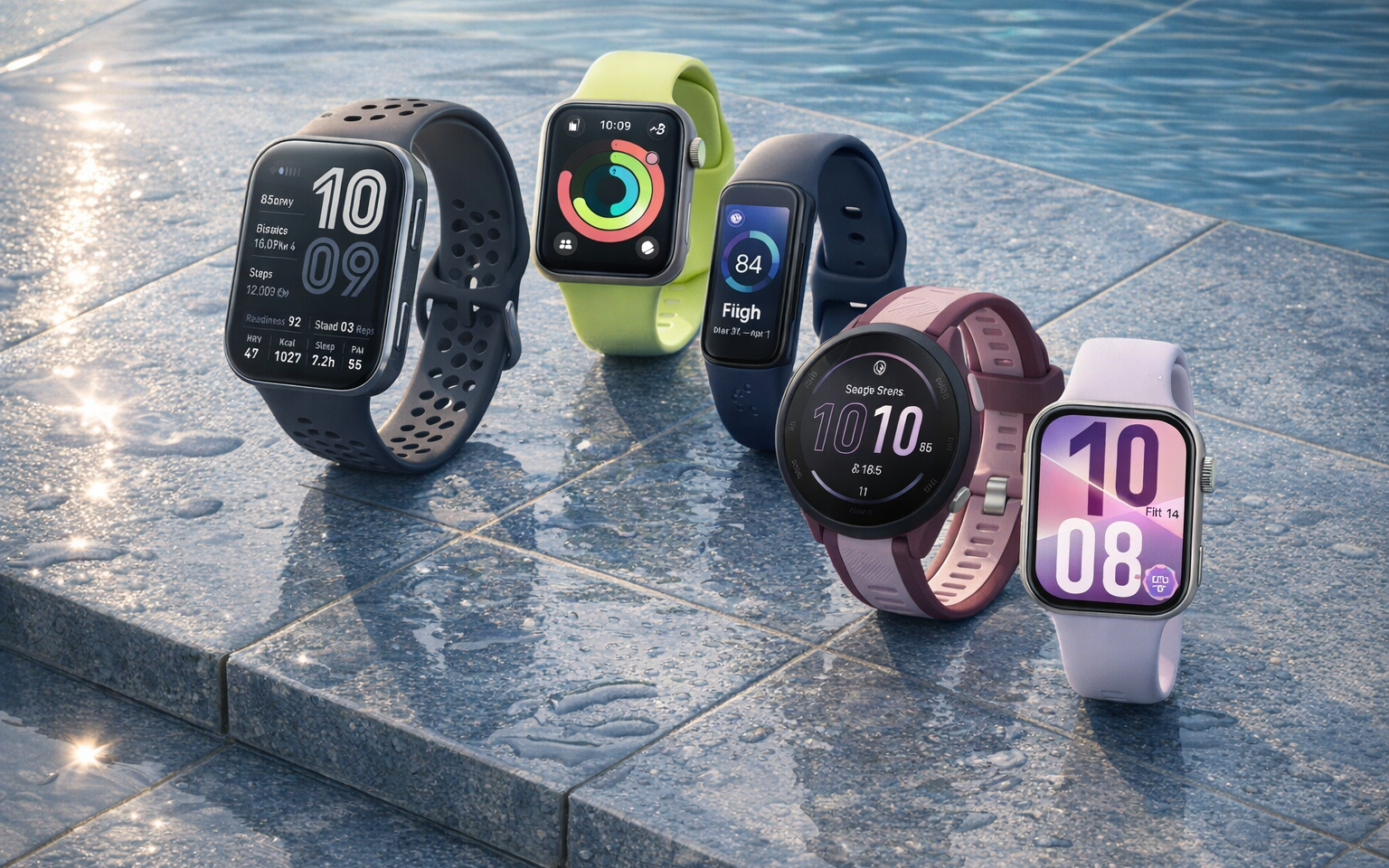
Not every wearable that claims to be "waterproof" can actually survive a pool. The distinction matters: an IP68 rating means a device handles splashes, rain, and a brief accidental dunk – nothing more. For actual swimming, you need a minimum of 5 ATM (pressure-tested to 50 meters) or Apple's WR50 rating (ISO 22810 certified). Slap an IP68-only tracker into a lap lane, and you're gambling with a device that was never designed for repetitive water pressure, arm rotation, and chlorine exposure. Every pick in this guide meets the 5 ATM or WR50 threshold. That's non-negotiable.
The real tradeoff in waterproof fitness trackers comes down to two things: how deep the swim tracking goes, and how much you're willing to pay for it. A $50 band counts laps and recognizes basic strokes. A $300 watch delivers SWOLF scores, drill logging, and open-water GPS routing. Both are genuinely waterproof. The difference is in the data – and whether that data changes how you train. If you swim once a week for cardio, a budget tracker is plenty. If you're chasing interval splits and stroke efficiency, you need Garmin or Apple on your wrist. Here are seven picks that cover every swimmer, every budget, and every ecosystem.
Our Top Picks
Garmin Vivoactive 6: Best Overall
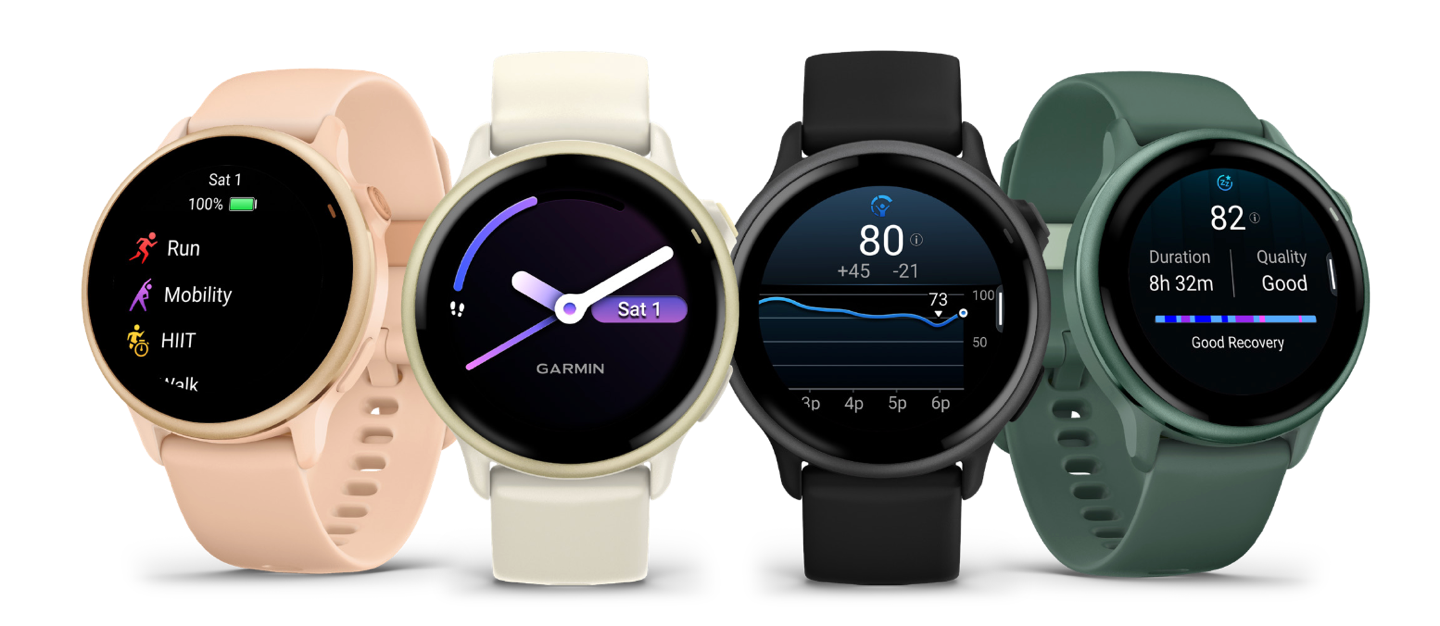
$300
The Garmin Vivoactive 6 sits at the intersection of serious swim watch and full-featured fitness tracker – a combination that, until recently, required spending $450 or more on a Forerunner or Fenix. Its 5 ATM rating handles pool sessions and open-water swims without hesitation, and the swim tracking suite is genuinely comprehensive: auto lap detection, stroke type identification across all four strokes, SWOLF scoring, underwater heart rate monitoring, and auto rest detection between intervals. Open-water mode pairs GPS with stroke data to map your route and distance with strong accuracy.
What separates the Vivoactive 6 from swim-capable competitors is the depth of its training ecosystem outside the pool. Eighty-plus sport profiles cover running, cycling, strength training, yoga, hiking, and everything in between. Garmin's Training Readiness score, Body Battery, and HRV Status provide genuine insight into recovery and load management – tools that help you decide whether today's swim should be a hard interval session or an easy recovery set. The AMOLED display is crisp and readable through water, and at 11 days of battery life (5 with the always-on display active), you charge it weekly rather than daily.
The Vivoactive 6 does have limits. There are no offline maps at this price point – you'd need to step up to the Forerunner 965 or Fenix line for that. The single 42mm case size fits most wrists well but won't please everyone. And Garmin's smart features – notifications, music storage, payment support – work but feel utilitarian compared to Apple or Samsung. None of that diminishes the core value: this is the most capable swim-and-everything-else tracker under $350, and the one most swimmers should start with.
Fitbit Charge 6: Best Fitness Band for Swimming

$100
The Fitbit Charge 6 makes a compelling case for the slim band form factor in the pool. At roughly an inch wide and barely noticeable on the wrist, it slides under wetsuit cuffs and sits comfortably during flip turns in a way that bulkier watches simply cannot. The 5 ATM rating is genuine – this isn't a fitness band that merely tolerates water. Water lock engages automatically when it detects swimming, and SmartTrack auto-detection picks up pool sessions without requiring you to manually start a workout.
Swim metrics cover the essentials: stroke count, lap count, distance, duration, and calories. Forty-plus exercise modes include pool swim, surf, kayaking, and paddleboard, making the Charge 6 versatile for water-adjacent activities beyond structured lap swimming. The integration with Google's health ecosystem is seamless – swim data syncs cleanly to the Fitbit app, appears in Google Health Connect, and slots into your daily activity metrics alongside steps, heart rate zones, and sleep data. For swimmers who want their pool time to count toward overall fitness goals without managing a separate swim log, the Charge 6 handles it effortlessly.
The tradeoffs are predictable for a $100 band. The built-in GPS exists but is unreliable – the antenna frequently loses satellite lock and drops to accelerometer estimation, so paired-phone GPS remains the practical option for accurate outdoor routes. Swim metrics are basic compared to Garmin: no SWOLF, no stroke-type breakdown, no drill logging, no interval structure. And Fitbit Premium ($10/month) gates some of the deeper analytics behind a subscription, which is frustrating on a device you already paid for. But for casual to moderate swimmers who want a slim, affordable, genuinely waterproof band that tracks pool sessions accurately, the Charge 6 remains the one to beat.
Amazfit Bip 6: Best Budget
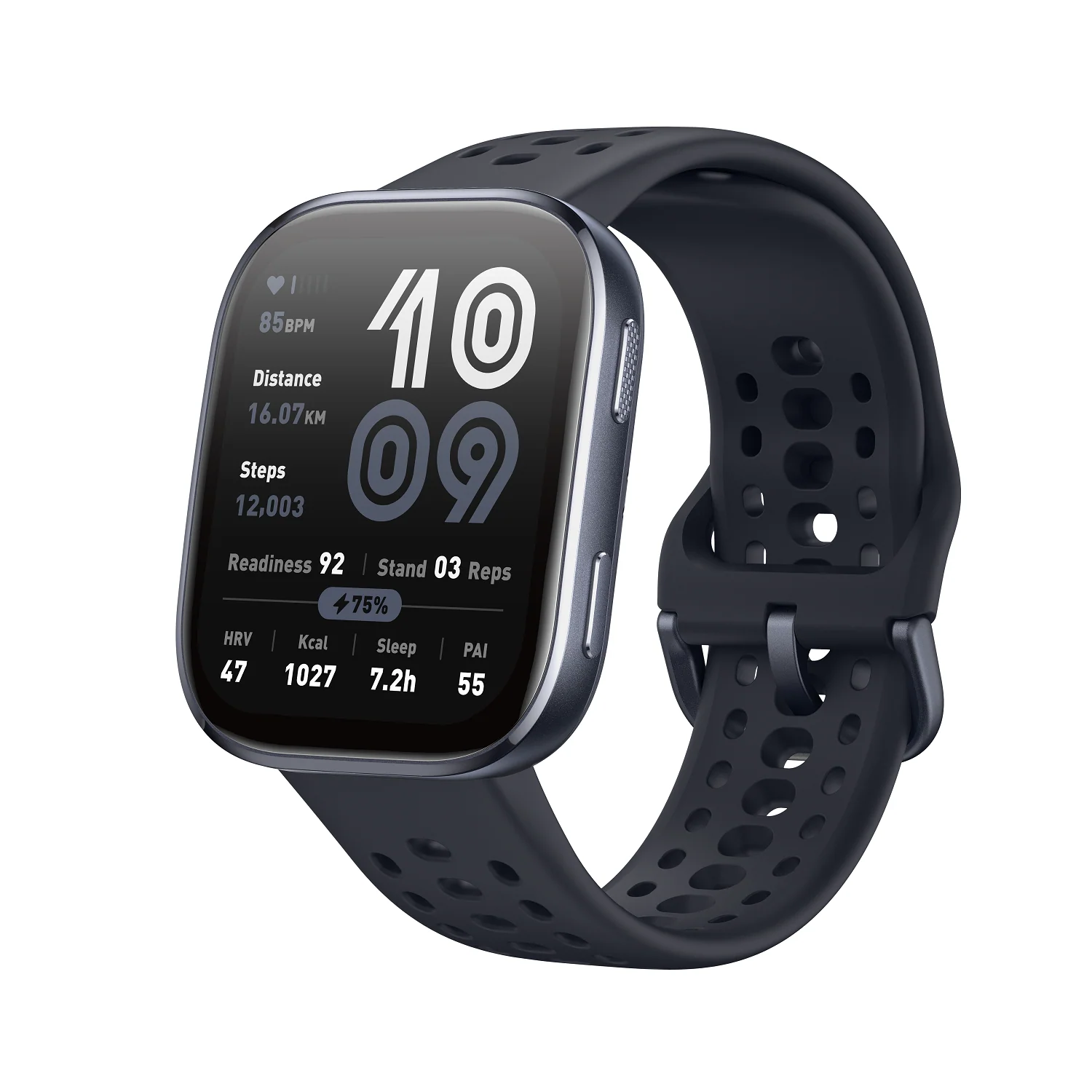
$80
The Amazfit Bip 6 is the most feature-dense waterproof tracker under $100, and it's not particularly close. At $80, you get a 1.97-inch AMOLED display, built-in GPS, 5 ATM water resistance, and swim tracking that includes pool mode, open-water mode, and a dedicated fin swimming mode – a niche addition that lap swimmers who train with fins will genuinely appreciate. SWOLF scoring is included for both pool and open-water modes, putting the Bip 6 on par with watches costing three times as much for core swim analytics.
Battery life is the headline number: 14 days of typical use, which drops to roughly 7 days with heavy GPS use but still outpaces anything from Apple, Fitbit, or Samsung by a wide margin. The 140-plus sport modes cover virtually every activity imaginable, and the Zepp app presents swim data with lap splits, stroke counts, and pace breakdowns. For budget-conscious swimmers, the Bip 6 delivers features that were $200-plus territory just two years ago.
The caveats are real, though. Zepp OS is functional but noticeably less polished than Garmin Connect or the Apple Fitness ecosystem – navigation can feel clunky, and some menus require more taps than they should. Heart rate accuracy in the pool can be inconsistent, particularly during breaststroke where wrist position changes dramatically. There is no live Strava sync; you export after the fact. And the plastic build, while light and comfortable, lacks the premium feel of a Garmin or Apple Watch. The Bip 6 is a value play, and an exceptional one, but swimmers who demand precise metrics and a seamless software experience should budget more.
Apple Watch SE 3: Best for iPhone Users
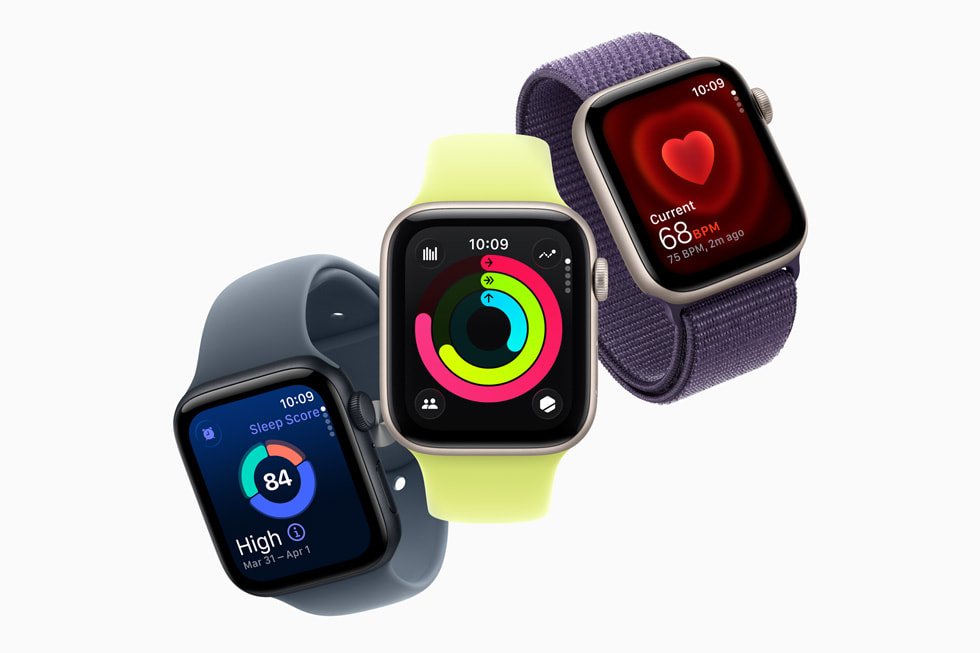
$249
The Apple Watch SE 3 delivers Apple's swim tracking at a price point that doesn't require selling a kidney. Its WR50 rating (ISO 22810 certified) is technically a different standard than the 5 ATM rating used by Garmin and Amazfit, but the practical outcome is identical: pool and open-water swimming, no restrictions. Apple's swim tracking is among the best in the business – automatic stroke detection identifies all four competitive strokes plus kickboard work, SWOLF scoring tracks efficiency over time, and open-water mode uses GPS to map your route with solid accuracy.
The Apple ecosystem advantages are substantial for iPhone owners. Swim data flows into the Fitness app and Apple Health, where it integrates with nutrition tracking, sleep data, and third-party apps like Strava and TrainingPeaks. Crash Detection and Fall Detection provide genuine safety value for open-water swimmers, and the ability to share your location via Find My gives peace of mind during solo ocean swims. The Workout app's pool swim interface is clean and intuitive – set your pool length, hit start, and the watch handles the rest. The always-on display, new to the SE line with this generation, means you can glance at your splits mid-set without raising your wrist.
The battery life, however, is the worst on this list by a significant margin. Roughly 18 hours of total use means you are charging every single night, and a long open-water swim with GPS active eats a substantial chunk of that. And the hard prerequisite: the Apple Watch SE 3 requires an iPhone. It simply does not work with Android. If you own an iPhone and swim regularly, the SE 3 is the obvious choice under $250. If you own an Android phone, skip to the next pick.
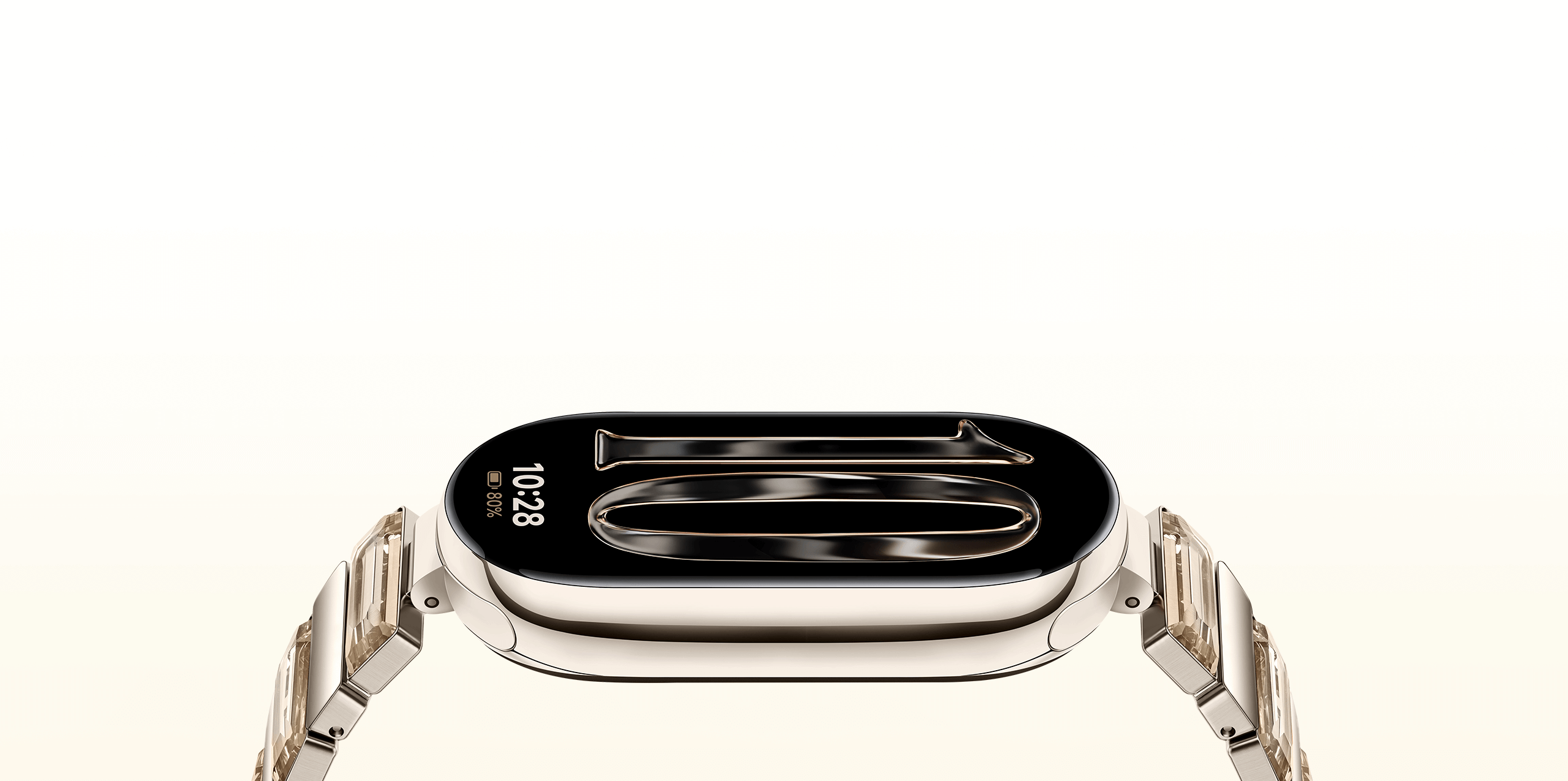
Xiaomi Smart Band 10: Best Ultra-Budget
~$50
At $50, the Xiaomi Smart Band 10 is the cheapest genuinely swim-capable tracker worth buying. The 5 ATM rating is legitimate, and Xiaomi's AI swim stroke recognition claims 96% lap counting accuracy – a figure that holds up well in structured pool sessions with clean turns, though it struggles more with mixed drills and irregular rest intervals. The nine-axis sensor provides enough data for basic stroke counting and distance estimation across freestyle, backstroke, breaststroke, and butterfly.
The 1.72-inch AMOLED display is sharp and bright for a device at this price, and 21 days of battery life means you charge it roughly twice a month. One hundred fifty sport modes cover land and water activities, and the slim band design is comfortable enough to wear around the clock. For swimmers on a tight budget – or anyone who wants a pool-safe tracker they won't agonize over if it gets knocked off during a flip turn – the Smart Band 10 is an easy recommendation.
The limitations match the price. There is no built-in GPS, so open-water swim tracking is either absent or dependent on a paired phone. Swim metrics are basic: lap count, stroke count, distance, and duration. No SWOLF, no stroke efficiency analysis, no interval breakdowns. The Mi Fitness app is functional but bare-bones compared to Garmin Connect, the Fitbit app, or even Zepp. Data export options are limited, and Strava integration requires workarounds rather than native sync. The Smart Band 10 is a pool counter, not a swim coach. For $50, that's a fair deal.
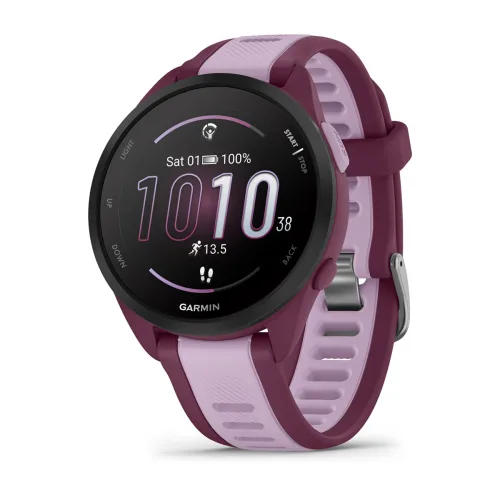
Garmin Forerunner 165: Best for Swimmers Who Run
$250
The Garmin Forerunner 165 is technically a running watch, but it quietly became the spiritual successor to the discontinued Garmin Swim 2 – and that makes it one of the most interesting picks in this guide. The 5 ATM rating covers pool and open-water swimming, and Garmin packed it with swim-specific features that go well beyond basic lap counting: stroke type identification across all four strokes in pool mode, SWOLF scoring, interval rest detection, and structured swim workout support. Pool mode auto-detects laps and strokes with reliable accuracy.
Where the Forerunner 165 truly earns its spot is the dual-sport appeal. If you swim and run – whether training for a sprint triathlon or simply alternating pool days with road days – this watch handles both disciplines with running-specific depth that the Vivoactive 6 can't match. Structured run workouts, pace strategy planning, race predictions, and Training Effect give the Forerunner 165 a genuine edge for runners who also swim. The AMOLED display is gorgeous, the 11-day battery life is outstanding, and the entire Garmin Connect ecosystem is available for detailed analysis of both swim and run data.
The caveat is specificity. The Forerunner 165 lacks a dedicated multisport or triathlon mode, so brick sessions (swim-to-bike or swim-to-run transitions) require manually switching activities. There is no cycling power meter support. And open-water mode tracks distance, pace, and stroke rate but does not identify stroke types – that feature is pool-only. For pure pool swimmers who don't run, the Vivoactive 6 offers a broader feature set. But for the swim-run athlete who wants Garmin's training depth at a mid-range price, the Forerunner 165 is hard to beat.
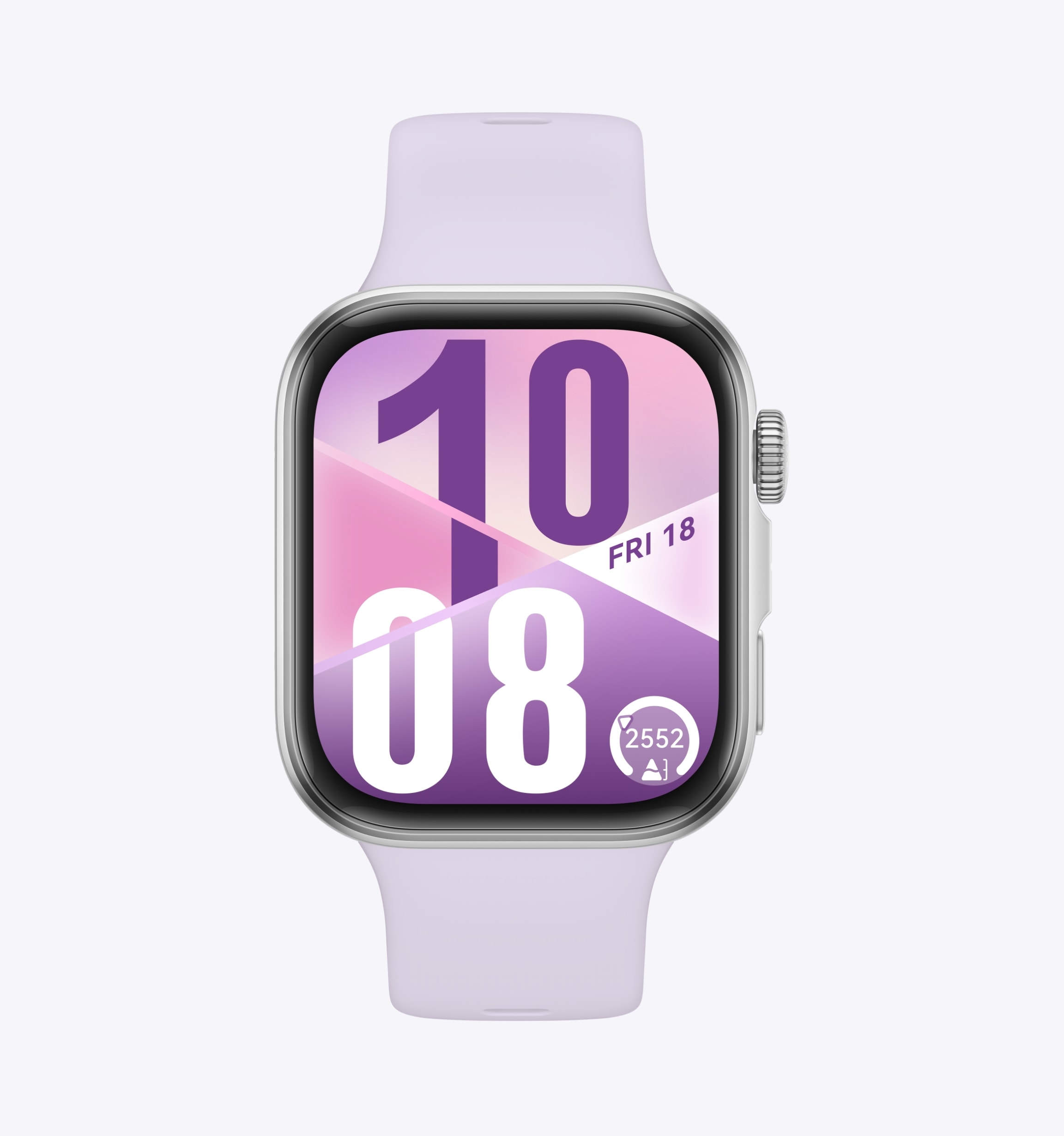
Huawei Watch Fit 4: Best Value Mid-Range
$139
The Huawei Watch Fit 4 punches well above its price class, though US buyers should note that availability is inconsistent – Huawei sells primarily through Amazon and its own store, and stock fluctuates. The 5 ATM rating (ISO 22810 certified) handles pool and open-water swimming, and Huawei supports multiple aquatic activity modes including pool swim, open-water swim, and water sport route tracking – giving it broader water coverage than most devices at this price. The 1.82-inch AMOLED display hits 2,000 nits of peak brightness, making it the most readable screen here by a comfortable margin. Reading splits between sets in a bright outdoor pool is effortless.
Dual-band GNSS provides accurate open-water tracking, and the water sport route feature maps your swim path with GPS coordinates. Heart rate monitoring works underwater, and the watch provides stroke count, lap detection, and pace data in pool mode. At $139, you're getting a feature set that competes with watches costing twice as much – particularly for swimmers who also want a capable daily smartwatch with notifications, weather, and basic app support.
The limitations center on ecosystem. Huawei Health does not directly sync with Strava, Apple Health (on iOS), or most third-party fitness platforms. You can export data manually, but the lack of native integration is a genuine friction point for swimmers who rely on cross-platform data aggregation. There is no Google Pay or Apple Pay support. And while the seven-day battery life is solid, it doesn't match the 11-14 day endurance of the Garmin and Amazfit picks. For swimmers who can live without Strava integration, the Watch Fit 4 is arguably the best value on this list.
How We Chose
Eighteen waterproof fitness trackers were assessed across six core criteria. Six were disqualified for carrying only IP68 ratings, and five more were cut for swim-tracking gaps or poor long-term durability. Here's what mattered most.
Minimum water resistance of 5 ATM or WR50. The first and most important filter. IP68-rated devices – regardless of price, brand, or feature set – were automatically disqualified. IP68 is not a swimming standard.
Swim tracking depth. Lap counting accuracy, stroke detection capability, SWOLF scoring, drill mode support, interval detection, and open-water GPS tracking all factored in. Devices with richer swim analytics ranked higher than those offering basic lap-and-stroke counting only.
Real-world durability from extended pool use. Chlorine, salt water, sunscreen, and repeated wet-dry cycles degrade seals and corrode contacts over time. Devices with established track records of surviving months of regular pool use without screen separation, button corrosion, or sensor failure were prioritized.
Price-to-swim-feature ratio. A $50 tracker with reliable lap counting scores well. A $300 watch with the same basic metrics does not. Every pick on this list delivers swim features that justify its price relative to the competition.
Ecosystem breadth. Strava sync, Apple Health integration, Google Health Connect compatibility, and cross-platform support all matter. Devices locked to a single phone OS or lacking third-party data export were penalized.
Current availability. Every device on this list is in stock and shipping as of April 2026. Discontinued models and regional exclusives that most readers can't actually buy were excluded.
Who Should Buy What
The lap swimmer who also runs, bikes, and lifts: Garmin Vivoactive 6. It covers more sports more deeply than anything else under $350.
The casual swimmer who wants simplicity: Fitbit Charge 6. Slim, affordable, and it just works in the pool without fuss.
The budget-conscious swimmer: Amazfit Bip 6 if you want GPS and a big display, Xiaomi Smart Band 10 if you want the absolute lowest price for a pool-safe tracker.
The iPhone owner: Apple Watch SE 3. The swim tracking is excellent, the ecosystem integration is seamless, and Fall Detection adds genuine safety for open-water swims.
The swim-run athlete: Garmin Forerunner 165. Garmin's training engine handles both disciplines with equal depth.
The value hunter outside the US: Huawei Watch Fit 4. Multiple aquatic modes, a blindingly bright display, and dual-band GPS for $139 is difficult to argue with.
What to Avoid
IP68-only devices. As covered in our opening, IP68 is not a swimming standard. Always verify a 5 ATM or WR50 rating before taking any tracker into a pool.
Whoop 5.0 and Whoop MG. Despite premium pricing and a monthly subscription, Whoop carries an IP68 rating but is not independently certified under ISO 22810 for swimming. It has no swim tracking features – no lap counting, no stroke detection, no swim-specific metrics of any kind.
Fitbit Versa 4 and Sense 2. Both carry 5 ATM ratings on paper, but long-term pool use has revealed persistent issues with screen separation and contact corrosion. If you're swimming multiple times per week, these aren't reliable enough to recommend.
Oura Ring 4. The Ring 4 is rated for water resistance up to 100 meters, which sounds impressive – but it has zero swim tracking features. No lap counting, no stroke detection, no swim-specific metrics of any kind. It survives the pool but tells you nothing about what happened there.
Hot tubs, saunas, and steam rooms. No consumer fitness tracker on the market is rated for sustained hot water exposure. Heat degrades the adhesives and seals that keep water out, and the damage is cumulative. Garmin, Apple, and Fitbit all explicitly warn against hot tub and sauna use in their support documentation. Take the watch off before you get in.