
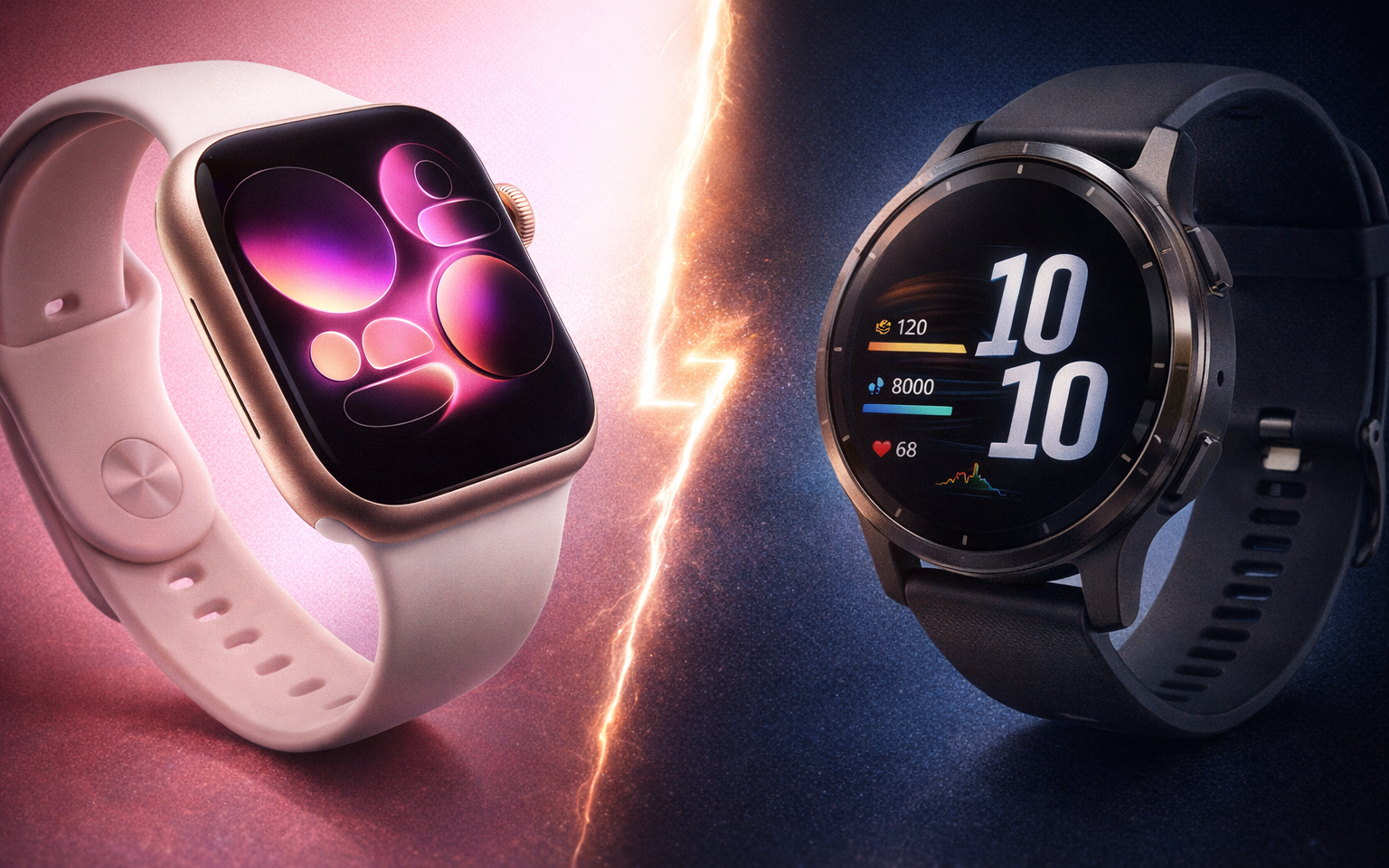
Two of the biggest names in wearables. Two fundamentally different philosophies about what belongs on your wrist. If you're asking "is Garmin better than Apple Watch," the honest answer starts with a question back at you: what do you actually need a watch to do?
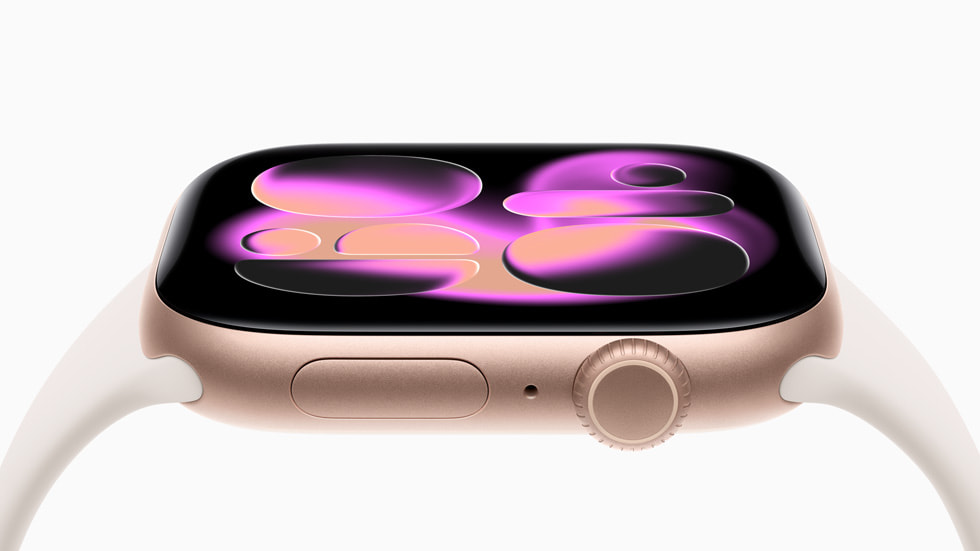
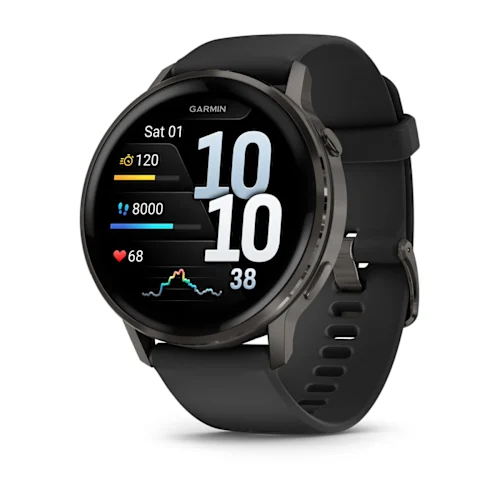
Apple starts with your daily life — messages, payments, health alerts — and layers fitness on top. Garmin starts with athletic performance — training load, recovery, navigation — and bolts on just enough connectivity to get by. That distinction sounds like marketing fluff — until it shapes everything from how often you charge, to how deep your training data goes, to whether you can leave your phone at home and still pay for coffee. The gap between these two brands is wider than most people expect, and choosing the wrong one means either overpaying for features you'll ignore or missing capabilities you didn't know you needed.
Here's how Garmin and Apple Watch stack up across the categories that actually matter.
Battery Life
This is the single biggest functional difference between the two ecosystems, and it isn't close.
Garmin watches routinely deliver 10 to 29 days of battery life depending on the model. The Garmin Forerunner 265 gets around 13 days in smartwatch mode. The Garmin Fenix 8 pushes past three weeks. Even the lifestyle-focused Garmin Venu 4 lasts up to 12 days — enough to track a full week of training, sleep every night, and still have juice left for a weekend hike without reaching for a charger.
Apple Watch lives in a different reality. The Apple Watch Series 11 lasts about 24 hours with typical use. The Apple Watch Ultra 3 stretches to roughly 72 hours in Low Power Mode — impressive for Apple, but still a fraction of what mid-range Garmin watches deliver on default settings. This means nightly charging is non-negotiable for most Apple Watch owners, which creates a real tension with sleep tracking.
If battery life is your priority — and for athletes who travel, camp, or simply hate micromanaging chargers, it should be — Garmin wins this category decisively.
Winner: Garmin
Fitness and Training Depth
Both ecosystems track the basics well: heart rate, steps, calories, distance, workout logging. The difference is what happens after the data is collected.
Garmin's training ecosystem is built for people who follow structured programs and care about progressive overload. Training Readiness scores combine sleep, recovery, HRV, and recent training load into a single daily number that tells you whether to push hard or back off. Body Battery tracks your energy reserves throughout the day. PacePro delivers real-time pacing guidance during races, adjusting for elevation. ClimbPro breaks upcoming climbs into segments with grade and distance remaining. Race Predictor estimates finish times for 5K through marathon distances based on your actual training data. These aren't gimmicks — they're tools that serious runners and endurance athletes build their training around.
Apple Watch offers workout tracking that's clean, intuitive, and perfectly adequate for most people. The Activity Rings system remains one of the best motivational tools in the industry. But the training analytics stop at surface level. There's no equivalent to Training Readiness, no recovery advisor, no race predictions, and no pacing strategy tools. Apple's approach works brilliantly for someone who wants to close their rings and log a few weekly runs. It falls short for anyone following a structured marathon plan or managing training load across multiple sports.
Garmin also supports over 100 sport profiles out of the box, including triathlon multisport, backcountry skiing, mountain biking with Trailforks integration, and open-water swimming with stroke detection. Apple covers the major sports well but can't match that breadth.
Winner: Garmin
Smartwatch Features
If Garmin dominates training, Apple dominates daily life on the wrist.
Apple Watch is, without qualification, the best smartwatch available. Full iMessage support with a tiny keyboard and dictation. Siri voice commands that actually work reliably. Apple Pay accepted virtually everywhere. A cellular option that lets you leave your phone behind entirely. An App Store with thousands of purpose-built watch apps — from Spotify and Strava to airline boarding passes and restaurant reservation apps. The integration with iPhone, AirPods, Mac, and the broader Apple ecosystem is seamless in a way no competitor has matched.
Garmin watches display notifications from your phone, and that's about it. You can read texts and see who's calling, but you can't reply meaningfully on most models. Garmin Pay exists but supports a frustratingly limited number of banks. There's no voice assistant. The Connect IQ app store has a small selection of watch faces and data fields, but nothing approaching the utility of Apple's app ecosystem. Music storage and playback is available on some models, but the experience is clunky compared to Apple Watch's Spotify and Apple Music integration.
For anyone who values their watch as a communication and convenience device — not just a fitness tracker — Apple Watch is the clear choice.
Winner: Apple Watch
Health Monitoring
Both brands have invested heavily in health sensors, but they emphasize different priorities.
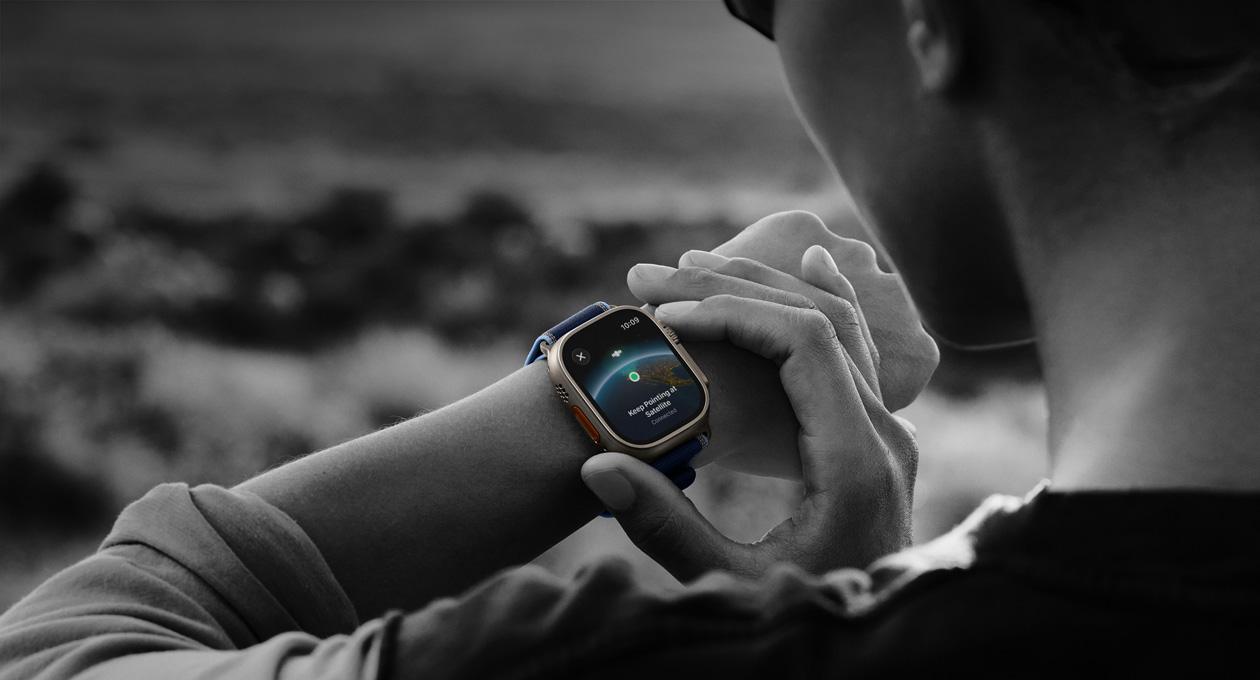
Apple Watch leads with clinical-grade health features that have genuine medical utility. ECG recording can detect atrial fibrillation. The newest models add hypertension detection that monitors blood pressure trends over 30-day windows. Sleep apnea detection flags breathing disturbances that might otherwise go undiagnosed. Crash detection and fall detection automatically contact emergency services. And the Ultra models offer satellite SOS — the ability to send emergency messages when you're completely off-grid with no cell service. These aren't fitness features; they're potentially life-saving tools.
Garmin offers ECG on the Venu 3/4 and Fenix 8 lines, along with blood oxygen monitoring, respiration tracking, and comprehensive sleep analysis with sleep scores. But Garmin's health monitoring is oriented toward recovery and readiness rather than clinical detection. HRV status, Body Battery, stress tracking, and Training Readiness combine to paint a picture of your physiological state that's more useful for optimizing training than for identifying medical conditions.
The distinction matters. If you want a watch that might alert you to a heart condition or call for help after a car accident, Apple Watch has no equal in the wearable space. If you want a watch that tells you whether today is a good day to do intervals or take a rest day, Garmin's approach is more actionable for athletes.
Winner: Apple Watch (for breadth and clinical utility of health sensors)

GPS and Navigation
For anyone who runs, hikes, or rides in places where accurate tracking and route guidance matter, this category carries serious weight.
Garmin's GPS heritage shows. Multi-band GPS across the lineup delivers consistently tight tracks, even in challenging environments like dense tree cover, urban canyons, and mountain valleys. But the real differentiator is navigation. Garmin's higher-end watches — the Fenix 8, Enduro 3, and Forerunner 965 — include full-color offline topographic maps with turn-by-turn routing. You can plan a route on your phone, sync it to your watch, and follow breadcrumb navigation through unfamiliar terrain without ever pulling out your phone. ClimbPro overlays elevation data on upcoming segments. For hikers, trail runners, and ultramarathoners, this is transformative.
Apple Watch Ultra 3 added a basic topographic map and waypoint system, which is a meaningful improvement over previous generations. But it lacks the depth of Garmin's mapping: no downloadable regional maps with the same detail, no turn-by-turn routing comparable to a dedicated Garmin unit, and limited trail data outside the United States. The standard Apple Watch Series 11 and SE 3 don't include mapping features at all.
GPS accuracy on Apple Watch is good — dual-frequency L1/L5 on the Ultra 3 produces clean tracks — but Garmin's consistency across more models and more challenging conditions gives it the edge.
Winner: Garmin
App Ecosystem and Phone Compatibility
Apple Watch's app ecosystem is vastly larger and more polished than Garmin's Connect IQ platform. That's not a controversial statement — it's the natural result of Apple's developer tools, market share, and the fact that watchOS apps can do meaningfully more than Connect IQ widgets. If third-party apps on your wrist matter to you, Apple Watch wins without a contest.
But there's a critical asterisk: Apple Watch only works with iPhone. If you use an Android phone, Apple Watch is not an option. Full stop.
Garmin works with both iPhone and Android, which makes it the default recommendation for the roughly 70% of global smartphone users on Android. The Garmin Connect app is feature-rich on both platforms, and you don't lose functionality based on your phone choice. For mixed-platform households or anyone who might switch phone ecosystems in the future, Garmin's flexibility is a genuine advantage.
Winner: Apple Watch for apps, Garmin for compatibility — and compatibility is the more fundamental requirement.
Value and Pricing
Both brands span a wide price range, and neither is categorically cheaper than the other.
On the budget end, the Apple Watch SE 3 at $249 and the Garmin Forerunner 165 at $250 are almost identically priced. The SE 3 is the better casual smartwatch. The Forerunner 165 is the better running watch with multi-day battery. Both are excellent entry points into their respective ecosystems.
In the lifestyle flagship tier, the Apple Watch Series 11 starts at $399 while the Garmin Venu 4 runs $550. Apple offers more smartwatch for less money here. But the Venu 4 counters with up to 12 days of battery life versus one day, plus deeper training analytics.
At the adventure/premium end, the Apple Watch Ultra 3 at $799 actually undercuts the Garmin Fenix 8, which ranges from $1,000 to $1,200 depending on the variant. The Ultra 3 adds satellite SOS and cellular. The Garmin Fenix 8 delivers 4-7x the battery life and superior navigation. Whether that battery and navigation advantage justifies a $200-400 premium depends entirely on how you use the watch.
Winner: Tie — Apple wins on flagship value, Garmin offers more pricing tiers and better value for athletes who'll actually use the training features.
Who Should Buy Garmin
The dedicated runner or triathlete. If you train three or more times per week with structure — intervals, tempo runs, long rides, brick workouts — Garmin's Training Readiness, PacePro, and recovery tools will meaningfully improve your training. No Apple Watch feature set comes close for this use case.
The hiker and outdoor adventurer. Offline topo maps, multi-day battery, and rugged builds designed for backcountry use make Garmin the obvious choice for anyone who spends significant time on trails.
The Android user. If your phone runs Android, the decision is already made. Apple Watch doesn't work with your phone. Garmin does, and does it well.
The "charge it and forget it" person. If plugging in a watch every night sounds miserable, Garmin's multi-week battery life changes the entire ownership experience.

Who Should Buy Apple Watch
The iPhone user who wants an all-in-one device. If you want one watch that handles fitness tracking, notifications, phone calls, payments, music, and health monitoring without compromise, Apple Watch is unmatched.
The casual exerciser focused on motivation. Activity Rings, monthly challenges, and Apple's social fitness features make staying active feel like a game rather than a chore. For someone who exercises 3-4 times a week without a structured training plan, Apple Watch provides all the tracking depth they'll ever need.
The health-conscious consumer. If clinical health features — ECG, hypertension monitoring, sleep apnea detection, fall detection, and (on Ultra 3) satellite SOS — are a priority, Apple Watch offers the most comprehensive health safety net on any wrist.
The fashion-conscious buyer. Apple Watch's range of cases, bands, and watch faces, combined with its slim profile, makes it the wearable most people are comfortable wearing with business attire or on a night out. Garmin's lineup has improved aesthetically, but most models still look like sport watches.
Our Verdict
Neither brand is universally "better" — but one is almost certainly better for you.
Garmin wins for serious athletes and outdoor enthusiasts. The combination of multi-day battery life, genuinely deep training analytics, superior GPS and navigation, and cross-platform phone compatibility makes it the stronger ecosystem for anyone whose primary relationship with their watch is through sport and fitness. If you train with intent — following plans, tracking load, managing recovery — Garmin's tools aren't just better than Apple's; they operate in a category Apple hasn't tried to enter.
Apple Watch wins for everyone else — and "everyone else" is a much larger group. For the iPhone user who wants a watch that does everything from answering texts to tracking a morning jog to monitoring heart health, Apple Watch delivers a polished, integrated experience that Garmin can't match. The smartwatch features aren't just better; they're in a different league. And Apple's expanding suite of clinical health sensors adds genuine utility that goes beyond fitness.
The simplest framework: Garmin is a sports watch with smart features. Apple Watch is a smartwatch with sports features. Buy the one that matches what you'll actually use most.
Specs at a Glance
Here's how the two ecosystems compare on paper. Use this as a quick reference alongside the detailed breakdowns above.
| Category | Garmin Ecosystem | Apple Watch Ecosystem |
|---|---|---|
| Price Range | $250 (Forerunner 165) – $1,200 (Fenix 8 Sapphire) | $249 (SE 3) – $799 (Ultra 3) |
| Battery Life | 10–29 days (model dependent) | 24 hours – 72 hours (Low Power Mode, Ultra 3) |
| Phone Compatibility | iPhone and Android | iPhone only |
| GPS | Multi-band; offline topo maps on mid/high-tier | Dual-frequency L1/L5; basic maps on Ultra 3 only |
| Health Sensors | HR, SpO2, ECG (select models), HRV, Body Battery, sleep | HR, SpO2, ECG, temperature, hypertension, sleep apnea, fall/crash detection |
| Training Tools | Training Readiness, PacePro, ClimbPro, Race Predictor, 100+ sports | Activity Rings, workout logging, basic metrics |
| Smart Features | Notifications (display only), Garmin Pay (limited), Connect IQ | Full apps, Siri, Apple Pay, cellular, App Store |
| Navigation | Full offline topo maps, turn-by-turn, breadcrumb routing | Compass, waypoints, basic topo (Ultra 3 only) |
| Durability | MIL-STD-810 (Fenix/Instinct lines); 100m WR (most models) | IP6X; 50m WR (Series 11), 100m WR (Ultra 3) |
| Best For | Runners, triathletes, hikers, Android users | iPhone users, casual exercisers, health monitoring |