
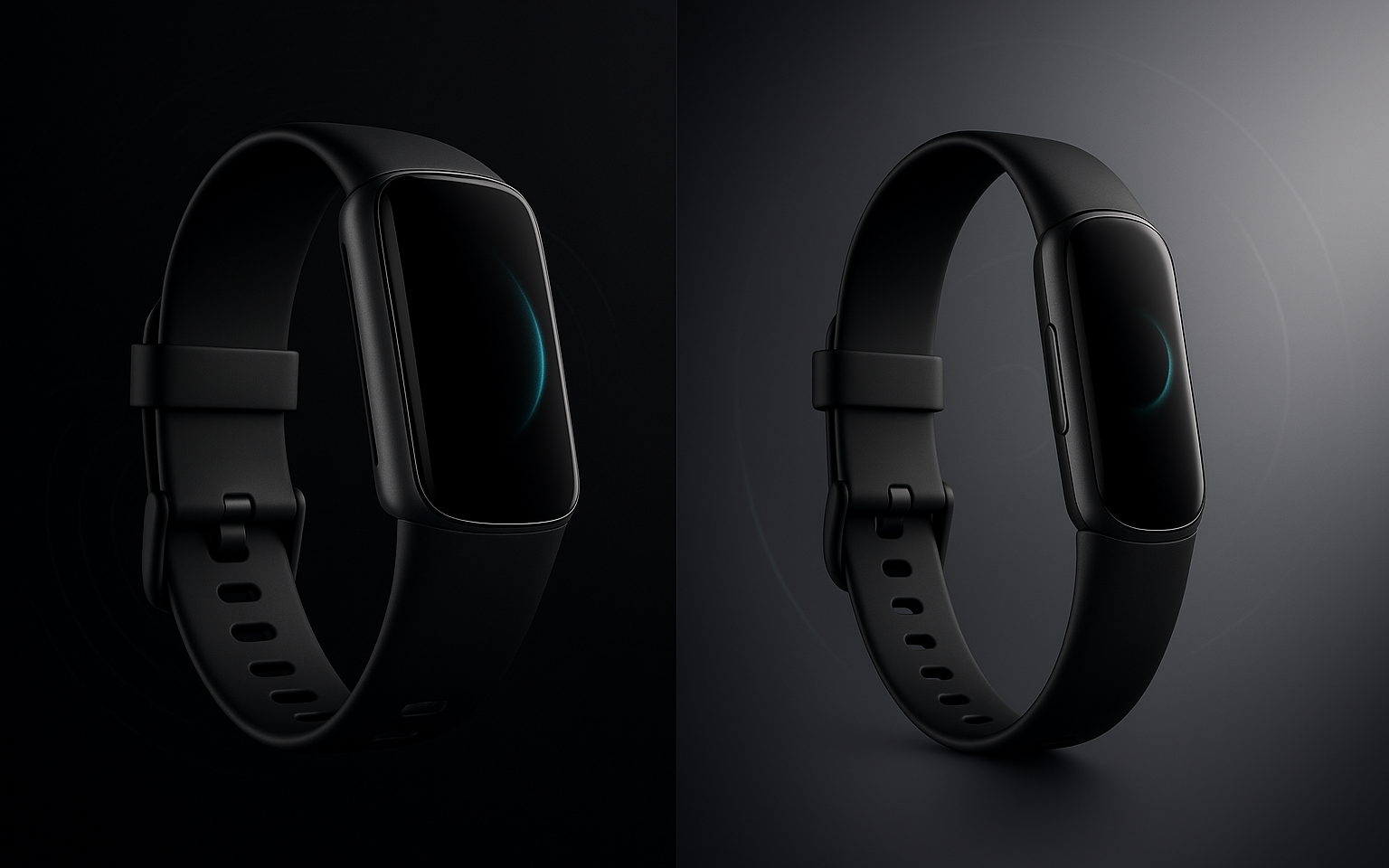
The Fitbit Charge 6 and Fitbit Inspire 3 sit at two different price tiers within the same ecosystem, and on paper the decision seems straightforward: spend more, get more. But the reality is more nuanced than that. The Inspire 3 is not simply a stripped-down Charge 6 — it is a purpose-built tracker optimized for simplicity, comfort, and battery endurance. The Charge 6 is a feature-rich band that borders on smartwatch territory. The right choice depends less on budget than on what you actually need strapped to your wrist every day.

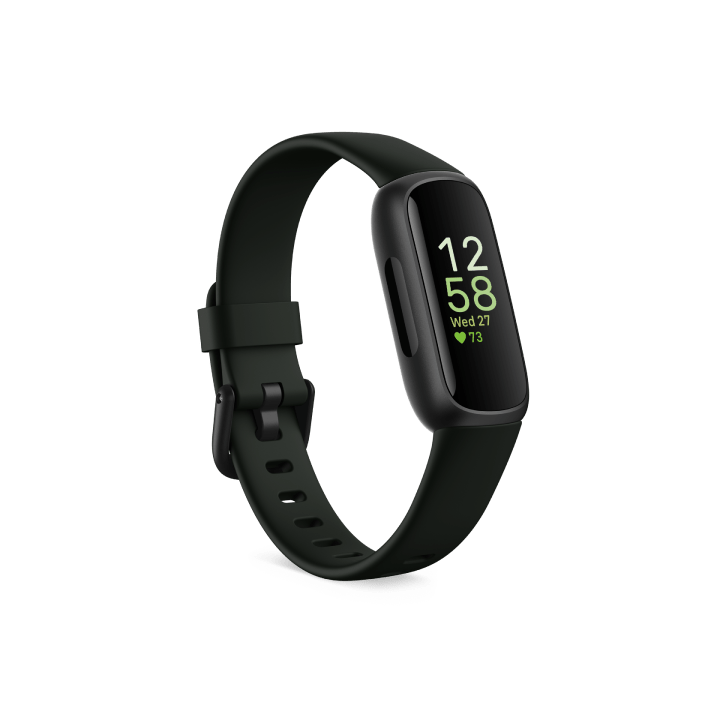
Both devices share the Fitbit app, the same sleep tracking algorithms, and core health monitoring including skin temperature variation tracking. The gap between them is defined by GPS, Google integrations, display size, and heart rate precision during intense workouts. Whether those extras justify a $60 price difference is the real question here.
Design and Display
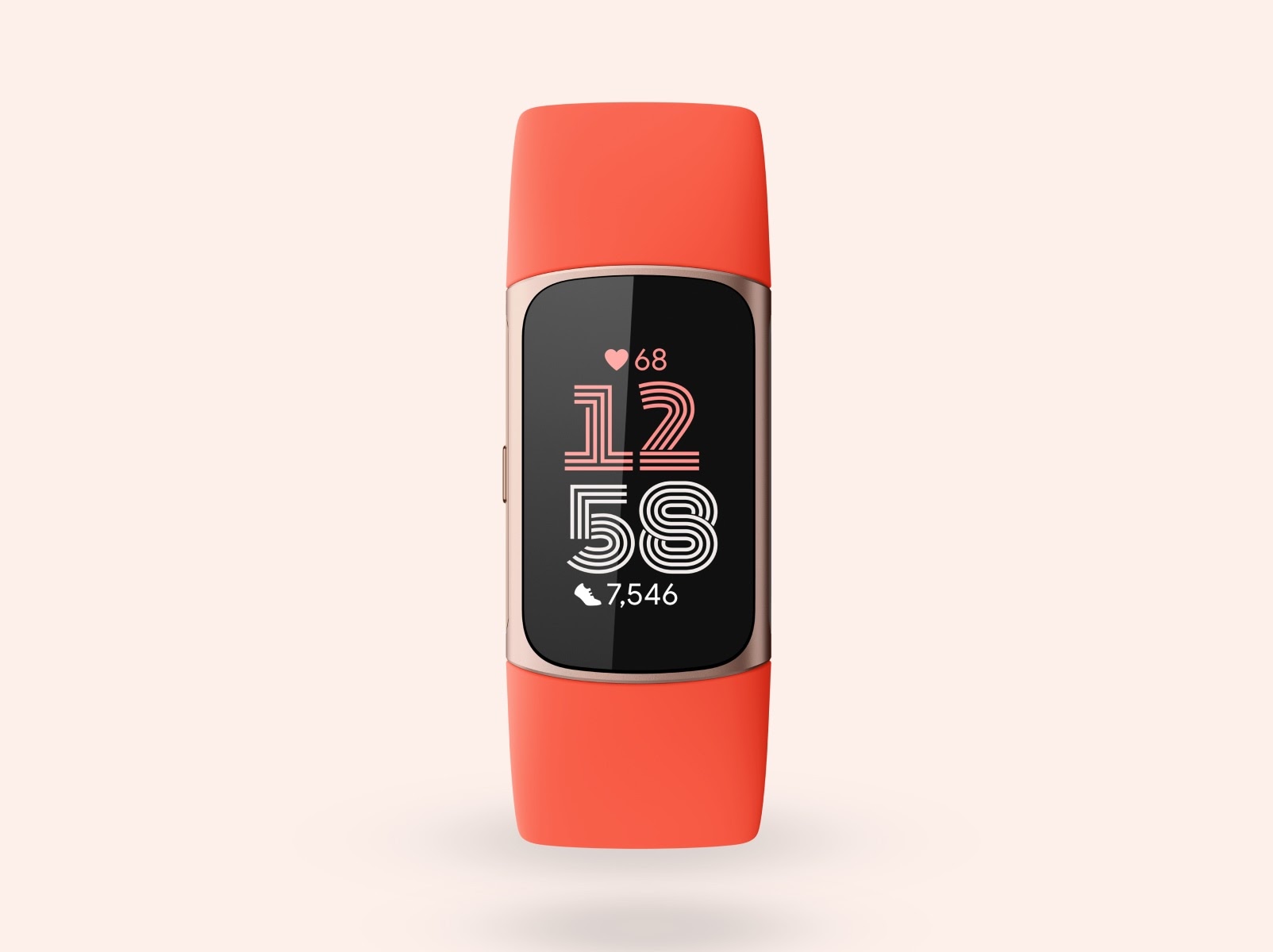
The Charge 6 wears its premium positioning on its sleeve — literally. An aluminum case, a 1.04-inch AMOLED touchscreen, and a physical haptic side button give it a more substantial, more capable feel. The display is bright, sharp at 326 PPI, and large enough to read notifications without excessive scrolling. The side button is a genuine usability win: pausing workouts and navigating menus mid-exercise is far easier with tactile feedback than with sweat-slicked touch input alone.
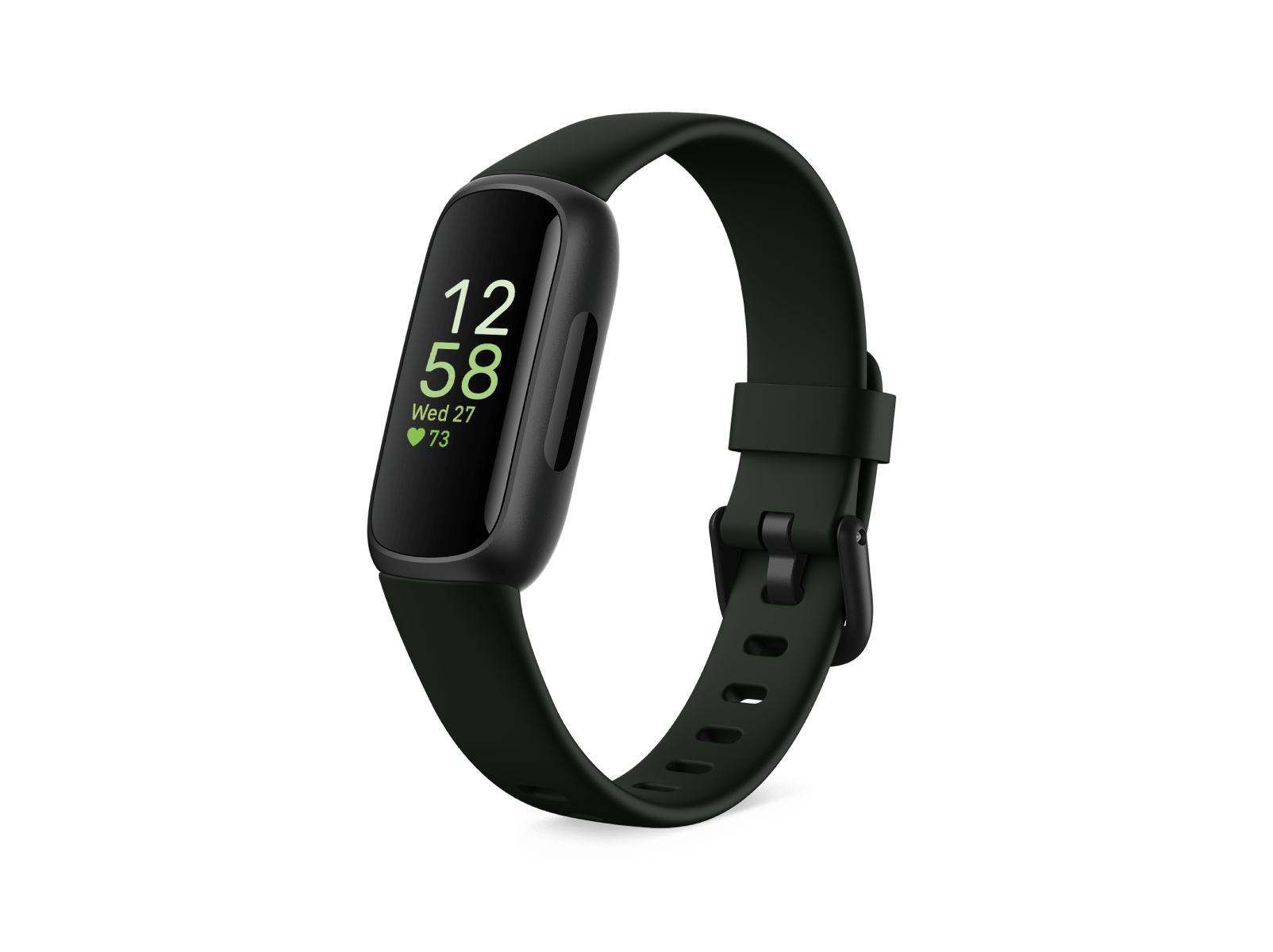
The Inspire 3 takes the opposite approach. At roughly 20 grams, it practically disappears on the wrist — about a third lighter than the Charge 6's approximately 30 grams with band. The color AMOLED display is gorgeous for its size, but that size — roughly 0.81 inches — limits how much information you can see at a glance. There is no mechanical button, though two capacitive side sensors serve a button-like role for waking the screen and navigating home. The trade-off is a tracker so light and slim that sleeping with it feels effortless. For 24/7 wear comfort, the Inspire 3 is exceptional.
Both are water resistant to 50 meters and both support always-on display mode. The Charge 6 offers more band variety and a quick-release mechanism for swapping straps.
Winner: Charge 6. The larger display and physical button make it a more capable daily interface. But the Inspire 3's featherweight comfort earns it serious points for overnight and all-day wear.
Heart Rate and Health Sensors
The Charge 6 carries Fitbit's most advanced sensor array in a band tracker. The upgraded optical heart rate sensor — running Google's refined algorithms — delivers improved accuracy during high-intensity exercise compared to the Charge 5. It also includes an ECG sensor for atrial fibrillation detection, an EDA sensor for stress management, and continuous SpO2 monitoring. Both devices include skin temperature variation tracking, so that is a shared feature rather than a Charge 6 exclusive.
The Inspire 3 has continuous heart rate monitoring, SpO2 tracking, and skin temperature variation — but drops the ECG and EDA sensors entirely. Heart rate accuracy during steady-state activities like walking and light jogging is solid, but the sensor struggles more during rapid intensity changes. The Inspire 3 can still notify you of irregular heart rhythms, but it cannot produce a medical-grade ECG reading the way the Charge 6 can.
For the best fitness trackers in 2026, this sensor gap is one of the defining differences between budget and mid-range tiers.
Winner: Charge 6. ECG, EDA, and demonstrably better heart rate accuracy during vigorous workouts. The sensor advantage is substantial, even though both share skin temperature and SpO2.
Workout and Fitness Features
The Charge 6 supports over 40 exercise modes accessible directly on the device, covering everything from HIIT and weightlifting to dance and martial arts. More critically, it features built-in GPS for outdoor run, walk, and cycling tracking without your phone. It also supports Bluetooth heart rate broadcasting to gym equipment — Peloton bikes, NordicTrack treadmills, and similar machines can display your live heart rate without a separate chest strap.
The Inspire 3 launched with around 20 exercise modes and has expanded to over 40 via firmware updates, though only six shortcuts can be stored on the device at a time. It auto-detects running, walking, biking, elliptical, rowing, and spinning. However, there is no built-in GPS — outdoor distance tracking relies entirely on connected GPS from your phone. There is no heart rate broadcasting to gym equipment either.
A word of honesty on the Charge 6's GPS: it works, but inconsistently. The antenna design conflicts with band tightness needed for accurate heart rate readings, and slow locks and erratic tracks are a real-world reality. Connected GPS (phone in pocket) is more reliable on both devices. If GPS accuracy is mission-critical, neither Fitbit band is the right tool — a Garmin Forerunner 165 offers far better GPS performance. But if having any onboard GPS capability matters to you, only the Charge 6 offers it.
Winner: Charge 6. Built-in GPS (with caveats) and heart rate broadcasting to gym equipment are meaningful features the Inspire 3 simply lacks.

Battery Life
The Inspire 3 dominates here. Fitbit rates it at 10 days, but real-world use consistently pushes beyond that — 12 to 14 days between charges with standard settings is typical. Even with always-on display enabled, a full week is achievable. The Inspire 3's smaller display and simpler sensor suite keep power draw minimal.
The Charge 6 claims 7 days, and real-world results land at 5 to 7 days depending on settings. Enable always-on display and expect 3 to 5 days. Use GPS for outdoor workouts and battery life drops further. Charging takes about two hours on both devices via proprietary magnetic cables.
For travelers, light packers, or anyone who simply hates charging another device, the Inspire 3's nearly two-week endurance is a legitimate advantage.
Winner: Inspire 3. Roughly double the effective battery life in typical use. Not close.
Smart Features and Google Integration
This is where the price gap between these two trackers becomes most visible. The Charge 6 includes Google Wallet for contactless payments, Google Maps with turn-by-turn directions on the wrist, and YouTube Music playback controls. These features transform it from a pure fitness tracker into something closer to a lightweight smartwatch. Both devices display phone notifications, but the Charge 6's larger screen makes reading and interacting with them far more practical.
The Inspire 3 has none of these Google integrations. No contactless payments, no navigation, no music controls. It displays notifications from your phone, but the small screen makes reading anything beyond a short text message tedious. For people who want their tracker to be invisible — just tracking data in the background without demanding attention — this simplicity is actually a feature. For anyone who wants wrist-based utility beyond fitness, it is a limitation.
The Google integrations represent the single biggest differentiator between the Charge line and everything below it in Fitbit's range — covered in depth in the Fitbit Charge 6 review.
Winner: Charge 6. Google Wallet, Maps, and YouTube Music controls add genuine daily utility.
Value and Ecosystem
The Inspire 3 retails at $99.95 and frequently drops to $69 to $80 during sales. The Charge 6 lists at $159.95 but regularly appears at $99 to $120, especially in 2026 as the product matures. At their sale prices, the gap narrows to $20 to $50 — which changes the calculus significantly.
Both devices lock their most advanced insights behind the Fitbit Premium subscription ($9.99/month or $79.99/year). Detailed sleep analysis, Sleep Profile, and wellness reports all require Premium on both trackers — though the Daily Readiness Score was made free for all Fitbit users in late 2024. Both include a 6-month Premium trial. This paywall stings more on the budget Inspire 3 — spending $10 monthly on top of a $70 tracker feels disproportionate.
For anyone weighing alternatives in this price range, the Samsung Galaxy Fit 3 vs Fitbit Inspire 3 comparison covers the budget tier, while the WHOOP 5.0 vs Fitbit Charge 6 explores the step up from mid-range.
Winner: Inspire 3 at full retail. At $100 vs $160, the Inspire 3 delivers excellent core fitness tracking for far less money. But when the Charge 6 drops to $99 on sale, it becomes the obvious better value — all the same basic features plus GPS, ECG, Google integrations, and a better display for the same price.

Who Should Buy the Fitbit Charge 6
The Charge 6 is the right pick for anyone who wants a complete fitness and health tracker that also handles light smartwatch duties. Specifically:
- Gym-goers who want heart rate broadcasting to Peloton, treadmill, or rowing machine screens
- People who use Google Wallet for contactless payments
- Anyone who wants ECG monitoring and the most accurate Fitbit heart rate tracking
- Runners or walkers who want at least basic onboard GPS (with the understanding that it is imperfect)
- Users who read notifications frequently and want a legible display
Who Should Buy the Fitbit Inspire 3
The Inspire 3 is ideal for people who want health data without the bulk or complexity of a larger device:
- Step counters and casual exercisers who track activity without needing GPS
- Anyone who prioritizes sleep tracking and wants the lightest, least intrusive overnight wear
- Budget-conscious buyers who want core Fitbit features for under $100
- People who dislike charging devices frequently and want 10-plus days of battery
- Users who simply want a "set it and forget it" health monitor running quietly in the background
Our Verdict
Winner: Fitbit Charge 6.
The Charge 6 is the better fitness tracker. The ECG sensor, improved heart rate accuracy, built-in GPS, Google Wallet, and a meaningfully larger display add up to a substantially more capable device. For anyone serious about workout tracking, health monitoring, or daily wrist utility, the Charge 6 delivers features that the Inspire 3 simply cannot match at any price.
But the Inspire 3 is not the lesser choice for everyone. Its near-invisible form factor, outstanding battery life, and reliable core tracking make it the better buy for people who do not need GPS, do not care about contactless payments, and want the simplest path to daily health awareness. At $69 on sale, it remains one of the best budget wearables under $100 available today.
The strongest recommendation: watch for Charge 6 sales. When it drops to $99 — which happens regularly — it matches the Inspire 3's retail price while offering dramatically more capability. At that price, the Charge 6 is the clear pick for almost everyone.
Specs at a Glance
| Feature | Fitbit Charge 6 | Fitbit Inspire 3 |
|---|---|---|
| Display | 1.04" AMOLED, 326 PPI | 0.81" color AMOLED |
| Weight | ~30 g (with band) | ~20 g |
| Battery life | Up to 7 days | Up to 10 days |
| GPS | Built-in + connected | Connected only (phone) |
| Heart rate sensor | Advanced optical | Standard optical |
| ECG | Yes | No |
| SpO2 | Yes | Yes |
| EDA (stress) sensor | Yes | No |
| Skin temperature | Yes | Yes |
| NFC payments | Google Wallet | No |
| Music controls | YouTube Music | No |
| Navigation | Google Maps | No |
| Water resistance | 5 ATM (50 m) | 5 ATM (50 m) |
| Physical button | Haptic side button | Capacitive side sensors |
| Exercise modes | 40+ | 40+ (6 on-device shortcuts) |
| HR broadcasting | Yes (gym equipment) | No |
| Retail price | $159.95 | $99.95 |
| Typical sale price | $99–$120 | $69–$80 |