
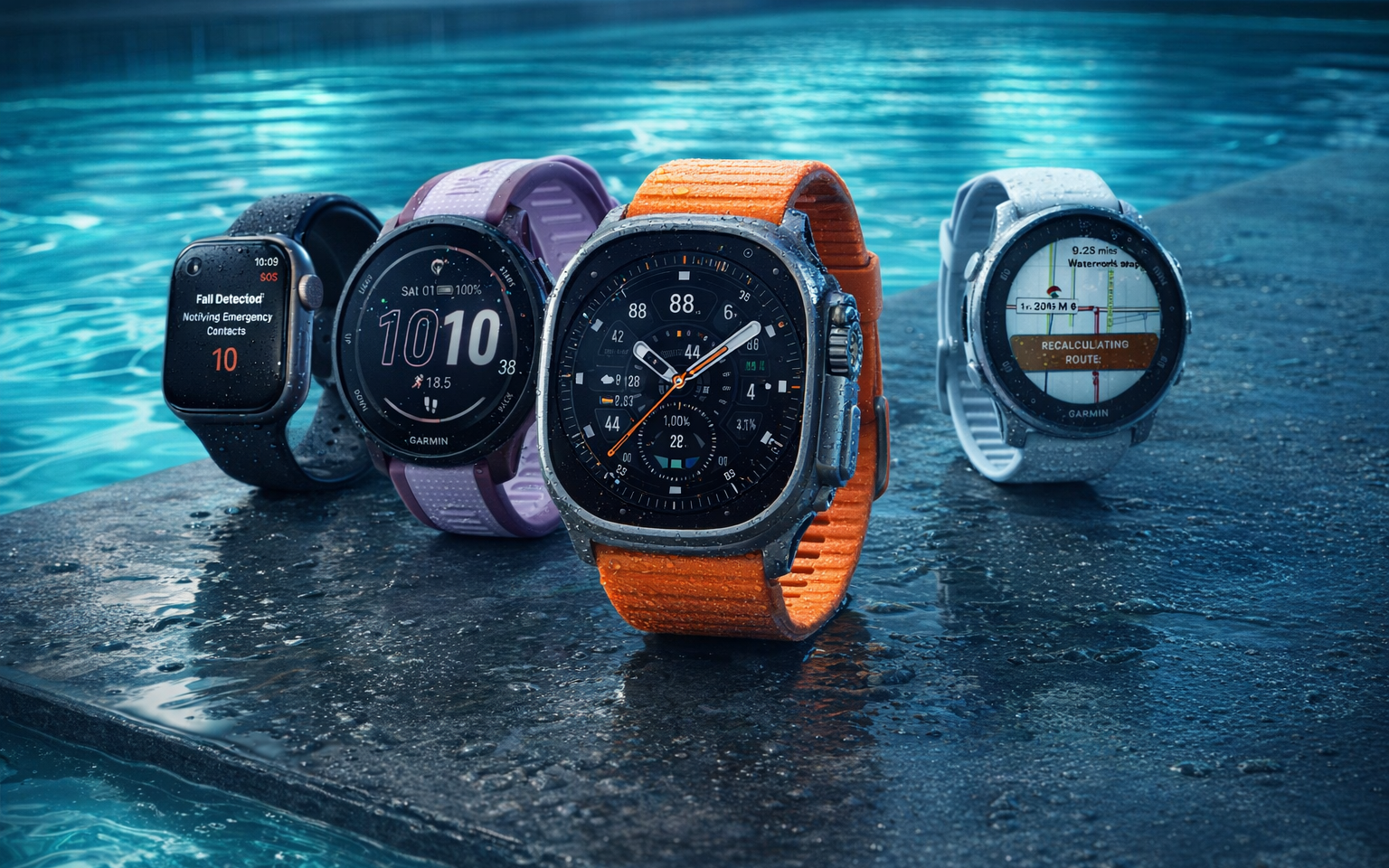
Picking the best smartwatch for swimming is less about a single "best" watch and more about matching the watch to where you actually swim. A lap swimmer counting sets in a 25-meter pool needs something very different from an ocean swimmer logging a mile of open water before sunrise. Every watch here is genuinely swim-capable, but they split along two lines that decide everything: pool versus open-water tracking, and how much water-resistance margin you want above the bare minimum.
There's a third reality every swimmer should understand before spending a cent: optical wrist heart rate is unreliable underwater on all of these watches. Water disrupts the optical sensor, and a swimming stroke pulls the watch away from your skin on every pull. The watches handle this differently, and that single nuance – covered in detail below – separates a watch that gives you real training data from one that just counts laps. We've weighted these picks for swimming first, with everyday smartwatch features as the tiebreaker.
Our Top Picks at a Glance
- Garmin Forerunner 970 – Best Overall for Serious Swimmers ($749)
- Apple Watch Ultra 3 – Best for Open-Water Swimming ($799)
- Apple Watch Series 11 – Best for Apple Users / Pool Swimming ($399)
- Samsung Galaxy Watch Ultra – Best for Android ($649)
- Coros Pace Pro – Best Value ($299)
- Garmin Forerunner 165 – Best Budget ($249)
Garmin Forerunner 970 – Best Overall for Serious Swimmers
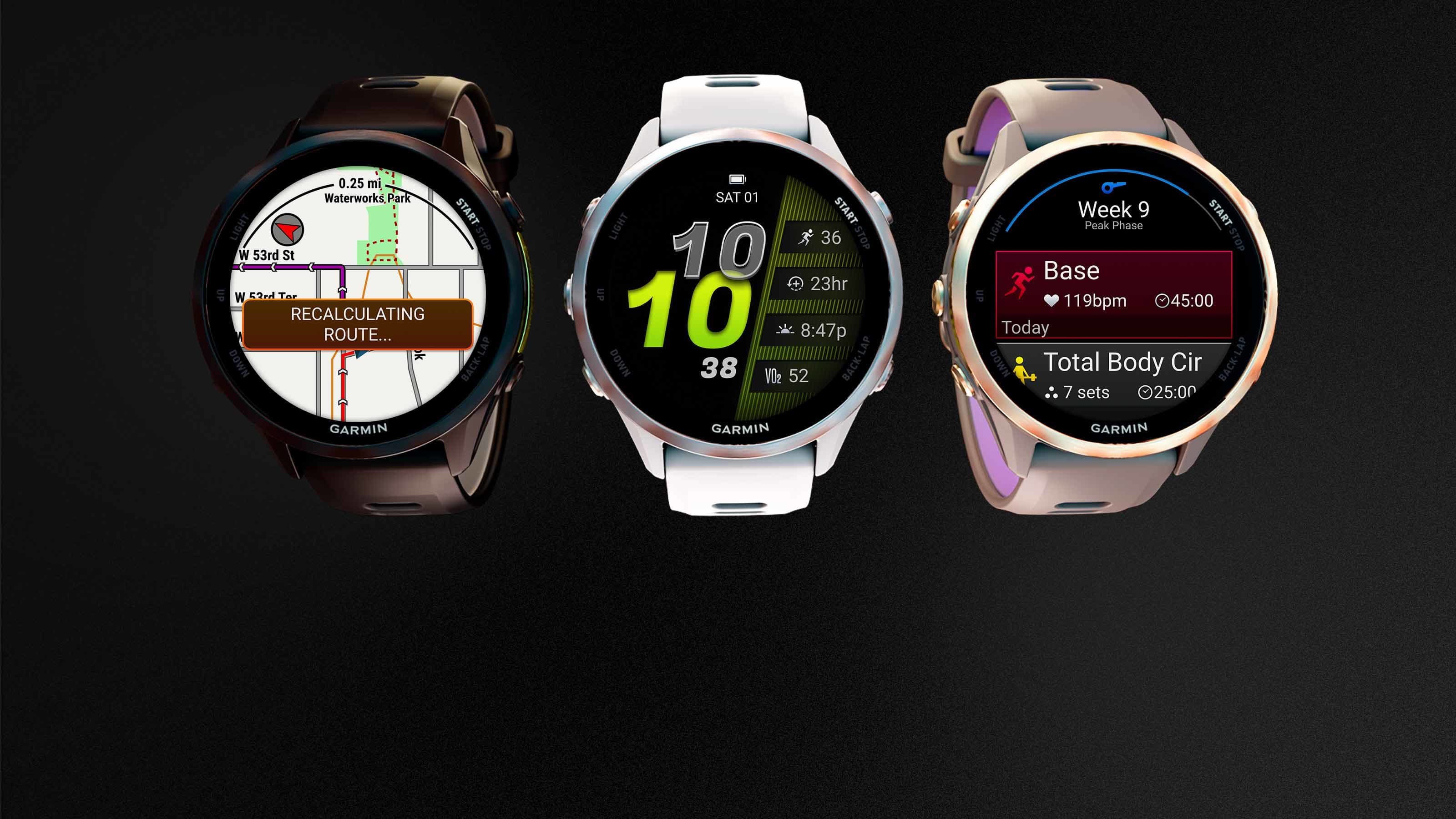
If you swim with a plan and want the data to back it up, the Garmin Forerunner 970 is the watch to beat. It tracks both pool and open-water swimming with the deepest metric set here: automatic stroke-type detection across freestyle, backstroke, breaststroke, and butterfly, SWOLF efficiency scoring, critical swim speed, and proper drill logging so kick sets and technique work don't get scored as sloppy laps. This is the level of detail a structured swimmer or a triathlete in build phase actually uses.
The 970 also has the single best answer to the underwater heart-rate problem. Pair it with a Garmin HRM-Pro or the swim-specific HRM-SWIM strap, and the strap records your heart rate underwater and stores it on-device, syncing the full trace to the watch once you surface and end the activity. You won't see live HR mid-lap – no watch does reliably – but you get an accurate after-the-fact picture of how hard each set ran. That's training gold, and it's why the 970 anchors our best Garmin for triathlon recommendations too.
The caveat is the obvious one: at $749 it's an investment, and its 5ATM rating, while completely fine for any pool or open-water swim, doesn't carry the dive-grade margin of the Ultra-class watches. If you swim hard and train by the numbers, none of that matters. If you mostly want a smartwatch that happens to swim, look further down this list.
Apple Watch Ultra 3 – Best for Open-Water Swimming
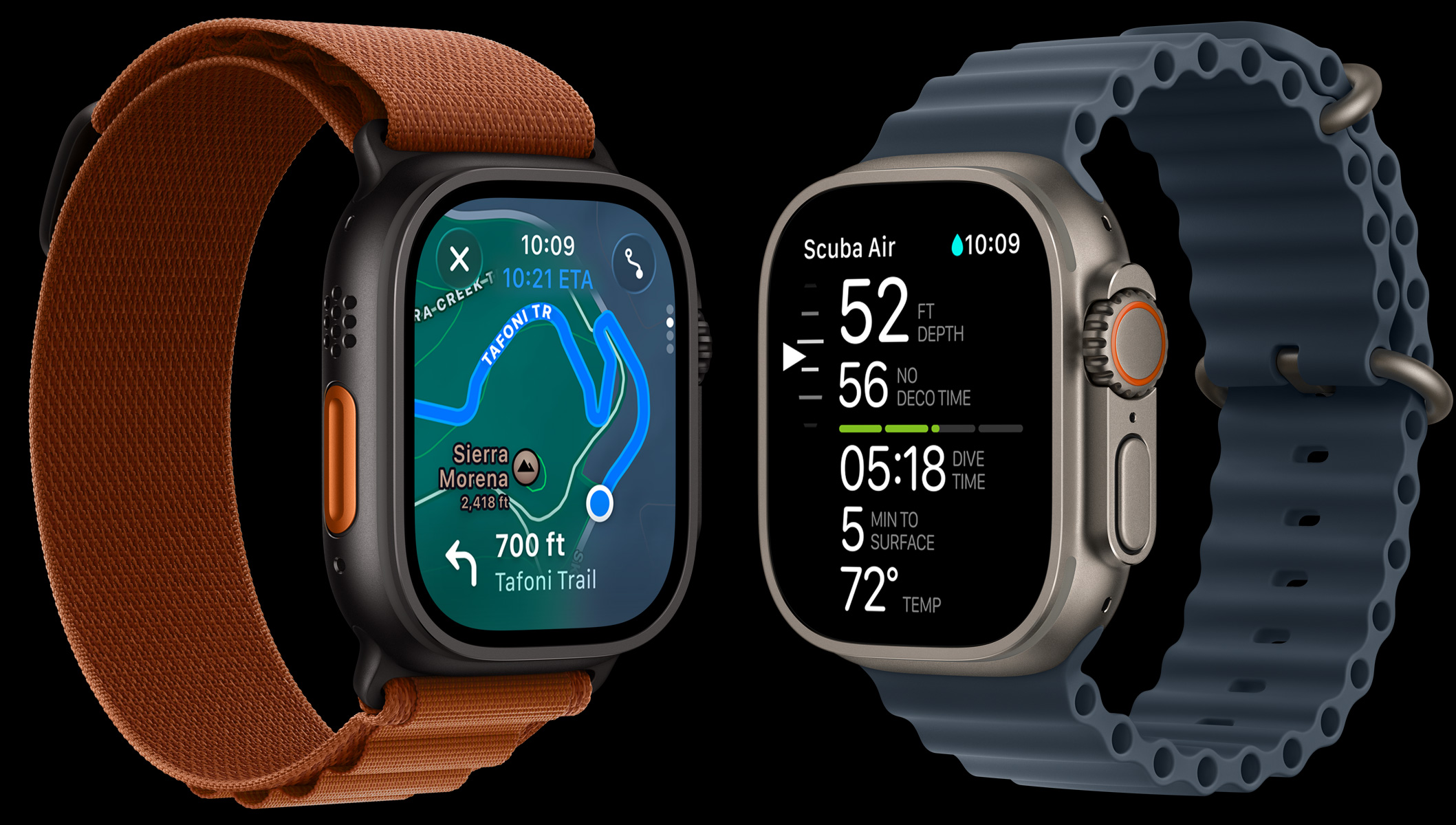
For ocean and open-water swimmers in the Apple ecosystem, the Apple Watch Ultra 3 is the clear pick. It carries 100m water resistance, a depth gauge, a water-temperature sensor, and an EN13319 recreational dive rating – a meaningfully bigger safety margin than the WR50 watches, and the kind of headroom that matters when you're well offshore or in surf rather than gliding down a lane line.
Beyond the durability story, the open-water experience is the best on the Apple side. The bright display reads clearly through goggles, and water-temp data plus the depth gauge make it genuinely useful for swimmers who venture into colder, deeper, less predictable water. Its natural rival on the rugged front is Samsung's flagship, and if you're cross-shopping the two we break the decision down in our Apple Watch Ultra 3 vs Samsung Galaxy Watch Ultra comparison.
The honest caveat: like every watch here, the Ultra 3 leans on its wrist sensor for swim heart rate, and wrist HR underwater is inherently compromised. Apple doesn't offer a strap-stores-then-syncs workflow the way Garmin does, so for heart-rate-driven swim training specifically, the Garmins have the edge. For everything else open-water, the Ultra 3 is superb – and at $799 it's priced like the flagship it is.
Apple Watch Series 11 – Best for Apple Users / Pool Swimming
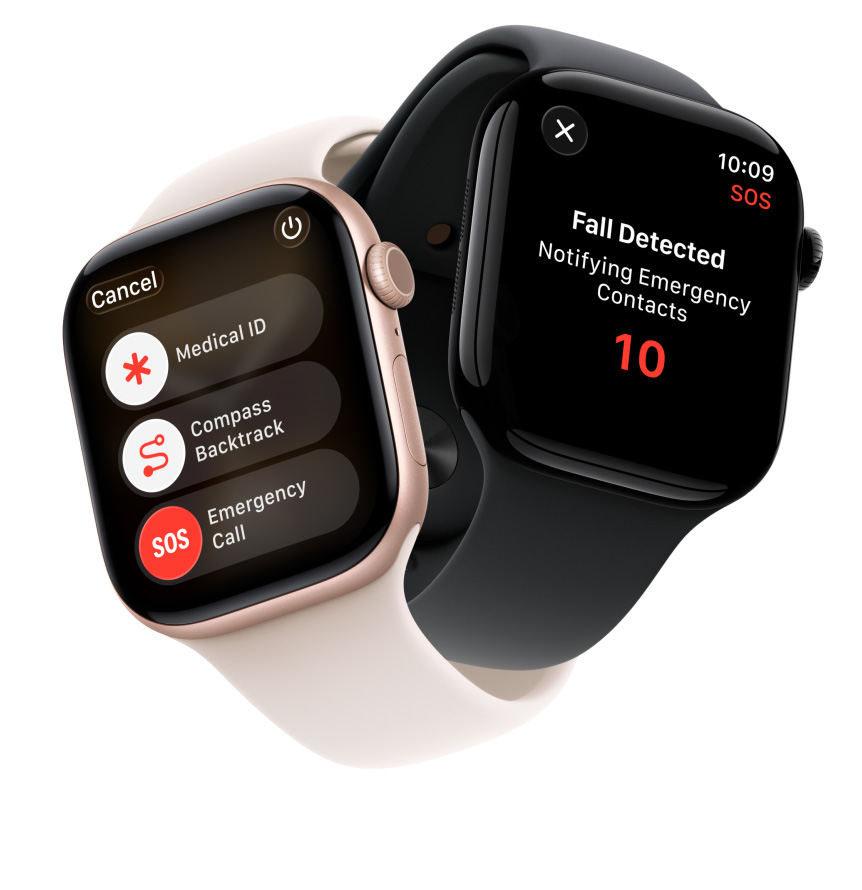
Most swimmers don't need a $799 dive-rated watch – they need a great everyday Apple Watch that tracks pool laps well. That's the Apple Watch Series 11, and at $399 it's the sensible Apple choice for lane swimming. It's rated WR50, which is exactly the standard for pool and recreational swimming, and its pool tracking is genuinely good: automatic set and rest detection means your easy minute on the wall isn't logged as glacial freestyle, and lap counting and SWOLF come along for the ride.
It's also a far better all-day smartwatch than the dedicated sport watches above – sharper notifications, a deeper app ecosystem, and the seamless iPhone integration Apple owners expect. For casual open water it's fine, with a water-temp sensor and a shallow depth gauge, but it lacks the durability margin and serious open-water focus of the Ultra 3.
The caveat is the same wrist-HR reality, plus a softer one: the Series 11 is a pool-and-casual-swim watch, not a training instrument. If your swimming is the centerpiece of your fitness rather than one part of a balanced week, the Forerunner 970 or Coros Pace Pro will serve you better. As a do-everything watch that also handles your morning laps, the Series 11 is hard to fault.
Samsung Galaxy Watch Ultra – Best for Android
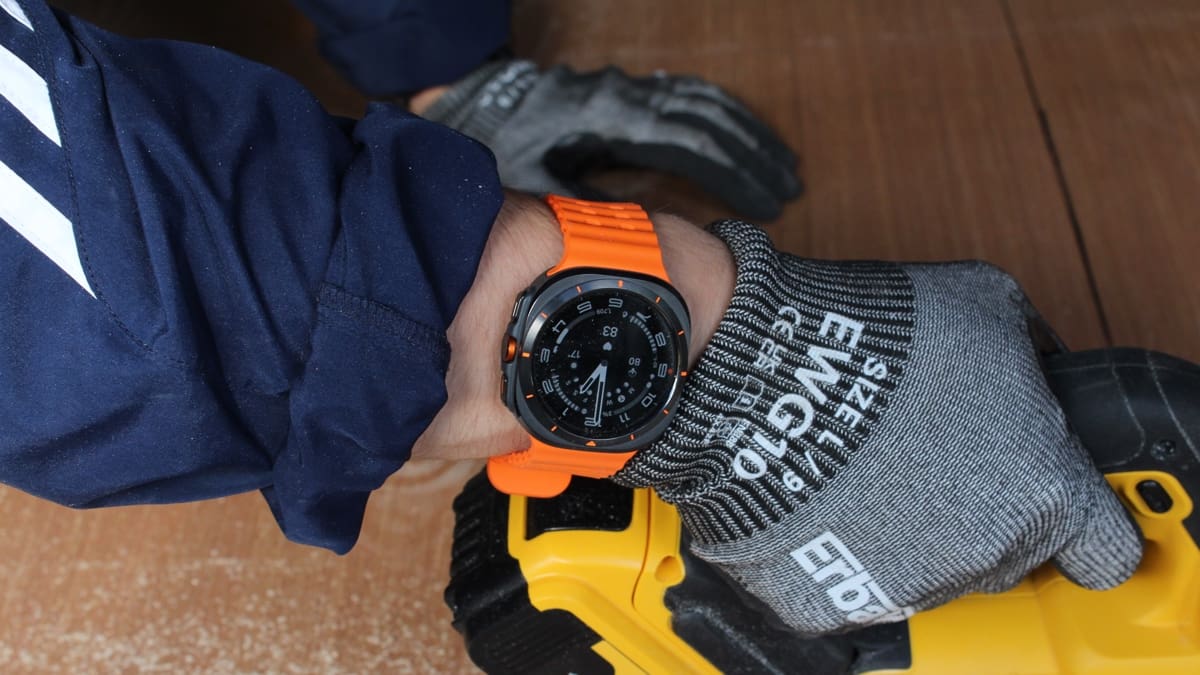
Android swimmers get the cleanest equivalent to Apple's rugged flagship in the Samsung Galaxy Watch Ultra. It pairs a 10ATM water-resistance rating with IP68 dust and water protection and a tough titanium case, giving it more swim margin than any WR50 watch and putting it in the same rugged conversation as the Ultra 3. It handles both pool and open-water swimming, tracking stroke count, SWOLF, lap times, and distance, and its water-lock mode locks out the touchscreen during a swim so errant taps don't derail your session.
This is the watch for someone committed to the Android and Galaxy ecosystem who wants premium build and full swim tracking without crossing into Apple's walled garden. The deep Samsung Health integration and Galaxy phone pairing are the real draw, and at $649 it undercuts the Ultra 3 while matching its rugged intent.
The caveat, predictably, is heart rate: the Galaxy Watch Ultra relies on its wrist sensor underwater, with the same limitations as every optical watch here, and Samsung doesn't offer the strap-and-store workaround. For most Android swimmers that's an acceptable trade for the build quality and ecosystem fit. Heart-rate purists, again, will want a Garmin and a strap.
Coros Pace Pro – Best Value
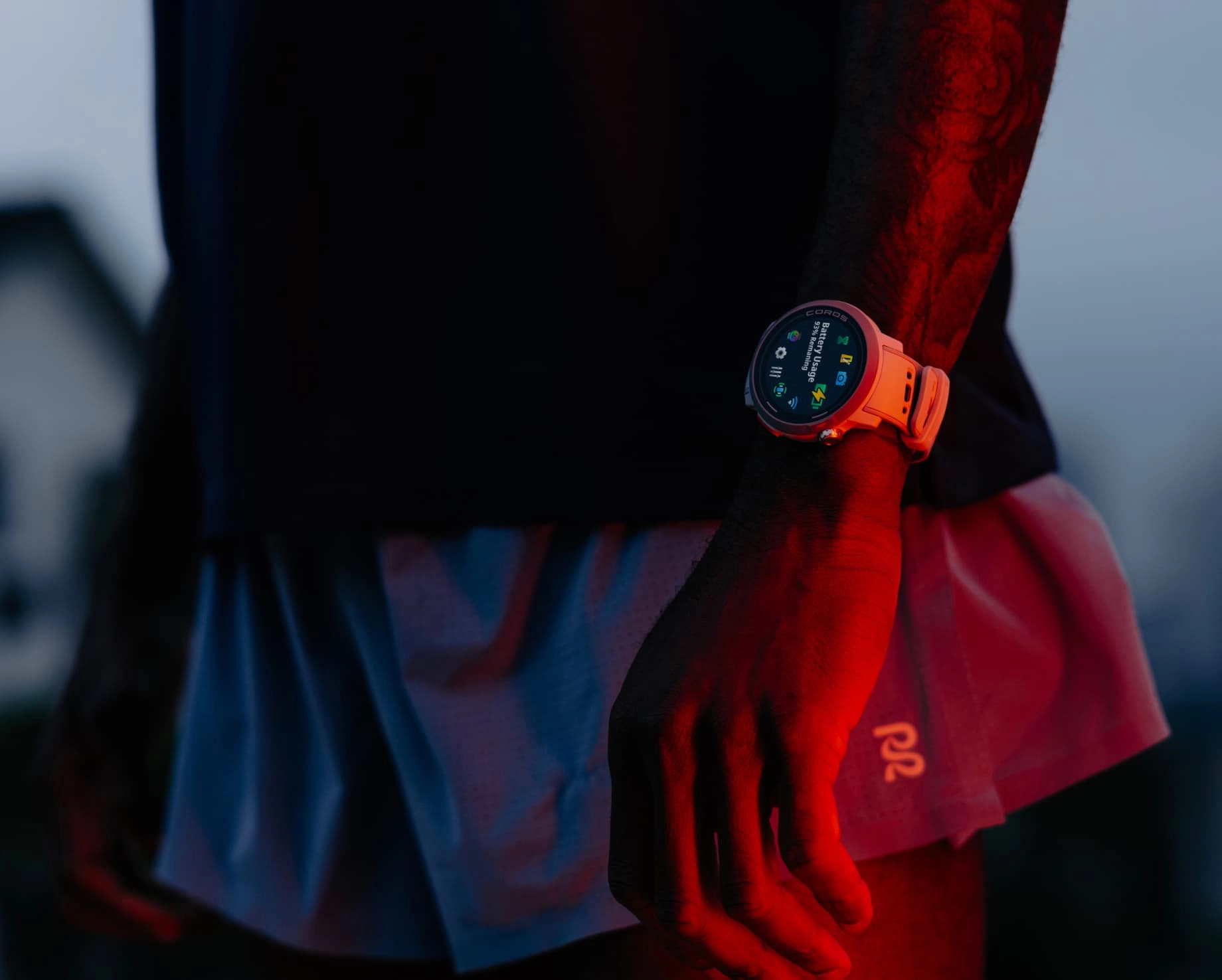
The Coros Pace Pro is the watch that most surprises swimmers shopping on a budget. At $299 it delivers full pool and open-water swim modes, a genuinely excellent AMOLED display that reads clearly through goggles, and the kind of battery life that makes the premium watches look thirsty – up to 20 days in smartwatch mode and roughly 38 hours of full GPS, so long open-water sessions never come with battery anxiety. It also brings full triathlon support, with proper multisport profiles that chain swim, bike, and run into a single activity.
For value, nothing here touches it. You're getting metrics and multisport capability that rival watches twice the price, in a light, swim-friendly package. It's the obvious pick for a developing triathlete or a serious lap swimmer who doesn't want to spend Garmin or Apple money to get real data.
The caveat is around the edges rather than the core: Coros's app and smartwatch features are leaner and more focused than Apple's or Samsung's, so if you want a do-everything wrist computer, this isn't it. And like every watch in this guide, swim heart rate leans on the wrist sensor. But as a swimming and triathlon tool for the money, the Pace Pro is the value champion.
Garmin Forerunner 165 – Best Budget
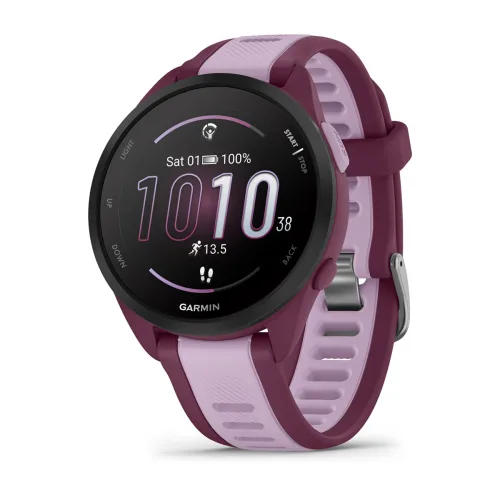
When the budget is firm, the Garmin Forerunner 165 is the dependable entry point at $249. It's rated 5ATM – the right standard for pool and recreational open-water swimming – and it brings Garmin's reliable swim tracking: automatic length counting, stroke detection, and SWOLF in the pool, plus a dedicated open-water swim profile that uses GPS for distance and pace. For a swimmer who logs lanes and the occasional open-water session and wants a trustworthy GPS running watch the rest of the week, it's a lot of watch for the price.
Be clear-eyed about what you're giving up at this tier. The 165 has no multisport profile, so it can't chain a triathlon into a single activity the way the Pace Pro or Forerunner 970 can – a real limitation if you're racing tri. Its swim metric set is the basics done well rather than the deep stroke-by-stroke analysis of the 970, and there's no stored-underwater-HR workflow to lean on here.
For a budget lap swimmer or a runner who also swims, those omissions are easy to live with. If you need multisport or advanced swim analytics, the Coros Pace Pro is only $50 more and a significant step up. The 165 earns its place by being the cheapest watch here we'd genuinely trust on swim data.
How We Chose
We weighted swimming capability first and everyday smartwatch polish second. Our criteria:
- Water resistance and margin. A 5ATM or WR50 rating is the floor for swimming, and every pick clears it. We gave extra credit for the 10ATM and dive-rated watches where the use case – open water, ocean, depth – justifies the headroom.
- Pool metrics. Automatic length and lap counting, stroke-type detection, SWOLF, and set/rest detection. Counting laps is table stakes; analyzing them is what separates a swim watch from a waterproof one.
- Open-water GPS swimming. A dedicated open-water mode that uses GPS for distance and pace, not just a pool profile. This is the line that matters most for ocean and lake swimmers.
- Underwater heart-rate handling. Because no watch reads wrist HR reliably underwater, we judged each watch on how honestly and effectively it deals with that limit – strap-and-store on Garmin versus wrist-only elsewhere.
- Battery life. Long sessions and multi-day training blocks shouldn't be governed by a charger.
- Value. What you actually get for the money, across the full $249-to-$799 spread.
What to Look for in a Swimming Watch
Water-resistance ratings (ATM). ATM means atmospheres of pressure, not a literal depth you can swim to. A 5ATM rating (equivalent to WR50, or 50 meters) is fully sufficient for pool laps and recreational open-water swimming – it's the standard, not a compromise. Stepping up to 10ATM or a dive rating like the Ultra 3's EN13319 certification adds margin for higher-impact water entry, surf, and depth. You don't need a dive rating to swim laps, but it's reassuring for serious open-water and ocean use.
Pool versus open-water modes. These are genuinely different tracking systems. Pool mode uses the watch's motion sensors to count lengths against a pool size you set, since GPS doesn't work underwater or indoors. Open-water mode uses GPS to estimate distance and pace from your surface position between strokes. A watch can be excellent at one and absent at the other, so confirm both modes exist if you swim in both places.
SWOLF and stroke metrics. SWOLF – your time for a length plus your stroke count for that length – is the core efficiency number in swimming, where lower is better. Combined with automatic stroke-type detection, it turns a swim from "I did 40 laps" into "my freestyle efficiency improved across the set." This is the data that makes a watch a training tool rather than a stopwatch.
The underwater heart-rate caveat. This is the most misunderstood thing about swim watches, so understand it before you buy. Optical wrist heart rate is unreliable underwater on every watch in this guide – the sensor is disrupted by water and by the watch shifting on your wrist with each stroke. Garmin's answer is a chest strap like the HRM-Pro or HRM-SWIM that records HR underwater and syncs the stored data once you finish; you don't see it live, but you get an accurate record. Apple and Samsung rely on their wrist sensors, with the known limits that implies. If heart-rate-driven swim training matters to you, that distinction should steer your decision.
Who Should Buy What
- The serious triathlete or structured swimmer: Garmin Forerunner 970, paired with an HRM-SWIM or HRM-Pro strap for real underwater heart-rate data. It's the deepest, most accurate swim tool here.
- The open-water and ocean swimmer: Apple Watch Ultra 3 for its depth gauge, water-temp sensor, and dive-grade durability – the most confidence-inspiring watch for swimming away from the wall.
- The Apple loyalist who swims laps: Apple Watch Series 11 at $399 – a superb everyday Apple Watch with genuinely good pool tracking, no need to pay Ultra money.
- The committed Android user: Samsung Galaxy Watch Ultra, for rugged 10ATM build and full swim tracking inside the Galaxy ecosystem.
- The value-focused multisport athlete: Coros Pace Pro at $299, with full triathlon support, standout battery, and metrics that punch far above its price.
- The budget lap swimmer or runner-who-swims: Garmin Forerunner 165 at $249 – reliable pool tracking and trustworthy data, as long as you don't need multisport.
If your swimming is one piece of a broader fitness routine, it's worth cross-shopping our guides to the best waterproof fitness trackers and the best smartwatches for running, since the watch that wins your laps may also need to win your land days.
The Bottom Line
There is no single best smartwatch for swimming – there's the best one for how and where you swim. For serious, data-driven swimmers, the Garmin Forerunner 970 with a heart-rate strap is the most complete tool. Open-water swimmers should reach for the Apple Watch Ultra 3, Android users for the Samsung Galaxy Watch Ultra, and value seekers for the Coros Pace Pro. Whatever you pick, go in understanding the underwater heart-rate reality – get that right, and every watch here will track your swimming honestly.