
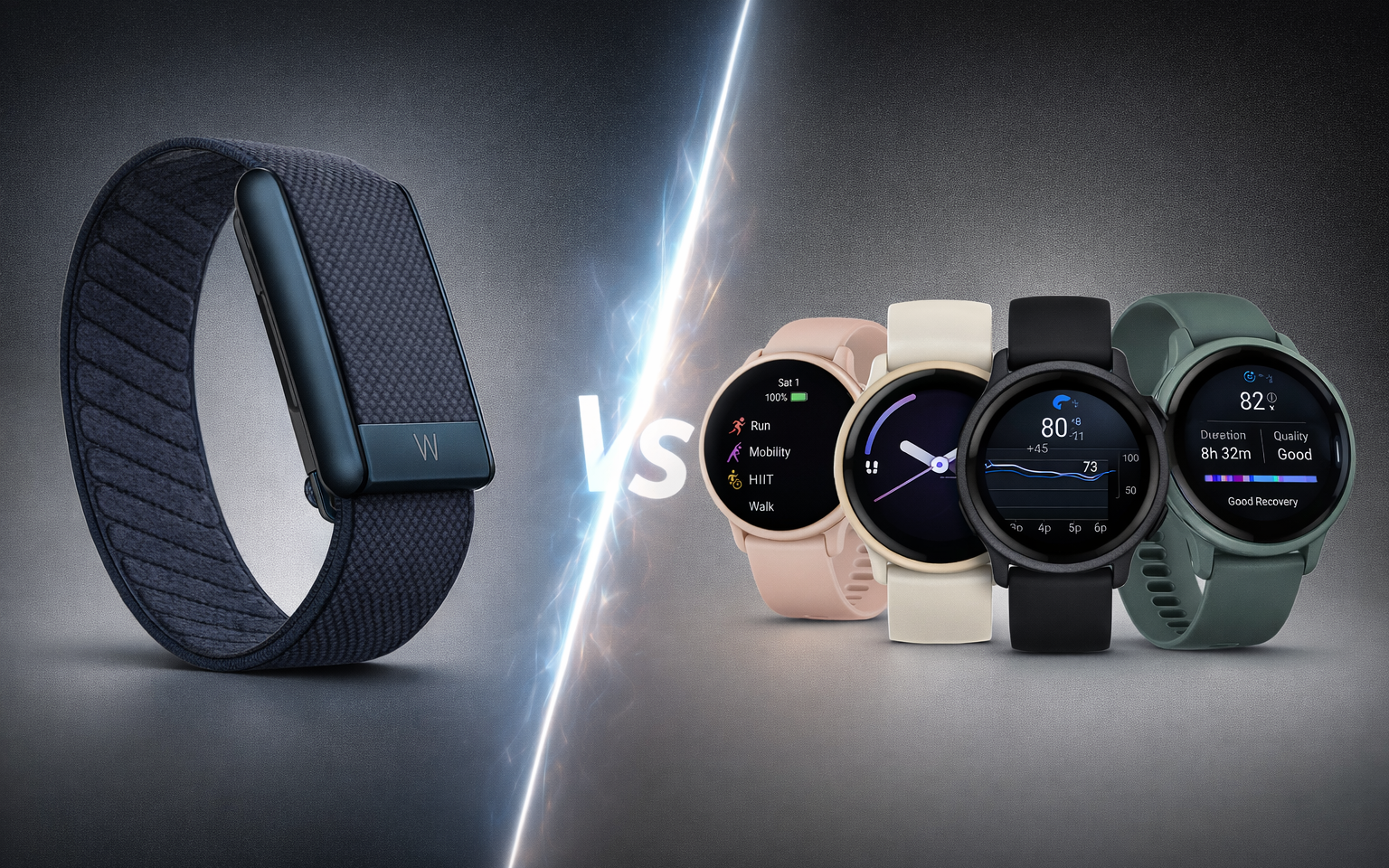
Two fundamentally different bets on what a fitness wearable should be. The WHOOP 5.0 is a screenless recovery sensor that lives on your wrist 24/7, funnels continuous biometric data into a sophisticated app, and charges you every year for the privilege. The Garmin Vivoactive 6 is a full-featured GPS sportswatch with an AMOLED screen, 80-plus sport profiles, offline music, and contactless payments — and it never asks for another dollar after you buy it.
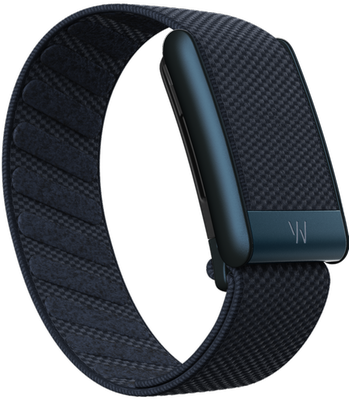
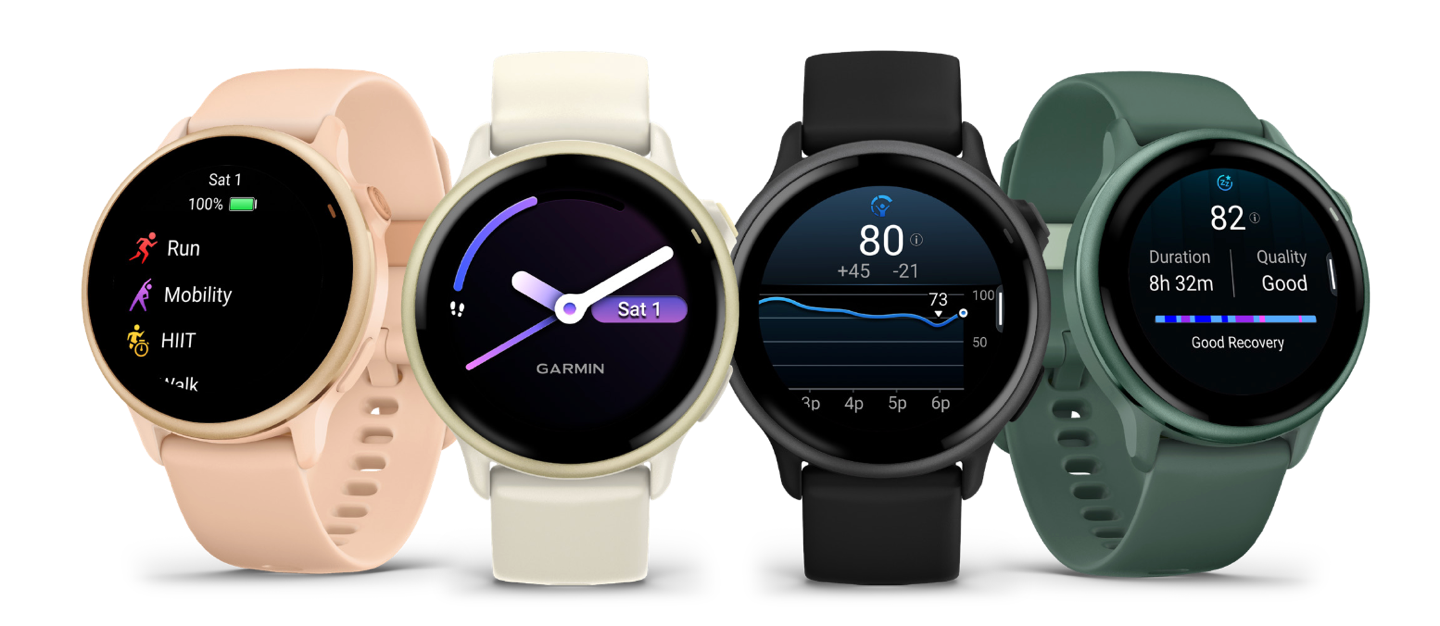
This is not just a hardware comparison. It is a business-model comparison. WHOOP sells ongoing access to a recovery intelligence platform; the band is just the sensor. Garmin sells a finished product with everything included on day one. That distinction shapes every tradeoff between these two devices — from what data you see mid-workout to what your total cost looks like in year three.
If you have been weighing a subscription-based recovery coach against a buy-once GPS sportswatch, this is the breakdown that will settle it. We have already compared the WHOOP 5.0 against the Garmin Forerunner 265, a more running-focused Garmin. This comparison pits the WHOOP against Garmin's mainstream all-rounder — and the value calculus shifts significantly.
Recovery and Readiness Intelligence
This is the reason WHOOP exists, and the lead over the Vivoactive 6 is substantial.
The WHOOP 5.0 delivers a daily recovery score synthesized from overnight heart rate variability, resting heart rate, respiratory rate, skin temperature, and sleep performance. That score feeds directly into the Strain Coach, which dynamically adjusts your target training intensity based on how recovered your body actually is — not how recovered you feel. The system creates a closed feedback loop: train, recover, sleep, adjust, repeat. At the Peak tier ($239/year), the Healthspan feature tracks biological age and pace of aging based on long-term physiological trends. No other consumer wearable provides this depth of prescriptive recovery intelligence.
The Garmin Vivoactive 6 counters with Body Battery and HRV Status. Body Battery provides a real-time energy gauge from 0 to 100 that depletes with activity and stress and recharges with rest. HRV Status tracks your heart rate variability trend against a personal baseline, giving a daily readiness snapshot. Morning Report summarizes your night and readiness each day. These are solid, well-executed features — and for many athletes, they provide all the recovery insight needed.
The difference is in what happens with the data. WHOOP tells you what to do: how hard to train today, when to go to bed tonight, whether your recovery trend is improving or declining. Garmin tells you what happened: your energy is at 65, your training readiness is moderate, your sleep score was 78. The WHOOP approach is prescriptive. The Garmin approach is descriptive. For athletes who structure training around recovery data, WHOOP's system remains best in class. For athletes who want a recovery snapshot alongside their training metrics, Garmin delivers more than enough.
Winner: WHOOP 5.0
GPS, Sports Tracking, and Real-Time Data
This comparison is not close.
The Vivoactive 6 packs multi-GNSS positioning with support for GPS, GLONASS, Galileo, BeiDou, and QZSS satellite constellations. GPS lock is fast — a few seconds in most conditions — and tracking accuracy is consistent, matching Garmin's more expensive watches. Over 80 built-in sport profiles cover everything from road running and open-water swimming to trail running, mountain biking, rucking, obstacle racing, and motorsports. PacePro delivers real-time pacing strategy on the wrist. Running dynamics provide cadence, stride length, and ground contact data. Cycling and strength coach plans add structured training directly on the watch. All of this displays on a vibrant 1.2-inch AMOLED touchscreen readable in direct sunlight, with an estimated 1,500 nits of brightness.
The WHOOP 5.0 has no screen. No GPS. No on-device sport profiles. No pace display. No interval timer. No lap button. It auto-detects activities across 145-plus categories and calculates a strain score from heart rate data, which is valuable for quantifying physiological load after the fact. But mid-workout, you get nothing on your wrist. If you want to see your pace, check your distance, follow a route, or control your music, you need your phone.
For any athlete who wants real-time performance data during workouts, the Vivoactive 6 wins by default. The WHOOP simply does not compete in this category.
Winner: Garmin Vivoactive 6
Sleep Tracking
Both devices take sleep seriously, but WHOOP's approach is more actionable and more deeply integrated into its recovery system.
The WHOOP 5.0 tracks all four sleep stages, generates a Sleep Performance score based on how much sleep you got relative to how much your body needed, and provides a Sleep Coach that calculates optimal bedtimes tailored to your recovery targets. Sleep data feeds directly into the next morning's recovery score, creating a tangible connection between how you slept and how hard you should train. Sleep consistency metrics and long-term trends round out the most comprehensive sleep system available in a fitness wearable.
The Vivoactive 6 tracks sleep stages, generates a sleep score, monitors blood oxygen overnight, and includes both a Sleep Coach with personalized recommendations and a smart wake alarm that wakes you at the lightest point in your sleep cycle. Sleep data feeds into the Morning Report and Body Battery calculations. Garmin's sleep features are comprehensive and reliable — but the coaching leans toward general guidance rather than the tightly integrated, recovery-linked prescriptions WHOOP delivers.
The WHOOP's edge is not in raw sleep-stage accuracy — no wrist-worn sensor matches a clinical polysomnography — but in how tightly sleep data integrates with recovery and training. The Sleep Coach calculates exactly when you need to fall asleep to hit tomorrow's recovery targets, then grades your performance against that recommendation. Garmin's Sleep Coach offers useful tips and bedtime suggestions, but it does not close the loop between sleep quality and next-day training intensity the way WHOOP does.
Winner: WHOOP 5.0
Design, Display, and Daily Wear
Two radically different philosophies about what belongs on your wrist.
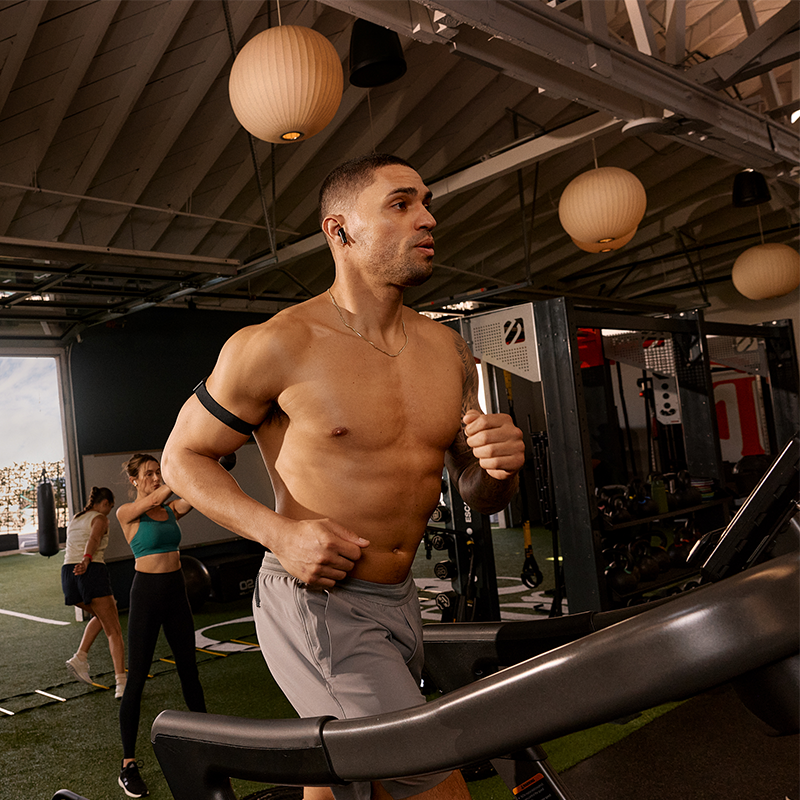
The WHOOP 5.0 is a small, screenless sensor pod embedded in a fabric band. At 26.5 grams, it is nearly imperceptible during wear — including sleep, which matters enormously for a device whose core value depends on 24/7 data collection. It slips under shirt cuffs invisibly, causes zero sleep disruption, and offers complete freedom from notifications and screen distractions. The sensor pod pops out and moves to a bicep band or WHOOP Body apparel for improved heart rate accuracy during intense exercise. Water resistance tops out at 10 meters (IP68) — fine for showers and rain, but not rated for lap swimming. The tradeoff: every single interaction requires your phone.
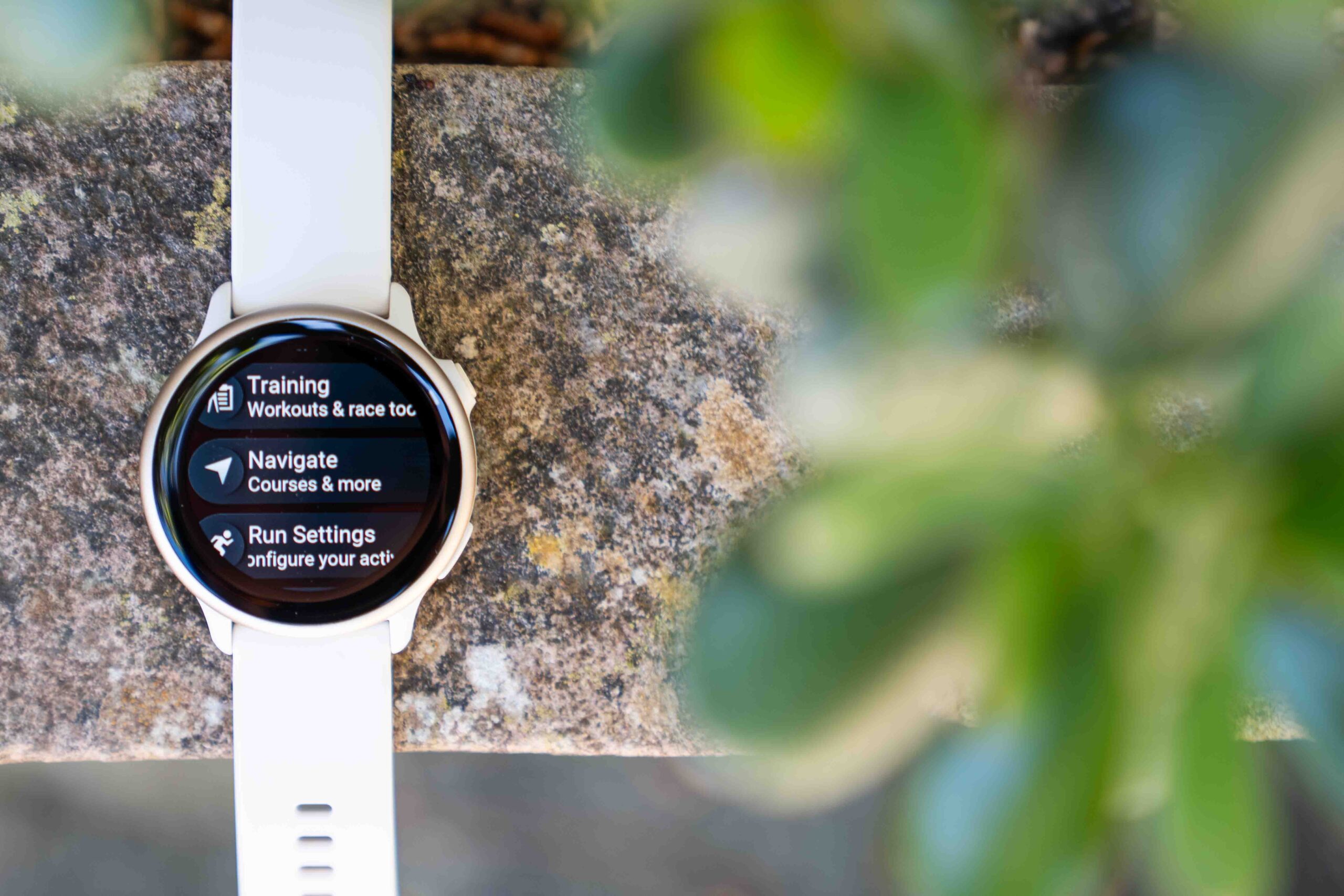
The Vivoactive 6 is one of the lightest GPS sportswatches available at just 23 grams for the case alone (36 grams with the band). The 42mm case is marginally slimmer than its predecessor at 10.9mm thick, slim enough to slide under a shirt cuff — a rarity for Garmin. The 1.2-inch AMOLED display is vivid, high-contrast, and bright enough for outdoor use. A quick glance shows the time, heart rate, Body Battery, next workout, or incoming notification. Garmin Pay handles contactless payments. Offline music from Spotify, Amazon Music, and Deezer — with YouTube Music available via a third-party Connect IQ app — means phone-free runs with Bluetooth earbuds.
For pure comfort and invisibility, the screenless WHOOP wins. For displaying useful information without reaching for your phone — the time, your pace, your heart rate, a notification — the Garmin wins comprehensively. Neither approach is flawed; they serve different priorities.
Winner: Draw — comfort goes to WHOOP, functionality goes to Garmin
Battery Life
The WHOOP 5.0 delivers 14-plus days of continuous use, a dramatic improvement from the WHOOP 4.0's four-to-five-day lifespan. The slide-on battery pack charges the device without removing it from your wrist, preserving uninterrupted data collection. For a device that depends entirely on continuous 24/7 monitoring, this battery performance is essential and well-executed.
The Vivoactive 6 lasts up to 11 days in smartwatch mode with the always-on display disabled, or roughly five days with AOD active. GPS mode provides up to 21 hours — enough for most ultra-distance events. Music streaming via Bluetooth cuts GPS battery to around eight hours. With regular GPS workouts and active daily use, expect eight to ten days between charges. A power-saving mode extends standby to 21 days.
Raw duration favors the WHOOP, but context matters. The WHOOP's battery powers a sensor pod with no screen, no GPS, and no wireless audio. The Vivoactive 6's battery powers an AMOLED display, GPS radio, music streaming, and NFC — dramatically more functionality per charge cycle. Both provide enough battery life to avoid daily charging, which is the threshold that matters most for consistent wear.
Winner: Draw — WHOOP lasts longer, Garmin does more per charge
Ecosystem and Subscription Cost
This is where the business-model divide becomes a financial reality — and it decisively favors Garmin.
The Garmin Vivoactive 6 costs $299.99. Once. Every feature — GPS, AMOLED display, 80-plus sport profiles, Body Battery, HRV Status, sleep tracking, music storage, Garmin Pay — is included with no subscription, no tiers, no paywalls. Garmin provides free firmware updates and new features for years after purchase. The Garmin Connect app and full ecosystem are free. Connect IQ adds third-party watch faces, data fields, and apps. (Garmin does offer an optional Connect+ subscription at $6.99/month for AI-powered insights, but no core feature requires it.) Over three years, total cost of ownership: $299.99.
The WHOOP 5.0 at the entry-level One tier ($199/year) includes the hardware but gates out Healthspan, the Stress Monitor, and health alerts — the features that distinguish WHOOP from cheaper fitness bands. The Peak tier ($239/year) unlocks the meaningful differentiators and is the realistic starting price for the full WHOOP experience. Over three years at Peak: $717. The Life tier with the MG hardware and blood pressure insights runs $359/year — $1,077 over three years. And if you stop paying, the WHOOP hardware becomes a paperweight. It does literally nothing without an active subscription. (Is the subscription worth it? That depends entirely on how deeply you use the recovery data.)
The math is straightforward. The Vivoactive 6 costs less than 18 months of WHOOP Peak. It never asks for another payment. All features are unlocked from day one. For budget-conscious athletes — which is most athletes — this is the decisive category.
Winner: Garmin Vivoactive 6
Who Should Buy What
Buy the WHOOP 5.0 if you:
- Already own a GPS watch or do not need GPS during workouts
- Compete in CrossFit, team sports, or strength-based disciplines where strain coaching outweighs pace data
- Want the deepest possible recovery intelligence with prescriptive daily guidance
- Prioritize a distraction-free, invisible wearable optimized for sleep and 24/7 data collection
- Are willing to commit to an ongoing subscription for continuous software development and AI coaching
- Want to layer recovery data on top of an existing training setup — WHOOP works best as a complement to other devices, not a replacement
Buy the Garmin Vivoactive 6 if you:
- Want a single device that handles GPS tracking, sport profiles, recovery metrics, and daily smartwatch duties
- Run, cycle, swim, hike, or train across multiple sports and need real-time data on your wrist
- Refuse to pay monthly or annual fees for a device you already purchased
- Want offline music, contactless payments, and a bright AMOLED display for under $300
- Prefer the simplicity of a one-time purchase with all features included — no tiers, no upsells
- Are new to fitness wearables and want a capable, beginner-friendly entry point into Garmin's ecosystem
The dual-wearable approach: Serious endurance athletes increasingly wear both — WHOOP on the bicep for 24/7 recovery data, a GPS watch on the wrist for training execution. If budget allows and you train at a competitive level, this combination covers every angle. For most athletes, though, one device is plenty.
Our Verdict
The Garmin Vivoactive 6 is the better wearable for the majority of athletes and fitness enthusiasts. It does more, costs dramatically less over time, requires no subscription, and delivers genuinely strong recovery and training metrics alongside GPS, an AMOLED display, and 80-plus sport profiles. At $299.99 with zero recurring fees, it represents one of the best values in the fitness wearable market. For someone choosing a single device to track workouts, monitor recovery, and wear every day, the Vivoactive 6 is the clear pick.
But the WHOOP 5.0 is not the wrong choice — it is the niche choice. Recovery intelligence, prescriptive sleep coaching, and strain-based training guidance are genuinely superior on the WHOOP, and for athletes who build their programs around readiness data, that depth matters. The WHOOP 5.0 at the Peak tier is a legitimate performance tool for a specific kind of athlete: someone who trains hard, recovers deliberately, and values being told exactly when to push and when to pull back. If that describes you — and you already have a GPS watch or do not need one — WHOOP delivers something the Vivoactive 6 cannot match.
For everyone else, the Garmin wins on features, flexibility, and value. Pay once, get everything, move on with your training.
Specs at a Glance
| Feature | WHOOP 5.0 | Garmin Vivoactive 6 |
|---|---|---|
| Price | $199/yr (One), $239/yr (Peak), $359/yr (Life) | $299.99 (one-time) |
| Display | None (screenless) | 1.2" AMOLED, 390x390, est. ~1,500 nits |
| Weight | 26.5g | 36g (with band), 23g (case) |
| Battery Life | 14+ days | Up to 11 days (smartwatch), 21 hrs (GPS) |
| GPS | No (phone required) | Multi-GNSS (GPS, GLONASS, Galileo, BeiDou, QZSS) |
| Heart Rate Sensor | Optical PPG (26 Hz) | Garmin Elevate V4 (optical) |
| Sport Profiles | 145+ auto-detected | 80+ built-in with on-screen data |
| Recovery Features | Recovery Score, Strain Coach, Sleep Coach | Body Battery, HRV Status, Morning Report |
| Sleep Tracking | Prescriptive Sleep Coach, sleep performance score | Sleep score, stages, smart wake alarm |
| Water Resistance | 10m (IP68) | 50m (5 ATM) |
| Music | No | Offline (Spotify, Amazon Music, Deezer; YouTube Music via Connect IQ) |
| Payments | No | Garmin Pay (NFC) |
| Subscription Required | Yes (device non-functional without it) | No |
| 3-Year Cost (Peak/One-time) | $717 (Peak) | $299.99 |