
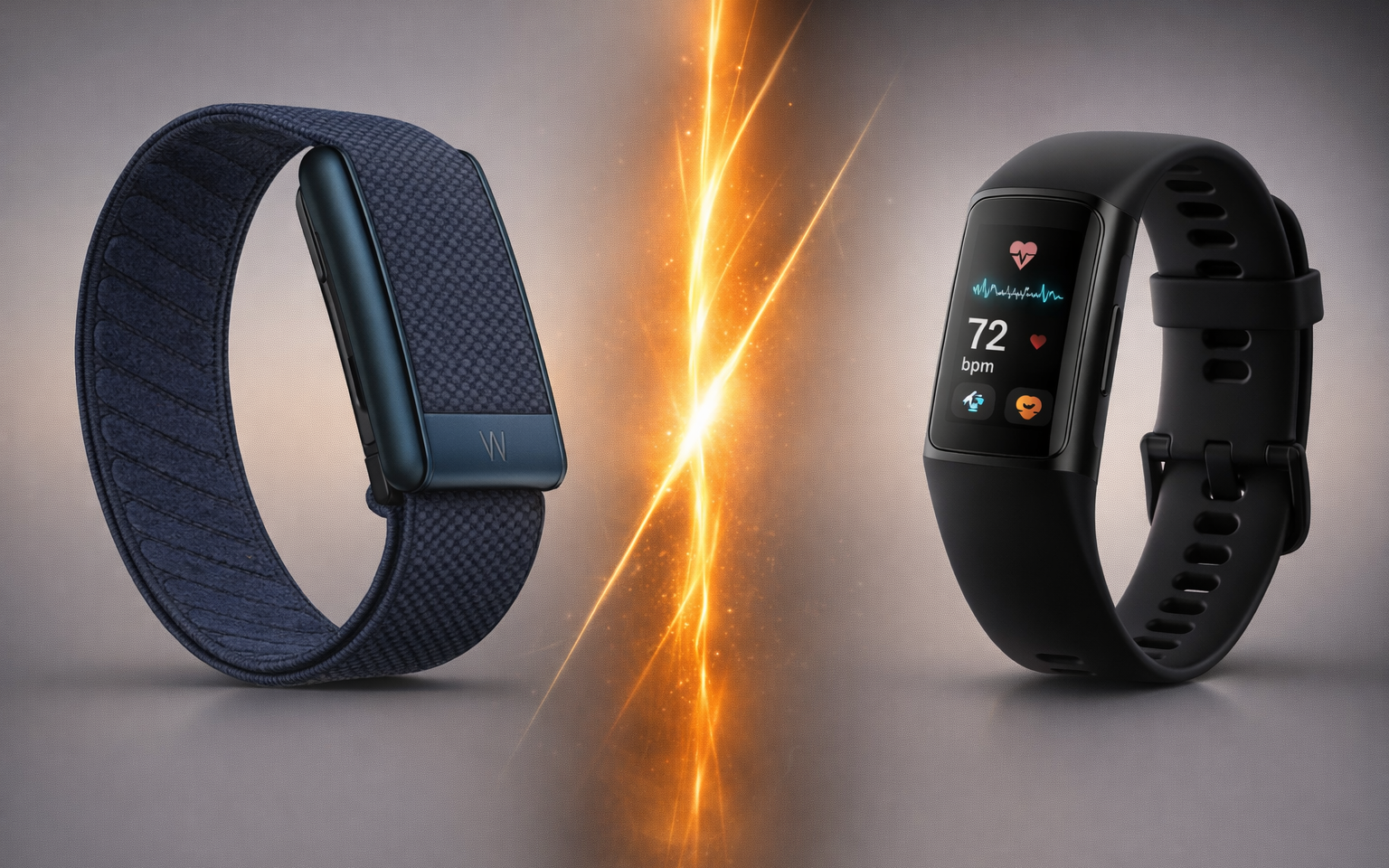
One costs nothing upfront but demands hundreds per year in subscription fees. The other costs $100 on a good sale day and works right out of the box. The WHOOP 5.0 and Fitbit Charge 6 both live on your wrist, both track your heart rate and sleep, and both want to make you healthier. But they disagree fundamentally on how to get there — and that philosophical divide matters more than any spec comparison.
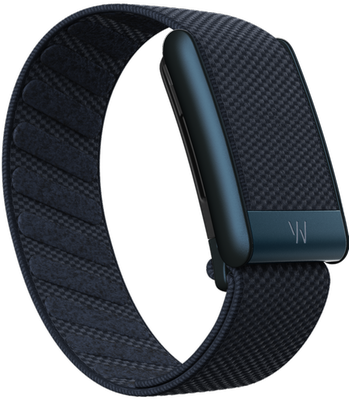

The WHOOP is a screenless recovery coach that treats your body as a system to be optimized. The Charge 6 is a traditional fitness band that puts information on your wrist and lets you decide what to do with it. One charges you forever. The other charges you once. The tradeoffs run deeper than price, though, and the right choice depends on how seriously you train, how much coaching you actually want, and whether a screen on your wrist is a necessity or a distraction.
Recovery and Training Insights
This is the category that justifies WHOOP's existence — and the gap is substantial.
The WHOOP 5.0 builds a daily recovery score from HRV, resting heart rate, respiratory rate, skin temperature, and sleep performance. That recovery score feeds the Strain Coach, which prescribes a target training intensity for the day based on how recovered your body actually is. Train too hard on a low-recovery day and the app tells you. Hold back when you're fully recovered and it pushes you to do more. The strain scoring system (0-21 scale) is the most granular effort measurement in any consumer wearable, and the Healthspan metric on Peak tier estimates your biological age based on long-term physiological trends. For athletes who structure training around readiness rather than rigid schedules, this system is genuinely unmatched.
The Fitbit Charge 6 offers a Daily Readiness Score — but only with a Fitbit Premium subscription ($9.99/month). Without Premium, you get Active Zone Minutes, basic heart rate zone tracking, and 40 exercise modes. It's competent fitness tracking. It tells you what happened. It rarely tells you what to do next. The readiness score itself is simpler than WHOOP's recovery system, drawing from fewer inputs and offering less prescriptive guidance.
For anyone training five or more days per week with periodized intensity, WHOOP's coaching ecosystem transforms data into decisions. The Charge 6 gives you data and leaves the decisions to you.
Winner: WHOOP 5.0 (clear winner)
Health Sensors
Here, the Fitbit Charge 6 punches well above its price.
The Charge 6 includes an ECG sensor for atrial fibrillation detection, an EDA sensor for stress management, SpO2 monitoring, skin temperature tracking, and an optical heart rate sensor that benefits from Google's sensor algorithms — an improvement over the Charge 5 that is most noticeable during steady-state exercise. That's a medical-grade sensor suite in a $100-160 fitness band. Heart rate broadcasting to compatible gym equipment via Bluetooth is a genuinely useful feature that WHOOP does not offer on any tier — pair the Charge 6 with a Peloton or rowing machine and your heart rate appears on the equipment's display in real time.
The WHOOP 5.0 carries an optical heart rate sensor sampling at 26Hz, SpO2, and skin temperature. No ECG. No EDA. The heart rate sensor is excellent for resting and steady-state measurements, but accuracy degrades during high-intensity interval work at the wrist — a limitation that requires the separate bicep band to resolve. Both devices struggle with rapid heart rate changes from the wrist position, but the Charge 6's sensor improvements have narrowed the gap during steady-state exercise.
For the breadth of health data available without additional hardware or subscription tiers, the Charge 6 offers more sensors at a fraction of the cost.
Winner: Fitbit Charge 6
Sleep Tracking
Both devices take sleep seriously, and both deliver excellent results — making this the closest category in the comparison.
The WHOOP 5.0 provides detailed sleep stage breakdowns, a sleep coach that recommends optimal bedtimes based on your target wake time and recent sleep debt, and a sleep performance percentage that connects your rest to next-day recovery. Sleep data feeds directly into the recovery score, creating a feedback loop between rest and training readiness. It's a system, not just a report.
The Fitbit Charge 6 tracks sleep stages, breathing rate, skin temperature trends, SpO2, and HRV during sleep. The Sleep Score summarizes quality on a 0-100 scale, and the Sleep Profile feature (Premium only) categorizes your sleep patterns over time using animal archetypes. It's comprehensive and easy to interpret, though the best insights sit behind the Premium paywall.
WHOOP's sleep coaching is more prescriptive — it tells you when to go to bed and connects sleep quality to training readiness. The Charge 6's sleep data is rich but more passive. For athletes managing recovery, WHOOP's integrated approach has a slight edge. For general sleep awareness, the Charge 6 is equally capable.
Winner: WHOOP 5.0 (narrow)
Battery and Charging
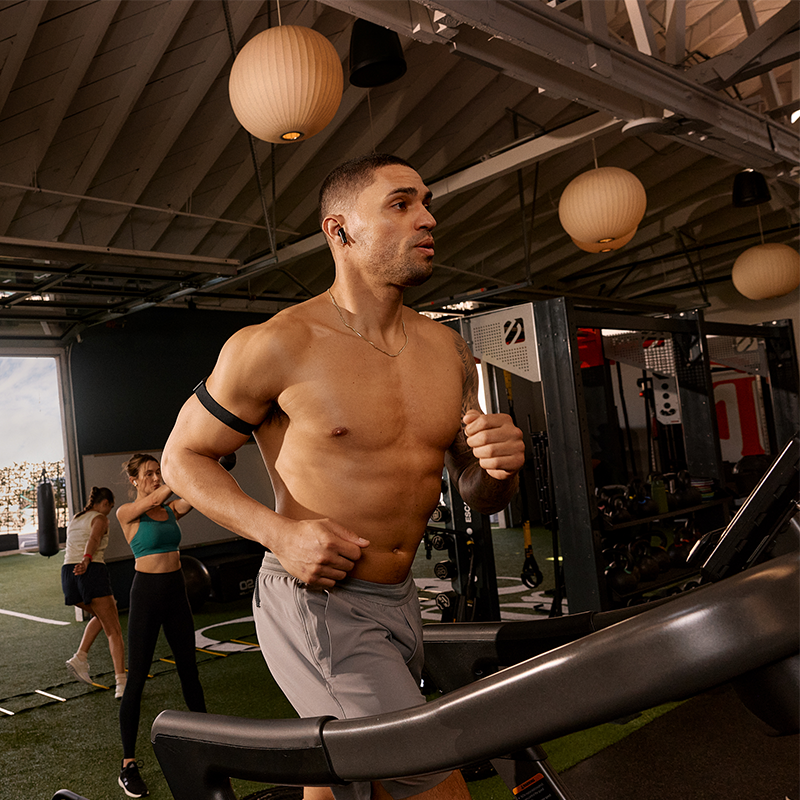
The WHOOP 5.0 runs 14 or more days on a single charge, and you never remove it to charge. The slide-on battery pack charges the device while it sits on your wrist, which means zero gaps in data collection. (The wireless PowerPack comes with Peak and Life tiers; the One tier includes a wired slide-on charger that still charges on-wrist.) For a device built around 24/7 monitoring, this charging approach isn't a convenience — it's essential to the product's promise.
The Fitbit Charge 6 delivers five to seven days of battery life with the always-on display disabled. That's strong for a fitness band with a screen, GPS, and multiple sensors. But charging requires a proprietary magnetic cable, and you have to take the device off. Every charging session creates a gap in your data — a minor annoyance for casual users, a real problem for anyone obsessing over continuous sleep or recovery tracking.
Both devices comfortably outlast any smartwatch. But WHOOP's on-wrist charging and multi-week battery life are in a different league for uninterrupted monitoring.
Winner: WHOOP 5.0
Design, Display, and GPS
These devices look nothing alike, and the differences reflect their philosophies.
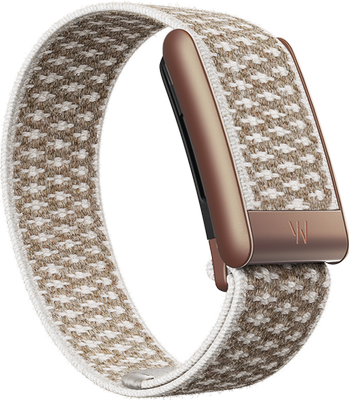
The WHOOP 5.0 weighs 26.5 grams, has no screen, and disappears on your wrist. It's designed to be forgotten — a sensor that collects data silently while you live your life. There's no GPS, no display to check mid-workout, no way to see your heart rate without pulling out your phone. That's a feature for WHOOP's target audience and a dealbreaker for everyone else.
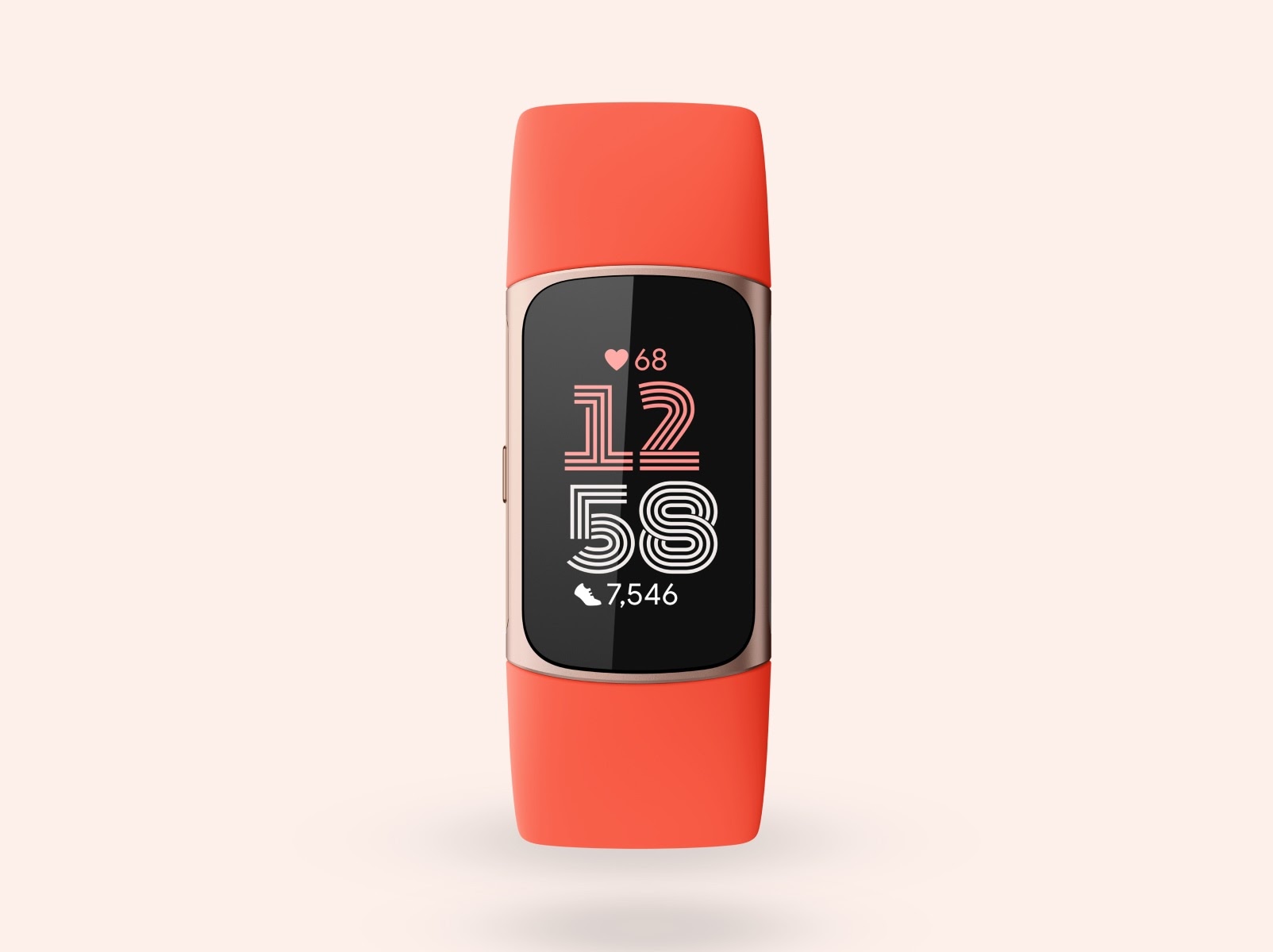
The Fitbit Charge 6 weighs 37 grams with band, features a 1.04-inch AMOLED touchscreen, and includes built-in GPS. The display is small but sharp, showing time, stats, notifications, and Google Maps turn-by-turn directions on your wrist. NFC enables Google Wallet payments. YouTube Music controls let you manage playback without reaching for your phone. It's a fitness band that does fitness band things.
One caveat: the Charge 6's built-in GPS is severely unreliable. Pace tracking drifts, routes wander off the map, and GPS lock can take frustratingly long. It technically has GPS. In practice, phone-connected GPS is far more dependable — which somewhat narrows the gap with WHOOP's phone-dependent approach.
The Charge 6 wins on features and daily utility. The WHOOP wins on comfort and 24/7 wearability. Neither is objectively better — it depends on whether you want a screen.
Winner: Fitbit Charge 6
App and Ecosystem
The WHOOP app is outstanding for what it does. Recovery trends, strain analytics, sleep performance, journal correlations, and AI-powered coaching recommendations create a deep analytical experience. If you want to understand how alcohol, caffeine, travel, or stress affect your recovery over weeks and months, WHOOP's data visualization is the best in the business. The app is the product — the band is just the sensor feeding it.
The Fitbit app, now deeply integrated with Google's ecosystem, goes wider rather than deeper. 40 exercise modes, Google Maps integration, Google Wallet, YouTube Music controls, and compatibility with Peloton and other connected fitness equipment. Premium unlocks the Daily Readiness Score, advanced sleep insights, guided workouts, and wellness reports. The breadth is impressive, but the analytics never reach WHOOP's depth for any single metric.
WHOOP gives you a microscope for recovery. Fitbit gives you a Swiss Army knife for fitness. If you're choosing between the best WHOOP alternatives or browsing the best fitness trackers of 2026, where you land on that spectrum determines which app serves you better.
Winner: Fitbit Charge 6 (WHOOP's analytics run deeper, but Fitbit's breadth and accessibility serve more users)

Subscription and Value
This is where the comparison gets uncomfortable for WHOOP.
The WHOOP 5.0 requires a subscription to function at all. The device is included — you don't buy it separately — but without an active plan, it's a bracelet that does nothing. The One tier starts at $199 per year. Peak, which unlocks Healthspan and most meaningful features, costs $239 per year. The Life tier with ECG and blood pressure costs $359 per year. Over three years at Peak, you'll spend $717. At Life tier, $1,077.
The Fitbit Charge 6 retails for $159.95 and regularly drops to roughly $100 on sale. It works fully as a fitness tracker without any subscription. Fitbit Premium is optional at $9.99 per month ($79.99 per year) and adds the Daily Readiness Score, advanced sleep analytics, and guided workouts. The first six months of Premium are included free. Over three years with Premium, you'll spend roughly $400 total on the annual plan — or up to $460 billed monthly. Without Premium, $100-160 total.
The math is brutal for WHOOP. A Charge 6 buyer spending three years without Premium pays roughly one-seventh what a WHOOP Peak subscriber pays. Even with full Premium, the Fitbit path costs half as much. WHOOP's subscription model delivers genuine value for serious athletes who use the coaching system daily, but for anyone else, the cost-per-insight ratio tilts overwhelmingly toward the Charge 6.
One note on the Fitbit side: the Charge 6's long-term value faces uncertainty. Google has not announced a Charge 7, and Fitbit's product roadmap remains murky. Buying a Charge 6 today means betting on a platform whose future is unclear — though the hardware works regardless of what Google decides next.
On the WHOOP side, the risk runs in the opposite direction: the hardware has no function without an active subscription. Cancel, and you own an inert bracelet.
Winner: Fitbit Charge 6
Who Should Buy What
Buy the WHOOP 5.0 if you:
- Train five or more days per week and structure workouts around recovery readiness
- Want a device that tells you what to do, not just what happened
- Prefer screenless, distraction-free 24/7 monitoring
- Value multi-week battery life with zero charging gaps
- Already own a smartwatch or phone for GPS, notifications, and daily utility
- Can commit to $239/year (Peak tier) as a training expense
Buy the Fitbit Charge 6 if you:
- Want a capable fitness tracker that works without ongoing fees
- Need a screen for time, notifications, and mid-workout stats
- Value ECG, EDA, and a broad health sensor suite at a low price
- Use Google services and want Wallet, Maps, and YouTube Music on your wrist
- Prefer to broadcast heart rate to gym equipment during indoor workouts
- Want solid sleep tracking without paying $200+ per year for it
The crossover case: If you're a serious athlete on a tight budget, consider whether WHOOP is worth it at your training frequency. Below five training days per week, the recovery coaching system generates less actionable data, and the cost-per-insight climbs quickly. The Charge 6 paired with a free training app may deliver 80% of the benefit at 20% of the cost.
Our Verdict
For most people, the winner is the Fitbit Charge 6. It costs less to buy, costs less to own, includes more health sensors, has a screen, offers (nominal) GPS, and works as a complete fitness tracker without spending another dollar after purchase. The Charge 6 represents the best value in fitness bands precisely because it doesn't ask you to subscribe to your own hardware. For the health-conscious person who exercises regularly and wants a wrist-based companion for sleep, workouts, and daily health awareness, the Charge 6 delivers.
But the WHOOP 5.0 isn't trying to be a better fitness band — it's trying to be a better coach. And for the specific audience that needs daily recovery guidance, strain-based training recommendations, and deep physiological trend analysis, nothing else touches it. The subscription model is punishing for casual users and transformative for committed athletes. If you train hard enough and often enough to act on WHOOP's recommendations daily, the cost justifies itself as a training tool rather than a gadget. (If you're leaning WHOOP but want a screenless alternative, our WHOOP 5.0 vs Oura Ring 4 comparison breaks down that matchup.)
Pick the Fitbit Charge 6 if you want a device that tracks your fitness. Pick the WHOOP 5.0 if you want a system that manages your training. The distinction sounds subtle. Over time, it's everything.
Specs At A Glance
| Feature | WHOOP 5.0 | Fitbit Charge 6 |
|---|---|---|
| Price | $199/yr (One), $239/yr (Peak), $359/yr (Life) — device included | $159.95 MSRP (~$100 on sale) |
| Subscription | Required (device non-functional without it) | Optional: $9.99/mo or $79.99/yr (6-month free trial) |
| 3-Year Cost | $597 (One) / $717 (Peak) / $1,077 (Life) | ~$100-160 without Premium / ~$400 with Premium (annual) |
| Display | None (screenless) | 1.04" AMOLED touchscreen |
| Battery Life | 14+ days (on-wrist wireless charging) | 5-7 days (proprietary magnetic cable) |
| GPS | No (phone required) | Built-in (unreliable) |
| Heart Rate | Optical PPG (26Hz) | Optical PPG (Google-enhanced) |
| ECG | No (separate WHOOP MG device on Life tier has ECG) | Yes |
| EDA Sensor | No | Yes |
| SpO2 | Yes | Yes |
| Skin Temperature | Yes | Yes |
| HR Broadcasting | No | Yes (Bluetooth to gym equipment) |
| NFC Payments | No | Google Wallet |
| Water Resistance | 10m | 5ATM (50m) |
| Weight | 26.5g | 37g (with band) |
| Compatibility | iOS and Android | iOS and Android (Google account required) |