
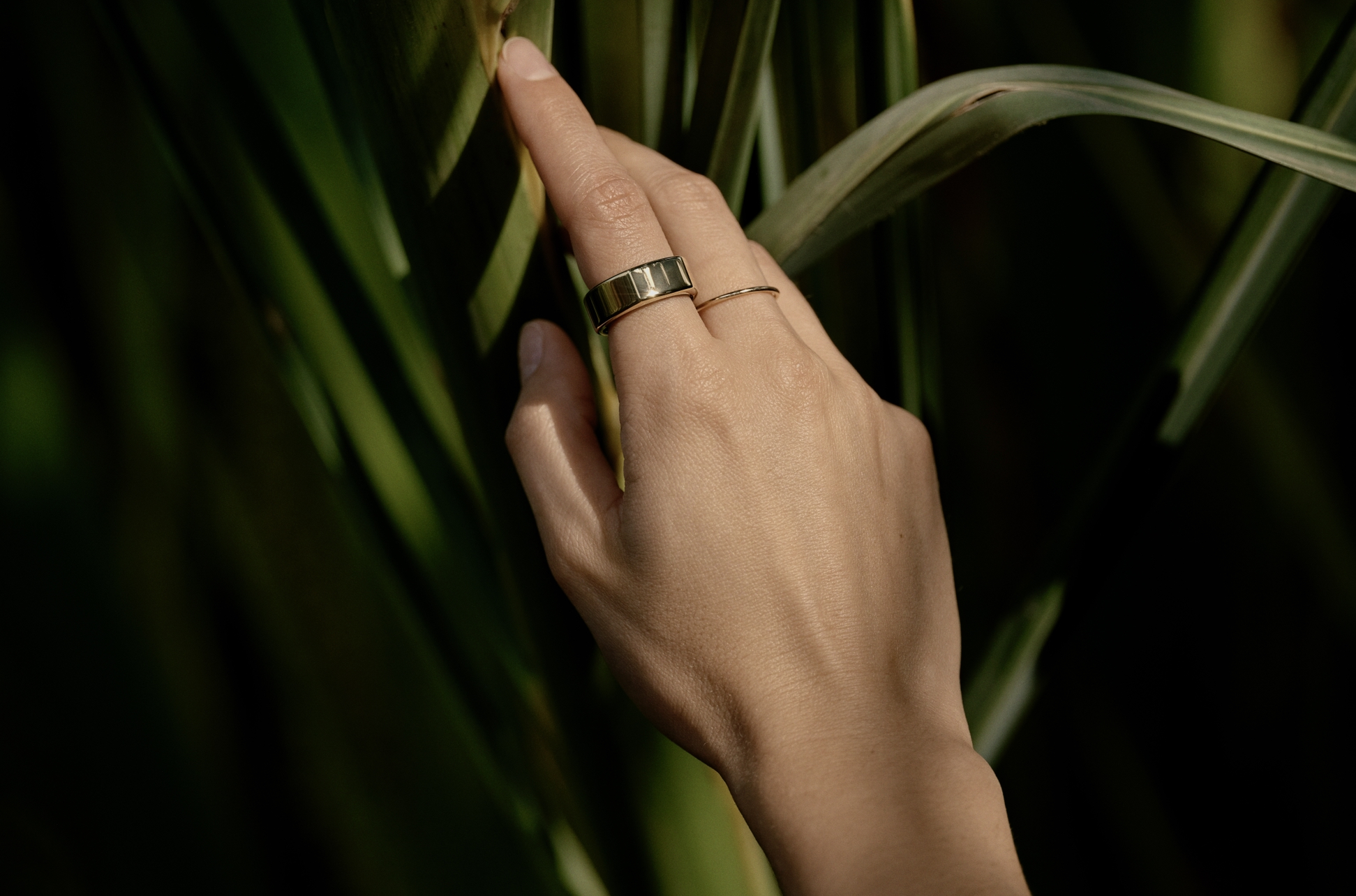
The Oura Ring Generation 3 did something no other wearable managed before it arrived in late 2021: it made a ring the most compelling sleep tracker on the market. Not a watch, not a band – a titanium ring weighing less than a nickel, packed with 15 sensors, capable of tracking sleep stages, heart rate variability, skin temperature, and blood oxygen while being comfortable enough to forget it exists. For more than two years, nothing else in ring form came close. The sleep data was deeper, the app was more polished, and the Readiness Score became a daily ritual for a devoted user base willing to pay for the privilege.
That last phrase is the problem. The Oura Ring 3 requires a $5.99/month subscription to access nearly all of its meaningful data – and it is now the only major smart ring on the market that charges one. Samsung and RingConn both ship subscription-free. With the Gen 3 now discontinued and replaced by the Oura Ring 4, and discounted hardware available on Amazon, the question is no longer whether this ring tracks sleep well. It does – better than almost anything else you can wear to bed. The question is whether paying a recurring toll for data your ring already collected still makes sense when the competition has stopped charging altogether.
Design and Build
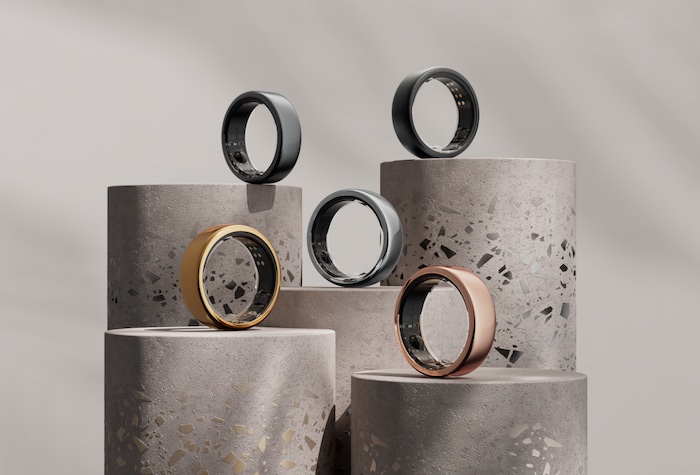
The Oura Ring 3 is available in two styles: Heritage, with a flat top section and subtle angular profile, and Horizon, a fully rounded design that looks more like traditional jewelry. Both are machined from titanium with PVD or DLC coatings. Heritage comes in Silver, Black, Stealth (matte black), and Gold. Horizon adds Rose Gold and Brushed Titanium to that lineup. The ring spans US sizes 6 through 13, and Oura ships a free sizing kit before purchase – a wise move, since finger sizes fluctuate with temperature, hydration, and time of day more than most people expect.
At 4 to 6 grams depending on size, the ring is remarkably light. The inner surface, where the sensors sit, features a slight concave channel that keeps the LEDs and temperature sensors flush against skin without creating pressure points. Most people stop noticing it within two or three days of wear. Sleeping with the ring is vastly more comfortable than sleeping with any wrist-worn tracker – there is no bulk, no strap, no screen lighting up in the dark. This comfort advantage is not trivial. It is the entire reason the ring form factor works for sleep tracking.
Water resistance is rated at 100 meters (10 ATM), which means showers, pools, and ocean swims are all fine. Extended submersion beyond 12 hours and scuba diving are not recommended. The titanium construction holds up well over years of daily wear, though lighter finishes – Silver and Gold in particular – can show surface wear over time. The Stealth and Black coatings prove more resilient.
One caveat: ring sizing is more trial-and-error than the sleek marketing suggests. People with narrow knuckles relative to their finger base can struggle with a ring that either slides around or feels too tight getting on. Expect to try multiple sizes before landing on the right fit – the free sizing kit exists for a reason.
Performance and Features
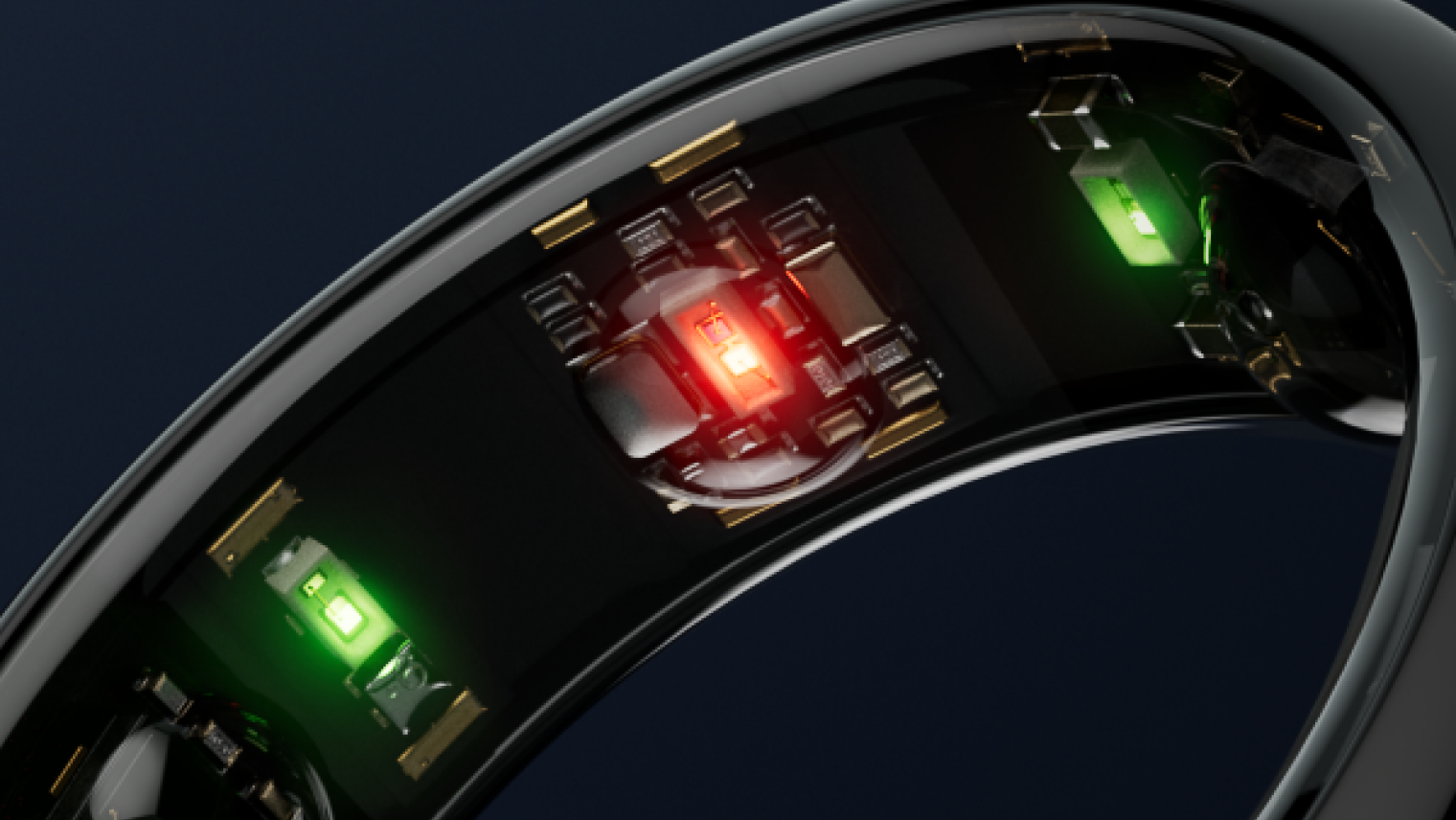
Sleep tracking is where the Oura Ring 3 earns its reputation, and it remains the strongest reason to consider the ring. The combination of green, red, and infrared LEDs, seven NTC skin temperature sensors, an accelerometer, and a gyroscope produces sleep data that is genuinely a cut above what most smartwatches deliver. Sleep stages – light, deep, and REM – are tracked with consumer-grade accuracy that holds up well against more expensive wrist-based trackers. Sleep onset latency, wake periods, and total sleep efficiency are all logged and presented clearly in the app.
The Readiness Score is the feature that creates daily engagement. It synthesizes overnight HRV, resting heart rate, body temperature trends, sleep quality, and recent activity into a single 0-100 number each morning. A high score suggests the body is recovered and ready for exertion; a low score recommends backing off. The algorithm learns individual baselines over time, which means the first two weeks of data are calibration – the score becomes more useful the longer it is worn. For people who respond well to a single actionable number each morning, it is genuinely compelling. Others find that the novelty fades after a month or two as the daily number becomes predictable.
HRV tracking accuracy is excellent – peer-reviewed validation studies show correlation coefficients of 0.96 to 0.98 with reference devices for overnight RMSSD measurements, depending on methodology and participant demographics. Resting heart rate tracking is similarly strong, with near-perfect correlation to clinical-grade monitors during sleep. SpO2 (blood oxygen) monitoring runs overnight and tracks trends well, though it arrived via a firmware update months after launch rather than at release.
Temperature tracking across seven sensors enables period prediction for menstrual cycle tracking and early illness detection. The ring routinely flags elevated temperature trends a day or two before cold or flu symptoms become apparent – not a medical diagnostic, but a genuinely useful early warning system.
Where the Oura Ring 3 falls short is fitness and workout tracking. There is no GPS. Workout heart rate accuracy from a finger-worn sensor during vigorous exercise is unreliable – arms swinging, gripping weights, and rapid motion all introduce noise that the ring cannot compensate for the way a snug wrist sensor can. Automatic workout detection exists but is inconsistent. Step counting and basic calorie estimation work adequately for daily activity monitoring, but anyone who wants real-time workout metrics, route tracking, or sport-specific data needs a watch. The Oura Ring 3 is not a fitness tracker. It is a sleep and recovery tracker that happens to count steps. If workout tracking is a priority, our guide to the best fitness trackers covers devices better suited for that purpose.
App and Ecosystem
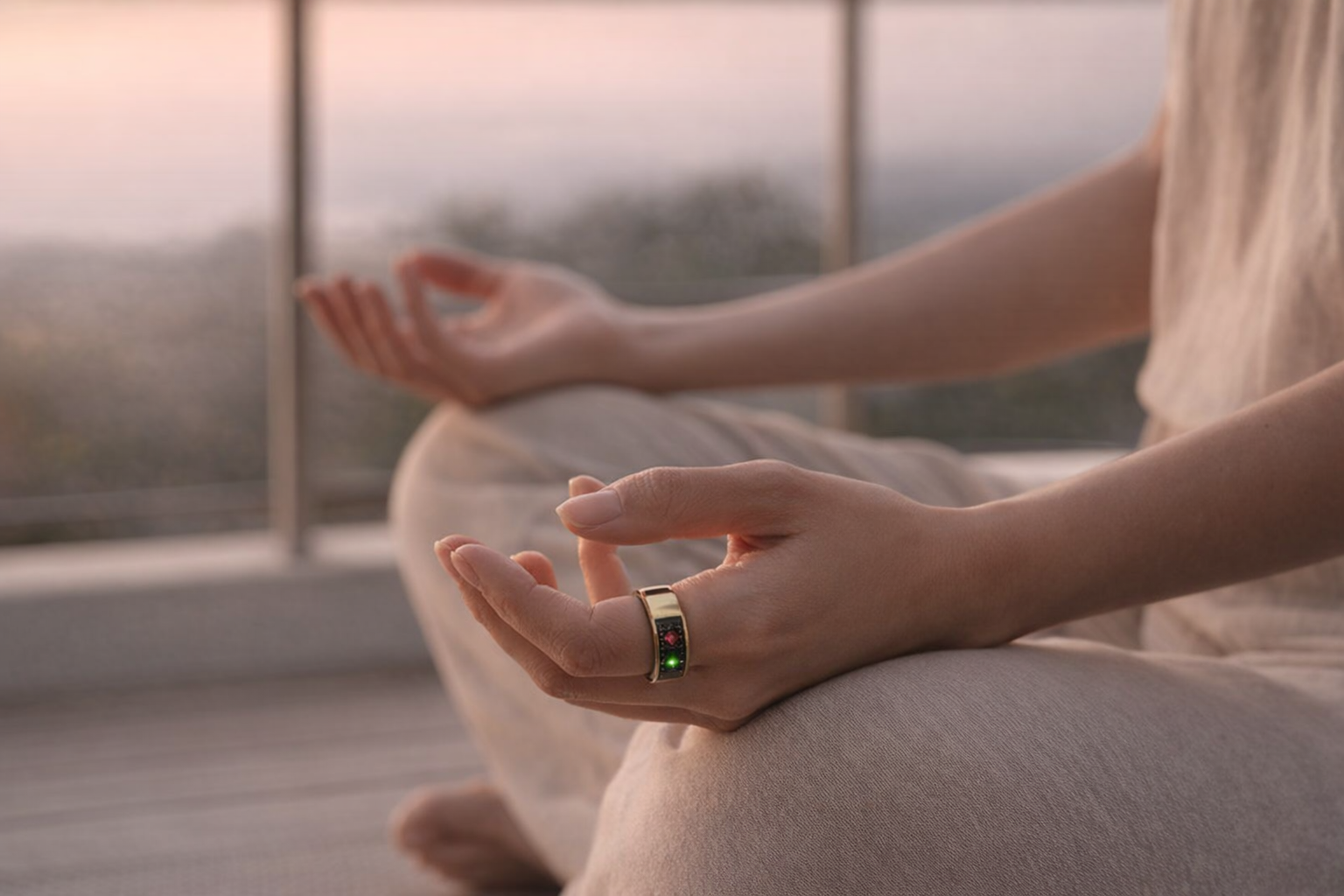
The Oura app is the best companion app in the smart ring category – clean, well-organized, with data visualizations that make trends immediately legible. Daily summaries, weekly trends, and long-term graphs are all presented without overwhelming the user. Guided audio sessions for meditation, breathwork, and sleep are included with the subscription. The app pairs via Bluetooth Low Energy and syncs with Apple Health and Google Fit, though direct integration with Garmin Connect or Strava is not available.

The Subscription Problem
Here is the subscription wall, and it is steep. Without the $5.99/month (or $69.99/year) Oura Membership, the ring provides exactly three numbers: a Sleep score, an Activity score, and a Readiness score. No detailed sleep stage breakdown. No heart rate data. No HRV trends. No temperature graphs. No SpO2 data. No personalized recommendations. The ring effectively becomes a $299 device that displays three integers. Every meaningful feature – the features that justify buying the ring in the first place – lives behind the paywall.
This was always a friction point, but it has become the ring's defining weakness. The Samsung Galaxy Ring costs $399 with no subscription. The RingConn Gen 2 starts at $299 with no subscription. Oura stands alone in demanding ongoing payment, and the competitive gap in data quality and app polish – while still real – has narrowed enough that the subscription is no longer buying an unchallenged lead.
The total cost of ownership math tells the story. An Oura Ring 3 at the current discounted price of around $200, plus two years of subscription at $70/year, totals roughly $340. A RingConn Gen 2 costs $299 total. A Samsung Galaxy Ring lists at $399 but is frequently discounted to $300. The Oura delivers better sleep data and a better app, but the subscription erodes that advantage year over year. The Ultrahuman Ring Air and Amazfit Helio Ring also offer subscription-free alternatives worth considering.

Battery Life
Oura claims up to seven days of battery life, and real-world results land between four and seven days depending on ring size and feature usage. Smaller ring sizes (US 6-8) house smaller batteries and trend toward the four-to-five-day end. Larger sizes (US 10-13) more reliably hit six or seven days. SpO2 monitoring, if enabled for continuous overnight tracking, shaves roughly a day off the total.
Charging uses a proprietary magnetic USB cradle and takes 60 to 80 minutes for a full charge. The charger is small enough to travel with easily, but it is yet another proprietary cable to pack. Samsung's Galaxy Ring charges inside its carrying case, which doubles as a portable battery – a more elegant solution. RingConn offers a similar charging case with 10-12 days of ring battery life before needing the case itself charged.
Battery degradation is worth noting. Some long-term Gen 3 owners see battery life drop from five-to-seven days to around three days after 12 to 18 months of use. Performance appears to hold steady for others through multiple years, so it is not a universal outcome – but it is a real enough pattern to flag as a concern for anyone planning to wear the ring for the long haul.
Who It's For / Who Should Skip
Buy the Oura Ring 3 if:
- Sleep optimization is the primary goal, and the subscription cost is acceptable. Nothing else in ring form delivers sleep data this detailed or this well-presented.
- A passive, invisible health tracker appeals more than a screen-on-wrist approach. The ring never buzzes, never lights up, never demands attention.
- The discounted Gen 3 hardware ($199-250) is available and the ongoing $72/year subscription fits the budget.
- Complementing an existing smartwatch or fitness tracker with dedicated sleep and recovery data. The Oura Ring 3 pairs well as a nighttime companion to a daytime Apple Watch or Garmin.
Skip the Oura Ring 3 if:
- Subscriptions are a dealbreaker. The Samsung Galaxy Ring and RingConn Gen 2 deliver solid sleep tracking without recurring fees.
- Fitness and workout tracking matter. The ring cannot replace a sports watch for exercise data.
- Long battery life is a priority. The RingConn Gen 2 delivers 10-12 days versus the Oura's 4-7.
The Verdict
The Oura Ring 3 remains the most capable sleep and recovery tracker in ring form. The titanium build is premium, the sensor accuracy for resting and overnight metrics is excellent, and the Oura app sets the standard for the category. For dedicated sleep optimizers who view the subscription as the cost of the best data available, the ring still delivers.
But the market has shifted around it. When the Ring 3 launched, there were no serious competitors. Now there are credible, subscription-free alternatives – Samsung and RingConn among them – all good enough that Oura's data advantage no longer justifies a model where the hardware is the entry fee and the data is the recurring tax. The subscription does not just cost money – it costs goodwill, and it drags down an otherwise excellent product.
At current discounted prices, the Oura Ring 3 is a good buy for the right person. It is no longer the easy recommendation it once was.
| Category | Weight | Score |
|---|---|---|
| Core Function | 30% | 78/100 |
| Build Quality | 15% | 85/100 |
| User Experience | 20% | 85/100 |
| Value | 20% | 55/100 |
| Battery | 15% | 68/100 |
Score: 74/100 – Excellent sleep and recovery tracking undermined by a subscription model that the rest of the smart ring market has rejected.