
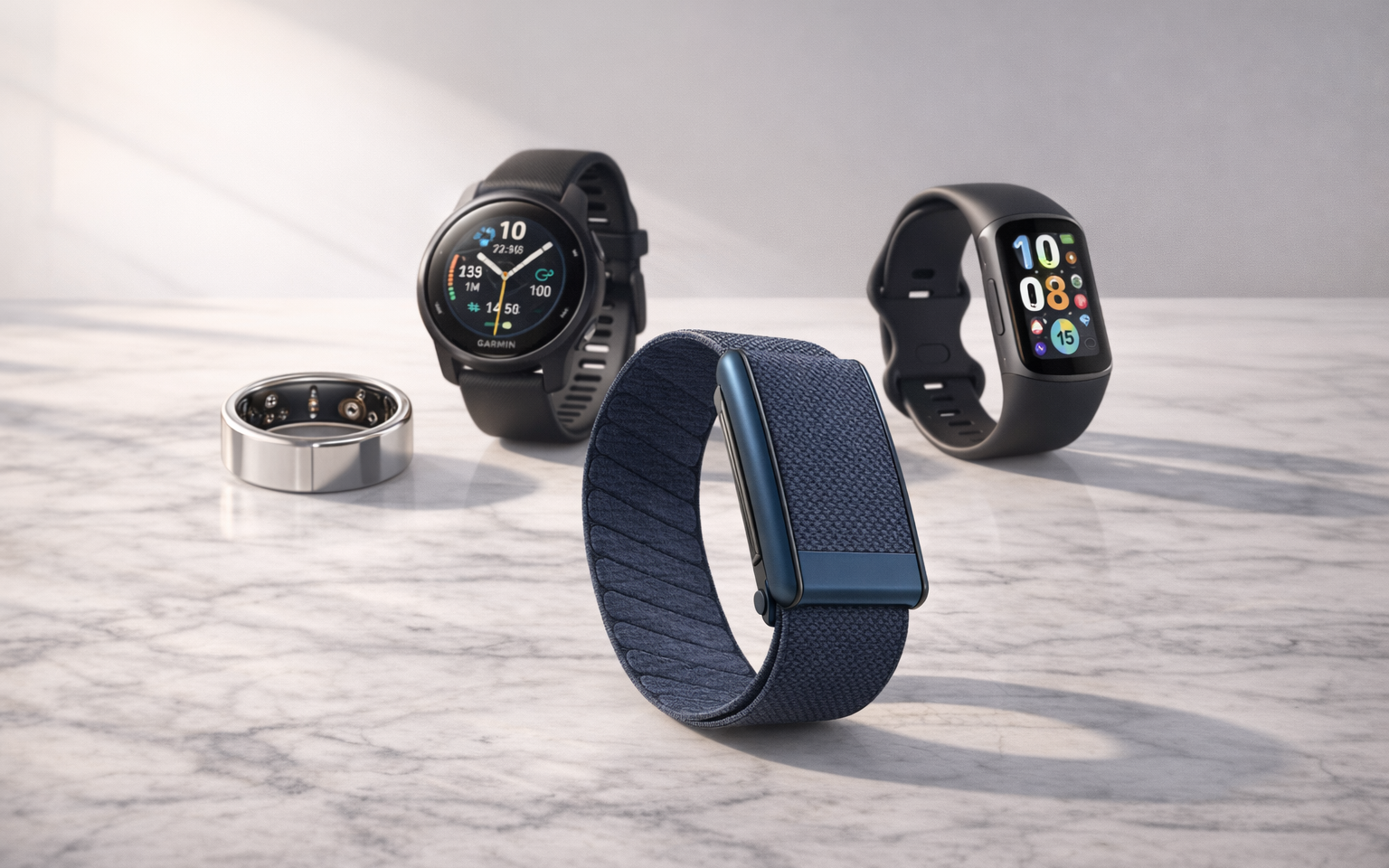
Whoop has always been a polarizing device. It has no screen, no GPS, no smartwatch features – and it costs money every single year you own it. The Whoop 5.0 doubles down on that identity: it's a recovery-tracking specialist that requires an active subscription to do anything at all. Without one, it's a $0 bracelet that tells you nothing.
The question isn't whether Whoop is good. It is. The recovery and strain coaching is genuinely best-in-class. The real question is whether that coaching is worth $199 to $359 per year, every year, when competitors like Garmin and Apple deliver comparable insights for a one-time purchase price.
Here's the honest answer: Whoop is worth it for a specific type of person, and a waste of money for everyone else.
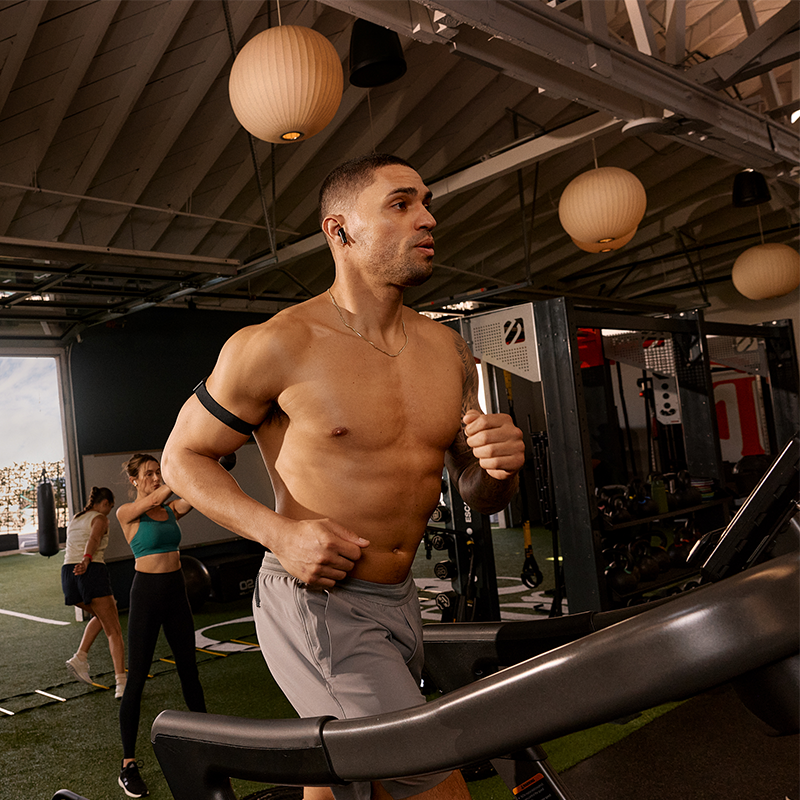
Who Whoop IS Worth It For
Serious Athletes (5+ Training Days Per Week) – Get the Peak Tier
$239/year | Full Whoop 5.0 coverage
If you train five or more days per week and you genuinely adjust your training based on recovery data, Whoop is worth the subscription. No other wearable delivers recovery coaching this granular. The daily Recovery Score – built on heart rate variability, resting heart rate, respiratory rate, and sleep performance – is remarkably actionable. On a red recovery day, you scale back. On green, you push. Over months, the pattern data reveals how alcohol, travel, stress, and sleep quality affect your readiness in ways that are impossible to feel intuitively.
The Peak tier at $239/year is the sweet spot. It adds Healthspan with Pace of Aging metrics and real-time Stress Monitor over the base One tier – features that justify the $40 annual premium. The One tier at $199/year strips out exactly the features that make Whoop feel differentiated from cheaper competitors.
The 5.0 hardware is a meaningful upgrade: 14-plus day battery life (up from a frustrating 4-5 days on the 4.0), a 7% smaller body, and improved sleep staging accuracy over the previous generation.
The caveat: Whoop only delivers value if you actually change your behavior based on the data. If you'll glance at your Recovery Score, shrug, and train however you planned to anyway, save your money.
Endurance Athletes Who Want Distraction-Free Training
Best as a secondary device paired with a GPS watch – Peak tier at $239/year
Runners, cyclists, and triathletes who already use a GPS watch for pace and distance sometimes add Whoop as a dedicated recovery device. The screenless design is a genuine advantage here – no notifications buzzing during a long run, no temptation to check messages during intervals. You pair it with a Garmin or Coros for in-workout data and use Whoop purely for the recovery side. It's a niche use case, but the people who run this dual-device setup tend to be fiercely loyal to it.
Who Should Skip Whoop (And What to Get Instead)

Best for Sleep-Focused Users: Oura Ring 4
$349 ring + $69.99/year subscription | Oura Ring 4 review
If sleep tracking is your primary motivation, the Oura Ring 4 is a better buy. The ring form factor disappears on your finger in a way no wrist device can match, and the sleep staging accuracy is excellent. Yes, Oura also has a subscription ($69.99/year), but the total cost of ownership is lower than Whoop by year two and the gap widens every year after. Oura's strain tracking is less sophisticated than Whoop's, so athletes focused on optimizing training load should look elsewhere – but for the sleep-and-recovery crowd, it's the smarter pick. (Skip the Ultrahuman Ring Air – its battery life disappoints in practice and tracking accuracy doesn't match Oura or Whoop.)
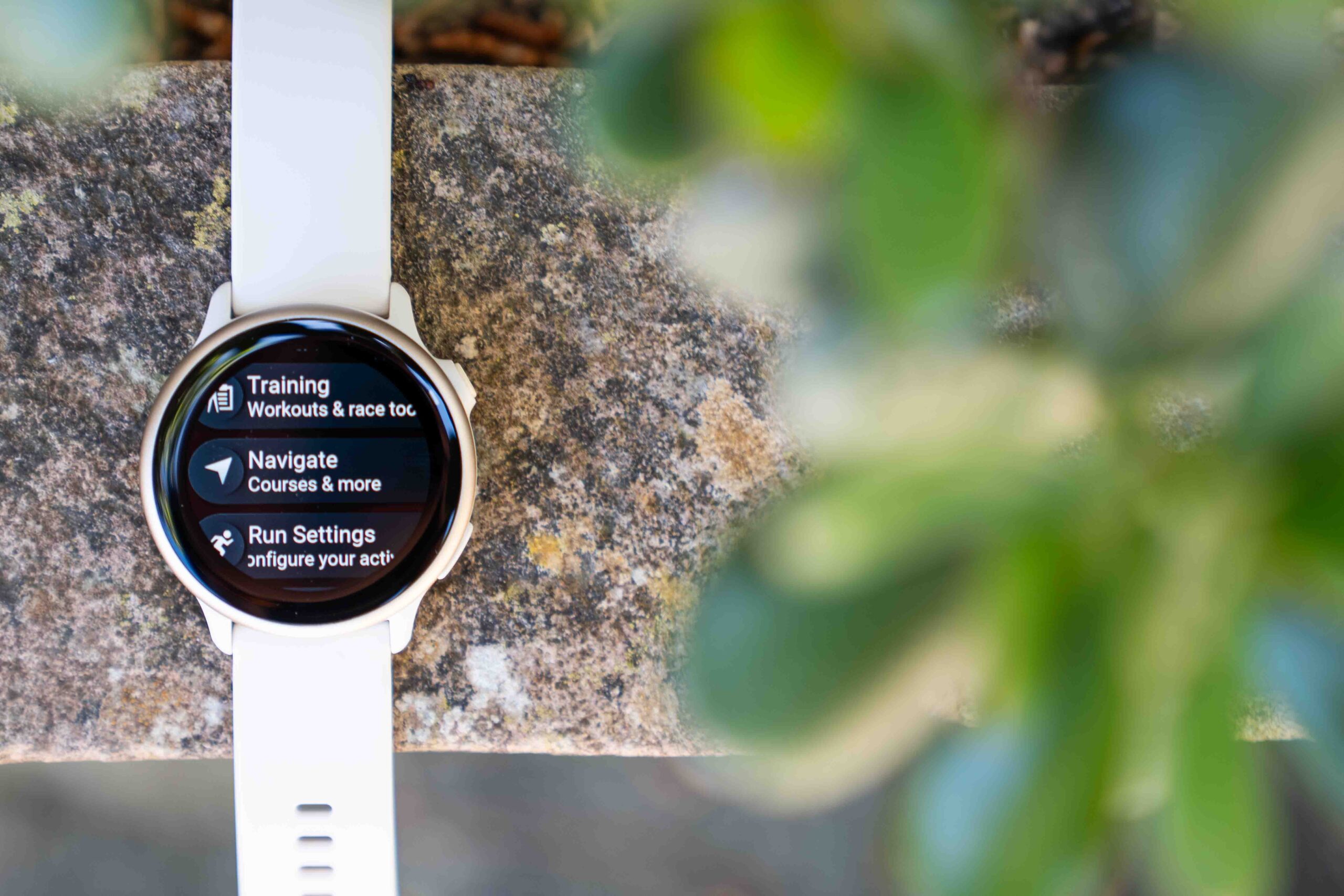
Best Subscription-Free Alternative: Garmin Vivoactive 6
$299.99 one-time | Garmin Vivoactive 6 review
This is the option that makes Whoop hardest to justify. Garmin's Body Battery and Training Readiness features deliver recovery insights that rival Whoop's – not quite as granular, but close enough that most people won't notice the difference. Add in GPS, a display, music storage, and zero subscription fees, and the value proposition is overwhelming. By year two, you've saved nearly $180 compared to Whoop Peak. By year three, you've saved over $400. For the vast majority of active people, the Vivoactive 6 does what Whoop does and more, for less money. If you're exploring this route, our best Whoop alternatives guide covers more options.
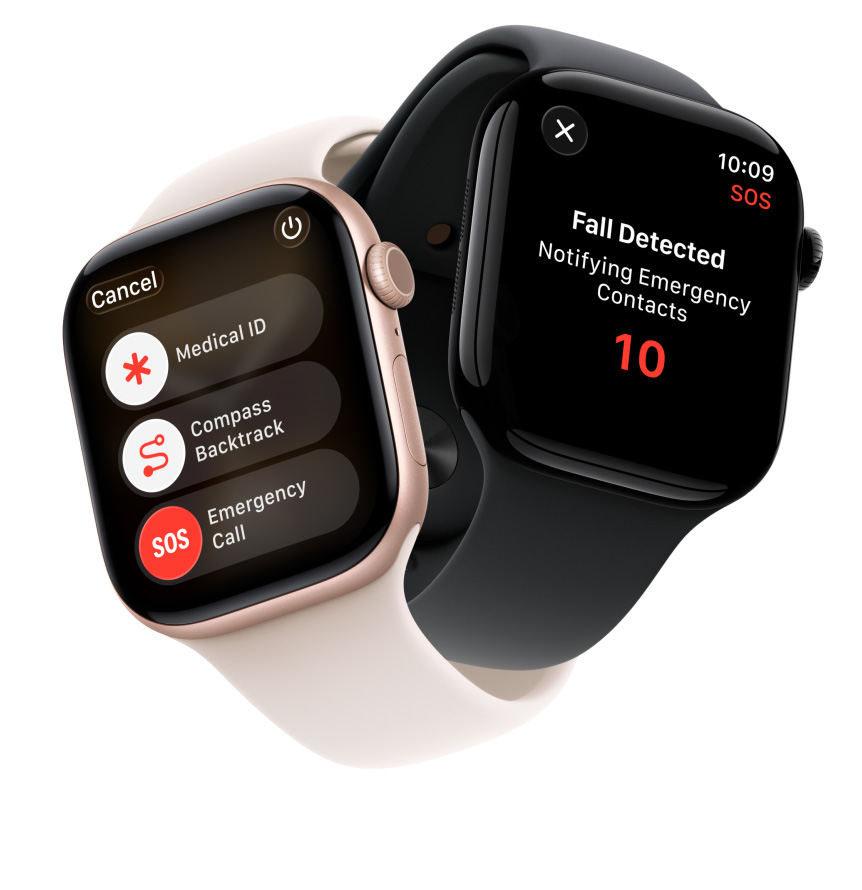
Best All-Rounder: Apple Watch Series 11
$399 one-time | Apple Watch Series 11 review
If you're an iPhone user weighing Whoop against spending a bit more on an Apple Watch, the Series 11 is almost always the better call. It tracks heart rate, HRV, sleep stages, blood oxygen, skin temperature, and workouts. The recovery insights aren't as deep as Whoop's – Apple doesn't package the data into a single actionable daily score the way Whoop does – but third-party apps like Athlytic can bridge that gap. And you get notifications, apps, GPS, cellular, crash detection, and everything else a smartwatch does. For a deeper look at how they compare, see our Whoop 5.0 vs Apple Watch Series 11 comparison.
Best Budget Option: Fitbit Charge 6
$159.95 one-time
For casual exercisers working out two or three times a week, the Fitbit Charge 6 covers the basics at a fraction of the cost. Heart rate, sleep tracking, SpO2, step counting, and Google integration – all with a display, and no subscription required for core features. The recovery insights are basic compared to Whoop or Garmin, but if you're not training at a level where marginal recovery optimization matters, you don't need more than this. It's a solid pick that appears in our best fitness trackers roundup for good reason.
The Subscription Math
This is where Whoop's value proposition either holds up or falls apart, depending on how long you plan to use it.
| Device | Year 1 | Year 2 | Year 3 |
|---|---|---|---|
| Whoop One | $199 | $398 | $597 |
| Whoop Peak | $239 | $478 | $717 |
| Whoop Life | $359 | $718 | $1,077 |
| Oura Ring 4 + sub | ~$419 | ~$489 | ~$559 |
| Garmin Vivoactive 6 | $300 | $300 | $300 |
| Apple Watch Series 11 | $399 | $399 | $399 |
| Fitbit Charge 6 | $160 | $160 | $160 |
A few things jump out. Whoop One is actually the cheapest option in year one – the device is included free, so $199 gets you in the door. But subscriptions compound. By year three, Whoop Peak costs $717 total, while a Garmin Vivoactive 6 is still sitting at its original $300 purchase price. That's a $417 difference over three years for a device with fewer features.
Oura Ring 4 has a subscription too, but its $69.99/year fee is modest enough that total cost stays below Whoop Peak by year two and well below by year three.
Never go monthly. Whoop's monthly plans run $25 to $40 per month, which works out to $300-$480 per year – dramatically more expensive than annual pricing for the same features. If you're considering monthly to "try it out," know that Whoop offers a 30-day return window on annual plans. Use that instead.
How We Evaluate Recovery Wearables
Every recommendation above is based on five criteria:
Total cost of ownership. Not just the sticker price, but what you'll spend over two to three years. Subscription fees change the math dramatically, and most people underestimate how long they'll keep a wearable.
Recovery and strain tracking depth. How granular is the daily readiness assessment? Does it incorporate HRV, sleep quality, and training load into a single actionable score? Whoop leads here, Garmin is close behind, and everyone else is a tier below.
Whether a subscription is required. A subscription for premium features is one thing. A subscription to make the hardware function at all is another. Whoop falls into the second category, which is a significant negative.
Daily wearability. Can you comfortably wear it 24/7, including during sleep? Whoop's slim, screenless band and Oura's ring form factor excel here. Bulky smartwatches are less comfortable for overnight wear.
Feature breadth vs. specialization. Whoop is a specialist – it does recovery coaching exceptionally well and nothing else. Garmin and Apple Watch are generalists that do recovery coaching well alongside dozens of other features. Neither approach is wrong, but you should know which trade-off you're making.
What to Avoid
The Whoop One tier. At $199/year, it looks like the budget entry point, but stripping out Healthspan and Stress Monitor removes the features that differentiate Whoop from cheaper competitors. Spend the extra $40/year for Peak or don't buy Whoop at all.
Monthly Whoop plans. Paying month-to-month inflates your annual cost by 50% or more. If you're not willing to commit to a year, that's a sign Whoop might not be for you.
Buying Whoop for casual fitness. If you exercise two or three times per week, Whoop's recovery coaching is solving a problem you don't have. A Fitbit or basic Garmin covers casual fitness tracking without the ongoing cost.
The Whoop Life tier (for most people). At $359/year, the Life tier adds blood pressure insights and on-demand ECG, but these require the separate Whoop MG device. Unless you have a specific medical reason to track blood pressure continuously, the Peak tier gives you everything you need.
The Bottom Line
Whoop 5.0 is the best pure recovery tracker you can buy, and the 14-day battery life finally eliminates the hardware's biggest historical weakness. If you train five or more days per week and will genuinely adjust intensity based on your Recovery Score, get the Peak tier at $239/year – it's the only tier worth buying, and no competitor matches its recovery coaching depth.
But the subscription math is unforgiving. At $717 over three years for Peak, you're paying more than double what a Garmin Vivoactive 6 costs for a device that does less outside of recovery tracking. For the majority of active people – including those who work out three or four days a week – the Garmin Vivoactive 6 at $299.99 is the better buy. It delivers roughly 90% of Whoop's recovery insights with GPS, a display, and zero ongoing fees. If sleep is your priority over strain, the Oura Ring 4 wins on comfort and cost of ownership alike.
The honest test: if you wouldn't cancel a hard workout because your Recovery Score was red, Whoop isn't for you.