
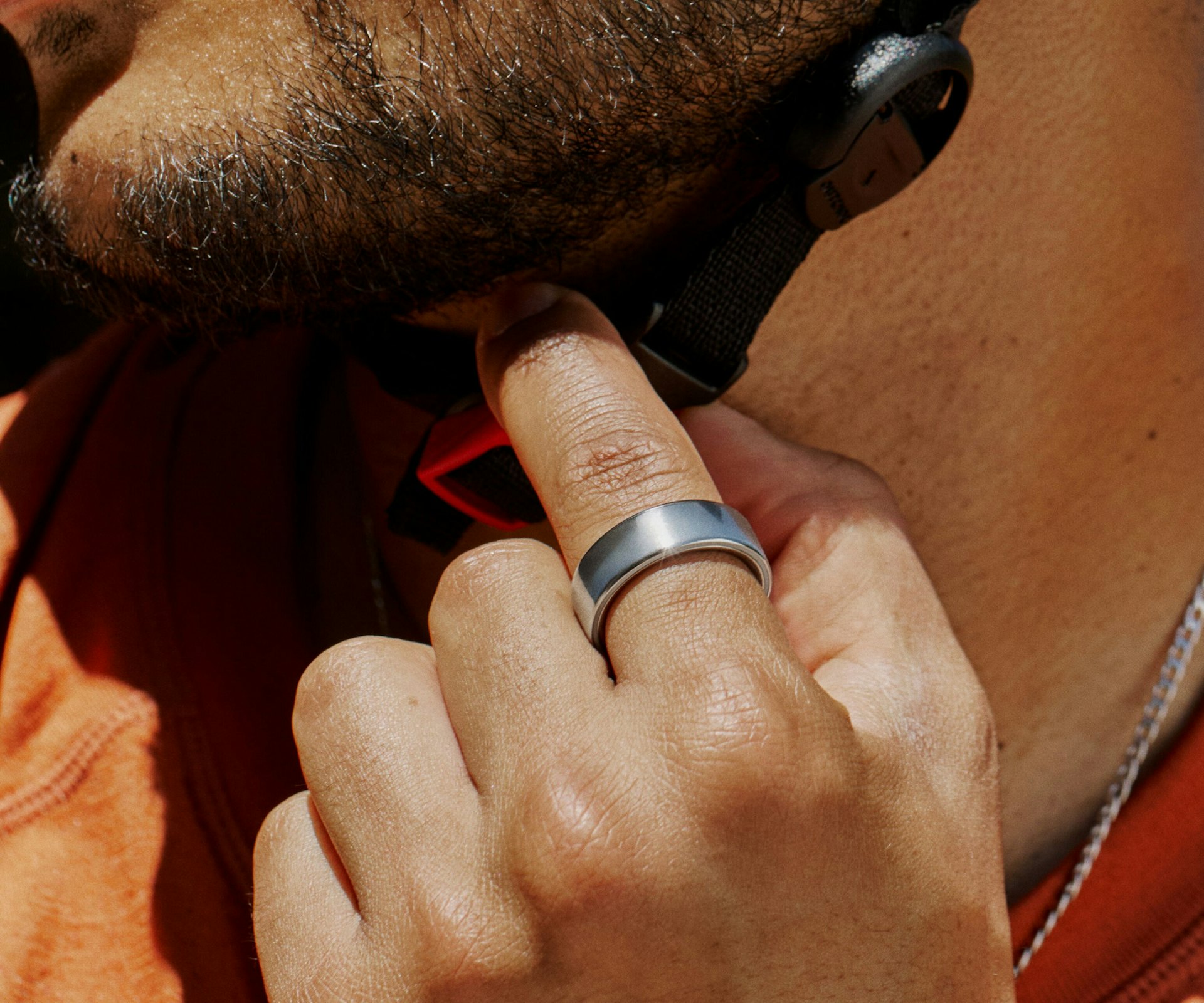
The Oura Ring is not waterproof. It is water-resistant to 100 meters (328 feet) with an IP68 rating. That applies to both the Oura Ring 4 and the Oura Ring 3, with no difference in water protection between generations.
The distinction between "waterproof" and "water-resistant" is not marketing semantics – it directly affects your warranty coverage. Water damage caused by activities that exceed the ring's rated conditions is explicitly excluded from Oura's standard warranty. No consumer electronics manufacturer claims true waterproofing because water resistance degrades over time through normal use: temperature cycling, chemical exposure, and physical wear all reduce seal integrity.
What the 100-Meter Rating Actually Means
The IP68 rating breaks down into two components: a dust resistance score of 6 (the maximum, meaning completely dust-tight) and a water resistance score of 8 (the highest single-digit rating). The 100-meter depth figure is Oura's own specification and significantly exceeds the baseline IP68 requirement, which only mandates protection beyond 1 meter.
However, that 100-meter rating is tested under static, controlled laboratory conditions using fresh water at room temperature. Real-world water exposure introduces variables the lab doesn't replicate: dynamic pressure from movement, temperature extremes, chemical corrosion, and repeated submersion cycles. The effective protection in actual use is always lower than the lab number.
The operating temperature range is -10°C to 54°C (14°F to 129°F) for the Ring 4, and -10°C to 52°C (14°F to 125°F) for the Ring 3. Water exposure outside these ranges accelerates seal degradation.
Diving, Snorkeling, and Depth Limits
This is where the waterproof misconception causes the most expensive mistakes.
Snorkeling – safe. Surface-level recreational snorkeling stays well within the ring's capabilities. The depths involved (a few meters at most) are a fraction of the 100-meter rating, and the pressure changes are minimal.
Scuba diving – not safe. Oura explicitly advises against scuba diving with the ring. The 100-meter rating reflects static pressure resistance, but scuba diving introduces dynamic pressure changes during descent and ascent that can exceed what the seals are designed to handle. Damage from scuba diving is considered misuse and is not covered under warranty.
Free diving – not recommended. While a short free dive to moderate depth might fall within the ring's technical tolerance, the rapid pressure changes and repeated dive cycles push into territory Oura does not endorse.
Extended submersion – 12-hour limit. Oura sets 12 consecutive hours as the maximum for continuous submersion. This is unlikely to affect most users, but rules out ultra-endurance open-water events and overnight submersion.
High-pressure water – not safe. Pressure washers, jet skis, and water sports involving extreme dynamic pressure can exceed the static 100-meter rating. Direct impact from high-pressure jets is one of the fastest ways to breach water resistance seals.
Swimming: Pools, Oceans, and Cold Plunges
Pool swimming is completely safe. Chlorinated water does not damage the titanium shell or internal seals. Rinse the ring with clean water after each swim to prevent chlorine residue from building up on the sensors.
Ocean swimming is safe with one caveat: saltwater is more corrosive than fresh water. Always rinse the ring with fresh water as soon as possible after ocean exposure. Letting saltwater dry on the ring repeatedly accelerates wear on the PVD coating and sensor surfaces.
Ice baths and cold plunges fall within the operating temperature range. The -10°C floor is well below any cold plunge setup, and the brief duration of these sessions poses no risk.
Heat Exposure: Hot Tubs and Saunas
Hot tubs operate in a gray zone. Most residential hot tubs sit around 38-40°C (100-104°F), which falls within the Ring 4's operating range. The concern is cumulative: the combination of sustained heat, chemical treatment, and extended soaking stresses seals more aggressively than brief water exposure. Occasional hot tub use is fine. Daily extended soaking will shorten the ring's lifespan.
Saunas present a clearer risk. Brief sessions in a moderate sauna are generally tolerated, but traditional Finnish saunas regularly reach 80-110°C – far beyond the 54°C operating ceiling. At these temperatures, the battery faces potential damage, and the ring's internal components operate outside their design envelope. The physics of extreme heat exposure do not change at marketing temperature thresholds. Prolonged sessions above 60°C are not recommended.
What Voids Your Oura Ring Warranty
The warranty angle is where most owners get caught off guard.
Standard warranty coverage: - United States: 1-year limited warranty from the date of purchase - EU and international: 2-year warranty
The standard warranty does NOT cover: - Normal wear and tear - Accidental damage (drops, impacts, crushing) - Water damage from misuse – including scuba diving damage - Unauthorized repairs or modifications - Damage from floods, fire, or acts of nature
Things that silently void your protection: - Aftermarket sealants or coatings. Applying waterproofing sprays, paints, or sealant products to the ring voids the warranty immediately. The ring's water resistance comes from its factory seals and titanium construction – adding products on top can actually trap moisture or degrade existing seals. - Excessive chemical exposure. While hand sanitizer in normal use is fine, prolonged or excessive exposure to bleach, strong alcohol solutions, sunscreen oils, and perfume degrades the nano-coating that protects the ring's surfaces. - Pressure washer or water jet damage. This falls under misuse.
The Extended Protection Plan
Oura offers an Extended Protection Plan through Extend, and it is worth considering specifically because of how limited the standard warranty is on accidental and water damage.
- 2-year plan: $45
- 3-year plan: $60
- Coverage: Accidental damage including drops, breaks, and spills
- No deductible on claims
- Must be purchased with the ring – it cannot be added after the fact
At $45-60 for a ring that starts at $349, the extended plan is relatively inexpensive insurance against the exact scenarios the standard warranty excludes. If the ring sustains water damage from an activity that falls outside Oura's guidelines, the standard warranty will deny the claim. The Extend plan covers it.
Care Routine for Maximum Water Resistance
Water resistance is not a permanent property – it degrades with every exposure cycle. These habits slow that degradation:
- Rinse with clean water after any pool, ocean, hot tub, or chemical exposure
- Clean the interior sensors weekly with a soft, lint-free cloth
- Dry the ring before charging – moisture on the charging contacts causes oxidation
- Avoid harsh chemicals – stick to mild soap and water for cleaning
- Skip pressure washers entirely – even a quick blast can exceed the static pressure rating
How Oura Compares on Water Resistance
The 100-meter rating puts the Oura Ring at the top of the smart ring category. The Samsung Galaxy Ring matches it with an equivalent 10 ATM rating under ISO 22810. Both rings handle identical water scenarios equally well.
Among fitness trackers and smartwatches, the Oura Ring's rating matches or exceeds most competitors. The Apple Watch Ultra series remains the only mainstream wearable with actual dive certification (EN13319), making it the only option for scuba use. The Oura Ring matches the Ultra's depth number on paper, but without dive certification, it cannot be considered safe for the same activities.
The bottom line: the Oura Ring is one of the most water-resistant wearables available, but it is not waterproof. Understanding that distinction – and how it maps to warranty coverage – is the difference between a covered replacement and an out-of-pocket purchase.