

The Huawei Watch GT 6 Pro presents a genuinely uncomfortable question for the smartwatch market: what happens when a watch costing £330 delivers heart rate accuracy rivaling the Apple Watch Ultra, wraps itself in aerospace-grade titanium, and runs for two weeks between charges? The answer, inconveniently, is that you have to decide how much Google and Apple's ecosystems are actually worth to you.
That tension defines the GT 6 Pro entirely. This is not a smartwatch that happens to track fitness. It is an elite fitness tracker dressed in luxury materials, running a closed operating system with a thin app library and no Google Play, no Apple Health integration worth mentioning, and no tap-to-pay in most markets. For the right buyer, none of that matters. For the wrong buyer, all of it does.
Design & Build
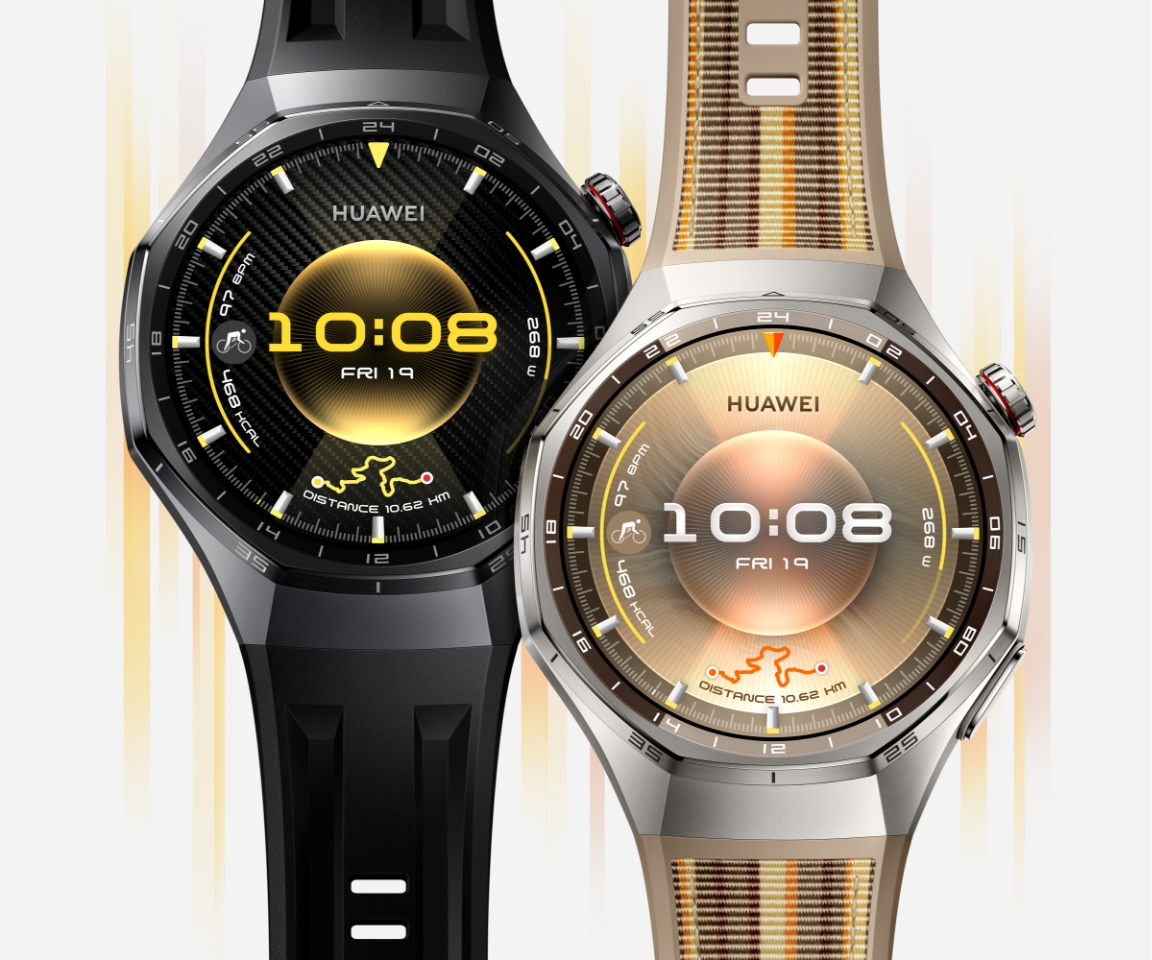
The GT 6 Pro's physical presence punches well above its price class. The 46mm case is machined from cold-forged TC4 titanium alloy – the same aerospace-grade material found on watches costing three to four times as much. The rear panel is ceramic, and the display sits beneath sapphire crystal glass. Multiple protective coatings resist scratches and corrosion. At 54.7 grams without the strap, it sits lighter on the wrist than the titanium construction suggests.
The design language splits the difference between sport watch and dress watch. A raised timing bezel adds visual interest without the chunky, tool-watch aesthetic of a Garmin Fenix 8 or COROS VERTIX. The clean lines and slim profile look appropriate with a suit, at the gym, or on a trail run – a versatility that the Apple Watch Ultra's slab-sided bulk and the Galaxy Watch Ultra's aggressive styling can't quite match.
Water resistance is rated at 5 ATM and IP69, supporting pool swimming, coastal activities, and free diving down to 40 meters. That's less than the Apple Watch Ultra 3's 10 ATM rating but more than adequate for any realistic swimming or water sport scenario outside of recreational scuba.
The proprietary strap attachment is the one design frustration. It works, and the included straps are comfortable, but you're locked into Huawei's ecosystem for replacements. After years of the industry moving toward standard quick-release lugs, this feels unnecessarily restrictive.
Display
The 1.47-inch AMOLED panel is 5.5% larger than the GT 5 Pro's screen, and the difference is noticeable when glancing at workout data mid-run. But the real story is brightness: 3,000 nits peak, more than double the GT 5 Pro's 1,200-nit ceiling. That puts it level with the Samsung Galaxy Watch Ultra and Apple Watch Ultra 3 in direct sunlight legibility.
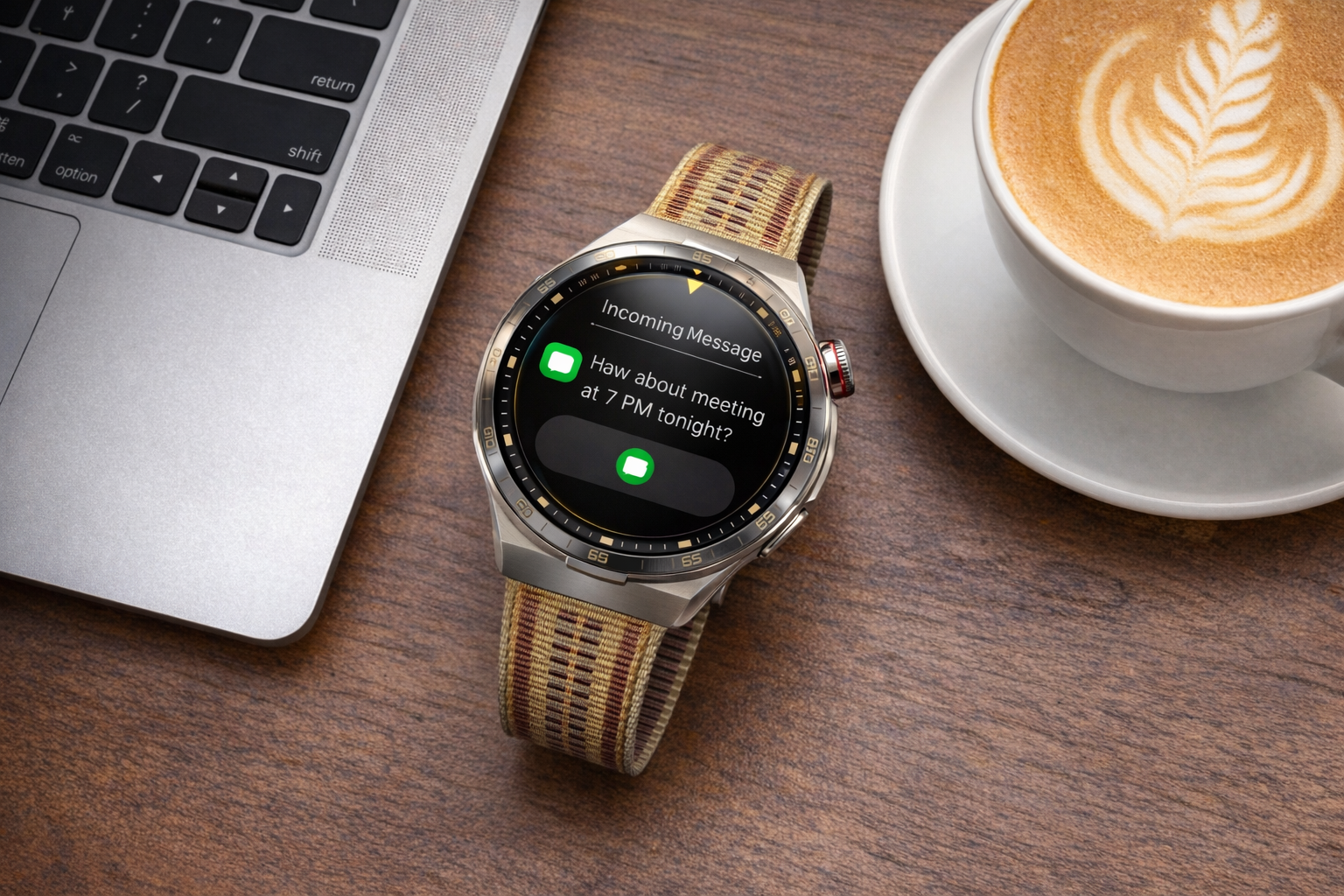
Colors are vivid and saturated without tipping into cartoonish territory. Black levels are true AMOLED black, which makes the always-on display look like a traditional watch face rather than a screen pretending to be one. The AOD implementation is sensible – it dims intelligently based on ambient light and preserves enough information to check the time or see a notification preview without the wrist-raise gesture.
Resolution is sharp enough that text is crisp at any size, and the touchscreen responds accurately to taps and swipes, even with damp fingers. The standard Garmin Fenix 8 AMOLED tops out around 1,000 nits, and even the newer Fenix 8 Pro reaches only 2,000 nits – the GT 6 Pro's 3,000-nit panel outshines both. Compared to the Apple Watch Series 11's 2,000 nits, it has a clear edge in harsh sunlight.
Performance & Features
The GT 6 Pro runs HarmonyOS, and this is where the value proposition develops its asterisks. The operating system is smooth, responsive, and intuitive for navigating watch functions. Menus load instantly, animations are fluid, and there's none of the micro-lag that plagues Wear OS watches during intensive operations. For pure on-wrist navigation, HarmonyOS is excellent.
The problem is everything beyond the wrist. The Huawei AppGallery offers a thin selection of third-party apps compared to Google Play or the Apple Watch App Store. No Spotify. No WhatsApp with reply capability. No Google Maps. No native Strava. You can sync workout data to Strava through the Huawei Health phone app, but the sync pipeline is inconsistent and sometimes fails entirely. NFC is present but locked to Huawei Wallet, which is effectively useless outside China.
The Huawei Health companion app is feature-rich but poorly organized. Data is abundant – heart rate trends, sleep analysis, stress scores, workout summaries – but finding specific information often requires three or four taps too many. The app's ergonomics lag well behind Garmin Connect's clarity, Apple Health's simplicity, or even Samsung Health's layout.
GPS performance is a genuine bright spot. Dual-band L1+L5 GNSS tracking with support for multiple satellite systems delivers accurate route tracking even in urban canyons. Recorded distances consistently land within 1-2% of measured courses – comfortably within acceptable tolerance. It won't match the Garmin Fenix 8 Pro's multi-band precision in dense forest canopy, but for road running, trail running, and cycling in typical environments, the GPS is reliable and trustworthy.
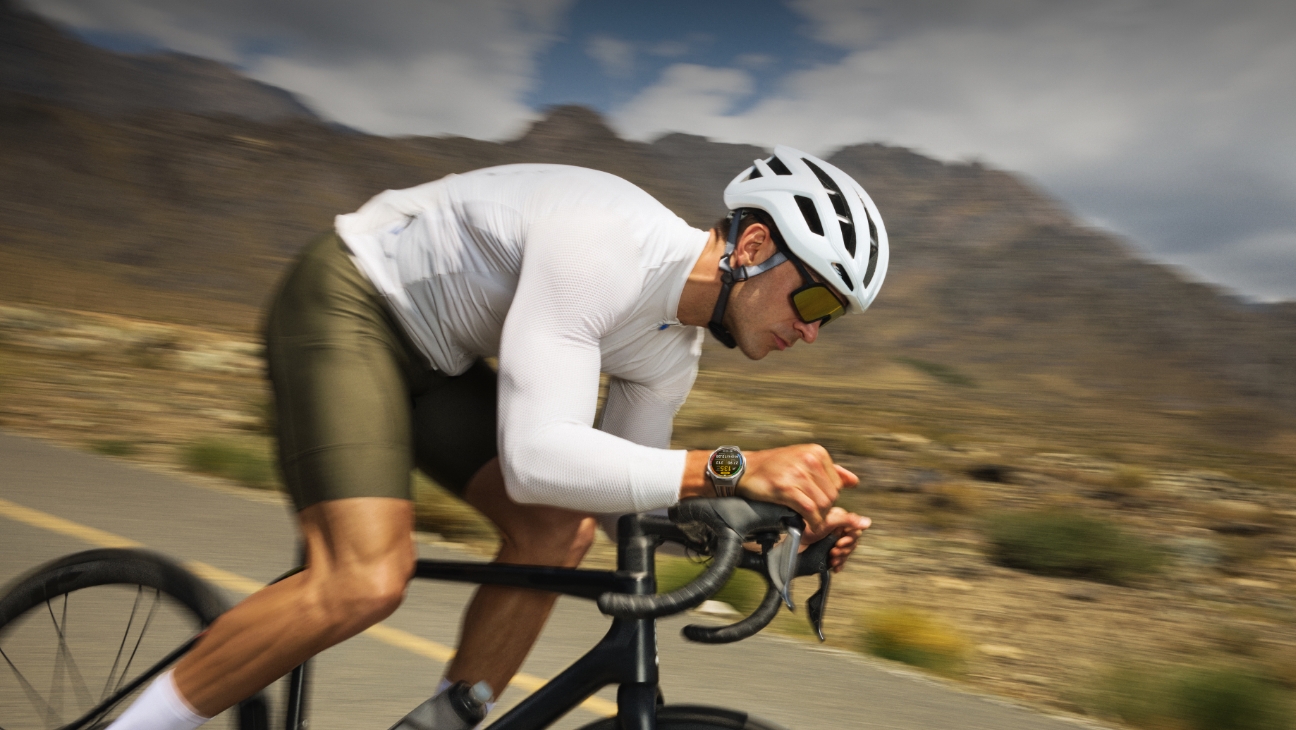
The watch supports over 100 workout modes, from running and cycling to skiing, golf, and open-water swimming. Route import and export works with breadcrumb navigation and a back-to-start function. A new virtual power meter for cyclists estimates power output without external sensors – a useful approximation for riders who don't want to invest in power meter pedals, though it won't satisfy serious cyclists who need laboratory-grade accuracy. Golf course maps provide hole layouts and distances for thousands of supported courses.
For iPhone users, the experience degrades significantly. Notifications are view-only – no replying to messages from the wrist. Music sync from iPhone to watch is not supported. Health data integration with Apple Health is incomplete and unreliable. The GT 6 Pro is fundamentally an Android-first device, and iOS users should factor that reality heavily into any purchase decision.
Health & Fitness
The GT 6 Pro's upgraded TruSense sensor system is the hardware that justifies the "Pro" branding, and the accuracy results are striking.
Heart rate tracking matches a Polar chest strap without statistically significant differences across sustained efforts. During interval sessions, peak readings stay within 1-2 BPM of a reference chest strap, with average heart rate readings off by just 1 BPM. That puts its accuracy on par with the Apple Watch Ultra – remarkable for an optical wrist sensor at this price. It won't quite match the instantaneous responsiveness of a chest strap during explosive intervals, but for zone-based training, recovery monitoring, and general fitness tracking, the data is clinical-grade reliable.
SpO2 monitoring provides on-demand and continuous blood oxygen readings, useful for altitude acclimatization or general wellness monitoring. The ECG function captures single-lead electrocardiogram data through the side electrode – hold for 30 seconds and receive an arrhythmia analysis report directly on the watch. This is a genuinely useful screening tool, particularly for endurance athletes or older users who want periodic cardiac checks between clinical visits. If health monitoring is a top priority, our best health monitoring watches guide ranks the GT 6 Pro against the competition.
Skin temperature tracking feeds into illness detection and cycle tracking. Stress monitoring uses HRV data to generate a continuous stress score, and a new emotional wellbeing feature attempts to interpret multiple metrics into a mood indicator. The mood analysis is more novelty than actionable insight, but the underlying HRV and stress data is sound.
Sleep tracking is comprehensive but not flawless. The watch captures REM, deep, and light sleep stages, provides a sleep score, and tracks breathing rate overnight. However, it tends to overestimate deep and REM sleep compared to reference devices like the Oura Ring 4, and occasionally struggles to distinguish between lying in bed and actually sleeping. For general sleep hygiene awareness, it's more than sufficient. For clinical-grade sleep analysis, the Oura Ring or Apple Watch remain more accurate.
Battery Life
Battery life is the GT 6 Pro's most transformative feature, and it is not close. The 867 mAh cell – substantially larger than the Galaxy Watch Ultra's 590 mAh or the Apple Watch Ultra 3's 599 mAh – delivers a fundamentally different ownership experience.
Huawei claims 21 days from the 46mm model. Real-world use with always-on display, continuous heart rate monitoring, sleep tracking, and multiple GPS-enabled workouts per week lands at a genuine 14 days. That is not marketing fiction dressed up with asterisks about disabling every useful feature. Fourteen days of actual, feature-rich use between charges.
To contextualize how radical that is: the Apple Watch Ultra 3 lasts about 42 hours – under two days. The Samsung Galaxy Watch Ultra manages 2-3 days. The Garmin Venu 4 reaches similar territory but costs more. The GT 6 Pro delivers Garmin-tier battery endurance at a fraction of the cost.
With reduced usage – AOD off, fewer GPS workouts, periodic rather than continuous heart rate monitoring – the full 21-day claim is achievable. In continuous GPS mode, the watch sustains approximately 40 hours of tracking, which is enough for ultra-distance events or multi-day hiking without carrying a charger.
Charging from empty to full takes approximately 108 minutes via the proprietary magnetic puck. That's slower than the Apple Watch's fast charging but largely irrelevant when you're charging every two weeks rather than every night. The charger is compact enough to toss in a travel bag for extended trips, but most weeklong holidays won't require it at all.
Who It's For / Who Should Skip
Buy the GT 6 Pro if you are: a fitness-focused Android user who wants accurate health tracking, premium materials, and marathon battery life without paying Garmin or Apple prices. Runners, cyclists, gym-goers, and general fitness enthusiasts who prioritize workout accuracy and two-week battery life over app ecosystem depth will find extraordinary value here. Budget-conscious athletes who've been eyeing a Garmin Forerunner 265 or Venu 3 should seriously consider the GT 6 Pro – it matches or exceeds both in hardware quality and sensor accuracy at a comparable price point, with vastly superior battery life. For a more affordable entry into Huawei's lineup, the Huawei Watch GT 5 delivers much of the same fitness tracking at a lower price, though it trades the titanium build and ECG for standard stainless steel.
Skip the GT 6 Pro if you are: an iPhone user (the experience is too compromised), someone who relies on Spotify, WhatsApp, Google Maps, or tap-to-pay on their wrist, or a serious multisport athlete who needs Garmin's deep training ecosystem, structured workout integrations, and bulletproof third-party platform sync. If your wrist device needs to be a communication extension of your phone, this is not the watch. If you need native Strava integration, racing predictions, or TrainingPeaks sync, Garmin still owns that space.
The Verdict
The Huawei Watch GT 6 Pro is the most compelling value proposition in the premium fitness watch category for 2025. The titanium-sapphire-ceramic construction, the genuinely accurate heart rate sensor, the 3,000-nit display, and the 14-day real-world battery life would be impressive at £400. At £330, the hardware story is remarkable.
But hardware only tells half the story. The limited app ecosystem, inconsistent Strava sync, neutered iOS experience, and non-functional NFC payments in most markets are real friction points that no amount of titanium can polish away. This is a watch that requires you to accept Huawei's walled garden – and that garden, while well-maintained, is considerably smaller than what Google, Apple, or even Garmin offer.
| Category | Weight | Score | Weighted |
|---|---|---|---|
| Core Function | 30% | 82 | 24.6 |
| Build Quality | 15% | 92 | 13.8 |
| User Experience | 20% | 68 | 13.6 |
| Value | 20% | 89 | 17.8 |
| Battery | 15% | 95 | 14.25 |
| Overall | 100% | 84.05 → 84/100 |
Core Function (82/100): Heart rate accuracy rivals watches costing double. GPS is reliable. Over 100 workout modes cover virtually every sport. The virtual power meter for cycling and golf course maps add genuine utility. Points deducted for sleep tracking that overestimates deep/REM stages and the emotional wellbeing feature that's more gimmick than tool.
Build Quality (92/100): Titanium, sapphire, ceramic – materials typically reserved for the £500+ tier. 5 ATM water resistance handles every realistic scenario. Proprietary strap attachment is the only mark against an otherwise premium build.
User Experience (68/100): HarmonyOS is smooth on-wrist, but the ecosystem limitations are severe. No meaningful third-party app support. Huawei Health app is cluttered. iOS experience is heavily compromised. NFC payments effectively non-functional outside China. Strava sync is unreliable. These are daily-use frustrations that compound over time.
Value (89/100): At £330, the GT 6 Pro undercuts the Apple Watch Series 11 (£369), Samsung Galaxy Watch 8 (from £299), and Google Pixel Watch 4 (£349) while offering superior build materials and dramatically better battery life. The price gap with Samsung is slim, but the titanium-sapphire build and two-week battery life tip the scales. For a broader comparison, see our best smartwatches roundup.
Battery (95/100): Fourteen days of real-world use with features enabled is category-defining at this price. Only dedicated Garmin adventure watches in the £600+ range match this endurance. The two-week charging cycle fundamentally changes how you interact with a wearable.
Score: 84/100 – The Huawei Watch GT 6 Pro earns a firm Recommended rating. For Android users who prioritize fitness tracking, build quality, and battery life over app ecosystem depth, this is the best value in the premium wearable space. The ecosystem compromises are real and well-documented, but for the right user, they are a price worth paying for hardware this good at a price this competitive.