
The Watch Garmin Doesn't Want You to Compare
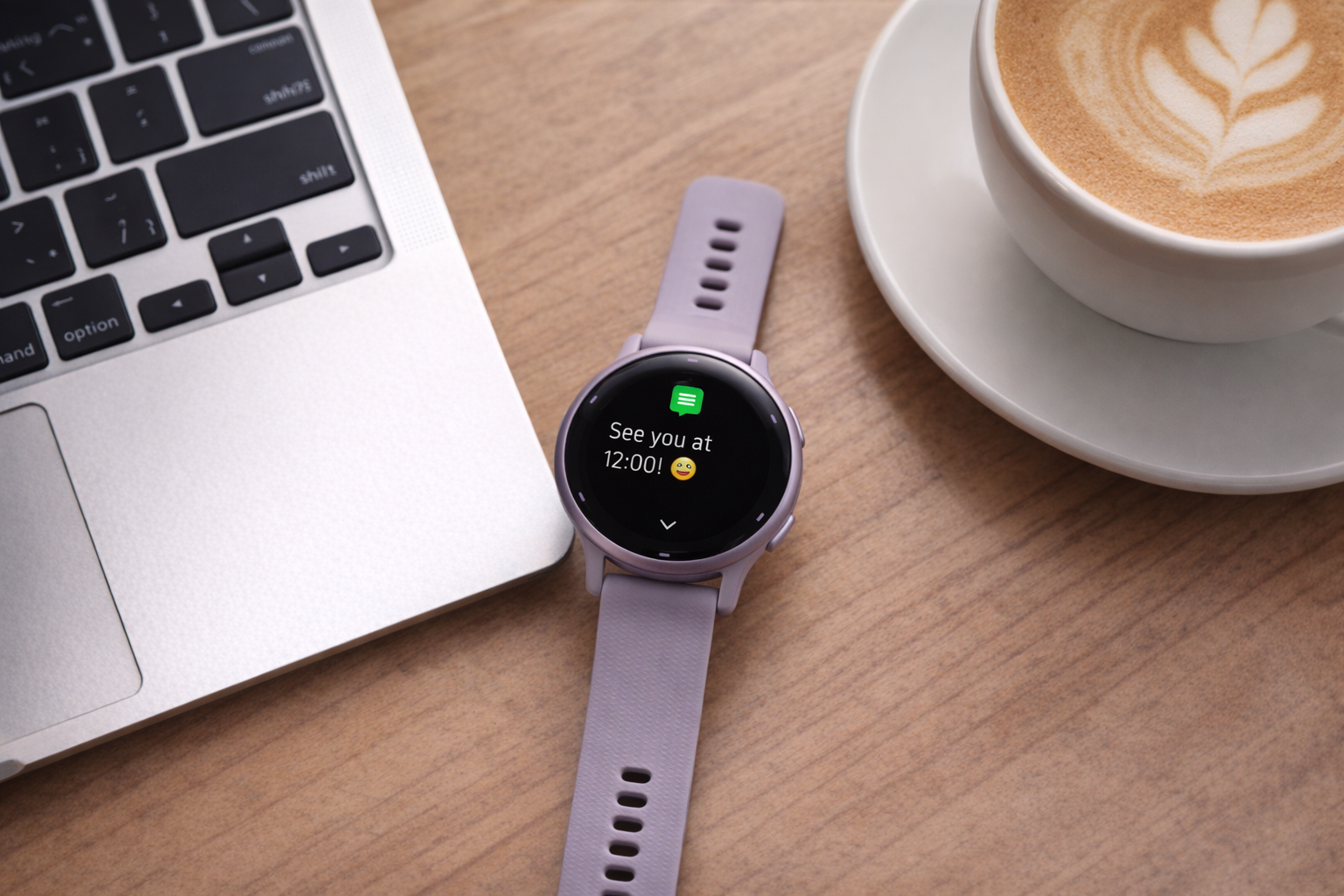
The Garmin Vivoactive 5 creates an uncomfortable problem for the rest of Garmin's lineup. At $299.99, it packs an AMOLED display, multi-GNSS GPS, 30+ sport profiles, and the full suite of Garmin's health tracking – Body Battery, Sleep Coach, HRV status, stress monitoring – into a 36-gram package that lasts over a week on a charge. The Venu 3 does all of that too, plus phone calls and a newer heart rate sensor. It also costs $449.99. For most buyers, that $150 gap buys features they will never miss.
This is the watch that quietly undermines Garmin's own premium tier. It is not the most advanced Garmin. It is not the cheapest. It is the one that makes the most sense.
Design & Build
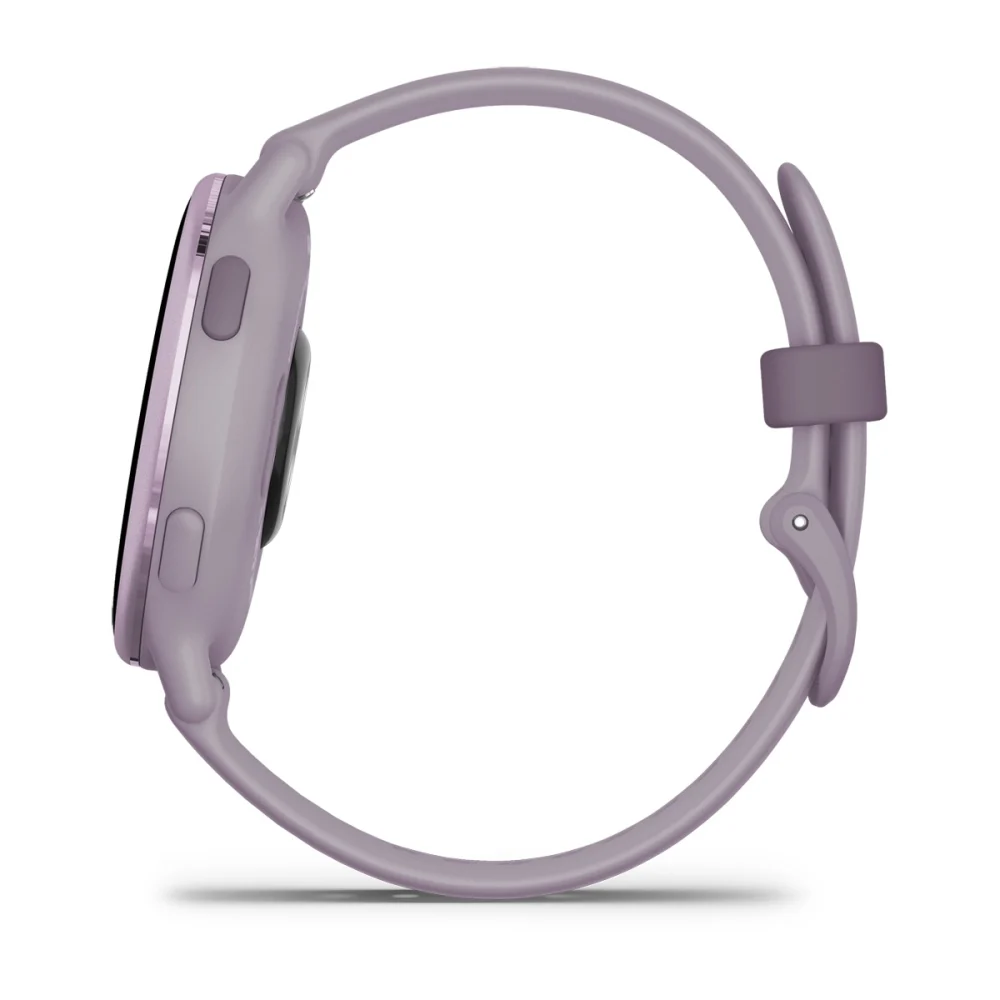
The Vivoactive 5 arrives in a single 42mm case size, measuring 42.2 x 42.2 x 11.1mm and weighing just 36 grams with the silicone band. That weight – or lack of it – is immediately noticeable. This is a watch that disappears on the wrist during sleep tracking and stays comfortable through hour-long workouts. The fiber-reinforced polymer case pairs with an anodized aluminum bezel, a step down from the Venu 3's stainless steel but entirely appropriate for a $300 fitness watch.
Two physical buttons sit on the right side of the case, a departure from Garmin's traditional five-button layout found on Forerunner and Fenix models. The streamlined approach works in combination with the touchscreen, though Garmin veterans accustomed to button-heavy navigation may need an adjustment period. The 20mm quick-release silicone band is functional and easily swappable, though it does trap sweat during intense sessions – a minor but persistent annoyance.
Water resistance is rated at 5ATM (50 meters), making the Vivoactive 5 fully swim-safe for pool and open water use. The overall build communicates "sporty and practical" rather than "luxury timepiece," and that is exactly the right tone for the price.
Display
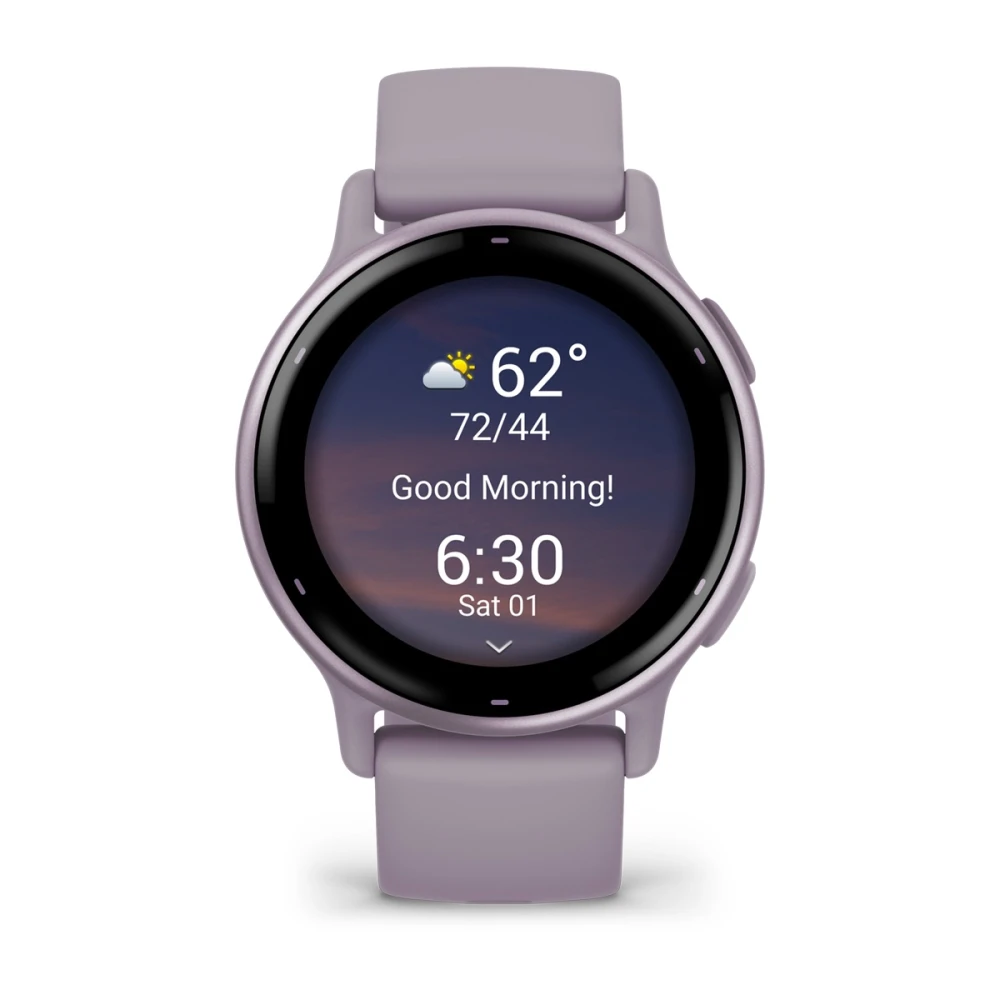
The AMOLED upgrade is the single biggest improvement over the Vivoactive 4, and it transforms the ownership experience. The 1.2-inch panel runs at 390 x 390 resolution, delivering sharp text, vibrant workout screens, and watch faces that look genuinely good rather than merely functional. Garmin's previous transflective MIP displays were excellent in direct sunlight but washed-out everywhere else. The AMOLED reverses that equation while remaining perfectly readable outdoors thanks to strong peak brightness and an ambient light sensor that adjusts automatically.
Gorilla Glass 3 provides reasonable scratch protection, though it falls short of the sapphire crystal found on Garmin's premium models. The always-on display mode dims the screen to show time and key metrics without requiring a wrist raise – a feature that costs roughly six days of battery life (dropping from 11 to about 5 days). For most users, the wrist-raise activation works well enough that always-on mode is a luxury rather than a necessity.
One genuine limitation: the touchscreen becomes unreliable with wet or sweaty fingers. Mid-workout navigation occasionally requires wiping the screen or falling back to the physical buttons. This is not unique to Garmin, but it is worth noting for swimmers and heavy sweaters who rely on touch input.
Performance & Features
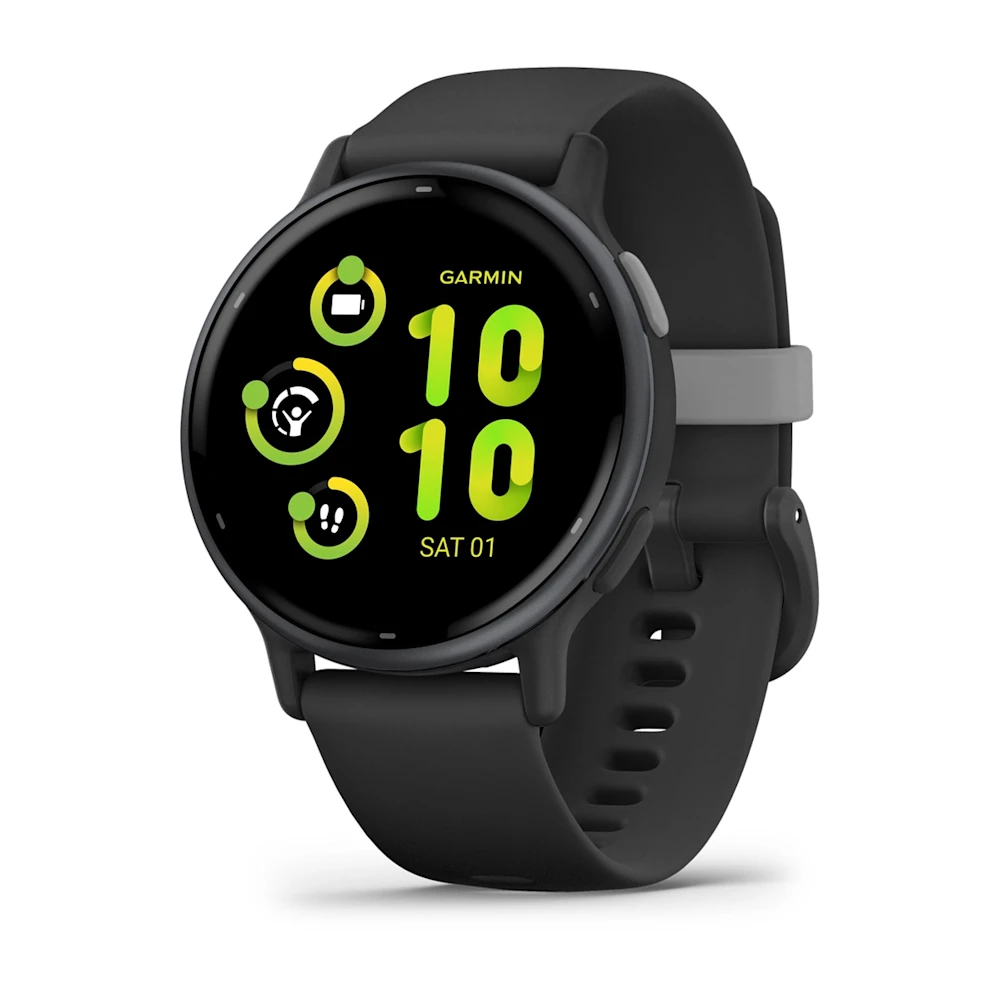
The Vivoactive 5 runs multi-GNSS positioning using GPS, GLONASS, and Galileo satellites. This is not the dual-frequency multi-band system found on the Forerunner 965 or Fenix 7, but the real-world difference is smaller than the spec sheet suggests. GPS tracks hold tight to roads and trails in open and suburban environments, matching routes recorded by multi-band devices stride for stride. Distance accuracy on known courses falls within 0.05 miles of measured distances – more than adequate for any non-competitive purpose. Dense tree cover and urban canyons produce minor deviations, as expected with any single-band GPS, but overall accuracy ranks among the best in this price range.
The watch offers over 30 built-in sport profiles covering running, cycling, swimming (pool and open water), HIIT, strength training, yoga, Pilates, hiking, golf, skiing, and wheelchair-specific activities. Interval workouts are configurable directly on the watch without needing a phone. Muscle maps have replaced the animated workout guides from the Vivoactive 4 – a lateral move that loses the coaching visuals but gains clearer muscle-group targeting.
Garmin Connect integration remains the deepest fitness ecosystem available on any platform. Workout history, trends, training load, and health metrics all sync seamlessly to the Connect app and web dashboard. The Connect IQ store adds third-party watch faces, widgets, and data fields, though the app selection still lags far behind Apple's and Google's ecosystems.
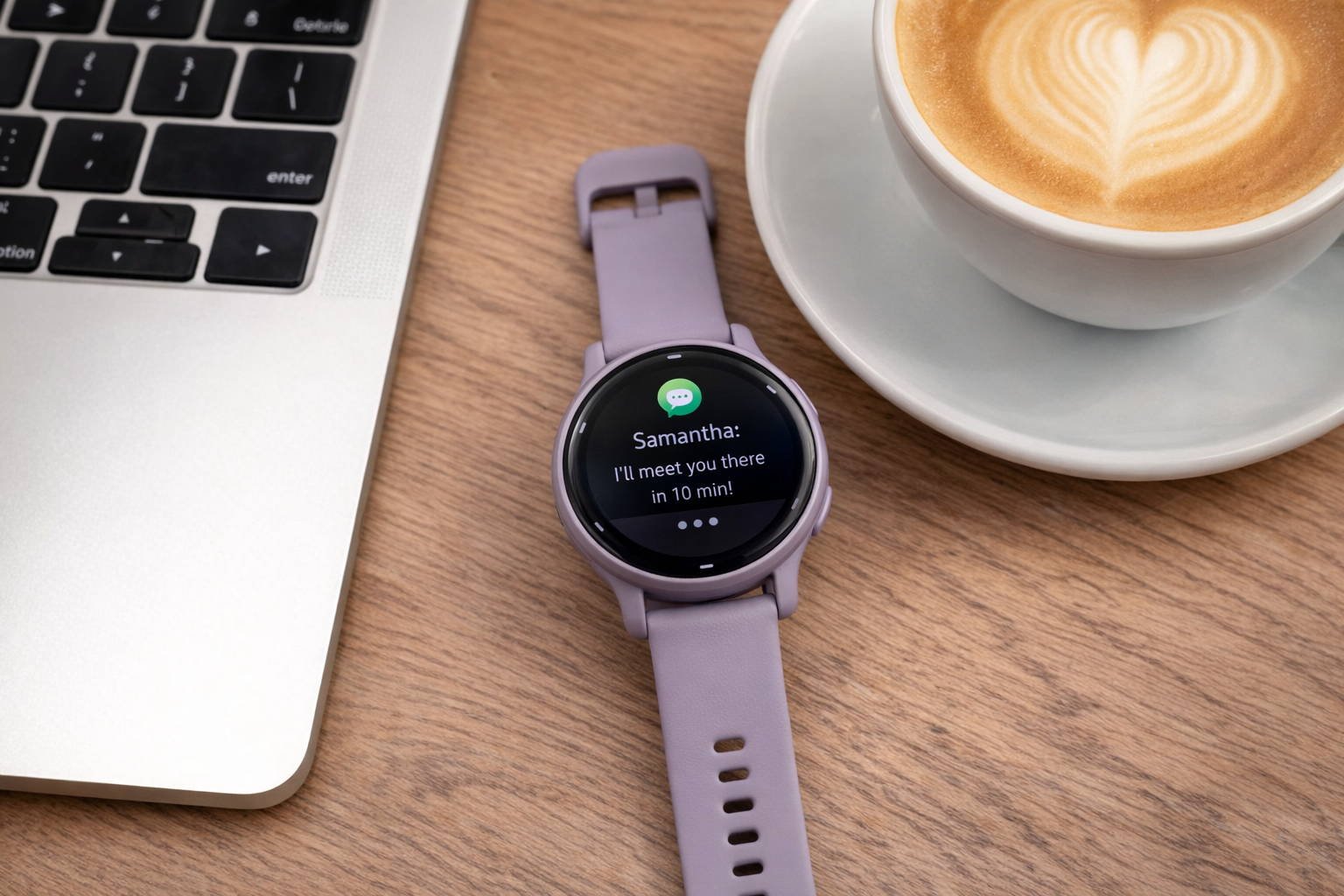
Smart features cover the essentials: smartphone notifications with preset-message reply support on Android, Garmin Pay via NFC, 4GB of onboard music storage with Spotify and Deezer offline support, and phone-controlled music playback. What the Vivoactive 5 lacks compared to the Venu 3 is a microphone and speaker – meaning no on-wrist phone calls and no voice assistant access. For a fitness-first watch, the omission is easy to live with.
The most notable hardware absence is the barometric altimeter, which Garmin removed from the Vivoactive 4's feature set. This eliminates floor/stair counting and reduces elevation tracking accuracy during hikes. For trail-focused users, this is a genuine loss. For runners, cyclists, swimmers, and gym-goers operating at relatively flat elevations, it has zero practical impact.
Health & Fitness Tracking
The Garmin Elevate V4 optical heart rate sensor sits underneath the case, one generation behind the V5 sensor in the Venu 3. On paper, that sounds like a meaningful compromise. In practice, the V4 delivers heart rate readings within 2-3 beats per minute of a Polar H10 chest strap during steady-state running and cycling. Extended sessions – four-hour rides, long runs – show virtually no drift from reference devices. The only measurable weakness surfaces during rapid intensity transitions: sprint-to-recovery intervals show a brief lag before the optical sensor catches the drop. For anyone outside competitive interval training, the V4 is more than sufficient.
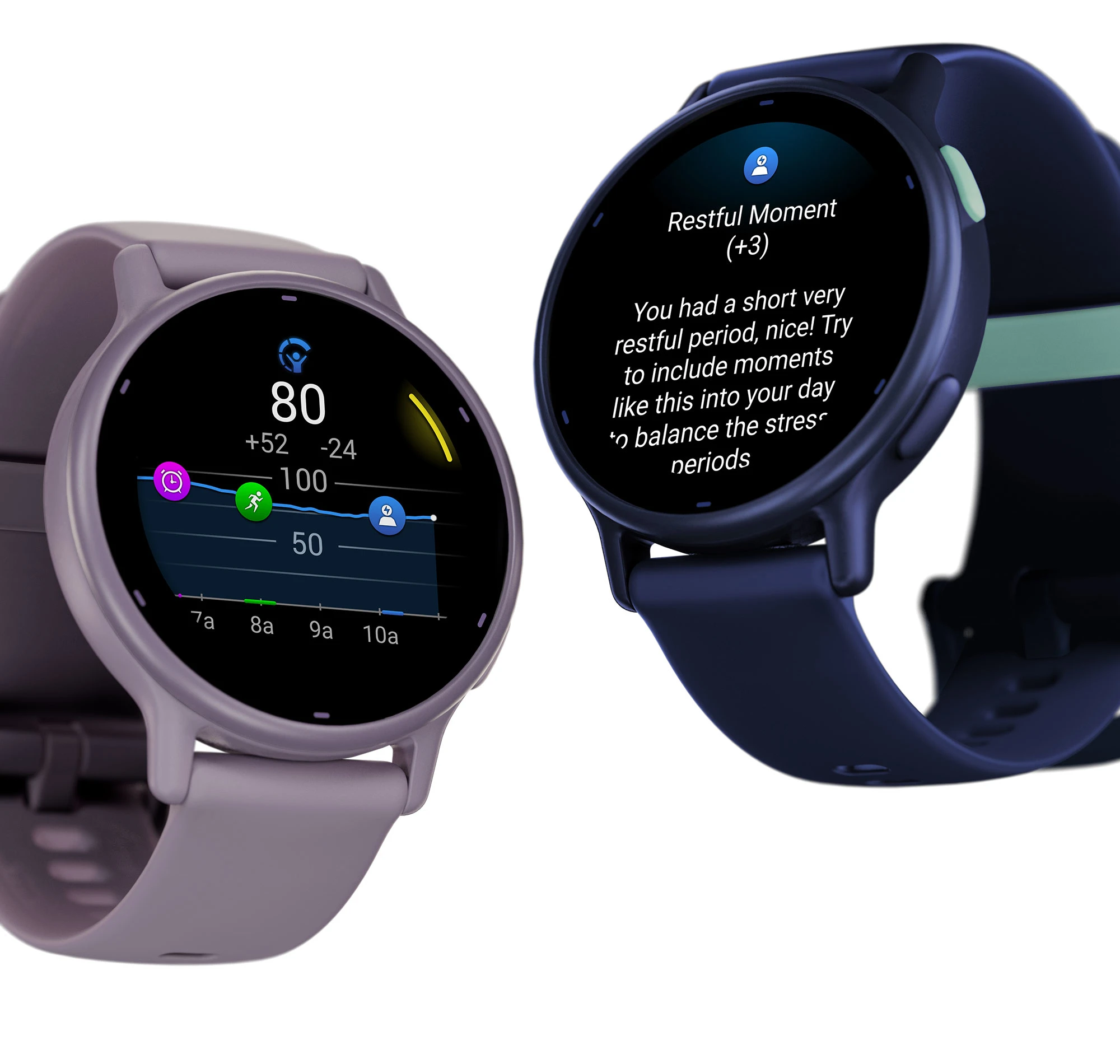
Body Battery remains one of Garmin's most useful proprietary features, synthesizing HRV, stress, activity, and sleep data into a single 5-100 energy score. The Vivoactive 5 adds granular Body Battery insights that explain why the score changed – a draining commute, a restorative nap, an intense workout – making the metric genuinely actionable rather than abstract.
Sleep tracking benefits from the new Sleep Coach feature, which provides personalized sleep recommendations based on recent sleep history and next-day plans. Nap detection – introduced alongside the Venu 3 – automatically logs daytime sleep without manual input. Sleep data is generally reliable, though occasional inconsistencies in sleep stage classification do appear – falling asleep on the couch may not register, and brief nighttime awakenings sometimes go unrecorded. The overall picture remains accurate enough to identify trends and habits.
Additional health metrics include SpO2 (blood oxygen) monitoring, all-day stress tracking with guided breathing exercises, HRV status for recovery assessment, menstrual cycle tracking, and a Morning Report that consolidates overnight data into a single pre-coffee briefing. The health tracking suite is identical to the Venu 3 in scope – the only difference is the sensor generation underneath.
Battery Life
Garmin claims up to 11 days in standard smartwatch mode, and that number holds up under light-to-moderate use: notifications, all-day health tracking, and occasional GPS workouts. With daily 45-60 minute GPS-tracked workouts, expect 5-7 days between charges – still exceptional by any standard. The always-on display cuts that range to approximately 5 days, which remains competitive with dedicated sports watches and demolishes the 18-36 hour ceiling of the Apple Watch.
GPS battery life tops out at 21 hours in standard mode, dropping to 17 hours with all-systems GNSS and 8 hours when streaming music. A full charge from zero takes roughly two hours via the proprietary Garmin cable.
For context: the Venu 3 stretches to 14 days in smartwatch mode – though that figure assumes minimal GPS use, so the real-world gap with the Vivoactive 5 is smaller than it looks. The Apple Watch SE lasts roughly 18 hours. The Samsung Galaxy Watch 7 manages roughly 40 hours. The Vivoactive 5 sits comfortably in the upper tier of battery performance, trailing only Garmin's own solar-equipped models and dedicated endurance watches. For weekend warriors and daily exercisers, the charging cadence settles into a natural once-a-week rhythm that never feels burdensome.
Who It's For
The Vivoactive 5 is built for the fitness-minded buyer who wants Garmin's health ecosystem without paying Garmin's premium prices. Specifically:
- Daily exercisers who run, cycle, swim, or hit the gym 3-5 times per week and want accurate, detailed tracking without Forerunner-level complexity
- Health-conscious professionals who value Body Battery, stress tracking, and sleep coaching as tools for managing energy and recovery
- Apple Watch defectors tired of nightly charging who want a week-plus battery life without sacrificing a quality display
- First-time Garmin buyers looking for a capable entry point into the ecosystem
Who should skip it:
- Trail runners and hikers who need a barometric altimeter for elevation data – look at the Forerunner 265 or Instinct 2
- Data-obsessed athletes who want Training Readiness, running power, and cycling power meter support – the Forerunner 265 or 965 serve this audience
- Smartwatch-first users who prioritize app ecosystems, voice assistants, and phone call capability – the Apple Watch SE or Venu 3 fits better
- Small-wrist users who prefer a more compact case – the Venu 3S at 41mm or the Garmin Lily 2 are better fits (the 42mm Vivoactive 5 is the only size available)
The Verdict
The Garmin Vivoactive 5 is the most rational purchase in Garmin's current lineup. It sacrifices a newer heart rate sensor, a barometric altimeter, and phone call support compared to the Venu 3 – and saves $150 doing it. For the overwhelming majority of fitness-focused buyers, none of those omissions will register in daily use. What will register is the vibrant AMOLED display, the week-plus battery life, the deep and genuinely useful health tracking suite, and the reassurance that GPS and heart rate data are accurate enough to trust.
It is not perfect. The missing altimeter stings for anyone who hikes or counts stairs. The two-button interface requires patience from Garmin veterans. The touchscreen falters when wet. But these are concessions, not dealbreakers, and they are priced accordingly.
At $299.99 retail – and frequently available below $250 – the Vivoactive 5 delivers a fitness tracking experience that belongs in a higher price bracket. If you are shopping for a capable fitness watch without overspending, our best budget smartwatches guide covers more options in this range. And for buyers ready to step up, the Vivoactive 6 improves on nearly every shortcoming mentioned here.
| Category | Weight | Score | Weighted |
|---|---|---|---|
| Core Function | 30% | 82 | 24.6 |
| Build Quality | 15% | 76 | 11.4 |
| User Experience | 20% | 78 | 15.6 |
| Value | 20% | 90 | 18.0 |
| Battery | 15% | 88 | 13.2 |
| Total | 100% | 82.8 |
WearableBeat Score: 83/100