
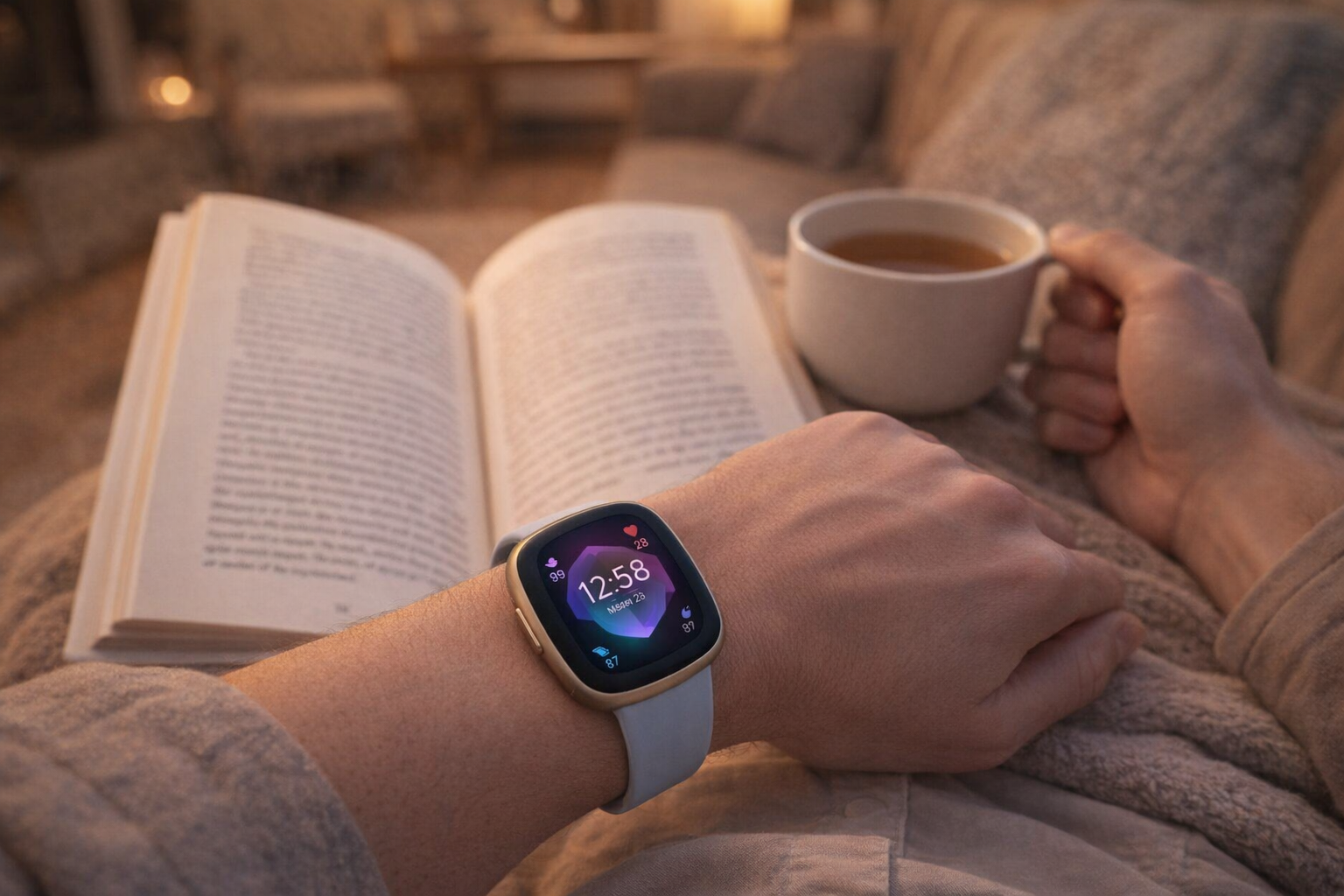
The Fitbit Sense 2 carries a contradiction at its core. It is, by sensor count alone, the most health-focused wearable Fitbit has ever built. A continuous electrodermal activity sensor monitors stress passively throughout the day. An ECG app checks heart rhythm on demand. SpO2, skin temperature, heart rate variability, and 24/7 heart rate monitoring round out a sensor array that rivals devices costing twice the price. On paper, this is a health powerhouse.
Then you try to do anything else with it, and the illusion cracks. Third-party apps are gone. Deezer and Pandora offline playback are gone. Music controls are gone. Google Assistant was never included at all, despite the original Sense supporting it. The Fitbit Sense 2 launched at $299 as a flagship that does less than its predecessor – and the cEDA stress sensor, genuinely interesting as it is, has to carry that weight alone.
Design and Build
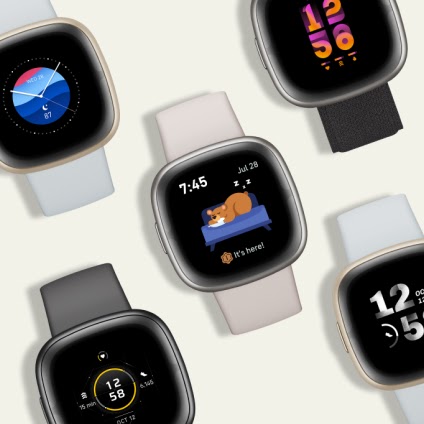
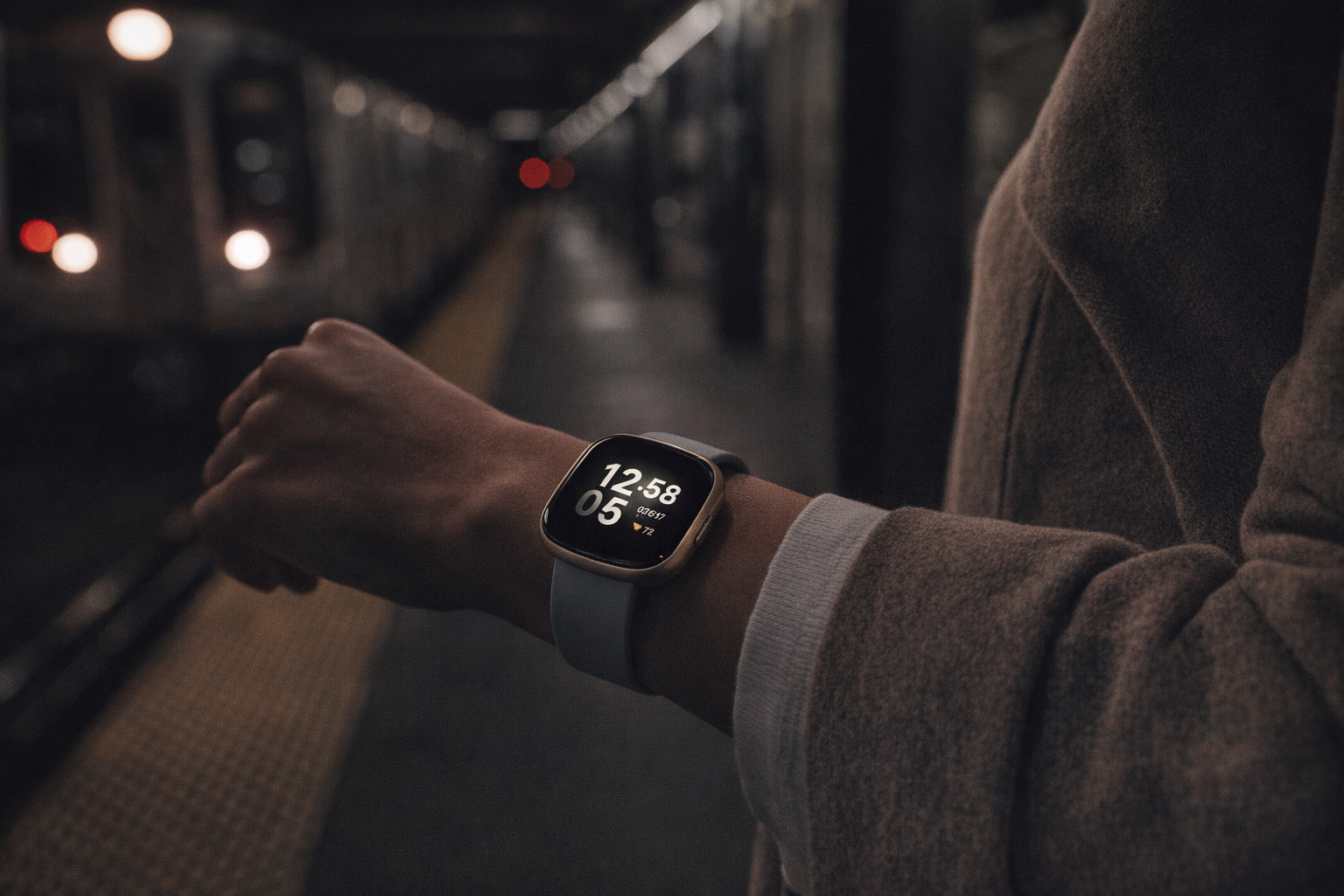
The Sense 2 represents a clear physical improvement over the original Sense. The case measures 40.5 x 40.5 x 12.3mm and weighs 37.6 grams – slimmer and lighter than its predecessor. On the wrist, the difference is immediately noticeable. This is a comfortable watch for all-day and overnight wear, sitting flat enough against the skin that sleep tracking never feels intrusive.
The most welcome hardware change is the return of a physical side button, replacing the original Sense's infuriating capacitive touch strip that registered phantom presses and missed intentional ones with equal frequency. The tactile click of the new button is satisfying and reliable. It was the single most requested hardware change, and Fitbit delivered. The Charge 6 made the same correction on the band side, and it is equally transformative there.
The material story is more complicated. The Sense 2 uses an aluminum case, continuing the same core material as the original Sense, though the first-gen model featured a stainless steel bezel ring that doubled as the ECG electrode – a detail that gave it a more premium feel. That steel accent is gone on the Sense 2, and the all-aluminum construction, while lighter, scratches more easily and lacks the visual weight its predecessor conveyed. The infinity band design integrates the strap connection points smoothly into the case, and the overall aesthetic is clean and modern – but the materials tell you this is a mid-range device wearing a flagship price tag.
Water resistance is rated at 5 ATM (50 meters) under ISO 22810, covering swimming, showering, and rain without concern. The watch handles pool sessions and sweaty workouts without issue.
Band comfort is generally good, with the included silicone infinity band staying secure during workouts and breathable enough for extended wear. However, the clasp mechanism has a durability problem: the band can unsnap under strain during workouts, a recurring complaint among long-term owners.
Display
The 1.58-inch AMOLED display running at 336 x 336 pixel resolution is one of the Sense 2's genuine strengths. Colors are vivid, text is sharp, and outdoor visibility under direct sunlight is strong thanks to adequate peak brightness. The screen occupies most of the watch face, with reasonably thin bezels that give the Sense 2 a modern look.
An always-on display mode is available, though activating it cuts battery life from roughly six days to three or four. The AOD implementation is functional but basic – a dimmed version of the current watch face without the color vibrancy of the main display. Touch responsiveness is smooth, and the combination of swipe gestures with the physical button creates a navigation scheme that works well once learned.
The display panel itself is not a differentiator at this price point. Every competitor – Apple Watch SE 3, Garmin Venu Sq 2, Pixel Watch – offers a similarly capable AMOLED screen. The Sense 2's display is good. It is not a reason to choose this watch over alternatives.

Health and Fitness Tracking
This is where the Sense 2 makes its strongest case, and where the cEDA sensor demands the most scrutiny.
cEDA Stress Monitoring: The headline feature is the continuous electrodermal activity sensor, marketed as "Body Response." Unlike the original Sense, which required manual EDA sessions where you placed your palm over the screen, the Sense 2 monitors electrodermal activity passively throughout the day. When the sensor detects physiological signs consistent with stress – changes in skin conductance, elevated heart rate, reduced HRV – it sends a notification prompting you to log your mood and take action.
The technology is genuinely novel. At launch, no other mainstream wearable offered continuous passive stress detection through EDA sensing – though Samsung and Google have since added EDA sensors to newer watches. The sensor works by measuring micro-changes in electrical conductivity across the skin, which correlate with sympathetic nervous system activation. In theory, this catches stress responses you might not consciously register.
In practice, the implementation is a mixed bag. The notifications can feel arbitrary – flagging moments of physical exertion, temperature change, or caffeine intake as "stress" when the wearer feels perfectly calm. The mood logging prompt asks you to reflect on your emotional state, which is valuable as a mindfulness exercise but has little to do with the sensor data itself. The gap between what the cEDA sensor measures (physiological arousal) and what users expect it to measure (emotional stress) creates a persistent disconnect. For users genuinely working on stress management with a therapist or mindfulness practice, the data provides a useful physiological layer. For casual users, the notifications tend to become noise that gets dismissed or disabled.
Heart Rate Monitoring: The optical heart rate sensor delivers reliable data at rest and during steady-state activities like walking, easy jogging, and cycling at moderate effort. Resting heart rate trends and 24/7 monitoring are accurate enough to identify meaningful patterns over time.
During high-intensity exercise, accuracy degrades significantly. The first four to five minutes of any vigorous activity are particularly unreliable, with heart rate readings lagging real-time changes or spiking to implausible values before settling. Interval training, HIIT workouts, and rapid heart rate transitions expose the sensor's limitations. This is partly an industry-wide optical sensor challenge, but competitors like Apple Watch and Garmin handle it better.
ECG and SpO2: The single-lead ECG app produces readable electrocardiogram traces for detecting signs of atrial fibrillation, and the implementation is FDA-cleared. SpO2 monitoring works both on-demand and overnight, providing blood oxygen saturation trends that are useful for identifying sleep-disordered breathing patterns and altitude acclimatization. Neither feature replaces medical-grade equipment, but both add genuine health value.
Skin Temperature: A skin temperature sensor tracks nightly variations from your baseline, potentially flagging the onset of illness or menstrual cycle patterns. The data appears in the Fitbit app as a trend line of deviations rather than absolute temperatures. It is a passive, low-effort metric that occasionally delivers useful insights.
Sleep Tracking: This is where the Sense 2 genuinely excels. Sleep stage detection – light, deep, and REM – is above average for a wrist-worn smartwatch and competitive with all but the Oura Ring in independent accuracy studies. The sleep score algorithm synthesizes duration, quality, and restoration into a single number that, over time, reveals meaningful patterns. The combination of heart rate, HRV, SpO2, skin temperature, and movement data during sleep produces a sleep analysis that is more comprehensive than what most competitors offer. For anyone whose primary wearable priority is understanding and improving sleep, the Sense 2 deserves serious consideration – our best health monitoring watches guide covers the top picks in this space.
GPS and Workout Tracking: Built-in GPS handles outdoor activities without requiring a phone connection, but accuracy is below the standard set by Apple, Garmin, and Samsung. GPS signal wandering during runs produces tracks that cut corners, drift off trails, and accumulate distance errors. A typical 5K run may register 100 to 200 meters short of actual distance. For casual joggers tracking general mileage and routes, this is acceptable. For anyone training to pace targets or tracking precise distances, the GPS shortcomings are a genuine problem.
The workout tracking library covers the basics – running, walking, cycling, swimming, yoga, HIIT – with automatic exercise detection for common activities. The depth of per-workout metrics is adequate but shallow compared to Garmin or Apple.
Software and App Experience
The software experience is where the Sense 2's identity crisis becomes impossible to ignore.
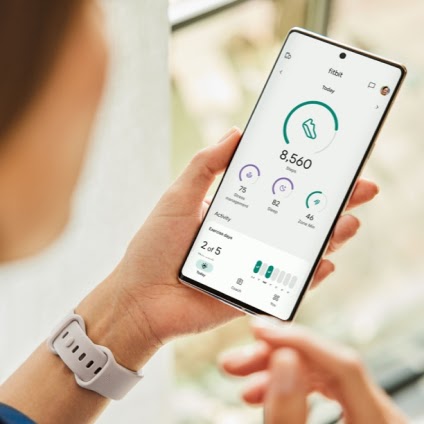
The Fitbit app itself remains one of the best health data platforms available. The dashboard presents daily stats, trends, and insights in a clean, motivating interface. Sleep analysis is detailed and well-visualized. The health metrics dashboard consolidating HRV, resting heart rate, skin temperature variation, and SpO2 trends in one view is excellent. Fitbit Premium (included for six months, then $9.99/month or $79.99/year) unlocks deeper insights, guided programs, and a Daily Readiness score that pulls together sleep, HRV, and activity data. The app is the strongest part of the Fitbit ecosystem.
The on-wrist software is where things fall apart. Google removed third-party app support entirely for the Sense 2 and Versa 4. This is not a case of a small app store with limited selection – there is no app store at all. The original Sense supported Deezer and Pandora offline playback, third-party watch faces, weather apps, and various utilities through the Fitbit Gallery. The Sense 2 supports none of that.
No Deezer. No Pandora. No music storage. No music playback controls. The watch that Fitbit marketed as its flagship health smartwatch cannot control the music playing on the phone in your pocket. This is a staggering regression that no amount of sensor innovation can offset for users who valued those capabilities.
Google Assistant – available on the original Sense – was dropped entirely from the Sense 2, with Fitbit confirming at launch that there were no plans to bring it to the new hardware. Amazon Alexa integration is available, providing basic voice commands, but the smart assistant experience is limited compared to what Apple Watch and Wear OS devices offer.
The broader context makes the software gutting even more troubling. Google acquired Fitbit in 2021 and has been systematically repositioning Fitbit as a health-tracking brand while reserving full smartwatch functionality for the Pixel Watch. Google Maps, Google Wallet, Google Assistant, and the Wear OS app ecosystem all went to the Pixel Watch. Fitbit got the health sensors and the lower price tier. The strategy is transparent, but it means the Sense 2 is a device that lost features not because of technical limitations but because of corporate product segmentation.
The mandatory migration of Fitbit accounts to Google accounts, with a deadline in 2026 and the threat of data deletion for non-compliant users, adds another layer of uncertainty to the long-term ownership experience.
Battery Life
Fitbit rates the Sense 2 at 6+ days of battery life, and real-world performance lands in the four to six day range with typical use: continuous heart rate monitoring, cEDA enabled, notifications active, a few GPS workouts per week, and the always-on display turned off.
Enabling the always-on display drops endurance to roughly three to four days. Running the SpO2 sensor overnight and the cEDA sensor continuously further reduces the total. With every health sensor running and AOD active, expect closer to three days – still meaningfully longer than an Apple Watch SE 2 (roughly 18 hours) or Pixel Watch (roughly 24 hours), but well short of a Garmin Venu 3 (up to 11 days).
Charging uses a proprietary magnetic puck that connects to USB-A – not USB-C, which feels dated for a 2022 product. A full charge takes up to two hours, though a quick 12-minute top-up provides roughly a day of use. The charger is small and portable but adds to the collection of proprietary cables that modern wearables stubbornly perpetuate.
For users coming from Apple Watch, the multi-day battery life is revelatory. For users coming from Garmin, it is merely adequate.
Who It's For
The Fitbit Sense 2 makes sense for a specific type of user: someone primarily interested in passive health monitoring – sleep quality, stress patterns, heart rate trends, SpO2 – who does not need or want a full-featured smartwatch. The person who wears a tracker to bed every night and checks their sleep score every morning. The person who values the Fitbit app's health dashboard over on-wrist app functionality. The person who exercises casually and does not need precise GPS or music controls during workouts.
At its current discounted street price of $140 to $180, the Sense 2 offers a genuinely compelling sensor suite for health-focused users. The cEDA stress sensor, ECG, SpO2, and skin temperature monitoring are features that typically require spending significantly more. If health data is the priority and smartwatch features are secondary, the Sense 2 at a discount is a reasonable purchase. It also appears in our best smartwatches for 2026 roundup for its health-tracking strengths.
Who should skip it: Anyone who wants a smartwatch. Anyone who valued music playback, third-party apps, or smart features on previous Fitbit devices. Anyone who needs accurate GPS for run training. Anyone who wants Google Assistant or a meaningful smart assistant on their wrist. Anyone who is uncomfortable with Google's handling of the Fitbit transition and the forced account migration. Anyone willing to spend $249 on an Apple Watch SE 3, which does everything the Sense 2 does (minus cEDA and skin temperature) while adding a vastly superior app ecosystem, more reliable GPS, better heart rate accuracy during exercise, and full smartwatch functionality. Those interested in ECG and health monitoring without the smartwatch overhead may also want to consider the Withings ScanWatch 2.
The Verdict
The Fitbit Sense 2 is a health tracker that aspires to be a smartwatch but has been deliberately prevented from becoming one. The cEDA continuous stress sensor is a genuinely innovative piece of technology that no competitor currently matches, and the overall health monitoring suite – ECG, SpO2, skin temperature, HRV, and outstanding sleep tracking – is impressive for a device now available well under $200. The physical button, slimmer design, and excellent AMOLED display are all meaningful hardware improvements over the original Sense.
But the wholesale removal of third-party apps, music functionality, and smart features transforms what should be a flagship into a health-focused tracker wearing a smartwatch price tag. Google's product strategy is clear: the Pixel Watch gets the smarts, Fitbit gets the health sensors. The Sense 2 is caught in that transition, offering more health data than almost any competitor but less overall capability than devices costing the same or less. For a more affordable Fitbit option that trades the smartwatch form factor for better battery life, the Samsung Galaxy Watch 7 and Fitbit's own Charge 6 are worth comparing.
At $299, the Sense 2 was a hard sell. At its current street price of $150 or less, it becomes a capable health monitor for users who know exactly what they are getting – and what they are giving up.
Score: 72/100
| Category | Weight | Score | Weighted |
|---|---|---|---|
| Core Function (sensors, health tracking, stress monitoring) | 30% | 74 | 22.2 |
| Build Quality (materials, durability, water resistance) | 15% | 76 | 11.4 |
| User Experience (software, app, ease of use, third-party apps) | 20% | 58 | 11.6 |
| Value (price vs. alternatives) | 20% | 72 | 14.4 |
| Battery Life (claimed vs. real-world) | 15% | 80 | 12.0 |
| Total | 100% | 71.6 → 72 |