
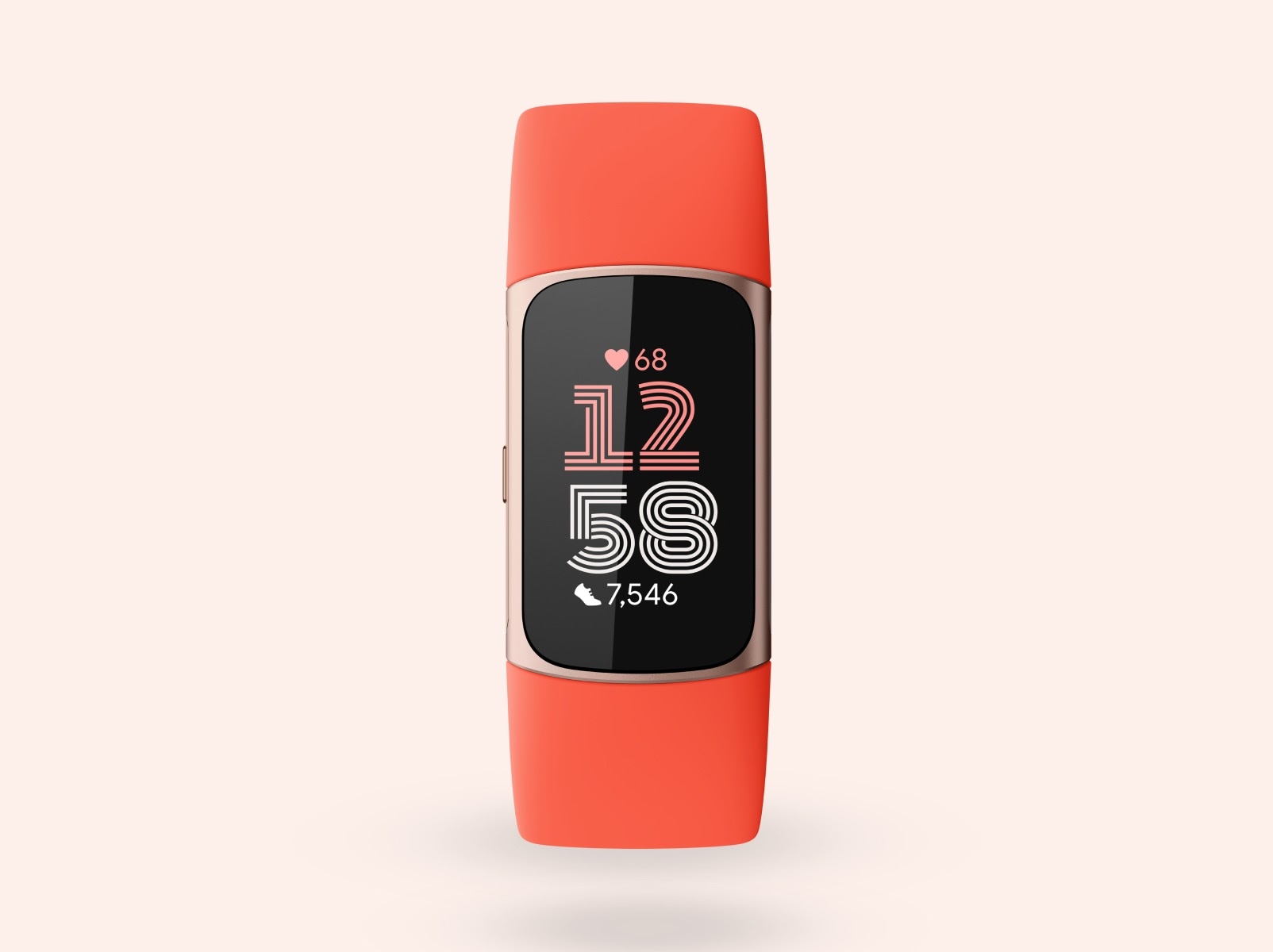
Few things are more frustrating than opening the Fitbit app and seeing stale data staring back at you. Your steps haven't updated, your sleep score is missing, and pulling down to refresh does absolutely nothing. Whether you own a Charge 6, a Versa 4, or a Sense 2, the experience is the same: your tracker is counting, but your phone isn't listening.
The good news is that the vast majority of Fitbit sync failures are software-related. A misconfigured permission, a stale Bluetooth connection, or a background process killed by your phone's battery optimizer – these are fixable problems, and most of them take less than five minutes to resolve. This guide walks through every known fix, in order from simplest to most involved, with device-specific instructions where the Charge 6, Versa 4, and Sense 2 differ.
Quick Fixes to Try First
Before diving into deeper troubleshooting, try these three steps in order. They resolve the majority of syncing issues within a couple of minutes.
-
Force close the Fitbit app. On iPhone, swipe up from the bottom of the screen and swipe the Fitbit app away. On Android, go to Settings > Apps > Fitbit > Force Stop. Reopen the app and wait 30 seconds for it to attempt a sync.
-
Toggle Bluetooth off and back on. Go to your phone's Settings > Bluetooth, switch it off, wait 10 seconds, and switch it back on. Open the Fitbit app and pull down on the dashboard to trigger a manual sync.
-
Restart your Fitbit. The restart procedure varies by device – see the Device-Specific Notes section below for exact steps. Once your tracker or watch reboots, open the Fitbit app and try syncing again.
If those three steps didn't work, keep going.
Step-by-Step Troubleshooting
Work through these fixes in order. Each one addresses a different root cause, and most sync problems will be resolved before you reach the end of this list. These steps apply equally to the Charge 6, Versa 4, and Sense 2 unless otherwise noted.
1. Update the Fitbit App
An outdated Fitbit app is one of the most common causes of sync failure, especially after Google pushes a firmware update to your device. Open the App Store (iPhone) or Google Play Store (Android), search for Fitbit, and tap Update if one is available. After updating, open the app and attempt a sync.
Google rolled out a firmware update in early 2025 that added Bluetooth security enhancements to the Charge 6. That update required users to forget and re-pair their tracker – and anyone who missed the memo found their device suddenly unable to sync. Keeping the app current prevents exactly this kind of surprise.
2. Update Your Device Firmware
Pending firmware updates can block normal syncing behavior. With your Fitbit nearby and your phone connected to Wi-Fi, open the Fitbit app, tap your profile icon, select your device, and check for available updates. Keep the tracker on its charger and near your phone while the update installs – firmware updates can take up to 10 minutes, and the device will restart automatically when finished.
3. Check Your Phone's Bluetooth Connections
Your Fitbit can only maintain an active Bluetooth connection with one phone at a time. If you've signed into the Fitbit app on a tablet, a second phone, or any other device, sign out of the app on those extra devices or make sure they're out of Bluetooth range. Then go to your phone's Bluetooth settings and confirm your Fitbit appears as connected.
4. Confirm Your Phone Has an Internet Connection
The Fitbit app needs Wi-Fi or cellular data to upload synced data to your account. If your phone is in airplane mode or has no data connection, syncing will fail silently – the app may even show the spinning sync animation without actually transferring anything. Confirm you have a working internet connection before troubleshooting further.
5. Remove and Re-pair Your Device
This is the single most effective fix for persistent sync failures, particularly ones that started after an app or firmware update. It forces a fresh Bluetooth handshake between your phone and tracker.
- Open the Fitbit app and tap your profile icon.
- Select your device from the device list.
- Tap Remove This Device and confirm.
- On your phone, go to Settings > Bluetooth, find any entries for your Fitbit device (it may appear as "Charge 6," "Versa 4," "Sense 2," or simply "Fitbit"), tap the info icon (iPhone) or gear icon (Android), and select Forget This Device.
- Restart your phone.
- Open the Fitbit app, tap Set Up a Device, choose your model, and follow the on-screen pairing instructions.
Your historical data is safe. Activity history, sleep logs, and health metrics are stored in your Fitbit account in the cloud, not on the tracker itself. Removing and re-pairing does not delete anything from your account.
6. Clear the Fitbit App Cache (Android Only)
Corrupted cache data can prevent the app from communicating with your tracker. Go to Settings > Apps > Fitbit > Storage > Clear Cache. Do not tap Clear Data – that will log you out of the app entirely. After clearing the cache, open the Fitbit app and try syncing.
7. Reinstall the Fitbit App
If clearing the cache didn't help (or you're on iPhone, where cache clearing isn't available), uninstall the Fitbit app entirely, restart your phone, then reinstall it from the App Store or Play Store. Log back in and re-pair your device using the steps in fix number five above.
Android-Specific Fixes
Android phones are more aggressive about restricting background app activity than iPhones, and those restrictions are the number-one cause of Fitbit sync failures on Android. If your Fitbit syncs fine when you manually open the app but fails to sync in the background, start here.
Disable Battery Optimization for Fitbit
Android's battery optimization routinely kills background processes to save power, and the Fitbit app is a frequent victim. To exempt it:
- Go to Settings > Apps > Fitbit > Battery.
- Select Unrestricted (or "Don't optimize" on older Android versions).
- On Samsung devices, also go to Settings > Battery > Background Usage Limits and make sure Fitbit is not on the "Sleeping apps" or "Deep sleeping apps" list.
Also make sure Battery Saver and Bedtime Mode are turned off while troubleshooting. Both modes restrict background data connectivity, and Fitbit data will not sync until they're disabled.
Grant Location Permissions
On Android 11 and earlier, the Fitbit app requires location access to scan for Bluetooth devices – this is an Android system requirement, not a Fitbit design choice. Go to Settings > Apps > Fitbit > Permissions > Location and set it to Allow all the time. Android 12 and later use dedicated Bluetooth permissions instead, so location access is typically unnecessary. However, if sync still fails on Android 12+, grant location access as a fallback – some manufacturer skins (particularly Samsung One UI and Xiaomi MIUI) still require it.
Enable Background Data Usage
Go to Settings > Apps > Fitbit > Mobile Data & Wi-Fi (or Data Usage) and make sure Allow background data usage is toggled on. If this setting is off, the app cannot upload data when it's not actively open on your screen.
Check for Competing Bluetooth Apps
Other fitness or health apps that maintain active Bluetooth connections – Garmin Connect, Wahoo, Peloton – can occasionally compete for your phone's Bluetooth resources. If you're experiencing intermittent sync failures, try temporarily closing other Bluetooth-connected apps and see if Fitbit sync stabilizes.
iOS-Specific Fixes
iPhones handle background app behavior differently than Android, and there are a few iOS-specific settings that can quietly break Fitbit syncing without any visible error message.
Enable Background App Refresh
Go to Settings > General > Background App Refresh and make sure the toggle is on for Fitbit. If Background App Refresh is disabled globally (or set to Wi-Fi only), the Fitbit app cannot maintain a background connection to your tracker. Turn it on for all apps, or at minimum for Fitbit specifically.
Check Location Services
The Fitbit app uses location access for Bluetooth communication and Connected GPS features. Go to Settings > Privacy & Security > Location Services > Fitbit and set it to Always. For basic step and sleep syncing, "While Using the App" is technically sufficient, but setting it to "Always" eliminates permissions as a possible cause during troubleshooting.
Turn Off Low Power Mode
Low Power Mode restricts background activity across all apps, including Fitbit. If your iPhone is in Low Power Mode (indicated by the yellow battery icon), syncing may stop entirely. Go to Settings > Battery and toggle Low Power Mode off. Keep it off until sync is working reliably again.
Check Permissions After iOS Updates
Major iOS updates occasionally reset app permissions or change Bluetooth behavior. If your Fitbit stopped syncing right after an iOS update, go through the settings listed above – Background App Refresh, Location Services, and Bluetooth permissions – and confirm they're all still properly configured. This is a common gotcha that catches even experienced users off guard.
Device-Specific Notes
While the general troubleshooting steps above apply to all three devices, the Charge 6, Versa 4, and Sense 2 each have slightly different procedures for restarting and resetting. Here's what you need to know about each one.
Fitbit Charge 6
The Charge 6 is a fitness tracker with a smaller screen and a side button, so its navigation differs from the two smartwatches.
To restart: Swipe down on the clock face, tap Settings, scroll to Restart Device, and confirm. If the screen is frozen or unresponsive, connect the Charge 6 to its charging cable and press the button on the flat side of the cable three times, waiting about one second between each press. Wait 10 seconds for the Fitbit logo to appear.
To factory reset: On the Charge 6, go to Settings > Device Info > Clear User Data and confirm. The tracker will restart and display the time as 0:00, indicating a successful reset.
Known issues: After the early 2025 Bluetooth security update, many Charge 6 users found their devices unable to sync until they completed a full forget-and-re-pair cycle. If your Charge 6 stopped syncing after a firmware update, re-pairing (step five in the troubleshooting section) is the most reliable fix.
Fitbit Versa 4
The Versa 4 has a single side button and a touchscreen interface.
To restart: Press and hold the side button for at least 10 seconds. Release when the Fitbit logo appears on the screen. The reboot takes about a minute to complete.
To factory reset: Swipe down from the top of the screen to open the Quick Panel, then tap the Settings icon. Scroll down to About Versa 4, then tap Factory Reset and confirm with Yes.
Known issues: The Versa 4's larger feature set means more potential points of failure. Notification syncing and app syncing can fail independently of activity data syncing – your steps may sync fine while notifications stop working entirely. If you're only experiencing notification sync failures, remove and re-add notification permissions in the Fitbit app before attempting a full re-pair.
Fitbit Sense 2
The Sense 2 shares the Versa 4's form factor but adds additional health sensors (continuous EDA, sleep-only skin temperature), which means slightly different firmware behavior.
To restart: Press and hold the side button until the Fitbit logo appears on the screen, then release. This is the same procedure as the Versa 4.
To factory reset: Open Settings on the watch, scroll down to About Sense 2, then tap Factory Reset and follow the on-screen prompts.
Known issues: The Sense 2's continuous EDA sensor and skin temperature tracking generate more background data than the other two devices, which can occasionally cause sync to take longer or time out on slower connections. If your Sense 2 sync consistently stalls partway through, make sure your phone has a strong Wi-Fi connection (not just cellular) and keep the app open in the foreground during the sync attempt.
When Nothing Else Works
If you've worked through every fix above and your Fitbit still refuses to sync, it's time for more drastic measures.
Factory Reset Your Device
A factory reset erases all data stored on the device and restores it to out-of-box settings. Make sure your device has at least 50% battery before proceeding. See the Device-Specific Notes section above for the exact reset procedure for your model.
After the reset, open the Fitbit app and set up your device as new. Your account data – activity history, sleep logs, health metrics – is preserved in the cloud and will not be affected by a factory reset.
Check Whether It's a Server-Side Issue
Not every sync failure is on your end. In July 2025, Fitbit experienced a major server outage that left devices unable to sync for several hours. Steps weren't counted, sleep data didn't appear, and no amount of restarting or re-pairing made any difference – because the problem was on Google's servers, not on anyone's phone or tracker.
If your Fitbit suddenly stops syncing and none of the fixes above help, check the Fitbit Status Dashboard or search social media for "Fitbit down" to see if other users are reporting the same issue. During a server outage, the only fix is to wait for Google to resolve it. Your tracker continues recording data locally and will sync everything once the servers come back online.
Signs of a Hardware Problem
Not every sync failure is a software glitch. The issue is likely hardware-related if:
- Your device never appears in your phone's Bluetooth settings, even after a factory reset
- Sync worked briefly after a factory reset but failed again within hours
- The device frequently shows a black screen, restarts on its own, or won't hold a charge
- Multiple phones all fail to connect to the same device
If any of these apply, skip straight to contacting support – further software troubleshooting is unlikely to help.
Contact Google/Fitbit Support
If a factory reset doesn't solve the problem, the issue may be a failing Bluetooth radio or corrupted firmware partition. Contact Fitbit support through the Fitbit app (Account > Help) or visit the Google Fitbit Help Center. Have your purchase date handy – the Charge 6, Versa 4, and Sense 2 all come with a one-year limited warranty from the original date of purchase. If your device is within warranty and support confirms a hardware defect, you're eligible for a replacement.
Preventing Future Sync Issues
Once sync is working again, these habits will keep it reliable. They apply to the Charge 6, Versa 4, and Sense 2 equally.
-
Sync manually at least once a day. Open the Fitbit app and pull down on the dashboard. Don't rely solely on background sync – phone settings and OS updates can quietly disable it without warning.
-
Keep the Fitbit app and device firmware updated. Enable automatic app updates on your phone, and check for device firmware updates in the Fitbit app at least once a month. Most sync-breaking bugs get patched within a few weeks of being reported.
-
Don't let your battery die completely. A fully drained battery may require you to re-pair the device with your phone. Charge regularly to avoid unnecessary setup headaches.
-
Stick to one phone. The Charge 6, Versa 4, and Sense 2 all support only one active phone connection. If you switch between phones frequently, you'll create pairing conflicts that lead to sync failures. If you're deciding between Fitbit models, our Charge 6 vs. Versa 4 comparison breaks down the differences.
-
Restart your device weekly. A quick restart clears temporary memory issues that accumulate over time and interfere with syncing. It takes about 15 seconds and costs nothing.
-
Review phone settings after OS updates. Both Android and iOS updates can reset battery optimization and background app permissions. After any major phone update, double-check that Fitbit still has unrestricted battery access and background refresh enabled. This single habit prevents more sync failures than any other.
-
Keep Bluetooth clear of unnecessary connections. If your phone is paired with a dozen Bluetooth devices – earbuds, speakers, car systems, other wearables – the connection to your Fitbit can become less reliable. You don't need to unpair everything, but be aware that Bluetooth congestion is a real factor, especially on older phones.
Fitbit syncing problems are annoying, but they're almost always fixable. The tracker itself rarely fails – it's the chain of software between the device and the cloud that breaks down. Work through the steps above methodically, and your data will be flowing again. If you're still shopping for the right fitness tracker, our best fitness trackers roundup covers the current top picks across every category.