
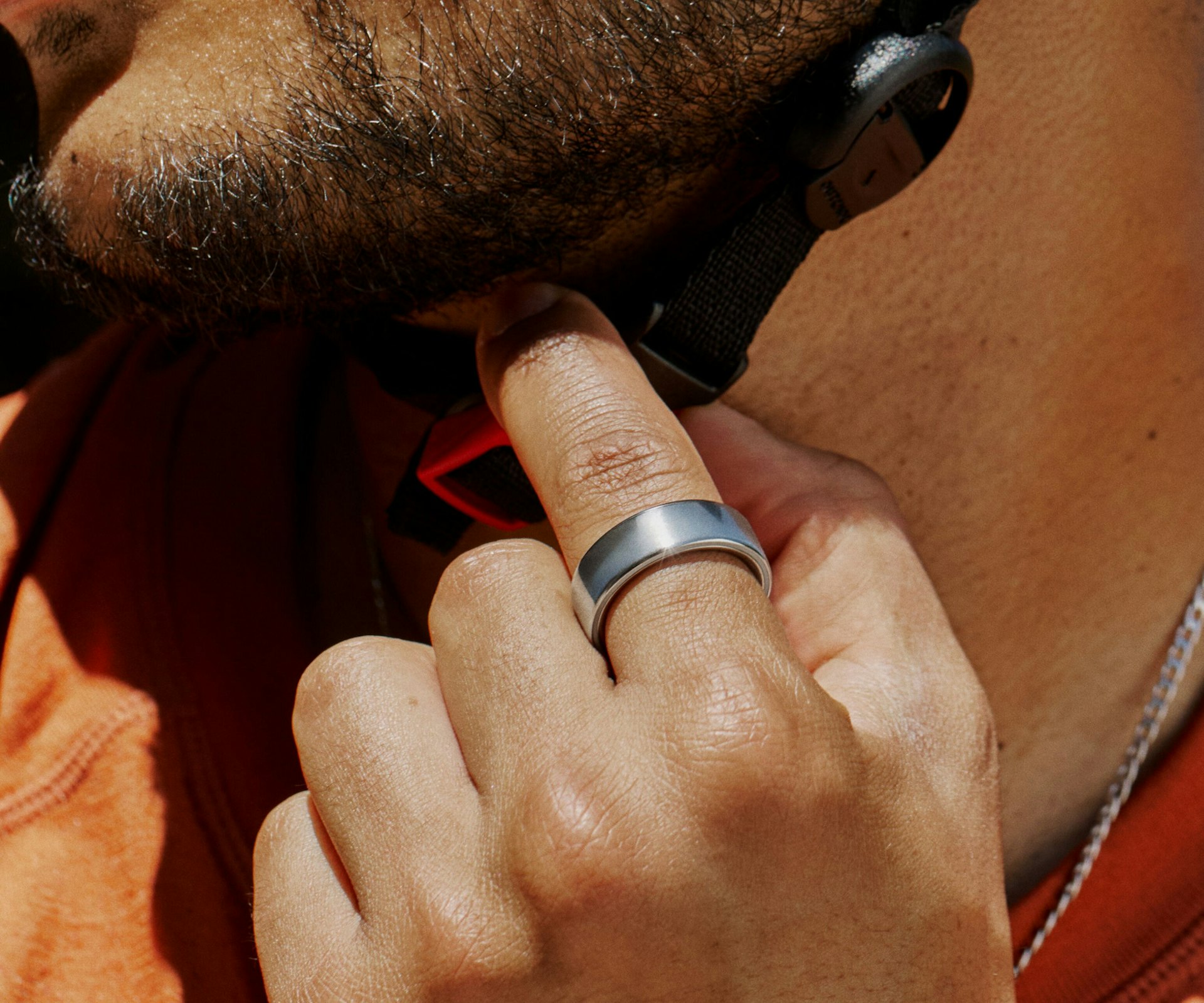
Yes, you can shower with your Oura Ring. Every current model – the Oura Ring 4 and the still-widely-worn Oura Ring 3 – carries the same water resistance rating of 100 meters (328 feet). A standard shower is nowhere close to pushing those limits. The ring will be perfectly fine.
That said, "water-resistant" and "indestructible" are two very different things. The water itself won't hurt your ring, but what you do around water – hot tubs, harsh soaps, extended submersion – can affect sensor accuracy and long-term durability. Here's exactly what you need to know.
Water Resistance Ratings Explained
Both the Oura Ring 3 and Oura Ring 4 share an IP68 rating with water resistance tested to 100 meters. There is no difference in water protection between the two generations.
Here's what that IP68 rating actually means:
- IP stands for Ingress Protection, an international standard for measuring how well a device resists dust and water.
- 6 is the dust rating – the highest possible score. The ring is completely dust-tight.
- 8 is the water rating – the highest level for submersion resistance, indicating protection against continuous immersion beyond 1 meter of depth.
The 100-meter depth rating goes well beyond the baseline IP68 requirement. For context, most smartwatches with IP68 are only rated to 1.5 meters. Oura's 100-meter rating puts its rings on par with dedicated swim watches and far ahead of many fitness trackers.
One important distinction: water resistance ratings are tested under static, controlled lab conditions with fresh water at room temperature. Real-world factors like water pressure changes during movement, temperature extremes, saltwater corrosion, and chemical exposure all reduce effective protection over time.
Showering With Your Oura Ring
Showering is completely safe. The water pressure and temperature of a normal shower fall well within the ring's design tolerances. The Ring 3's operating range tops out at 52°C (125°F); the Ring 4 extends slightly to 54°C (129°F). Most showers run between 40–42°C – well below either ceiling.
There are two things worth paying attention to:
Soap and shampoo residue. Every shower deposits a thin, often invisible film of soap on the ring's interior sensors. On the Ring 3, these are three raised bumps on the inside of the band; the Ring 4 redesigned them to sit nearly flush with the surface. Either way, residue buildup over days and weeks can interfere with heart rate, HRV, and skin temperature readings. The fix is simple: rinse the ring under clean, lukewarm water after every shower to wash away residue before it accumulates.
Harsh or abrasive products. Exfoliating scrubs, chemical-heavy body washes, and certain hair treatments can be more aggressive than standard soap. These won't breach the water resistance seals overnight, but repeated exposure to harsh chemicals can degrade them over months. If you regularly use strong products, consider slipping the ring off before lathering up.
What's Safe and What's Not
The Oura Ring handles most water-related activities without issue, but a few scenarios deserve caution.
Swimming in pools – safe. Chlorinated pool water will not damage the ring. Rinse it with fresh water afterward to remove any chlorine residue.
Ocean swimming – safe with care. Saltwater is more corrosive than fresh water. The ring can handle ocean swims, but always rinse it thoroughly with fresh water as soon as possible after getting out.
Hand washing – completely safe. This is well within normal operating parameters. No special precautions needed.
Hot tubs – proceed with caution. The ring is approved for hot tub use, but the combination of sustained heat, chemicals, and extended soaking is harder on seals than a quick shower. Most residential hot tubs max around 40°C (104°F), which is within the operating range, but if your hot tub runs hotter or you soak for extended periods, removing the ring is the safer long-term choice.
Saunas – use judgment. The ring is listed as safe for sauna use, and many owners wear theirs without issues. However, traditional Finnish saunas typically run between 80–110°C – well above the 60°C threshold where extended exposure can cause battery damage. Brief sessions are generally fine, but prolonged high-heat sessions put real stress on the battery over time. For longer sauna rituals, leave the ring outside.
Scuba diving – not recommended. The dynamic pressure changes at depth exceed what the 100-meter static rating covers.
Extended submersion beyond 12 hours – not recommended. The practical limit for continuous submersion is 12 hours. This won't apply to most people, but it rules out wearing the ring during ultra-endurance open-water events.
Protecting Your Ring Long-Term
Water resistance is not permanent. Seals can degrade with age, temperature cycling, and chemical exposure. A few habits will keep your ring in top condition:
Rinse after every exposure. Whether it's a shower, a swim, or a sweaty workout, a quick rinse under clean lukewarm water removes soap, chlorine, salt, and sweat before they can build up.
Clean the sensors weekly. Wipe the interior sensors with a soft cloth or the inside of a clean t-shirt. For a deeper clean, use a small amount of mild dish soap and water, then dry thoroughly.
Dry before charging. Moisture trapped around the charging contacts can cause oxidation. Pat the ring dry with a lint-free cloth before placing it on the charger.
Avoid high-pressure water jets. The 100-meter rating assumes static water pressure. Direct hits from pressure washers, jet skis, or even powerful shower heads held at point-blank range can exceed that rating.
Skip the harsh chemicals. Alcohol wipes, abrasive cleaners, and acetone-based products can attack the ring's finish and seals. Stick to mild soap and water.
Hand sanitizer is fine. Alcohol-based hand sanitizer will not damage the ring.
Quick Reference
| Activity | Safe? | Notes |
|---|---|---|
| Showering | Yes | Rinse off soap residue afterward |
| Hand washing | Yes | No precautions needed |
| Pool swimming | Yes | Rinse with fresh water after |
| Ocean swimming | Yes | Rinse with fresh water promptly |
| Hot tubs | Caution | Heat and chemicals can stress seals over time |
| Saunas | Caution | Short sessions fine; extended high heat risks battery |
| Ice baths / cold plunge | Yes | Within operating temperature range |
| Snorkeling | Yes | Surface-level recreational use is fine |
| Scuba diving | No | Dynamic pressure exceeds rating |
| Pressure washers / water jets | No | Can exceed static pressure rating |
| Submersion beyond 12 hours | No | Stated limit for continuous submersion |
How Oura Compares
The Oura Ring's 100-meter water resistance is among the best in the smart ring category. The Samsung Galaxy Ring matches it with an equivalent 10 ATM (100-meter) rating. Both rings are equally capable for showering, swimming, and everyday water exposure. If you're weighing these two head-to-head, the Ultrahuman Ring Air is also worth considering as a third alternative with strong water resistance credentials.
Among smartwatches, the Apple Watch Series 10 is rated to 50 meters (WR50), while the Apple Watch Ultra 2 pushes to 100 meters with EN13319 dive compliance – the only mainstream smartwatch rated for actual recreational scuba use. The Oura Ring matches the Ultra 2's depth rating on paper, though it lacks dive-specific certifications.
The bottom line: the Oura Ring is one of the most water-resistant wearables on the market, and showering with it is a complete non-issue. Just rinse off the soap and you're good to go.