
Whoop changed the way athletes think about recovery. Its screen-free strap, strain-based training model, and granular HRV analysis set a new standard for understanding what your body needs after a hard session. But the subscription model – starting at $199 per year for the base tier and climbing to $359 for Whoop Life – remains a sticking point. Over two or three years, you'll spend more on Whoop membership fees than most premium smartwatches cost outright.
That's the core tension driving the Whoop alternative market in 2026. People want the same depth of recovery and sleep data, but they'd rather pay once for a device they own. They also want things Whoop doesn't offer: a screen to glance at mid-run, built-in GPS for phone-free workouts, or contactless payments at the coffee shop after a morning session.
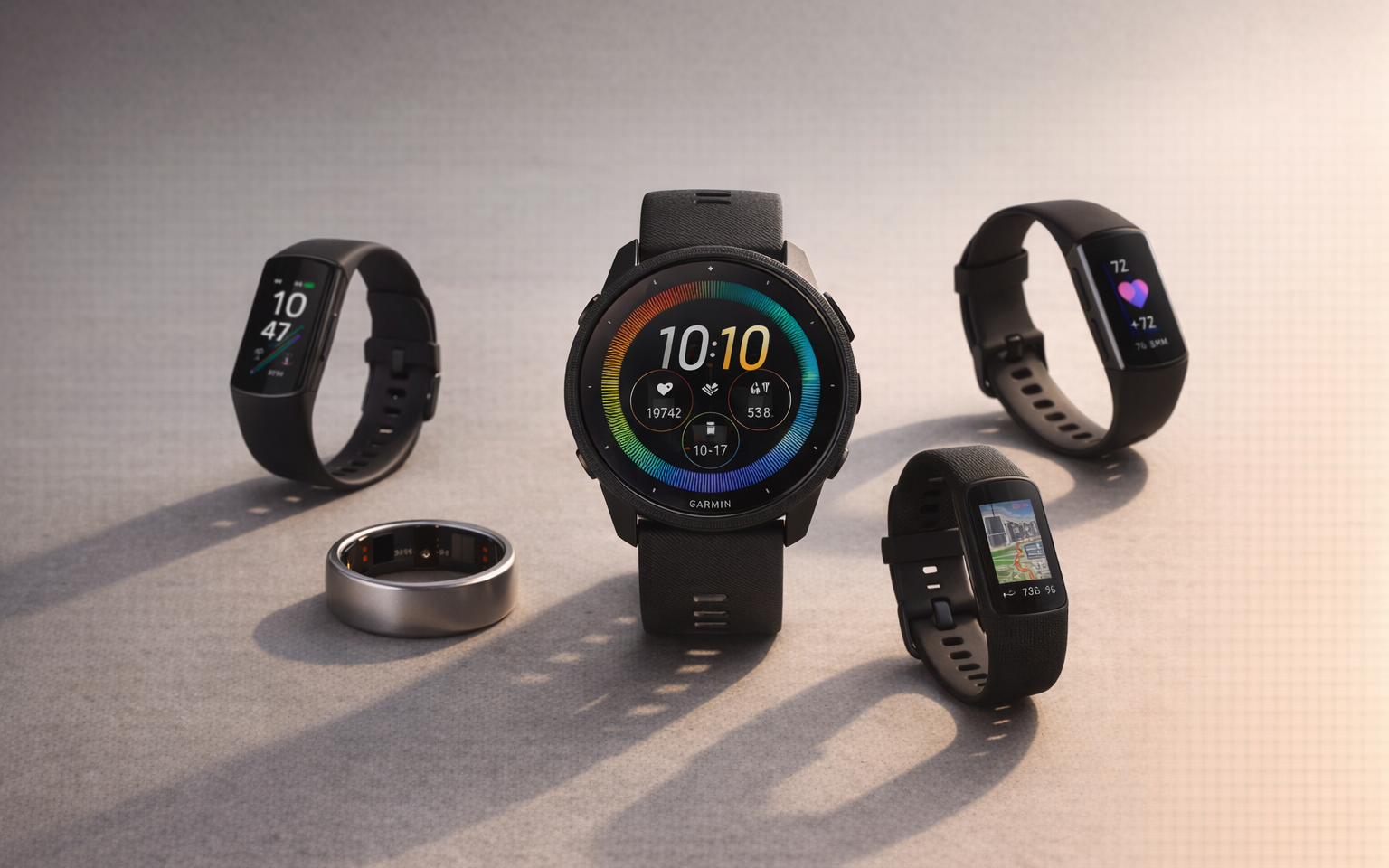
The good news is that the wearable landscape has caught up. Garmin's Body Battery and Training Readiness scores rival Whoop's recovery metrics. Polar's Recovery Pro system uses orthostatic testing for genuinely scientific recovery guidance. Smart rings from Oura and Ultrahuman deliver 24/7 tracking in a form factor even smaller than Whoop's strap. The Garmin Vivoactive 6 is the strongest all-around option – here are seven alternatives spanning watches, bands, and rings from $160 to $449.
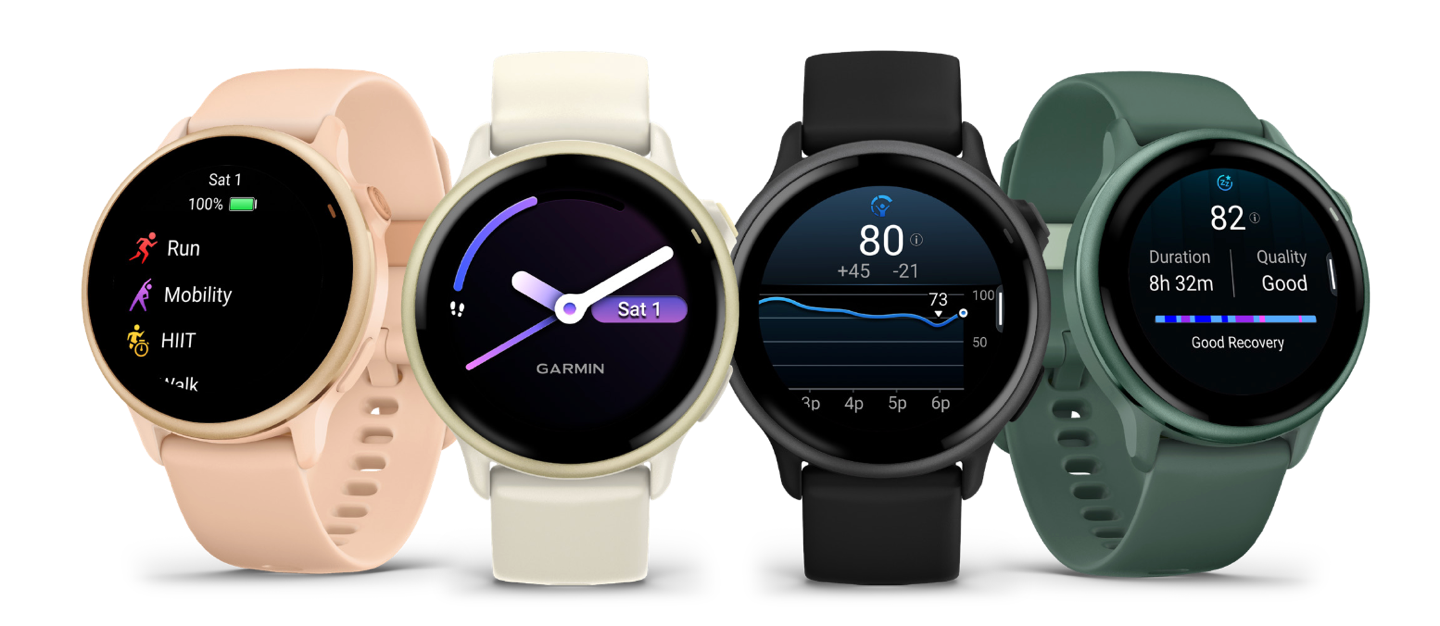
Garmin Vivoactive 6: Best Overall Alternative
Price: $299.99 – no subscription
The Garmin Vivoactive 6 hits the sweet spot between health tracking depth and everyday smartwatch functionality. Body Battery energy monitoring draws from HRV, stress, sleep quality, and activity data to produce a recovery score that's genuinely comparable to Whoop's recovery percentage – and it updates throughout the day as you rest, move, or deal with stress.
Sleep tracking is thorough. The built-in Sleep Coach assigns a nightly sleep score, tracks sleep stages, logs naps, and monitors HRV status and Pulse Ox overnight. The smart wake alarm uses sleep stage data to vibrate you awake at the optimal moment within a 30-minute window. For anyone coming from Whoop's sleep analytics, the transition feels natural.
Where the Vivoactive 6 pulls ahead of Whoop is everything else it does. Built-in GPS, 80-plus sport profiles, offline Spotify playback, Garmin Pay for contactless payments, and up to 11 days of battery life from an AMOLED display. The main caveat: Garmin's strain tracking doesn't use Whoop's proprietary algorithm, so the numbers won't map one-to-one if you're switching mid-training cycle.
Key specs: - Battery life: Up to 11 days (smartwatch mode) - Sensors: Optical HR, Pulse Ox, HRV, stress, temperature - Water resistance: 5 ATM (50 meters) - GPS: Built-in (GPS, GLONASS, Galileo) - Subscription: None

Garmin Forerunner 265: Best for Runners and Athletes
Price: $449.99 MSRP / ~$299–$329 street – no subscription
For runners who want Whoop-level recovery data alongside proper training tools, the Forerunner 265 is the pick. It offers HRV Status tracking that builds a personal baseline over time, Training Readiness scores that factor in sleep, recovery, and training load, and real-time recovery time estimates that update throughout the day based on what you're doing.
Training Load Focus breaks your workload into anaerobic and aerobic components, giving you a more nuanced picture than Whoop's single strain number. Pair that with VO2 max estimates, race predictor, and daily suggested workouts that adapt to your current fitness and recovery state, and you have a device that doesn't just tell you how recovered you are – it tells you exactly what to do with that information.
The AMOLED display is sharp and responsive, GPS accuracy is excellent for pace-sensitive runners, and the 13-day battery life in smartwatch mode means you rarely think about charging. The tradeoff versus Whoop is size: this is a full-sized running watch, not a discreet strap. If you're training seriously, that's a feature, not a bug.
Key specs: - Battery life: Up to 13 days (smartwatch mode); 20 hours (GPS mode) - Sensors: Optical HR, Pulse Ox, HRV, barometric altimeter - Water resistance: 5 ATM (50 meters) - GPS: Built-in (multi-band) - Subscription: None
Oura Ring 4: Best for Sleep Tracking
Price: $349 + $5.99/month membership
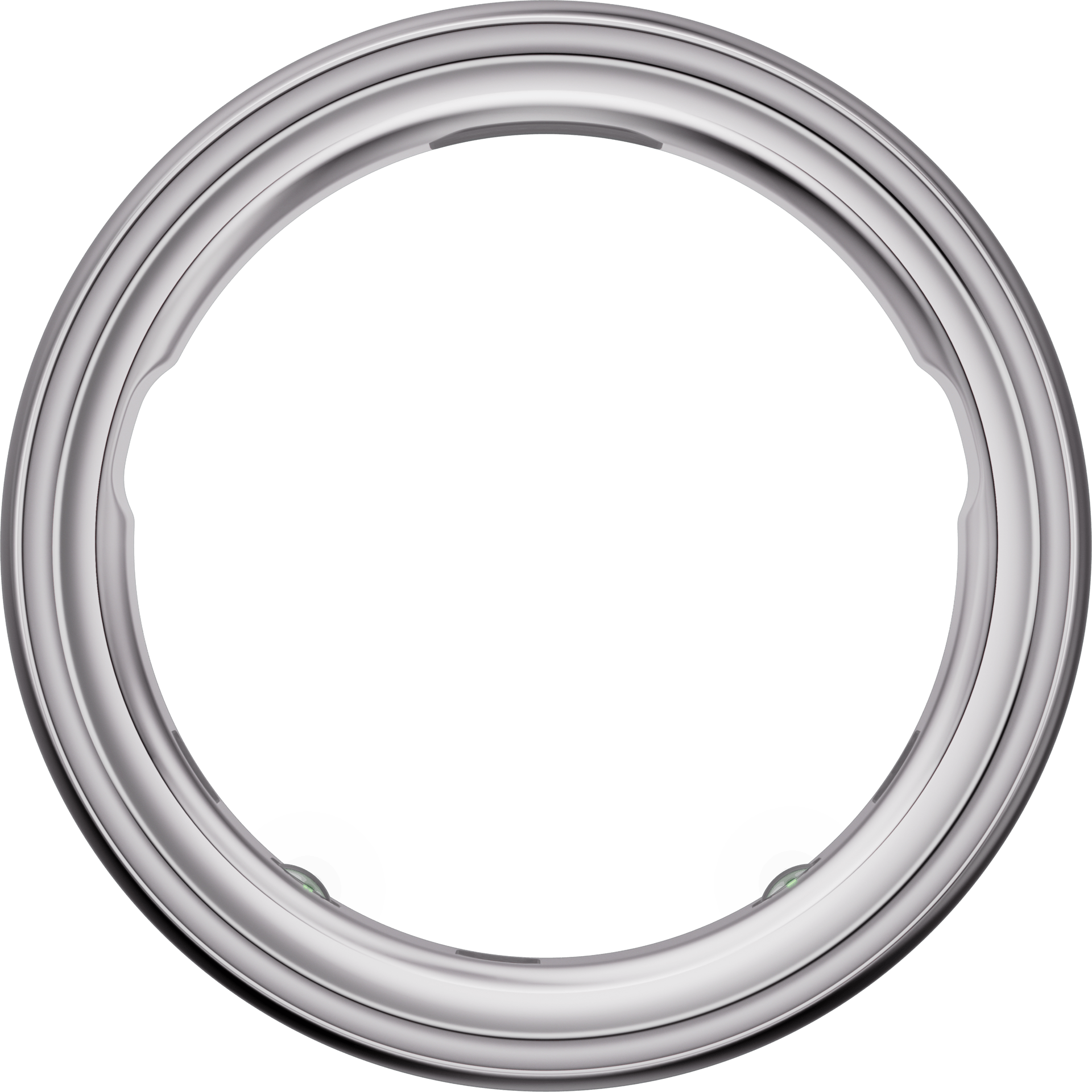
The Oura Ring 4 is the closest thing to Whoop's philosophy in a completely different form factor. It's a titanium ring – no screen, no buttons – that tracks sleep stages, HRV trends, resting heart rate, body temperature, and blood oxygen around the clock. The daily Readiness Score draws from overnight recovery data to tell you whether to push hard or take it easy, much like Whoop's recovery percentage.
Where Oura excels is sleep. The ring's sleep staging accuracy is among the best in consumer wearables, and the app presents sleep data with a level of detail that matches or exceeds Whoop's sleep performance metrics. Temperature trending is particularly useful for spotting early signs of illness or overtraining before symptoms appear.
The asterisk is the subscription. At $5.99 per month ($69.99 annually), Oura's membership is far cheaper than Whoop's, but it's still an ongoing cost for full feature access. Without it, you lose access to detailed insights and historical trends. The ring also lacks GPS entirely, so it's a companion to your training watch rather than a replacement.
Key specs: - Battery life: Up to 8 days - Sensors: Optical HR, HRV, temperature, SpO2 - Water resistance: 100 meters - GPS: None - Subscription: $69.99/year ($5.99/month billed monthly)
Ultrahuman Ring Air: Best Ring Alternative (No Subscription)
Price: $350 – no subscription
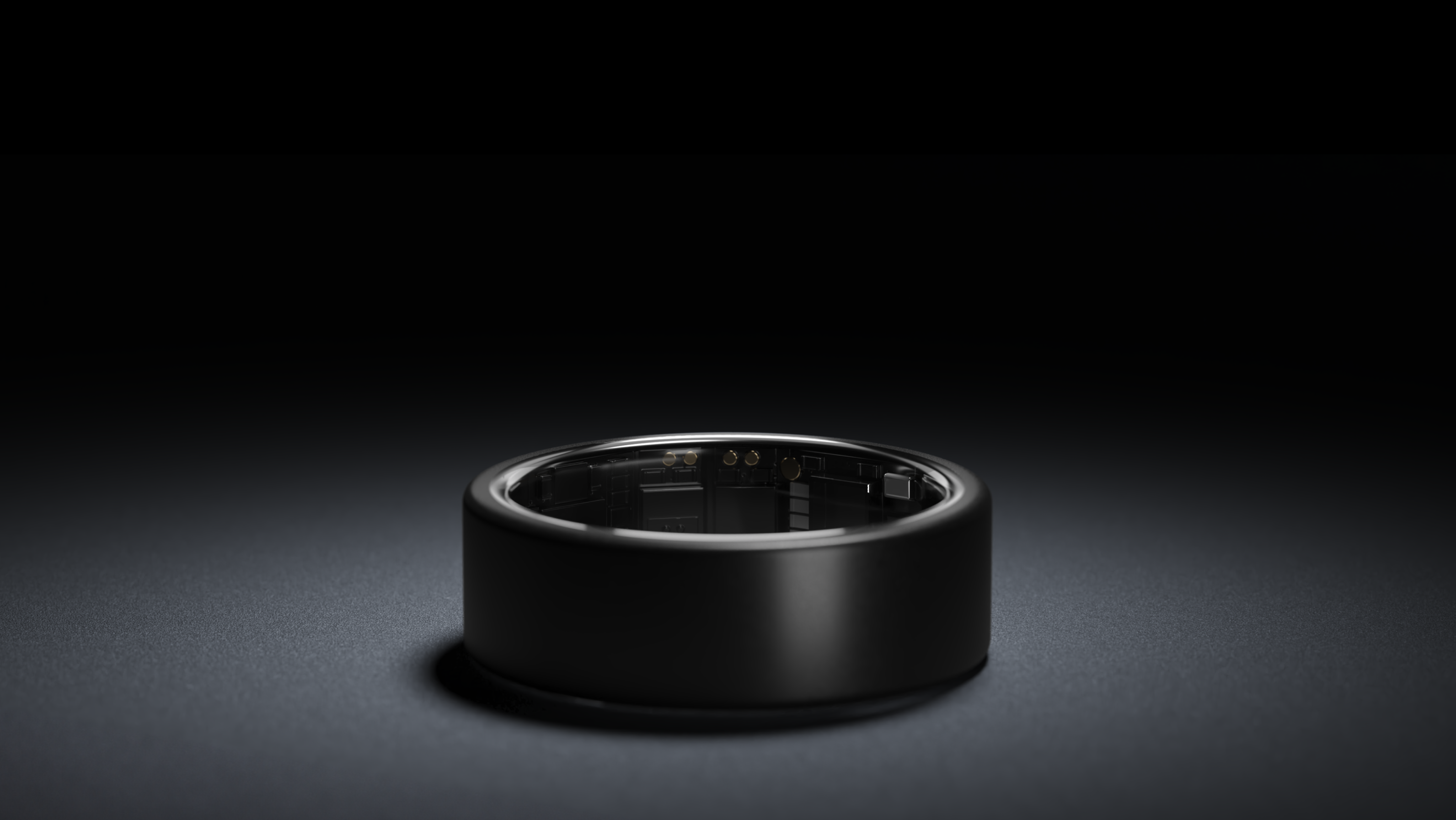
If the Oura Ring's subscription gives you flashbacks to Whoop's membership model, the Ultrahuman Ring Air offers a compelling counterargument. It's a smart ring with no monthly fee – ever. All recovery data, sleep metrics, HRV trends, and movement insights are available from day one with no paywall.
The ring generates a daily Movement Index and Recovery Score that update dynamically throughout the day based on your lifestyle choices and recovery behaviors. Sleep tracking covers the essentials: time asleep, sleep efficiency, resting heart rate, and HRV. The Ultrahuman app also pulls in metabolic health data if you pair the ring with their continuous glucose monitor, creating an integrated picture of recovery and fueling.
The tradeoff compared to Oura is depth. Oura's sleep staging and long-term trend analysis are more granular. But for anyone who left Whoop specifically because of the subscription model, paying $350 once for a recovery-focused ring with zero ongoing costs is exactly the point.
Key specs: - Battery life: Up to 6 days - Sensors: Optical HR, HRV, skin temperature, SpO2 - Water resistance: 100 meters - GPS: None - Subscription: None

Fitbit Charge 6: Best Budget Alternative
Price: $159.95 – optional Fitbit Premium ($9.99/month)
The Fitbit Charge 6 does a surprising amount of Whoop's job at a fraction of Whoop's multi-year cost – paid once. The Daily Readiness Score evaluates your HRV, recent sleep patterns, and resting heart rate to determine whether you're primed for intensity or should back off. It's not as sophisticated as Whoop's recovery algorithm, but it captures the core idea.
Built-in GPS, continuous heart rate monitoring, SpO2, an ECG app, and EDA stress tracking round out the sensor suite. Sleep tracking provides a sleep score with stage breakdowns, and the seven-day battery life means you can wear it around the clock without constant charging. The slim band form factor is the closest thing to Whoop's strap design in this price range.
The caveat: the Readiness Score and some deeper health insights require Fitbit Premium at $9.99 per month. Without it, you still get solid activity and sleep tracking, but you lose the recovery-focused features that make this a Whoop alternative specifically. Even with Premium, though, the total annual cost is well under a Whoop membership.
Key specs: - Battery life: Up to 7 days - Sensors: Optical HR, ECG, EDA, SpO2, skin temperature - Water resistance: 5 ATM (50 meters) - GPS: Built-in - Subscription: Optional Fitbit Premium ($9.99/month)

Apple Watch Series 11: Best for Apple Users
Price: $399 – no subscription for health features
The Apple Watch Series 11 has quietly become a legitimate recovery tracking tool. Training Load monitoring evaluates the strain of your workouts over time, Cardio Recovery metrics track how quickly your heart rate drops post-exercise, and the overnight health summary surfaces resting heart rate, respiratory rate, wrist temperature, and HRV in a single morning glance. With watchOS updates, a new Sleep Score feature brings Apple closer to Whoop's sleep analytics than ever.
For iPhone users, the integration advantage is undeniable. Health data flows seamlessly into the Apple Health ecosystem, Apple Fitness+ delivers guided coaching and AI-powered workout suggestions on the watch, and the device handles calls, messages, Apple Pay, and music without reaching for your phone. No other device on this list matches the breadth of the Apple Watch's non-fitness capabilities.
The main weakness as a Whoop alternative is battery life. You'll charge daily, which means overnight sleep tracking requires planning – charge before bed, wear it all night, charge again in the morning. It's manageable but far from Whoop's multi-day wear cycle. The $399 entry price is also higher than several alternatives here, though there's no subscription for core health features.
Key specs: - Battery life: Up to 24 hours (38 hours in Low Power Mode) - Sensors: Optical HR, ECG, SpO2, skin temperature - Water resistance: 50 meters (WR50) - GPS: Built-in (L1 + L5, dual-frequency) - Subscription: None for health features; Apple Fitness+ optional ($9.99/month)
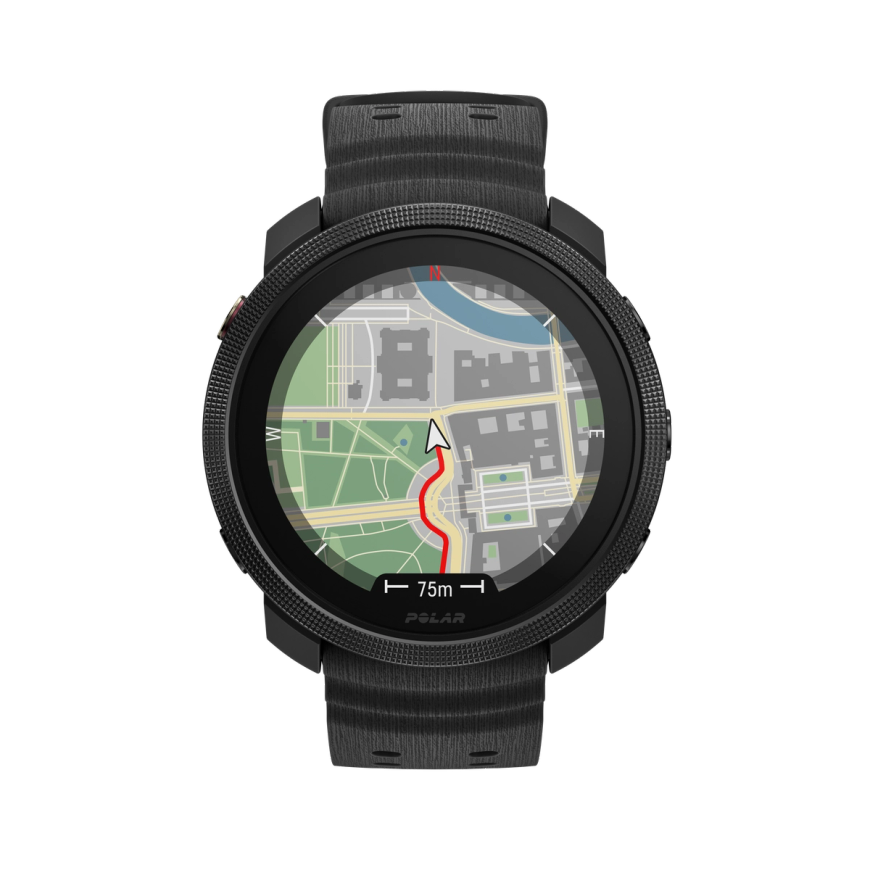
Polar Vantage M3: Best for Recovery Science
Price: $399 – no subscription
Polar takes a more clinical approach to recovery than any other brand on this list, and the Vantage M3 is where that philosophy lands at a mid-range price. Recovery Pro uses an orthostatic test – a structured measurement of your heart rate and HRV while lying down and standing up – to assess your autonomic nervous system's readiness for training. It's the closest thing to a lab-grade recovery assessment you'll find on your wrist.
Training Load Pro splits your workload into cardio load, muscle load, and perceived load, giving you a three-dimensional view of strain that goes beyond Whoop's single number. FitSpark daily training suggestions adapt in real time based on your recovery status, training history, and fitness level. For endurance athletes who want data-driven recovery guidance rooted in sports science, Polar's ecosystem is hard to beat.
The app experience is functional but not as polished as Garmin's or Apple's. The watch itself is durable and GPS-capable with strong battery life, but it lacks the smartwatch conveniences – music storage, contactless payments – that some competitors offer. This is a tool for athletes who care about the data above all else.
Key specs: - Battery life: Up to 7 days (smartwatch mode); 30 hours (GPS mode) - Sensors: Optical HR, HRV (orthostatic test), barometric altimeter, compass - Water resistance: 50 meters (WR50) - GPS: Built-in (multi-band) - Subscription: None
How We Chose
Every device on this list earned its spot by meeting a core set of criteria directly relevant to Whoop users considering a switch:
- Recovery and readiness tracking: The device must offer a daily recovery or readiness score derived from HRV, sleep quality, and resting heart rate – the same foundational metrics Whoop uses.
- Sleep analytics: Detailed sleep stage tracking with overnight HRV and heart rate data, not just a basic "hours slept" readout.
- Value proposition: Total cost of ownership over two years, factoring in device price and any subscription fees, compared against Whoop's membership model.
- Build quality and comfort: 24/7 wearability is essential for recovery tracking. The device needs to be comfortable enough for sleep and durable enough for training.
- App experience: Recovery data is only useful if the app presents it clearly and provides actionable guidance. Data depth without usability doesn't count.
This list covers the full range of wearable form factors and budgets – watches, bands, and rings – because Whoop users don't all want the same solution.
Who Should Buy What
You're a Whoop user who just wants off the subscription treadmill: The Garmin Vivoactive 6 gives you comparable recovery data, a screen, GPS, and music for a one-time $299.99.
You're a competitive runner or triathlete: The Garmin Forerunner 265 or Polar Vantage M3 will give you deeper training analytics than Whoop ever could, plus proper GPS and race-day features.
Sleep quality is your primary concern: The Oura Ring 4 offers the most granular sleep analytics on this list, with temperature trending that catches illness early.
You want something as discreet as Whoop but smaller: The Ultrahuman Ring Air is a screen-free, subscription-free ring that tracks recovery and sleep without anyone knowing you're wearing a health device.
You're on a budget: The Fitbit Charge 6 at $159.95 delivers daily readiness scores and solid sleep tracking in a slim band. Even adding Fitbit Premium keeps you well under Whoop's annual cost.
You're deep in the Apple ecosystem: The Apple Watch Series 11 now tracks training load and recovery markers alongside everything else it does. One device for everything, no wearable subscription required.
What to Avoid
Cheap no-name fitness bands claiming "Whoop-like" recovery analytics. Recovery tracking depends on high-quality optical heart rate sensors and validated algorithms. A $30 band from an unknown brand might show you a "recovery score," but the underlying data is unreliable. Inaccurate HRV readings lead to meaningless recovery recommendations – or worse, they tell you to push hard on a day your body actually needs rest.
Devices that lock all health data behind a mandatory subscription. The whole point of seeking a Whoop alternative is often to escape the subscription model. Before buying, verify which features require a paid tier. Some devices advertise recovery tracking but gate the actual readiness score or HRV trends behind a premium membership, recreating the exact problem you're trying to solve.
The Bottom Line
For most people leaving Whoop, the Garmin Vivoactive 6 is the answer – comparable recovery data, a proper screen, GPS, and no subscription for $299.99. But the right choice depends on whether you prioritize training depth (Forerunner 265 or Polar Vantage M3), sleep science (Oura Ring 4), form factor (Ultrahuman Ring Air), or simply spending less (Fitbit Charge 6). Every device on this list delivers the core recovery and sleep insights that made Whoop compelling in the first place – without the recurring fee.
Prices reflect MSRP as of March 2026. Street prices may vary – the Garmin Forerunner 265 in particular is widely available below MSRP following the launch of the Forerunner 570.