
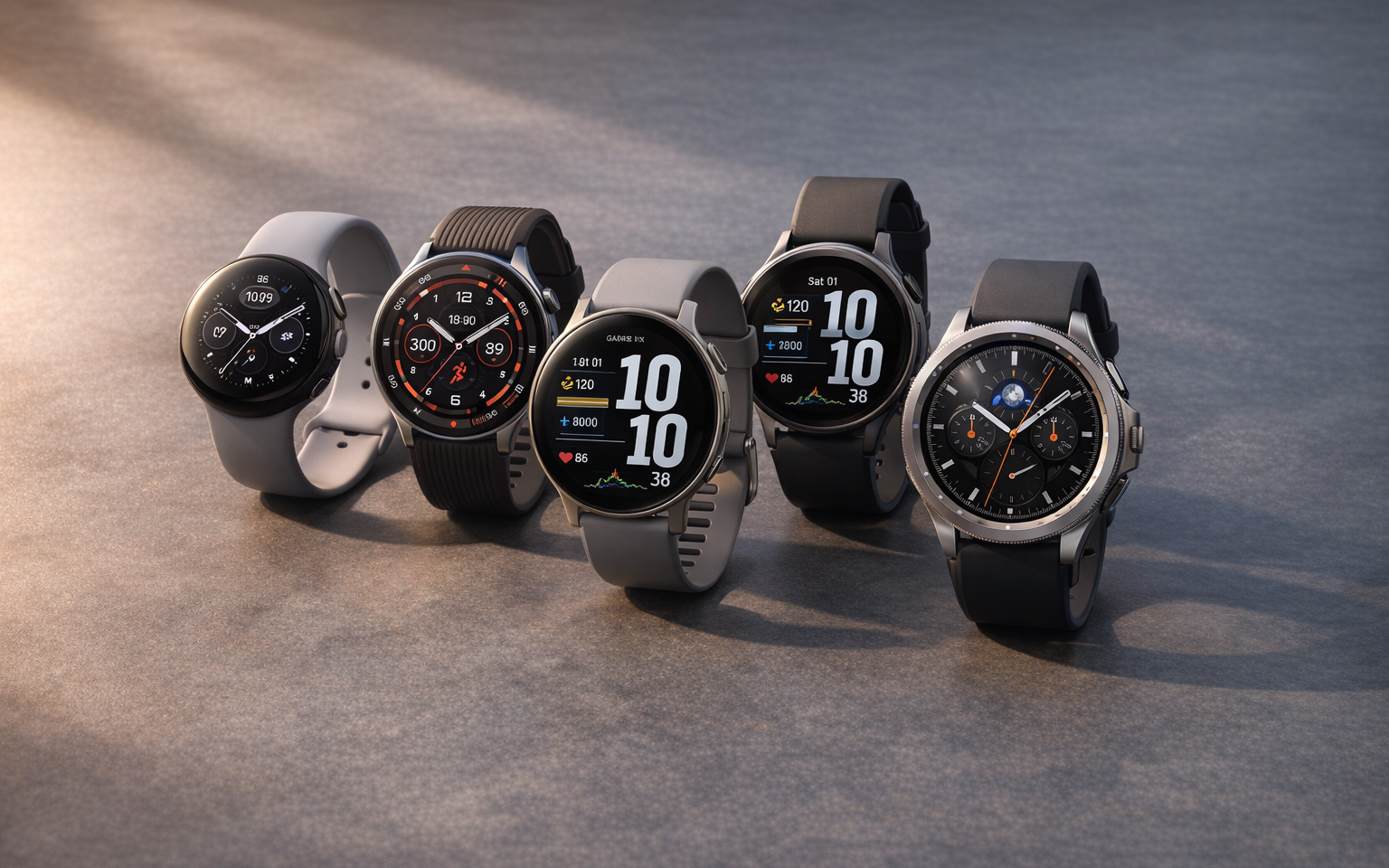
Android smartwatch shopping in 2026 is a choose-your-own-adventure with real consequences. Three distinct platforms – Wear OS (Google, Samsung, OnePlus), Zepp OS (Amazfit), and Garmin Connect – each deliver genuinely different experiences, and picking the wrong one means living with tradeoffs you didn't sign up for. Wear OS gives you Google apps and Gemini AI but demands nightly charging. Zepp OS stretches battery life to three weeks but locks you out of the Play Store entirely. Garmin delivers the deepest fitness analytics money can buy but treats "smart" features as an afterthought. Our top pick, the Google Pixel Watch 4, threads the needle for most buyers – it works brilliantly with any Android phone, not just Pixels.
But "best overall" isn't best for everyone, which is exactly why this guide exists. The right choice depends on what you're willing to trade away.
Top Picks
Google Pixel Watch 4 – Best Overall
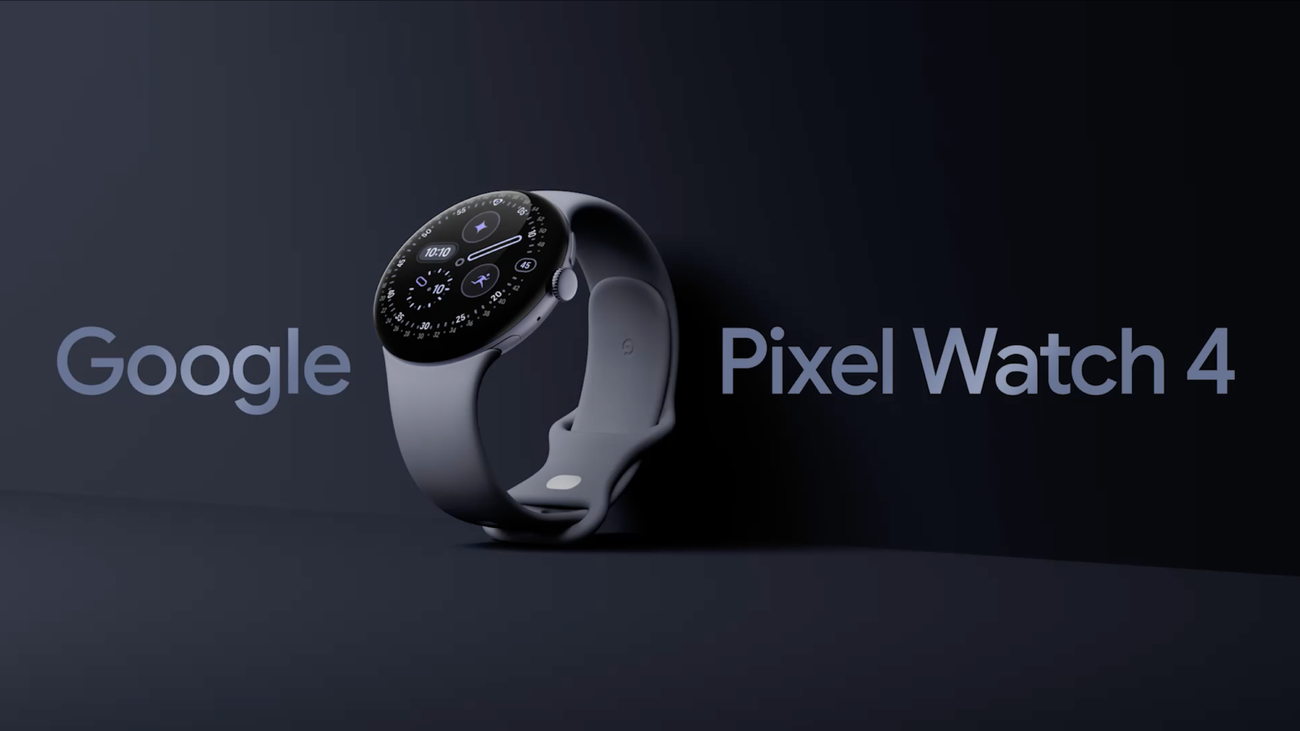
Price: $349 (41mm) / $399 (45mm) | Platform: Wear OS 6 | Battery: Up to 40 hours (45mm)
The Pixel Watch 4 is the smartwatch Wear OS always promised but never quite delivered until now. It pairs equally well with a Samsung Galaxy, a Pixel, or a OnePlus – no asterisks, no feature gatekeeping. That alone makes it the default recommendation for most Android users.
The 45mm model hits 40 hours of battery life, which finally puts the nightly-charging anxiety to rest for most people. The display peaks at 3,000 nits, making it the brightest in this guide and genuinely readable in direct sunlight. Gemini AI integration through Raise to Talk is useful in ways that feel natural rather than gimmicky – quick timers, message replies, and contextual reminders work without fumbling through menus. LTE models add satellite SOS, a feature that could genuinely matter if you hike or run in remote areas.
Google also made this the most repairable smartwatch on the market, with a screw-based design and iFixit partnership that signals a commitment to longevity the wearable industry desperately needs.
The catch: The 41mm model only manages about 30 hours, which is tight. There's no rotating bezel or physical crown – it's all touchscreen and a single button. And if you're deep in the Samsung ecosystem, the Galaxy Watch 8 Classic unlocks features the Pixel Watch simply can't match.
OnePlus Watch 3 – Best Battery Life
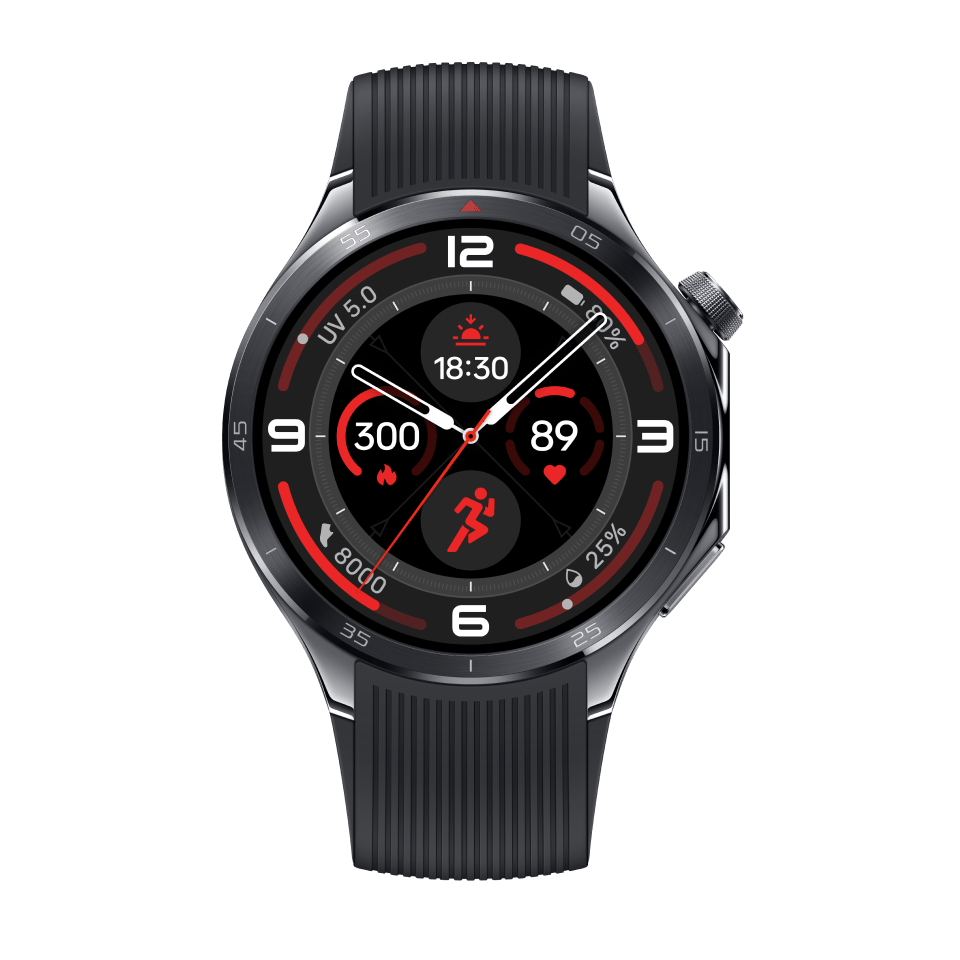
Price: $349.99 (46mm) / $299.99 (43mm) | Platform: Wear OS 5 | Battery: Up to 5 days
Five days of battery life on a Wear OS watch. That's not a typo, and it's not achieved by gutting functionality. The OnePlus Watch 3 uses a dual-processor architecture – a Snapdragon W5 Gen 1 for heavy lifting and a BES2800 co-processor for passive monitoring – that fundamentally changes the charging equation. When you do need to plug in, 10 minutes of VOOC fast charging delivers 24 hours of use.
Build quality on the 46mm punches well above the price point: titanium bezel, sapphire crystal, and a large 1.5-inch display at 2,200 nits. (The 43mm uses stainless steel and curved glass with a 1,000-nit display.) At sale prices under $300, nothing else in the Wear OS ecosystem comes close on value-per-feature.
The catch: The flagship 46mm model is too large for wrists under about 160mm in circumference, though a 43mm option is now available for smaller wrists. There's no LTE option and no satellite SOS. It's still running Wear OS 5, though the Wear OS 6 update is confirmed for 2026. ECG availability depends on your region and is not available in the US.
Amazfit Balance 2 – Best Value
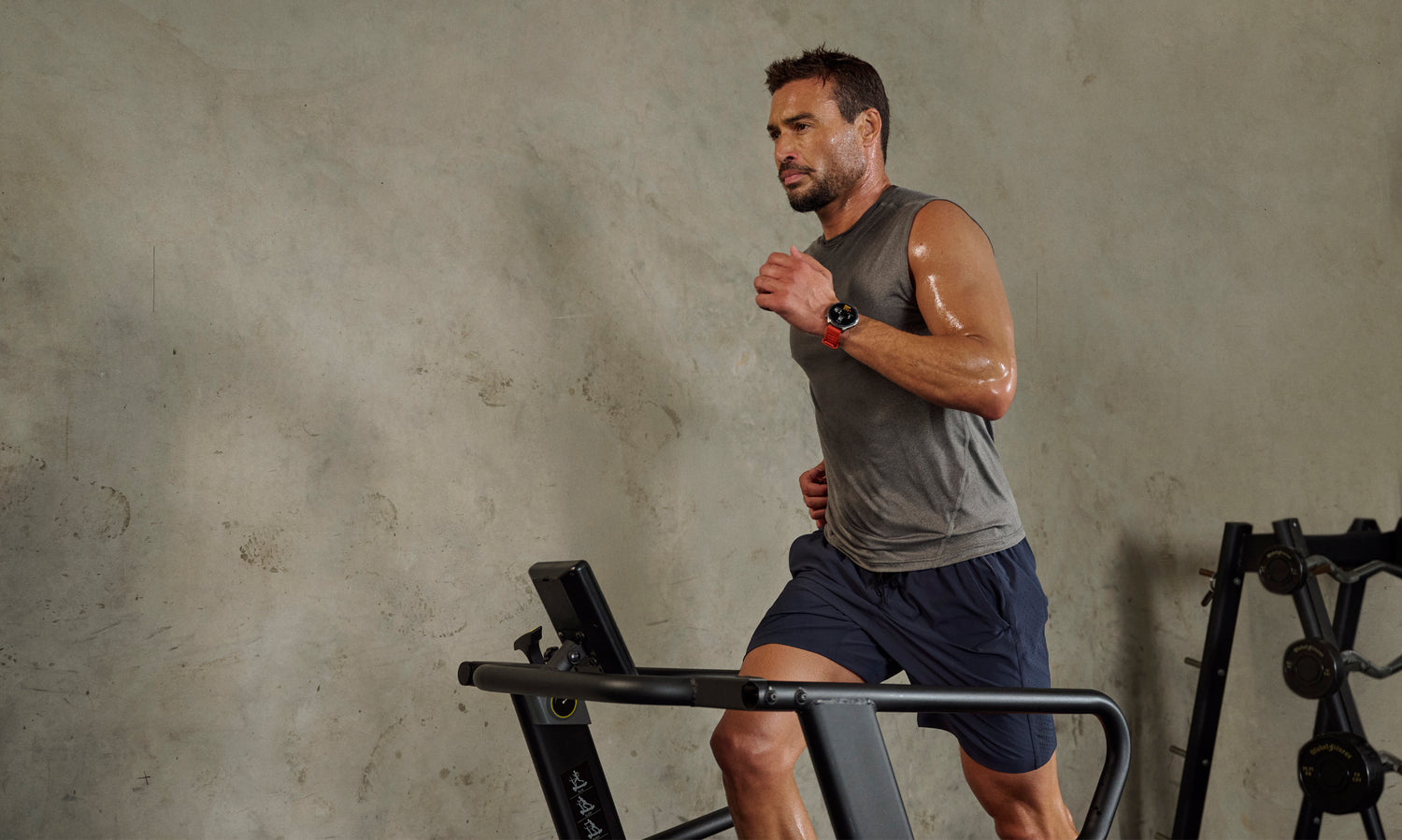
Price: $299.99 (often discounted to ~$240) | Platform: Zepp OS 5 | Battery: Up to 21 days
The Amazfit Balance 2 is the watch that makes you question what you're actually paying for with the premium options. At a frequently discounted price around $240, it delivers 21-day battery life, a sapphire crystal display, 10 ATM water resistance (that's 100 meters – the best depth rating in this entire guide), dual-band GPS, and 170+ sport modes with offline maps and turn-by-turn navigation. The BioTracker 6.0 sensor suite handles heart rate, SpO2, and stress monitoring without any subscription fees. Ever.
For fitness tracking and outdoor activity, the Balance 2 competes with watches costing twice as much. The gap only shows when you reach for smart features.
The catch: This is an outstanding fitness tracker with so-so smart features. Zepp OS has no Google Play Store, no Gemini, no Spotify streaming, and no meaningful third-party app ecosystem. Notifications come through and basic replies work, but that's about it. If you're buying a smartwatch primarily for apps and phone integration, look elsewhere. If you want a fitness-first wearable that also tells time and shows notifications, the Balance 2 is extraordinary.
Garmin Venu 4 – Best for Fitness Enthusiasts
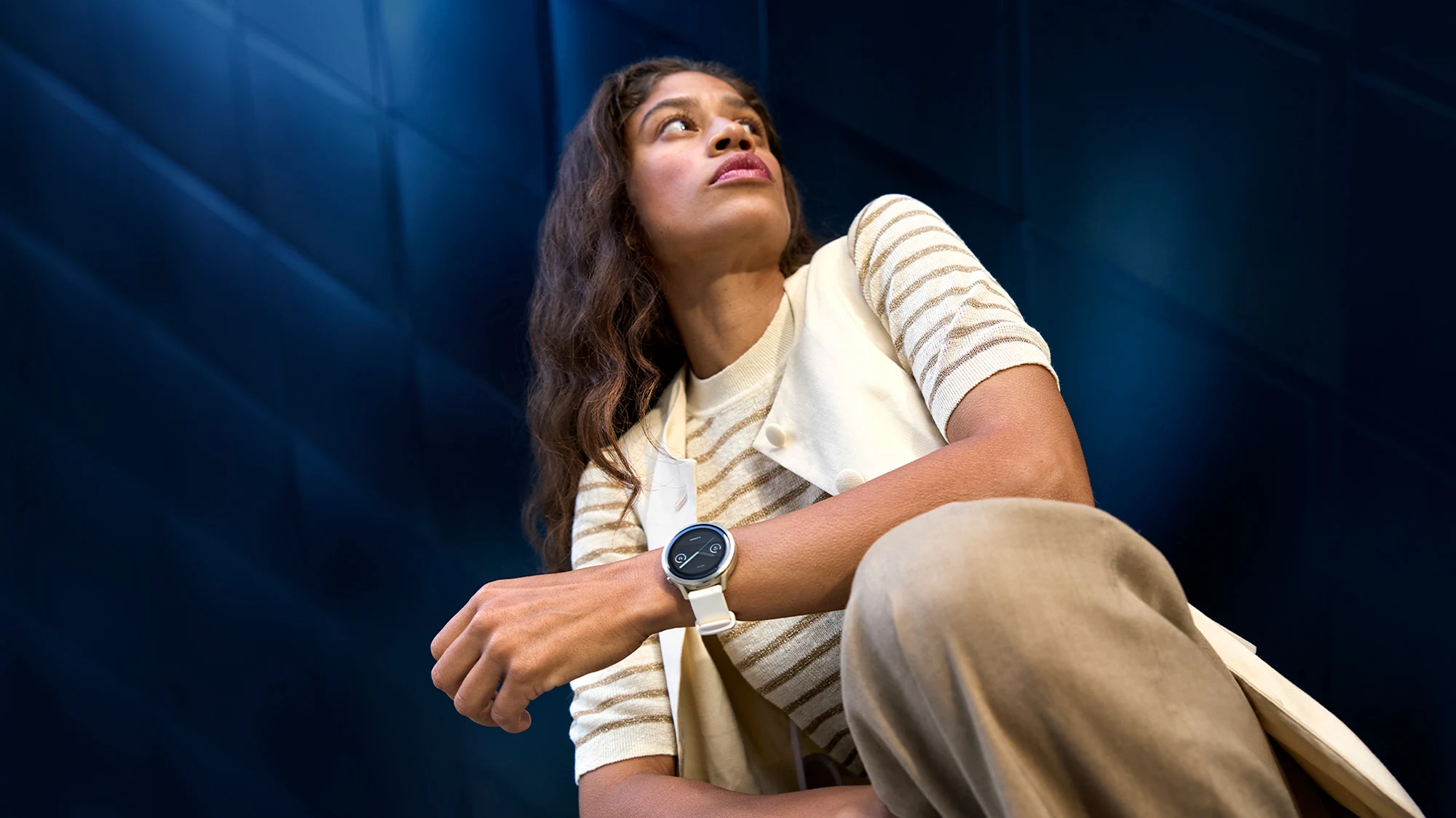
Price: $549.99 | Platform: Garmin Connect | Battery: Up to 12 days (up to 5 with AOD)
The Venu 4 is for the person who considers their watch a training tool first and everything else second. Garmin's fitness analytics remain the gold standard: Training Readiness, Training Status, Body Battery, and HRV Status work together to paint the most complete picture of your physical state available on any consumer wearable. The Elevate Gen 5 sensor adds ECG capability, and the watch delivers up to 19 hours of continuous GPS tracking – enough for an ultramarathon.
The stainless steel case and built-in LED flashlight are practical touches that reinforce Garmin's focus on durability and outdoor utility. Garmin Pay and offline Spotify handle the basics without a phone.
The catch: At $550, this is the most expensive watch on this list, and that premium buys you fitness depth, not smart features. There's no LTE, no Google app store, and notification handling is functional but basic. The Venu 4 is unbeatable at what it does – but what it does is deliberately narrow.
Samsung Galaxy Watch 8 Classic – Best for Samsung Users

Price: $499.99 (often $260–399 on sale) | Platform: Wear OS 6 + One UI 8 Watch | Battery: ~30 hours with AOD
The rotating bezel remains the single best physical input method on any smartwatch. Scrolling through notifications, adjusting volume, navigating menus – it's faster and more satisfying than any touchscreen gesture or digital crown. That alone justifies the Classic for anyone who values tactile interaction.
Paired with a Samsung Galaxy phone, the health suite is unmatched in Wear OS: ECG, blood pressure monitoring (with cuff calibration, available in select markets), body composition analysis via BIA, and sleep apnea detection. The 3nm Exynos W1000 processor keeps everything fluid, 64GB of storage is double most competitors, and the sapphire crystal over a stainless steel case means this watch is built to last. Read our full Galaxy Watch 8 Classic review for detailed testing results.
The catch: Battery life is the weakest here – roughly 30 hours with always-on display is below average for a watch at this price. It only comes in 46mm. The proprietary Dynamic Lug band system limits strap choices. Blood pressure monitoring requires recalibrating with a traditional cuff every 28 days. And the best health features – blood pressure, body composition, sleep apnea – require a Samsung Galaxy phone. With a Pixel or OnePlus, you're paying for capabilities you can't fully use.
Samsung Galaxy Watch 8 – Best Budget Wear OS
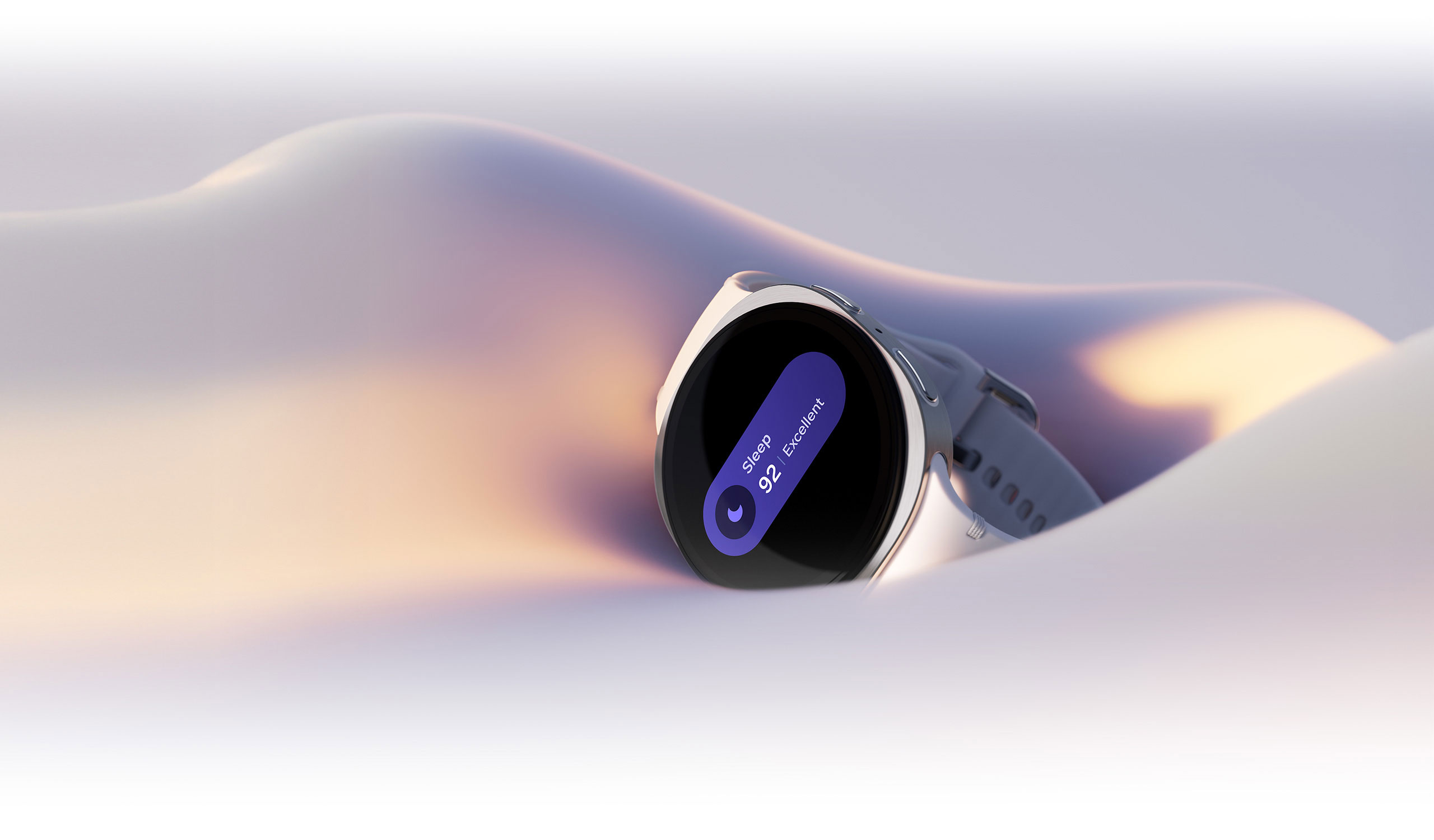
Price: $349.99 MSRP (40mm; frequently $160–260 on sale) | Platform: Wear OS 6 + One UI 8 Watch | Battery: ~30 hours with AOD
The standard Galaxy Watch 8 exists on this list for one reason: sale pricing. At $160–260 during frequent promotions, it's the cheapest entry point into Wear OS 6 – running the same 3nm Exynos W1000 processor and the same BioActive sensor suite (ECG, SpO2, body composition) as its Classic sibling. The 3,000-nit display matches the Pixel Watch 4, and at just 8.6mm thick and 34 grams (44mm model), it's one of the lightest Wear OS watches available.
The catch: At full MSRP of $349.99, the Pixel Watch 4 and OnePlus Watch 3 are both better buys. The value proposition here is entirely dependent on finding a deal. Battery life mirrors the Classic's mediocre 30 hours with AOD. No rotating bezel, and the same proprietary Dynamic Lug bands limit your strap options.
How We Chose
We evaluated Android smartwatches across six criteria that matter most in daily use:
- Ecosystem compatibility: Does it work well with any Android phone, or does it favor one brand? We note Samsung-only benefits explicitly.
- Battery life (real-world): Marketing claims get ignored. We compared realistic usage scenarios – always-on display, GPS workouts, notifications active.
- Health and fitness features: Sensor quality, data accuracy, and whether the insights are actually actionable. Having 170 sport modes means nothing if the heart rate sensor can't keep up during intervals.
- Build quality: Materials, water resistance ratings, and overall durability. Sapphire crystal and titanium get weighted over Gorilla Glass and aluminum.
- Value: Not just price, but what you get per dollar compared to every alternative at that tier. Street pricing matters more than MSRP.
- Software update commitment: A confirmed update timeline signals the watch won't be abandoned in 18 months.
Who Should Buy What
You want the best all-around experience with any Android phone: Google Pixel Watch 4 (45mm, $399). It's the safest, most versatile choice.
You refuse to charge a smartwatch every night: OnePlus Watch 3 ($300–350). Five days on Wear OS changes how you think about a smartwatch.
You want maximum value and prioritize fitness: Amazfit Balance 2 (under $300). Twenty-one days of battery and no subscription fees is hard to argue with.
You train seriously and want the deepest fitness data: Garmin Venu 4 ($550). Nothing else touches Garmin's training analytics.
You own a Samsung Galaxy phone and want the full ecosystem: Samsung Galaxy Watch 8 Classic ($260–399 street). The rotating bezel and Samsung-exclusive health features make it the obvious choice.
You want Wear OS on a tight budget: Samsung Galaxy Watch 8 ($160–260 on sale) – but only at sale pricing. Check for deals before buying at MSRP. For more options at this price point, see our best budget smartwatches guide.
What To Avoid
Cheap Wear OS watches from disappearing brands. Mobvoi has pulled TicWatches from sale, and other small players are exiting the market. A $150 Wear OS watch from a brand with no update commitment is $150 wasted within a year.
Waiting for the next generation. The Galaxy Watch 9 and Pixel Watch 5 are expected in late 2026. The current lineup is excellent, prices are dropping, and six months of use beats six months of waiting for incremental improvements.
Sub-$100 "smartwatches" with health claims. Any device under $100 promising ECG, blood oxygen, or blood pressure monitoring without regulatory certification is selling fiction. The sensors in budget devices lack the validation to produce medically meaningful data – and misleading health readings are worse than no readings at all.