
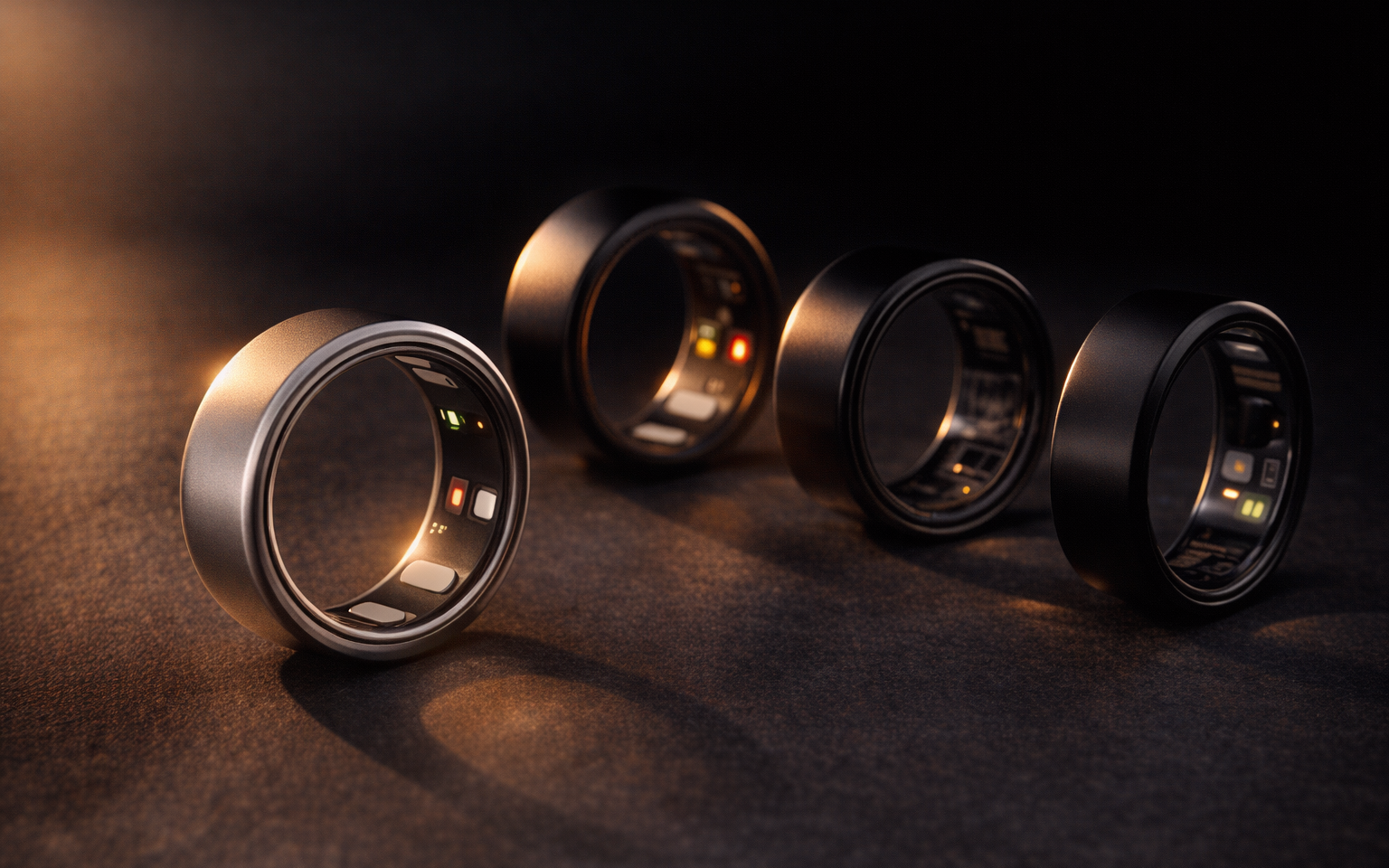
Smart rings are the most polarizing category in wearable tech. They do fewer things than a smartwatch, cost just as much, and the best one charges you a monthly fee on top of an already steep price tag. So why is this one of the fastest-growing wearable categories? Because smart rings solve the one problem smartwatches cannot: they disappear. No screen lighting up during dinner. No bulk under a dress shirt cuff. No charging every night. A titanium band that tracks your sleep, recovery, and health metrics while looking like jewelry you chose to wear – that proposition resonates with a lot of people.
The two tradeoffs that define every smart ring purchase are subscription versus no subscription and tracking accuracy versus everything else. The Oura Ring 4 dominates sleep and recovery tracking but locks all meaningful data behind a $5.99/month paywall. Subscription-free alternatives from Samsung and RingConn have closed the gap significantly, but none have matched Oura's sensor accuracy. The second consideration is ecosystem: Samsung's ring only works with Android, while most competitors support both platforms. Choosing wrong means returning the ring and starting over.
Here are the four smart rings worth buying in 2026 – and three you should avoid entirely.
Our Top Picks
Oura Ring 4 – Best Overall
$349 + $5.99/month subscription
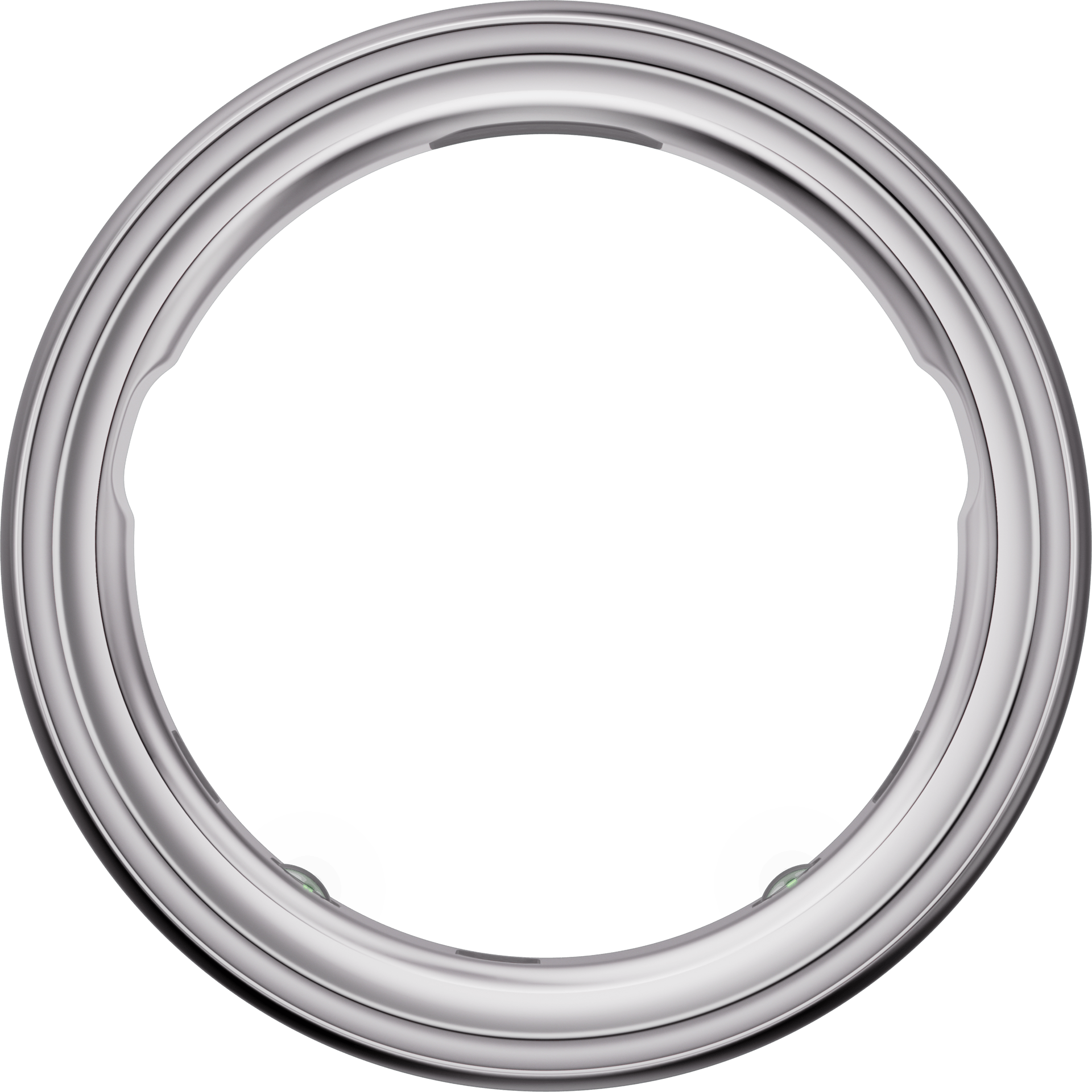
The Oura Ring 4 is the gold standard for a reason. The 18-path sensor array delivers sleep staging accuracy within 5% of clinical polysomnography – better than the Apple Watch, better than any wrist-worn tracker, and meaningfully better than every competing smart ring. The catch: without the $5.99/month Oura Membership, it becomes a $349 paperweight that shows you three basic metrics. That subscription is the price of admission to the best sleep data available in a ring.
Temperature tracking is precise enough to predict menstrual cycles days in advance. HRV, respiratory rate, and resting heart rate measurements are consistently reliable night after night. The hardware is beautiful – titanium construction in multiple finishes, sizes 4 through 15 (the widest range available), 100-meter water resistance, and a real-world battery life of 5 to 6 days. At 3.3 to 5.2 grams depending on size, it disappears on your finger. The app is polished and actionable – the Readiness Score gives you a single number each morning that genuinely reflects how your body recovered overnight. Over two years, total cost of ownership hits $493. Over three years, $565. That recurring cost is hard to stomach when competitors offer lifetime access for less upfront. The other weakness: workout heart rate tracking is unreliable during intense exercise. The ring shifts on your finger, sensors lose contact, and readings spike or drop erratically. Oura knows this – the ring is designed as a recovery tool, not an exercise tracker. The titanium also scratches more easily than you'd expect from a premium product.
Still, for anyone who prioritizes sleep and recovery insights above all else, the Oura Ring 4 is the clear winner.
RingConn Gen 2 – Best Value
$299, no subscription
The RingConn Gen 2 is the smart ring that makes you question whether Oura's subscription is worth it. Sleep tracking is competitive – not quite Oura-level precision, but close enough that most users won't notice the difference in daily use. The ring delivers sleep stages, HRV, blood oxygen, skin temperature, and a morning wellness score, all without ever charging you a monthly fee. Total cost of ownership is $299, period.
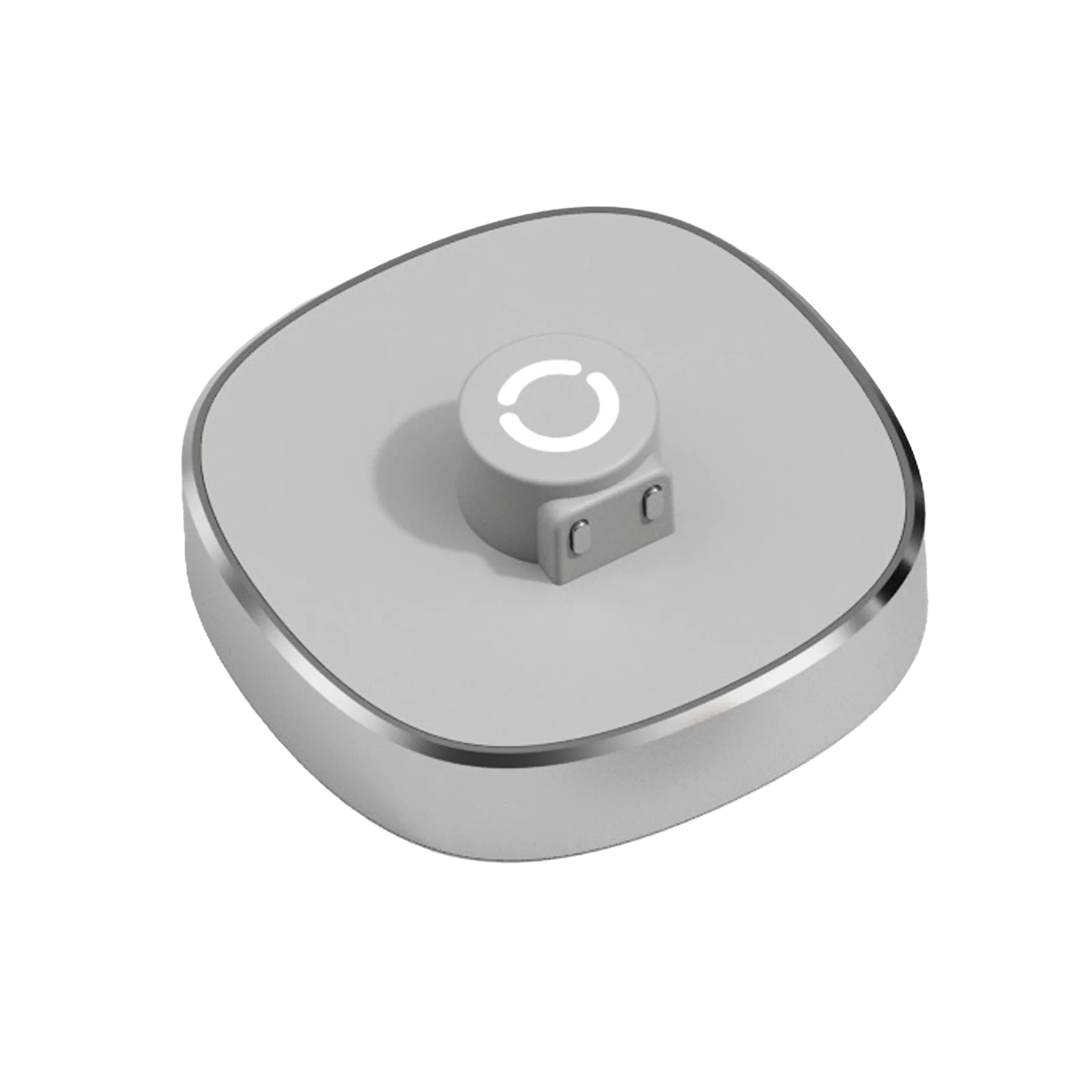
The hardware impresses. At just 2mm thick, it is the thinnest smart ring on the market – noticeably slimmer than the Oura Ring 4 or Samsung Galaxy Ring. Weight ranges from 2 to 3 grams. The charging case is extraordinary: it holds enough power to recharge the ring for over 150 days without plugging the case itself into a wall. Combined with the ring's class-leading 10 to 12 day battery life, you can realistically go weeks between thinking about charging anything.
The RingConn Gen 2 works on both iOS and Android, supports sizes 6 through 14, and carries IP68 plus 100-meter water resistance. The app is clean and improving with regular updates.
The caveats matter. The PVD coating shows wear over months of daily use – micro-scratches accumulate faster than on Oura's bare titanium. Workout heart rate is unreliable, same as every smart ring. The sleep apnea detection feature is not FDA-cleared, so treat it as informational only. And there is no vibration motor, which means no silent alarms and no haptic notifications.
For buyers who want excellent sleep tracking without ongoing costs, the RingConn Gen 2 is the obvious choice. It does 80% of what the Oura Ring 4 does at roughly 60% of the two-year cost.
Samsung Galaxy Ring – Best for Android Users
$399.99, no subscription
The Samsung Galaxy Ring is the smart ring for people already embedded in Samsung's ecosystem. No subscription – all health data, all features, all insights are included with the purchase price. The Energy Score readiness metric, sleep tracking, heart rate monitoring, and activity detection all work out of the box and sync seamlessly with Samsung Health.
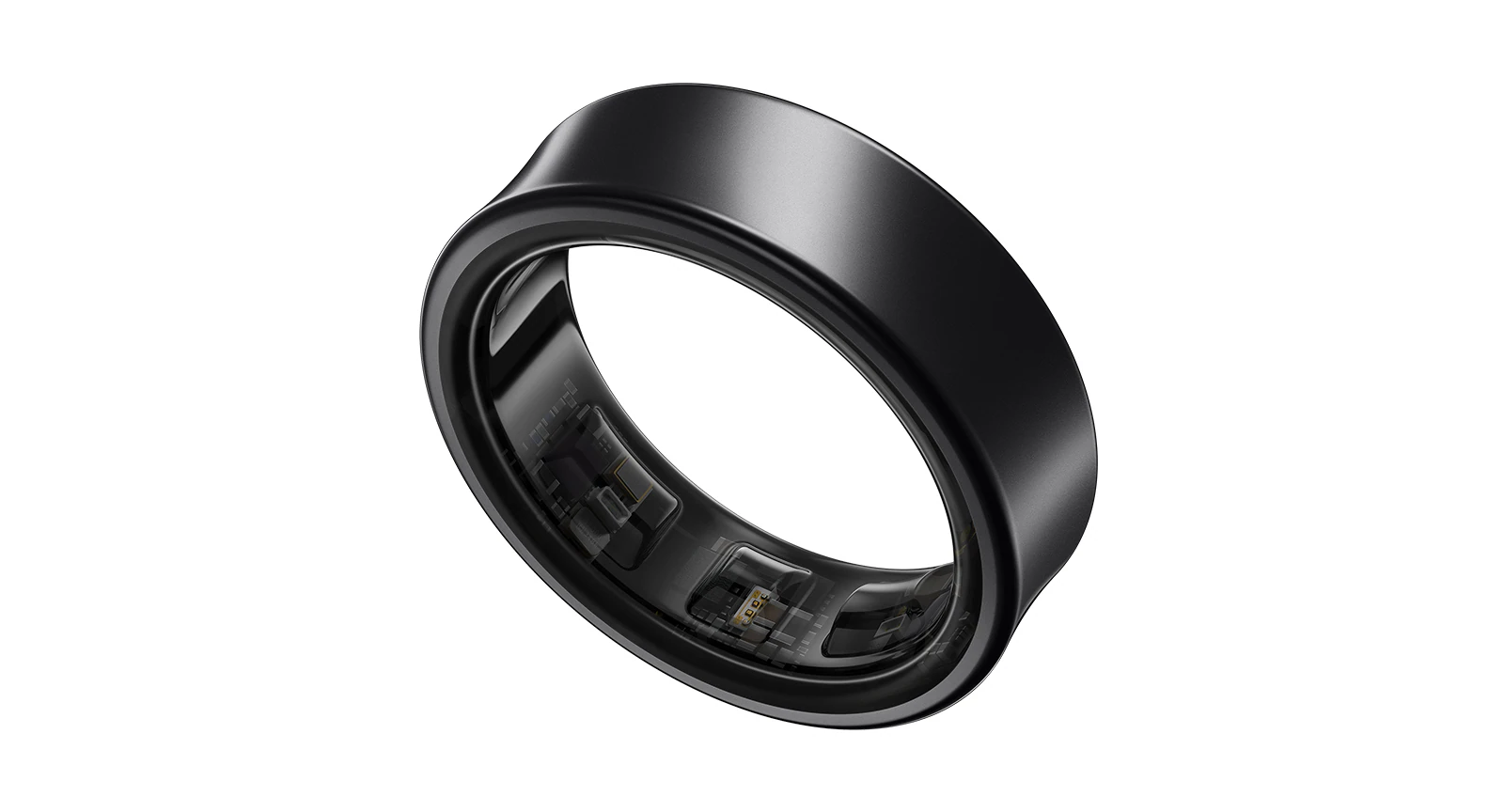
Build quality is excellent. Grade 5 titanium at just 2.3 to 3 grams makes it one of the lightest options available. The concave inner surface sits comfortably against the finger. The charging case is the best in the category – a compact, elegant cradle that charges the ring quickly and travels well. Battery life runs about 7 days with typical use. Sizes range from 5 to 13 with 10ATM plus IP68 water resistance.
The hard limitation: Android only. No iPhone support whatsoever. And while it works with non-Samsung Android phones, some health features – including ECG when it launches – will require a Samsung Galaxy device. You also need two apps to get the full experience: Samsung Health and the Galaxy Wearable app. The SpO2 sensor is inconsistent, occasionally producing readings that are clearly inaccurate.
At $399.99, the Samsung Galaxy Ring is the most expensive option upfront, but the zero-subscription model means it becomes cheaper than the Oura Ring 4 after about 9 months of ownership. For Android users who want a premium smart ring without recurring costs, it is the strongest option available. iPhone users should not even consider it.
Amazfit Helio Ring – Best Budget
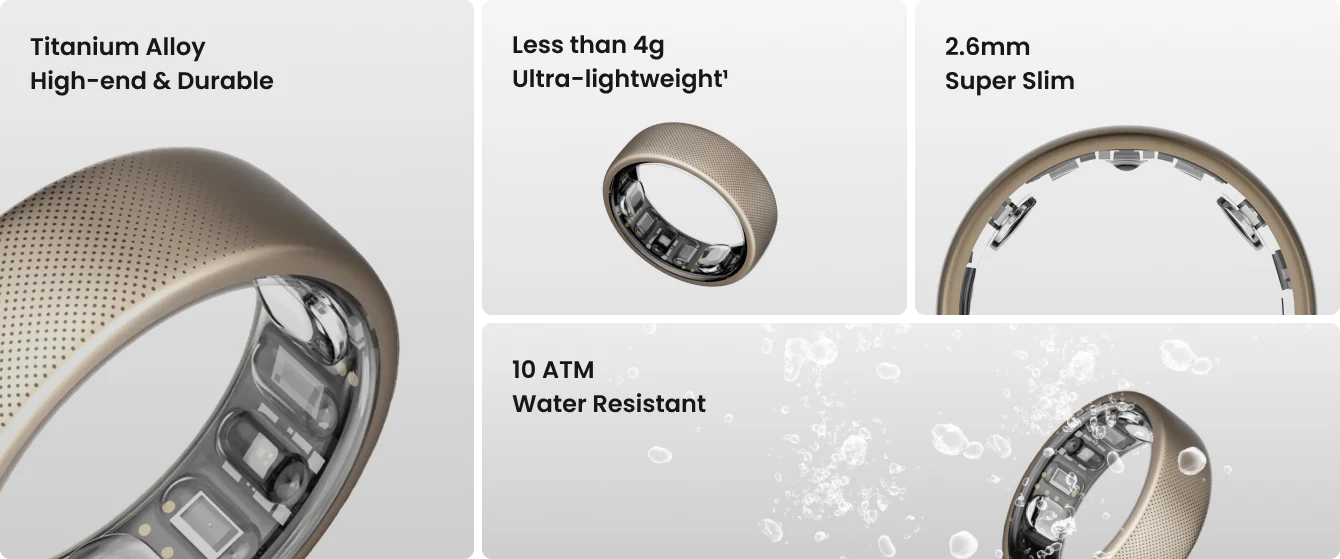
$199.99, no subscription
The Amazfit Helio Ring is the cheapest smart ring you can buy from a reputable brand – but only three sizes are available (US 8, 10, and 12). If none of those fit, stop here. At $199.99 with no subscription and free lifetime access to Zepp Aura Premium and Zepp Fitness, total cost of ownership is simply the purchase price. The Zepp app ecosystem is mature and syncs with Apple Health, Google Fit, and Strava. If you already own an Amazfit watch, the Helio Ring pairs with it as a companion device for improved 24/7 tracking.
Build quality is solid for the price. Titanium alloy construction, 10ATM water resistance, and a weight of approximately 3.7 grams at 2.6mm thickness. Sleep tracking, heart rate monitoring, SpO2, and stress tracking all work as expected. The ring supports both iOS and Android. Real-world battery life lands at 3 to 4 days – the shortest of any smart ring here and a genuine inconvenience. The charging dock is finicky, requiring precise alignment. Only four sport modes are supported for activity tracking.
The Amazfit Helio Ring is the right choice for budget-conscious buyers who happen to fit one of the three available sizes and want basic smart ring functionality without spending $300 or more. The size limitation is severe enough that most shoppers will be forced to look elsewhere.
How We Chose
Six criteria shaped the picks in this guide:
Sleep tracking accuracy carried the most weight. Smart rings live and die by sleep data – it is the primary use case and the metric where rings can genuinely compete with or surpass wrist-worn devices. Sleep staging, HRV consistency, and temperature tracking were weighed across all contenders.
Build quality and comfort matter because smart rings are worn 24 hours a day, 7 days a week. A ring that irritates your finger, feels too thick, or scratches within weeks fails its most basic job. Materials, thickness, weight, and long-term durability all factor into whether a ring can be worn comfortably around the clock.
Battery life directly impacts compliance. A ring you have to charge every two days gets left on the nightstand. A ring that lasts 10 days gets worn continuously, producing better data and more useful insights.
Total cost of ownership factored in subscriptions over a two-year period. A $349 ring with a $72/year subscription costs $493 over two years. A $299 ring with no subscription costs $299. That math matters.
App quality and ecosystem determined where your health data lives and how useful it becomes. Clean interfaces, actionable insights, and integration with third-party platforms all influenced our picks.
Size range affected how many people can actually wear each ring. A product that only fits three finger sizes excludes the majority of potential buyers.
Who Should Buy What
You want the absolute best sleep and recovery data: Oura Ring 4. Nothing matches its sensor accuracy. Pay the subscription and get the best passive health tracker available.
You want great sleep tracking without a subscription: RingConn Gen 2. The best balance of accuracy, battery life, and long-term value. Works on iPhone and Android.
You're deep in the Samsung/Android ecosystem: Samsung Galaxy Ring. Seamless integration, no subscription, premium build. Skip it if you own an iPhone.
You're on a tight budget and sizes 8, 10, or 12 fit you: Amazfit Helio Ring. $199.99 all-in is hard to argue with – if you can actually wear it.
You want a smart ring for workouts: Buy a fitness tracker instead. No smart ring delivers reliable heart rate data during intense exercise. Every ring on this list is a recovery and sleep tool first, and an activity tracker a distant second.
You're coming from a Whoop strap and want something more discreet: The Oura Ring 4 is the closest match in terms of recovery-focused coaching. The RingConn Gen 2 is the closest match without a subscription. Check our Best Whoop Alternatives guide for more options across form factors.
What To Avoid
Three rings that were either unreliable, unsupported, or underdelivered relative to their price.
Ultrahuman Ring Air – $349
The Ultrahuman Ring Air costs the same as an Oura Ring 4 but delivers a worse experience in nearly every measurable way. The most damning issue is reliability: widespread reports of battery failure within months of purchase, including battery bloating that warps the ring's shape. The titanium and tungsten carbide construction scratches easily from normal daily wear – far more than you would expect from a ring at this price point. Sleep tracking accuracy is inconsistent, with night-to-night variance that undermines confidence in the data.
At $349 with no subscription, the value proposition only works if the hardware is reliable. It is not. The RingConn Gen 2 costs $50 less, lasts two to three times as long on a charge, and tracks sleep more consistently. There is no scenario where the Ultrahuman Ring Air is the right purchase in 2026.
Circular Ring 2 – $379
Do not buy the Circular Ring 2. The company's French entity, Circular SAS, entered judicial liquidation in October 2025. Circular claims to have restructured under a Hong Kong entity and says the app remains operational, but the long-term viability of software support is uncertain at best. The ring was marketed as French-engineered technology but is actually a white-labeled Linktop Cardio Ring manufactured in China.
Circular raised millions on Kickstarter with promises of blood pressure monitoring, blood glucose estimation, and other features that never materialized. The FDA-cleared ECG function does work, but buying hardware from a company with this track record means you are one restructuring away from owning a very expensive piece of titanium with no app to connect to.
If you see the Circular Ring 2 discounted anywhere, that discount reflects the risk that the company may not be around to support it long-term.
Movano Evie Ring – $269
Marketed specifically to women with a focus on cycle tracking and wellness, the Evie Ring failed to deliver reliable execution. Sensor accuracy is inconsistent, the app is underdeveloped, and the company has struggled to gain traction against established competitors. Smart rings aimed at specific demographics need to outperform general-purpose alternatives in their target use case – the Evie Ring does not. The Oura Ring 4 offers superior cycle tracking in a ring that also does everything else better.