
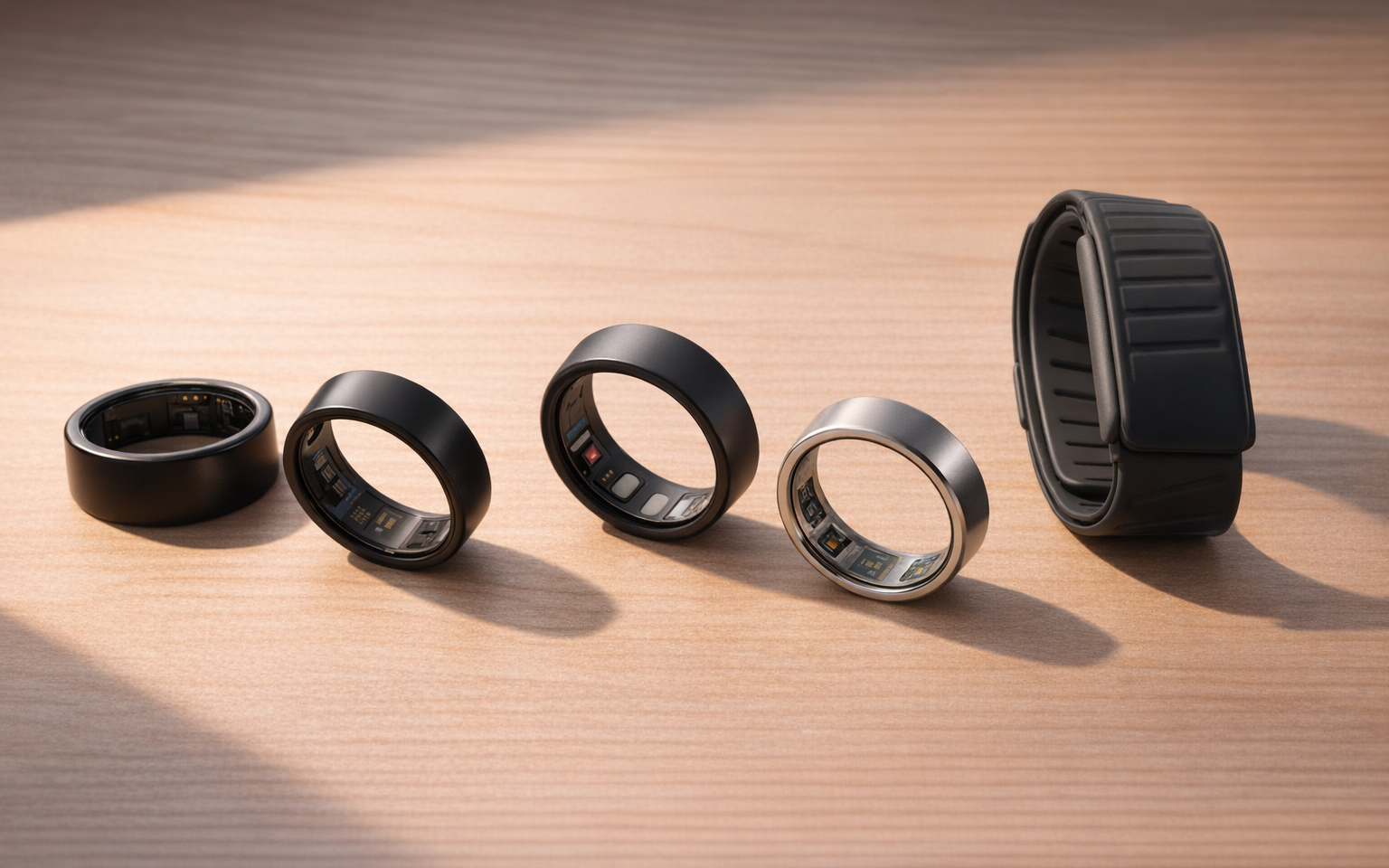
The Oura Ring is the smart ring that started it all – and for good reason. Its sleep tracking is excellent, its health insights are genuinely useful, and the ring form factor beats a wristband for comfort. But there are two legitimate reasons to look elsewhere: the $5.99/month subscription that locks away most features after your first month, and the $349 starting price that makes the total cost of ownership climb quickly.
The good news is the smart ring market has matured. Several credible alternatives now exist, and the main tradeoff comes down to what matters most to you: a subscription-free experience with slightly less polished software, or a different form factor entirely that unlocks deeper training data. Here are the five alternatives worth considering – and a few you should avoid entirely.
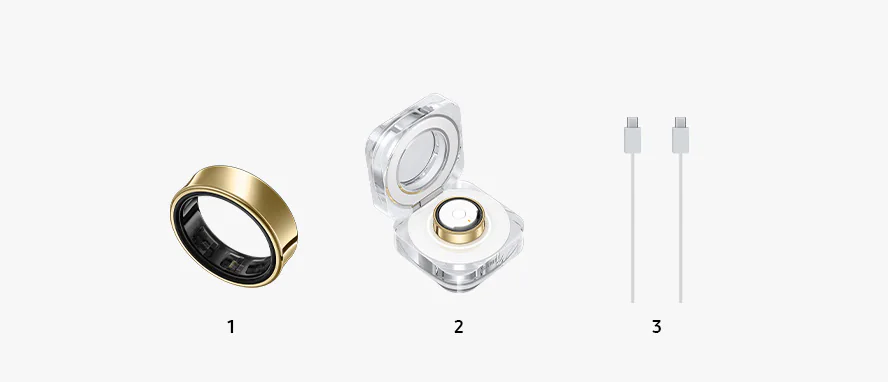
Samsung Galaxy Ring – Best for Android Users
Price: $399.99 (regularly discounted to $299.99)
There is no subscription fee – Samsung has been explicit that current features will remain free, and the full Samsung Health platform backs up the ring's data with one of the most polished health apps available. That makes the Galaxy Ring the most straightforward Oura alternative for anyone in the Android ecosystem.
Sleep tracking is the Galaxy Ring's strongest suit. Sleep staging accuracy is competitive with Oura, and the integration with Samsung Health means your ring data flows seamlessly alongside data from Galaxy watches, phones, and Samsung's broader health ecosystem. Galaxy AI features – including the Energy Score – add contextual insights that improve over time, and these work on any Android phone running Android 11 or later, not just Samsung devices.
The dealbreaker is platform compatibility. The Galaxy Ring requires an Android phone, period. If you own an iPhone, this ring does not exist for you. Sleep staging is also slightly less granular than what Oura provides, though the practical difference is minimal for most people.
At its frequent $299.99 sale price, the Galaxy Ring is arguably the best value proposition here – a premium smart ring from a company that is not going anywhere, with zero recurring costs. Read our full Samsung Galaxy Ring review for the complete breakdown. If you are deciding between the two, our Oura Ring 4 vs Samsung Galaxy Ring comparison covers every tradeoff.

RingConn Gen 2 – Best Value
Price: $299 (often on sale around $239)
The RingConn Gen 2 does roughly 80% of what the Oura Ring does for about 60% of the price – and that math only gets better when you factor in the subscription savings over time. No monthly fees, no paywalled features.
Up to 12 days on a single charge – the best battery life in the smart ring category by a wide margin. That alone changes the daily experience. You stop thinking about charging, which is exactly what a wellness wearable should do. The Gen 2 also includes sleep apnea monitoring, works with both iOS and Android, and benefits from a resolved patent dispute with Oura (RingConn now holds a patent license from Oura to sell in the US), which means the company's future in this market is secure.
The app is where RingConn shows its budget roots. It is functional and improving with regular updates, but it lacks the depth and polish of Oura's software. If you are the type who digs deep into HRV trends and recovery narratives, the insights here feel thinner. But if you want reliable sleep and activity data presented clearly, the Gen 2 delivers. Our RingConn Gen 2 review covers the full experience, and our Oura Ring 4 vs RingConn Gen 2 comparison breaks down exactly where the two diverge.
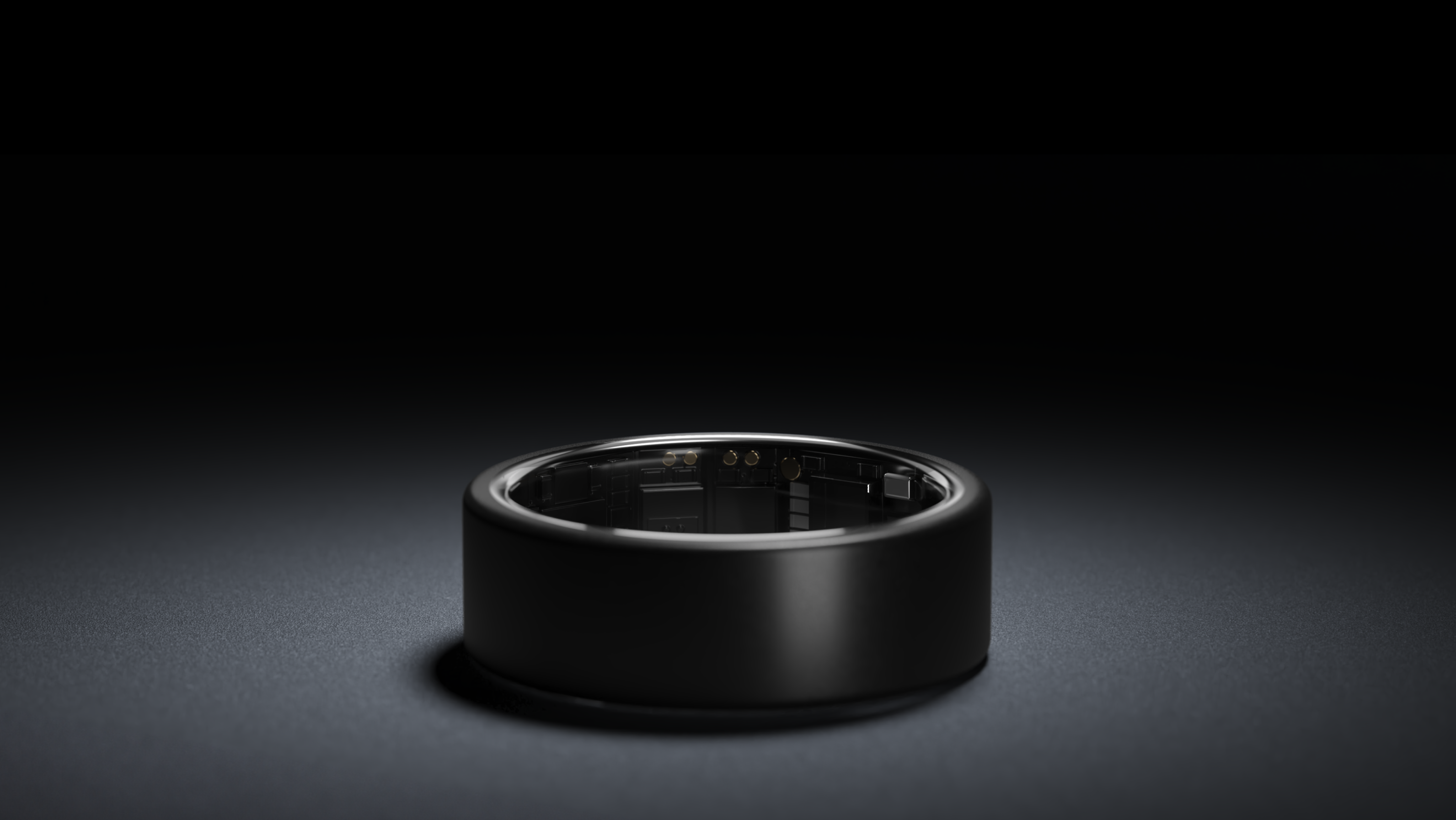
Ultrahuman Ring Air – Best Subscription-Free Premium (With a Major Caveat)
Price: $349 (Ring Air) / $399 (Ring PRO, standalone)
The Ring Air was banned from US import following an ITC patent ruling in Oura's favor. As of April 2026, US availability of the Ring Air is effectively zero through official channels. Ultrahuman has responded with the Ring PRO ($399 standalone), which has been cleared by US Customs and is available for pre-order with US shipping expected to begin May 15, 2026. Outside the United States, the Ring Air remains widely available at its original price.
Where the Ring Air is available, it is the most direct Oura competitor on paper: same price tier, premium build, excellent app with metabolic and recovery insights, no subscription. At just 2.4 grams, it is also the lightest smart ring available, which matters more than you might think when wearing something 24/7.
The other concern is battery life. Real-world use delivers 3–4 days versus the claimed 6, which is a meaningful gap. The Ultrahuman Ring Air review details this and other findings. If you are outside the US, the Ring Air remains a strong choice. If you are in the US and willing to pay the premium, the Ring PRO may be worth watching – but it has not been reviewed yet, so that recommendation cannot be made with confidence.
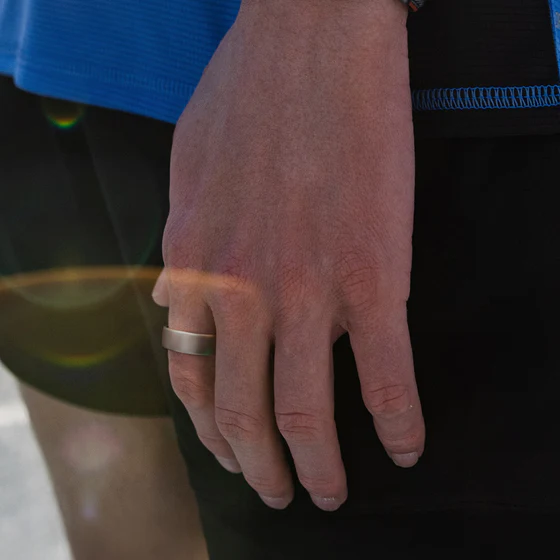
Amazfit Helio Ring – Best Budget
Price: $199.99 (frequently discounted to $110–$150)
The cheapest credible smart ring on the market. At $150 on sale, the Helio Ring costs less than six months of Oura Ring ownership (ring + subscription), and there are no recurring fees.
Sleep tracking is solid for the price, and the hardware includes an EDA stress sensor – though it is currently disabled pending FDA clearance, so do not buy the Helio Ring specifically for that feature. The Helio Ring also pairs with Amazfit watches to create a more complete health picture, which is a smart approach if you already own Amazfit hardware or are considering it.
The tradeoffs are real, though. As a standalone device, the Helio Ring is more limited than its competitors. The Zepp app is basic compared to Oura, Samsung Health, or even RingConn's offering. HRV and recovery metrics are less accurate than what you get from Oura, and the overall insight quality reflects the lower price point. Our Amazfit Helio Ring review goes deeper into what works and what falls short.
For first-time smart ring buyers who want to test the form factor without a major financial commitment, or for anyone who already uses Amazfit products, the Helio Ring is an easy recommendation. Just set expectations accordingly – this is an entry point, not a destination.
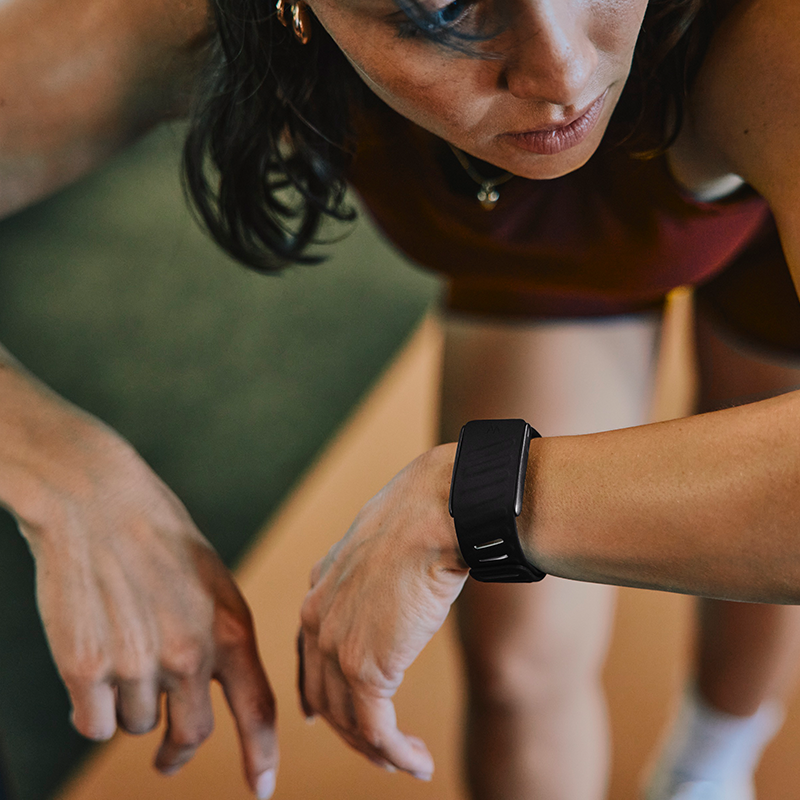
Whoop 5.0 – Best for Athletes (Non-Ring Alternative)
Price: Included free with any annual membership – Whoop One ($199/year), Whoop Peak ($239/year), or Whoop Life ($359/year, includes Whoop MG)
Yes, the Whoop 5.0 involves a subscription – which seems counterintuitive in a guide partly motivated by escaping Oura's recurring fees. But if your reason for leaving Oura is that its insights are not deep enough for serious training, Whoop is where you end up. Be aware: membership starts at $199/year and goes up to $359/year – comparable to or more than Oura's $69.99/year subscription – so this is not a cost-saving move.
There is no separate device purchase. The hardware ships free when you join, and the membership is the product. Recovery and strain tracking are unmatched. The Whoop 5.0 provides the most actionable training data of any wearable in this category, with a recovery score that genuinely influences how hard athletes train on any given day. Sleep analysis is outstanding – arguably more useful than Oura's for understanding how sleep quality connects to performance. The device is screenless and discreet, sharing that low-profile philosophy with smart rings.
The form factor is the obvious difference – this is a band, not a ring. For more on how the two compare, see our Whoop 5.0 vs Oura Ring 4 comparison.
The Whoop 5.0 is not for casual health trackers. It is for people who train five or more days per week and want their wearable to be a genuine training tool. If that describes you, the membership pays for itself.
How We Chose
We evaluated each alternative against the Oura Ring 4 across eight criteria:
- Sleep tracking accuracy: The Oura Ring is the benchmark. Every pick here had to deliver sleep data reliable enough to act on.
- Health metrics breadth: Heart rate, HRV, SpO2, skin temperature, and stress sensing were all considered. More sensors matter, but only if the data is trustworthy.
- Subscription model: One-time cost versus recurring fees is the single biggest differentiator in this category and a primary reason people seek Oura alternatives.
- Battery life: Multi-day battery life is the minimum. A ring that dies daily defeats the purpose of passive tracking.
- App quality and insight depth: Raw data is worthless without good software to interpret it. App experience is weighted heavily.
- Cross-platform compatibility: Supporting both iOS and Android is strongly preferred. Platform lock-in is noted as a limitation.
- US availability: Patent disputes have reshaped this market. We only recommend products you can actually buy.
- Build quality and comfort: A ring you take off is a ring that stops tracking. Comfort, weight, and durability all factor in.
Subscription model and sleep tracking accuracy were weighted most heavily, as these are the two factors that most commonly drive readers to seek Oura alternatives.
Who Should Buy What
You want the simplest Oura replacement with no subscription: Samsung Galaxy Ring (Android) or RingConn Gen 2 (any platform). The Galaxy Ring wins on software polish if you are in the Android ecosystem. The RingConn Gen 2 wins on battery life and cross-platform support.
You are on a tight budget: Amazfit Helio Ring. Nothing else credible exists below $200.
You want premium insights without a subscription and you are outside the US: Ultrahuman Ring Air. Inside the US, wait for Ring PRO reviews before committing.
You are a serious athlete and the subscription is not the issue – the data depth is: Whoop 5.0. Nothing else comes close for recovery and strain tracking.
You want the most complete package and the subscription does not bother you: The Oura Ring 4 remains the most well-rounded smart ring available. None of these alternatives beat it across every dimension simultaneously – but each one wins decisively in at least one area that matters. That is the point of this guide.
What To Avoid
Circular Ring 2: This company raised over $4 million through crowdfunding and has severe trust and delivery issues. We gave it a "Do Not Buy" rating. Steer clear.
Movano Evie Ring: A promising concept focused on women's health tracking, but the execution is unreliable. Our review found significant accuracy problems that undermine the core value proposition.
Generic Amazon smart rings ($30–$50): These no-name rings flooding Amazon with suspiciously positive reviews have no clinical validation, no credible software backing, and no future. The sensors are unreliable, the apps are abandoned within months, and the data is not worth acting on. Spending $30 on bad health data is worse than spending nothing at all.
Any ring without a clear company behind it: The smart ring market is still young, and patent disputes (as Ultrahuman learned) can reshape availability overnight. Stick with companies that have demonstrable staying power, transparent leadership, and a track record of software updates. Every pick in this guide meets that bar. Most of what you will find outside this list does not.