
The Best Budget Fitness Trackers Under $100 in 2026
Here's the honest truth about fitness trackers in 2026: the hardware has gotten absurdly good at the budget end. GPS, AMOLED displays bright enough to read at the beach, Bluetooth calling from your wrist, blood oxygen monitoring, two-week battery life – all for under a hundred bucks. The real question isn't whether cheap trackers are any good. It's whether the company selling you one is going to nickel-and-dime you with a monthly subscription after you buy it.
Fitbit pioneered this paywall model, locking meaningful health insights behind a $9.99/month Premium tier. That approach is a bad deal in a market where competitors give you everything upfront. This guide is built around a simple principle: the best budget wearable is one that respects your wallet twice – at checkout and every month after.
The two real tradeoffs in this category come down to features versus battery life, and size versus capability. A full-featured smartwatch like the Amazfit Active 2 packs GPS, offline maps, and skin temperature tracking but dies sooner and costs more. An ultra-light band like the Xiaomi Smart Band 10 lasts three weeks on a charge but skips GPS and calling. Our five picks span that spectrum, and every single one delivers its core health tracking without a subscription fee – except one, which we include with a very loud asterisk.
Amazfit Bip 6 – Best Overall ($79.99)
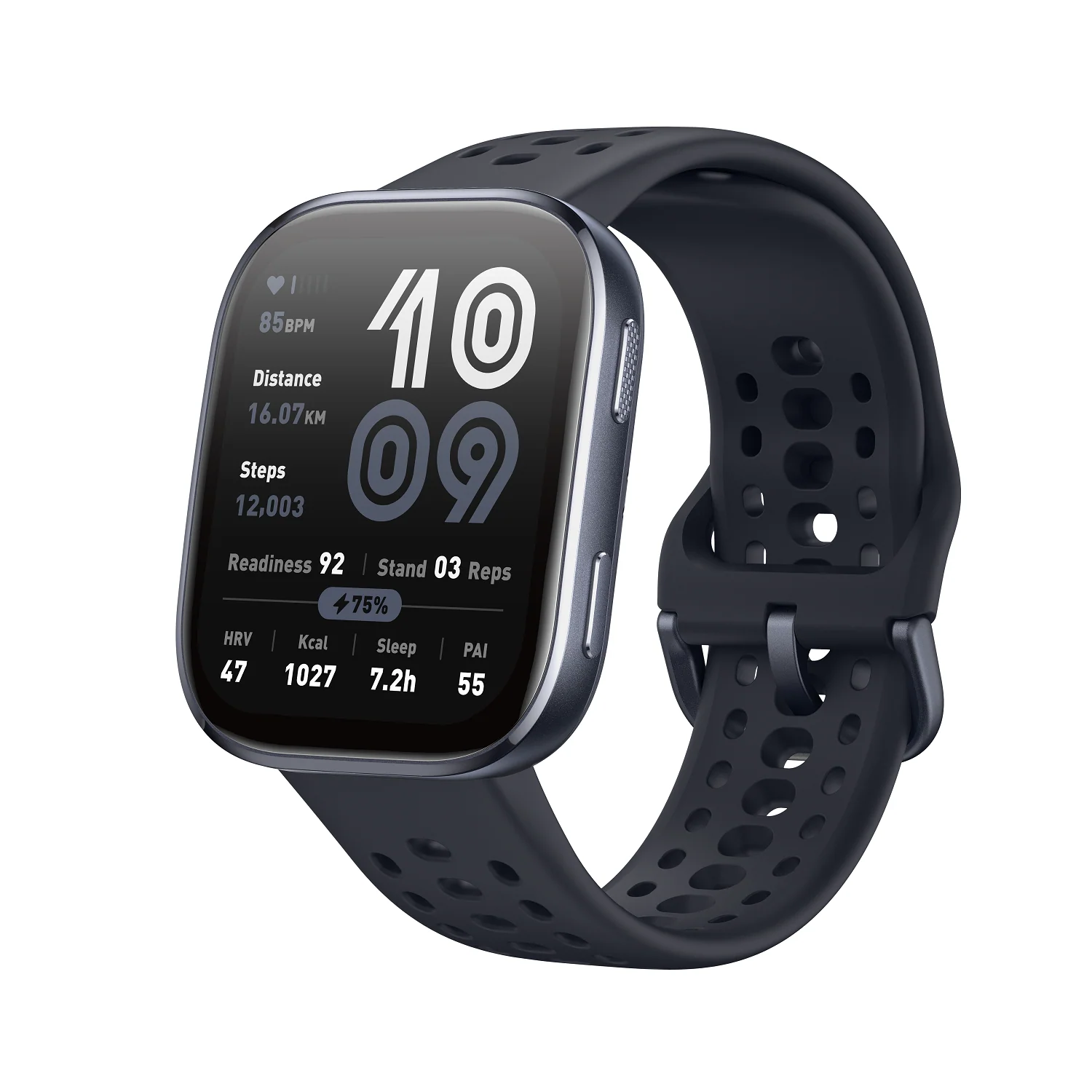
The Amazfit Bip 6 is the tracker to recommend to almost anyone, and it isn't particularly close. At $79.99, it delivers a feature set that would have cost $250 three years ago, and it does it without asking for a single dollar after purchase.
The 1.97-inch AMOLED display is the star. It's large enough to read full notification text without squinting, sharp enough to look good on your wrist, and at 2,000 nits peak brightness, it's genuinely readable in direct sunlight. That's a spec you'd find on flagship phones – on an $80 fitness tracker, it's almost absurd. The screen makes everything feel more premium, from scrolling through workout stats to glancing at incoming calls.
And yes, you can take calls. The Bip 6 supports Bluetooth calling, which means you can leave your phone in your gym bag and still answer when your kid's school rings. The built-in microphone and speaker won't fool anyone into thinking you're on a landline, but they're perfectly usable for quick conversations.
GPS tracking is onboard, so runners and cyclists get mapped routes and accurate pace data without carrying a phone. It's not Garmin-level precision – budget GPS tends to drift in dense tree cover or tight urban corridors – but for casual to intermediate runners tracking daily miles, it's more than sufficient. The Bip 6 covers over 140 workout modes. Continuous heart rate monitoring, SpO2 tracking, and stress measurement all come standard with no subscription gate.
Battery life is the other knockout punch. Fourteen days of real-world use with health monitoring active. Turn off the always-on display and dial back notifications, and you can stretch it further. Charging becomes something you do every other week rather than every other night.
The Zepp app works on both iOS and Android, and while it's not the most beautiful software ever designed, it's functional and gives you full access to your data. Sleep tracking is comprehensive, though sleep stage detection can be inconsistent – the watch occasionally miscategorizes light dozing as deep sleep. That's the main caveat here, and for $80, it's an easy one to live with.
Who it's for: Anyone who wants the best balance of features, battery, and price without a subscription. It's the default recommendation.
Amazfit Active 2 – Most Feature-Packed ($99.99, often $84)
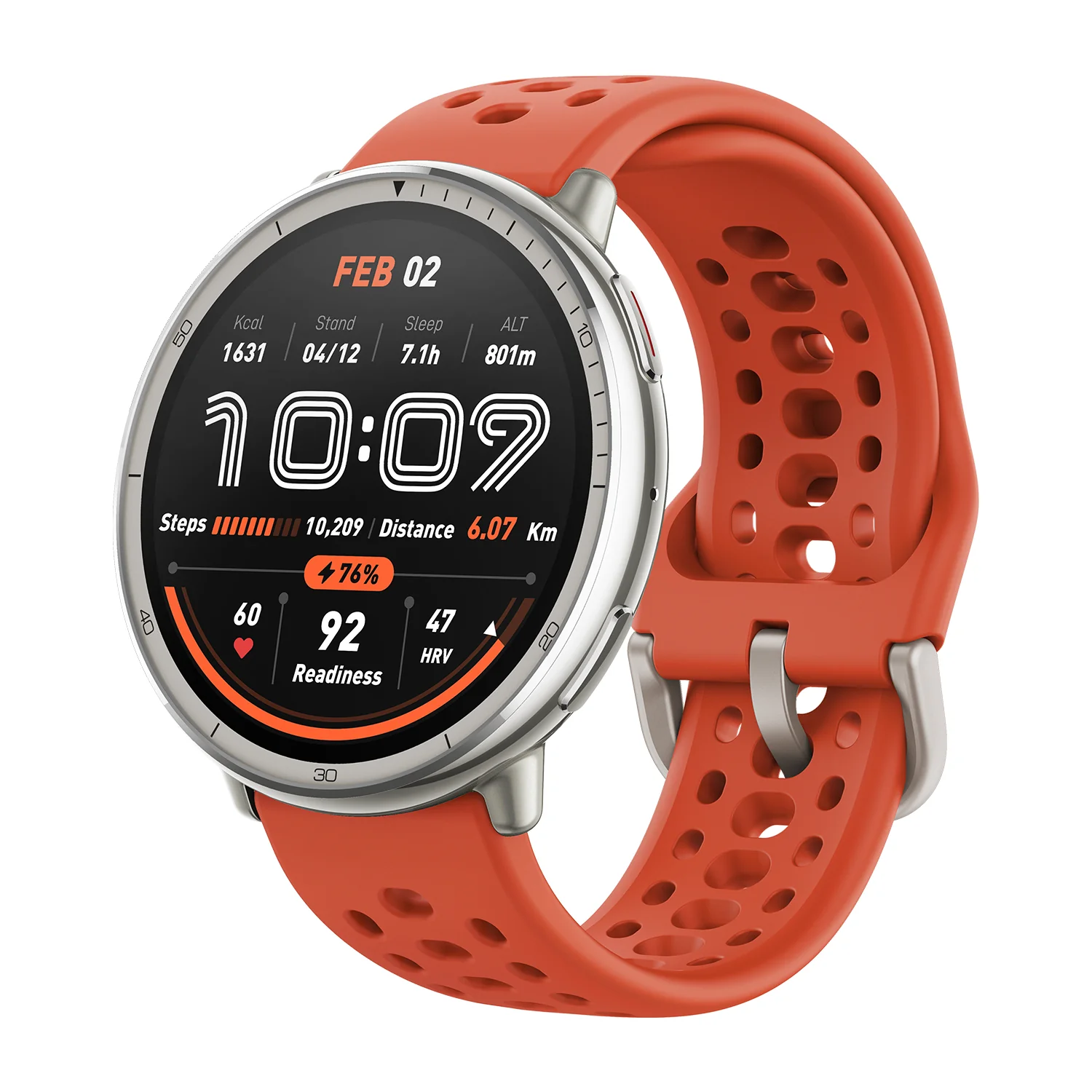
If the Bip 6 is the sweet spot, the Active 2 is the "give me everything" option. It pushes right up to the $100 ceiling – though it frequently drops to $84 on sale – and in return, you get features that genuinely compete with watches two and three times the price.
The 1.32-inch round AMOLED display gives the Active 2 a more traditional watch aesthetic compared to the Bip 6's rectangular face. It's a good-looking piece of hardware that doesn't scream "fitness tracker" on your wrist. More importantly, what's inside justifies the premium. The Active 2 tracks skin temperature trends, which adds a meaningful data layer for menstrual cycle tracking and early illness detection. Heart rate monitoring is continuous and accurate, and SpO2 readings are available around the clock.
Offline maps are the feature that separates the Active 2 from nearly everything else at this price. You can download route maps directly to the watch and navigate trail runs or bike rides with turn-by-turn directions – no phone required. For outdoor enthusiasts, this alone might justify choosing it over the Bip 6. Bluetooth calling and over 160 workout modes round out a spec sheet that reads like a device twice its price.
Battery life settles around 10 days with typical use – shorter than the Bip 6 but still excellent by smartwatch standards. The Active 2 occasionally stumbles on software polish, as covered in our full review. Menu navigation can feel clunky under rapid input, and third-party app integrations lag behind what the hardware deserves. The software is functional but lacks the ecosystem refinement of watchOS or Wear OS.
Who it's for: The user who wants maximum capability and doesn't mind paying a bit more (or waiting for a sale). Especially strong for hikers and runners who value offline maps and turn-by-turn navigation.
Xiaomi Smart Band 10 – Best Ultra-Budget ($35–50)
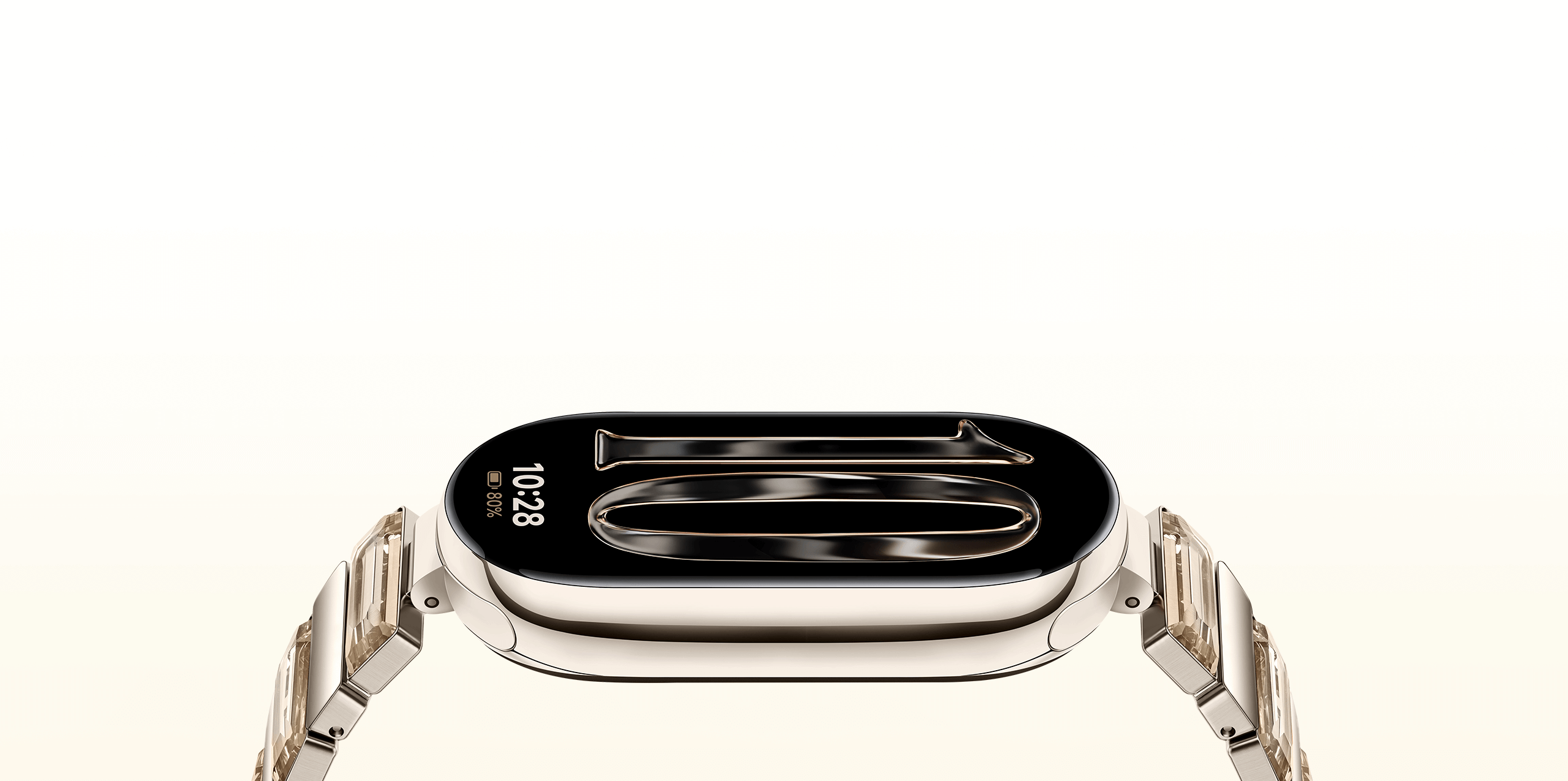
The Xiaomi Smart Band 10 makes every other product on this list look expensive. At $35 to $50 depending on the retailer, it costs less than two months of Fitbit Premium – and it tracks your health for years without another cent.
What you get for that price is genuinely impressive. The 1.72-inch AMOLED display is vivid, responsive, and far better than any sub-$50 tracker has a right to be. At just 16 grams, the Band 10 essentially disappears on your wrist. You'll forget you're wearing it, which is exactly what you want from a 24/7 health tracker. Sleep tracking, heart rate monitoring, SpO2, stress tracking – it's all here, all subscription-free, and all delivered through Xiaomi's competent Mi Fitness app on both iOS and Android.
Battery life is the headliner: 21 days on a single charge. Three full weeks. You charge it, forget about the charger, and it just keeps going. For people who hate one more thing to plug in every night, this alone is a compelling argument.
The tradeoffs are real but predictable at the price. There's no built-in GPS, so outdoor runs need your phone along for mapped routes. No Bluetooth calling, no NFC payments, no offline maps. The Band 10 is also an incremental upgrade over last year's Band 9 – if you already own one, there's little reason to switch. But for someone entering the fitness tracking world or replacing a dead tracker on a tight budget, nothing else touches it.
Who it's for: Budget-conscious buyers who want reliable daily health tracking without the bells and whistles. Students, first-time tracker buyers, and anyone who thinks $80 is too much to spend on a wrist gadget.
Samsung Galaxy Fit 3 – Best for Samsung Users ($48–60)
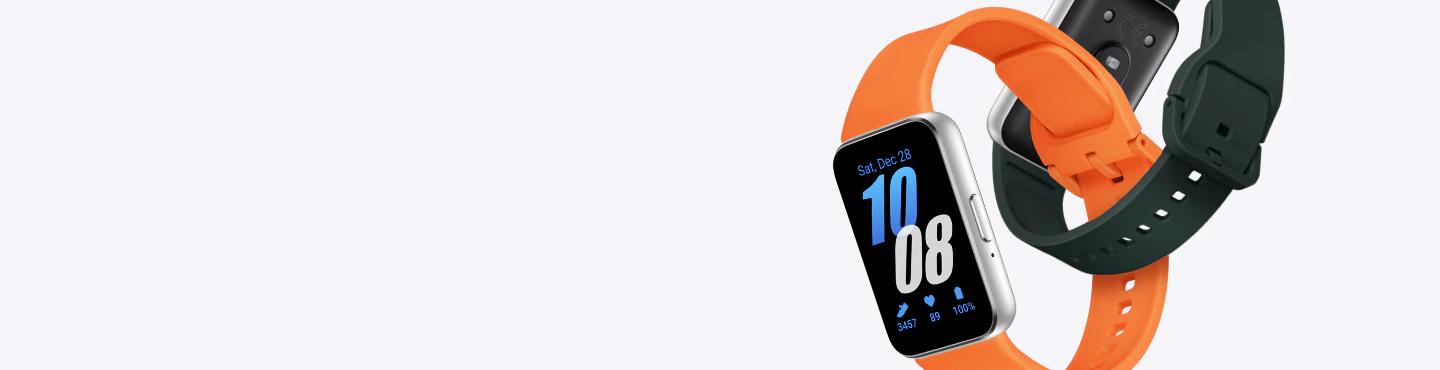
The Galaxy Fit 3 occupies interesting middle ground: more capable than the Xiaomi Band 10, cheaper than the Amazfit Bip 6, and deeply integrated with Samsung's ecosystem. If you carry a Samsung phone, this is the tracker that will feel most like a natural extension of your device.
The 1.6-inch AMOLED display is bright and colorful, and Samsung's interface design is predictably polished. Navigation feels snappy and intuitive. Battery life stretches to 13 days, which splits the difference between the Xiaomi's marathon endurance and the Amazfit watches' feature-heavy drain. The band weighs 36.8 grams with strap – heavier than the Xiaomi's featherweight 16 grams, but still comfortable for all-day wear.
Samsung earns a unique distinction in this price range with fall detection and Emergency SOS – safety features typically reserved for premium smartwatches. For older adults or anyone with safety concerns during solo workouts, these features add genuine peace of mind that no other sub-$60 tracker matches.
Health tracking covers the essentials: continuous heart rate, SpO2, sleep analysis, and stress monitoring, all without a subscription. Samsung Health is a mature, well-designed app that makes it easy to understand your data at a glance.
The caveats matter, though. The Galaxy Fit 3 is Android-only – iPhone users need not apply. There's no built-in GPS and no Bluetooth calling. The firmware history shows persistent notification sync issues and workout auto-detection misfires that Samsung has been slow to patch. These aren't dealbreakers, but they keep the Fit 3 from climbing higher on this list.
Who it's for: Samsung phone owners who want a capable, affordable tracker that integrates seamlessly with their existing ecosystem. Especially worth considering for users who value the safety features.
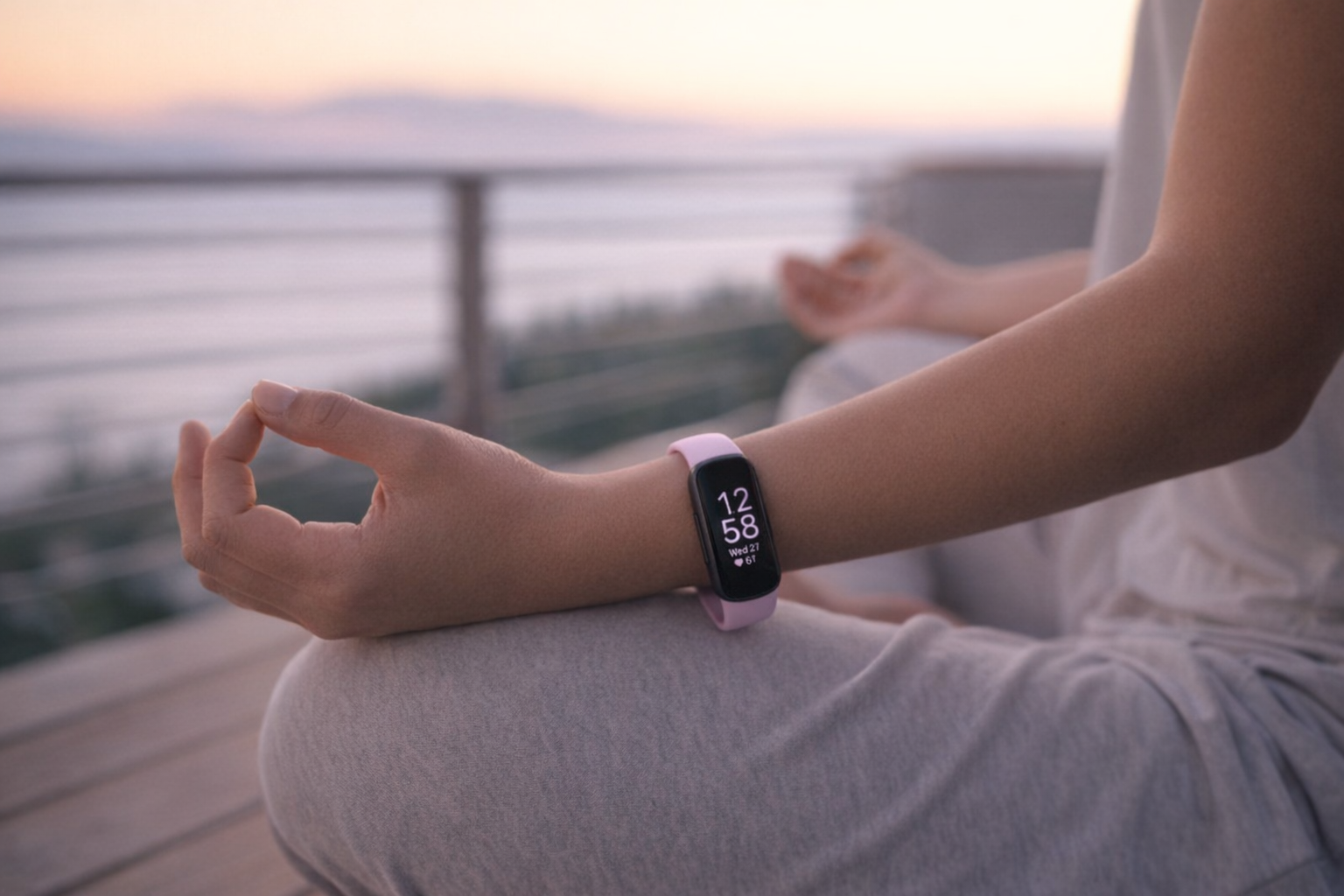
Fitbit Inspire 3 – Best for Beginners (With a Major Caveat) ($70–100)
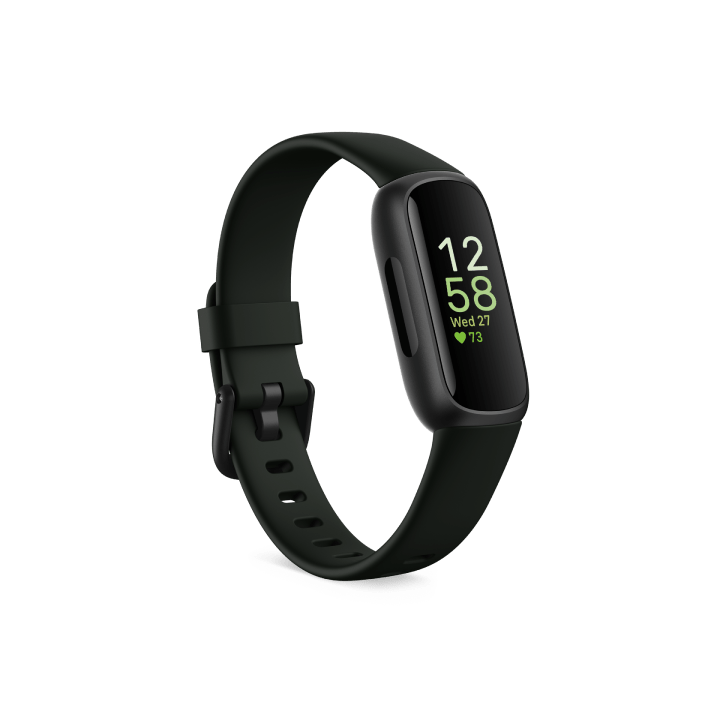
The Fitbit Inspire 3 is the only product on this list that locks meaningful features behind a subscription. It earns a spot here anyway because its app experience is genuinely the best for absolute beginners – but the ongoing cost needs to factor into every purchase decision.
The hardware itself is fine. It's a slim, lightweight tracker at just 20 grams that comes in appealing color options and doesn't look out of place on any wrist. Battery life is solid at around 10 days. The basics – step counting, heart rate monitoring, sleep stages, SpO2 – work well enough without paying a cent. It's comfortable for 24/7 wear and the 1.4-inch AMOLED display, while smaller than competitors, is adequate for notifications and quick stat checks.
The Fitbit app is where the Inspire 3 earns its "best for beginners" label. It presents health data with a clarity and friendliness that competitors haven't matched. The dashboard is intuitive, the guided programs are motivating, and the social features make fitness feel less solitary. For someone who's never worn a tracker and feels overwhelmed by data, Fitbit's software is a genuine advantage.
Now, the caveat – and it's a big one. Fitbit Premium costs $9.99 per month or $79.99 per year, and without it, you lose advanced Sleep Profiles, detailed long-term health reports, guided workout videos, and AI fitness coaching. Basic sleep stages, a nightly sleep score, and the Daily Readiness Score are now free – but the deeper analytics that make Fitbit's ecosystem shine still require the subscription. At the annual rate, that's $80 per year on top of the purchase price. Over two years, an Inspire 3 bought on sale at $70 with annual Premium costs around $230 – roughly what you'd pay for an Apple Watch SE 2 on clearance. The Inspire 3 hardware also dates back to 2022, making it the oldest design on this list by a wide margin. And since Google acquired Fitbit, a Google account is now required, which may give privacy-conscious users pause.
The Amazfit Bip 6 gives you more features, a bigger display, GPS, Bluetooth calling, and a longer battery – all for $80 with no subscription ever. The math isn't kind to Fitbit.
Who it's for: True beginners who value app simplicity above all else and are willing to pay the ongoing subscription cost. Everyone else should look at our other picks first.
Quick-Reference Comparison
| Amazfit Bip 6 | Amazfit Active 2 | Xiaomi Band 10 | Galaxy Fit 3 | Fitbit Inspire 3 | |
|---|---|---|---|---|---|
| Price | $79.99 | $99.99 (often $84) | $35–50 | $48–60 | $70–100 |
| Display | 1.97" AMOLED | 1.32" AMOLED | 1.72" AMOLED | 1.6" AMOLED | 1.4" AMOLED |
| Battery | 14 days | 10 days | 21 days | 13 days | 10 days |
| GPS | Yes | Yes | No | No | No |
| BT Calling | Yes | Yes | No | No | No |
| SpO2 | Yes | Yes | Yes | Yes | Yes |
| Subscription | None | None | None | None | $9.99/mo |
| iOS + Android | Yes | Yes | Yes | Android only | Yes |
| Weight | 27.9g | 29.5g | 16g | 36.8g | ~20g |
| Best For | Best Overall | Most Features | Best Budget | Best for Samsung | Best for Beginners* |
How We Choose
Every tracker on this list had to clear the same bar: no subscription required for core health features. Any device that locked basic insights – sleep stages, readiness scores, detailed heart rate analysis – behind a monthly paywall was either cut or flagged with an explicit warning.
From there, five criteria drove the rankings. Value density came first – how many genuinely useful features you get per dollar spent. Display quality mattered because you interact with your tracker dozens of times a day; a dim, small screen ruins the entire experience. Battery life had to exceed one week at minimum – daily charging is a dealbreaker for a device meant to be worn 24/7. App quality and data access ensured your health data is actually useful and not trapped behind a confusing interface. And cross-platform compatibility got bonus points, because your tracker choice shouldn't dictate your phone choice.
Long-term software support also factored in. A tracker that works great at launch but gets abandoned six months later isn't a good recommendation.
Who Should Buy What
The everyday fitness tracker who wants the best all-rounder → Amazfit Bip 6. It's our top pick for a reason. GPS, calling, huge bright display, two-week battery, $80, no subscription. Done.
The outdoor enthusiast who wants maximum features → Amazfit Active 2. Offline maps, temperature tracking, and turn-by-turn navigation push it beyond what any other sub-$100 device offers. Wait for a sale to get it under $85.
The college student tracking sleep on a tight budget → Xiaomi Smart Band 10. It costs less than a textbook, lasts three weeks per charge, and delivers the health basics with zero ongoing cost.
The Samsung user who wants seamless integration → Samsung Galaxy Fit 3. Deep ecosystem ties and unique safety features make it the obvious pick if you're already in Samsung's world.
The absolute beginner who's overwhelmed by fitness tech → Fitbit Inspire 3, but only if you budget for Premium. If the subscription gives you pause, the Amazfit Bip 6 is a better long-term investment.
The parent buying a teen's first fitness tracker → Xiaomi Smart Band 10 or Samsung Galaxy Fit 3. Low cost, durable, and no monthly fees to worry about.
The runner who wants GPS without a phone → Amazfit Bip 6 or Active 2. These are your only sub-$100 options with built-in GPS, and both deliver solid route tracking for daily training.
What to Avoid
The subscription trap. This is the biggest pitfall in budget wearables. A tracker that costs $50 but requires $10/month for basic features costs $170 in year one and $290 by year two. Always calculate the total cost of ownership, not just the sticker price. Fitbit is the most prominent offender, but watch for other brands adopting similar models.
No-name Amazon specials under $20. The listings are tempting: "Smart Watch with Heart Rate, GPS, Blood Pressure, ECG – $16.99!" These devices use wildly inaccurate sensors, report fabricated health data, and die within months. A heart rate monitor that's off by 30 BPM isn't just useless – it's potentially dangerous if you're using it to guide exercise intensity. Spend the extra $15–20 for a Xiaomi Smart Band 10 and get hardware you can actually trust.
Buying last year's flagship on clearance without checking software support. An older Wear OS or Fitbit device marked down to $80 might look like a bargain, but if the manufacturer has moved on, you're buying a device with a ticking clock on updates, app compatibility, and server-side features. Budget devices from Amazfit and Xiaomi tend to have active development and community support, making them safer long-term bets than clearance-bin former flagships.
The bottom line: budget fitness tracking in 2026 is better than it has any right to be. The Amazfit Bip 6 is the pick for most people – GPS, Bluetooth calling, a gorgeous display, and two-week battery life for $80 with no subscription. Your wrist deserves better than a monthly fee.