
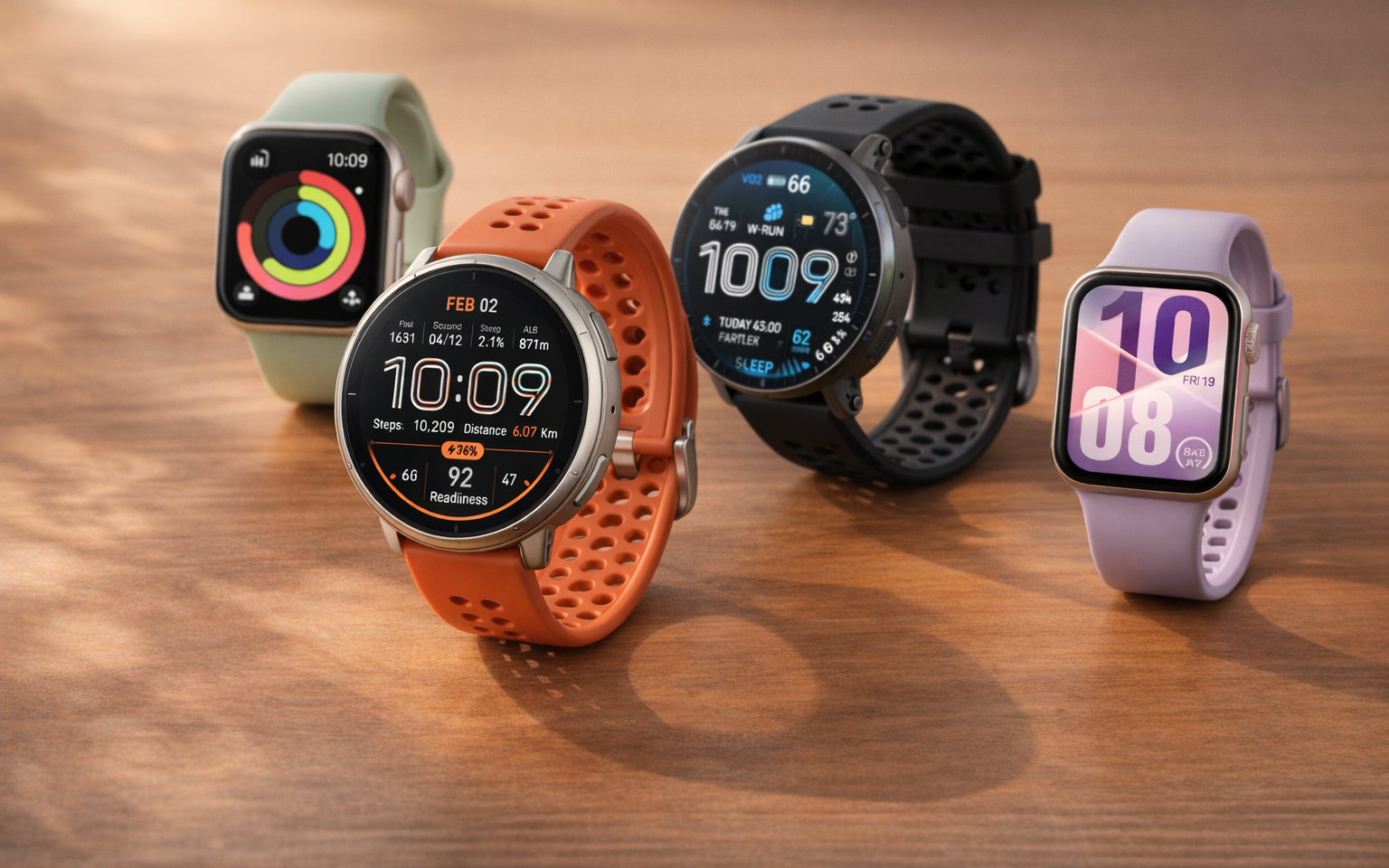
Two years ago, a budget smartwatch meant a plastic body, a dim LCD screen, and fitness tracking you couldn't trust. That era is over. Today, $100 buys you an AMOLED display, offline maps, GPS, and a week-plus battery – features that demanded $400 not long ago.
But "budget" doesn't mean "no tradeoffs." The defining tension in this category is battery life versus app ecosystem. Watches running Wear OS or watchOS give you full app stores and deep phone integration, but you'll be charging every night. Watches running proprietary software from Amazfit, Huawei, or Garmin stretch to one, two, even three weeks between charges – but you're locked out of third-party apps entirely. Which tradeoff you're willing to make determines which watch belongs on your wrist.
These six picks cover every use case from bare-bones notification delivery to serious run training, all at or within striking distance of $250.
Amazfit Active 2 – Best Overall
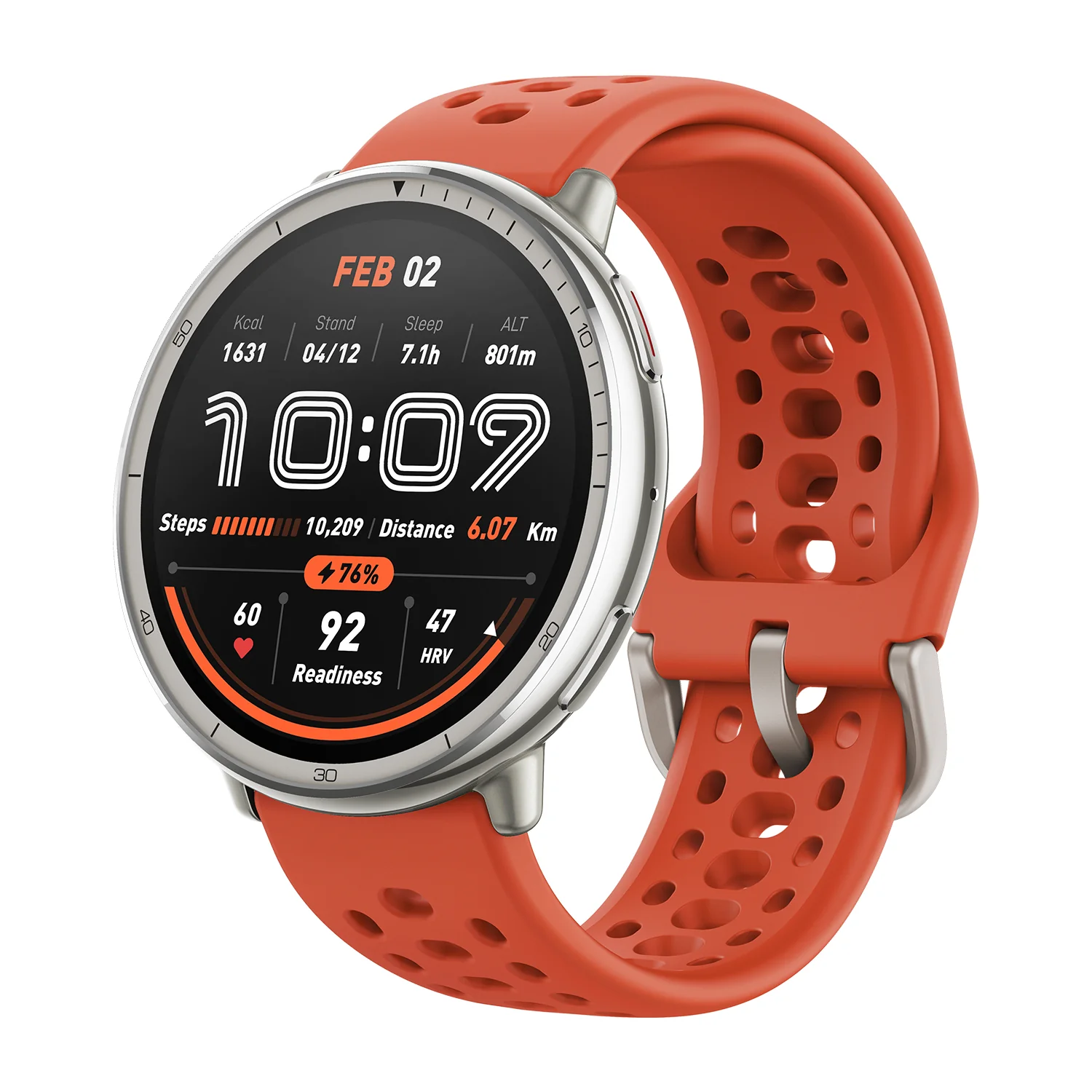
At $99.99, the Amazfit Active 2 resets expectations for what a sub-$100 watch can deliver. A 2,000-nit AMOLED display that's readable in direct sunlight, offline maps, Bluetooth calling, a lightweight aluminum body, and 10 days of battery life – all at a price that's hard to argue with. It packs roughly 80% of flagship smartwatch functionality at 30% of the price, and nothing else in this category comes close to that ratio.
The display is the headline. At 2,000 nits, it matches what premium watches offered a generation ago, and colors are vivid without being oversaturated. Navigation via offline maps works well enough for urban exploring and casual hikes, though it's no substitute for a dedicated outdoor GPS unit. Bluetooth calling is a genuine convenience feature – handling a quick call from the wrist while the phone stays in another room is one of those small quality-of-life additions that earns its place at this price. And that 10-day battery means you charge it on weekends and forget about it during the week.
Key caveats: GPS accuracy tends to overestimate distance on runs, and heart rate readings can spike high during intense intervals – common limitations of budget wrist-based sensors. The Zepp companion app is functional but barren – don't expect the polish or third-party integrations of Apple Health or Garmin Connect. The UI gets the job done without any flair. A $129.99 premium version upgrades to sapphire glass and a stainless steel case, if you want a more refined build.
Who it's for: Anyone who wants a smartwatch that does almost everything without breaking the bank. It works with both Android and iOS, which makes it the default recommendation for most people spending under $150.
Huawei Watch Fit 4 – Best for Features
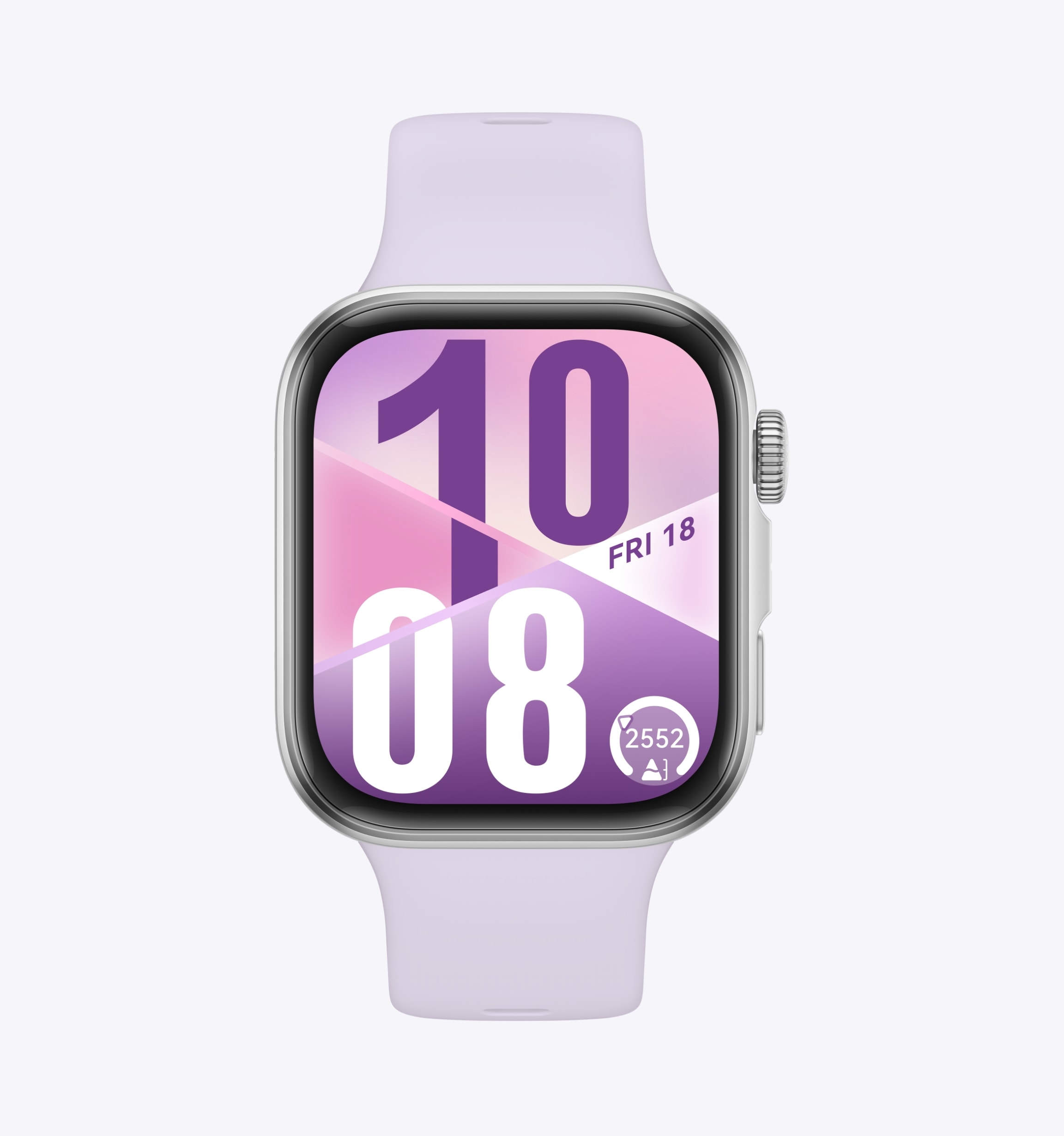
The Watch Fit 4 pushes the feature-per-dollar equation further than any watch in this guide. At roughly $150 (£149.99 in the UK – no official US pricing due to trade restrictions), you get dual-band GPS with offline maps, a 2,000-nit display that matches flagship brightness, and a full week of battery life. These are specs you'd expect on a $300+ Garmin, delivered at half the cost.
That display brightness is solid across lighting conditions, and outdoor readability holds up even in harsh midday sun. Dual-band GPS is a meaningful upgrade over the Amazfit Active 2's single-band setup, offering better accuracy in mixed environments. The fitness tracking suite is comprehensive, covering over 100 workout modes with solid heart rate monitoring during steady-state exercise.
Key caveats: There is no official US retail distribution due to ongoing trade restrictions on Huawei – you'll be buying through third-party importers with uncertain warranty support. There's no Google Pay or Apple Pay. The design borrows so heavily from the Apple Watch that it's impossible to overlook. And like most proprietary-OS watches, the app ecosystem is thin.
Who it's for: Fitness enthusiasts who want the most features per dollar and don't mind navigating import logistics. If you're outside the US – particularly in Europe or Asia – this becomes an even stronger pick with straightforward availability and competitive local pricing.
Amazfit Active Max – Best for Outdoor Adventures
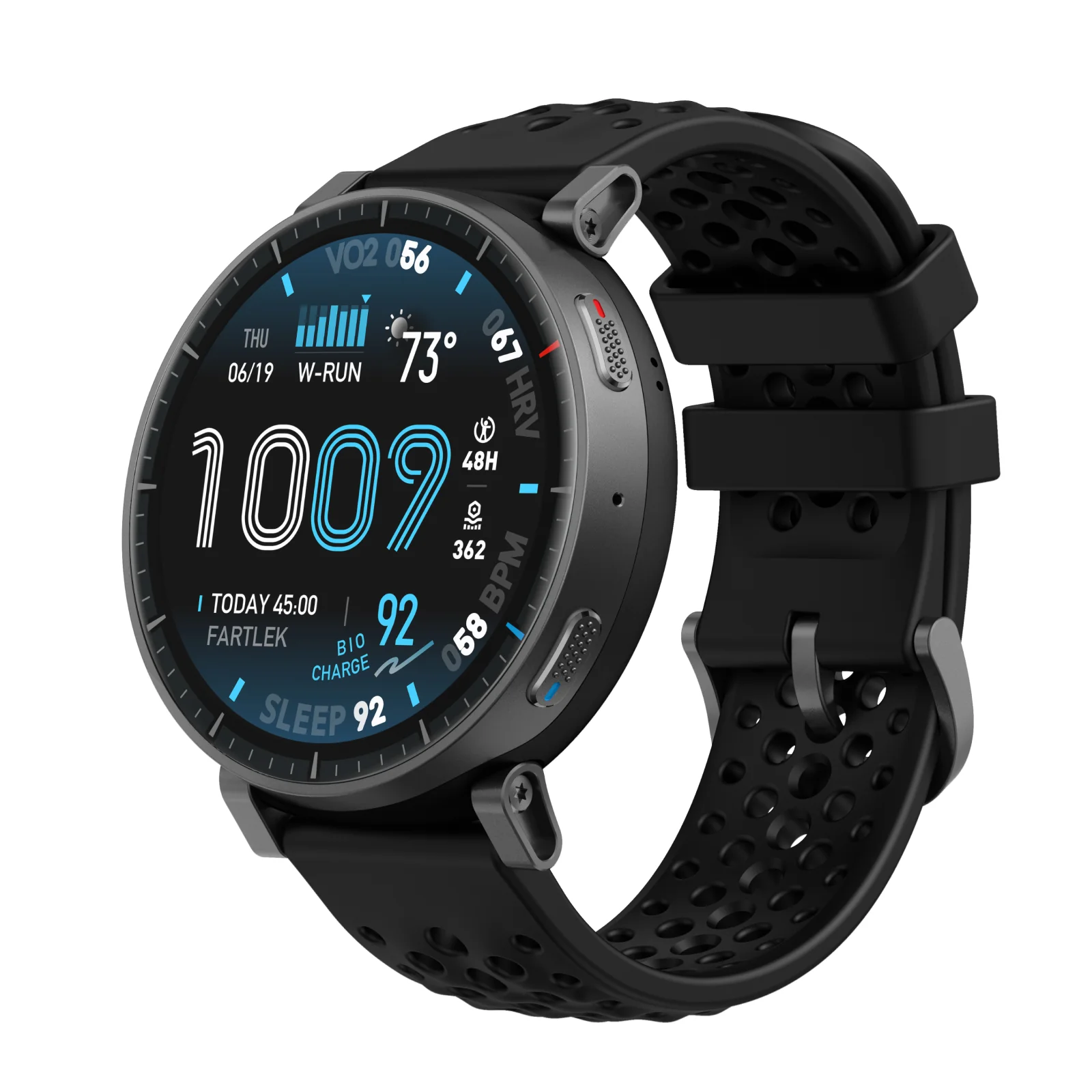
If your weekends involve trail heads and topo lines, the Active Max is your watch. At $169.99, it delivers a 3,000-nit display, offline topographic maps, and a staggering 25+ days of battery life in a rugged package built for the outdoors. It's the budget Garmin alternative that actually delivers on the promise.
Nearly a month of battery fundamentally changes how you use a watch. Multi-day backpacking trips, week-long camping excursions, forgetting your charger for an entire vacation – none of these are problems. The topographic maps are genuinely useful for trail navigation, and the 3,000-nit display means you can read them without cupping your hand over the screen. The build handles rain, mud, and the occasional scramble without complaint. The Active 2 handles casual outdoor use just fine – the Active Max earns its $70 premium only if multi-day battery and topo maps are non-negotiable.
Key caveats: Single-band GPS struggles in challenging terrain – dense forest canopy and urban canyons introduce noticeable drift. The software lacks the depth and polish of Garmin's training intelligence. Route planning and workout analysis feel a generation behind. This is not a watch for competitive runners who need precision pacing data.
Who it's for: Hikers, trail runners, and outdoor enthusiasts who want a rugged GPS watch without paying Garmin prices. If you care more about battery life and trail maps than training load analytics, this is the one.
Pebble Round 2 – Best for Minimalists
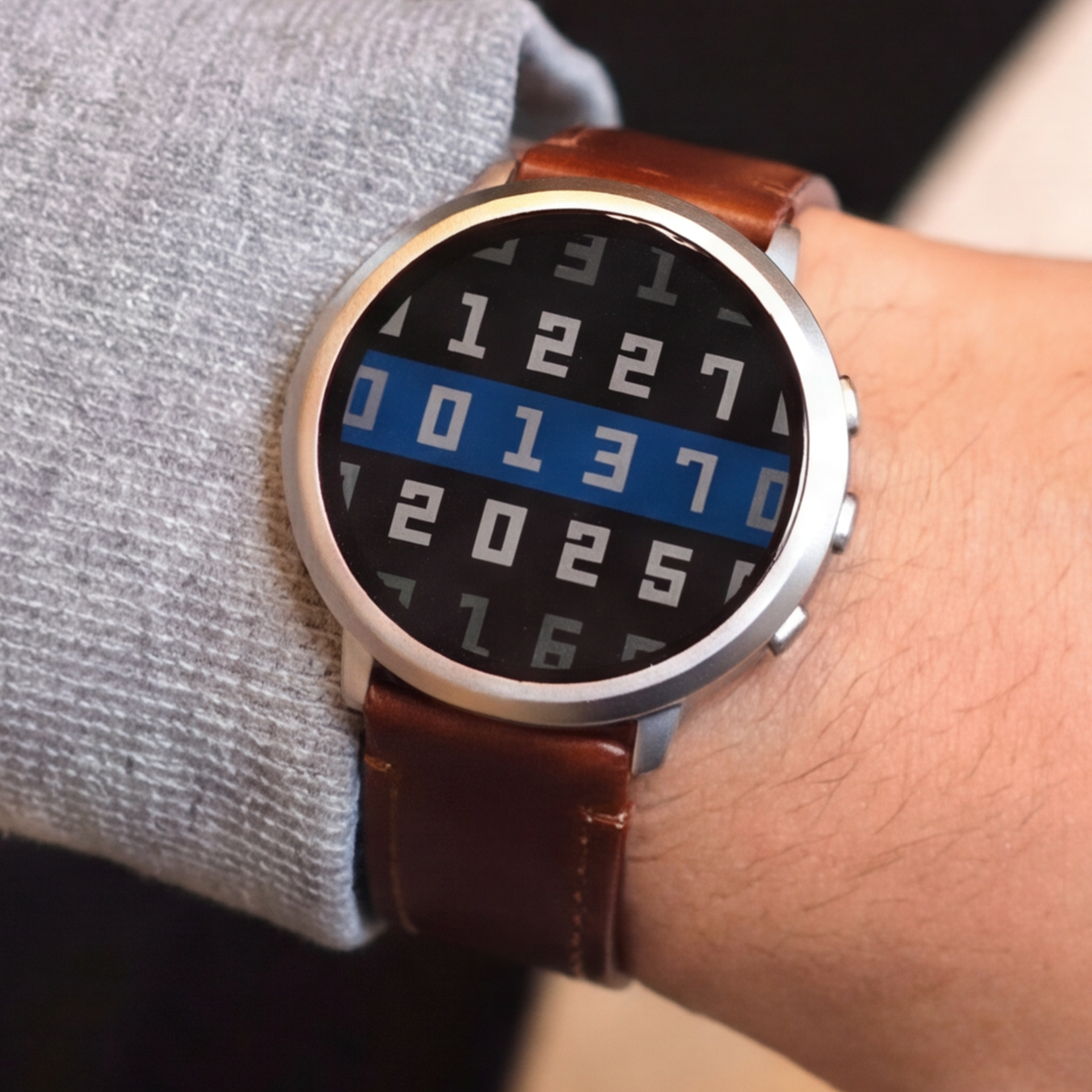
The Pebble Round 2 is the anti-smartwatch, and that's exactly the point – though it's worth stating upfront that it is currently available for pre-order only, with shipping expected in May 2026. If that timeline holds, what arrives will be a color e-paper display that's always on and never demands attention, 10 to 14 days of battery, and a body that weighs just 26.8 grams in stainless steel. At $199, it strips away everything except notifications and simplicity – and for certain people, that restraint is the entire appeal.
The e-paper display is the defining feature. It doesn't glow, pulse, or beg you to look at it. It shows the time, always, like a watch should. Notifications arrive quietly. The interface is deliberately minimal. And at 26.8 grams, it genuinely disappears on the wrist – you'll forget you're wearing it, which is the highest compliment a watch can earn.
Key caveats: No heart rate sensor. No GPS. No NFC. No speaker. At $199, the price is difficult to justify on a spec sheet when the Amazfit Active 2 offers far more features for half the money. This is a philosophical choice, not a technical one.
Who it's for: People who are overwhelmed by feature-bloated smartwatches and just want a watch that tells time, shows notifications, and lasts two weeks. If you've tried an Apple Watch and found it exhausting, the Pebble Round 2 is your antidote.
Apple Watch SE 3 – Best for iPhone Users
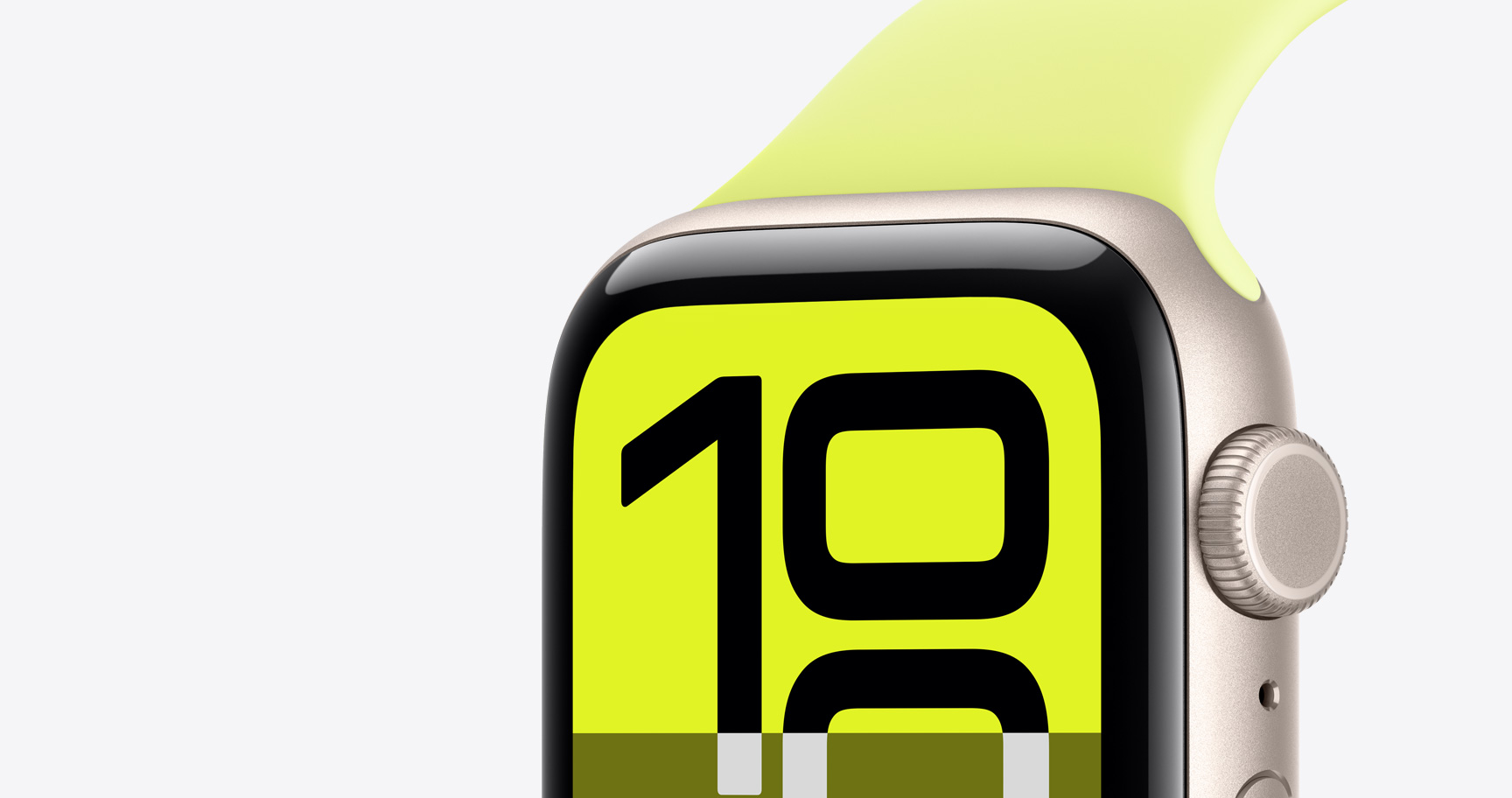
If you own an iPhone, the conversation is short. The Apple Watch SE 3 delivers 90% of the Apple Watch experience at a $150 discount over the Series 11. Starting at $249 for the 40mm, you get an always-on display (new for the SE line), the full watchOS app ecosystem, sleep apnea detection, and crash detection. No other budget watch integrates with an iPhone even half this well.
The always-on display is a meaningful upgrade from the previous SE. It removes the awkward wrist-raise dance that made older SE models feel cheap next to the flagship. WatchOS remains the most polished smartwatch operating system available – app quality, notification handling, and health integration are all best-in-class. Apple Health ties everything together with a depth that no competitor matches on iPhone.
Key caveats: Missing ECG and blood oxygen sensors (note: blood oxygen monitoring is currently unavailable on US-sold Apple Watches due to an ongoing patent dispute). Display brightness tops out at 1,000 nits – half the Series 11's 2,000 nits – which is noticeably dimmer outdoors. Daily charging is non-negotiable. And it only works with iPhones, full stop.
Who it's for: iPhone users who want the Apple Watch ecosystem without spending $399+ on the Series 11. If you don't need ECG, blood oxygen monitoring, or maximum display brightness, the SE 3 gives you everything else.
Garmin Forerunner 165 – Best for Runners
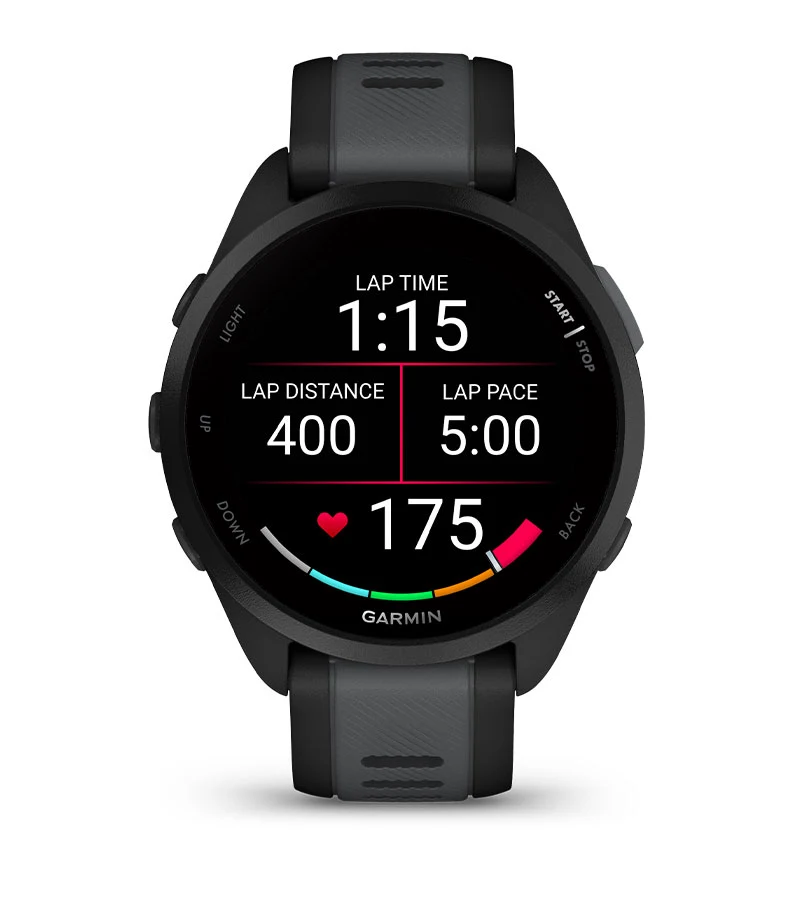
Two years after launch, the Forerunner 165 remains the budget running watch to beat. At $249.99 (frequently discounted to around $200), it combines an AMOLED display, accurate GPS, the full Garmin training ecosystem – suggested workouts, race predictor, training status – and 11+ days of battery life. This is the watch that started a price war in the running category, and nothing has dethroned it.
Garmin's training ecosystem is the real differentiator. Suggested workouts adapt to your fitness level and recovery. The race predictor gives you realistic goal times. Training status tells you whether you're productive, peaking, or overreaching. These features exist on $500+ Garmin watches with identical functionality – the Forerunner 165 just packages them at half the price. GPS accuracy is genuinely reliable for training, and integration with Strava, TrainingPeaks, and every major fitness platform is seamless.
Key caveats: No multi-band GPS, so accuracy degrades in dense urban environments compared to the Forerunner 265. No Training Load analytics – that's the next tier up. Chemically strengthened glass instead of sapphire means you'll want a screen protector. At MSRP, it sits at the very ceiling of the $250 budget definition, though sale prices regularly bring it under $220.
Who it's for: Runners who want the Garmin ecosystem and trustworthy GPS data without the premium tax. If you're training for a 5K, half marathon, or marathon and want a watch that actively coaches you, this is the clear choice.
How We Chose
Every pick in this guide was evaluated against six criteria:
Value proposition comes first. A budget watch isn't just about being cheap – it's about what you get relative to what $100 or $200 more would buy. The Amazfit Active 2 wins here because the gap between it and a $350 watch has never been smaller.
Core functionality means the watch has to do its main job well. Notifications need to arrive reliably. Fitness tracking needs to be reasonably accurate. GPS needs to produce usable routes. A cheap watch that fails at the basics isn't a bargain.
Battery life matters more in this category than any other. Budget buyers are less likely to tolerate daily charging rituals, and the gap between a one-day battery and a ten-day battery is the difference between a gadget and a tool you forget to think about.
Build quality determines whether a watch survives two years of daily wear. Solid materials, quality glass, and water resistance are non-negotiable – even at $100.
Software and ecosystem separates watches that are pleasant to use from watches that technically function. Companion app quality, update frequency, and platform stability all factor in.
Real-world accuracy is the final filter. Spec sheets can claim anything. What matters is whether the GPS track matches the road you actually ran, and whether the heart rate graph reflects the effort you actually felt.
Who Should Buy What
You just want the best value, period: Amazfit Active 2. At $99, it's the easiest recommendation in this guide.
You want maximum features under $150: Huawei Watch Fit 4, if you can navigate the availability constraints. Its dual-band GPS and bright display punch well above the price.
You spend weekends on trails: Amazfit Active Max. The multi-week battery and topographic maps are purpose-built for outdoor use.
You're tired of smartwatch overload: Pebble Round 2 – pre-order now, shipping May 2026. It's a watch first and a smart device a distant second, and that simplicity is the point.
You own an iPhone: Apple Watch SE 3. Nothing else integrates with iOS even remotely as well. Don't fight the ecosystem.
You're a runner who wants real training tools: Garmin Forerunner 165. The training ecosystem alone justifies the price, and frequent discounts soften the MSRP.
You're on Android and want apps: None of these. Save another $50-100 and buy a Galaxy Watch 7 or Pixel Watch 3. The Wear OS experience at the true budget tier is compromised enough that you're better off spending slightly more.
What To Avoid
Samsung Galaxy Watch FE ($199) – The "Fan Edition" label suggests a greatest-hits version of Samsung's flagship. The reality is an Exynos W920 processor from 2021 under the hood, delivering battery life that barely lasts a full day with typical use and performance that stutters through basic navigation. Worse, the standard Galaxy Watch 6 frequently drops to $180-220 on sale, with occasional deals as low as $150 – a genuinely better watch for less money. The FE did receive a Wear OS 5 update and has sapphire glass, but those upgrades can't overcome aging internals at a price this competitive field has left behind.
Xiaomi Watch 2 Pro (~$270/£240) – On paper, this is a knockout: Snapdragon W5+ Gen 1 processor, dual-band GPS, stainless steel body, full Wear OS. In practice, the software undermines the hardware at every turn. Heart rate readings lose accuracy during high-intensity intervals. GPS tracks drift noticeably despite the dual-frequency hardware. Sleep data intermittently fails to sync. Impressive specifications mean nothing when the data you collect is unreliable.