
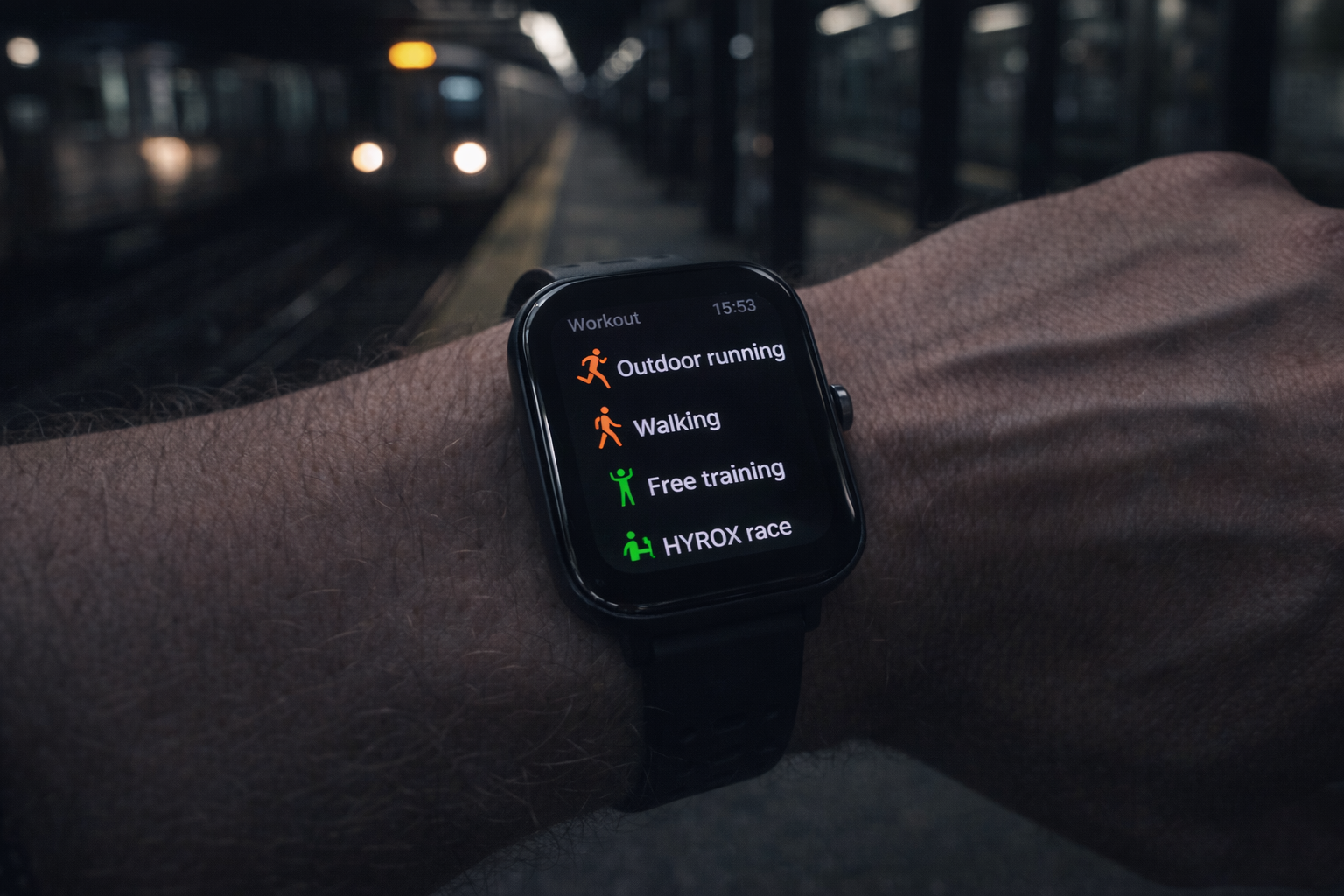
The Amazfit Bip 6 has no business being this good at $80. With a bright AMOLED display, built-in GPS, Bluetooth calling, and battery life that stretches past a week, it offers a hardware package that genuinely rivals smartwatches two and three times its price. Strap it on and you could easily mistake it for something in the $200-300 range. But there is a catch – and it lives in the software. Zepp OS delivers the basics competently, yet its limited app ecosystem, inconsistent sleep tracking, and subscription paywalls for advanced features keep the Bip 6 from fully realizing its potential. The question is whether the hardware is good enough to overcome the software's shortcomings.
Design & Build
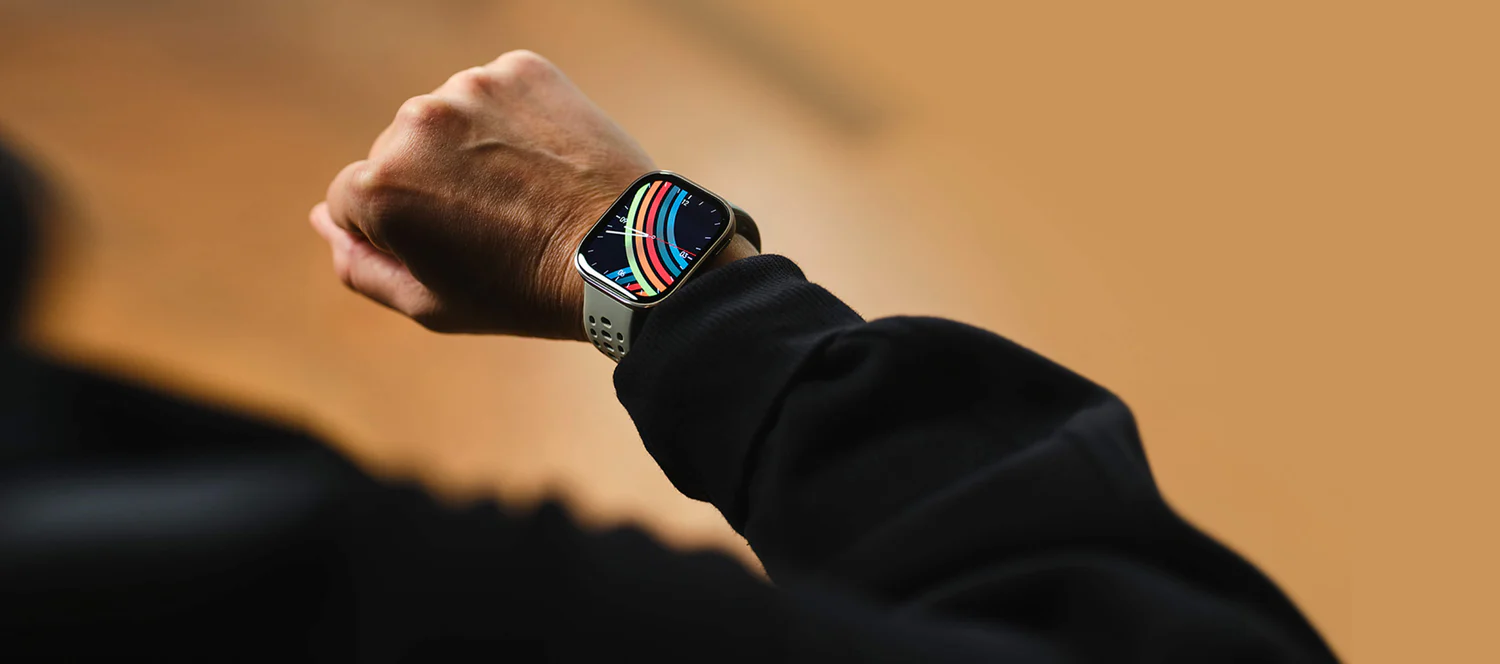
The Bip 6 looks expensive. The rectangular case with its aluminum alloy frame and fiber-reinforced polymer body borrows generously from the Apple Watch design language, and the resemblance is close enough that it could pass for a Series 10 at arm's length. At 27.9 grams without the strap, it sits light on the wrist – light enough to sleep in without noticing, which matters for a watch that tracks overnight metrics.
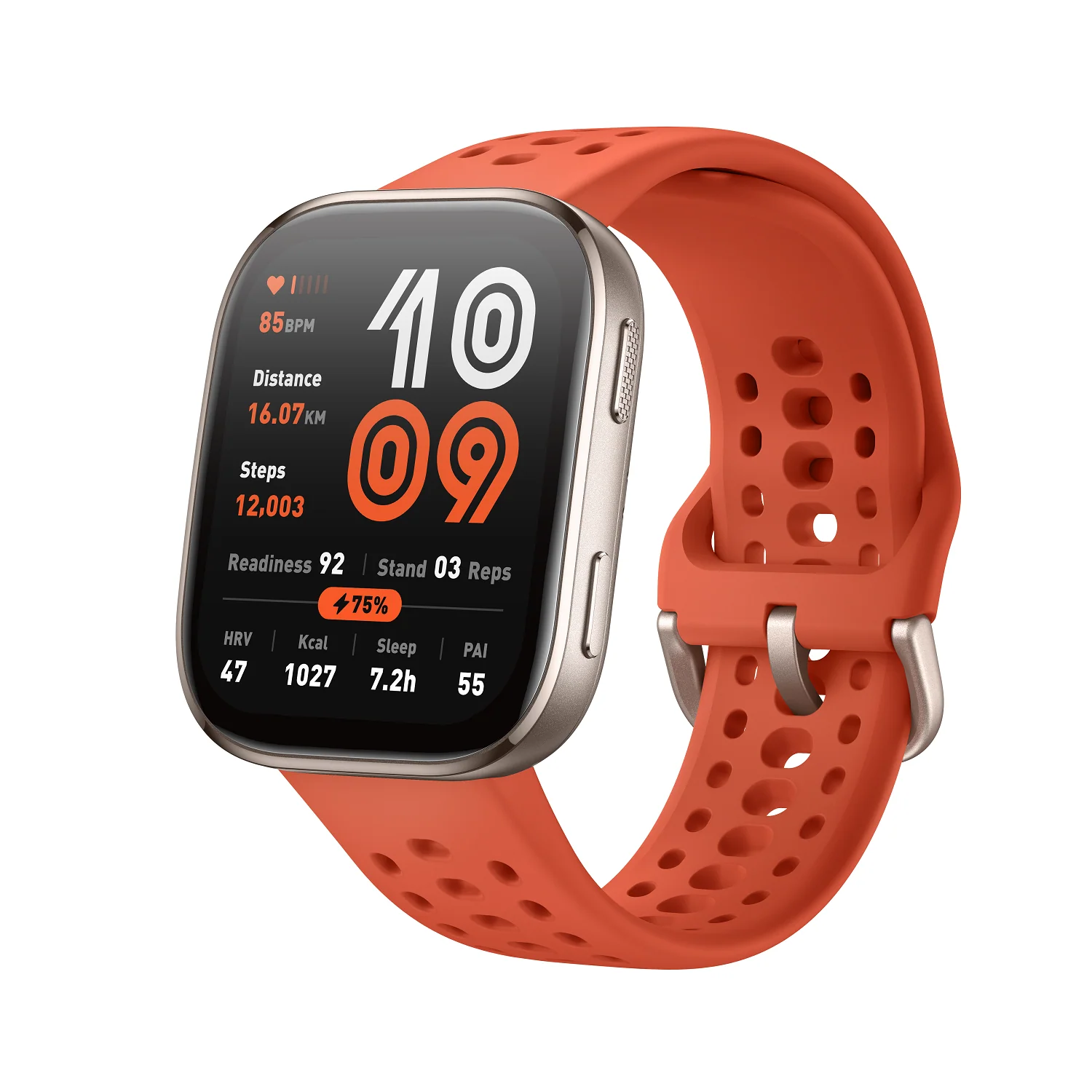
The silicone band is soft, breathable, and easy to swap out thanks to standard quick-release pins. Five color options – Black, Charcoal, Stone, Red, and Blush – cover most tastes. Two physical buttons on the right side provide tactile navigation shortcuts, a welcome complement to the touchscreen.
Water resistance hits 5ATM (50 meters), making it safe for swimming, showering, and rain-soaked runs. The flat tempered glass over the display resists fingerprints reasonably well, though it will pick up micro-scratches over time without a screen protector. For an $80 watch, the build quality genuinely impresses – nothing creaks, nothing flexes, nothing feels cheap.
Display
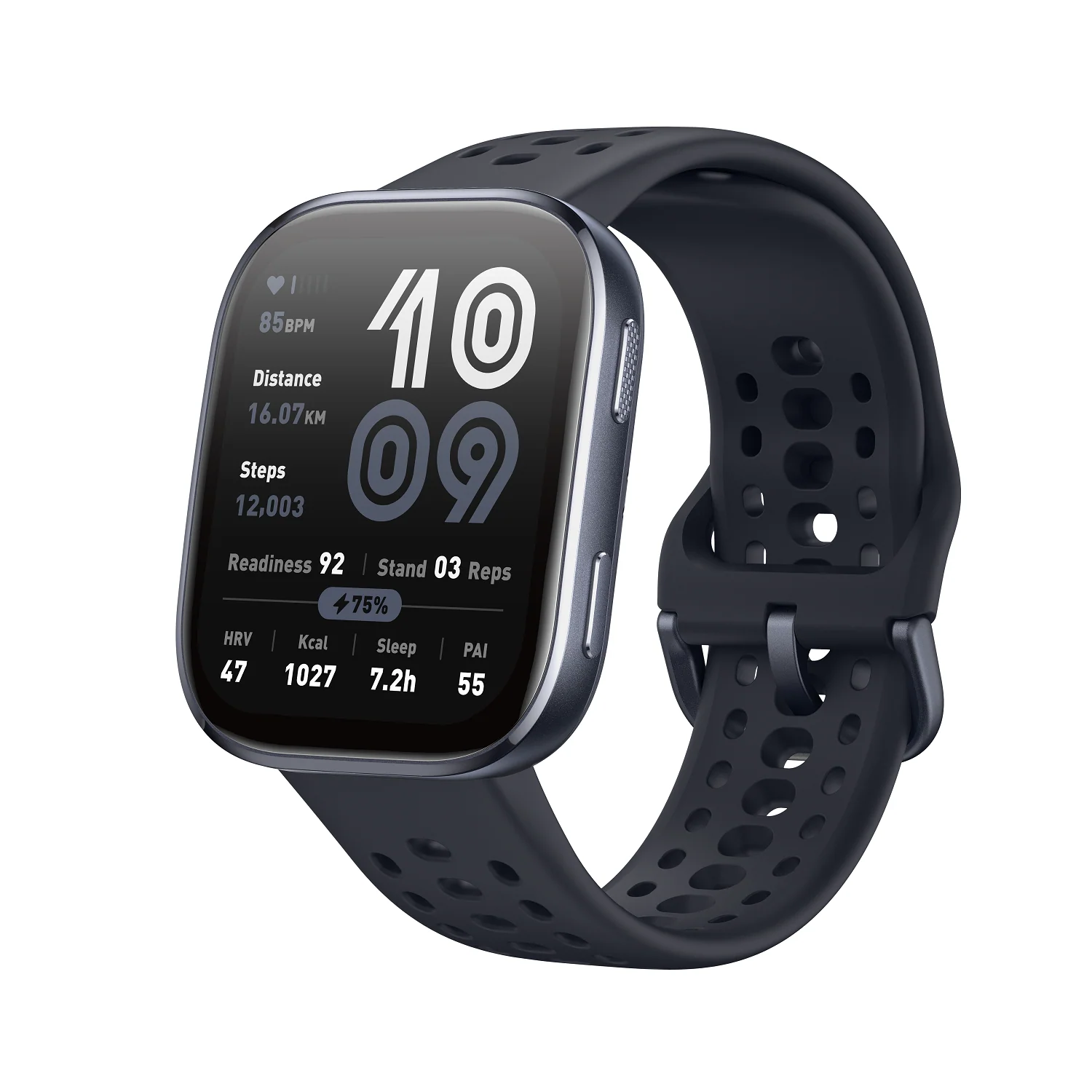
The screen is the Bip 6's headline upgrade and its single best feature. The jump from the Bip 5's TFT panel to a 1.97-inch AMOLED display transforms the entire experience. Colors are vivid, blacks are true, and the 2,000-nit peak brightness makes outdoor readability excellent even in direct sunlight.
The always-on display mode works well, though it does cut into battery life significantly – a worthwhile trade for many users. Watch face selection is extensive, ranging from analog classics to data-dense fitness dashboards, and the Zepp app offers hundreds more for download. At this price point, there is simply no better display available. It outperforms not just direct competitors like the Samsung Galaxy Fit3 but also some watches at double the cost.
Performance & Features
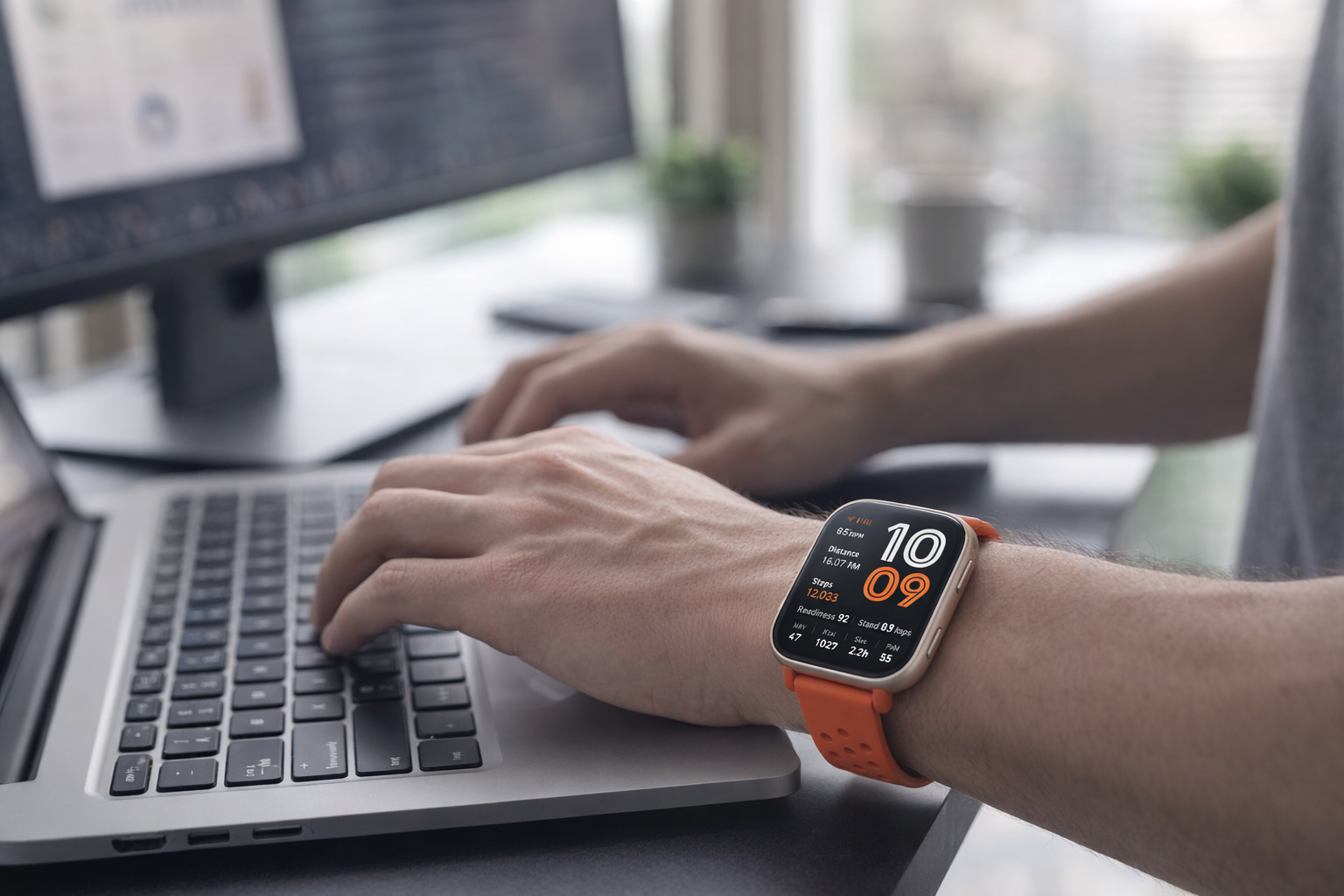
Here is where the story gets complicated. The hardware platform delivers smooth animations and responsive touch input. Zepp OS is clean, logically organized, and fast to navigate with swipes and button presses. The basics work: notifications arrive promptly from both Android and iOS, Bluetooth calling functions through the built-in speaker and microphone (though call quality is merely passable in noisy environments), and offline maps provide turn-by-turn navigation without a phone connection.
Zepp Flow, the AI assistant, deserves credit for being more than a gimmick. Voice commands reliably start workouts, check health stats, adjust settings, and answer general knowledge questions. Once you learn the command vocabulary, you can operate the watch almost entirely by voice. That said, the AI stumbles when asked to do anything beyond its scripted capabilities – tapping the "AI Assistant" button on notifications, for example, rarely produces anything useful.
The deeper problem is ecosystem depth. Zepp OS has an app store, but it is sparsely populated. There is no Spotify, no Google Home integration, no Todoist, no meaningful third-party app support. You cannot store and play music from streaming services. For iPhone users, the limitations compound: you can receive text notifications but cannot reply to them from the wrist.
Then there is the subscription question. Zepp Aura, which unlocks detailed sleep analysis and personalized wellness reports, costs $69.99 per year. On an $80 watch, that feels like a significant ask – especially when competitors include similar features at no extra cost.
Health & Fitness
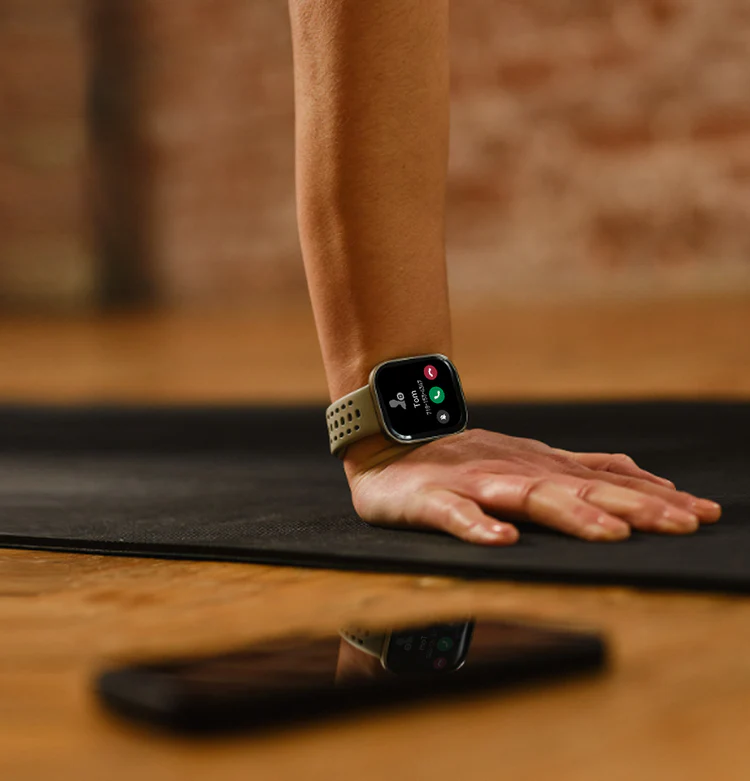
Fitness tracking is where the Bip 6 earns its keep. The 140-plus sport modes cover everything from running and cycling to swimming and the increasingly popular Hyrox format (a hybrid running and functional fitness competition). Built-in GPS handles outdoor activity tracking without requiring a phone, and the watch syncs with Strava, Apple Health, TrainingPeaks, Komoot, and Adidas Running.
Heart rate monitoring through the BioTracker 6.0 sensor performs well for the price – typically landing within five beats per minute of premium wearables during steady-state exercise. Blood oxygen (SpO2), stress levels, and a readiness score round out the health metrics. The readiness score, which synthesizes heart rate variability, sleep quality, and activity data, provides a useful daily snapshot of recovery status.
GPS accuracy is adequate for casual fitness tracking but falls short of what serious runners expect. The GPS struggles in densely built-up urban areas, and individual data points can be imprecise – though total distance across longer runs tends to align reasonably well with premium competitors. Anyone training for a marathon or tracking precise pace splits should look elsewhere.
Sleep tracking is the Bip 6's weakest health feature. It tends to overestimate core sleep by 30 minutes or more, and it handles mid-night wake-ups poorly, sometimes closing out a sleep session entirely rather than recognizing a brief interruption. The basic sleep metrics – total duration, sleep stages, breathing quality – provide a general picture, but they lack the reliability of a Fitbit Charge 6 or Apple Watch.
Battery Life
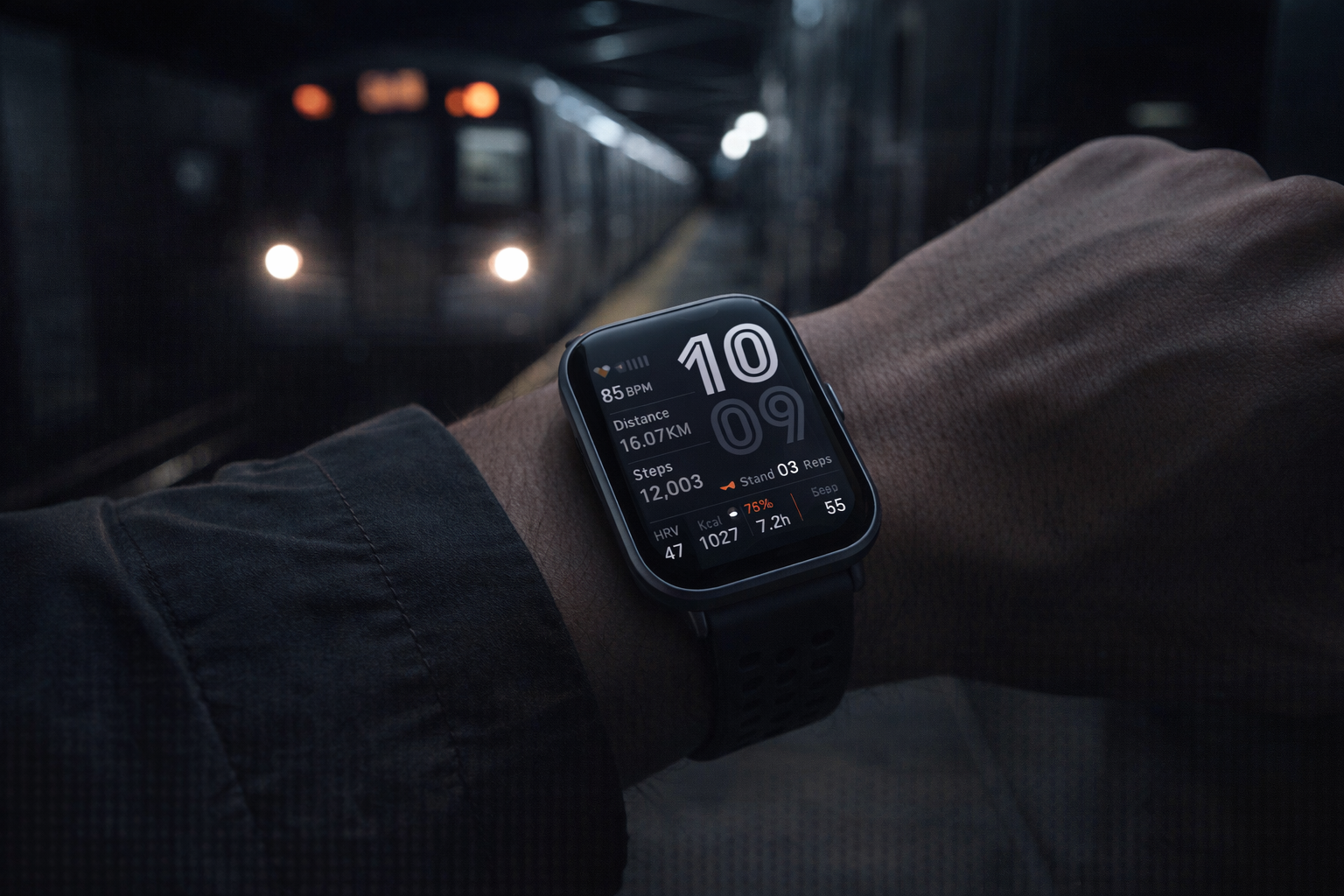
The Bip 6 claims 14 days of battery life under typical use, and real-world performance largely backs that up. With notifications active, periodic heart rate monitoring, and a few GPS-tracked workouts per week, expect 8 to 10 days between charges. Enable the always-on display and heavy GPS usage, and that drops to around 5 to 6 days – still impressive for an AMOLED smartwatch.
A power-saver mode stretches things to a claimed 26 days by disabling non-essential features. Charging uses a proprietary magnetic puck (no USB-C cable included, which is an annoyance) and takes approximately two hours from empty to full. The battery story is unambiguously positive: multi-day battery life means no nightly charging ritual, which in turn means uninterrupted sleep tracking – a meaningful practical advantage over watches that need daily top-ups.
Who It's For / Who Should Skip
Buy the Bip 6 if you: - Want the best smartwatch experience available under $100 - Prioritize battery life and do not want to charge every night - Need basic fitness tracking with GPS for casual running, cycling, or gym workouts - Value a bright, readable display for outdoor use - Use an Android phone (the experience is noticeably better than on iOS)
Skip the Bip 6 if you: - Rely on third-party apps like Spotify, Google Home, or robust notification replies - Need highly accurate GPS for serious running training - Depend on precise sleep tracking data for health decisions - Use an iPhone and want full smartwatch functionality - Expect premium AI and wellness features without a subscription
For runners who need GPS precision, the Garmin Forerunner 165 at around $250 is worth the premium. For those who want a richer app ecosystem, saving for a Samsung Galaxy Watch or Apple Watch SE opens up a different world of functionality. And for buyers who simply want the cheapest capable tracker, the Samsung Galaxy Fit3 at around $60 trades GPS and calling for a lower price point. If you are weighing other options in this price range, the Huawei Watch Fit 4 and Amazfit Active 2 are also worth considering.
The Verdict
The Amazfit Bip 6 delivers the best hardware-per-dollar ratio of any budget smartwatch in 2025. Its AMOLED display, GPS, Bluetooth calling, and multi-day battery life form a package that would be competitive at twice the price. The build quality surprises, the fitness tracking satisfies for casual use, and the design looks far more expensive than $80.
But software is where it falls short of greatness. Zepp OS's barren app store, inconsistent sleep tracking, subscription paywalls, and degraded iOS experience drag down what is otherwise exceptional hardware. The Bip 6 punches well above its weight – it just pulls some of those punches.
Score: 78/100
| Category | Weight | Score |
|---|---|---|
| Core Function | 30% | 74/100 |
| Build Quality | 15% | 80/100 |
| User Experience | 20% | 65/100 |
| Value | 20% | 92/100 |
| Battery | 15% | 82/100 |
For budget-conscious buyers who understand what Zepp OS can and cannot do, the Amazfit Bip 6 is a clear recommendation within its price tier. The hardware alone justifies the price, and if Amazfit continues improving its software platform, this line is on a trajectory to become genuinely dominant in the sub-$100 category. Just go in with clear expectations: this is a phenomenal $80 watch, not a $300 watch that happens to cost $80.