
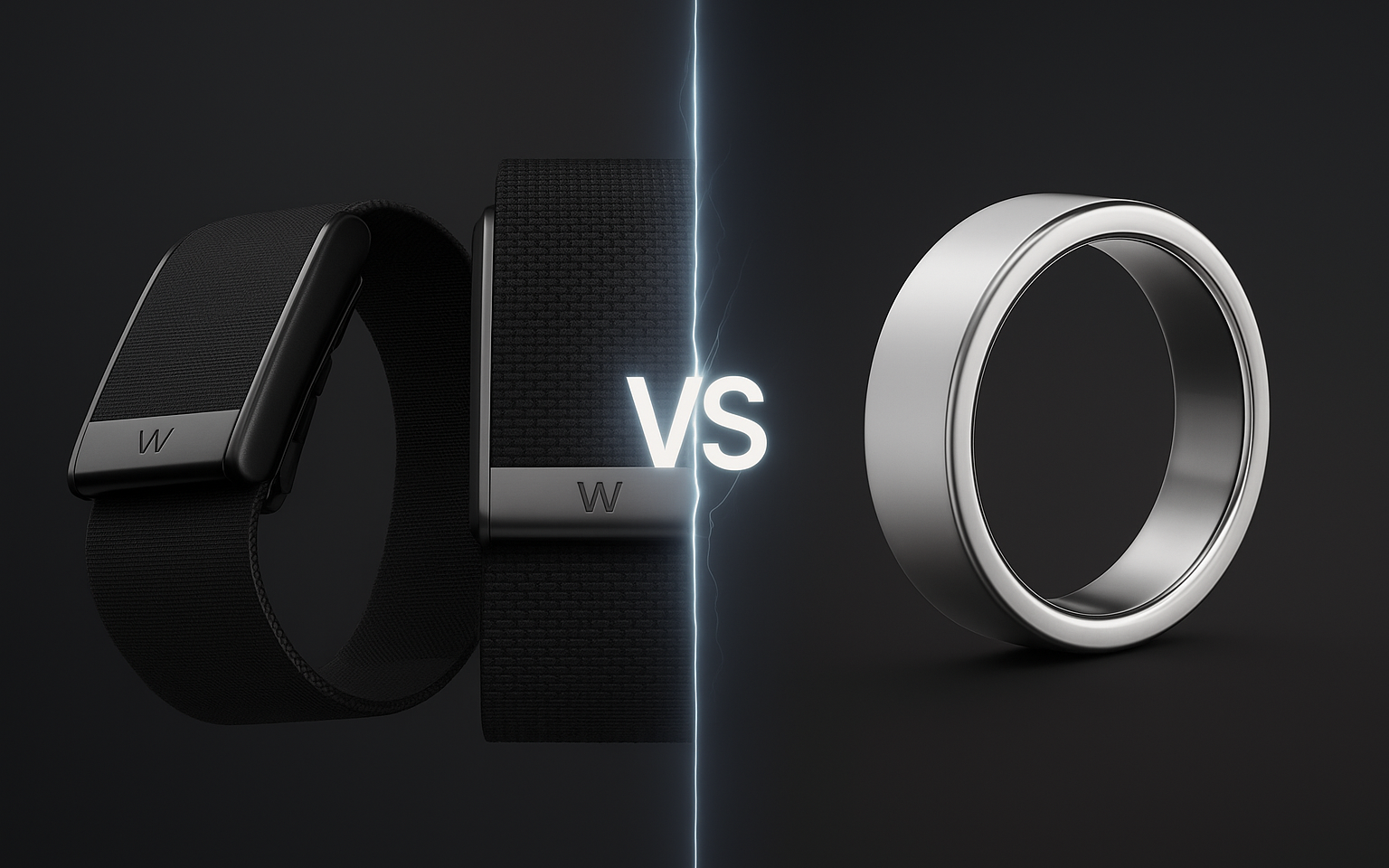
Two wearables promise to quietly revolutionize your health. No screens. No notifications. No distractions. Just continuous tracking of your heartbeat, sleep stages, and recovery. The Whoop 5.0 wraps around your wrist like a fitness secret. The Oura Ring 4 slips onto your finger and disappears.
But here is the catch: you cannot just buy these devices. You rent them. Monthly fees unlock the data they collect from your body. And while both track similar metrics, they approach wellness from opposite angles. One turns you into a performance machine. The other gently nudges you toward balance.
Which philosophy of health actually works? We compared their sleep scores, recovery insights, and app philosophies. We evaluated their battery claims, compared workout tracking, and assessed how each device shapes daily habits.
Design & Comfort: The Invisible Ring vs. The Obvious Band
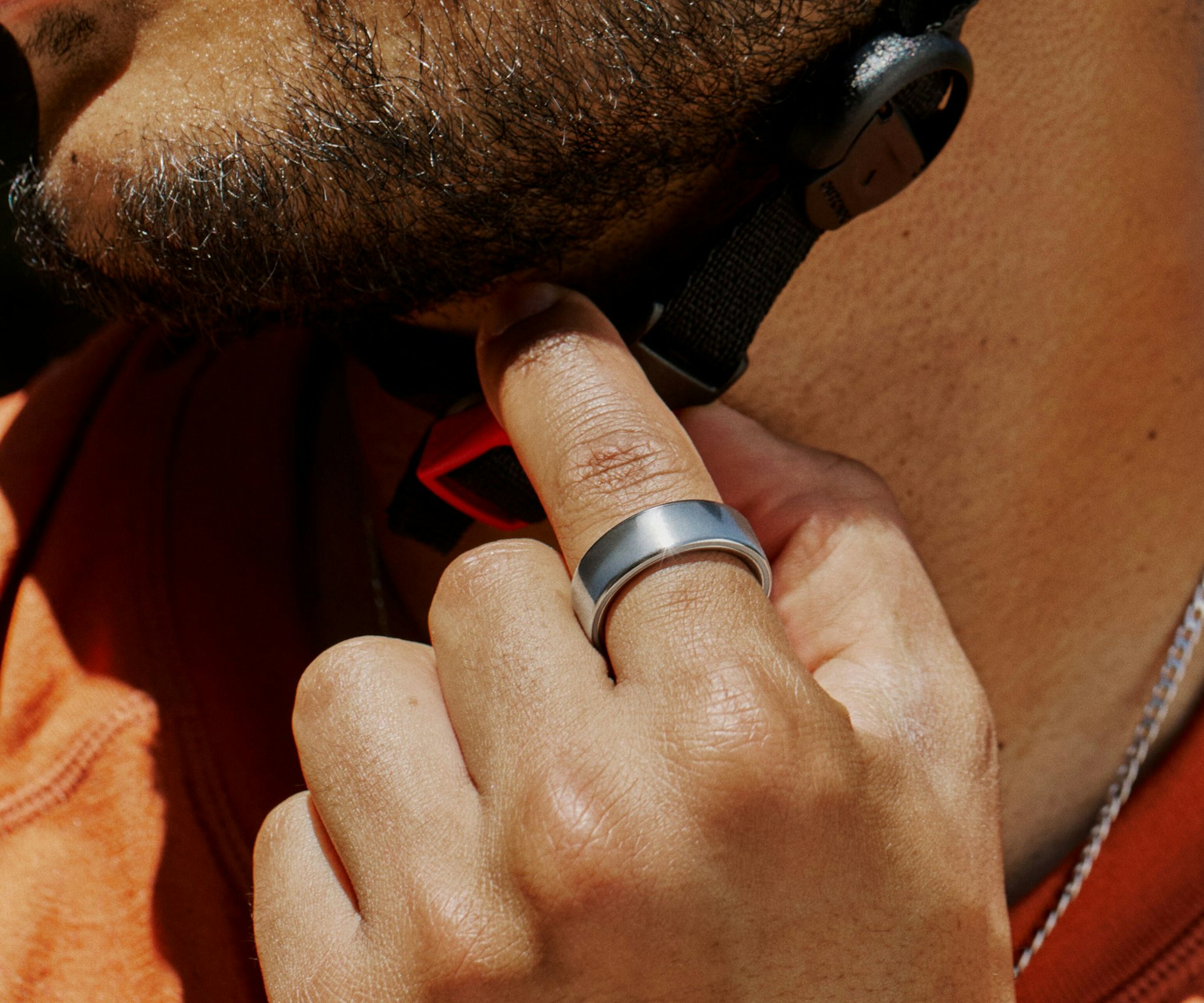
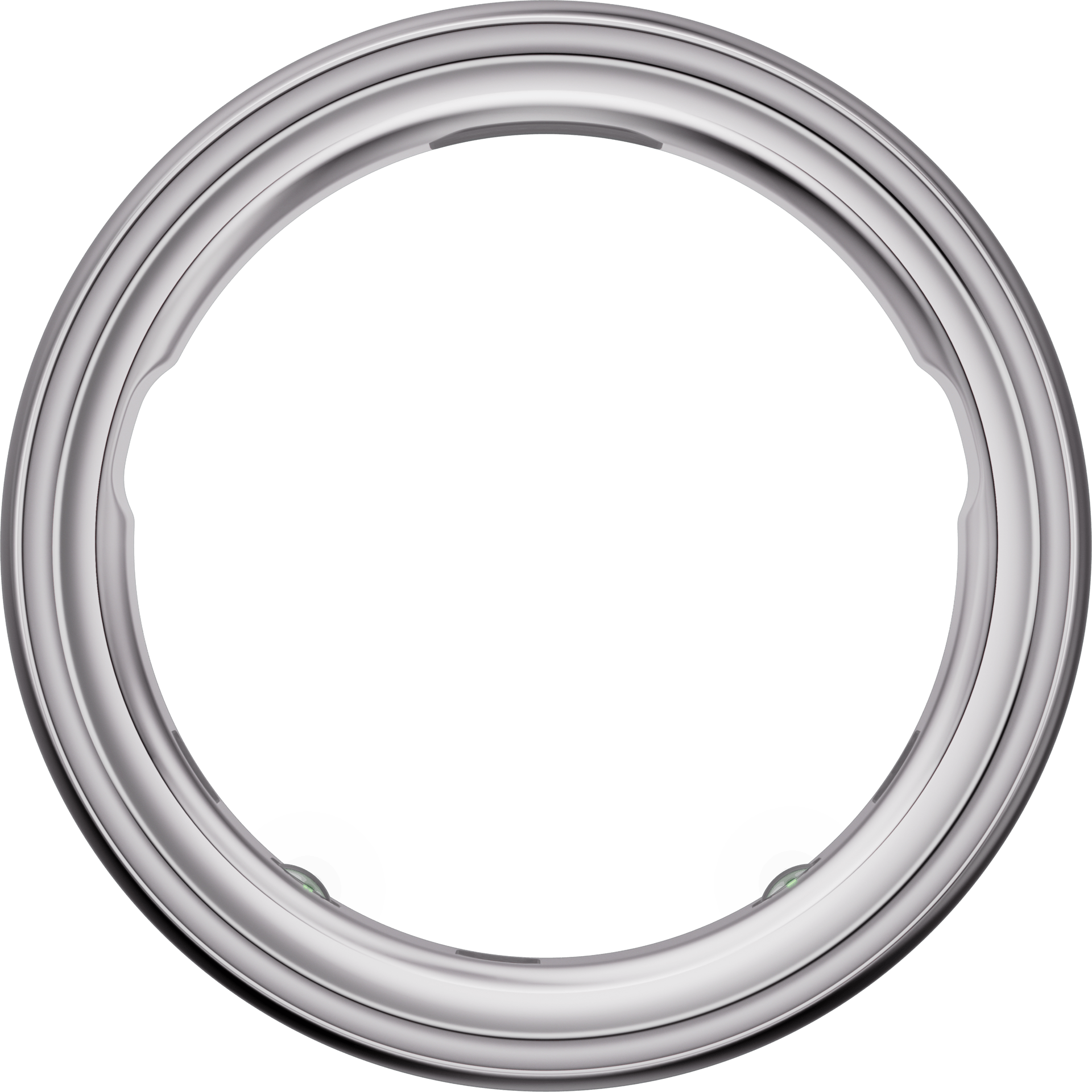
The Oura Ring 4 wins on invisibility. Slip it on your finger and most people assume it is jewelry. The titanium construction feels substantial, the recessed sensors sit flush against your skin, and the design works equally well in the boardroom or the gym.
But that subtlety comes with tradeoffs. Rings take constant impact. After three weeks, mine showed scratches despite titanium's reputation for durability. And sizing matters more than you would think. Oura ships a sizing kit because their ring sizes do not match standard measurements. Too tight and accuracy suffers. Too loose and it spins annoyingly during workouts.
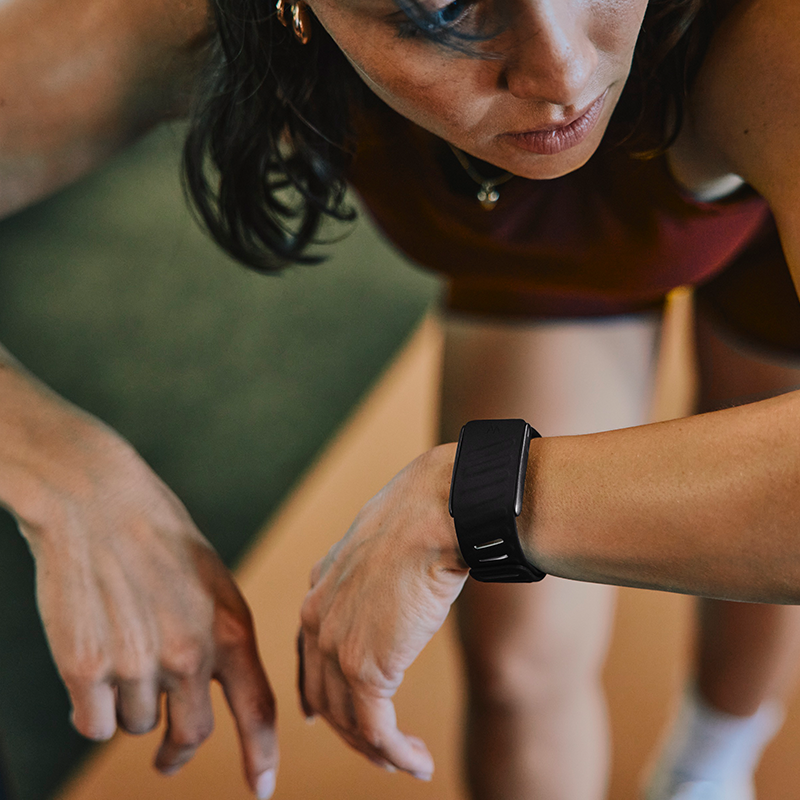
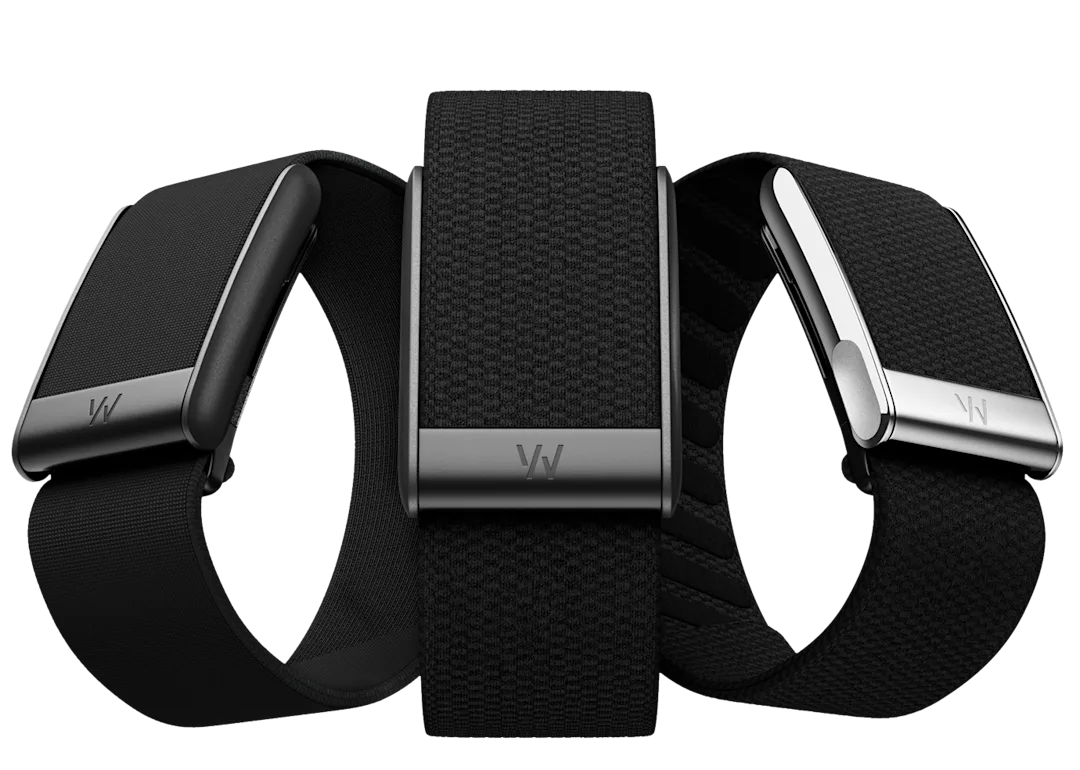
The Whoop 5.0 makes no attempt at fashion. The obsidian band screams "athlete" even when you are just answering emails. At 26.5 grams and 10.6mm thick, it is not heavy, but it is noticeable. The fabric bands feel soft and breathable, and the device stays put during everything from sleep to sprint intervals.
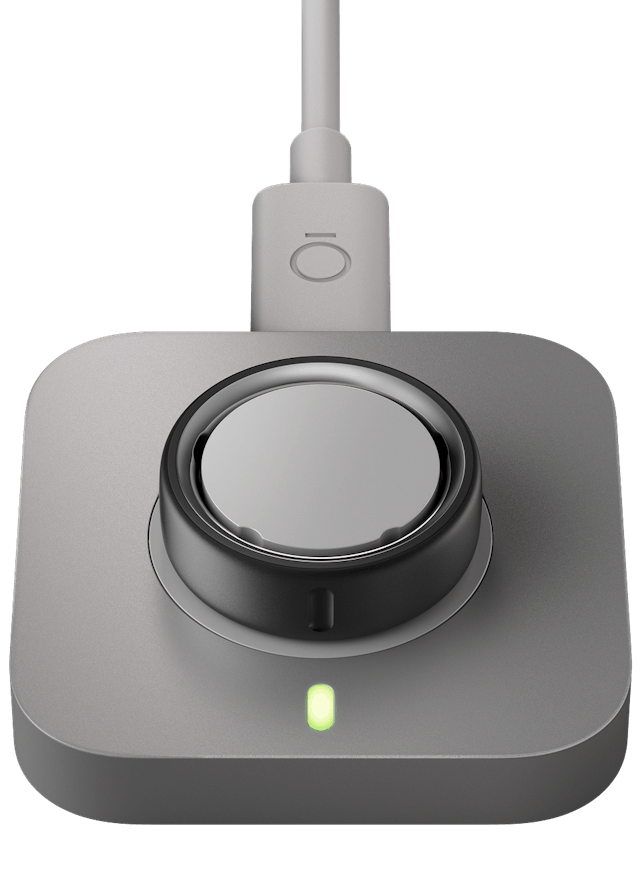
Whoop's killer feature is on-wrist charging. The wireless battery pack slides over the sensor, letting you charge without removing the band. For continuous wear, this design proves essential. Oura requires you to take the ring off, place it in a charging cradle, and wait 20-80 minutes depending on battery level. That breaks the "never take it off" philosophy both devices claim to embrace.
For pure comfort, Oura edges ahead. You forget it is there most days. The Whoop reminds you constantly, especially during sleep when the clasp occasionally catches on sheets.
Battery Life & Charging: Whoop's Two-Week Victory
Whoop advertises 14+ days of battery life, and it delivers. During testing, the battery consistently lasted the full two weeks with continuous tracking. The wireless battery pack slides over the sensor while you wear it, topping up the device in about 110 minutes without interrupting data collection.
This matters more than it sounds. Wearables that track 24/7 lose data every time you remove them. Whoop's on-wrist charging means you never miss a workout, a sleep session, or even an afternoon nap.
Oura promises up to 8 days depending on ring size and features enabled. I consistently got 6 days with automatic workout detection and continuous heart rate tracking. Not bad, but the charging process gets annoying. Remove ring, place in proprietary cradle, wait 20-80 minutes, remember to put it back on. I lost sleep data twice after forgetting to reattach overnight.
Whoop wins decisively. Two weeks of battery life with on-wrist charging eliminates the single biggest pain point of wearable health tracking.
Health & Fitness Tracking: Strain Score vs. Daily Activity
Whoop obsesses over training intensity. Oura focuses on daily activity. Both have closed the gap in recent updates, but their DNA remains fundamentally different.
Whoop quantifies every activity on a 0-21 strain scale. The device monitors your heart rate constantly, calculates cardiovascular load, and tells you exactly how hard you pushed today. After a brutal HIIT session, Whoop logged a strain score of 18.4. The app then suggested I aim for a recovery score above 66% before training hard again.
This works brilliantly for structured training. The strain coach feature uses yesterday's recovery to prescribe today's ideal effort level. If my recovery score hit 85%, Whoop recommended pushing for a strain of 16+. If I woke up at 42%, it suggested a rest day or light activity under 10. For athletes training multiple times per week, this guidance prevents both overtraining and sandbagging.
Whoop 5.0 includes step tracking, but it is clearly secondary to the platform's strain-based philosophy. The step count lives in the app but does not drive the coaching engine. If hitting 10,000 steps is your primary motivation, Whoop will not celebrate that the way Oura does.
Oura takes the opposite approach. The ring foregrounds steps, active calories, and movement patterns throughout the day. Oura's step counts run about 20% lower than Apple Watch, a difference Oura attributes to improved machine learning that filters out false positives from hand gestures. I trusted this more than inflated counts from other trackers.
Oura's automatic activity detection catches over 40 different activity types, from dog walks to weight training. However, workout tracking feels basic compared to Whoop. Where Whoop breaks down heart rate zones and strain accumulation minute by minute, Oura simply logs duration and average heart rate.
Neither device has built-in GPS. Whoop relies on your phone for pace and distance tracking. Oura also uses your phone's GPS when carried, and can sync route data from Strava and Apple Health. If you run without your phone, neither device will map your route.
For hardcore athletes, Whoop wins on training depth. For everyday wellness, Oura's step tracking and holistic activity score prove more useful.
Sleep Tracking: Where Oura Dominates
Both devices excel at sleep tracking, but Oura sets the standard.
A study published in Sensors by researchers at Brigham and Women's Hospital found that the Oura Ring achieved the highest accuracy in four-stage sleep classification among consumer wearables tested, outperforming Apple Watch by roughly 5% and Fitbit by about 10% based on Cohen's kappa scores (a statistical measure of agreement between the wearable and clinical polysomnography). During my testing, Oura nailed my sleep stages with eerie precision. Nights when I felt deeply rested showed high deep sleep and REM percentages. Restless nights aligned perfectly with fragmented sleep patterns in the app.
Oura's sleep insights go beyond just tracking. The app highlights factors that affected my sleep quality, noting elevated body temperature after late workouts or reduced HRV after alcohol consumption. The sleep score combines duration, efficiency, timing, and restorative sleep into one digestible number. Scores above 85 meant I felt sharp. Scores below 70 meant I dragged through the afternoon.
Whoop also tracks sleep stages and delivers solid accuracy. The company's published validation data shows 99% agreement with medical-grade equipment for heart rate measurement during sleep, though sleep stage classification accuracy is naturally lower, as it is for all consumer wearables. In practice, Whoop's sleep tracking caught my 2 AM wake-ups and afternoon naps reliably.
Where Whoop differentiates itself is in recovery integration. The sleep score feeds directly into the recovery calculation, which combines sleep performance, HRV, and resting heart rate. Whoop then uses this recovery score to coach your training. Sleep becomes less about optimization for its own sake and more about preparing for tomorrow's performance.
Oura, by contrast, treats sleep as a pillar of holistic wellness. The app encourages better sleep habits not just for athletic recovery but for longevity, mental health, and daily energy. This softer approach resonated more during weeks when I was not training hard.
Oura wins on pure sleep science and user-friendly insights. Whoop wins if you need sleep data integrated into training plans.
Recovery & Readiness: Two Philosophies of Readiness
Every morning, both devices answer the same question: How ready am I?
Whoop calls this your Recovery Score. The algorithm weighs HRV, resting heart rate, respiratory rate, and sleep performance into a percentage from 0-100%. Green (67%+) means your body recovered well. Yellow (34-66%) suggests moderate training. Red (below 34%) screams rest day.
What makes Whoop's system powerful is HRV-CV (heart rate variability coefficient of variation), a metric measuring your HRV consistency over time. Think of it as a stability check: wildly bouncing HRV means your body is stressed or overtrained, even if individual readings look okay. During a particularly stressful work week, my HRV dropped 15% below baseline and my HRV-CV spiked. Whoop flagged this immediately, recommending lighter training despite decent sleep.
The recovery score also adapts over time. Whoop builds your personal baseline over months, so a 72% recovery for me might mean something different than 72% for an Olympic marathoner. This personalization makes the coaching feel genuinely tailored.
Oura uses a Readiness Score that functions similarly but feels less aggressive. The score (0-100) combines sleep quality, HRV balance, resting heart rate, body temperature trends, and activity balance from previous days. Oura's algorithm emphasizes long-term trends over daily fluctuations, asking whether you are balanced over the past week rather than just recovered from yesterday.
Whoop pushes you to optimize daily performance. Oura encourages sustainable wellness. When my Whoop recovery hit 45%, the app basically told me to skip my run. When my Oura readiness hit 68 (comparable level), the app suggested I "listen to my body" and consider lighter activity.
I preferred Whoop's directness for training cycles. I preferred Oura's gentler approach for normal life.
For athletes training with specific goals, Whoop's recovery system is unmatched. For everyone else, Oura's readiness score provides plenty of guidance without the pressure.
App Experience & Ecosystem: Data Overload vs. Gentle Guidance
Open the Whoop app and you drown in metrics. Strain graphs, HRV trends, sleep efficiency charts, respiratory rate patterns, skin temperature variations. Every screen offers deeper dives into sub-metrics and historical comparisons. The app clearly targets data enthusiasts who want to analyze every variable.
This depth impresses but overwhelms. During my first week, I spent 20 minutes each morning clicking through tabs, trying to understand what each metric meant and how it connected to the others. The AI coaching helped. Whoop Coach, powered by GPT-4, offers explanations like "Your HRV is trending 8% below baseline due to accumulated strain from this week's workouts." But the sheer volume of information can paralyze non-athletes.
Oura redesigned its app in late 2024, and the difference is striking. The Today tab surfaces the most relevant insights based on time of day. Morning shows sleep score and readiness. Afternoon highlights activity progress. Evening reminds you about sleep timing. Spotlight cards rotate automatically, so you see what matters without hunting.
The interface feels friendlier, softer, less intimidating. Explanations use accessible language instead of scientific jargon. The overall vibe says "we are here to help you feel better" rather than "optimize everything or fail."
Both apps offer AI advisors. Whoop Coach answers questions about your biometrics and suggests training adjustments. Oura Advisor provides similar guidance with less focus on performance. Oura's advisor proved more useful for general health questions. Whoop's coach excelled at workout-specific advice.
Integration differs too. Whoop syncs with Strava for workout imports but otherwise lives in its own ecosystem. Oura connects to hundreds of apps, including fitness platforms, nutrition trackers, mental health tools, and menstrual cycle apps, making it feel like a health hub rather than a standalone tracker.
For data nerds and serious athletes, Whoop's depth is a feature. For everyone else, Oura's simplicity and broader integration wins.

Subscription & Total Cost of Ownership: The Long-Term Math
Whoop 5.0 costs nothing upfront. You pay $239/year for Peak membership, which includes the new Whoop 5.0 hardware plus healthspan metrics, stress monitoring, and women's health features. A budget One tier at $199/year includes a certified pre-owned Whoop 4.0, not the newer 5.0. A third Life tier at $359/year includes Whoop MG hardware with ECG and blood pressure features. Stop paying and the device stops working.
Over two years on Peak (the entry point for Whoop 5.0): $478. Over five years: $1,195.
Oura Ring 4 costs $349 for titanium finishes or $499 for ceramic. The subscription runs $5.99/month or $69.99/year for access to advanced features. Without the subscription, you still see basic Sleep, Readiness, and Activity scores, but you lose detailed insights, trends, and the AI advisor.
Over two years (titanium + subscription): $489. Over five years: $699.
| Timeframe | Whoop 5.0 (Peak) | Oura Ring 4 (Titanium) |
|---|---|---|
| Year 1 | $239 | $419 |
| Year 2 | $478 | $489 |
| Year 5 | $1,195 | $699 |
Oura wins on total cost of ownership if you keep the device long-term. Whoop wins if you want zero upfront commitment.
There is a psychological difference too. Whoop's annual fee feels like a gym membership, something you might cancel when motivation wanes. Oura's upfront cost creates commitment. You bought the ring. You are more likely to keep using it.
Who Should Buy What
Choose Whoop 5.0 if you: - Train seriously for a sport or fitness goal - Want specific daily training guidance based on recovery - Love analyzing data and tracking trends - Do not mind wearing an obvious wrist band - Need two weeks of battery life with on-wrist charging - Value strain coaching and workout intensity tracking - Get energized by data and optimization
Choose Oura Ring 4 if you: - Prioritize sleep optimization and general wellness - Want an invisible, stylish wearable - Prefer gentle guidance over aggressive coaching - Track daily steps and casual activity - Want the best sleep tracking accuracy available - Like a friendly, approachable app experience - Plan to keep the device for multiple years - Want wellness tracking that does not feel like homework
Our Verdict: Oura Ring 4 Wins for Most People
The decision comes down to one question: Are you training for something specific, or living your life?
If you are training, for a marathon, a cycling race, a powerlifting meet, choose Whoop 5.0. Its recovery algorithm, strain coaching, and HRV tracking create a feedback loop that optimizes training cycles. For this audience, Whoop's aggressive daily guidance and data depth justify the annual subscription.
If you are living your life, working, sleeping, moving, trying to feel better, choose Oura Ring 4. Its invisible design, superior sleep tracking, friendlier app, and lower long-term cost make it the smarter wellness companion. You will actually wear it every day because you forget it is there. The sleep insights genuinely improve rest quality. The readiness score guides without overwhelming.
Both devices deliver on the promise of distraction-free health tracking. Both skip smartwatch chaos. Both monitor the metrics that actually matter: sleep, recovery, cardiovascular health.
But only one disappears on your hand while quietly making you healthier. That is the Oura Ring 4.
Specs At A Glance
Whoop 5.0 - Form: Wrist band (34.7 x 24 x 10.6mm, 26.5g) - Battery: 14+ days, wireless on-wrist charging (~110 min) - Sensors: Heart rate, HRV, respiratory rate, skin temperature, blood oxygen, accelerometer - Water resistance: IP68 (10m for 2 hours) - Subscription: $199-239/year (includes hardware) - GPS: Phone-dependent - Step tracking: Yes
Oura Ring 4 - Form: Finger ring (titanium or ceramic, sizes 4-15) - Battery: Up to 8 days, cradle charging (20-80 min) - Sensors: Heart rate, HRV, body temperature, blood oxygen, 3D accelerometer - Water resistance: 100m - Price: $349-499 + $5.99/month subscription - GPS: Phone-dependent (also syncs from Strava/Apple Health) - Step tracking: Yes