
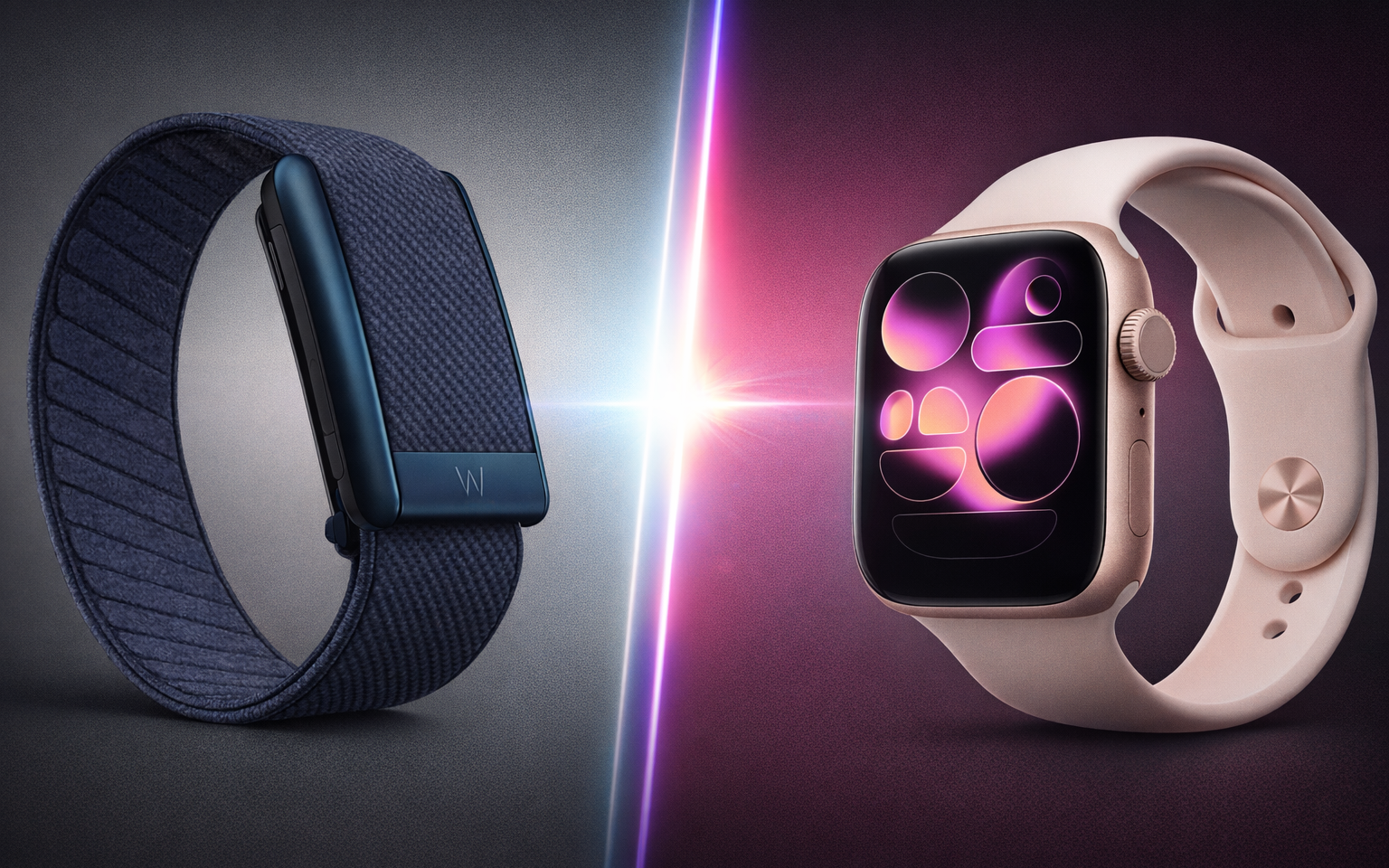
A subscription-only fitness band with no screen versus a $399 smartwatch that does everything. On paper, the Whoop 5.0 and Apple Watch Series 11 shouldn't even be in the same conversation. Yet this is one of the most common comparisons in wearable tech right now — and for good reason. Both sit on your wrist. Both track your heart rate, sleep, and workouts. But they approach health and fitness from opposite directions, and choosing wrong means either overpaying for features you'll ignore or missing the data that would actually improve your training.
The tradeoffs here are real, and the right answer depends entirely on what you're optimizing for.
Recovery and Sleep Tracking
This is Whoop's reason for existing, and the gap is significant.
The Whoop 5.0 delivers a daily recovery score built from HRV, resting heart rate, respiratory rate, and sleep performance — then tells you exactly how hard to train that day through its Strain Coach. Sleep tracking breaks down into stages with a sleep coach that recommends optimal bedtimes based on your patterns. The Healthspan metric (available on Peak tier and above) estimates your biological age based on long-term trends. It's the most comprehensive recovery system in any consumer wearable.
The Apple Watch Series 11 introduced a Sleep Score — a 0-100 number summarizing sleep quality. But HRV is measured only once daily, there's no recovery score, no strain-based training recommendations, and no system connecting your sleep quality to your workout intensity. Activity rings tell you to move more. They don't tell you to rest.
For competitive and endurance athletes, Whoop's recovery ecosystem isn't a nice-to-have — it's the entire product. The Apple Watch treats recovery as an afterthought.
Winner: Whoop 5.0 (clear winner)
Battery Life and Wearability
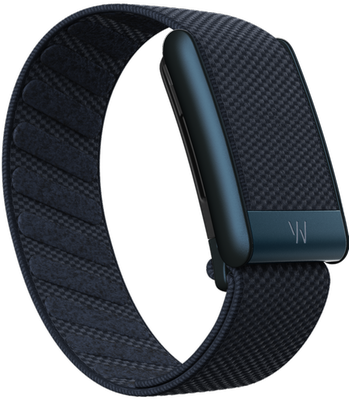
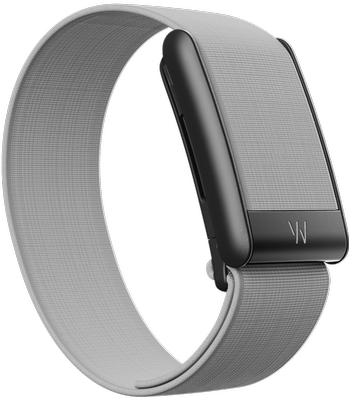
The Whoop 5.0 runs for 14+ days on a charge, and you never have to take it off to charge it. The clip-on battery pack charges the device while you wear it, which means continuous 24/7 monitoring without gaps. The screenless design is smaller than the 4.0, light enough to forget entirely, and comfortable for sleep.
The Apple Watch Series 11 improved to roughly 24 hours of real-world battery life — closer to 32 hours with conservative use, and up to 38 hours in Low Power Mode. That's better than previous generations, but it still means daily charging. Sleep tracking requires careful timing: charge in the morning, track all night, hope you don't forget. Continuous 24/7 wear is possible in theory but demanding in practice.
If uninterrupted data collection matters to you — and for recovery tracking, it absolutely does — the Whoop's battery advantage isn't incremental. It's a different category.
Winner: Whoop 5.0
Health and Fitness Tracking
Here, the Apple Watch's breadth overwhelms Whoop's depth.
The Series 11 supports dozens of workout types with built-in GPS, pace alerts, route tracking, and on-wrist controls. ECG, blood oxygen monitoring, skin temperature sensing, crash detection, and fall detection are all included at the base price. The clinically validated hypertension notification system is a genuine breakthrough — the first mainstream wearable to offer blood pressure alerts without a subscription.
The Whoop 5.0 auto-detects workouts and calculates a strain score, but there's no GPS (it relies on your phone), no on-device workout controls, and no screen to check mid-run. The PPG sensor captures high-resolution heart rate data, but ECG and blood pressure insights are locked behind the $359/year Life tier. At the standard Peak subscription, you're getting strain and recovery analytics — powerful, but narrow.
For workout variety, real-time metrics, and medical-grade health features without paywalls, the Apple Watch is the more complete fitness tool.
Winner: Apple Watch Series 11

Heart Rate Accuracy
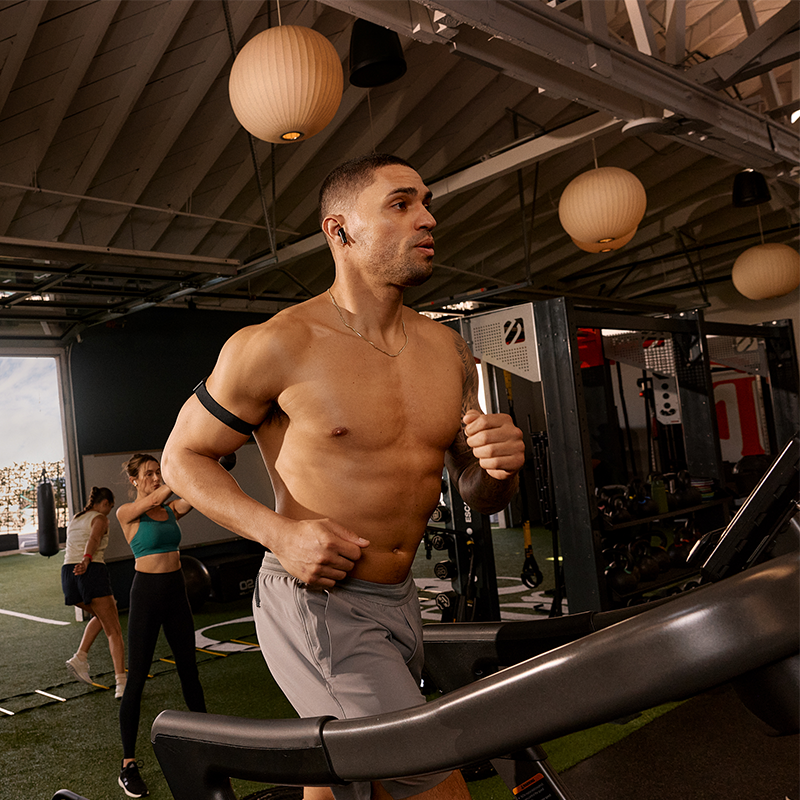
Both devices share the fundamental limitation of wrist-based optical heart rate monitoring. The Whoop 5.0 delivers solid heart rate accuracy during steady-state exercise, but accuracy drops noticeably during high-intensity interval training at the wrist. Moving the Whoop to a bicep band (sold separately) brings accuracy closer to a chest strap — a genuine workaround, but an extra purchase and setup step.
The Apple Watch delivers strong continuous heart rate tracking and has a built-in ECG for on-demand electrical heart rhythm readings. During steady-state exercise, wrist accuracy is solid. During HIIT, it faces similar optical sensor limitations as any wrist-worn device.
Neither achieves chest-strap accuracy from the wrist. Both are reliable enough for most training purposes. The Whoop's bicep band option gives it a slight edge for accuracy-obsessed athletes, while the Apple Watch's built-in ECG provides a different kind of cardiac insight entirely.
Winner: Tie
Smartwatch Features
This category barely warrants analysis. The Whoop 5.0 has no screen, no notifications, no apps, no GPS, no music controls, no payments, no calls, no maps — by design. It's a sensor that lives on your body and feeds data to your phone.
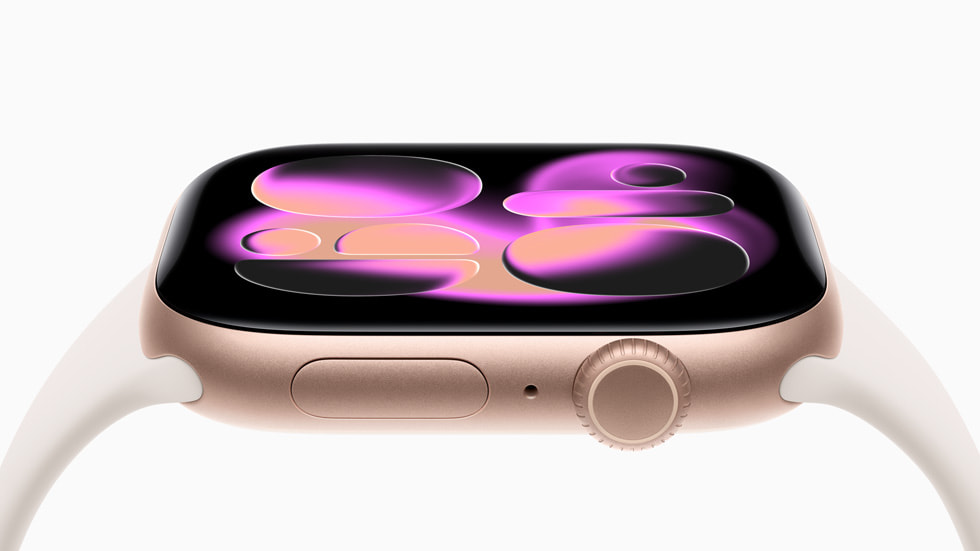
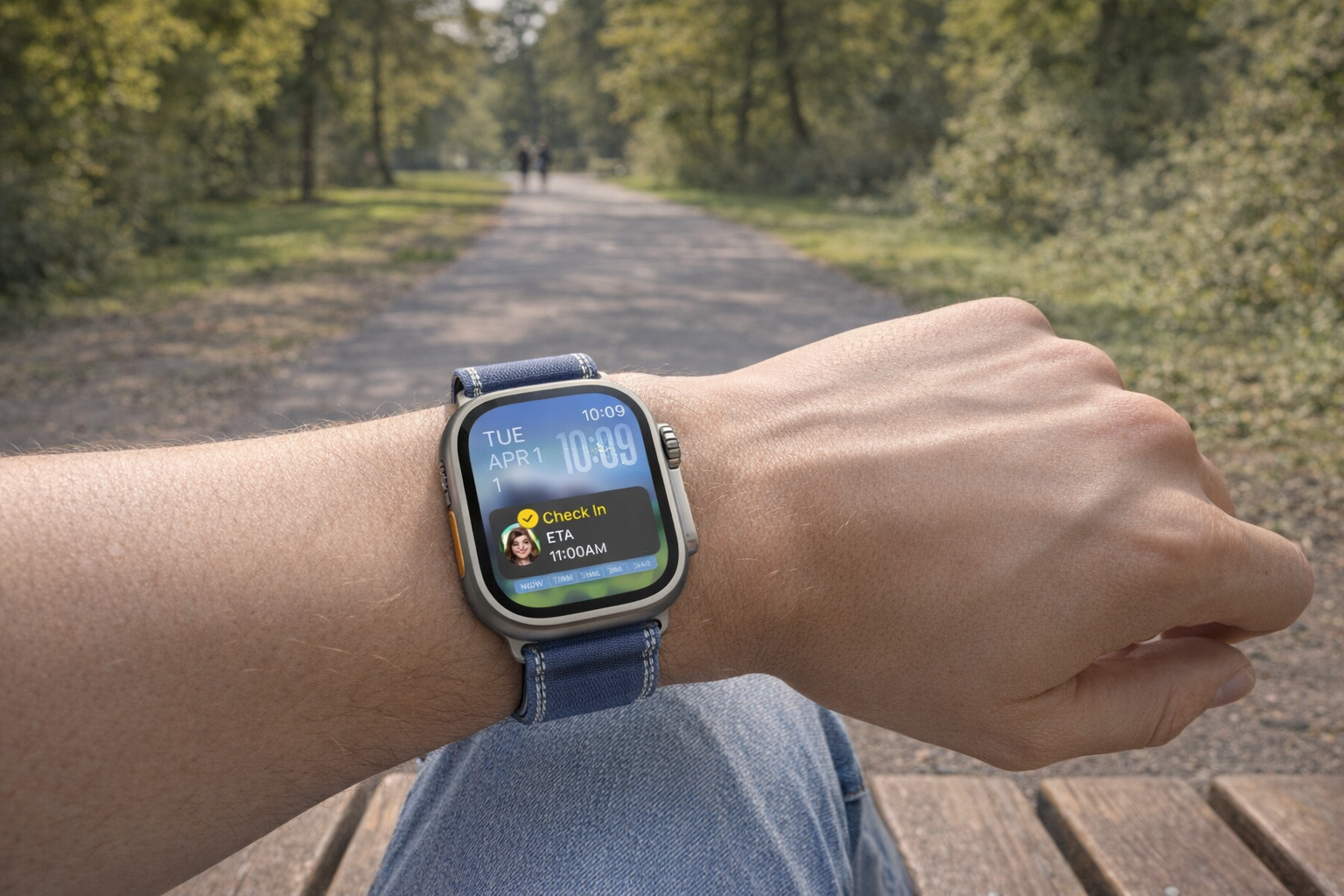
The Apple Watch Series 11 is a full computer on your wrist. Notifications, phone calls, Siri, Apple Pay, turn-by-turn navigation, music streaming, 5G cellular connectivity, and thousands of third-party apps. It replaces your phone for quick errands and keeps you connected during workouts.
If you want a device that does things beyond health tracking, the Apple Watch is the only option here. Whoop's screenless approach is a feature for people who specifically want fewer distractions — but it's still zero functionality versus comprehensive functionality.
Winner: Apple Watch Series 11 (by definition)
Value and Total Cost of Ownership
The cost math tilts dramatically over time.
The Whoop 5.0 at the Peak tier — the sweet spot that unlocks Healthspan and most meaningful features — costs $239 per year. The device is included, which sounds generous until you realize it's a paperweight without the subscription. Year one: $239. Year two: $478. Year three: $717. And the best health features (ECG, blood pressure) require the Life tier at $359 per year, pushing three-year costs past $1,000.
The Apple Watch Series 11 starts at $399 for aluminum with GPS, or $499 with cellular. Titanium models run from $699. That's it. No subscription. Every health sensor, every feature, every app — included. The break-even point against Whoop's Peak tier lands around 20 months. After that, the Whoop subscription is pure additional cost with no hardware to show for it.
For anyone planning to use their wearable for more than two years, the Apple Watch is the dramatically better value — and it does vastly more.
Winner: Apple Watch Series 11
Ecosystem and Compatibility
The Whoop 5.0 works with both iOS and Android, integrating with Strava, TrainingPeaks, and other training platforms. If you're an Android user, Whoop is available to you. The Apple Watch is not.
The Apple Watch Series 11 requires an iPhone. No exceptions. But within the Apple ecosystem, the integration runs deep: Apple Health, Fitness+, HomeKit, Find My, and seamless handoff between devices. If you're already in Apple's world, the watch extends it. If you're not, it's a non-starter.
Winner: Depends on your phone
Who Should Buy What
Buy the Whoop 5.0 if you:
- Train competitively in endurance sports and need daily recovery guidance
- Want strain-based coaching that adjusts workout intensity to your body's readiness
- Prefer a distraction-free, screenless tracker you never think about
- Value multi-week battery life and uninterrupted 24/7 data collection
- Already have a smartwatch or phone for notifications and GPS
- Use Android and want serious recovery analytics
Buy the Apple Watch Series 11 if you:
- Want a smartwatch and fitness tracker in a single device
- Prefer a one-time purchase over ongoing subscription costs
- Need built-in GPS for runs, hikes, and outdoor workouts
- Want ECG, blood pressure alerts, and crash detection without paying extra
- Value notifications, Apple Pay, and daily utility beyond fitness
- Are already in the Apple ecosystem
The power-user play: Many serious athletes wear both — Whoop on the bicep for 24/7 recovery tracking, Apple Watch on the wrist for GPS, notifications, and daily smartwatch use. It eliminates the either/or dilemma entirely, though it's the most expensive option. (Weighing Whoop against another screenless tracker instead? See our Whoop 5.0 vs Oura Ring 4 breakdown.)
Our Verdict
For most people, the winner is the Apple Watch Series 11. These are fundamentally different devices solving different problems, but when one costs less over time, does incomparably more, and includes every health sensor without subscription gates, the recommendation is clear. It handles fitness tracking well enough for the vast majority of active people, and for the best smartwatch experience in 2026, it remains the one to beat.
But the Whoop 5.0 isn't for most people — and that's the point. If you're a serious athlete training for performance, Whoop's recovery and strain coaching system is genuinely unmatched. No smartwatch, Apple or otherwise, provides the daily recovery intelligence that competitive athletes and endurance trainers depend on. At the Peak tier ($239/year), it's a legitimate training tool. Below Peak, too many features are stripped to justify the cost. Above Peak, at the $359/year Life tier, the value proposition gets shaky when the Apple Watch includes ECG and blood pressure monitoring for free.
Pick the Apple Watch Series 11 if you want one device that handles fitness, health, and daily life. Pick the Whoop 5.0 if recovery optimization is your priority and you don't need another screen on your wrist.
Specs At A Glance
| Feature | Whoop 5.0 | Apple Watch Series 11 |
|---|---|---|
| Price | $199/yr (One), $239/yr (Peak), $359/yr (Life) | $399 (GPS) / $499 (GPS + 5G) / from $699 (Titanium) |
| Display | None (screenless) | Always-on OLED, 2,000 nits |
| Battery Life | 14+ days (clip-on charger) | ~24 hours (38h Low Power Mode) |
| GPS | No (phone required) | Built-in (L1) |
| Heart Rate Sensor | PPG (optical) | Optical + ECG |
| Recovery Score | Yes (daily, with Strain Coach) | No |
| Sleep Tracking | Sleep stages, sleep coach, sleep score | Sleep Score, sleep stages |
| ECG | Life tier only ($359/yr) | Included |
| Blood Pressure | Life tier only ($359/yr) | Hypertension alerts (clinically validated, included) |
| Water Resistance | Waterproof (shower/swim safe) | WR50 (50m) |
| Compatibility | iOS and Android | iPhone only |
| Subscription Required | Yes (device non-functional without it) | No |
| Weight | Ultra-light (screenless band) | 30-43g depending on size/material |