
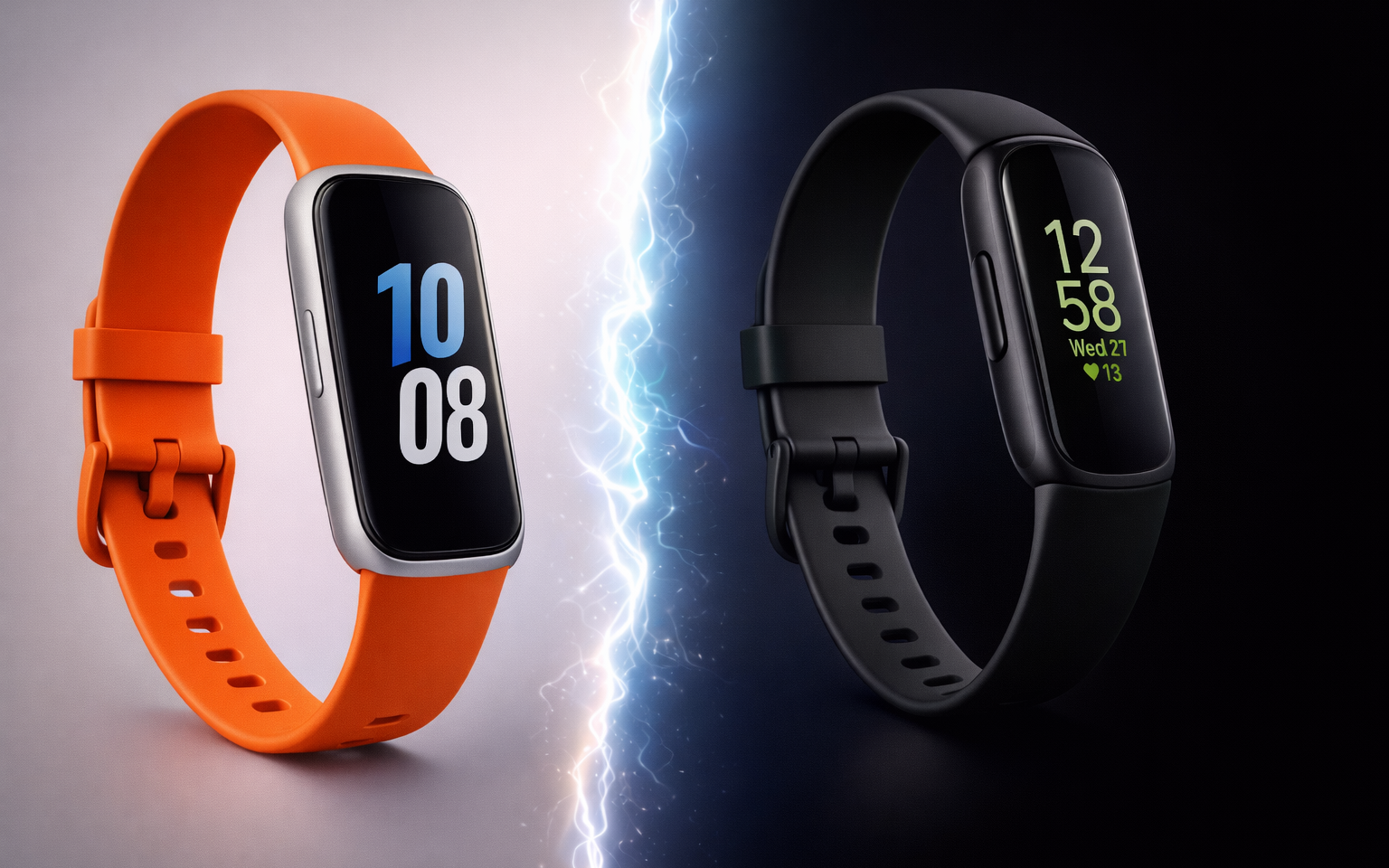
Two fitness trackers. Both under $100. Both promising to count your steps, monitor your sleep, and nudge you toward better health without strapping a full smartwatch to your wrist. The Samsung Galaxy Fit 3 arrives at $59.99, the Fitbit Inspire 3 sits at $99.95, and the $40 between them raises an obvious question: is the cheaper option cutting corners, or is the more expensive one charging a premium it has not earned?
The answer is more lopsided than you might expect, but it comes with a significant asterisk that could flip the verdict entirely depending on which phone is in your pocket.
Display: Not Even Close
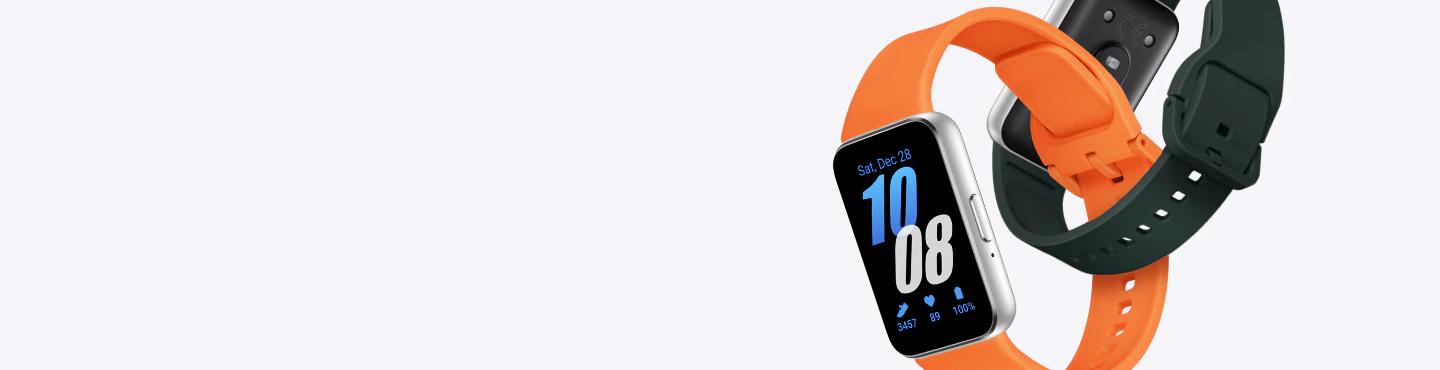
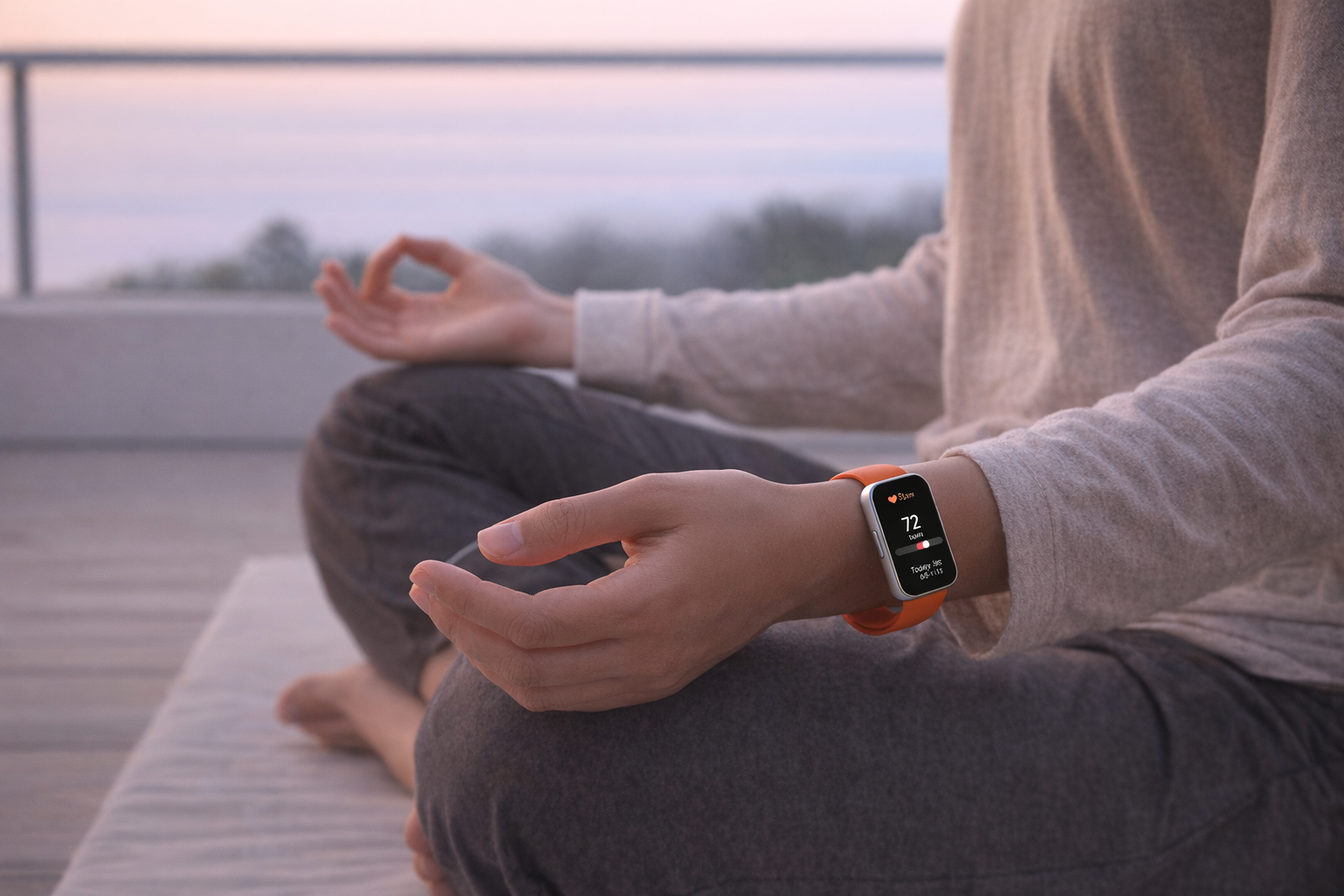
The Galaxy Fit 3 features a 1.6-inch AMOLED touchscreen with a 256x402 resolution, and the difference between it and the Inspire 3's display is immediately obvious. Samsung's screen fills most of the tracker's face, delivering crisp text, vibrant colors, and enough brightness to read comfortably in direct sunlight. Scrolling through notifications, checking workout stats mid-run, or glancing at sleep data all feel natural on a screen this size.
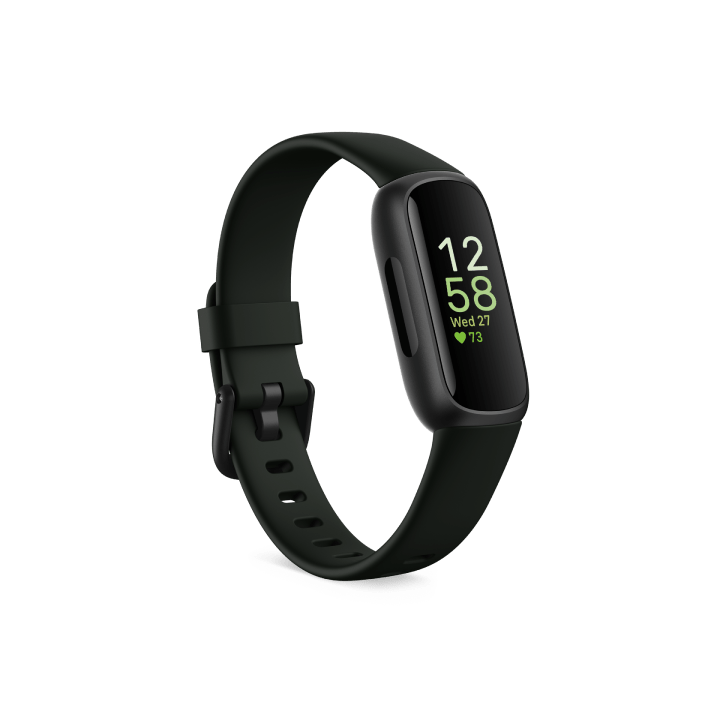
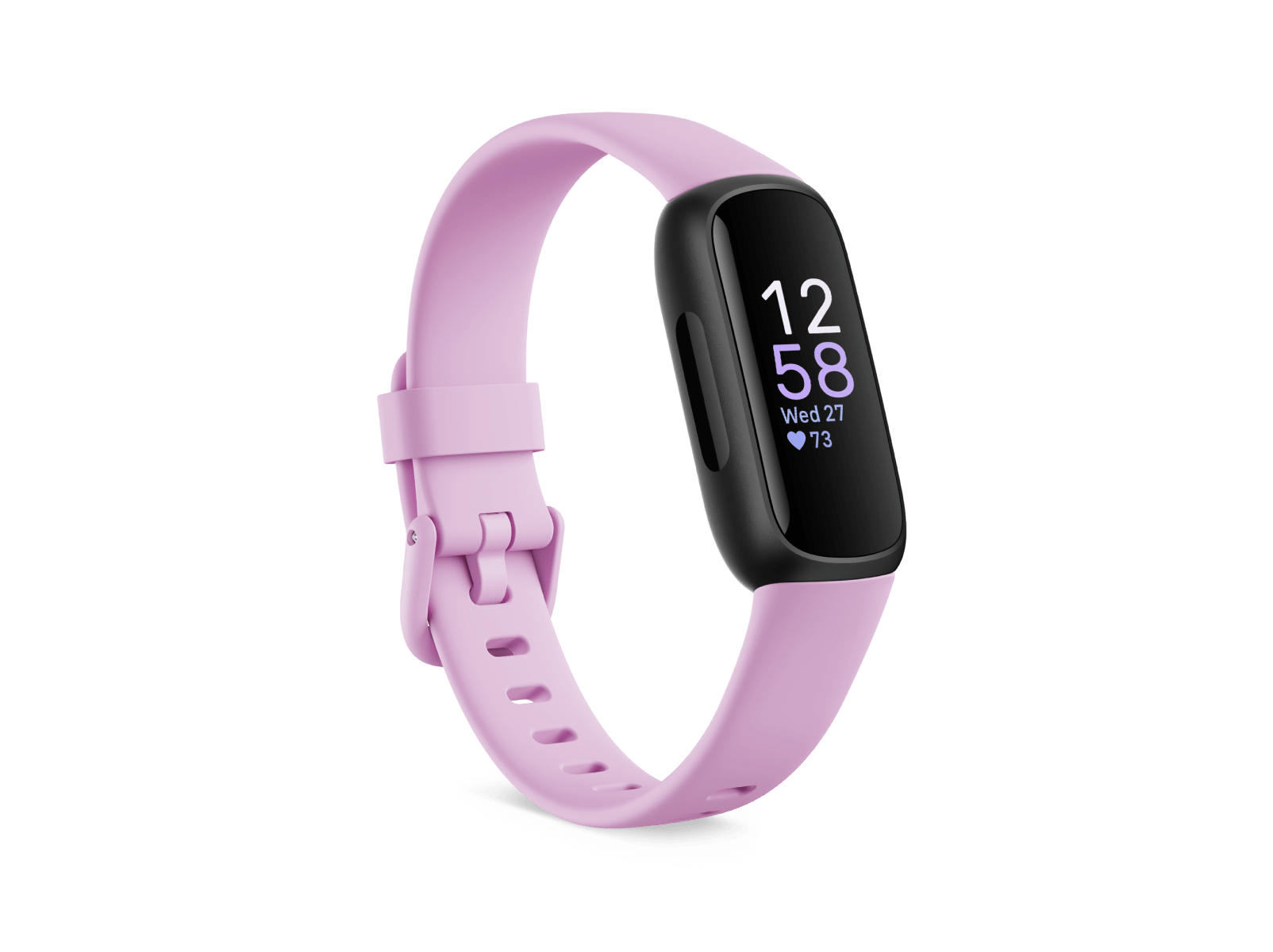
The Fitbit Inspire 3 has a color AMOLED display as well, which was a welcome upgrade from the monochrome Inspire 2. But the screen is noticeably smaller, occupying less than half the glass front. Reading notifications requires more squinting and scrolling, and anyone with larger fingers will find the touchscreen cramped. The Inspire 3's display is perfectly functional, but the Galaxy Fit 3 makes it look like a generation behind.
At $40 less, Samsung delivering a screen this much larger and more usable is the single most striking gap in this comparison.
Battery Life: Samsung Stretches Further
Samsung rates the Galaxy Fit 3 at up to 13 days on a single charge. Real-world use with regular workout tracking and notifications enabled lands closer to 10-11 days, which is still excellent for a device this slim. The 208mAh battery also supports fast charging, hitting 65% in about 30 minutes.
The Fitbit Inspire 3 is rated for up to 10 days, and typical use yields around 7-8 days with heart rate monitoring and sleep tracking active. Enabling the always-on display drops that figure dramatically, down to roughly 3 days.
Both trackers are strong on battery by any reasonable standard. Neither will die during a long weekend away from a charger. But the Fit 3 consistently lasts a few days longer, and over months of ownership, that adds up to meaningfully fewer sessions on the charger.
Health and Fitness Tracking: Samsung's Depth Advantage
The Galaxy Fit 3 supports over 100 workout types with automatic detection for the most common activities. It tracks heart rate continuously, monitors blood oxygen levels, offers snoring detection during sleep (via a paired smartphone's microphone), and delivers detailed sleep stage analysis, all through the Samsung Health app at no additional cost. Fall detection is included as well, a genuine safety feature that the Inspire 3 lacks entirely.
The Fitbit Inspire 3 covers the essentials competently. It tracks 20-plus exercise modes, monitors heart rate around the clock, measures SpO2, and tracks skin temperature variation during sleep — a feature the Galaxy Fit 3 lacks. The Inspire 3 also provides a free Daily Stress Management Score, though the detailed breakdown of contributing factors requires a Premium subscription.
Where the comparison gets complicated is what happens after the data is collected. Fitbit's app is polished and intuitive, arguably the most approachable health dashboard in the wearable space. But many of its most useful insights, including detailed sleep analytics and personalized wellness reports, are locked behind Fitbit Premium at $9.99 per month or $79.99 per year. The Inspire 3 ships with a six-month Premium trial, but once that expires, the free tier feels noticeably thinner.
Samsung Health, by contrast, puts everything on the table from day one. Sleep scores, workout analytics, trends over time, and health summaries are all accessible without a subscription. The data presentation is not quite as elegant as Fitbit's best work, but the absence of a paywall matters enormously on a $60 device marketed toward budget-conscious buyers.
Tracking Accuracy: A Narrow Samsung Lead
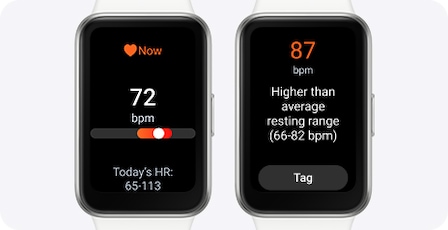
In direct step-counting comparisons, the Galaxy Fit 3 edges ahead. Over multi-thousand-step walks, it tends to land closer to manually counted totals than the Inspire 3, which occasionally over-counts by a modest margin. Heart rate tracking is solid on both devices for the type of casual exercise these trackers target, though neither should be mistaken for medical-grade monitoring.
Neither tracker includes built-in GPS. Outdoor runs, walks, and bike rides rely on a connected smartphone for route mapping. This is expected at these price points, but worth noting for anyone who wants to leave their phone behind during workouts. Both trackers deliver connected GPS performance that is adequate for casual fitness logging.
Comfort and Design: Two Different Philosophies
The Galaxy Fit 3 wears more like a miniature smartwatch. The aluminum-sided case gives it a surprisingly premium feel for $60, and the slim profile at 18.5 grams sits flat against the wrist without catching on sleeves or shifting during movement. The design looks more expensive than it is, which is exactly what you want from a budget device.
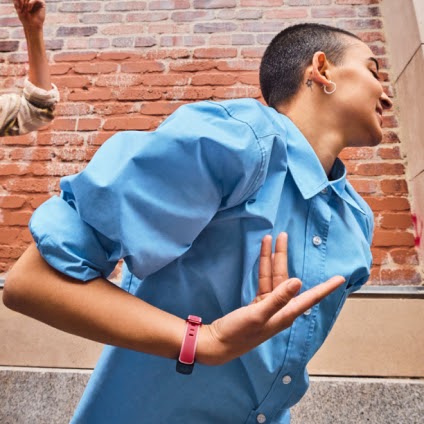
The Fitbit Inspire 3 takes the opposite approach: maximum invisibility. The all-plastic construction and narrow band make it one of the lightest trackers available at roughly 19 grams, and it virtually disappears on the wrist. For users who want a tracker they can forget they are wearing, the Inspire 3 nails that objective. The trade-off is a build that feels less substantial and looks more overtly like a budget device.
Both are comfortable for 24/7 wear, including sleep. Both carry 5ATM water resistance ratings, making them safe for swimming and showers. The design preference here is genuinely subjective, though the Galaxy Fit 3's aluminum accents give it an edge in perceived quality that photographs and in-person impressions consistently confirm.
Ecosystem and Compatibility: The Decisive Fork
Here is the asterisk. The Samsung Galaxy Fit 3 works exclusively with Android smartphones. If you own an iPhone, the Fit 3 is not an option. Period. No workaround, no third-party app, no compromise. It pairs through the Samsung Health app and integrates deeply with Samsung Galaxy phones in particular, where it can control music, trigger the camera shutter, and display richer notifications.
The Fitbit Inspire 3 works with both iOS and Android. The Fitbit app is available on both platforms with full feature parity, and the broader Fitbit ecosystem, including social challenges, community groups, and a large library of guided workouts, remains one of the most engaging in the fitness tracker space. For users who are motivated by competing with friends or joining group challenges, Fitbit's social layer is something Samsung Health cannot match.
This compatibility difference is not a minor footnote. It is the single factor most likely to determine which tracker is right for you, regardless of everything else in this comparison.
Value: Samsung's Math Is Hard to Argue With
The Galaxy Fit 3 costs $59.99 with no ongoing fees. The Fitbit Inspire 3 costs $99.95 and strongly encourages a $9.99 monthly subscription to unlock its full potential. The Inspire 3 includes a six-month Premium trial, so year-one cost with monthly Premium runs about $160 (or $140 on the annual plan). Renew for a second year and the running total hits $240-280 depending on billing cycle. The Galaxy Fit 3 costs $60 and stays at $60.
Even without the subscription math, the Fit 3 delivers a larger display, longer battery life, more workout modes, and fall detection for $40 less. The Inspire 3 counters with cross-platform compatibility, skin temperature tracking, and a more mature social ecosystem. Those are real advantages, but they are narrow ones that struggle to justify a 67% price premium.
The Inspire 3 frequently drops to around $70 on sale, which closes the gap somewhat. But even at that discounted price, the Galaxy Fit 3 offers more hardware per dollar.
Who Should Buy What
Buy the Samsung Galaxy Fit 3 if: - You use an Android phone, especially a Samsung Galaxy device - You want the most features and best display possible under $60 - Subscription fees for health data annoy you on principle - Fall detection matters for you or a family member - You prefer a tracker that looks a step above its price class
Buy the Fitbit Inspire 3 if: - You use an iPhone (this is the only option of the two) - The Fitbit social ecosystem, challenges, and community keep you motivated - You already own other Fitbit devices and want a unified dashboard - Skin temperature tracking is important to you - You value the lightest, most invisible form factor possible
Our Verdict
The Samsung Galaxy Fit 3 is the better budget fitness tracker for most people. It costs significantly less, offers a meaningfully superior display, lasts longer between charges, tracks more activities, includes fall detection the Inspire 3 lacks, and delivers all of its health data without demanding a monthly subscription. At $59.99, it is one of the strongest values in the entire wearable market, not just in the budget category.
The Fitbit Inspire 3 is not a bad tracker. Its comfort is excellent, its health tracking covers the essentials well, and the Fitbit app remains one of the friendliest wellness platforms available. But at $99.95 with key features gated behind a subscription, its value proposition has eroded since its 2022 launch, particularly now that Samsung has placed a more capable device on the shelf for $40 less.
The exception is clear and absolute: if you own an iPhone, buy the Fitbit Inspire 3. The Galaxy Fit 3 does not support iOS, and no amount of value advantage matters if the tracker cannot connect to your phone. For the majority of the U.S. smartphone market on iOS, the Inspire 3 remains the right call at this price point.
For everyone else on Android, the Galaxy Fit 3 takes this one, and it is not particularly close.
Specs at a Glance
| Spec | Samsung Galaxy Fit 3 | Fitbit Inspire 3 |
|---|---|---|
| Price | $59.99 | $99.95 |
| Display | 1.6" AMOLED, 256x402 | Color AMOLED (smaller) |
| Battery Life | Up to 13 days | Up to 10 days |
| Weight | 18.5g (body) | ~19g |
| Workout Modes | 100+ | 20+ |
| Heart Rate | Continuous | Continuous |
| SpO2 | Yes | Yes |
| Skin Temperature | No | Yes |
| Fall Detection | Yes | No |
| Sleep Tracking | Yes (free) | Yes (Premium for full insights) |
| GPS | Connected (via phone) | Connected (via phone) |
| Water Resistance | 5ATM + IP68 | 5ATM |
| Compatibility | Android only | iOS + Android |
| Subscription Required | No | Optional ($9.99/mo for Premium) |
| Build | Aluminum case | All plastic |
| Bluetooth | 5.3 | 5.0 |