
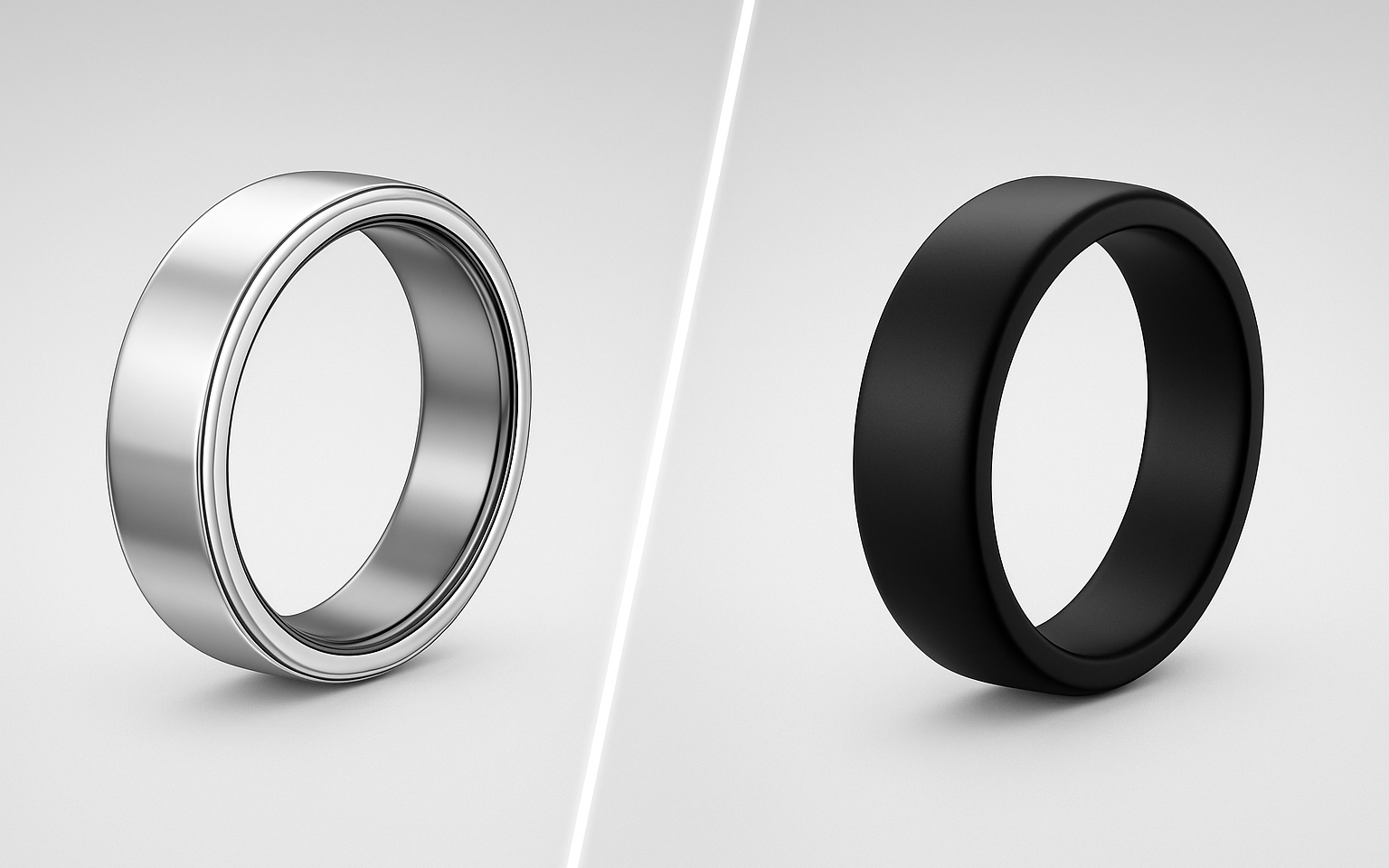
Smart rings promise the ultimate in discreet health tracking—no bulky watch strapped to your wrist, just a sleek band on your finger monitoring your every heartbeat, sleep cycle, and stress spike. But in 2026, the smart ring market has split into two camps: premium subscription services like Oura, and one-time-payment alternatives like RingConn. The question isn't just which ring tracks better—it's whether paying $70 every year for the rest of your life justifies the premium.
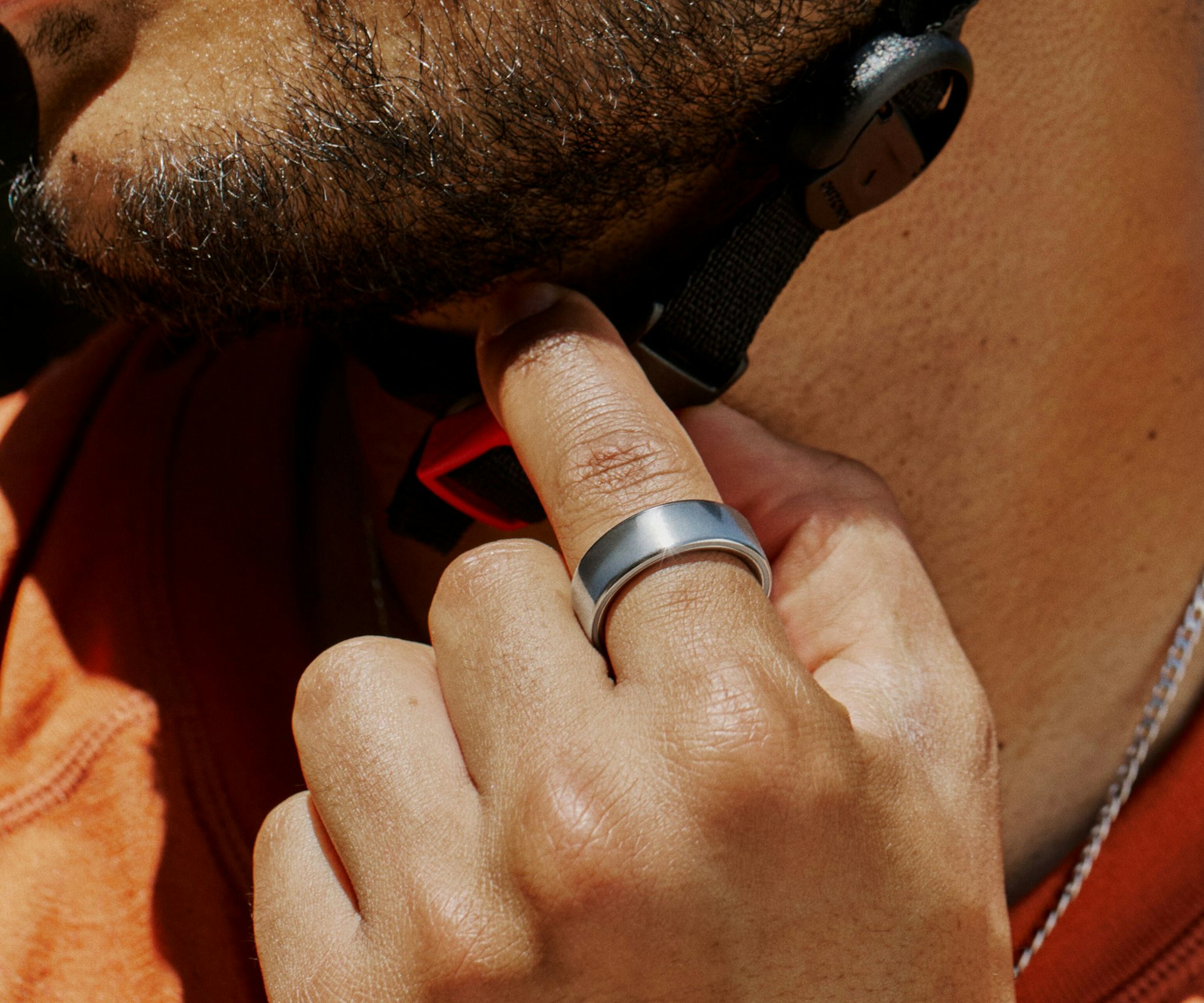
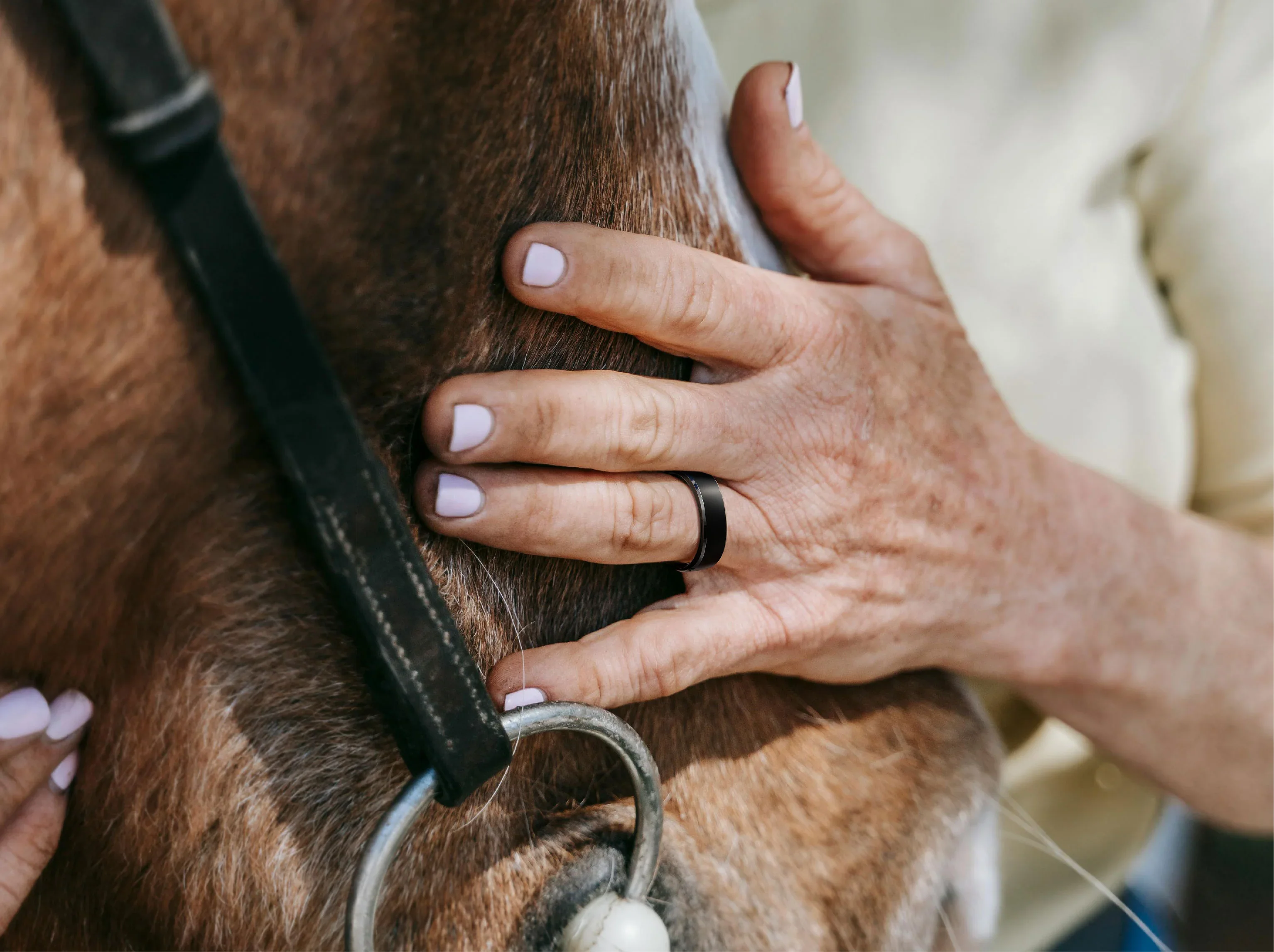
The Oura Ring 4 starts at $349 and demands a $5.99 monthly subscription ($69.99/year) to unlock its full feature set. Over three years, that's $559 minimum. The RingConn Gen 2 costs $299 upfront with zero recurring fees—ever. Both rings measure heart rate, sleep stages, SpO2, temperature, and stress. Both sync to iOS and Android. Both claim medical-grade accuracy. So what exactly are you paying for with Oura's subscription model, and is RingConn's budget approach too good to be true?
The answer isn't simple. After comparing sensor technology, tracking accuracy, battery performance, app ecosystems, and real-world user experiences, we found that each ring excels in different areas. One delivers cutting-edge insights wrapped in a polished experience. The other offers remarkable value without compromise on core features. Your ideal choice hinges on whether you value depth of data over long-term savings—and whether a millimeter of thickness matters when you're wearing it 24/7.
Health & Fitness Tracking: Oura's Smart Sensing vs RingConn's Essentials
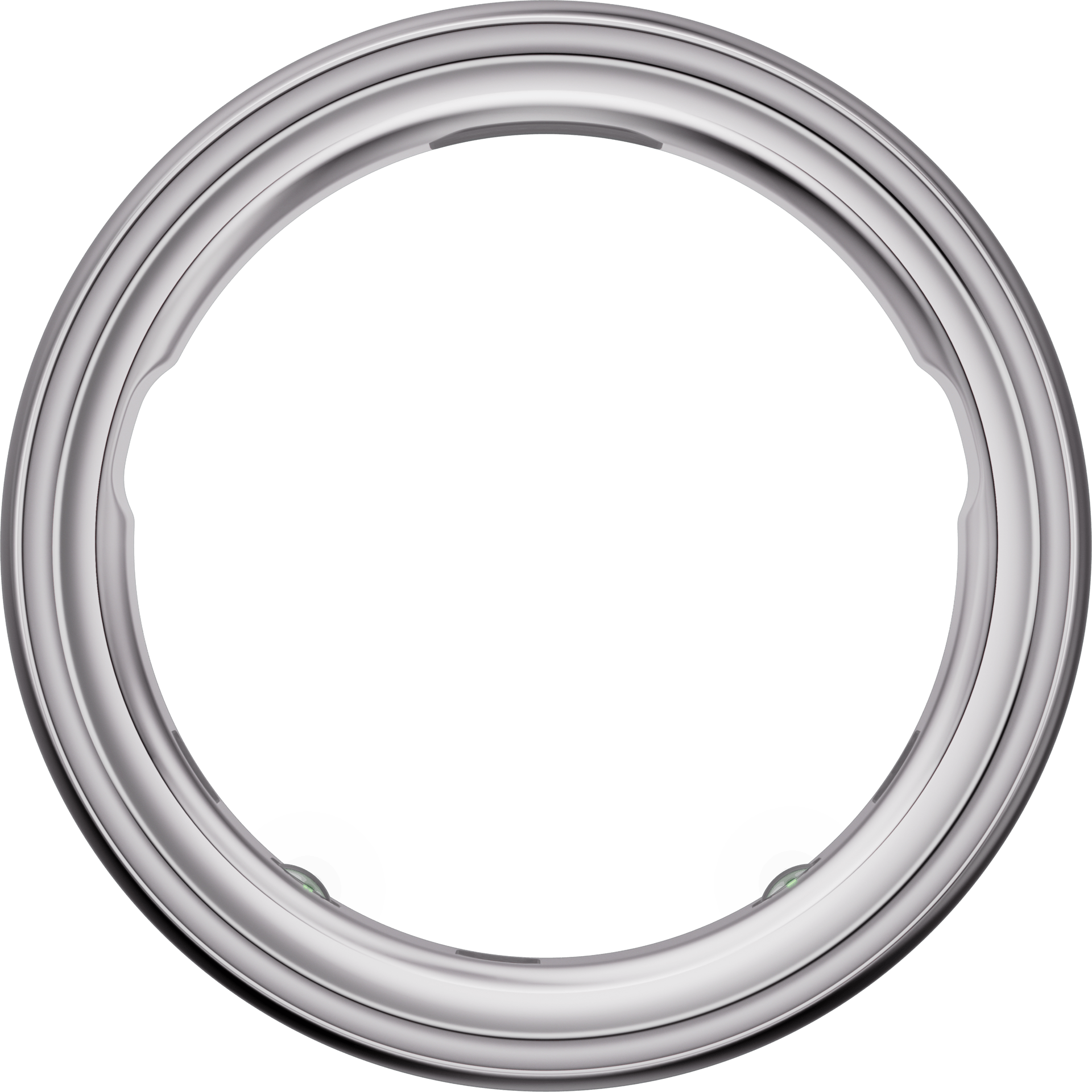
The Oura Ring 4's headline feature is Smart Sensing—a technology that dynamically selects the optimal signal pathway from 18 possible routes (6 LEDs to 3 photodiodes) based on your finger's unique physiology. Skin tone, BMI, age, even how you position the ring—Smart Sensing adapts in real-time. The result? A 120% improvement in SpO2 signal quality, 31% better nighttime heart rate tracking, and 7% sharper daytime HR accuracy compared to the previous generation. In peer-reviewed testing, Oura consistently outperforms WHOOP, Garmin, and Polar for HRV and resting heart rate measurements.
RingConn Gen 2 takes a more straightforward approach. Its PPG sensors use infrared LEDs to track heart rate continuously, measuring SpO2 by analyzing the ratio of red-to-infrared light absorption. The company touts accuracy "comparable to medical-grade devices," though independent third-party validation is lacking. Real-world users report reliable sleep tracking and solid baseline metrics, but step counting accuracy can vary—sometimes differing by a few hundred steps compared to wrist-based trackers like Garmin.
Oura's daytime stress feature updates every 15 minutes when you're awake and inactive, pulling from HRV, heart rate, temperature trends, and accelerometer data. Lower-than-usual HRV, elevated resting heart rate, dips in peripheral body temperature—all feed into a near-real-time stress graph. RingConn offers continuous stress scoring via HRV balance but lacks the granular 15-minute updates and contextual insights Oura layers on top.
For activity tracking, Oura detects up to 40 different activities automatically—runs, walks, cycling, even housework—with 89% accuracy within one minute for sessions lasting 10+ minutes. Heart rate zones appear post-workout, showing time spent in each of six zones. RingConn recently rolled out automatic workout detection in firmware 3.11.0, but it currently recognizes just seven activities (running, cycling, basketball), and reviewers note it doesn't start tracking automatically as reliably as Oura. Neither ring is gym-friendly if you grip weights—both scratch easily and dig into your hand under load.
Sleep Tracking: Advanced Algorithms vs Sleep Apnea Detection
Sleep is where smart rings shine brightest, and both deliver impressive depth. Oura's sleep analysis breaks down light, deep, and REM stages with 79% agreement against polysomnography (PSG)—the clinical gold standard. That approaches PSG's own inter-rater reliability, and it outperforms both Apple Watch and Fitbit in the same validated testing. It tracks total sleep time, sleep efficiency, restfulness, REM and deep sleep percentages, latency, timing, and overnight HRV. Temperature sensors detect deviations as small as 0.13°C, flagging early signs of illness or hormonal shifts. Breathing regularity and SpO2 monitoring identify unusual patterns, though Oura explicitly states it's not FDA-cleared for sleep apnea diagnosis.
RingConn Gen 2 counters with a feature Oura lacks entirely: automatic sleep apnea detection. Activating the three-night monitoring mode, the ring measures blood oxygen saturation more frequently and counts how many times SpO2 drops by 3% or more—the hallmark of apnea events. It calculates your AHI (Apnea-Hypopnea Index) to estimate OSA likelihood with claimed 90.7% accuracy. The feature isn't FDA-cleared yet, but RingConn remains the only major consumer smart ring offering AHI-based sleep apnea screening without a prescription device.
Both rings excel at baseline sleep tracking. Oura's app presents data with elegant visualizations and actionable insights—"your body temperature rose 0.4°C last night, consider taking it easy today." RingConn's app offers similar metrics but in a less polished package. Sleep scores, heart rate dips during rest, respiratory rate—it's all there, just without Oura's contextual storytelling.
Battery Life: Oura's Week vs RingConn's Fortnight
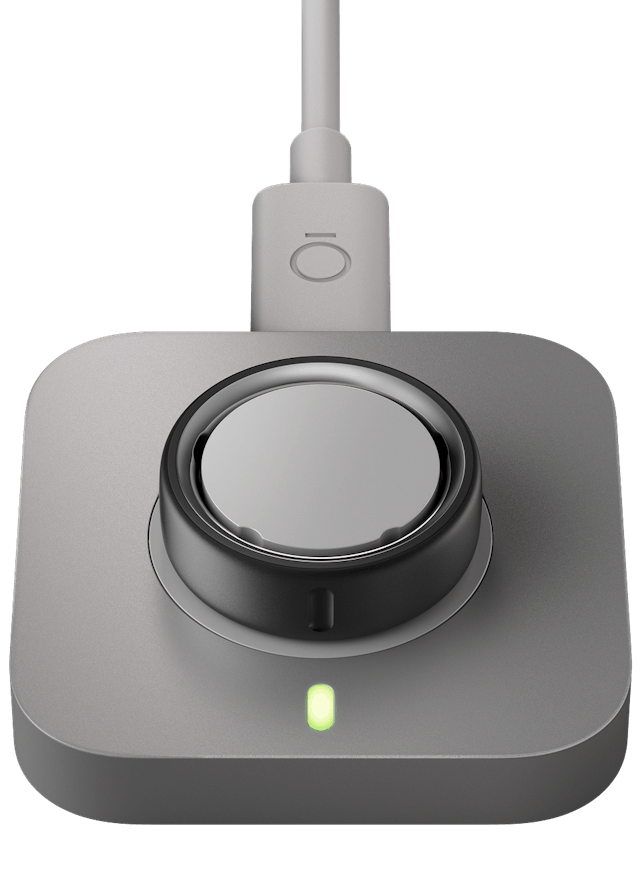
Oura Ring 4 advertises 5-8 days of battery life, a slight improvement over Gen 3's 7 days. Real-world reports vary—some users hit a full week, others complain of 2-3 days after six months of use. The ring charges on a proprietary USB dock in 20-80 minutes depending on battery level.
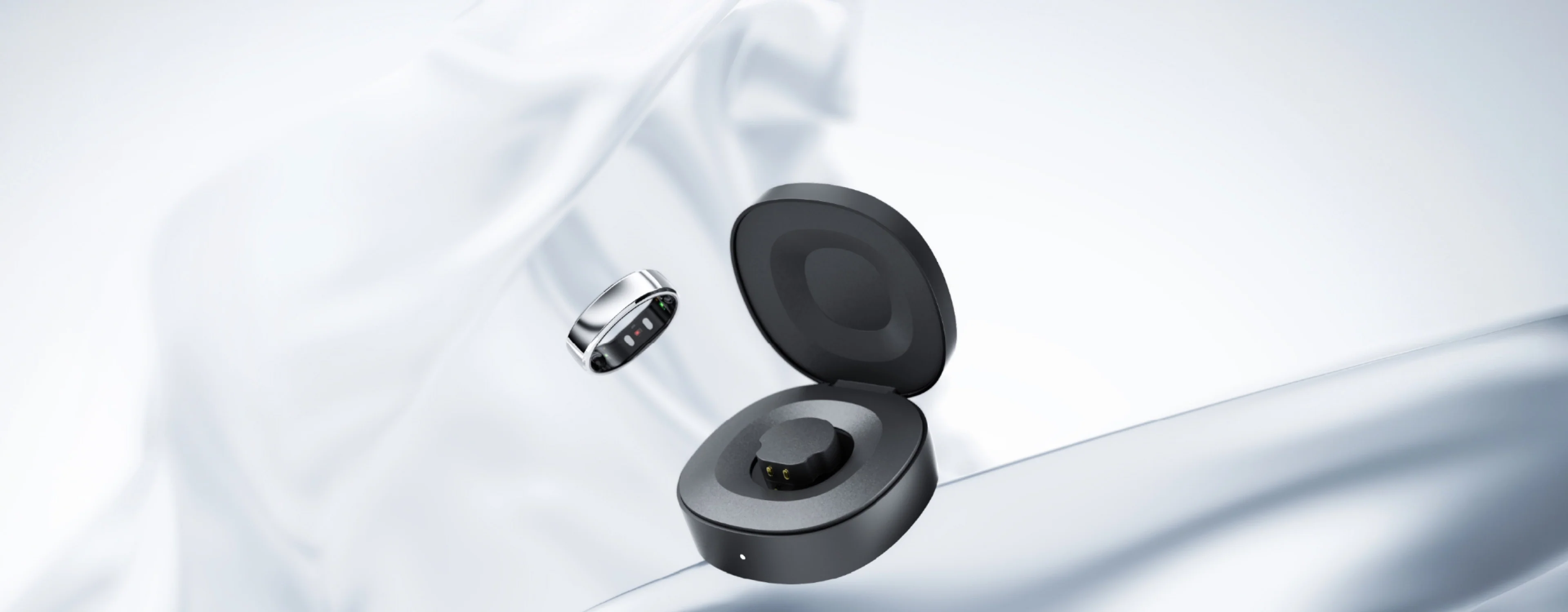
RingConn Gen 2 lasts 10-12 days on a single charge, with battery duration scaling by size (sizes 6-7 get 10 days, sizes 12-14 hit 12 days). Reviews consistently confirm 10+ days, and the included charging case holds an additional 150 days of juice—enough for five months of recharges before plugging the case itself into USB-C. The charging case alone makes RingConn a better travel companion—no cables needed for weeks at a time.
Design & Comfort: Slim Minimalism vs Titanium Durability
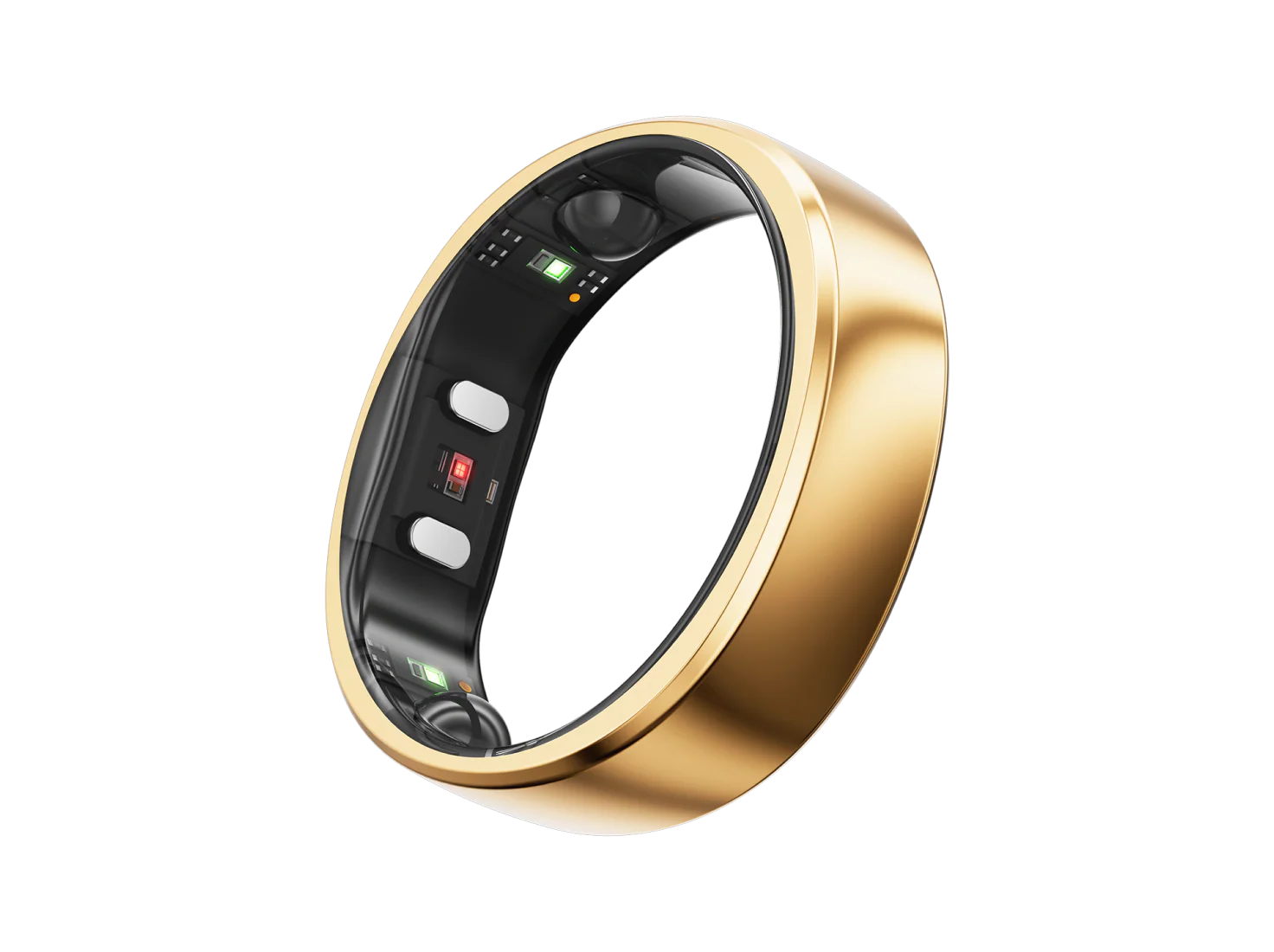
The RingConn Gen 2 is the thinnest smart ring on the market—just 2mm thick at its thinnest point (the sensor housing bulges slightly). It weighs 2-3 grams depending on size, with a width of 6.8mm. Made from titanium alloy with PVD coating and medical-grade epoxy resin covering the sensors, it feels closer to a traditional ring than a tech device.
Oura Ring 4 measures 7.90mm wide and 2.88mm thick (titanium version), weighing 3.3-5.2 grams depending on size. The ceramic version is thicker (3.51mm) and heavier (5.1-8.1g). Oura's redesign eliminated the three sensor bumps from Gen 3, replacing them with a flush titanium underside that's noticeably smoother but still wider and more conspicuous on your finger.
Both rings are IP68 water-resistant—safe for showers, swimming, and saunas. Oura's rated to 100m/328ft. Both scratch under heavy use (weights, barbells). Oura offers six finishes for the titanium version (Black, Silver, Stealth, Brushed Silver, Gold, Rose Gold) plus four ceramic colors. RingConn offers fewer color options but covers the essentials (Matte Black, Future Silver, Rose Gold, Midnight Black).
Sizing differs: Oura spans sizes 4-15, RingConn 6-14. Both recommend a sizing kit before purchase.
App Experience & Ecosystem: Polished Insights vs Functional Simplicity
Oura's app is where the subscription fee shows its value. Open it, and you're greeted by three daily scores: Sleep, Readiness, and Activity. Tap into each, and layers of data unfold—sleep stages graphed by hour, HRV trends over weeks, temperature deviations flagged with contextual advice. The Explore tab offers 80+ guided meditation sessions, breathwork exercises, and sleep audio stories. Post-session insights show how your body responded—did that 10-minute meditation lower your heart rate? Oura tells you.
Daytime stress tracking updates in near-real-time. Cycle Insights predicts your next period after two months of wear, forecasts fertile windows, and even offers Pregnancy Insights. Oura Labs unlocks experimental features early. The app integrates with Apple Health, Google Health Connect, Strava, and dozens of third-party platforms. It's polished, intuitive, and designed to nudge behavioral change—not just dump data.
RingConn's app is improving rapidly but remains less refined. You get daily health scores, sleep analysis, heart rate graphs, stress tracking, and temperature trends. Women's health features include cycle prediction with 98% accuracy (plus or minus 3 days) and a monthly cycle report reviewing period length, temperature shifts, symptoms, and mood patterns. The app syncs with Health Connect after RingConn dropped Google Fit support in October 2025. Recent updates added automatic workout detection and cleaner heart rate zone summaries.
The gap narrows on core functionality but widens on polish. RingConn's presentation is functional rather than insightful. You won't find guided content or post-meditation biofeedback. For users who just want the numbers, it's enough. For those who want interpretation and nudges toward healthier habits, Oura's ecosystem justifies the subscription.
Subscription vs One-Time Cost: The $260 Question
Here's the math: Oura Ring 4 costs $349 (Silver/Black) or $499 (Ceramic/Gold) upfront, plus $69.99/year ongoing. First-year total: $419-$569. Year two: $489-$639. Year three: $559-$709. Without the subscription, you get three basic scores (Sleep, Readiness, Activity) and educational content—no detailed metrics, no heart rate tracking, no SpO2, no stress insights. Oura's paywall is aggressive.
RingConn Gen 2 costs $299. Period. All features unlocked. No monthly fees, no annual renewals, no paywalled data. Over three years, you save $260-$410 compared to Oura's cheapest configuration. Over five years, the gap balloons to $400-$580. If you wear smart rings for a decade (not unrealistic given the durability), you're looking at $700+ in subscription savings.
The subscription model does have one advantage: Oura continuously rolls out software updates, new features, and app improvements funded by recurring revenue. RingConn relies on one-time sales, which historically means slower feature development. Recent updates (automatic workout detection, improved cycle reports) suggest RingConn is committed to long-term support, but Oura's innovation pace is faster.
Who Should Buy What
Buy the Oura Ring 4 if: - You're a data enthusiast who loves diving deep into HRV trends, temperature deviations, and stress patterns - You value scientifically validated accuracy backed by peer-reviewed studies - You want real-time stress tracking and contextual health insights, not just raw numbers - You use meditation, breathwork, or sleep audio and appreciate integrated biofeedback - You're willing to pay $70/year for ongoing app improvements and experimental features - You need comprehensive women's health tracking with fertility insights
Buy the RingConn Gen 2 if: - You refuse to pay subscription fees for health data you generate - You want the longest battery life available in a smart ring (12 days + 150-day charging case) - You prioritize comfort and discretion—the thinnest, lightest ring wins - You need sleep apnea detection with AHI calculation (even without FDA clearance, it's useful for screening) - You're budget-conscious and $299 one-time beats $559+ over three years - You're fine with functional data presentation over polished insights
Our Verdict
After comparing sensor tech, tracking accuracy, battery life, design, app ecosystems, and long-term costs, these rings serve fundamentally different philosophies.
The Oura Ring 4 is the smart ring for maximalists. It delivers the most advanced sensor technology, the most accurate tracking validated by independent research, the most sophisticated app experience, and the richest health insights. Smart Sensing adapts to your physiology. Daytime stress updates every 15 minutes. Sleep analysis approaches clinical-grade accuracy. The app doesn't just show data—it interprets it, contextualizes it, and nudges you toward better choices. If you obsess over HRV trends, correlate readiness scores with workout performance, and value continuous innovation, the subscription fee is the cost of staying on the cutting edge.
The RingConn Gen 2 is the smart ring for pragmatists. It covers every essential—sleep stages, heart rate, SpO2, temperature, stress, cycle tracking—without charging you a dime beyond the $299 upfront. It's thinner, lighter, and lasts nearly twice as long per charge. It offers sleep apnea detection, a feature Oura can't match. The app is less polished, sure, but the data's all there. For users who want health tracking without subscription fatigue, RingConn delivers remarkable value.
For most people, the RingConn Gen 2 is the smarter buy. The battery life alone—12 days vs 5-8—eliminates charging anxiety, and the one-time payment model respects your long-term budget. Sleep apnea detection adds genuine utility for at-risk users. You sacrifice Oura's polish and advanced insights, but you gain financial freedom and a ring so thin you forget you're wearing it.
But if you're deep into health optimization, track correlations between HRV and sleep quality, and want validated accuracy backed by peer-reviewed research, the Oura Ring 4 earns its premium. Just budget for the subscription as part of the total cost—not an afterthought.
Specs At A Glance
| Feature | Oura Ring 4 | RingConn Gen 2 |
|---|---|---|
| Price | $349-$499 + $69.99/year subscription | $299 (no subscription) |
| 3-Year Total Cost | $559-$709 | $299 |
| Battery Life | 5-8 days | 10-12 days |
| Charging Case | No (USB dock included) | Yes (150 days additional charge) |
| Weight | 3.3-5.2g (titanium), 5.1-8.1g (ceramic) | 2-3g |
| Thickness | 2.88mm (titanium), 3.51mm (ceramic) | 2mm (at thinnest point) |
| Width | 7.90mm | 6.8mm |
| Size Range | 4-15 | 6-14 |
| Water Resistance | 100m/328ft (IP68) | IP68 |
| Sensors | Smart Sensing (6 LEDs, 3 photodiodes, 18 signal pathways) | PPG sensors (infrared LEDs, photodiodes) |
| Sleep Tracking | Sleep stages, SpO2, breathing regularity | Sleep stages, SpO2, sleep apnea detection with AHI |
| Heart Rate | 24/7 continuous, validated accuracy | 24/7 continuous |
| Stress Tracking | Real-time daytime (every 15 min) | Continuous stress score via HRV |
| Activity Detection | 40+ activities automatic | 7 activities automatic |
| Women's Health | Cycle prediction, fertile window, pregnancy insights | Cycle prediction (98% accuracy) |
| Sleep Apnea Detection | No | Yes (90.7% accuracy, AHI, not FDA-cleared) |
| Compatibility | iOS, Android | iOS, Android |