
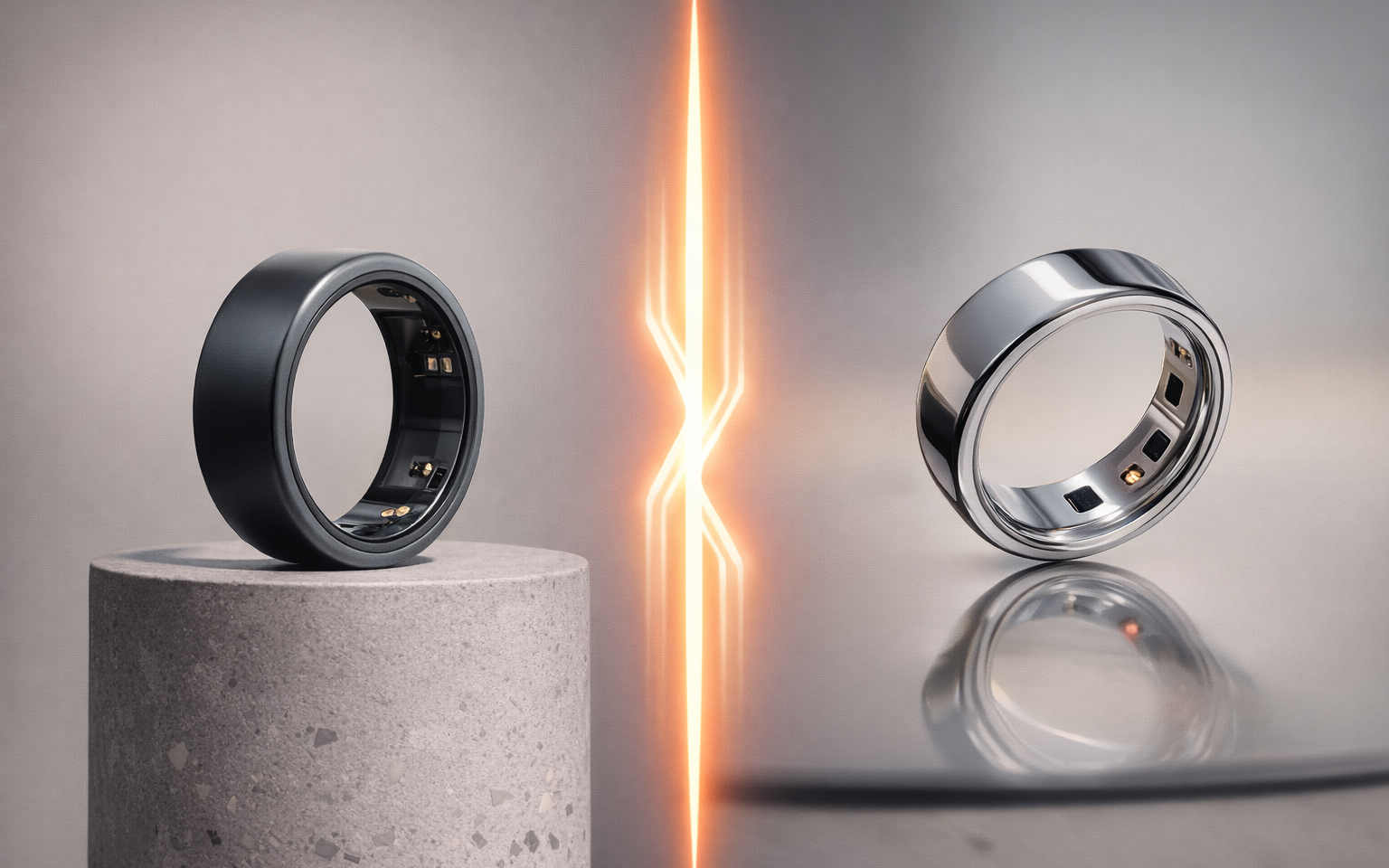
The Oura Ring has been the dominant smart ring for half a decade. When the Ring 4 launched in October 2024, it arrived not as a revolution but as a refinement — same form factor, same subscription, same core mission of passive health tracking. The question for the millions of people already wearing a Ring 3 is straightforward: does the Ring 4 do enough to justify spending another $349?
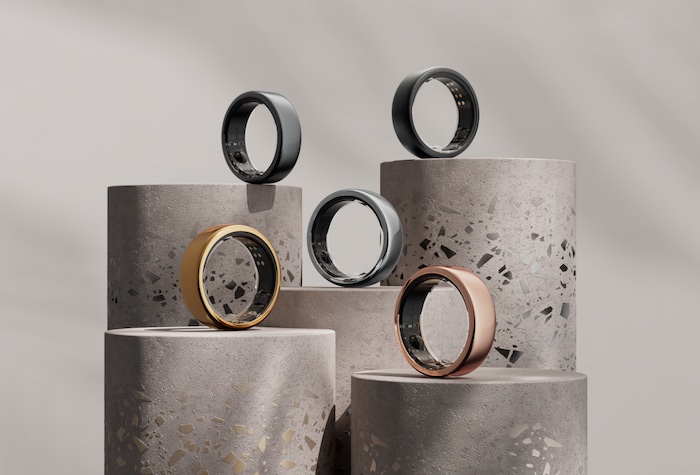
And for new buyers eyeing discounted Ring 3 stock still sitting on retailer shelves, the question flips: is the older ring good enough to save $100 or more?
The answer depends on which improvements actually matter to the way you use a smart ring — and which ones are marketing numbers that disappear in daily life. The gap between these two rings is real, but it is narrower than the spec sheet suggests.
Design and Comfort
The Ring 3 came in two styles: the Heritage, with a flat top section, and the Horizon, with a fully rounded profile. Both featured three raised sensor bumps on the interior that pressed against the finger. These ridges were never painful, but they were always noticeable — a constant reminder that this was not a normal ring. The outer shell was titanium, but the interior used an epoxy resin layer to house the sensors. Sizes ranged from 6 to 13.
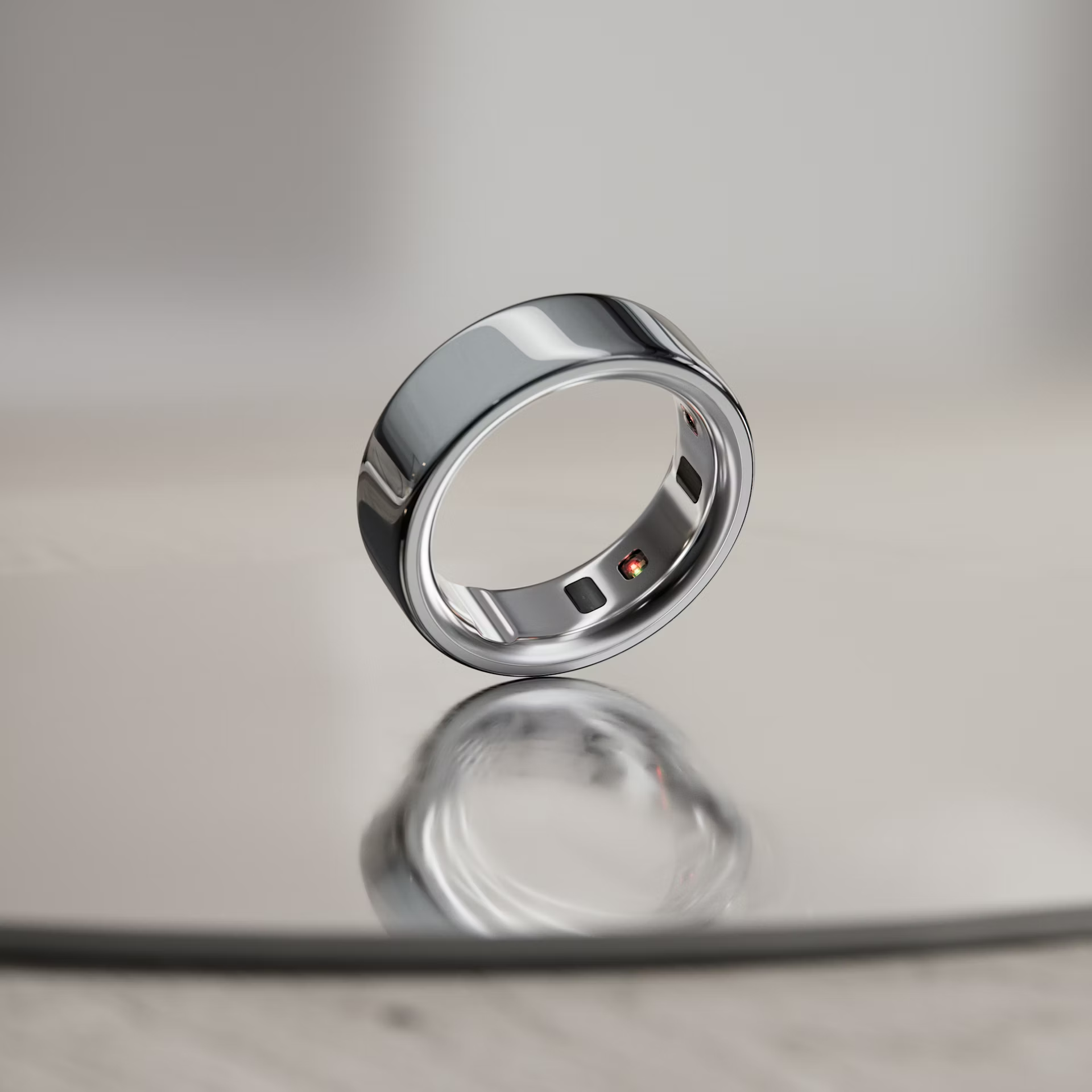
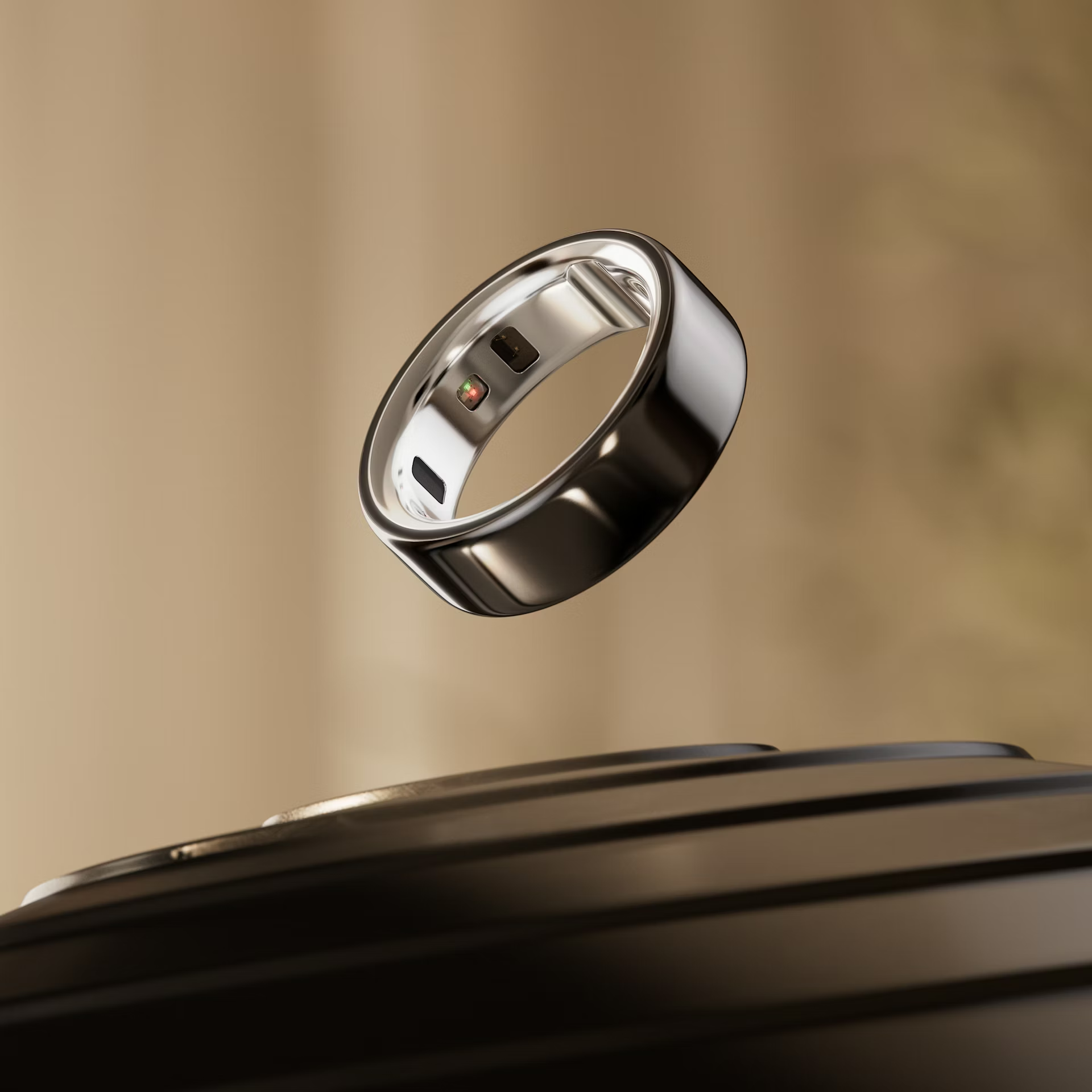
The Oura Ring 4 eliminates both the styles and the bumps. There is one design — fully round, all titanium inside and out, with sensors recessed nearly flush against the inner surface. The result is a ring that feels smoother on the finger and sits more comfortably during sleep. The size range expands to 4 through 15, covering significantly more finger sizes at both extremes. Width remains 7.9mm. Thickness is 2.88mm — essentially unchanged from the Horizon model.
The comfort improvement is subtle but cumulative. For 24/7 wearers, the absence of those interior ridges makes a noticeable difference over time, particularly for people who found the Ring 3 slightly irritating during certain hand positions. The all-titanium construction also feels more premium and is more durable than the epoxy interior of the previous generation.
One quirk: the Ring 4 added a small notch on the exterior for orientation guidance, helping users position the ring correctly on the finger for optimal sensor contact. Some people find it visually distracting on an otherwise clean design.
A sizing note worth flagging — because the Ring 4's interior is flatter without the raised bumps, many people who wore a specific size in Ring 3 find the Ring 4 feels slightly looser in the same numeric size. Sizing down by half a size is common. Use the sizing kit before ordering.
Edge: Oura Ring 4. More comfortable interior, all-titanium construction, wider size range.
Sensors and Accuracy
This is where the Ring 4 makes its most meaningful hardware leap. The Ring 3 used eight signal pathways through its three sensor bumps — green, red, and infrared LEDs measuring heart rate, HRV, SpO2, and skin temperature. These sensors delivered excellent results for a 2021 device and held up remarkably well against clinical validation studies. The Ring 3's sleep staging accuracy showed no statistically significant difference from polysomnography for total sleep time, light sleep, deep sleep, and REM sleep.
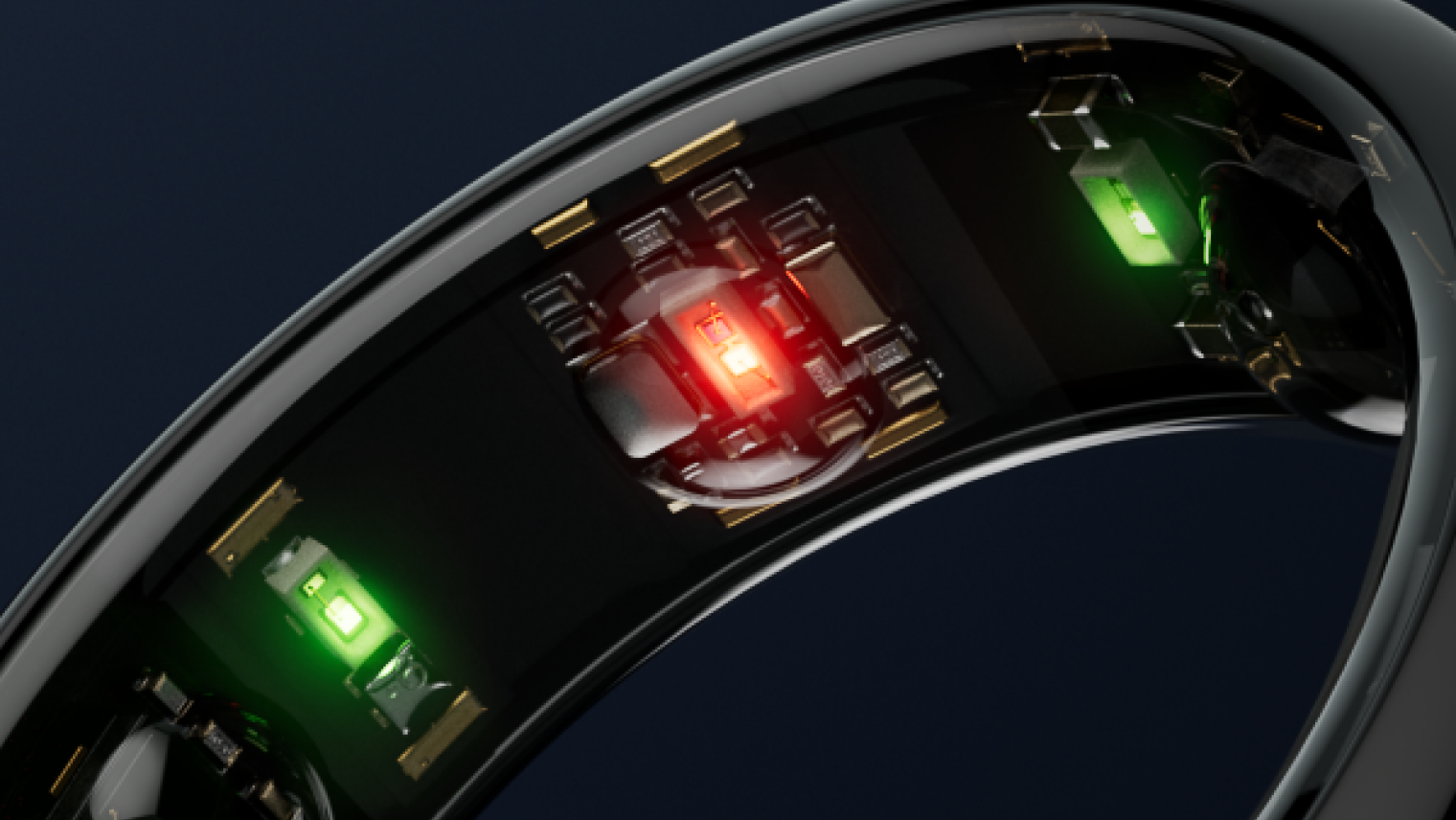
The Ring 4 more than doubles the hardware, expanding to 18 signal pathways through its Smart Sensing system. Instead of reading from three fixed points, the ring dynamically optimizes which pathways to use based on your finger's unique vascular structure, skin tone, and tissue composition. This adaptive approach means the ring finds the best signal path automatically, even as the ring shifts slightly on your finger throughout the day and night.
The claimed improvements are specific: 120% better blood oxygen signal quality, 30% more accurate overnight SpO2 readings, 15% more accurate breathing disturbance index, 31% fewer nighttime heart rate gaps, and 7% fewer daytime heart rate gaps. The gap reduction claim holds up in practice — Ring 4 sleep data graphs show virtually no gaps, while Ring 3 data consistently had missing segments, particularly during restless nights.
For most users, both rings deliver excellent data. The Ring 3 was already among the most accurate consumer sleep trackers available. But for anyone who occasionally saw gaps in their data — missed heart rate readings, incomplete SpO2 nights, inconsistent HRV measurements — the Ring 4's expanded sensor array meaningfully reduces those blind spots.
Edge: Oura Ring 4. More signal pathways, fewer data gaps, measurably better SpO2 and heart rate continuity.
Sleep Tracking
Sleep tracking is the reason most people buy an Oura Ring, and both generations deliver. The Oura Ring — validated across both Gen 3 and Gen 4 hardware — is the most accurate consumer sleep tracker available in four-stage sleep classification when compared against polysomnography. A 2024 Brigham and Women's Hospital polysomnography study put it ahead of the Apple Watch and Fitbit for sleep staging precision, with the highest sensitivity for deep sleep detection (79.5%) and wake detection (68.6%) among tested wearables.
Multi-night ambulatory PSG validation put the Ring 3 at 94.4% to 94.5% sensitivity for detecting sleep, with no statistically significant difference from polysomnography for time in bed, total sleep time, sleep onset latency, light sleep, and deep sleep. These are numbers that most wrist-worn trackers cannot match. The finger is simply a better measurement site — arteries are closer to the surface, motion artifact is lower, and sensor contact is more consistent than on the wrist.
The Ring 4 builds on this foundation with its expanded sensor array, which reduces data gaps and improves the consistency of overnight readings. The practical difference in sleep staging accuracy between the two rings is small — both are clinically validated and both provide sleep data that closely mirrors lab results. Where the Ring 4 pulls ahead is in data completeness. Fewer gaps in heart rate and SpO2 data overnight means the algorithms have more information to work with, which can improve the precision of individual night scores.
Both rings share the same app experience for sleep data. Sleep Score, sleep staging breakdowns, time in each stage, sleep efficiency, restfulness metrics, and overnight heart rate curves all look identical whether the data comes from a Ring 3 or Ring 4. Oura has been disciplined about bringing software features to both generations.
Edge: Oura Ring 4, slightly. The accuracy foundation is shared, but fewer data gaps give the Ring 4 a marginal edge in consistency.
Heart Rate and HRV
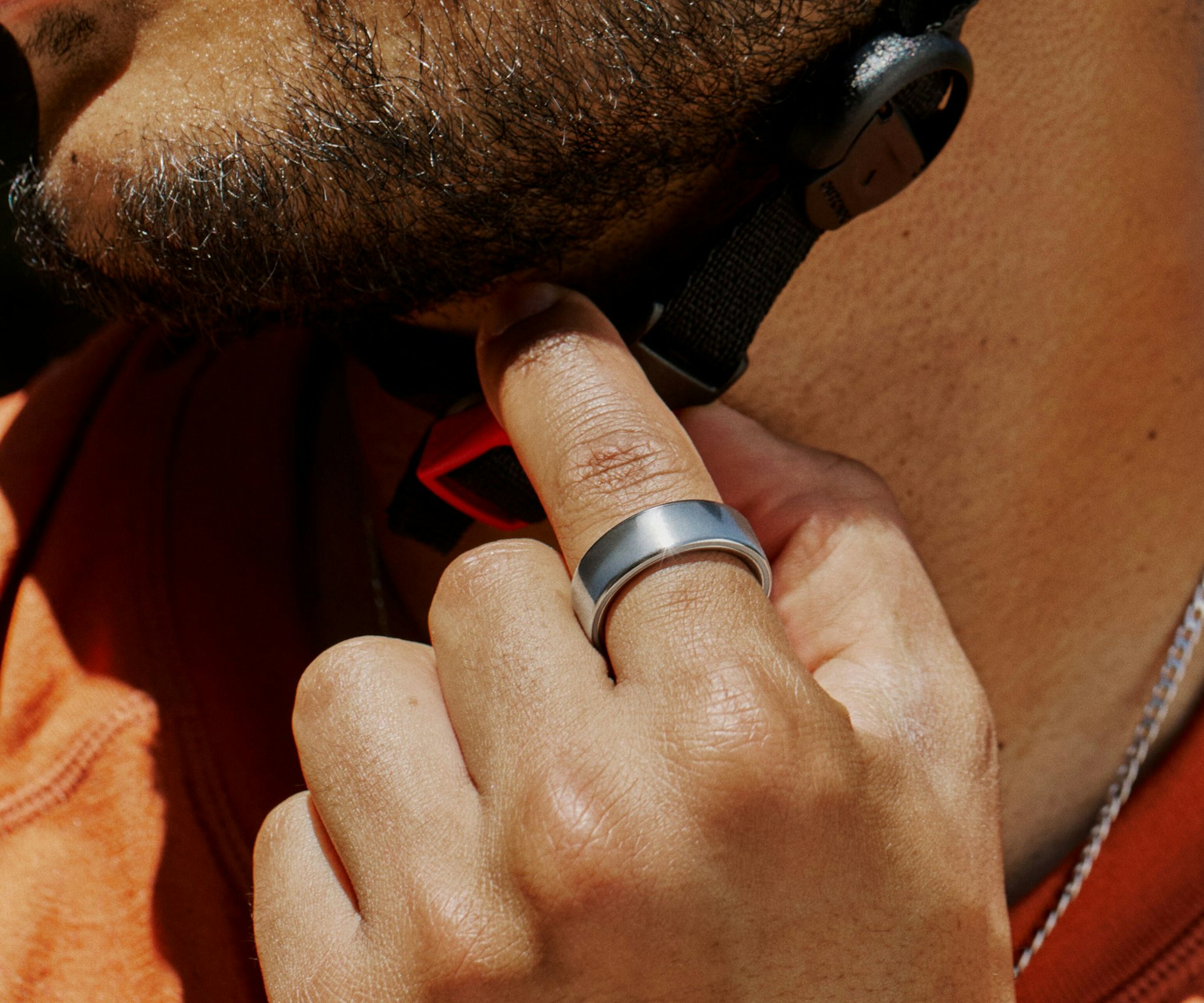
Resting heart rate and heart rate variability are the metrics that power Oura's Readiness Score — arguably the most useful feature in the entire app. Both rings measure HRV during sleep using PPG sensors, and both feed that data into the same Readiness Score algorithm.
Peer-reviewed ECG validation puts both the Oura Ring Gen 3 and Gen 4 at the top of the consumer wearable field for HRV and resting heart rate accuracy — outperforming Whoop, Garmin, and Polar. The HRV correlation with gold-standard ECG reaches r-squared of 0.980, which is essentially clinical-grade accuracy.
The Ring 4's advantage shows up in continuity, not raw accuracy. The 31% reduction in nighttime heart rate gaps and 7% reduction in daytime gaps means more complete data streams. For someone tracking HRV trends over weeks and months, fewer missing data points produce smoother, more reliable trend lines. The underlying accuracy of each individual measurement is comparable between generations.
For workout heart rate, neither ring excels. Smart rings shift on the finger during intense exercise, and sensor contact becomes unreliable during activities involving gripping, lifting, or high-intensity hand movement. Both the Ring 3 and Ring 4 auto-detect workouts and provide post-exercise heart rate summaries, but real-time workout heart rate is not a strength of the form factor. The Ring 4 expanded auto-detection to 40+ activity types, up from the Ring 3's more limited set.
Edge: Oura Ring 4, marginally. Same accuracy per measurement, but better data continuity.
Battery Life
Battery life is where Ring 3 owners feel the most pain — and where the Ring 4 delivers the most tangible daily improvement.
The Ring 3 claimed up to 7 days of battery life. In practice, with SpO2 monitoring enabled and moderate app syncing, most users got 4 to 5 days. After 18 to 24 months of ownership, lithium-polymer battery degradation typically cost another day, dropping many Ring 3 users to 3 to 4 day cycles. The frequent charging became a genuine annoyance and is the single most cited reason Ring 3 owners consider upgrading.
The Ring 4 claims up to 8 days. Real-world use consistently lands at 5 to 7 days with all features enabled, including SpO2. With SpO2 disabled and light usage, reaching a full week is achievable. Larger ring sizes (11 and above) house slightly bigger batteries and tend to hit the upper end of that range. The improvement comes from a more power-efficient chipset that handles the expanded 18-path sensor array without proportionally increasing power draw.
For a device that tracks sleep, the battery life difference matters more than it would for a daytime-only wearable. A ring that dies at 2 AM because you forgot to charge it means a lost night of data. The Ring 4's extra day or two of runway provides more buffer against charging lapses and keeps data streams uninterrupted.
For a deeper dive on maximizing battery performance, including which features drain power fastest and how to squeeze extra days from each charge, see our guide on how long the Oura Ring battery lasts.
Edge: Oura Ring 4. Meaningfully longer real-world battery life, especially compared to aging Ring 3 batteries.
App and Subscription
Here is the most important thing to understand about this comparison: the Oura Ring 3 and Ring 4 run the same app with the same features and the same subscription.
Oura has been commendable about not fragmenting its user base. The October 2024 app redesign — with its three-tab structure (Today, Vitals, My Health) — rolled out to both generations simultaneously. Newer features like Cardiovascular Age, Cardio Capacity (VO2 Max via walking test), the Resilience Score, daytime stress monitoring, automatic workout heart rate detection, and the Dexcom glucose integration are available across both generations. Sleep Score, Readiness Score, Activity Score, cycle tracking, temperature trending, and guided content are identical across generations.
The subscription is $5.99 per month or $69.99 per year for both rings. Without it, both rings become expensive jewelry that displays three basic scores with no detail, no trends, no insights, and no actionable data. The subscription is not optional in any meaningful sense — it is the price of using the product. This remains Oura's most controversial decision, particularly as competitors like the Samsung Galaxy Ring and RingConn Gen 2 offer subscription-free alternatives.
The practical implication for this comparison: upgrading from Ring 3 to Ring 4 does not unlock any new software features. Every app improvement Oura ships works on both rings. You are paying $349 purely for hardware improvements — better sensors, more comfortable design, longer battery life. The software experience is identical.
Edge: Tie. Same app, same subscription, same features on both generations.
Value
The Ring 4 starts at $349 for Silver or Black, climbs to $399 for Brushed Silver and Stealth finishes, and reaches $499 for Gold and Rose Gold. Add the mandatory subscription at $69.99 per year, and first-year cost ranges from $419 to $569 depending on finish.
The Ring 3 is discontinued from Oura's direct store but remains available at select retailers — Amazon, Best Buy, and others — at clearance pricing that typically falls between $199 and $299. For budget-conscious buyers who can find a Ring 3 in their size, the savings are substantial: $150 or more upfront for a ring that runs the exact same app and delivers sleep tracking accuracy within striking distance of the Ring 4.
For existing Ring 3 owners, the upgrade math is less favorable. Oura offers no trade-in program, no upgrade discount, and no loyalty pricing. Upgrading means paying full retail for a Ring 4 while your Ring 3 becomes a spare with no resale infrastructure. The $349 buys you better comfort, better battery, and better data continuity — genuine improvements, but incremental ones that may not justify the cost if your Ring 3 still functions well.
The total cost of ownership over three years tells the story. A Ring 4 at $349 plus three years of subscription ($210) totals $559. A discounted Ring 3 at $229 plus the same subscription totals $439 — a $120 difference for hardware that shares 90% of the experience.
For anyone considering the broader smart ring market, the subscription cost is the elephant in the room. A RingConn Gen 2 at $299 with no subscription costs $299 total over three years. The Oura ecosystem is better, but it is not $260 better for everyone.
Edge: Context-dependent. Ring 4 is the better value for new purchases at full price. Ring 3 at clearance pricing is a compelling budget option.
Who Should Buy What
Buy the Oura Ring 4 if you are:
- A new buyer choosing your first Oura Ring — the Ring 4 is the current product with the best sensor hardware, longest battery life, and most comfortable design
- A Ring 3 owner whose battery has degraded to 3 days or less and charging has become a daily frustration
- Someone who frequently saw data gaps in Ring 3 sleep or heart rate graphs and wants more complete, continuous tracking
- A buyer who needs sizes outside the Ring 3's 6-13 range — the Ring 4 covers sizes 4 through 15
- Anyone who found the Ring 3's interior bumps uncomfortable during sleep or daily wear
Stick with the Oura Ring 3 if you are:
- A current Ring 3 owner whose battery still lasts 4+ days and whose data shows minimal gaps
- A budget buyer who can find Ring 3 stock at $199-$249 — you get the same app, the same subscription features, and clinically validated sleep tracking for significantly less money
- Someone who is comfortable with their current ring and sees no daily frustration that $349 would solve
- A buyer who is skeptical of the subscription model and wants to test the Oura ecosystem at a lower entry cost before committing long-term
Skip both and consider alternatives if you are:
- Unwilling to pay a monthly subscription — look at the RingConn Gen 2 ($299, no subscription) or Samsung Galaxy Ring ($399, no subscription, Android only)
- Primarily interested in workout tracking — no smart ring delivers reliable exercise heart rate data, and a fitness watch will serve you better
- Looking for a Whoop alternative in ring form — the Oura Ring 4 is the closest match for recovery-focused coaching
Our Verdict
The Oura Ring 4 is the better ring. It is not always the better purchase.
For anyone buying new at full price, the Ring 4 is the obvious choice. The all-titanium construction, flush sensors, expanded size range, 18-path Smart Sensing, and improved battery life represent genuine, measurable improvements over the Ring 3. The comfort upgrade alone justifies the purchase for 24/7 wearers. The data continuity improvements — fewer gaps, better SpO2, more complete heart rate streams — make every night of tracking marginally more reliable. At the same $349 starting price as the Ring 3 Horizon once carried, the Ring 4 is strictly better hardware for the same money.
For Ring 3 owners with functioning rings, the upgrade is harder to justify. The app experience is identical. The sleep tracking accuracy is within a few percentage points. The Readiness Score, the feature most Oura users build their mornings around, works the same way with data from either ring. You are spending $349 to fix annoyances — shorter battery life, occasional data gaps, slightly less comfortable interior — not to unlock new capabilities. If your Ring 3 battery still holds up and your data looks clean, there is no urgency to upgrade.
The exception is Ring 3 owners battling degraded batteries. If your ring barely makes it through two nights before dying, the Ring 4's improved battery efficiency is not a luxury — it is a restoration of the experience you originally paid for. That is the clearest upgrade case.
The Oura Ring 4 wins this comparison on hardware merit. But the Oura Ring 3 — particularly at clearance pricing — remains a remarkably capable device running the exact same software. The best Oura Ring is the one that tracks your sleep every single night without you thinking about it. For many Ring 3 owners, that is still the ring already on their finger.
Specs At A Glance
| Spec | Oura Ring 3 | Oura Ring 4 |
|---|---|---|
| Materials | Titanium exterior, epoxy interior | Full titanium (interior and exterior) |
| Styles | Heritage (flat top), Horizon (round) | One style (round) |
| Sizes | 6-13 | 4-15 |
| Weight | 3.3-5.2g (varies by size) | 3.3-5.2g (varies by size) |
| Width | 7.9mm | 7.9mm |
| Thickness | ~2.7mm (Heritage), ~2.9mm (Horizon) | 2.88mm |
| Sensor Pathways | 8 | 18 (Smart Sensing) |
| Sensors | Green, red, infrared LEDs; temperature; accelerometer | Green, red, infrared LEDs; temperature; accelerometer (adaptive multi-path) |
| SpO2 | Yes | Yes (120% improved signal quality) |
| Heart Rate Gaps | Baseline | 31% fewer (nighttime), 7% fewer (daytime) |
| Sleep Tracking | Clinically validated (94.4% sensitivity) | Clinically validated (improved data completeness) |
| Battery Life (claimed) | Up to 7 days | Up to 8 days |
| Battery Life (real-world) | 4-5 days (with SpO2) | 5-7 days (with SpO2) |
| Water Resistance | 100m (IP68) | 100m (IP68) |
| Auto-Detect Activities | Limited set | 40+ activities |
| Subscription | $5.99/month or $69.99/year | $5.99/month or $69.99/year |
| App Features | Full Oura app (same as Ring 4) | Full Oura app (same as Ring 3) |
| Starting Price | ~$199-$299 (clearance) | $349 |
| Compatibility | iOS and Android | iOS and Android |
| Charging | Magnetic USB-C dock | Magnetic USB-C dock |
| Launch Date | October 2021 (shipped November 2021) | October 2024 |