
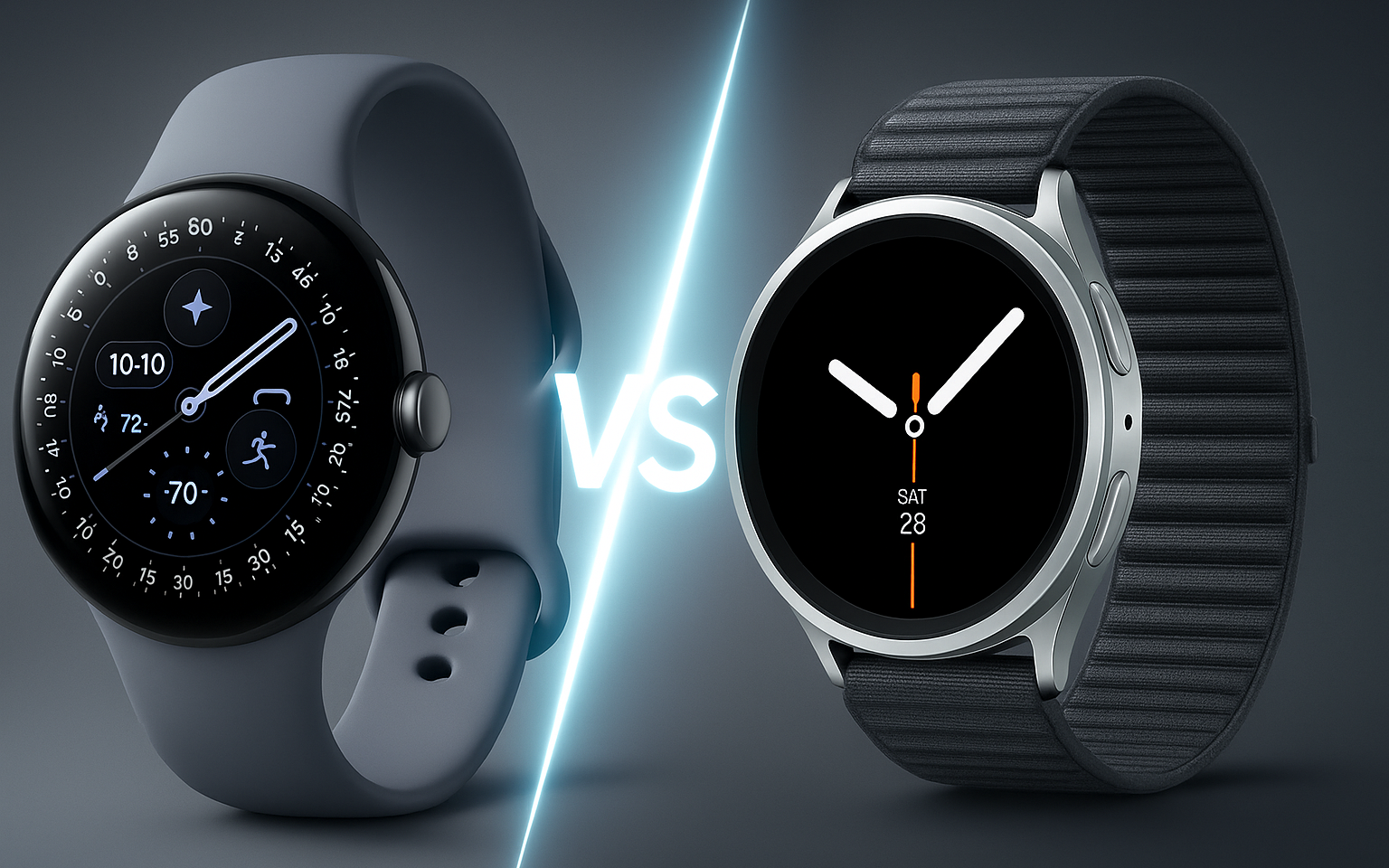
You're in the market for an Android smartwatch in 2026, and the choice comes down to two exceptional devices: the Google Pixel Watch 4 and the Samsung Galaxy Watch 8. Both run Wear OS 6, both cost around $350-400, and both represent the pinnacle of what Android wearables can do. So which one actually deserves your wrist?
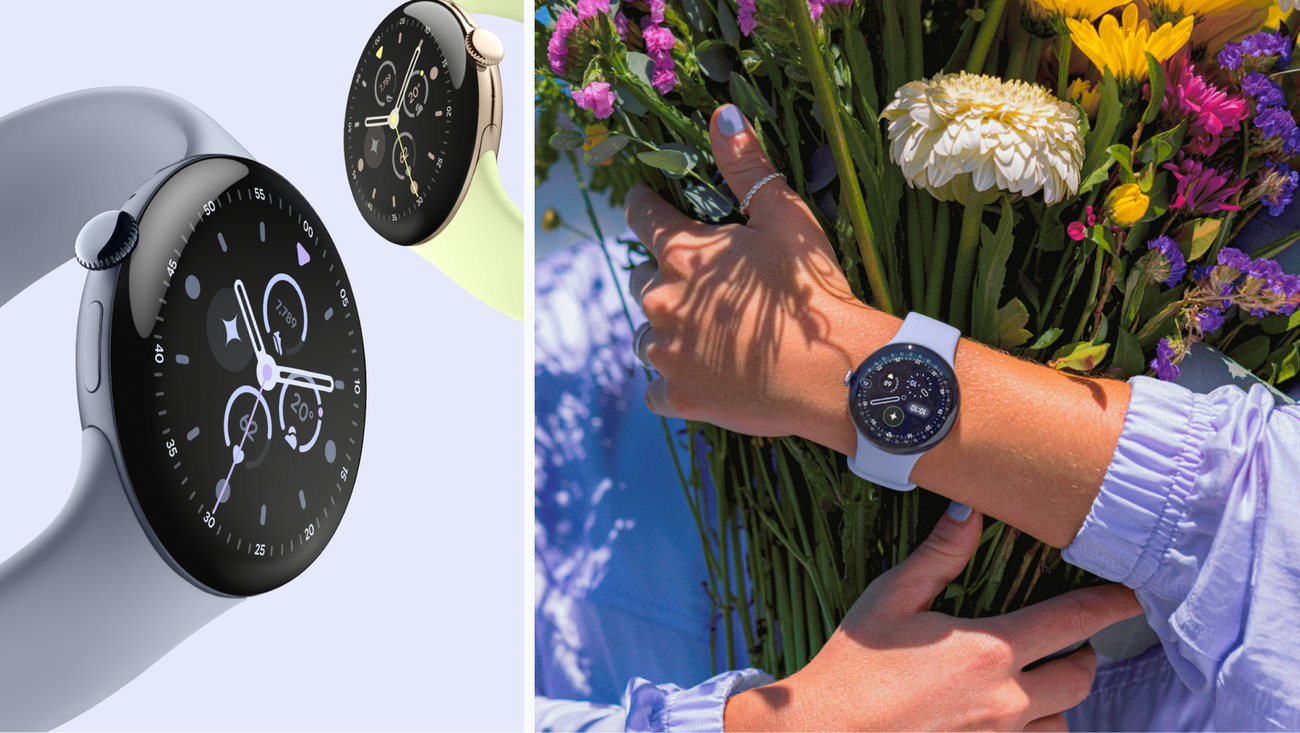
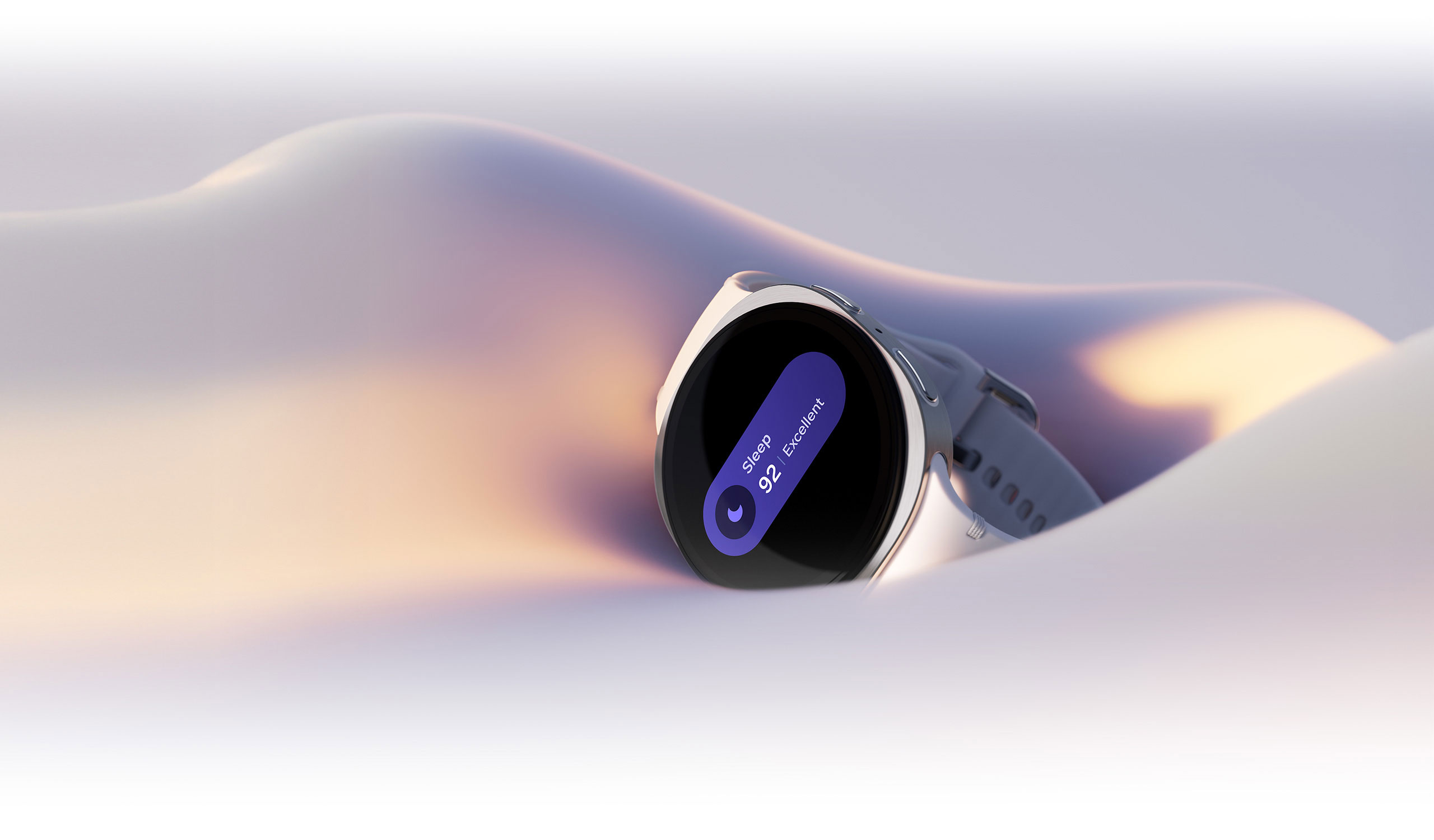
The Pixel Watch 4 pulls ahead as the better overall smartwatch for most Android users, thanks to its 40-hour battery life, 50% charge in just 15 minutes, and satellite SOS messaging. But the Galaxy Watch 8 isn't far behind—and for Samsung phone owners or those who prioritize durability and storage, it's the smarter choice.
Quick Verdict
Winner: Google Pixel Watch 4
The Pixel Watch 4 delivers where it matters most: 40 hours of battery life (versus the Galaxy Watch 8's 30 hours), 50% charge in just 15 minutes (versus roughly 90 minutes for a full charge on the Galaxy), and satellite SOS messaging—a first for mainstream smartwatches. The domed Actua 360 display is stunning, Gemini AI integration is genuinely useful with raise-to-talk, and the repairable design means this watch will last longer than any predecessor.
Who should buy the Galaxy Watch 8 instead? Samsung phone owners who want deeper ecosystem integration, anyone who needs more than 32GB storage, or users who prioritize a scratch-proof sapphire crystal display over Gorilla Glass 5. The Galaxy Watch 8 also wins on pure durability with its MIL-STD-810H military-grade certification.
Design & Build: Two Different Philosophies
The Pixel Watch 4 and Galaxy Watch 8 represent fundamentally different approaches to smartwatch design, and your preference will likely come down to aesthetics.
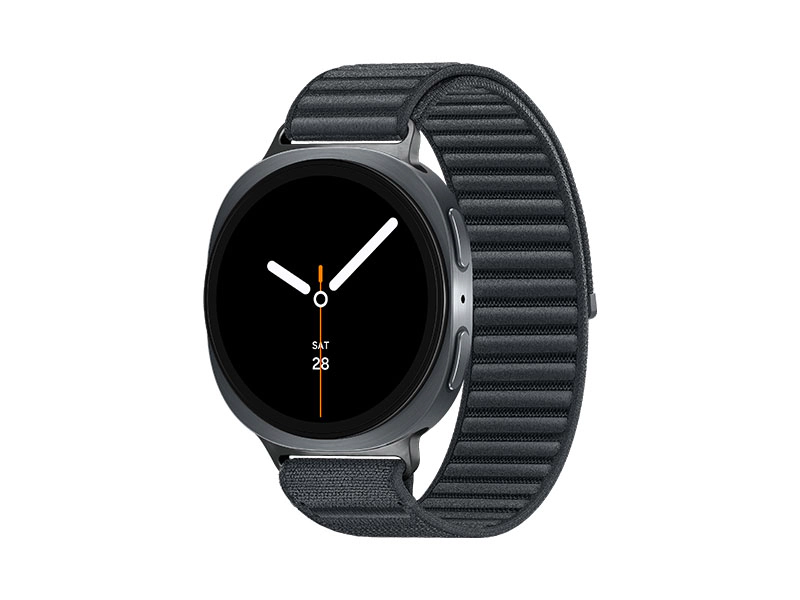
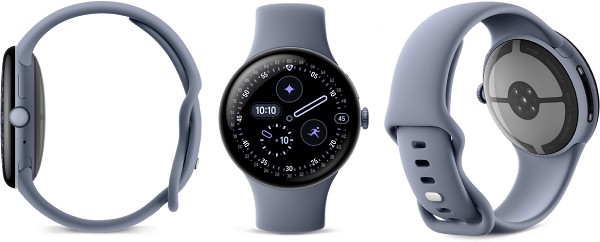
The Pixel Watch 4 sports a physically curved, domed Actua 360 display that delivers a 10% larger active area with 16% slimmer bezels than its predecessor. It's an edgeless, gem-like appearance that catches light beautifully—and at 12.3mm thick, it's noticeably chunkier on the wrist. Google uses Corning Gorilla Glass 5 and aerospace-grade aluminum for the case. The watch is undeniably premium, but that dome can catch on jacket cuffs.
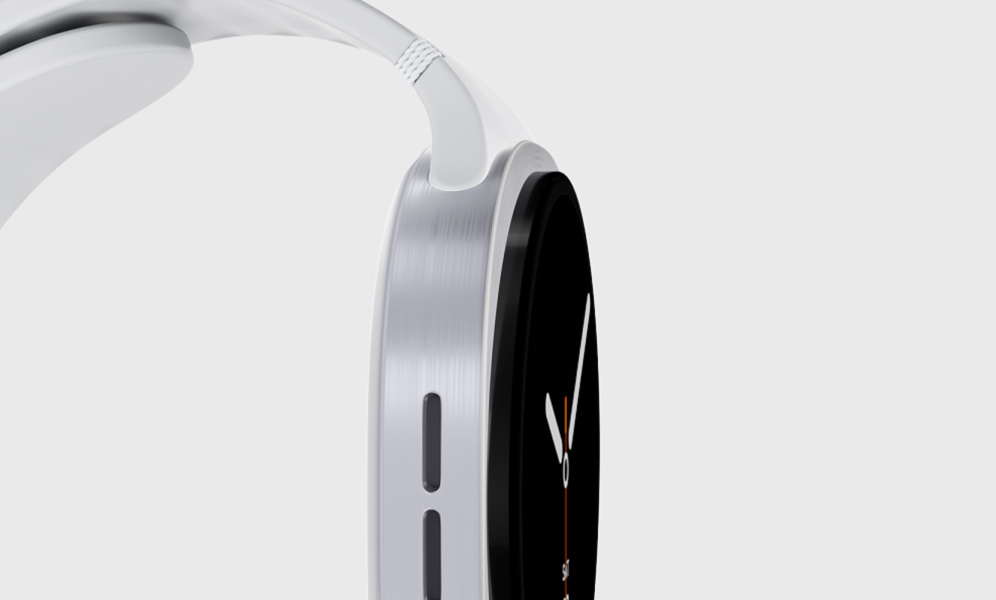
Samsung went the opposite direction with its "cushion design"—a nearly square-like shape (some call it a "squircle") that's 11% thinner than the Watch 7 at just 8.6mm. The Galaxy Watch 8 feels like it disappears on your wrist. Multiple testers noted they forgot they were wearing it. Samsung uses sapphire crystal glass, which is objectively more scratch-resistant than Gorilla Glass, paired with Armor Aluminum and a brushed finish that looks elegant all day.
Both watches offer 5ATM water resistance and IP68 dust/water ratings. But the Galaxy Watch 8 adds MIL-STD-810H military-grade durability certification, meaning it's tested for extreme temperatures and shocks. The Pixel Watch 4 counters with something no other smartwatch offers: a repairable design. iFixit gave it a 9/10 repair score, with replaceable battery and display components protected by individual o-rings.
Edge: Galaxy Watch 8 for pure durability and sapphire glass, but the Pixel Watch 4's repairability is a game-changer for long-term ownership.
Display: Brightness War Ends in a Tie
Both watches hit identical 3,000-nit peak brightness—a massive leap from the Galaxy Watch 7's 2,000 nits and perfect for bright summer days. Neither struggled under direct sunlight during testing.
The Pixel Watch 4's domed display is 50% brighter than the Watch 3 and uses a physically curved AMOLED panel that looks stunning from every angle. The 1.4-inch circular screen has a premium, jewelry-like quality that makes every watch face pop.
The Galaxy Watch 8 offers a 1.34-inch display on the 40mm model (1.47 inches on the 44mm), with the flat screen providing marginally more usable screen space—helpful when reading long messages or scrolling through health stats. The always-on display looks sharp on both, though Samsung's implementation feels slightly more refined with One UI 8's Now Bar feature, which serves up contextual info like music controls and weather without requiring a tap.
Edge: Draw. Pick the Pixel for visual wow factor, the Galaxy for practical screen real estate.
Battery Life: The Pixel's Killer Feature
This is where the Pixel Watch 4 pulls decisively ahead.
Google promises 30 hours for the 41mm model and 40 hours for the 45mm model—with always-on display active. Multiple real-world tests confirmed these claims. The 45mm model routinely exceeded 40 hours, with some testers hitting 48-60 hours in standard mode. Consistent mixed-use testing (notifications, GPS runs, Gemini queries, music streaming) yields 36-38 hours.
More impressive is charging speed. The new Quick Charge Dock delivers 50% battery in just 15 minutes. Zero to 100% takes about 45 minutes. This is revolutionary for smartwatches—shower, charge the watch, and be back to full power before breakfast.
The Galaxy Watch 8's battery story is more conservative. Samsung quotes roughly 30 hours for the standard models and 40 hours for the Classic (with always-on display). Real-world testing showed 28-32 hours for the standard Watch 8—a full day and change, but you'll likely charge every night. A full charge takes about 90 minutes, which is adequate but not fast by 2026 standards.
Edge: Pixel Watch 4 by a landslide. The combination of 40-hour battery and 15-minute fast charging is the single best reason to choose this watch.
Performance & Software: Gemini vs One UI
The Pixel Watch 4 runs on Qualcomm's Snapdragon W5 Gen 2 with a Cortex M55 co-processor, delivering improved power efficiency over the previous generation. The Galaxy Watch 8 uses Samsung's custom Exynos W1000 chip built on a cutting-edge 3nm process. In real-world use, both watches feel snappy and responsive—no lag when launching apps or swiping through menus.
The real difference is software philosophy.
The Pixel Watch 4 offers pure Wear OS 6 with Google's Material 3 Expressive design language. It's clean, intuitive, and consistent with the broader Google ecosystem. The standout feature is Gemini AI integration. Raise-to-talk activates Gemini without saying "Hey Google"—just lift your wrist and start speaking. It's genuinely useful for quick queries, smart home control, and setting reminders. The on-device Gemma language model powers contextual Smart Replies in Google Messages that actually sound natural, and one-handed gestures (double pinch, wrist turn) let you control the watch without touching the screen.
The Galaxy Watch 8 runs One UI 8 Watch, Samsung's flavor of Wear OS 6. It's more customizable with Multi-Info Tiles and the Now Bar, which surfaces real-time contextual information. Samsung also includes Gemini, but the integration feels less polished than on the Pixel. Where Samsung pulls ahead is Samsung Health's breadth: features like sleep apnea detection (FDA-authorized), vascular load monitoring, and an antioxidant index scan—though this last feature proved trivially foolable in testing, with a Cheez-It cracker scoring 99/100.
Storage tells an important story: the Galaxy Watch 8 Classic offers 64GB versus the Pixel's 32GB. That's double the space for offline Spotify playlists, maps, and apps.
Edge: Pixel Watch 4 for most users thanks to superior Gemini implementation and cleaner UI, but Samsung phone owners get deeper integration worth considering.
Health & Fitness: Fitbit vs Samsung Health
The Pixel Watch 4 integrates Fitbit's health platform, refined over years of wearable experience. Sleep tracking is 18% more accurate thanks to new machine learning models, and deep sleep detection is particularly impressive. Heart rate accuracy during HIIT workouts is excellent, delivering consistent results when tested against a chest strap. The Wear OS 6.1 update in January 2026 improved GPS locks and heart rate accuracy for runners even further.
Fitness features include 50+ exercise modes (now including pickleball, basketball, and padel), automatic workout detection, and new dual-frequency GPS (L1 + L5) that delivers the most accurate route tracking in challenging environments like urban canyons and tree-dense trails. Real-time running recommendations analyze cadence, stride length, vertical oscillation, and ground contact time.
The Galaxy Watch 8 uses Samsung Health, which offers similarly comprehensive tracking with advanced metrics like vascular load and antioxidant index. The redesigned sensor housing reduces case movement by 8% and improves pressure distribution by 12%, keeping the BioActive Sensor in better contact with your skin during workouts. Sleep tracking includes bedtime guidance that analyzes your circadian rhythm after three nights and suggests your ideal bedtime. The FDA-authorized sleep apnea detection looks for oxygen saturation dips overnight—a legitimately useful medical feature.
Both watches offer dual-frequency GPS, automatic workout detection, and detailed health insights.
The catch: Fitbit's best features require Fitbit Premium ($9.99/month or $79.99/year), while Samsung locks some premium health features behind Galaxy phone ownership.
Edge: Pixel Watch 4 for universal compatibility with any Android phone, though Samsung Health's sleep apnea detection gives it a medical-grade niche advantage.
Ecosystem & Unique Features
The Pixel Watch 4 works with any Android phone running 11.0 or newer, making it the more universally valuable purchase. If you own a Pixel phone, you get tighter integration with Fast Pair, seamless photo access, and Nest camera control. The headline exclusive: satellite SOS messaging via Skylo's Non-Terrestrial Network. Only the LTE Pixel Watch 4 has this (continental US only, free for two years), and it works independently of your phone. When you dial 911 without cell coverage, a questionnaire gathers vital information and sends it via satellite to emergency responders. It's text-only, not voice—but potentially life-saving.
The Galaxy Watch 8 shines for Samsung phone owners. The Now Bar integrates seamlessly with Samsung devices for quick access to notifications, weather, and health stats. One UI Watch aligns perfectly with One UI on Galaxy phones. But non-Samsung users miss features they're paying for, with Samsung locking some premium health tools behind Galaxy ownership.
Both watches support third-party apps via Wear OS 6, and both finally welcome back Facer, WatchMaker, TIMEFLIK, and Pujie for custom watch faces after years of Play Store restrictions.
Edge: Pixel Watch 4 for universal Android compatibility, plus satellite SOS gives it a safety feature no competitor offers.
Who Should Buy What
Buy the Pixel Watch 4 if you: - Want the longest battery life and fastest charging on any Wear OS watch - Own any Android phone (not just a Pixel) and want full features - Value satellite emergency messaging for hiking, travel, or peace of mind - Prefer Google's cleaner software approach with better Gemini integration - Care about long-term repairability (iFixit 9/10 score means easier battery and screen replacements) - Are a runner or cyclist who needs dual-frequency GPS and accurate fitness tracking
Buy the Galaxy Watch 8 if you: - Own a Samsung phone and want the deepest ecosystem integration - Need more than 32GB storage for offline music, maps, and apps (Classic offers 64GB) - Prioritize durability with sapphire crystal glass and MIL-STD-810H military certification - Want FDA-authorized sleep apnea detection - Prefer a thinner, lighter watch that disappears on your wrist (8.6mm vs 12.3mm) - Don't mind daily charging and slower charge times
Specs At A Glance
Google Pixel Watch 4 (45mm) - Display: 1.4" domed AMOLED, 3,000 nits - Battery: 40 hours (41mm: 30 hours) - Charging: 50% in 15 minutes - Processor: Snapdragon W5 Gen 2 - Storage: 32GB - Glass: Gorilla Glass 5 - Water: 5ATM + IP68 - Price: $399 (BT), $499 (LTE) - Unique: Satellite SOS, repairable design
Samsung Galaxy Watch 8 - Display: 1.34" (40mm) / 1.47" (44mm) flat AMOLED, 3,000 nits - Battery: 30 hours (Classic: 40 hours) - Charging: 0-100% in ~90 minutes - Processor: Exynos W1000 (3nm) - Storage: 32GB (Classic: 64GB) - Glass: Sapphire crystal - Water: 5ATM + IP68 + MIL-STD-810H - Price: $349.99 (40mm), $379.99 (44mm) - Unique: Sleep apnea detection, thinnest design