
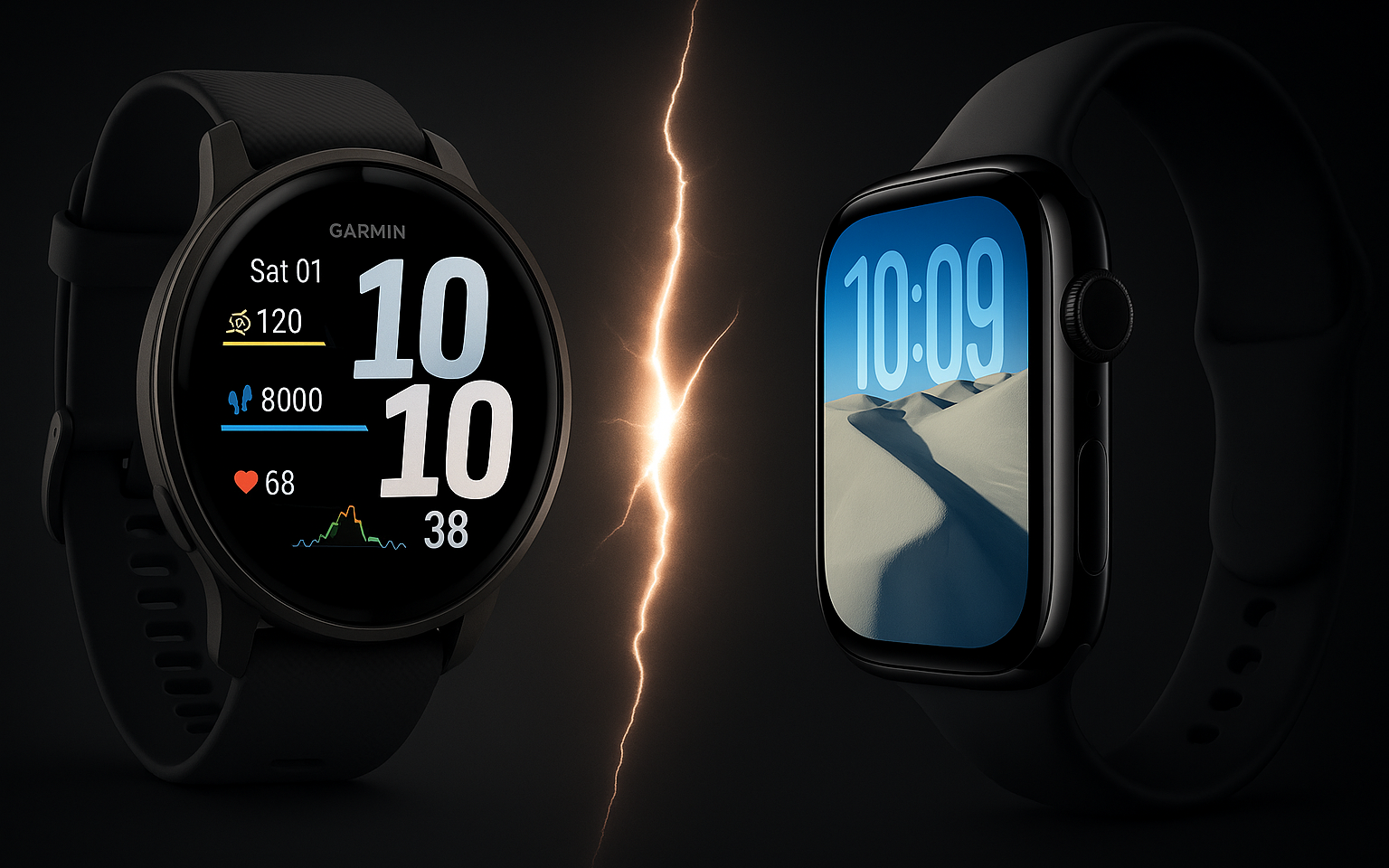
The smartwatch market has crystallized into two distinct philosophies: the fitness-obsessed endurance champion versus the app-loaded ecosystem king. The Garmin Venu 4 and Apple Watch Series 11 represent this divide perfectly, and choosing between them isn't just about specs—it's about deciding whether you want a watch that lasts 12 days between charges or one that seamlessly integrates with every corner of your digital life.
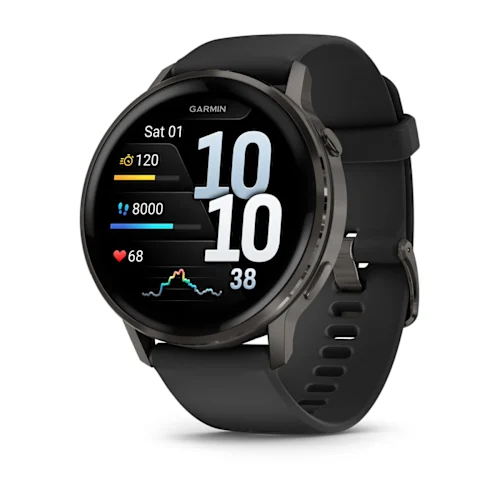
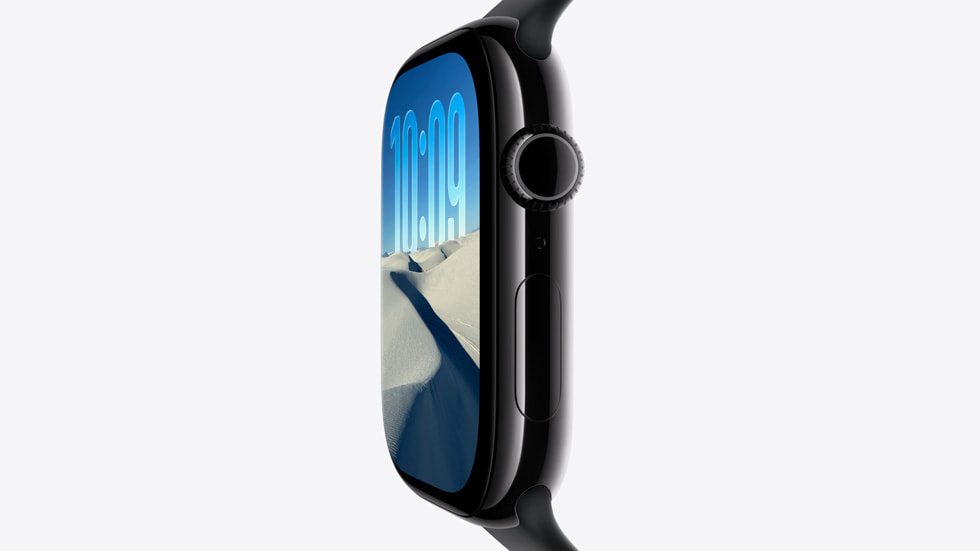
At $549, the Venu 4 costs $120 more than the $429 Apple Watch Series 11 46mm, yet it offers half the smart features. That price gap tells you everything about what you're really buying: Garmin sells you freedom from daily charging and professional-grade training metrics, while Apple sells you convenience, apps, and an ecosystem so sticky you'll never want to leave. The question isn't which watch is better—it's which trade-off you can actually live with.
The battery life difference alone splits these watches into separate universes. Charging your watch every night versus once every two weeks changes how you think about wearables entirely.
Battery Life: The 12x Difference That Changes Everything
The Garmin Venu 4 runs for 12 days on a single charge in smartwatch mode. Not "up to" with caveats and asterisks—12 actual days with notifications, health tracking, and daily workouts. Turn on the always-on display and you still get five days. Even in GPS mode for runs and rides, the 45mm model delivers 17 hours with multi-band GPS, 19 hours in all-systems GNSS, or 20 hours in GPS-only mode. Pack it for a week-long trip and leave the charger at home.
The Apple Watch Series 11 lasts 24 hours with typical use. That's it. You charge it overnight, every night, without exception. Low power mode stretches it to 38 hours, but that's with features disabled. Apple now officially rates battery life at 24 hours including sleep tracking—a genuine improvement over the Series 10's 18-hour rating, thanks to a 10-11% larger battery. But nightly charging remains a firm requirement.
This isn't a minor spec difference. It's a fundamental shift in how you interact with the device. Garmin users forget their watch is a gadget that needs power. Apple Watch users build their entire evening routine around finding a charger. If you travel frequently, do multi-day outdoor adventures, or simply hate charging habits, the Venu 4's battery life is worth the price premium by itself.
Health and Fitness: Serious Training Metrics vs. Lifestyle Wellness
Both watches track heart rate, SpO2, sleep, and offer ECG apps for atrial fibrillation detection. Beyond those table stakes, they diverge sharply.
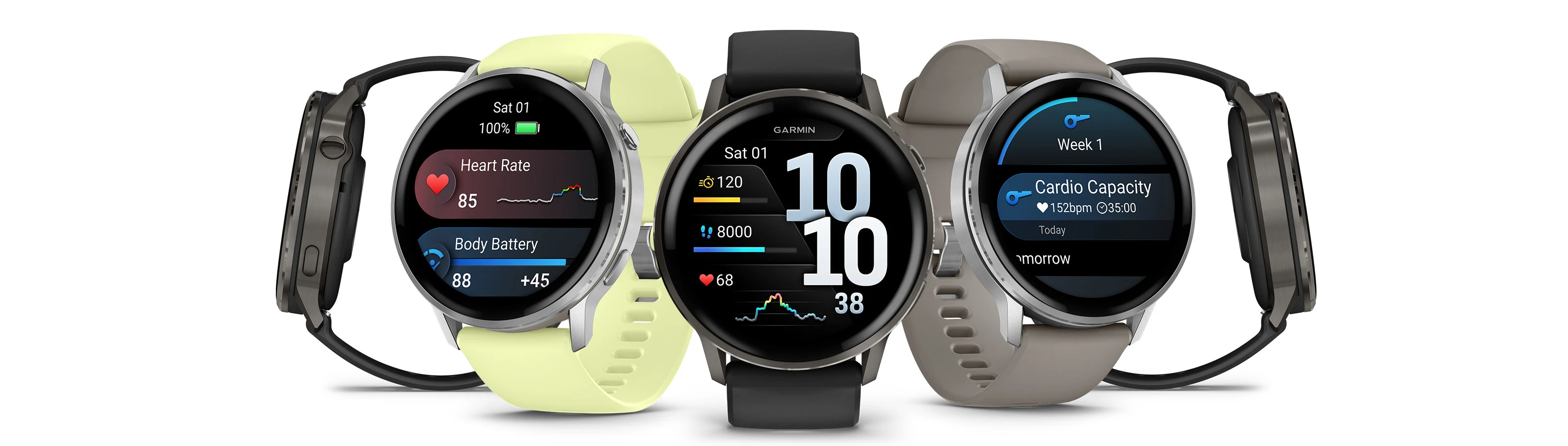
The Garmin Venu 4 is built for athletes who want actionable insights, not just data. Body Battery tells you how much energy you have for the day based on stress, sleep, and activity. Training Readiness combines sleep quality, recovery time, HRV status, and acute training load to tell you whether to push hard or take it easy. The watch calculates workout benefit (base, tempo, threshold, anaerobic) and recovery time after each session. It tracks over 80 sport modes, includes wrist-based running dynamics, and features multi-band GPS that matches the accuracy of Garmin's flagship Fenix 8 Pro—critical for trail runs in dense forests or urban canyons where single-band GPS drifts.
The new Lifestyle Logging feature lets you tag behaviors like caffeine and alcohol intake, then correlates them with HRV dips, skin temperature changes, and resting heart rate. It's the kind of holistic wellness tool that makes you reconsider that third espresso when you see how it tanks your recovery scores.
The Apple Watch Series 11 focuses on accessibility and preventive health. The standout new feature is hypertension notifications, which analyze how your blood vessels respond to heartbeats over 30-day periods and alert you to potential high blood pressure. It's not a blood pressure monitor—you'll need a separate cuff for actual readings—but clinical studies show it catches 41.2% of people with hypertension and 53% of those with stage 2, with a specificity of 92.3%. For the millions of people with undiagnosed hypertension, that's a potentially life-saving screening tool.
The Apple Watch excels at making health tracking frictionless. Sleep tracking, irregular heart rhythm notifications, and blood oxygen monitoring all happen automatically. The new Sleep Score condenses your night into a single digestible metric. Fitness tracking covers the basics well—accurate heart rate during cardio, GPS for outdoor runs, and automatic workout detection—but it lacks the training load analysis, recovery metrics, and advanced running dynamics that serious athletes expect.
If you run half-marathons, train with purpose, or care about VO2 max trends and lactate threshold estimates, the Venu 4 delivers insights the Apple Watch can't match. If you want health monitoring that works invisibly and might catch a serious condition before symptoms appear, the Apple Watch's hypertension alerts and streamlined interface win.
Smart Features and Apps: The Ecosystem Stranglehold
This is where the Apple Watch doesn't just win—it dominates so completely that it's not even a fair fight.
The Apple Watch has access to the world's largest app ecosystem. You can order coffee ahead with Starbucks, control your smart home with HomeKit, track menstrual cycles with Clue, meditate with Headspace, respond to Slack messages, take phone calls, stream music, pay with Apple Pay at nearly any terminal, and download thousands of watch faces. The cellular model with 5G lets you leave your iPhone at home and still text, call, and stream Apple Music. Notifications are instant, rich, and actionable. The integration with the iPhone is seamless to the point of telepathy.
The Garmin Venu 4 offers basic smartwatch features that feel like an afterthought. You get notifications (view-only, no rich interactions), Garmin Pay (works but far fewer banks support it than Apple Pay), and music storage from Spotify and YouTube Music (useful for phone-free runs). The Connect IQ store has third-party apps, but the selection is "downright tiny" compared to Apple's App Store. You can respond to texts and take phone calls through the built-in speaker and microphone—a welcome addition over previous Venu models—but the experience is functional rather than polished. You can't install Instagram, Uber, or any of the ten thousand apps that make a smartwatch feel indispensable.
The Venu 4's advantage is Android compatibility—it works with both iOS and Android phones, while the Apple Watch is iOS-only. But that's a checkbox feature, not a daily experience. If you use an iPhone and care about apps, the Apple Watch is the only logical choice. If you use Android, the Venu 4 is your only option in this comparison.
For iPhone users who live in notifications, apps, and the Apple ecosystem, spending $120 less for vastly superior smart features makes the Series 11 a no-brainer.

Display and Design: Brightness vs. Premium Materials
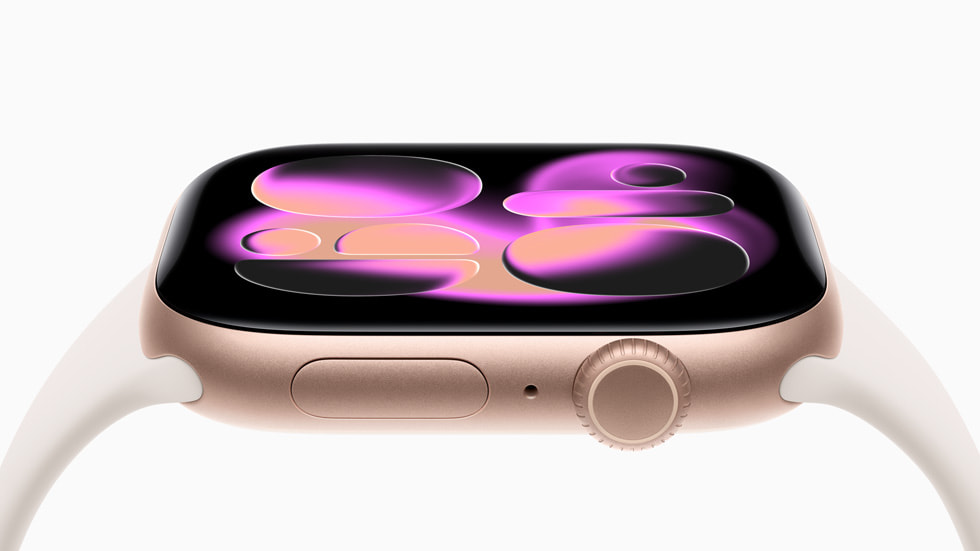
The Apple Watch Series 11's display hits 2,000-nit peak brightness, making it easily readable in direct sunlight. The screen is crisp, fluid, and protected by Ion-X glass with a new ceramic coating that makes it 2x more scratch-resistant than previous generations. The 46mm aluminum model weighs 37.8 grams—light enough to forget you're wearing it. The design is Apple's signature rounded square, maintaining the slim 9.7mm profile introduced with the Series 10, available in aluminum or titanium finishes.
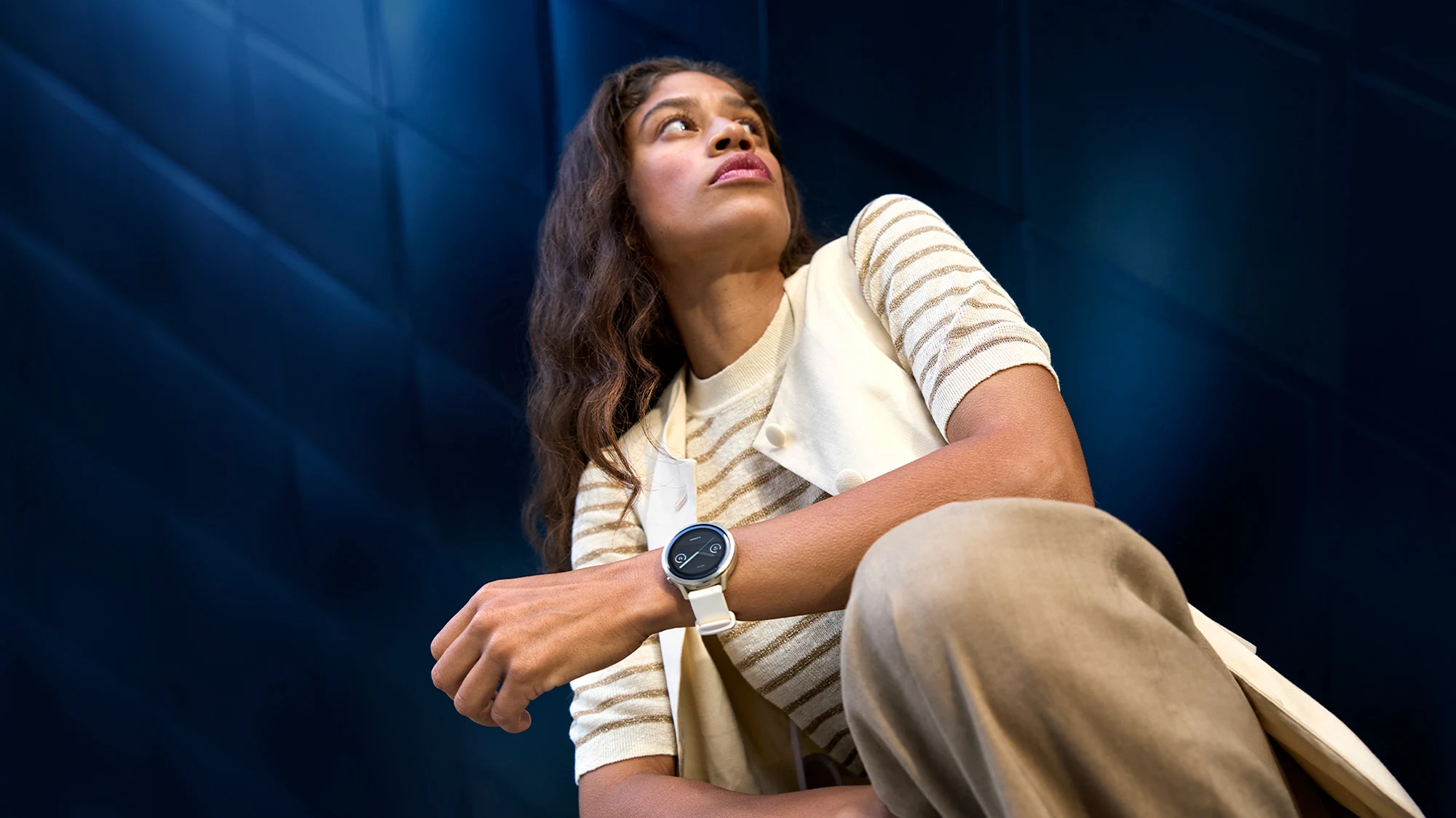
The Garmin Venu 4 counters with a fiber-reinforced polymer case wrapped in a stainless steel bezel—a genuine premium upgrade from the Venu 3's all-polymer build. It feels substantial, durable, and more refined than its predecessor. The 1.4-inch AMOLED display on the 45mm model is vibrant and colorful, though not as bright outdoors as the Apple Watch. The round watch face looks more like a traditional timepiece than a gadget. The 45mm model weighs 38 grams (56 grams with strap), heavier than the Apple Watch but still comfortable for all-day wear. Garmin uses a Gorilla Glass lens rather than sapphire, which disappointed some users upgrading from older models.
The Venu 4 includes a unique hardware LED flashlight on the top edge of the case—not just screen brightness, but an actual torch with red mode. It's surprisingly useful for fumbling with keys at night, navigating dark trails, or emergencies. The Apple Watch has nothing comparable.
The Apple Watch is lighter, brighter, and more refined. The Venu 4 is more durable, looks more traditional, and has a flashlight. Pick based on whether you value wrist comfort or premium materials.
Software and Navigation: Polish vs. Purpose
The Apple Watch runs watchOS 26, which is stunningly polished. Everything glides. Apps load instantly. Siri (when it works) feels integrated. Complications on watch faces pull data from dozens of apps. The digital crown and side button make navigation intuitive. It's the best smartwatch software experience, period.
The Garmin runs Garmin's OS, which prioritizes function over form. The interface is utilitarian—menus are deep, widgets are data-dense, and you'll spend time learning where things are. But once you do, the fitness features are unmatched. Garmin Connect syncs your data, analyzes trends, and serves up training insights that Apple's Health app doesn't attempt. The Venu 4 shares the same platform as the Forerunner 570 and Fenix 8, meaning it gets the same advanced sport features crammed into a sleeker case.
Navigation on the Venu 4 uses two physical buttons plus touchscreen. It's not as elegant as the Apple Watch's crown, but it works reliably, even with wet hands or gloves.
The Apple Watch is effortless. The Garmin is purposeful. iPhone users will miss the Apple integration. Android users will appreciate that Garmin Connect works equally well on both platforms.
The Value Equation: $120 Price Gap for What, Exactly?
The Apple Watch Series 11 starts at $429 for the 46mm GPS model (and frequently drops on sale). The Garmin Venu 4 costs $549, with no sales or discounts. You're paying $120 more for Garmin's fitness expertise and 12-day battery life—while giving up the app ecosystem, smart features, and lighter design.
That $120 buys you: - 11 extra days of battery life (12 days vs. 1 day) - Multi-band GPS for superior accuracy - Advanced training metrics (Body Battery, Training Readiness, workout load) - Android compatibility - A built-in flashlight - Stainless steel bezel with fiber-reinforced polymer case
The $120 you save with the Apple Watch gets you: - The entire App Store (thousands of apps vs. dozens) - Cellular connectivity option with 5G - Hypertension notifications - 2x brighter display - Seamless iPhone integration - A lighter, more comfortable watch
The value winner depends entirely on your priorities. If you charge your phone every night anyway, adding a watch to that routine isn't a big ask, and the Apple Watch becomes a $120-cheaper device with vastly better smart features. If you hate nightly charging routines and want a watch that disappears for two weeks at a time, the Venu 4's battery life is worth the premium.
For casual fitness users who want convenience, the Apple Watch is the better value. For serious athletes who need training data and battery endurance, the Venu 4 justifies its price.
Who Should Buy What
Buy the Garmin Venu 4 if you: - Run, cycle, or train with purpose and want actionable fitness insights - Refuse to charge a watch every night (or even every few nights) - Use an Android phone - Travel frequently and don't want to pack yet another charger - Prioritize GPS accuracy for outdoor workouts in challenging terrain - Want a traditional-looking watch that doesn't scream "gadget" - Value training metrics like Body Battery and recovery time over Instagram on your wrist
Buy the Apple Watch Series 11 if you: - Own an iPhone and use Apple services (Music, Pay, Messages, etc.) - Care more about apps, notifications, and smart features than advanced fitness tracking - Want cellular connectivity to leave your phone behind - Prefer a lighter, more comfortable watch - Are okay with nightly charging in exchange for convenience - Value hypertension monitoring and preventive health features - Want the brightest, most readable display in direct sunlight
The Verdict
The Garmin Venu 4 wins on battery life, fitness depth, and GPS accuracy. The Apple Watch Series 11 wins on smart features, app selection, ecosystem integration, and price. Neither is objectively better—they're designed for fundamentally different users.
If you're an iPhone user who works out casually and lives in apps, buy the Apple Watch Series 11 and save $120. You'll get a lighter, smarter watch that does everything you need, and you're already charging your phone nightly anyway.
If you're a dedicated athlete, an Android user, or someone who values multi-day battery life above all else, buy the Garmin Venu 4. It's a fitness tracker that happens to tell time, not a smartwatch that happens to track workouts. You'll pay more, but you'll never think about charging, and your training data will be unmatched.
The Apple Watch is the better smartwatch. The Garmin is the better fitness tracker. Pick the one that aligns with what you actually do every day, not the feature list that looks more impressive on paper.
Specs At A Glance
| Feature | Garmin Venu 4 (45mm) | Apple Watch Series 11 (46mm) |
|---|---|---|
| Price | $549.99 | $429 (46mm GPS), $529 (46mm cellular) |
| Battery (smartwatch) | 12 days (5 days AOD) | 24 hours (38 hours low power) |
| Battery (GPS) | 17-20 hours | Part of 24-hour total |
| Display | 1.4" AMOLED | 46mm, 2,000-nit brightness |
| Weight | 38g (56g with strap) | 37.8g (46mm aluminum GPS) |
| GPS | Multi-band (L1+L5) | Single-frequency (L1) |
| Water Resistance | 5ATM (50m) | 50m |
| Health Sensors | HR, SpO2, ECG, skin temp | HR, SpO2, ECG, hypertension alerts |
| Storage | Music (Spotify, YouTube) | 64GB |
| Compatibility | iOS and Android | iOS only |
| Payment | Garmin Pay | Apple Pay |
| Cellular | No | Yes (5G, +$100 per size) |
| Unique Features | LED flashlight, Body Battery, Training Readiness | Massive app ecosystem, cellular |