
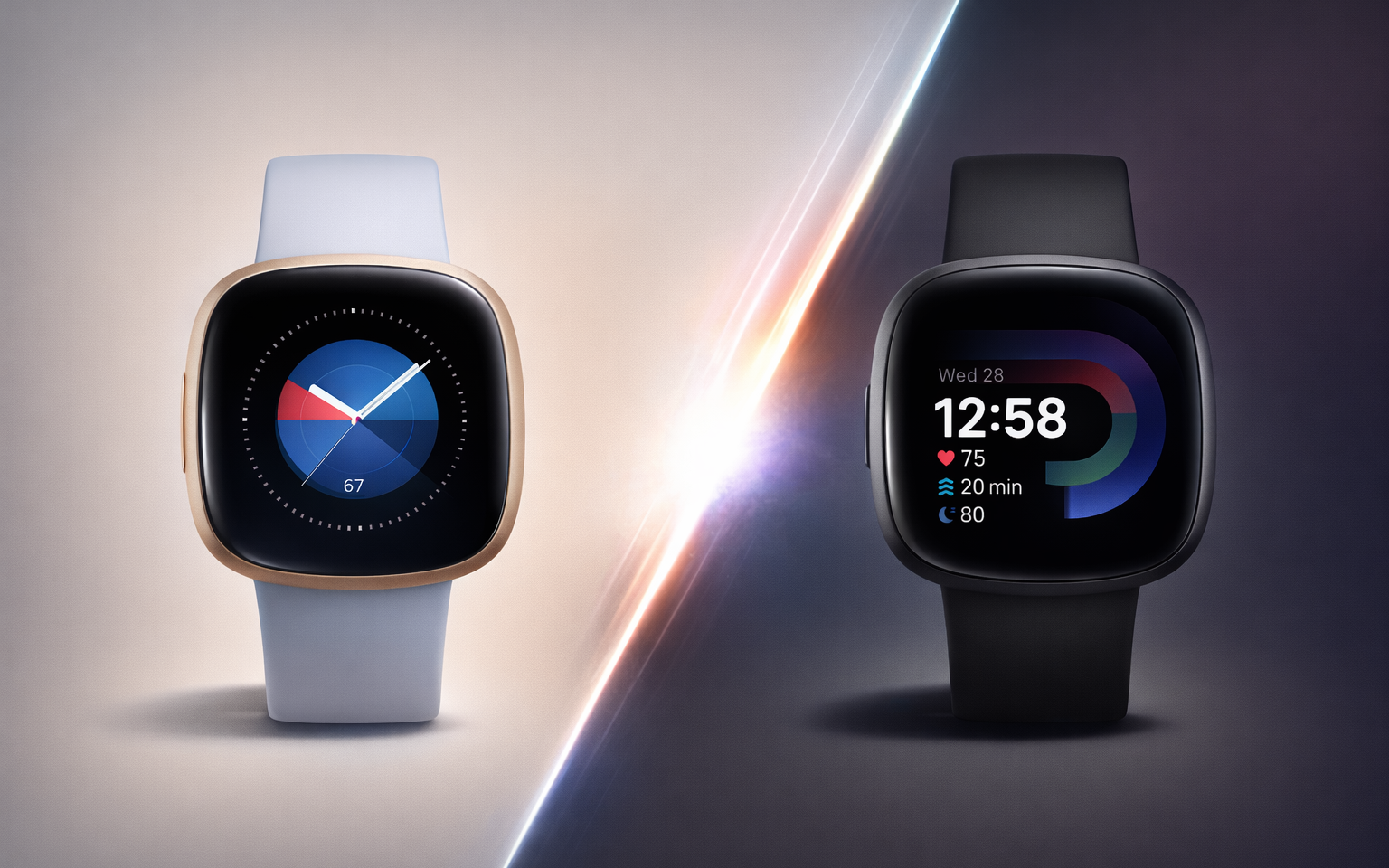
Two Fitbit smartwatches sit on a shelf. They weigh the same. They look the same. They track the same workouts, mirror the same notifications, and last the same six days on a charge. One costs $70 more.
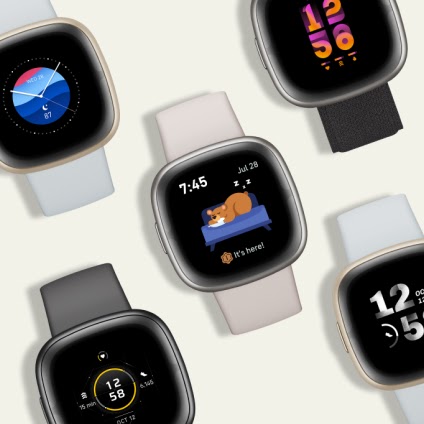
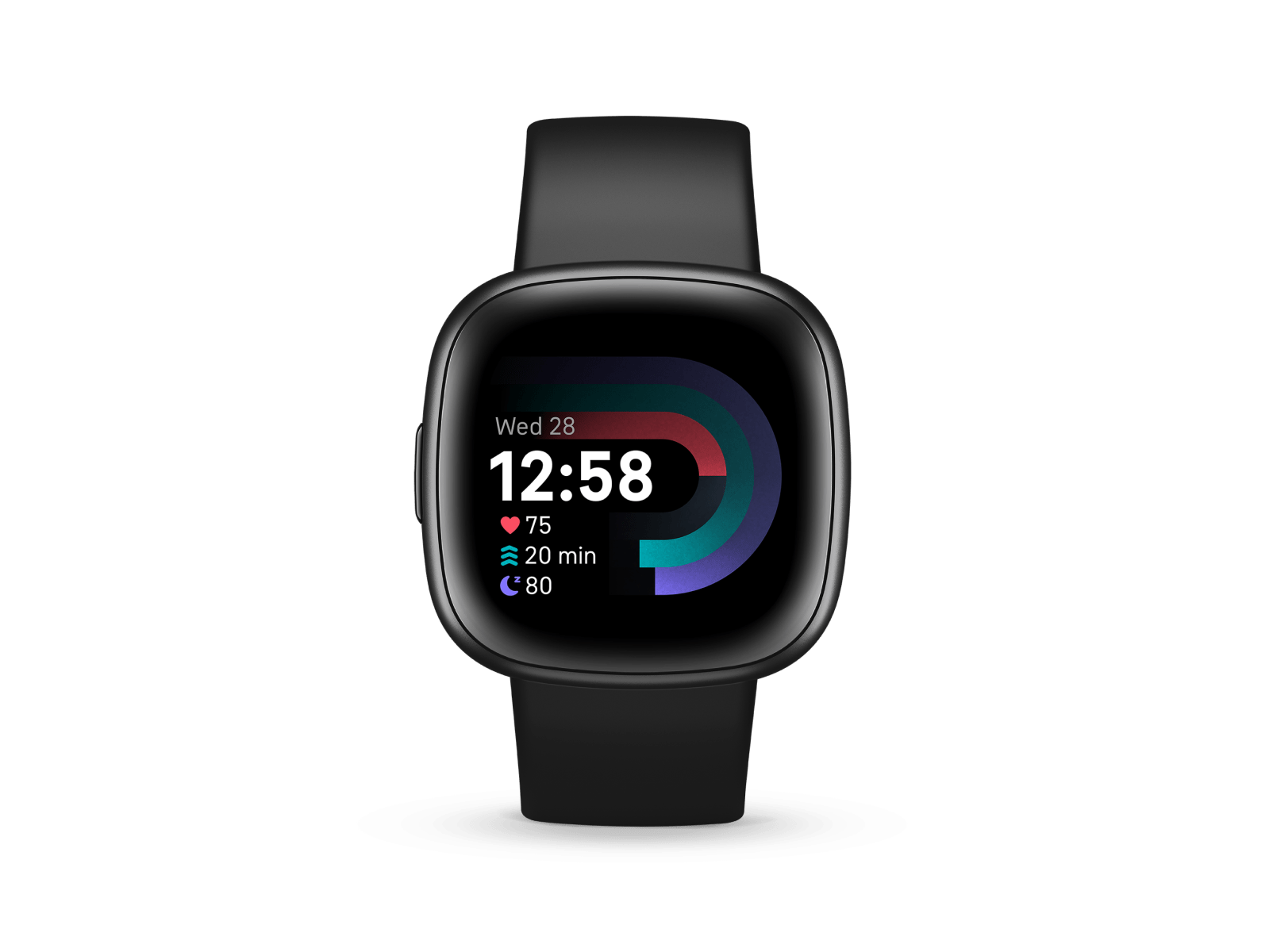
That is the entire Fitbit Sense 2 versus Versa 4 decision in a nutshell, and it is both simpler and more complicated than it sounds. The Sense 2's premium buys two health sensors the Versa 4 lacks entirely — an ECG monitor and a continuous stress sensor — plus a dedicated skin temperature tracker that improves on the Versa 4's basic temperature reading. Whether those sensors transform your daily life or gather digital dust depends entirely on who you are and what you actually want from a wrist-worn device.
With Google pivoting its wearable roadmap toward the Pixel Watch, both the Sense 2 and Versa 4 are discounted well below their original sticker prices. This is a good time to buy — if one of them is right for you.
Stress Tracking: Background Data vs. Nothing at All
The Sense 2's marquee feature is its continuous electrodermal activity (cEDA) sensor. Unlike the original Sense, which required you to stop and actively scan, the Sense 2 runs passively all day. When it detects physiological stress markers — rising skin conductance paired with an elevated heart rate — it sends a body response notification and prompts a mood check-in.
The idea is powerful. Stress accumulates in ways you do not notice, and a device that flags it before you spiral can genuinely shift behavior. Over weeks and months, reviewing stress patterns in the Fitbit app — tense mornings, calm weekends, recurring spikes after specific events — reveals insights you would never get from gut feeling alone.
The reality is messier. The sensor sometimes flags perfectly relaxed moments and misses obviously stressful ones. It is better as a long-term trend tracker than a real-time stress alarm, and the notifications can feel vague enough that you stop paying attention. Full stress management analytics also require a Fitbit Premium subscription.
The Versa 4 offers no equivalent. It tracks heart rate variability but cannot detect stress events or send body response alerts. If you are actively managing anxiety, recovering from burnout, or simply curious about your stress patterns, the Sense 2 provides data the Versa 4 cannot generate.
ECG and Heart Health: Peace of Mind at a Tap
The Fitbit Sense 2 includes an FDA-cleared ECG app that screens for atrial fibrillation, the most common dangerous heart rhythm irregularity and a significant stroke risk factor. Open the app, hold your fingers on the case for 30 seconds, and get a clinically validated reading.
The limitation is that it is entirely on-demand. The watch will never wake you at 3 AM to warn that something looked wrong while you slept. You have to decide to take a reading, which means the ECG catches problems primarily when you already suspect something.
For people over 50, those with a family history of heart conditions, or anyone whose doctor has recommended AFib screening, the Sense 2 puts a genuine medical tool on their wrist. For a healthy 25-year-old training for a half marathon, the ECG will return "normal sinus rhythm" until they stop bothering to check.
The Versa 4 has no ECG capability whatsoever.
Skin Temperature: A Shared Feature With Different Depth
Both the Sense 2 and Versa 4 track overnight skin temperature variation in the Fitbit app, but they do it differently. The Sense 2 has a dedicated infrared skin temperature sensor that provides more granular nightly readings. The Versa 4 derives temperature variation from its existing sensors, delivering the same general trend data but with less precision.
In practice, both watches show you when your temperature deviates from your personal baseline — useful for spotting early signs of illness or tracking menstrual cycles. But the Sense 2's dedicated sensor picks up subtler shifts, making it more reliable for users who want to act on temperature data proactively rather than just observe trends.
If cycle tracking, illness detection, or recovery monitoring are central to why you are buying a watch, the Sense 2's dedicated sensor adds real value. If you just want a general temperature trend, the Versa 4 covers you.

Fitness and Everyday Smartwatch Features: Identical
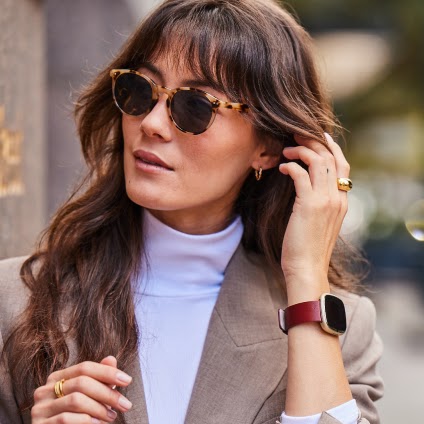
Strip away the cEDA stress sensor, ECG, and upgraded temperature tracking and the Sense 2 and Fitbit Versa 4 are functionally the same watch. Both deliver built-in GPS accurate enough for casual runs and walks, 24/7 optical heart rate monitoring, SpO2 blood oxygen readings, and sleep tracking with detailed stage breakdowns and a Sleep Score. Both offer a Daily Readiness Score, HRV tracking, and over 40 exercise modes covering swimming, cycling, HIIT, weight training, and more.
The smartwatch side is identical too: Google Wallet for tap-to-pay, Amazon Alexa for voice commands, and the ability to answer incoming phone calls directly on the watch via Bluetooth. Both watches mirror notifications from your phone. And both lost third-party app support compared to their predecessors — a decision that remains the biggest limitation of Fitbit's current lineup.
One thing to note: the Sense 2's extra health sensors draw extra power. With cEDA stress tracking, SpO2 monitoring, and always-on display all active, the Sense 2's six-day battery estimate shrinks to three or four days. The Versa 4 stretches a bit further without those sensors pulling current.
If you are debating whether you need a smartwatch at all versus a dedicated fitness band, the Fitbit Charge 6 vs Versa 4 comparison breaks that question down.
Design and Build: The Same Watch in Different Colors
These watches share an identical chassis: 40.5mm square, 11.2mm thick, aluminum case, physical side button. Both weigh approximately 37.6 grams. Both use the same infinity band design with tool-free quick-release pins, and both carry 50-meter water resistance for swimming and showering. The only visual difference is the color palette — the Sense 2 offers Shadow Grey, Lunar White, and Blue Mist, while the Versa 4 comes in Black, Waterfall Blue, and Pink Sand.
Both are comfortable enough to wear overnight, which matters because sleep tracking is one of Fitbit's strongest features. Neither is bulky by modern smartwatch standards.
The 2026 Pricing Picture
At MSRP, the Sense 2 costs $299.95 and the Versa 4 costs $229.95. Very few people should pay those prices. Google has pivoted its wearable ambitions toward the Pixel Watch, and retailers have been clearing Sense and Versa inventory for months. The Sense 2 now commonly sells between $150 and $200, and the Versa 4 between $120 and $170.
That shrinks the real-world price gap from $70 to as little as $30. At a $30 difference, the Sense 2 becomes a much easier recommendation — you get a strictly better device with zero trade-offs. At a $50 or $70 gap, the question of whether those health sensors fit your lifestyle becomes more pointed.
One important ecosystem note: Google requires all Fitbit users to migrate to Google accounts by May 2026, after which legacy Fitbit account data will be deleted. The Fitbit app continues to receive updates — including AI-powered coaching features — but the long-term hardware roadmap clearly favors the Pixel Watch. Neither the Sense 2 nor the Versa 4 is likely to get a direct successor. For anyone exploring the broader landscape, the best fitness trackers guide covers alternatives across every price point.

Who Should Buy the Fitbit Sense 2
The health-conscious data enthusiast. You actively track wellness trends, review dashboards weekly, and want the most comprehensive health data a Fitbit can provide. Stress patterns, heart rhythm checks, temperature trends — you will actually use this information, not just collect it.
The medically motivated user. Your doctor has suggested monitoring for AFib. You manage a chronic stress condition and want objective data. You track your menstrual cycle and want temperature-based insights from a dedicated sensor. For you, the Sense 2's sensors are not novelties — they are tools.
The opportunistic buyer. You spotted the Sense 2 within $30 of the Versa 4 on sale. At that price, there is no reason not to buy the more capable watch, even if you only use the extra sensors occasionally.
Who Should Buy the Fitbit Versa 4
The value-focused fitness tracker. You exercise regularly, want reliable workout and sleep data, and like having Google Wallet and Alexa on your wrist. You have no particular reason to monitor your heart rhythm. You manage stress through exercise, meditation, or sheer willpower rather than data dashboards. You would rather save the price difference for a premium band, a Fitbit Premium subscription, or simply on principle. The Versa 4 does everything you need and nothing you do not.
The practical gift buyer. You are shopping for someone who wants a capable smartwatch without complexity. The Versa 4 is straightforward: strap it on, track workouts, check notifications, done. No sensor menus to explain, no ECG readings to interpret.
Our Verdict
The Fitbit Versa 4 is the smarter buy for most lifestyles. It delivers identical fitness tracking, the same smartwatch features, the same battery life, and the same design as the Sense 2 at a lower price. Every feature you will use daily — GPS, heart rate, sleep staging, Google Wallet, notifications — works exactly the same on both watches.
The Sense 2 is the better device, but "better" only matters if you use what makes it better. The ECG is on-demand only, which limits its value for passive health monitoring. The stress sensor is a genuinely novel concept undermined by inconsistent execution. The dedicated skin temperature sensor is quietly excellent but serves a specific audience.
Here is the practical rule: if the Sense 2 is within $30 of the Versa 4, buy the Sense 2. You get more hardware with no downside, and even occasional use of the health sensors justifies a small premium. If the gap is $50 or more and none of the health features address a specific need in your life, the Versa 4 delivers the same daily experience for less money. Either way, you are getting a solid fitness-focused watch — just not much of a smartwatch.
Specs at a Glance
| Feature | Fitbit Sense 2 | Fitbit Versa 4 |
|---|---|---|
| MSRP | $299.95 | $229.95 |
| Street Price (2026) | ~$150–200 | ~$120–170 |
| Display | 1.58" AMOLED, 336x336 | 1.58" AMOLED, 336x336 |
| Always-On Display | Yes | Yes |
| Dimensions | 40.5 x 40.5 x 11.2 mm | 40.5 x 40.5 x 11.2 mm |
| Weight | ~37.6 g | ~37.6 g |
| Battery Life | 6+ days (3–4 with AOD) | 6+ days |
| Water Resistance | 50 m (5 ATM) | 50 m (5 ATM) |
| GPS | Built-in | Built-in |
| Heart Rate | 24/7 optical | 24/7 optical |
| SpO2 | Yes | Yes |
| HRV Tracking | Yes | Yes |
| ECG | Yes (FDA-cleared) | No |
| cEDA Stress Sensor | Yes (continuous) | No |
| Skin Temperature | Dedicated sensor | Via existing sensors |
| Exercise Modes | 40+ | 40+ |
| NFC Payments | Google Wallet | Google Wallet |
| Voice Assistant | Amazon Alexa | Amazon Alexa |
| On-Wrist Calls | Answer via Bluetooth | Answer via Bluetooth |
| Third-Party Apps | No | No |
| Music Storage | No | No |