
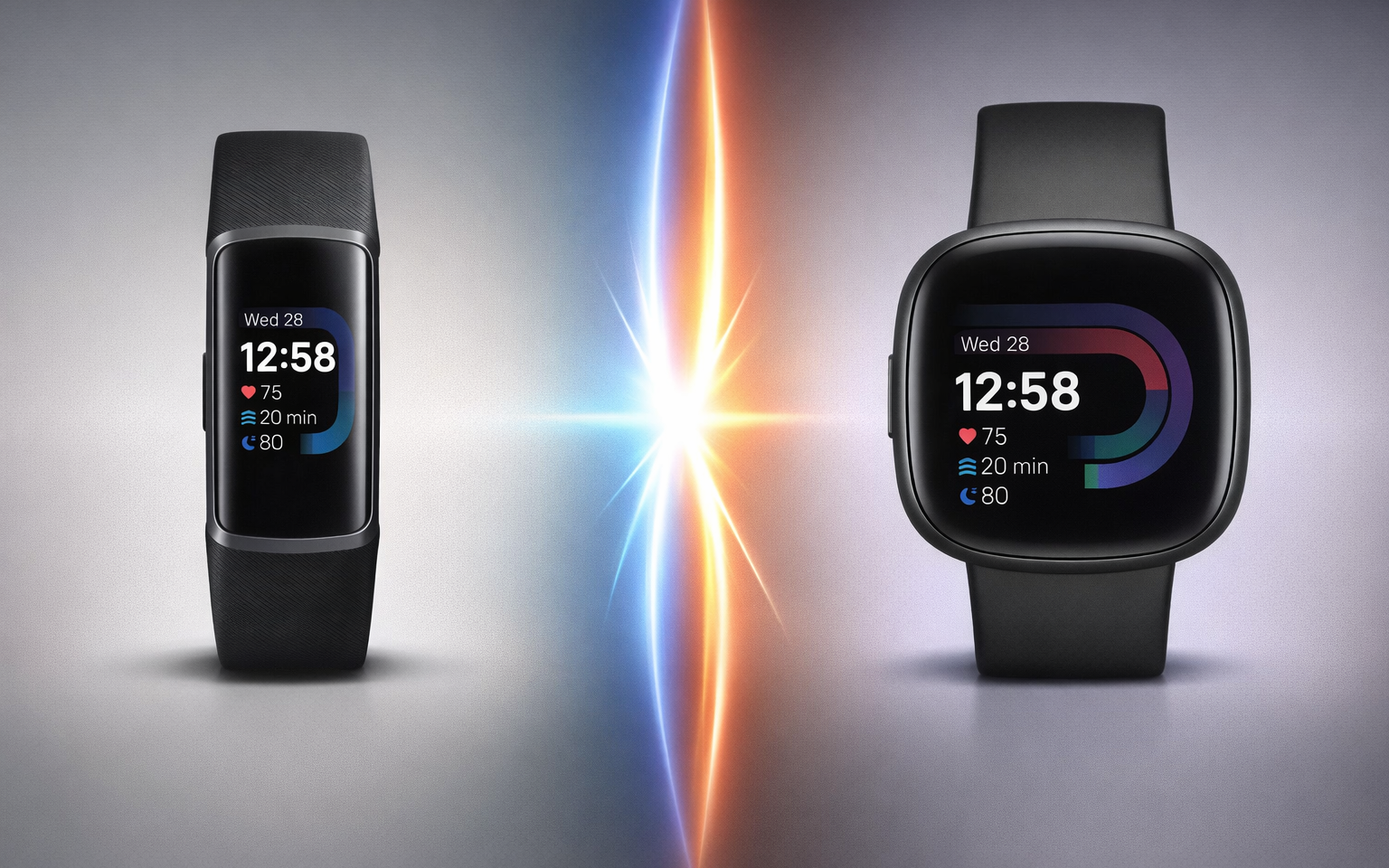
Every Fitbit shopper hits the same fork in the road: tracker or smartwatch? The Fitbit Charge 6 is a slim fitness band that disappears on your wrist. The Versa 4 is a proper smartwatch with a screen big enough to actually read. They sit on opposite sides of that divide, yet they share the same Fitbit app, the same Google ecosystem integration, and much of the same health tracking DNA. The price gap between them has narrowed considerably since launch, making the decision trickier than ever.

One packs more health sensors into a smaller package with better battery life. The other gives you a bigger display, voice assistant access, and the ability to take phone calls from your wrist. The tradeoffs are real, and the right choice depends entirely on what you actually want from a wearable. Here is how they compare across every category that matters.
Design and Comfort
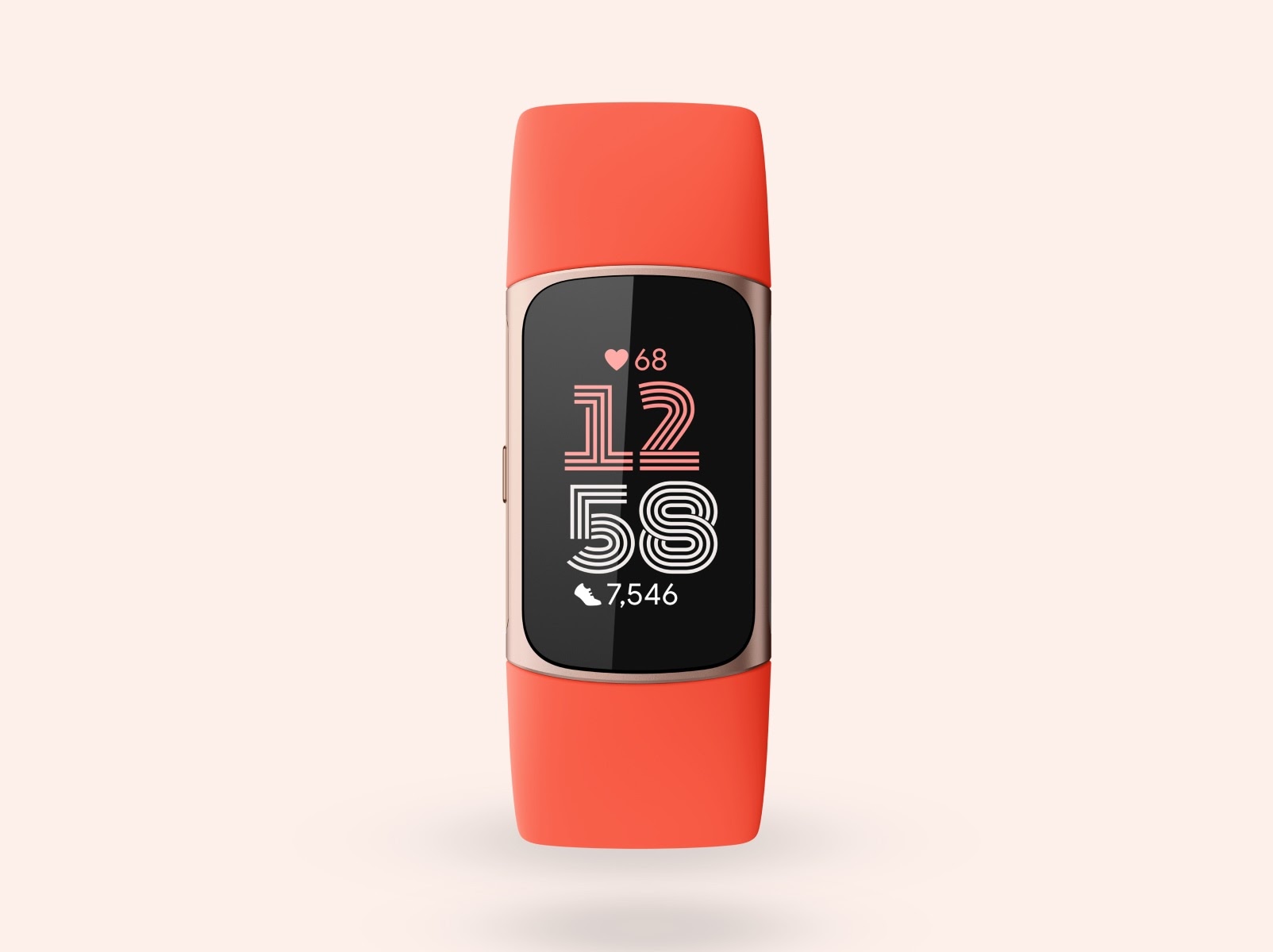
The Charge 6 is a classic band-style tracker. It weighs just 30 grams for the tracker body — roughly 37 grams with the band — and sits flat against the wrist with a slim, low-profile silhouette. Wearing it to bed feels natural, and it slips under a shirt cuff without any fuss. The aluminum case has a clean, minimal look with a single tactile side button that replaced the capacitive touch sensor from the Charge 5 — a welcome return to physical controls.
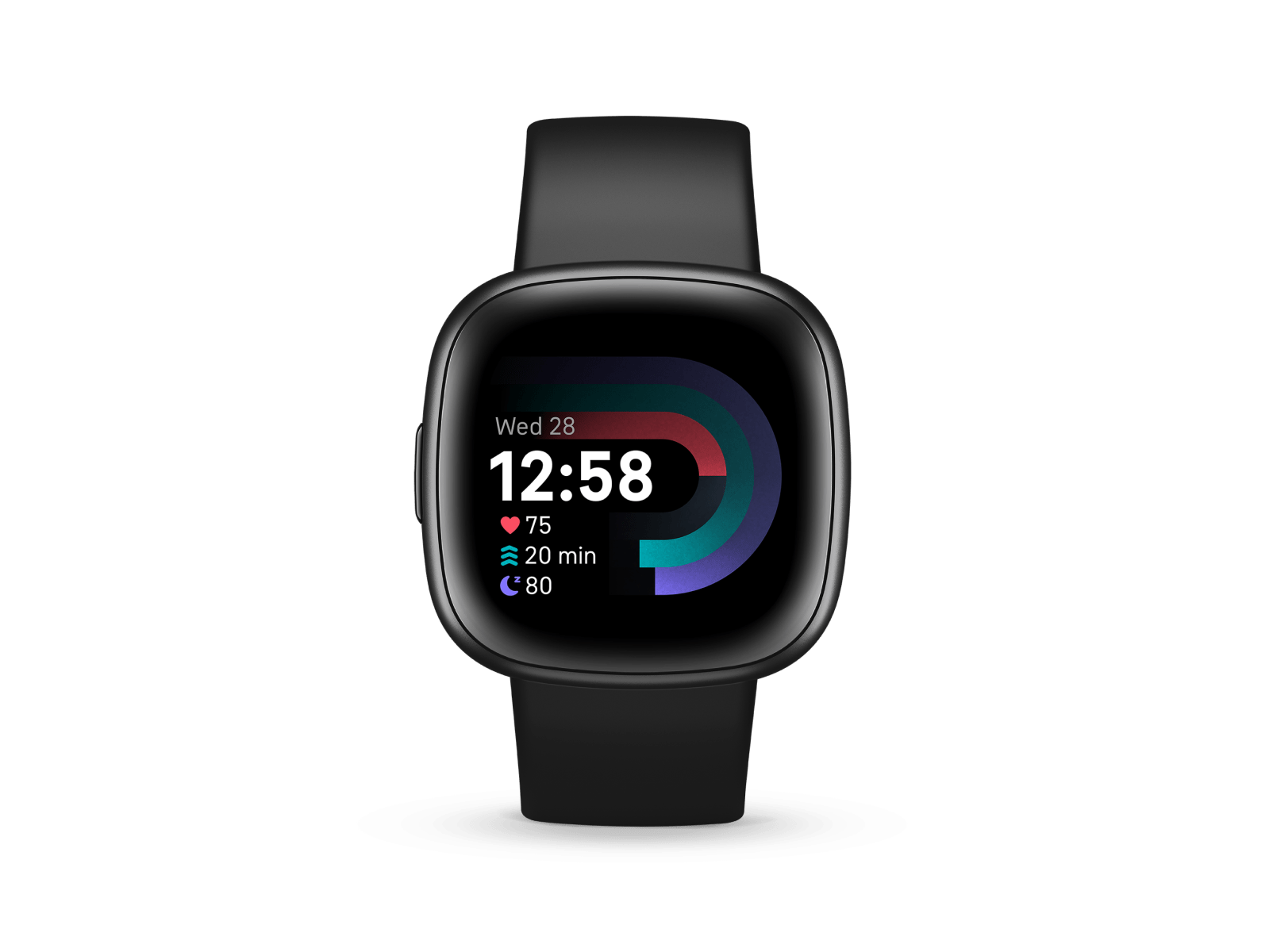
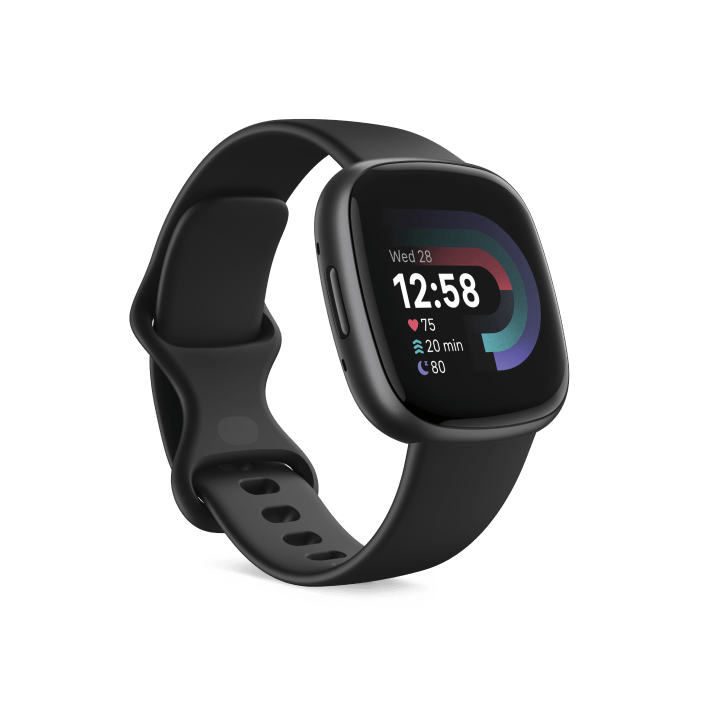
The Versa 4 takes the traditional square smartwatch approach. It is noticeably larger on the wrist, with a 40mm case that looks and feels like a watch rather than a band. At roughly 24 grams for the watch body — around 37 grams with the strap — it is not heavy by smartwatch standards, and Fitbit slimmed the design compared to the Versa 3. The physical side button returned here too, replacing the frustrating haptic button from its predecessor. The Versa 4 supports interchangeable watch bands with a quick-release mechanism, opening up more style options than the Charge 6's proprietary infinity band system.
Both are water resistant to 50 meters and comfortable enough for all-day wear. But the Charge 6 wins the comfort battle simply by being smaller. If you want a wearable you forget is there, the band form factor does that better than any watch.
Edge: Charge 6. The slim band design is more comfortable for sleep tracking and all-day wear. The Versa 4 looks more like a traditional watch, which some will prefer, but comfort goes to the tracker.
Display
This is the Versa 4's strongest category, and it is not close.
The Versa 4 features a 1.58-inch AMOLED touchscreen at 336 x 336 pixels. It is bright, sharp, and large enough to display workout stats, notifications, and maps without squinting. Reading a text message or checking your heart rate zones mid-run is genuinely easy. The always-on display option keeps the screen visible at a glance, though it cuts battery life roughly in half.
The Charge 6 has a 1.04-inch AMOLED display. It is technically the same panel technology, and the colors are vivid for its size, but the screen is small. Really small. Reading anything beyond a single stat requires scrolling, and checking detailed workout data or longer notifications mid-activity is an exercise in frustration. The display works well for quick glances — step count, heart rate, time — but it is fundamentally limited by the band form factor.
Both screens look good in terms of color and brightness. The difference is purely about real estate, and the Versa 4 has over twice the viewable area.
Edge: Versa 4. The 1.58-inch screen is dramatically easier to use for anything beyond a quick stat check. If screen size matters to you, this alone could decide the comparison.
Health and Fitness Tracking
Here is where the Charge 6 punches well above its weight class — and above the Versa 4's, too.
Both devices share the core Fitbit health tracking suite: 24/7 heart rate monitoring, SpO2 blood oxygen tracking, skin temperature sensing, sleep tracking with sleep stages, Active Zone Minutes, and built-in GPS with 40-plus exercise modes. Both feed data into the same Fitbit app, and the tracking experience on the software side is identical regardless of which device you strap on.
The Charge 6 pulls ahead with two sensors the Versa 4 simply does not have. An FDA-cleared ECG sensor lets you check for signs of atrial fibrillation directly from the wrist — a genuinely useful health tool, not a gimmick. An EDA (electrodermal activity) sensor measures skin conductance for stress management scans. These are meaningful health features that put the cheaper device ahead of the more expensive one in the sensor department, which is an unusual dynamic.
The Charge 6 also introduced Bluetooth heart rate broadcasting to compatible gym equipment, allowing treadmills, ellipticals, and stationary bikes to read your heart rate directly from the tracker. This is a feature borrowed from dedicated sports watches and chest straps, and it works well for gym-focused training. The Versa 4 does not support this.
Heart rate accuracy on both devices is adequate for general fitness tracking but imperfect. The Charge 6 benefits from updated algorithms that Fitbit claims improved workout heart rate accuracy by up to 60 percent over the Charge 5 during vigorous activities like HIIT and spinning. The Versa 4's optical heart rate sensor is serviceable but inconsistent during high-intensity intervals — a real limitation for anyone doing HIIT or interval training. Neither device will match a chest strap, but the Charge 6 has the newer sensor processing.
GPS accuracy is a weak point for both. The Charge 6 has a known tradeoff between band tightness and antenna performance — wear it tight enough for solid heart rate readings and GPS suffers. The Versa 4's GPS is functional but occasionally erratic. For casual runs and walks, both are fine. For precise distance tracking, neither is ideal.
Edge: Charge 6. The ECG sensor, EDA sensor, and gym equipment heart rate broadcasting give it a clear health tracking advantage over the more expensive Versa 4. The core tracking experience is otherwise identical.

Smart Features
This is the category where the Versa 4 justifies its smartwatch label.
The Versa 4 includes a built-in microphone and speaker, enabling phone calls via Bluetooth when your phone is nearby. Amazon Alexa is built in for voice commands — though notably, Google Assistant is not available despite Fitbit being a Google product. Notification support is robust — you can read full messages and reply with quick responses on Android. The larger screen makes all of these interactions practical in a way the Charge 6's display cannot.
The Charge 6 offers Google Maps turn-by-turn directions, Google Wallet for contactless payments, and YouTube Music control (though the music plays from your phone, not stored on the tracker). Notifications appear on the screen, but the small display limits readability, and there is no microphone or speaker for calls or voice commands. You cannot reply to messages from the Charge 6.
Both devices support Google Wallet for NFC contactless payments — a genuinely useful daily feature on either form factor. Both display phone notifications. But the Versa 4 is the one that can actually replace some phone interactions, while the Charge 6 is fundamentally a display-and-dismiss notification device.
One important note: the Versa 4 lost third-party app support that existed on the Versa 3. You cannot install Strava, Uber, or other third-party apps. This was a significant regression, and it narrows the smart feature gap more than the spec sheet suggests.
Edge: Versa 4. Alexa voice assistant, phone calls, and message replies give it more smartwatch functionality. The loss of third-party apps and streaming music support from the Versa 3 stings, but the Versa 4 still does meaningfully more beyond fitness tracking.
Battery Life
The Charge 6 delivers up to seven days of battery life with typical use. That means heart rate monitoring on, sleep tracking active, a few GPS-tracked workouts per week, and the always-on display off. Heavy GPS use will shorten that, but five to six days is realistic for most users. Charging takes about two hours from empty.
The Versa 4 claims up to six days, but real-world use tends to land closer to four or five days with regular use. Turn on the always-on display and expect two to three days. Charging is similarly slow.
A one-day difference on paper does not sound dramatic, but it compounds over months of use. The Charge 6's smaller screen and simpler feature set naturally consume less power, and the practical result is fewer trips to the charger. For a device whose primary job is continuous health monitoring, every extra day of battery matters.
Edge: Charge 6. Longer battery life with fewer power-hungry features means less frequent charging and more consistent tracking data.
Value and Pricing
The Charge 6 launched at $159.95 and now regularly sells for $99 to $130, with sales frequently pushing it below $100. At that price, it is one of the best values in wearable fitness tracking — period. You get ECG, EDA, GPS, Google integration, and seven-day battery life for the cost of a nice dinner.
The Versa 4 launched at $229.95 and currently sells for roughly $80 to $150, depending on retailer and promotions. That can put it anywhere from neck-and-neck with the Charge 6 to about $50 more while offering fewer health sensors. The premium buys you a bigger screen and voice features — whether those are worth the price difference depends on your priorities.
Both devices include six months of Fitbit Premium, after which it costs $9.99 per month. Premium unlocks the Daily Readiness Score, detailed sleep analysis, guided programs, and advanced insights. The free tier covers basic stats but locks away features that arguably should be included with the hardware. This is equally frustrating on both devices.
Edge: Charge 6. More health sensors, longer battery life, and a lower price. The Versa 4 needs to justify any premium with features the Charge 6 does not offer, and for fitness-focused buyers, it struggles to do so.

Who Should Buy What
Get the Fitbit Charge 6 if you:
- Want a fitness tracker first and a notification device second
- Prefer a slim, lightweight wearable that is comfortable for sleep and all-day wear
- Value ECG and stress monitoring sensors
- Work out at the gym and want heart rate broadcasting to equipment
- Want the best battery life in the Fitbit lineup
- Are shopping on a budget and want maximum health features per dollar
Get the Fitbit Versa 4 if you:
- Want a larger screen you can actually read during workouts and throughout the day
- Take phone calls frequently and want to answer from your wrist
- Prefer the look and feel of a watch over a fitness band
- Use Alexa regularly and want voice assistant access on your wrist
- Want to reply to messages without pulling out your phone
Our Verdict
The Fitbit Charge 6 is the better buy for most people.
It comes down to purpose. Both devices live in the same Fitbit ecosystem, feed data into the same app, and share the same core tracking capabilities. But the Charge 6 delivers more health monitoring hardware — ECG and EDA sensors that the pricier Versa 4 lacks — while costing less money and lasting longer on a charge. For a wearable whose primary job is tracking your health and fitness, the Charge 6 simply does that job better.
The Versa 4 is not a bad device. Its larger screen is genuinely nicer to interact with, and the ability to take calls and use Alexa adds convenience that the Charge 6 cannot match. If those smartwatch features matter to your daily routine, the Versa 4 earns its place. But Fitbit stripped away third-party app support from the Versa 3, leaving the Versa 4 as a less capable smartwatch than its predecessor while still asking a higher price than the Charge 6. That combination makes it a harder sell.
The Charge 6 proves that a focused fitness tracker with the right sensors, solid battery life, and a fair price can outperform a smartwatch that tries to do everything. For the majority of buyers choosing between these two Fitbits, the tracker is the smarter pick.
Specs At A Glance
| Spec | Fitbit Charge 6 | Fitbit Versa 4 |
|---|---|---|
| Display | 1.04" AMOLED | 1.58" AMOLED, 336 x 336 |
| Form Factor | Band-style tracker | Square smartwatch |
| Weight | ~30g (body), ~37g with band | ~24g (body), ~37g with band |
| Water Resistance | 5 ATM (50m) | 5 ATM (50m) |
| Battery Life | Up to 7 days | Up to 6 days |
| GPS | Built-in | Built-in |
| Heart Rate | Optical + ECG | Optical only |
| SpO2 | Yes | Yes |
| EDA Sensor | Yes | No |
| Skin Temperature | Yes | Yes |
| NFC Payments | Google Wallet | Google Wallet |
| Microphone/Speaker | No | Yes |
| Voice Assistant | No | Amazon Alexa |
| Music Storage | No (phone control only) | No (streaming apps also removed from Versa 3) |
| Gym Equipment HR Broadcast | Yes | No |
| MSRP | $159.95 | $229.95 |
| Typical Street Price (2026) | ~$99-$130 | ~$80-$150 |