
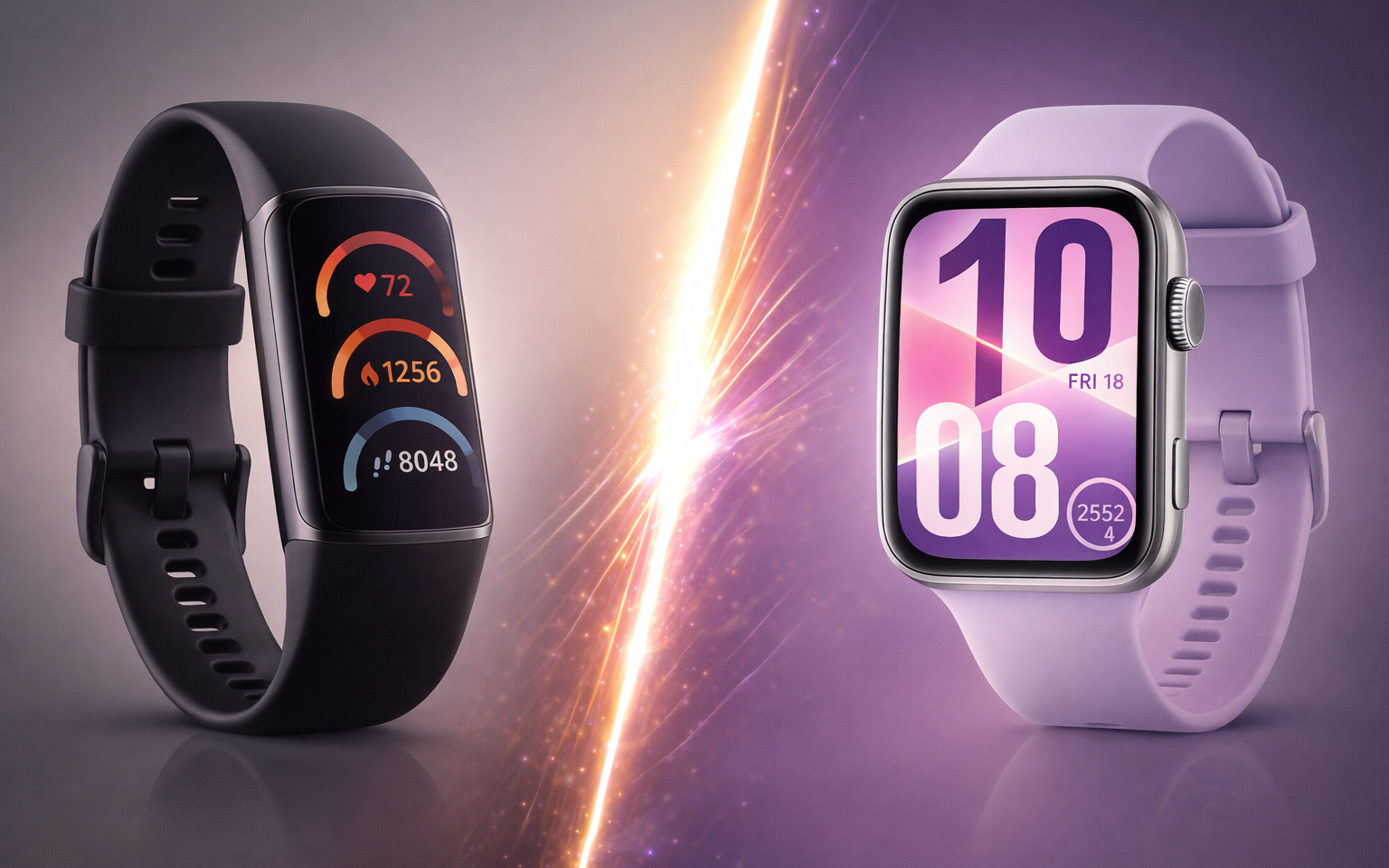
Two fitness trackers, both under $200, both promising to make you healthier. The Fitbit Charge 6 brings the full weight of Google's ecosystem to a slim wrist band -- Google Wallet, Maps, YouTube Music, and a mature health platform that has been nudging people off couches for over a decade. The Huawei Watch Fit 4 counters with a display nearly twice the size, battery life that stretches past a full week, dual-band GPS, and a radical proposition: every single health feature unlocked from day one, no subscription required.

The decision between these two is not just about specs. It is about what actually keeps a fitness tracker on your wrist long enough to change behavior. A device you have to charge every three days gets left on a nightstand. A paywall between you and your sleep score breeds resentment. A GPS that drifts on every run erodes trust. Both of these trackers have real strengths -- and real friction points that could send them to a drawer within weeks. The question worth answering: which sub-$200 tracker will actually stay on your wrist long enough to change your habits?
Battery Life
The Huawei Watch Fit 4 wins this category outright, and it is not close. With typical daily use -- notifications, heart rate monitoring, a few workouts per week -- the Fit 4 reliably delivers seven days between charges, stretching to nine or ten during lighter weeks. The Fitbit Charge 6 claims seven days but realistically lands between five and six days with GPS workouts and always-on heart rate tracking enabled.
This gap matters more than the raw numbers suggest. A tracker that lasts a full week means you can establish a charging routine -- say, every Sunday morning -- that never interrupts sleep tracking or daily step counts. The Charge 6's five-day cadence is awkward: it forces mid-week charges that inevitably break a streak. For habit formation, the Fit 4's endurance is a genuine advantage.
Display
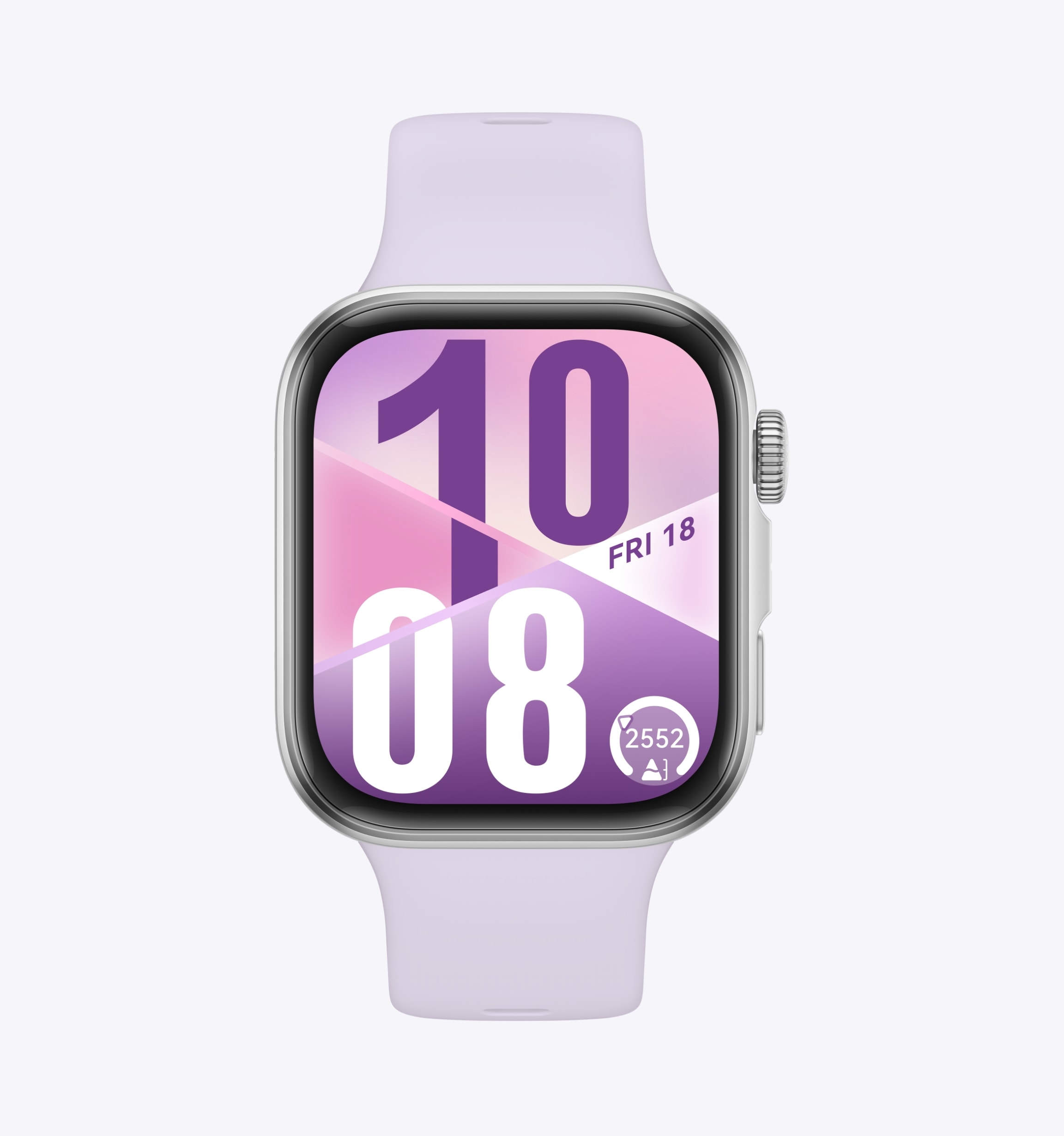
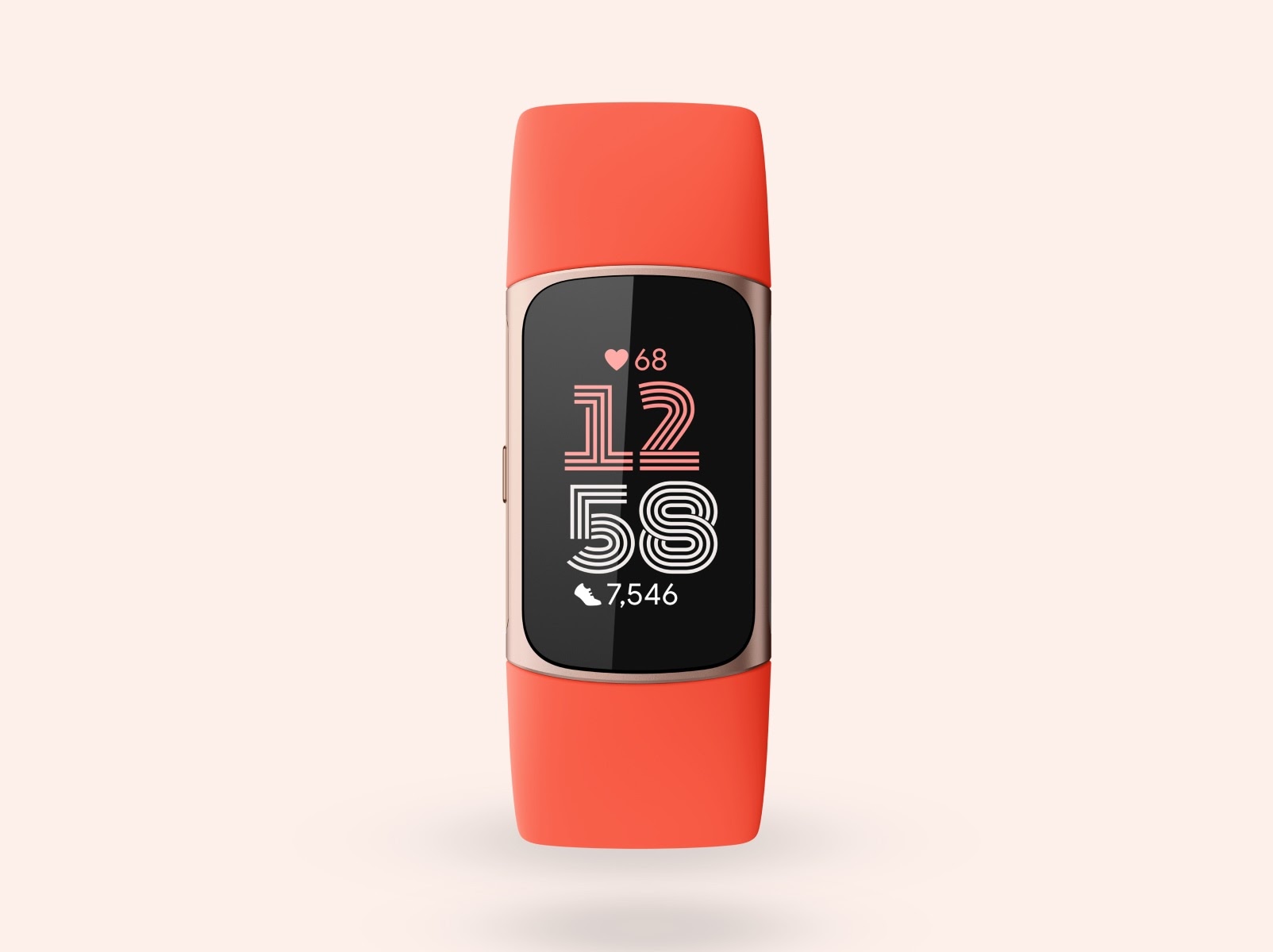
The Huawei Watch Fit 4 features a 1.82-inch AMOLED panel running at 480x408 pixels with a peak brightness of 2,000 nits. It is large, sharp, and easily readable in direct sunlight. The Fitbit Charge 6 has a 1.04-inch AMOLED display that, while bright and colorful, is narrow and cramped by comparison.
The practical difference is significant. On the Fit 4, workout stats, sleep breakdowns, and notification text are all legible at a glance. On the Charge 6, you are squinting at abbreviated metrics and scrolling more frequently through compressed menus. The Charge 6's slim band profile is more discreet on the wrist, which some people prefer -- but if you want to actually interact with data on-device rather than pulling out your phone, the Fit 4 is in a different league.
Health Sensors and Accuracy
This is the Fitbit Charge 6's strongest category. It packs an ECG sensor for atrial fibrillation detection, an EDA (electrodermal activity) sensor for stress measurement, plus continuous heart rate, SpO2, skin temperature, and HRV monitoring. The combination of ECG and EDA in a sub-$200 band is rare and genuinely useful for anyone monitoring cardiovascular health.
The Huawei Watch Fit 4 covers heart rate, SpO2, and stress monitoring, but does not include ECG or skin temperature -- those features are reserved for the pricier Watch Fit 4 Pro. Heart rate accuracy on both devices is strong. Huawei's TruSense optical sensor is well-regarded in reviews, delivering reliable readings during steady-state and moderate-intensity exercise. The Charge 6 carries an improved sensor rated at 60% more accurate than previous Charge models during vigorous exercise such as HIIT, spinning, and rowing, and it delivers similarly reliable results across workout types.
If ECG monitoring is a priority -- particularly for users with a family history of atrial fibrillation -- the Charge 6 has a clear edge. For general fitness tracking, both devices perform comparably.
GPS and Outdoor Tracking
The Huawei Watch Fit 4 packs dual-band, five-system GNSS (GPS, GLONASS, Galileo, BDS, QZSS) along with offline map support -- features typically found on trackers costing twice as much. Route traces are clean, and the dual-frequency reception handles urban canyons and tree cover far better than single-band alternatives.
The Fitbit Charge 6 supports GPS and GLONASS on a single band -- without the dual-frequency advantage. It also has a well-documented quirk: GPS accuracy degrades when the strap is fastened tightly, which is exactly how most people wear a tracker during a run. Loosening the band improves satellite reception but compromises heart rate readings. It is a frustrating trade-off that undermines confidence during pace-targeted training. For casual walkers, the difference is negligible. For runners logging miles with specific pace goals, the Fit 4's dual-band GPS is substantially more trustworthy.

Subscriptions and True Cost of Ownership
Here is where the value equation flips. The Fitbit Charge 6 ships with a six-month trial of Fitbit Premium ($9.99/month or $79.99/year after that). Once the trial expires, detailed sleep analysis, readiness scores, extended health trend data, guided workouts, and mindfulness content all disappear behind the paywall. The free tier still tracks steps, basic sleep, heart rate, and workouts -- but the insights that help you interpret that data and act on it are locked.
The Huawei Watch Fit 4 has no subscription tier whatsoever. Every health metric, every sleep breakdown, every stress score is available from day one and stays available forever. Over a two-year ownership period, a Charge 6 user paying for Premium after the six-month trial spends an additional $160 to $180 beyond the hardware price (depending on monthly vs. annual billing). That transforms a $130 tracker into a $290-$310 commitment.
For a budget-focused buyer, this is the single most important differentiator. The Fit 4 respects the "buy it and own it" model. The Charge 6 adopts a razor-and-blades approach that can feel extractive over time.
Ecosystem and Smart Features
The Fitbit Charge 6 benefits enormously from Google's backing. Google Wallet enables contactless payments. Google Maps provides turn-by-turn navigation on-wrist. YouTube Music allows basic playback control. The Fitbit app on both Android and iOS is polished, intuitive, and deeply integrated with a social ecosystem of challenges and badges. Strava sync is seamless. Gym equipment from Peloton, NordicTrack, and others can read the Charge 6's heart rate broadcast directly.
The Huawei Watch Fit 4 runs HarmonyOS with a limited third-party app library -- far fewer options than Wear OS or watchOS platforms. There is no Google Wallet, no Spotify, no Google Maps, and no native Strava app. The Huawei Health companion app is not available on the Google Play Store. Samsung owners can grab it from the Galaxy Store, but everyone else needs to install Huawei's AppGallery or download the APK directly from Huawei's website -- an unfamiliar extra step that may deter less tech-savvy buyers. Syncing workout data to third-party platforms like Strava requires routing through the phone app rather than a direct watch connection.
The Fit 4 does offer Bluetooth calling directly from the wrist and music playback controls for a connected phone. But for app variety and platform integration, the Charge 6 is in a different weight class entirely.
Design and Comfort
The Fitbit Charge 6 maintains its slim fitness band form factor -- a narrow rectangle that sits unobtrusively on the wrist. At roughly 31 grams with the strap, it is light enough to forget about during sleep, which makes it excellent for overnight tracking. The aluminum body with gentle curves is understated and works equally well with business attire or gym clothes.
The Huawei Watch Fit 4 opts for a rectangular smartwatch silhouette with a larger footprint. At 27 grams without the strap (note: Fitbit's figure includes the strap, so a direct weight comparison is misleading -- both are ultralight), its bigger screen makes it more noticeable on the wrist. The 2,000-nit display framed by slim bezels gives it a premium look that punches above its price class. Both devices carry 5 ATM water resistance, making them suitable for pool swimming.
The choice here is aesthetic rather than functional. The Charge 6 disappears on your wrist. The Fit 4 makes a subtle style statement.
Who Should Buy the Fitbit Charge 6
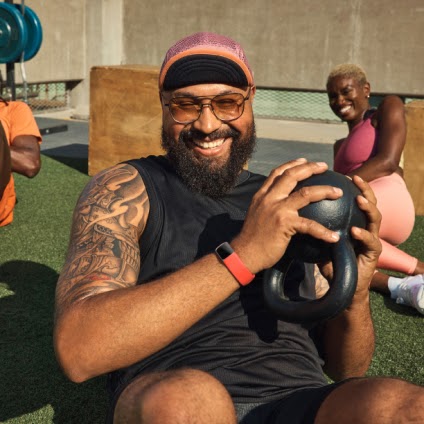
The Charge 6 is the right pick if you are based in the United States (where Huawei products are difficult to purchase officially), if you are already invested in the Fitbit or Google ecosystem, or if you specifically need ECG monitoring. It is also the better choice for gym-goers who want heart rate broadcasting to compatible equipment and seamless Google Wallet payments at the smoothie bar afterward. If you are willing to pay for Fitbit Premium and value curated health coaching alongside your data, the Charge 6 delivers a more guided experience.
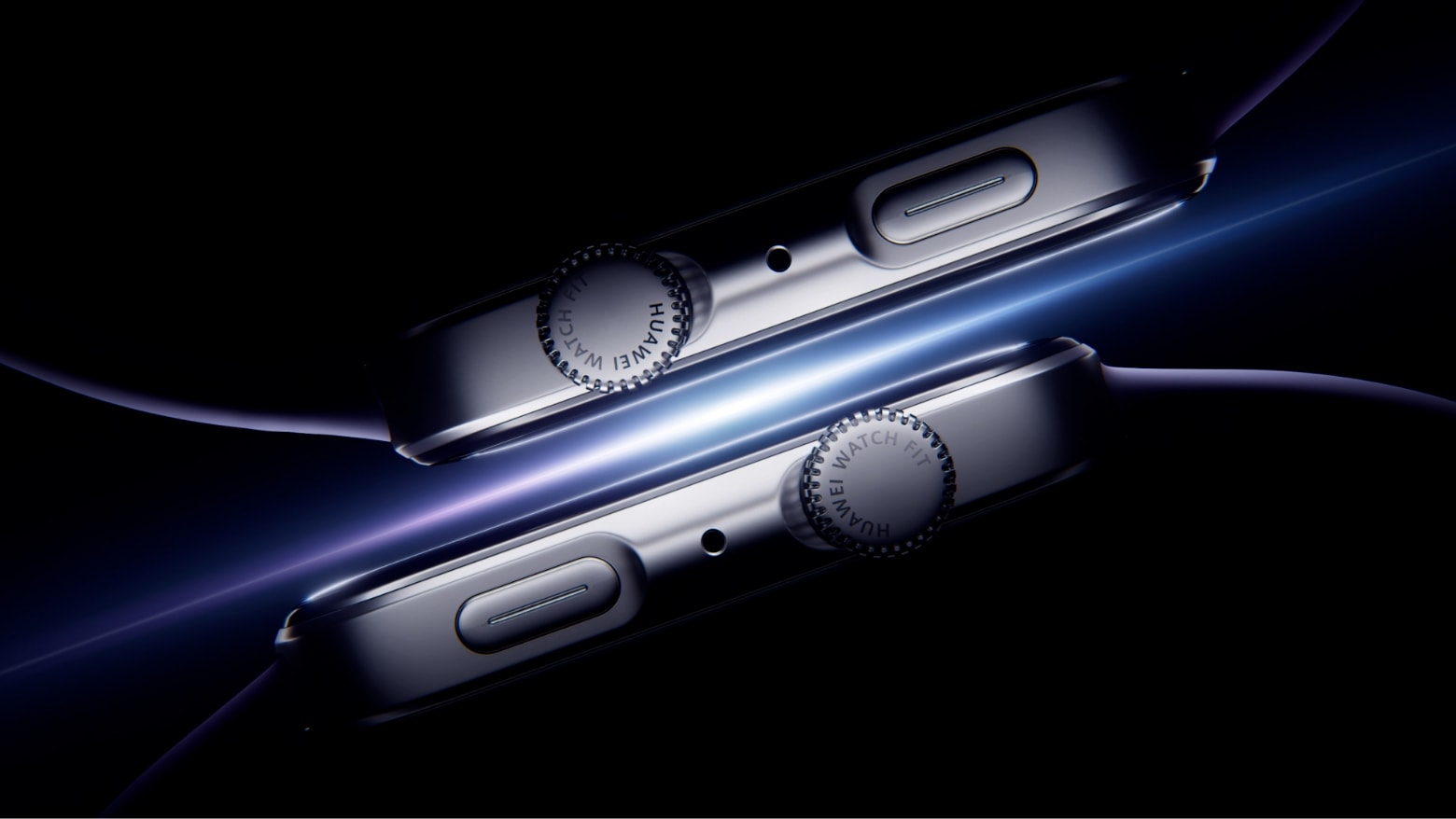
Who Should Buy the Huawei Watch Fit 4
The Fit 4 is the stronger choice for outdoor athletes who need reliable GPS, anyone who wants a larger display for at-a-glance data, and budget-conscious buyers who refuse to pay a monthly subscription for features that should be included. It is ideal for runners, cyclists, and hikers who benefit from dual-band positioning and offline maps. If you live in a region where Huawei products are readily available (UK, Europe, Asia, Australia), the Fit 4 offers more hardware per dollar than nearly anything else in its price range.
Our Verdict
Our pick: The Huawei Watch Fit 4 is the better fitness tracker for most budget-conscious buyers looking to build lasting habits. Its longer battery life reduces charging friction, its larger display makes data genuinely usable on-wrist, its dual-band GPS outperforms the Charge 6 outdoors, and its zero-subscription model means every feature you paid for stays unlocked. At a similar price point, it simply delivers more fitness-tracking hardware and asks for less money over time.
The Fitbit Charge 6 remains an excellent device -- particularly for US buyers, ECG seekers, and anyone who values Google ecosystem integration above all else. Its software polish is superior, its health platform is more mature, and its slim band design is the most comfortable way to track sleep in this price range. But the Premium paywall dims its budget appeal, and its GPS inconsistencies undermine confidence for serious outdoor training.
For the question at the heart of this comparison -- which sub-$200 tracker actually changes your habits -- the Fit 4's combination of endurance, visibility, accuracy, and no-strings-attached ownership gives it the edge.
Specs at a Glance
Fitbit Charge 6 - Price: $159.95 MSRP (frequently $99-$130 on sale) - Display: 1.04" AMOLED - Weight: ~31g (with strap) - Battery life: Up to 7 days (real-world 5-6) - GPS: GPS, GLONASS (single-band) - Sensors: HR, ECG, EDA, SpO2, skin temp, HRV, accelerometer, ambient light sensor - Water resistance: 5 ATM - Smart features: Google Wallet, Google Maps, YouTube Music, Fitbit app (iOS/Android) - Subscription: Fitbit Premium $9.99/mo (6-month trial included) - Sport modes: 40+
Huawei Watch Fit 4 - Price: ~$150 / GBP 149.99 MSRP (varies by region; no official US distribution) - Display: 1.82" AMOLED, 480x408, 2000 nits peak - Weight: ~27g (without strap) - Battery life: Up to 10 days (real-world 7) - GPS: Dual-band 5-system GNSS (GPS, GLONASS, Galileo, BDS, QZSS) - Sensors: HR, SpO2, barometer, stress, accelerometer, gyroscope, magnetometer - Water resistance: 5 ATM - Smart features: Bluetooth calling, music playback control, Huawei Health app (sideload on Android), limited app library - Subscription: None required - Sport modes: 100+