
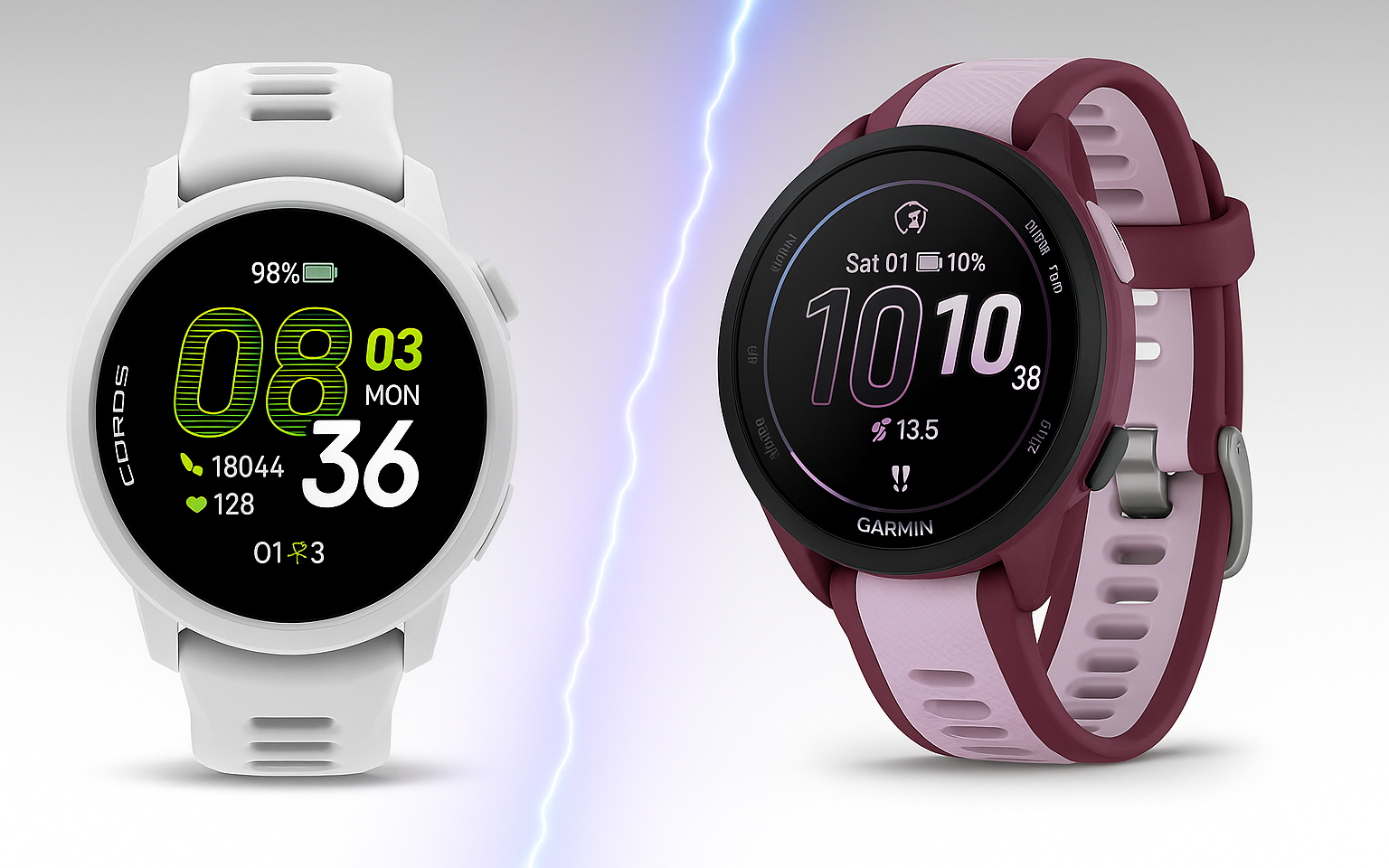
Choosing between COROS and Garmin is the defining question in GPS sports watches right now. One brand has spent decades building the most comprehensive fitness ecosystem on the planet. The other has spent less than a decade trying to dismantle it with aggressive pricing, marathon battery life, and a refreshingly simple philosophy: give athletes everything they need and charge them nothing extra for it.
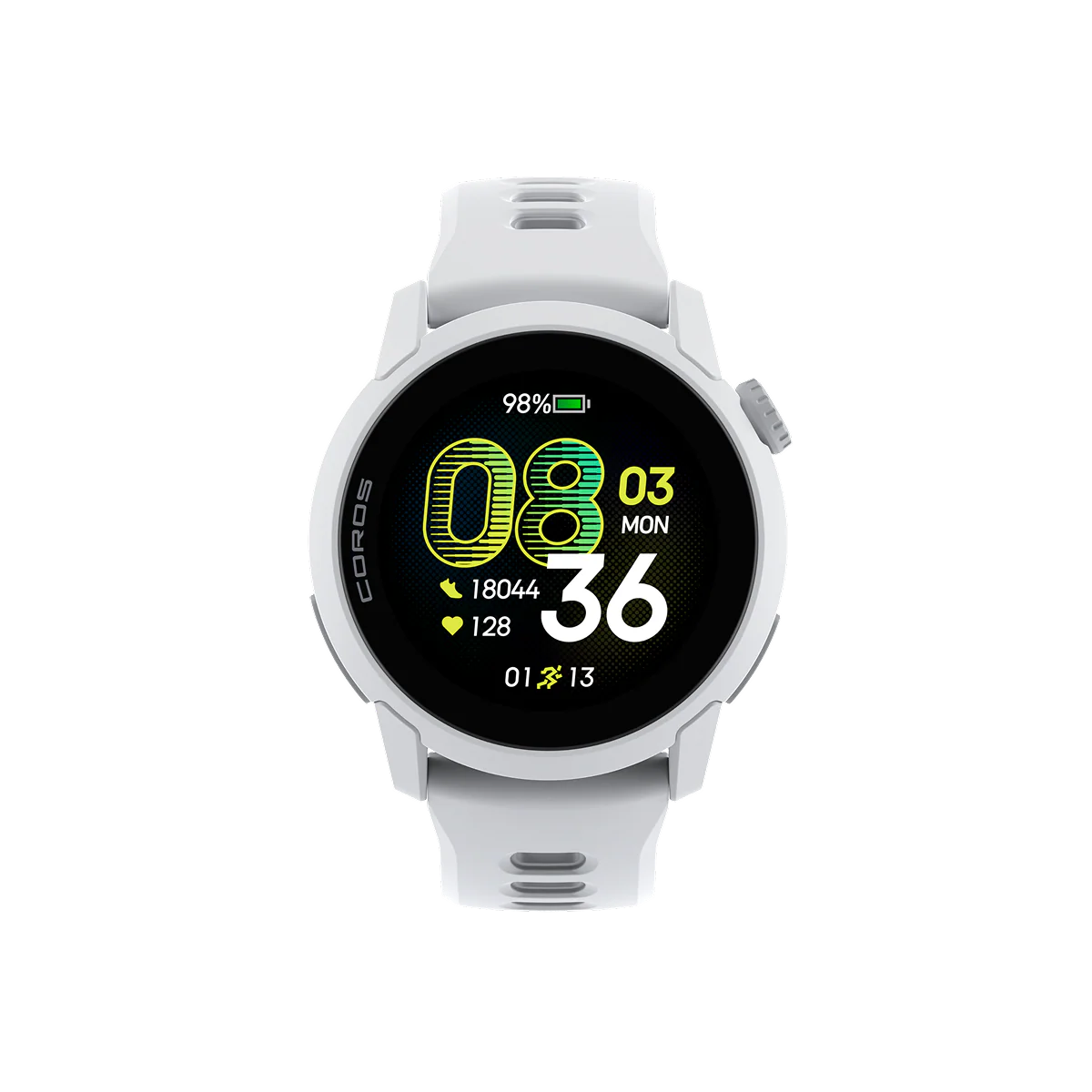
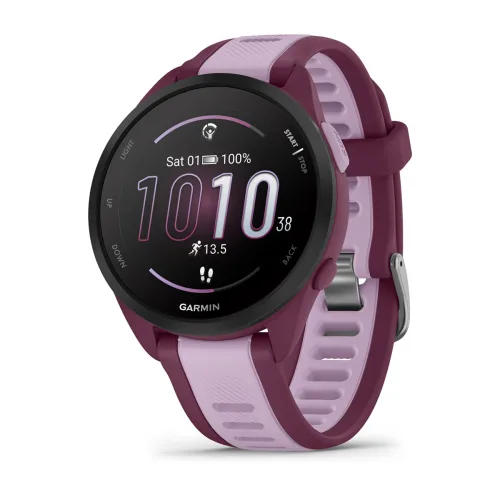
The easy assumption is that Garmin wins because Garmin has always won. But COROS has closed the gap so aggressively that the calculus has shifted. COROS now offers comparable GPS accuracy, superior battery life in most tiers, and a genuine commitment to keeping every feature free—no subscriptions, no paywalls. Meanwhile, Garmin still leads in ecosystem depth, third-party app support, routable maps, and the sheer breadth of its lineup. And Garmin's introduction of the Connect+ subscription in March 2025 has added a new variable to the equation that cuts differently depending on what you value.
This isn't a reflexive call. Both brands have earned their followings, and the right choice depends on what matters most to you—which is exactly what this comparison works through, category by category.
GPS and Navigation Accuracy
Both brands have reached a level of GPS accuracy that makes this category a near-draw for most athletes. Every current COROS and Garmin model above entry-level supports dual-frequency (multiband) GNSS, pulling signals from all five major satellite constellations: GPS, GLONASS, Galileo, BeiDou, and QZSS. In open-sky environments, both brands track within hundredths of a mile of measured courses.
Where the differences emerge is in edge cases. Garmin's newest Elevate V5 sensor platform, found in the Forerunner 570, Forerunner 970, and Enduro 3, pairs with refined satellite chipsets that handle dense urban canyons and heavy tree cover with slightly more consistency. COROS has countered with its own hardware improvements—the PACE Pro and PACE 4 both ship with dual-frequency mode enabled by default, and real-world performance in city races with tight turns and tall buildings is excellent.
Navigation is where Garmin pulls ahead decisively. Garmin offers full routable topographic maps on its mid-range and premium watches, meaning you can get re-routed automatically if you miss a turn. COROS provides offline color maps with street and trail names on the PACE Pro, APEX 4, Vertix 2S, and Nomad—a huge improvement over previous generations—but these maps are not routable. You can follow pre-loaded courses with turn-by-turn directions, but the watch cannot generate new routes on the fly. For trail runners and hikers who stick to planned routes, COROS maps are perfectly functional. For explorers who improvise, Garmin's routable maps remain the gold standard.
Training Features and Analytics
Both brands offer sophisticated training analytics, but they approach the problem differently.
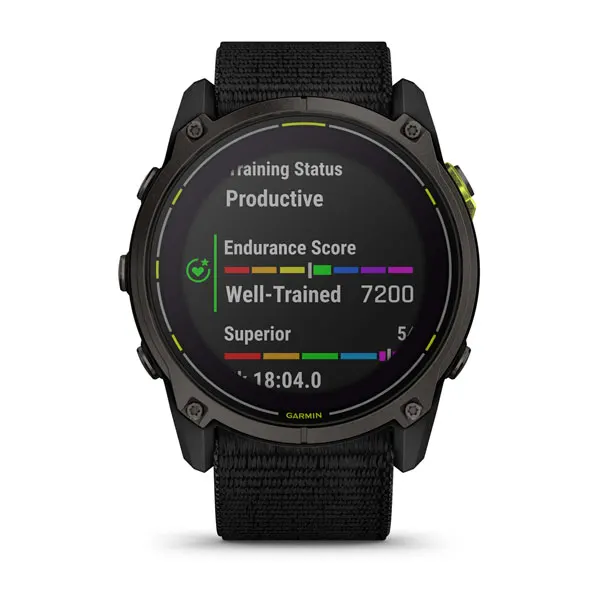
Garmin's ecosystem is deep and layered. Training Readiness combines HRV status, sleep quality, recovery time, and acute training load into a single daily score. Body Battery tracks your energy reserves throughout the day. PacePro provides real-time grade-adjusted pacing for races. ClimbPro breaks down every ascent on a loaded course. The Forerunner 970 adds Garmin Triathlon Coach, and the entire platform feeds into Garmin Connect, which serves up daily suggested workouts tailored to your fitness level and training history. The depth is genuinely unmatched—Garmin offers more derived metrics than any competitor, and the Firstbeat analytics engine powering them has years of refinement behind it.
COROS takes a more egalitarian approach through its EvoLab platform. Training Load, Base Fitness, Training Status, Recovery Timer, Running Fitness, and Race Predictor are all available on every COROS watch regardless of price tier. Buy a $249 PACE 4 and you get the same analytics as someone wearing a $699 Vertix 2S. The data is presented in a cleaner, more digestible format, with fewer layers to dig through. For athletes who want clear, actionable feedback without drowning in dashboards, COROS's streamlined approach is genuinely appealing.
The gap shows most in daily lifestyle integration. Garmin tracks stress, body battery, respiration, and sleep with a holistic view that extends beyond workouts into your entire day. COROS is primarily focused on training—it does that part exceptionally well, but it doesn't try to be a 24/7 wellness platform with the same ambition.
The verdict here depends on personality. Data obsessives who want every metric imaginable will find Garmin's depth irresistible. Athletes who want clean, focused training feedback without the noise will prefer COROS's simpler presentation.
Battery Life
This is COROS territory, and the gap remains substantial across every price tier.
The COROS PACE 4 delivers 41 hours of GPS tracking in all-systems mode and 31 hours with dual-frequency—from a watch that costs $249 and weighs 32 grams. The Garmin Forerunner 165, at essentially the same price, manages 19 hours in GPS mode. That is more than a two-to-one advantage for COROS at the entry level.
Move up to the mid-range and the gap widens. The COROS PACE Pro lasts 38 hours in standard GPS and 31 hours with dual-frequency. The Garmin Forerunner 265, at $449.99, delivers 20 hours. Even the $549.99 Forerunner 570 only reaches about 18 hours in standard GPS mode.
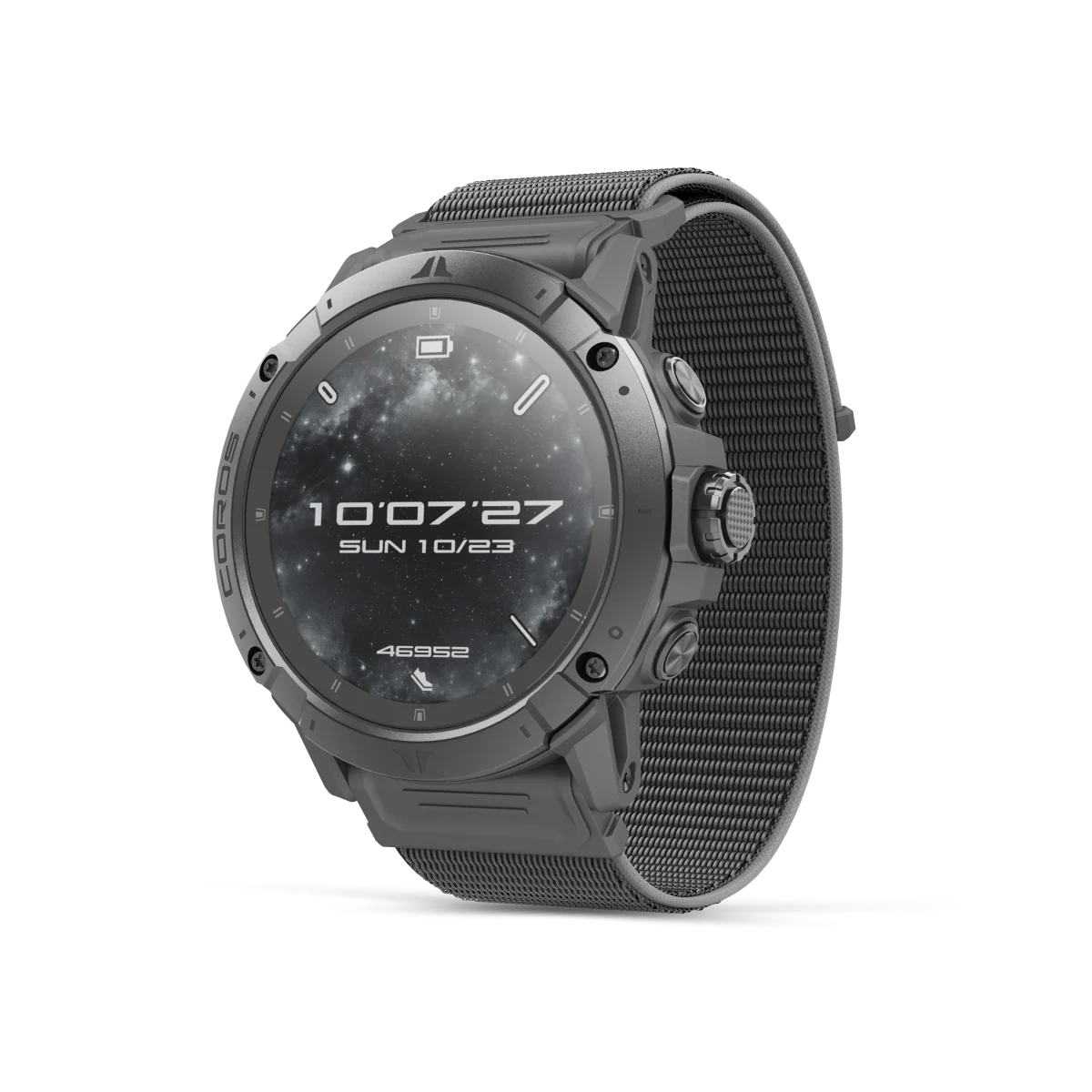
At the premium tier, the COROS Vertix 2S offers up to 118 hours of GPS tracking. The Garmin Enduro 3 counters with up to 320 hours of GPS battery life, but that figure relies on solar charging—without solar, the number drops significantly. The Enduro 3 also costs $899.99, making it nearly $200 more than the Vertix 2S.
The COROS Nomad, positioned as an adventure watch at just $349, delivers 50 hours of GPS tracking and 22 days in smartwatch mode. Garmin's nearest competitor, the Instinct 3 Solar, starts at $399.99 and offers less GPS endurance.
For ultrarunners, thru-hikers, multi-day adventurers, and anyone who simply hates charging their watch, COROS's battery advantage is the single most compelling reason to choose the brand.
Build Quality and Design
Both brands build durable, well-constructed watches, but they target different aesthetics and price points.
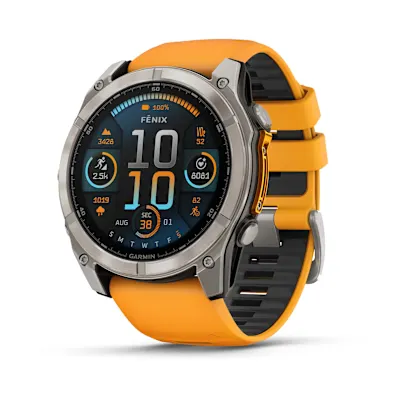
Garmin's premium tier—the Fenix 8 and Enduro 3—features sapphire crystal, titanium bezels, and 100-meter water resistance. The build quality is exceptional, and the Fenix 8 in particular feels like a piece of serious outdoor equipment. Even the mid-range Forerunner 570 uses aluminum bezels and Gorilla Glass 3, with refined button feel and polished finishing. Garmin offers more size options across its lineup—the Fenix 8 comes in 43mm, 47mm, and 51mm, accommodating different wrist sizes.
COROS matches Garmin's material quality at the premium level. The Vertix 2S uses PVD-coated titanium and sapphire glass with 100-meter water resistance and extreme temperature tolerance down to -22°F. The APEX 4 brings Grade 5 titanium and sapphire glass to its mountain-focused lineup at $429, undercutting the Fenix 8's $999.99 starting price by more than half for comparable build materials.
At the entry level, COROS wins on weight. The PACE 4 at 32 grams with its nylon band is one of the lightest GPS sports watches available. The Forerunner 165 weighs 39 grams—still light, but noticeably heavier on the wrist during long runs.
Design philosophy differs sharply. COROS watches feature a digital crown and two-button layout that's intuitive and quick to learn. Garmin uses a five-button configuration on most models (with touchscreen on AMOLED variants), offering more tactile control but a steeper learning curve. Both approaches work well—it comes down to whether you prefer simplicity or granular physical controls.
Both brands have moved toward AMOLED displays in their mid-range and entry-level lineups. The COROS PACE 4 and PACE Pro feature vivid AMOLED screens, while Garmin's latest Forerunner 570 and 970 use their brightest AMOLED panels yet. At the premium and ultra-endurance tiers, however, MIP displays remain common on both sides for their battery efficiency—the Vertix 2S and Nomad use MIP, as does the Garmin Enduro 3. Display quality is effectively a draw within each tier.
Software and Ecosystem
This is Garmin's strongest category and the area where COROS faces its steepest climb.
Garmin Connect is the most comprehensive fitness platform in the wearable space. It syncs data seamlessly, tracks long-term trends, and integrates with a vast network of third-party services. Garmin Connect IQ provides an app store with thousands of watch faces, data fields, widgets, and apps—nothing in the sports watch world comes close. Garmin watches support music storage from Spotify and YouTube Music, contactless payments through Garmin Pay, and phone calls via built-in speakers and microphones on newer models.
The COROS app is clean, focused, and improving rapidly, but it remains a narrower experience. Third-party integration covers the essentials—Strava, TrainingPeaks, and other popular training platforms sync reliably—but COROS lacks anything comparable to Connect IQ's app ecosystem. There is no on-watch music storage, no contactless payments, and fewer social features. COROS has added voice pins and audio logging on newer models like the Nomad and PACE 4, showing the brand is expanding its feature set, but the ecosystem gap remains real.
COROS does deserve credit for software update frequency. The brand pushes meaningful firmware updates regularly, often adding features that were previously exclusive to higher-tier competitors. The philosophy of shipping a solid foundation and improving it over time mirrors what made Garmin successful in the first place.
One resolved caveat worth noting: in mid-2025, a major Bluetooth security vulnerability affected the entire COROS lineup, allowing attackers within Bluetooth range to hijack user accounts and access private data. COROS was slow to respond initially but resolved the issue by September 2025. The incident highlighted the security maturity gap between a startup and an established brand, though the fix has been deployed and the vulnerability is now patched.
Value and Pricing
COROS's value proposition is remarkable. The PACE 4 at $249 delivers dual-frequency GPS, an AMOLED display, 41 hours of GPS battery life, and full EvoLab analytics. Garmin's closest competitor, the Forerunner 165 at $249.99, gives you 19 hours of GPS life and no multiband GPS. To match the PACE 4's feature set in Garmin's lineup, you need to spend $449.99 on the Forerunner 265.
The COROS PACE Pro at $299 includes offline maps, the brand's most powerful processor, and 38 hours of GPS battery in a 37-gram package. To get comparable features from Garmin—maps plus advanced training analytics—you're looking at the $549.99 Forerunner 570 at minimum, and that watch still lacks the PACE Pro's battery endurance.
At the premium level, the COROS APEX 4 starts at $429 with Grade 5 titanium, sapphire glass, and full offline maps. The Garmin Fenix 8 starts at $999.99. The materials and GPS accuracy are comparable. Garmin offers more features, a richer ecosystem, and routable maps—but more than double the price is a lot to absorb for features many athletes will never use.
The COROS Nomad at $349 versus the Garmin Enduro 3 at $899.99 may be the most dramatic comparison. The Nomad offers color offline maps, 50 hours of GPS, and adventure-focused features in a 61-gram package. The Enduro 3 offers up to 320 hours of GPS (with solar), deeper training metrics, and Garmin's full ecosystem. The Enduro 3 is the more capable watch—but it costs nearly three times as much.
Across every tier, COROS delivers 70–90% of Garmin's capability at 50–60% of the price. For athletes who know what they need and aren't paying for features they'll never use, that's an extraordinary deal.

Subscription Requirements
This category has become a philosophical battleground.
Garmin launched Connect+ in March 2025 at $6.99/month ($69.99/year), adding premium features like AI-powered Active Intelligence insights, enhanced LiveTrack functionality, nutrition tracking tools, and exclusive badge challenges. Garmin insists that all existing free features will remain free. But the company has made clear that new advanced features will be developed exclusively for the paid tier going forward, and it has described recurring subscription revenue as a strategic priority.
The backlash was immediate and fierce. Athletes who already spent $749.99 or more on a Forerunner 970 or $999.99 on a Fenix 8 felt that premium software features should be included with premium hardware. The concern isn't what Connect+ charges for today—it's the trajectory. Every new feature added exclusively to the paid tier increases the pressure to subscribe, gradually diminishing the value of the free experience.
COROS charges nothing. Every software feature, every training metric, every firmware update is included with the watch purchase. There are no tiers, no paywalls, no recurring fees. The COROS app, EvoLab analytics, and all training tools are fully available to every owner of every COROS watch. The company has made no indication of changing this model.
For athletes who bristle at subscriptions on top of expensive hardware purchases, COROS's stance is a powerful differentiator. Over two years of ownership, a Garmin watch with Connect+ costs about $140 more than the sticker price at the annual rate ($69.99/year). Over three years, $210. That's not trivial—especially when COROS delivers comparable training analytics at no ongoing cost.
Who Should Buy What
Buy COROS if you: - Want the best battery life in every price category, no exceptions - Refuse to pay subscription fees on top of hardware costs - Primarily run, cycle, swim, or do triathlon and want focused training analytics - Care about value and want premium features without premium prices - Prefer a simpler interface with a shorter learning curve - Are an ultrarunner or adventure athlete who needs multi-day battery endurance
Buy Garmin if you: - Want the deepest, most comprehensive training analytics platform available - Need routable maps for trail navigation where improvisation matters - Value music storage, contactless payments, and smartwatch features on your wrist - Want the broadest third-party app ecosystem through Connect IQ - Need the widest selection of sizes, styles, and sport-specific models - Prioritize the largest community and social features for motivation
Our Verdict
COROS is the better sports watch brand for the majority of athletes in 2026. The combination of superior battery life across every price tier, aggressive hardware pricing, full-featured EvoLab analytics with zero subscription requirements, and rapidly improving software makes COROS the right call for runners, triathletes, hikers, and endurance athletes who want a dedicated training tool.
That said, Garmin remains the better choice for a specific type of buyer: one who genuinely needs routable maps, on-wrist music storage, contactless payments, or the Connect IQ app ecosystem—and who is willing to absorb both the price premium and the subscription trajectory that comes with it. For that buyer, nothing else comes close.
But "better" should be measured against the needs of most athletes, not the most demanding ones. COROS wins that test. Three years ago, recommending COROS required caveats about software immaturity and limited features. Today, recommending Garmin requires caveats about pricing and subscriptions. That shift tells you everything about where this rivalry is heading.
Specs at a Glance
Entry Level
| Spec | COROS PACE 4 | Garmin Forerunner 165 |
|---|---|---|
| Price | $249 | $249.99 |
| Weight | 32g (nylon band) | 39g |
| Display | 1.2" AMOLED, 390×390 | 1.2" AMOLED, 390×390 |
| GPS Battery | 41 hrs (all systems) / 31 hrs (dual-freq) | 19 hrs |
| Smartwatch Battery | 19 days | 11 days |
| Multiband GPS | Yes | No |
| Offline Maps | No | No |
| Music Storage | No | Yes (Music variant, $299.99) |
| Subscription Required | No | No |
Mid-Range
| Spec | COROS PACE Pro | Garmin Forerunner 265 |
|---|---|---|
| Price | $299 | $449.99 |
| Weight | 37g (nylon band) | 47g |
| Display | 1.3" AMOLED | 1.3" AMOLED, 416×416 |
| GPS Battery | 38 hrs (all systems) / 31 hrs (dual-freq) | 20 hrs |
| Smartwatch Battery | 20 days | 13 days |
| Multiband GPS | Yes | Yes |
| Offline Maps | Yes (non-routable) | No |
| Music Storage | No | Yes |
| Subscription Required | No | No |
Premium
| Spec | COROS Vertix 2S | Garmin Fenix 8 (47mm AMOLED) |
|---|---|---|
| Price | $699 | $999.99 |
| Weight | 70g (nylon band) | 88g (with band) |
| Display | 1.4" MIP, 280×280 | 1.4" AMOLED, 454×454 |
| GPS Battery | 118 hrs | ~48 hrs (all-satellite) |
| Smartwatch Battery | 40 days | 29 days |
| Multiband GPS | Yes | Yes |
| Offline Maps | Yes (non-routable) | Yes (routable) |
| Materials | Titanium, sapphire | Titanium, sapphire |
| Music/Payments | No | Yes |
| Subscription Required | No | No |
Ultra-Endurance
| Spec | COROS Nomad | Garmin Enduro 3 |
|---|---|---|
| Price | $349 | $899.99 |
| Weight | 61g (with band) | 63g |
| Display | 1.3" MIP, 260×260 | 1.4" MIP with solar |
| GPS Battery | 50 hrs / 34 hrs (dual-freq) | Up to 320 hrs (with solar) |
| Smartwatch Battery | 22 days | Up to 90 days (with solar) |
| Multiband GPS | Yes | Yes |
| Offline Maps | Yes (non-routable) | Yes (routable) |
| Materials | Aluminum/polymer bezel, mineral glass | Titanium, sapphire |
| Music/Payments | No | Yes |
| Subscription Required | No | No |