
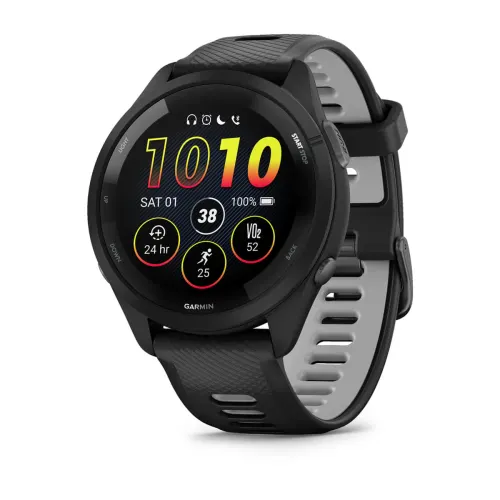
The Garmin Forerunner 265 has been the default recommendation in the mid-range running watch category since its 2023 launch. It brought a gorgeous AMOLED display to Garmin's beloved Forerunner line, paired it with deep training intelligence, and gave runners a screen worth glancing at during intervals. For nearly three years, nothing in its price neighborhood seriously challenged it.
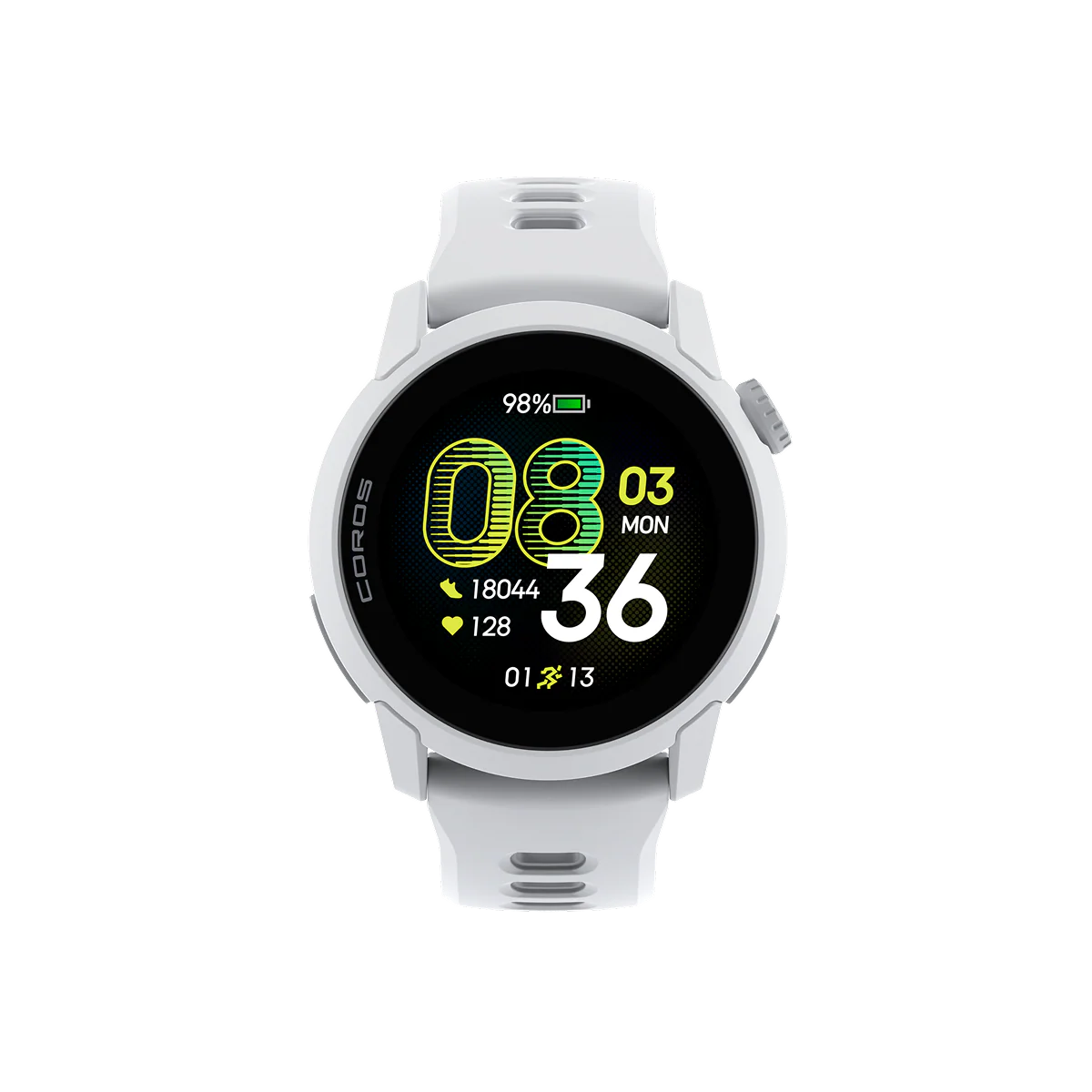
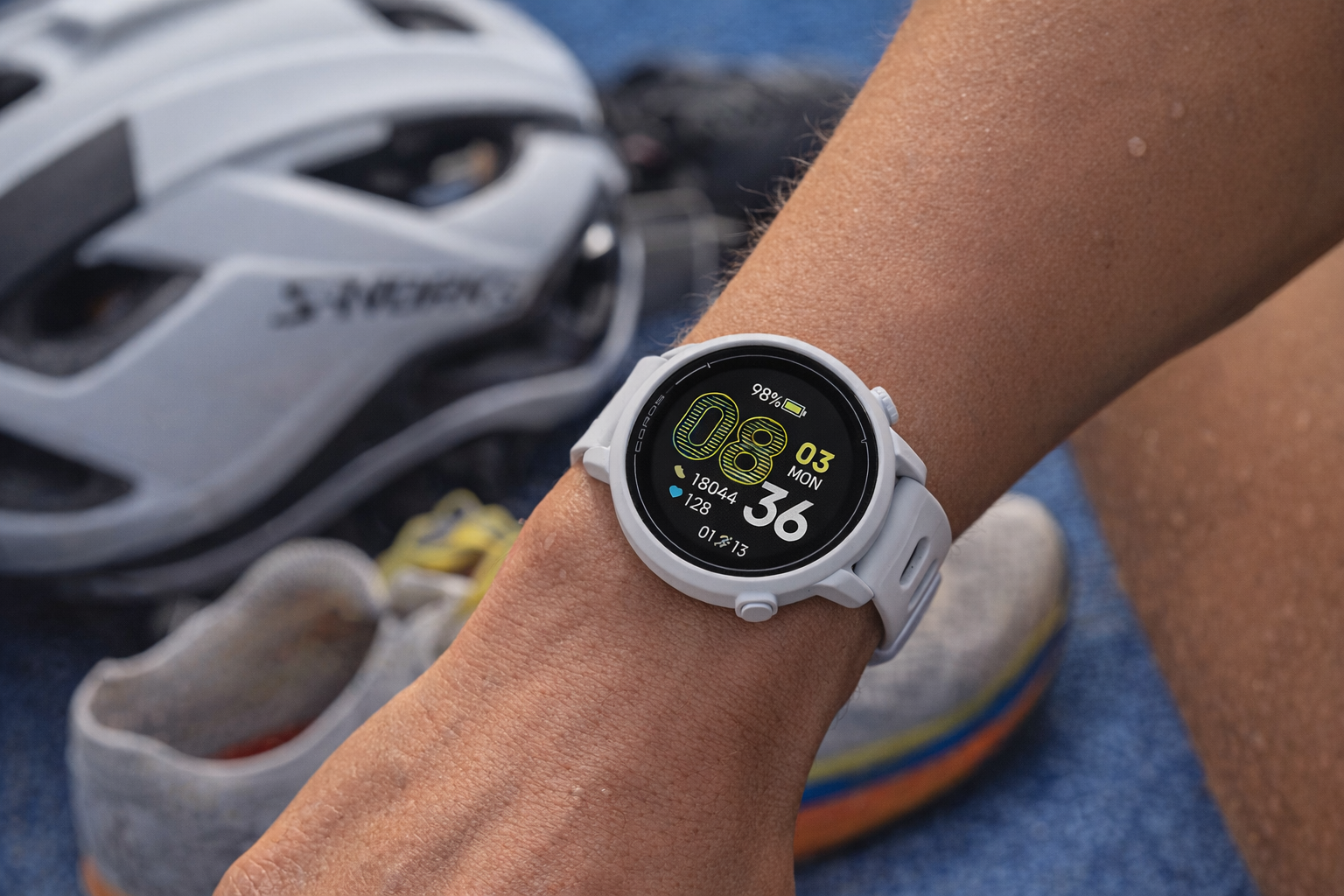
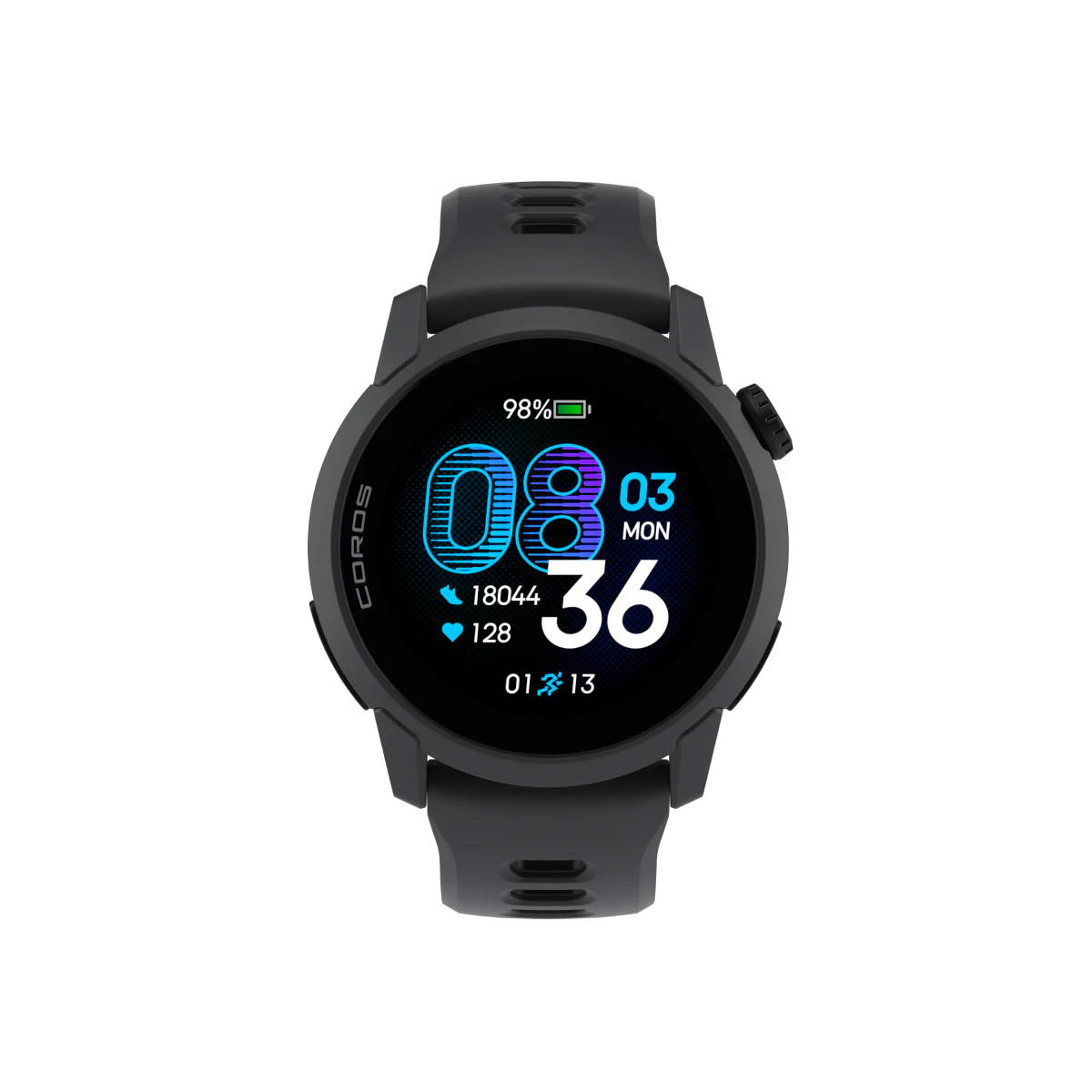
Then COROS dropped the Pace 4 in November 2025 — and the math changed. At $249, it undercuts the Forerunner 265's $449.99 asking price by two hundred dollars while matching or beating it in several headline categories. The Pace 4 packs a vivid AMOLED display, dual-frequency GPS, and the same full training analysis suite found on COROS's $699 flagship. It also nearly doubles the Forerunner 265's GPS battery life.
This is no longer a clean sweep for Garmin. The Forerunner 265 still holds real advantages — a richer ecosystem, streaming music, and more polished software — but the question every runner shopping in this range now faces is whether those advantages are worth the premium. Here is where each watch wins, where each falls short, and which one deserves your wrist.
Display
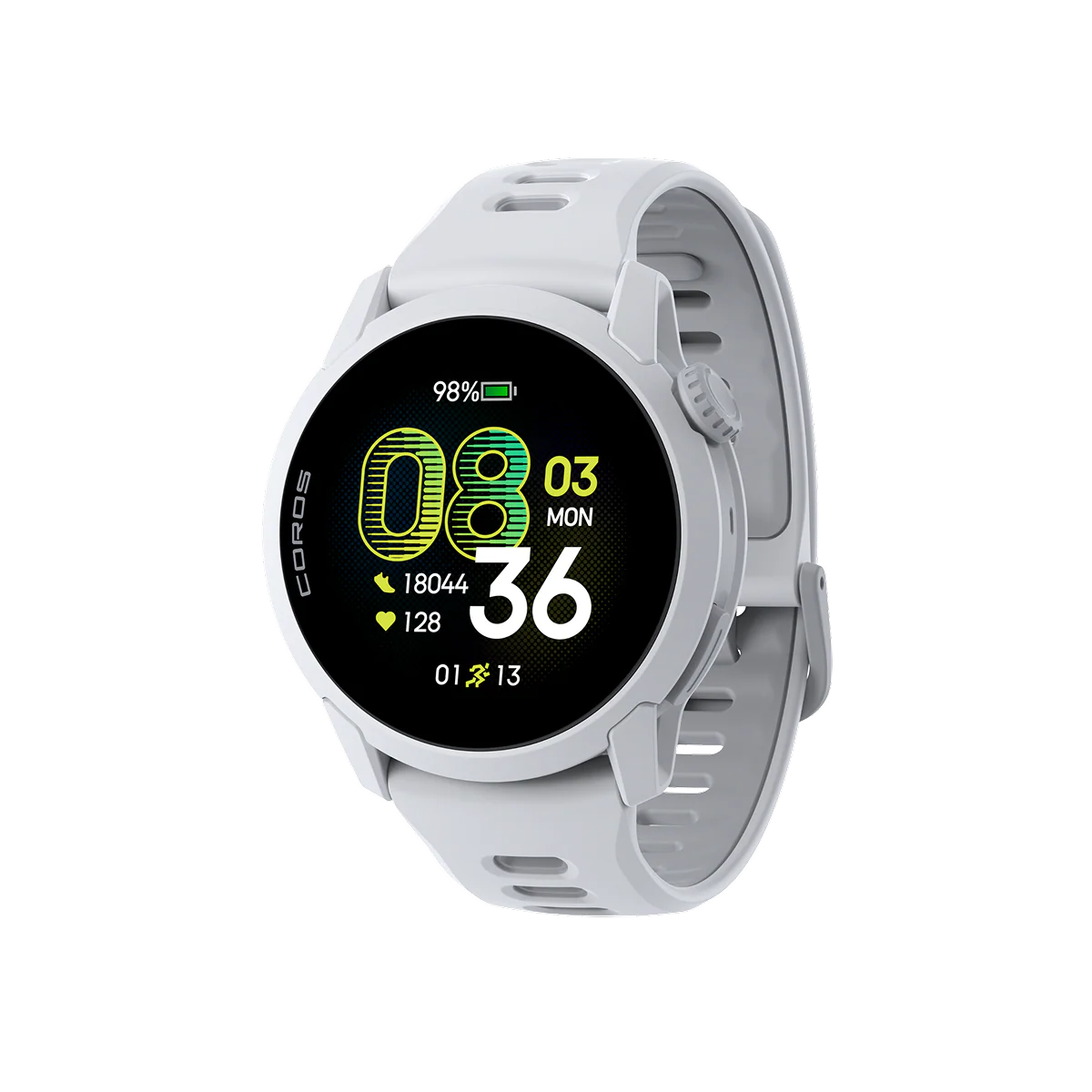
Both watches sport AMOLED touchscreens, and both look excellent. The Forerunner 265 has the edge on paper: a 1.3-inch panel at 416 x 416 pixels versus the Pace 4's 1.2-inch screen at 390 x 390. In daily use, the Garmin display is noticeably larger and slightly sharper, making it easier to read data-dense screens with four or five metrics at a glance.
The Pace 4's screen is no slouch, though. COROS rates it at 1,500 nits of peak brightness, and it punches through direct sunlight without issue. Colors are vibrant, the touch response is snappy, and the upgrade from the Pace 3's MIP display is dramatic. For most runners, this screen is more than sufficient.
Where the Forerunner 265 pulls further ahead is glass protection — Corning Gorilla Glass 3 versus the Pace 4's standard mineral glass. Trail runners and anyone prone to doorframe encounters will appreciate that difference over time.
Edge: Garmin Forerunner 265 — Larger, higher-resolution panel with tougher glass.
GPS and Running Accuracy
Both watches support multi-band (dual-frequency) GPS, and both deliver strong results. The Pace 4 connects to GPS, GLONASS, Galileo, Beidou, and QZSS, and its dual-frequency mode produces reliably tight tracks even in urban canyons and tree-lined trails. The Forerunner 265 connects to GPS, GLONASS, and Galileo with multi-band support, and is similarly accurate in open environments.
Where separation emerges is in dense, technical settings. The Pace 4 is particularly reliable on city courses with tight turns and tall buildings — the kind of environment that trips up lesser chipsets. The Forerunner 265 occasionally shows minor wobbles in those same conditions, though the differences are small enough that most runners will never notice.
Heart rate accuracy tilts slightly toward Garmin. The Forerunner 265's Elevate v4 optical sensor is marginally more consistent across a range of activities — running, cycling, and strength work. The Pace 4's redesigned optical sensor marks a significant improvement over previous COROS models and handles steady-state running well, but it can show occasional spikes during high-intensity non-running workouts and cold-start conditions. For pure running, both are within a few beats per minute of a chest strap.
Edge: COROS Pace 4 — Marginally tighter GPS tracks in demanding environments. Heart rate accuracy tilts slightly toward Garmin, but for a running watch, GPS precision takes priority.
Training Features and Ecosystem
This is the Forerunner 265's strongest category, and it is not particularly close. Garmin Connect is the most mature training ecosystem in wearables. The Forerunner 265 offers Training Readiness — a daily score synthesizing sleep, HRV, recovery, and training load to tell you whether to push hard or take it easy. The Morning Report greets you with a sleep summary, HRV status, weather, and training outlook before your feet hit the floor. Suggested Workouts adapt to your fitness, goals, and readiness. Race Predictor estimates finish times for 5K through marathon. PacePro delivers real-time pacing guidance during races.
The COROS Pace 4 is no training slouch — and this is where COROS's philosophy pays off. Unlike Garmin, which reserves some features for higher-priced models, COROS gives every watch the same full EvoLab training analysis suite. The Pace 4 gets running power, training load, fatigue, base fitness, marathon-level assessment, and structured workout support identical to the $699 Vertix 2S. COROS Training Hub on desktop is a capable planning tool, and the watch supports interval and structured workouts with on-wrist guidance.
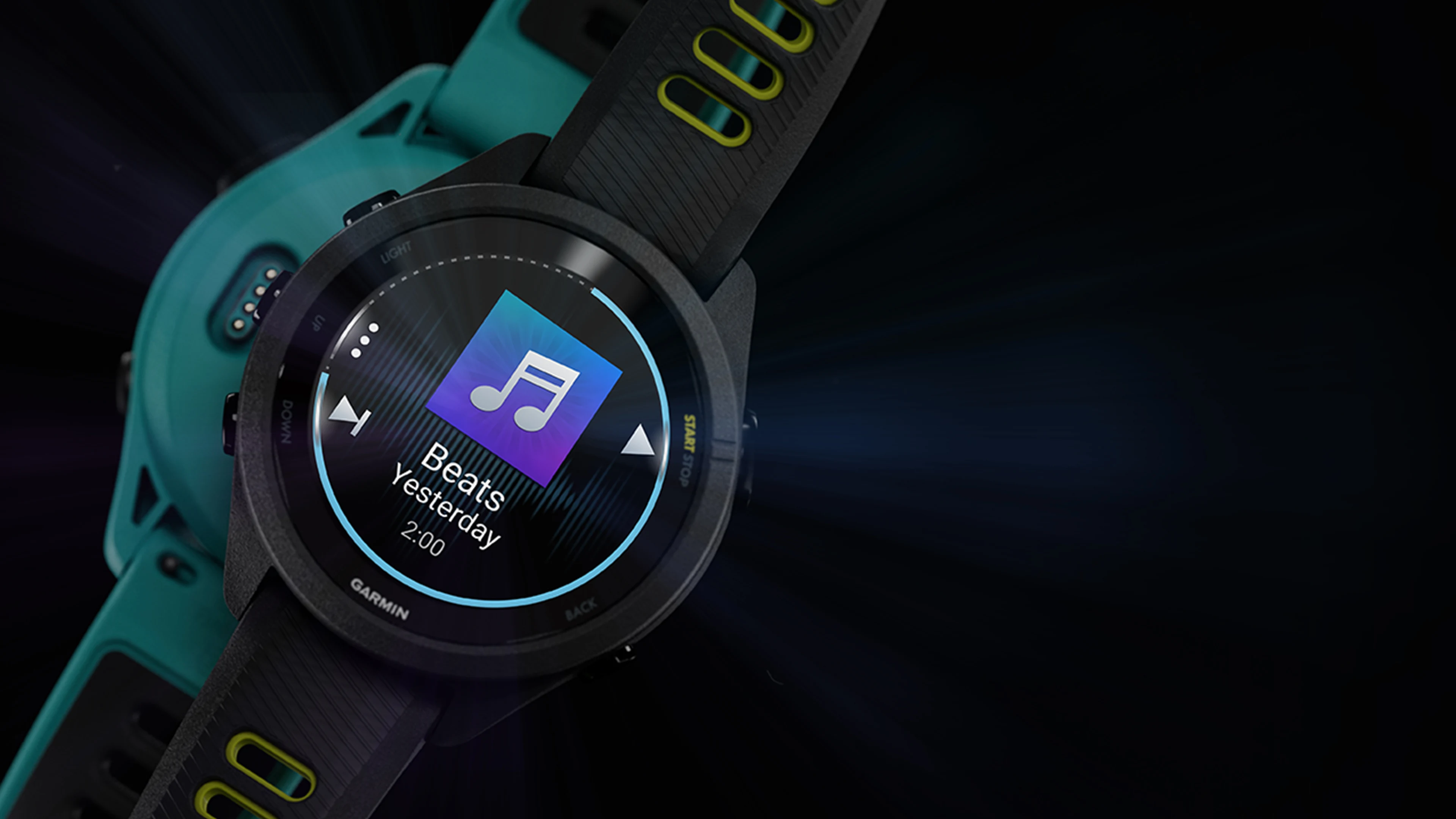
But the Garmin ecosystem extends further. Connect IQ offers thousands of watch faces, data fields, and apps. The Garmin Connect app is more polished, with better data visualization and social features. And critically, the Forerunner 265 supports Spotify, Deezer, and Amazon Music for offline playlist syncing — a feature many runners consider essential. The Pace 4 stores MP3 files only, with no streaming service integration — and with 4GB of storage versus the Forerunner 265's 8GB, its utility as a standalone music device is limited further. For runners who leave their phone at home and want a playlist, that is a dealbreaker.
The Forerunner 265 also supports both ANT+ and Bluetooth for external sensors, while the Pace 4 is Bluetooth only. Runners with existing ANT+ chest straps or power meters will want to factor that in.
Edge: Garmin Forerunner 265 — Deeper training intelligence, a more polished ecosystem, and streaming music support give Garmin a clear lead here.
Battery Life
This is the COROS Pace 4's knockout punch. The numbers are not even close.
In GPS mode with all satellite systems active, the Pace 4 lasts up to 41 hours. Switch to dual-frequency (the most accurate mode), and it still delivers 31 hours. Daily smartwatch use stretches to 19 days. With the always-on display enabled and daily running, real-world longevity lands around five to six days between charges.
The Forerunner 265 manages roughly 20 hours in GPS-only mode, 16 hours with Garmin's SatIQ auto-select, and about 14 hours when multi-band is layered on. Smartwatch mode stretches to 13 days. Those are perfectly respectable numbers for an AMOLED watch — but the Pace 4 nearly doubles them across the board.
For ultramarathon runners, multi-day hikers, or anyone who simply hates charging their watch, this gap is enormous. Even for casual runners who charge once a week, the Pace 4's battery cushion means less anxiety and fewer interruptions.
Edge: COROS Pace 4 — Nearly twice the GPS battery life at every level. This is the single biggest differentiator in this comparison.
Design and Comfort
The COROS Pace 4 is a featherweight. With the nylon strap, it comes in at just 32 grams. It measures 11.8mm thin. On the wrist, it virtually disappears — during sleep, during long runs, during all-day wear. Runners who obsess over racing weight or simply dislike the feel of a watch will gravitate here immediately.
The Forerunner 265 weighs 47 grams — not heavy by any standard, but nearly 50% heavier than the Pace 4. It also wears thicker and wider on the wrist. It is still comfortable for daily use and running, but the difference is perceptible, especially during long efforts or overnight.
Both watches use fiber-reinforced polymer cases and carry a 5ATM water resistance rating (50 meters). Both are fine for pool swimming. The Forerunner 265's five-button layout offers more tactile control options during sweaty workouts, while the Pace 4's three-button design (including a digital crown and dedicated Action button) is simpler but still functional. Both support touchscreen input.
Edge: COROS Pace 4 — At 32 grams with the nylon band, it is one of the lightest GPS running watches available. The comfort advantage is tangible.
Value
The COROS Pace 4 retails for $249. The Garmin Forerunner 265 carries a $449.99 MSRP, though it frequently drops to $300-$350 during sales — and as a 2023 product, those discounts are becoming more common.
Even at the sale price of $300, the Forerunner 265 costs $50 more than the Pace 4 while offering shorter battery life, a heavier build, and comparable GPS accuracy. Its advantages — streaming music, Training Readiness, a richer app ecosystem, and Gorilla Glass — are genuine, but they face a brutal cost-per-feature calculation.
At full MSRP, the comparison is not even competitive on value. At $300 on sale, Garmin makes a credible case for runners who heavily prioritize its ecosystem advantages. At $249, the Pace 4 delivers flagship-grade training analysis, class-leading battery life, and a bright AMOLED display for a price that once bought a basic fitness tracker.
Edge: COROS Pace 4 — Whether the Forerunner 265 sells at MSRP or at a discount, the Pace 4 delivers more hardware per dollar.

Who Should Buy What
Buy the COROS Pace 4 if you: - Want the longest possible battery life between charges - Prefer an ultralight watch that disappears on your wrist - Care most about GPS accuracy and core running metrics - Train with structured workouts and want full training analysis without paying flagship prices - Are a first-time GPS watch buyer looking for maximum value - Run ultras, back-to-back long sessions, or multi-day events where battery endurance matters
Buy the Garmin Forerunner 265 if you: - Want Spotify, Deezer, or Amazon Music playlists on your wrist for phone-free runs - Value Garmin's Training Readiness score, Morning Report, and suggested workouts - Already own Garmin devices and want to stay in the ecosystem - Prefer a slightly larger, higher-resolution display - Need ANT+ compatibility for existing sensors - Can find it on sale for $300 or less, narrowing the price gap to $50
Our Verdict
The COROS Pace 4 is the better running watch for most buyers in 2026.
That statement would have been unthinkable three years ago, when Garmin's Forerunner line had the mid-range category locked down. But the Pace 4 changes the equation with a combination of traits that the Forerunner 265 simply cannot match at any price: 31 hours of dual-frequency GPS, a 32-gram frame, and full training analysis — all for $249.
The Forerunner 265 remains a genuinely excellent watch. Its training ecosystem is deeper and more refined. Its music streaming support is a feature COROS still has not answered. Its Morning Report and Training Readiness score are daily-use features that serious runners appreciate. For anyone deeply invested in Garmin Connect — socially, historically, or through other Garmin devices — the Forerunner 265 still makes sense, especially at sale prices around $300.
But for a runner walking into a store (or browsing online) with no brand loyalty and a simple question — "What is the best running watch I can buy for $250 to $350?" — the COROS Pace 4 is the answer. It nails the fundamentals, lasts forever on a charge, and leaves $200 in your pocket for a race entry or a new pair of shoes.
Specs at a Glance
| Spec | COROS Pace 4 | Garmin Forerunner 265 |
|---|---|---|
| Price | $249 | $449.99 |
| Display | 1.2" AMOLED, 390 x 390 | 1.3" AMOLED, 416 x 416 |
| Weight | 32g (with nylon strap) | 47g |
| Case size | 43.4mm | 46mm |
| Thickness | 11.8mm | 12.9mm |
| GPS battery (standard) | 41 hours (all systems) | ~20 hours (GPS-only) |
| GPS battery (multi-band) | 31 hours (dual-frequency) | ~14 hours (all + multi-band) |
| Smartwatch battery | Up to 19 days | Up to 13 days |
| Water resistance | 5ATM (50m) | 5ATM (50m) |
| Glass | Mineral glass | Corning Gorilla Glass 3 |
| Storage | 4GB | 8GB |
| Music | MP3 only (no streaming) | Spotify, Deezer, Amazon Music |
| Sensors | Optical HR, SpO2, barometer, compass, accelerometer, gyroscope, thermometer | Optical HR, SpO2, barometer, compass, accelerometer, gyroscope, thermometer |
| Connectivity | Bluetooth | Bluetooth + ANT+ |
| Navigation | Breadcrumb / route import | Breadcrumb / route import |
| Satellite systems | GPS, GLONASS, Galileo, Beidou, QZSS (dual-frequency) | GPS, GLONASS, Galileo (multi-band) |
| Release date | November 2025 | March 2023 |