
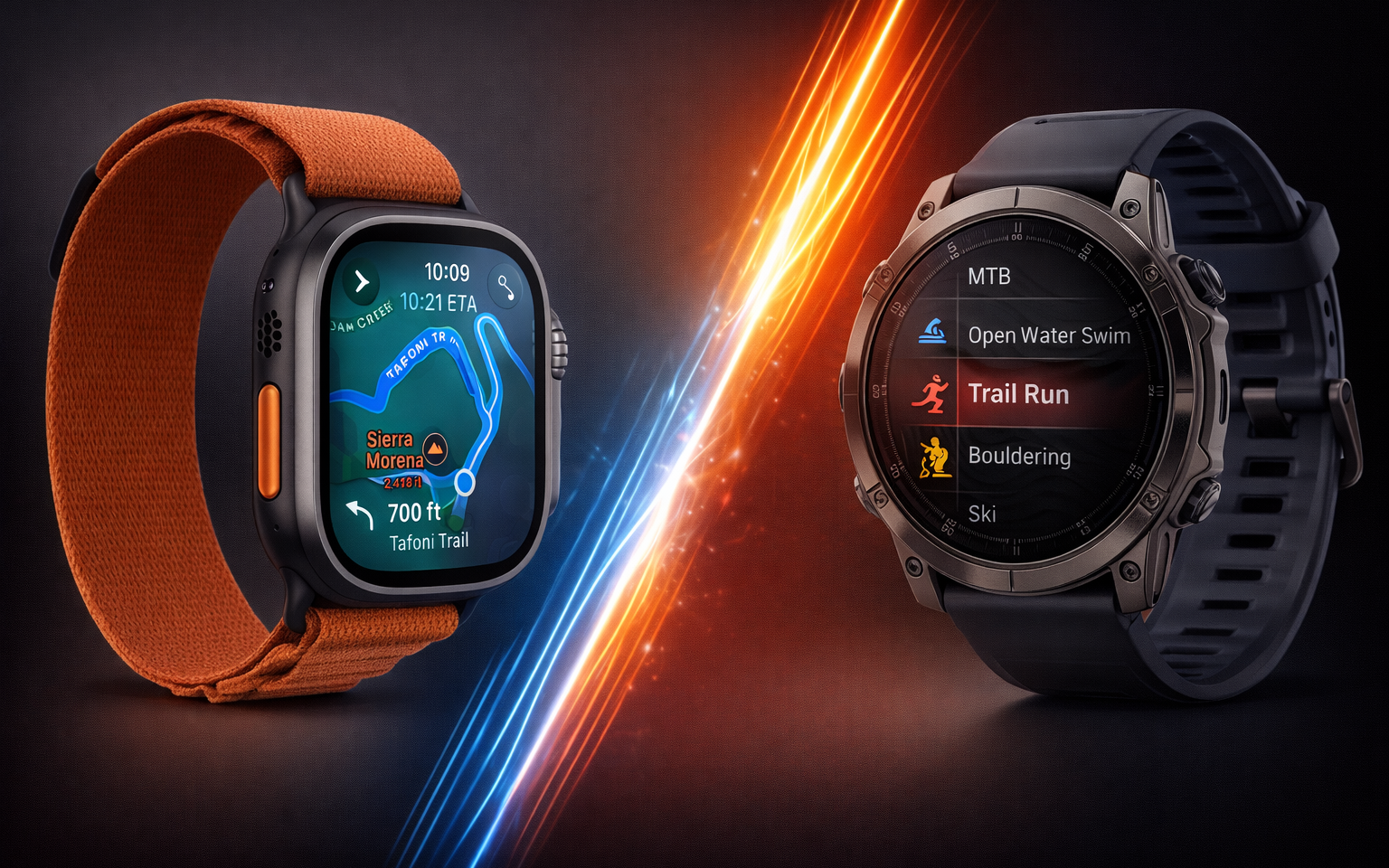
Two titanium-clad heavyweights. Two fundamentally different philosophies about what belongs on your wrist when the trail gets serious. The Apple Watch Ultra 3 and Garmin Fenix 8 represent the absolute pinnacle of their respective ecosystems — Apple's vision of a smartwatch that can handle the outdoors, and Garmin's vision of an outdoor watch that learned some smart tricks.
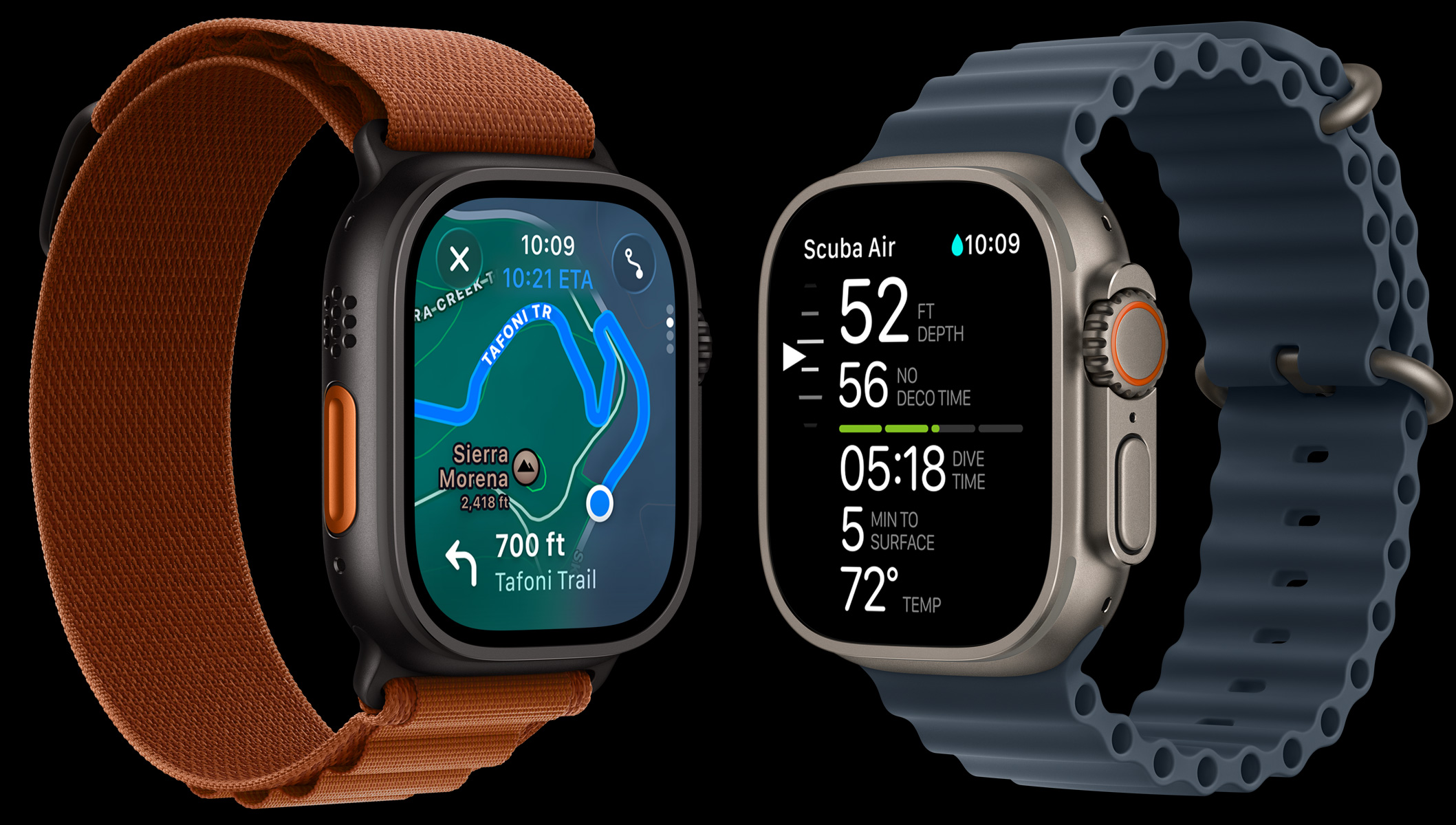
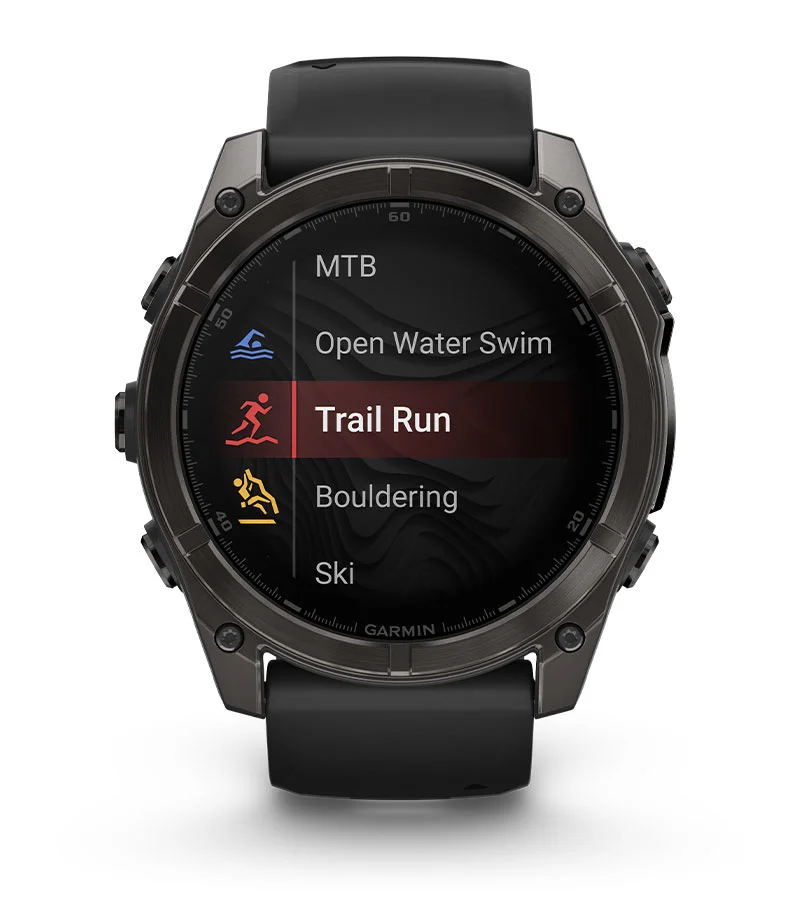
The decision between these two looks simple on paper. Apple offers satellite SOS messaging, a 3,000-nit AMOLED display, and the full power of watchOS. Garmin counters with multi-week battery life, the deepest training analytics available on any wrist, and a certified dive computer. But the real question is more nuanced than feature lists suggest: which watch actually serves your adventures better?
Both cost north of $799. Both push titanium onto your wrist. Both promise to keep you alive and on course when cell towers disappear. The tradeoffs between them, though, are sharp enough to make this a genuinely consequential decision. Here is exactly how they stack up.
Quick Verdict
Our pick: Apple Watch Ultra 3 for most iPhone owners. Pick the Garmin Fenix 8 if you need multi-day battery, deep training analytics, or Android compatibility.
Battery Life
This is where the Garmin Fenix 8 doesn't just win — it embarrasses the competition. The Fenix 8 AMOLED delivers up to 16 days in smartwatch mode with the always-on display disabled, and roughly 7 days with AOD active. In full GPS tracking mode, it pushes 47 hours of continuous recording. The solar MIP variant stretches even further, with Garmin rating the 47mm at 28 days of smartwatch use under ideal solar conditions.
The Apple Watch Ultra 3 has made genuine progress here. Apple rates it at 42 hours, and moderate use in practice lands in the 55-62 hour range — roughly 2.5 days between charges. That is a meaningful improvement over the Ultra 2, and fast charging (45 minutes to 80%) eases the pain. In continuous GPS mode, Apple rates it at 14 hours — though typical use often pushes closer to 16 hours, and Low Power Mode extends that to around 20 hours.
But the math is unforgiving. A multi-day backpacking trip with the Fenix 8 means tossing a single charge cable in your pack and probably never touching it. The same trip with the Ultra 3 demands daily charging or careful power management. For weekend warriors, the Ultra 3 is fine. For thru-hikers, expedition runners, or anyone who measures adventures in days rather than hours, the Garmin's battery advantage is decisive.
Winner: Garmin Fenix 8, and it is not close.
GPS & Navigation
Both watches deliver excellent positional accuracy, but they approach satellite tracking differently. The Garmin Fenix 8 features multi-band GNSS with SatIQ technology, which dynamically switches between GPS, GLONASS, Galileo, BeiDou, and QZSS systems, automatically balancing accuracy against battery drain. This is the gold standard for satellite positioning in a wearable. In dense forest and urban canyons, multi-band tracking cleans up the wandering tracks that plague single-frequency watches.
The Apple Watch Ultra 3 runs dual-band L1+L5 GPS and delivers tight positional accuracy that rivals dedicated running watches. GPS tracks are clean, with tight cornering and minimal drift. For road running, trail running, and hiking on established routes, the Ultra 3 holds its own against the Fenix 8.
Where the Garmin pulls ahead is navigation depth. The Fenix 8 ships with 32GB of onboard storage loaded with full topographic and street maps. Route planning, breadcrumb navigation, turn-by-turn directions on trails — it functions as a legitimate standalone navigation tool. The Ultra 3 offers waypoint navigation and basic route guidance through Apple Maps, but it cannot match the Fenix's offline mapping capability or the sheer navigational flexibility of Garmin's interface.
Winner: Garmin Fenix 8. GPS accuracy is comparable, but Garmin's offline maps and navigation depth give it a clear edge for backcountry use.
Training & Health Features
This category exposes the fundamental philosophical divide between these watches. The Garmin Fenix 8 is a training computer first. Training Readiness, Body Battery, Endurance Score, HRV Status, Recovery Time, VO2 Max with heat and altitude adjustments, stamina tracking, Training Load across multiple categories — the depth of Garmin's training stack is unmatched. Serious endurance athletes live inside these metrics. The Fenix 8 tells you not just what you did, but whether you should have done it, and what to do tomorrow.
The Apple Watch Ultra 3 covers the basics well. Heart rate zones, pace alerts, cadence, elevation gain, running power estimation, and custom workouts all function smoothly within watchOS. Apple's health features lean broader rather than deeper — blood oxygen, ECG, temperature sensing, cycle tracking, and crash detection are all polished and reliable. The integration with Apple Health creates a comprehensive daily health picture.
But for structured training, the gap is real. The Ultra 3 lacks anything comparable to Garmin's Training Readiness score, which synthesizes sleep quality, HRV, recovery status, and training load into a single daily readiness number. There is no equivalent to Body Battery's energy management system. Garmin's platform understands periodization and load management in ways that Apple's software simply does not attempt.
If training metrics drive your purchasing decision — if you care about load balancing across running, cycling, and swimming, or if you want your watch to recommend workout intensity — the Fenix 8 is the only choice. If you want reliable workout tracking plus broad health monitoring in a single, polished package, the Ultra 3 delivers.
Winner: Garmin Fenix 8 for serious athletes. Apple Watch Ultra 3 for general health and wellness tracking.
Display & Smartwatch Experience
The Apple Watch Ultra 3's display is stunning. At 3,000 nits peak brightness, it is the brightest smartwatch screen available, readable in direct sunlight without squinting. The LTPO3 OLED panel delivers smooth scrolling and fluid animations with a 1Hz always-on mode, and Apple's reduction of the bezels gives the screen roughly 5% more usable area within the same 49mm case. Colors are vivid and text is razor-sharp.
The Garmin Fenix 8 AMOLED is no slouch — bright enough for outdoor use and a massive upgrade from previous Garmin displays. But placed next to the Ultra 3, the difference is visible. The Apple Watch screen is simply more vibrant, more responsive, and more pleasant to interact with.
Beyond the display, the smartwatch experience gap is enormous. watchOS delivers a fully realized computing platform: rich app notifications with inline replies, Apple Pay with tap-to-pay everywhere, streaming music from Apple Music or Spotify, Siri voice control, turn-by-turn directions, and seamless handoff with iPhone. The Ultra 3's new 5G cellular means full independence from your phone — calls, texts, and data without a Bluetooth tether.
Garmin's software is functional but spartan by comparison. Notifications mirror from your phone but interaction is limited. Garmin Pay works but has fewer supported banks. The Connect IQ app store offers useful widgets and watch faces but nothing approaching the depth of watchOS apps. The Fenix 8 does add a speaker and microphone for phone calls, which is a welcome addition, but the overall smartwatch experience remains firmly utilitarian.
Winner: Apple Watch Ultra 3, decisively. No other adventure watch comes close to this level of smartwatch polish.
Design & Build
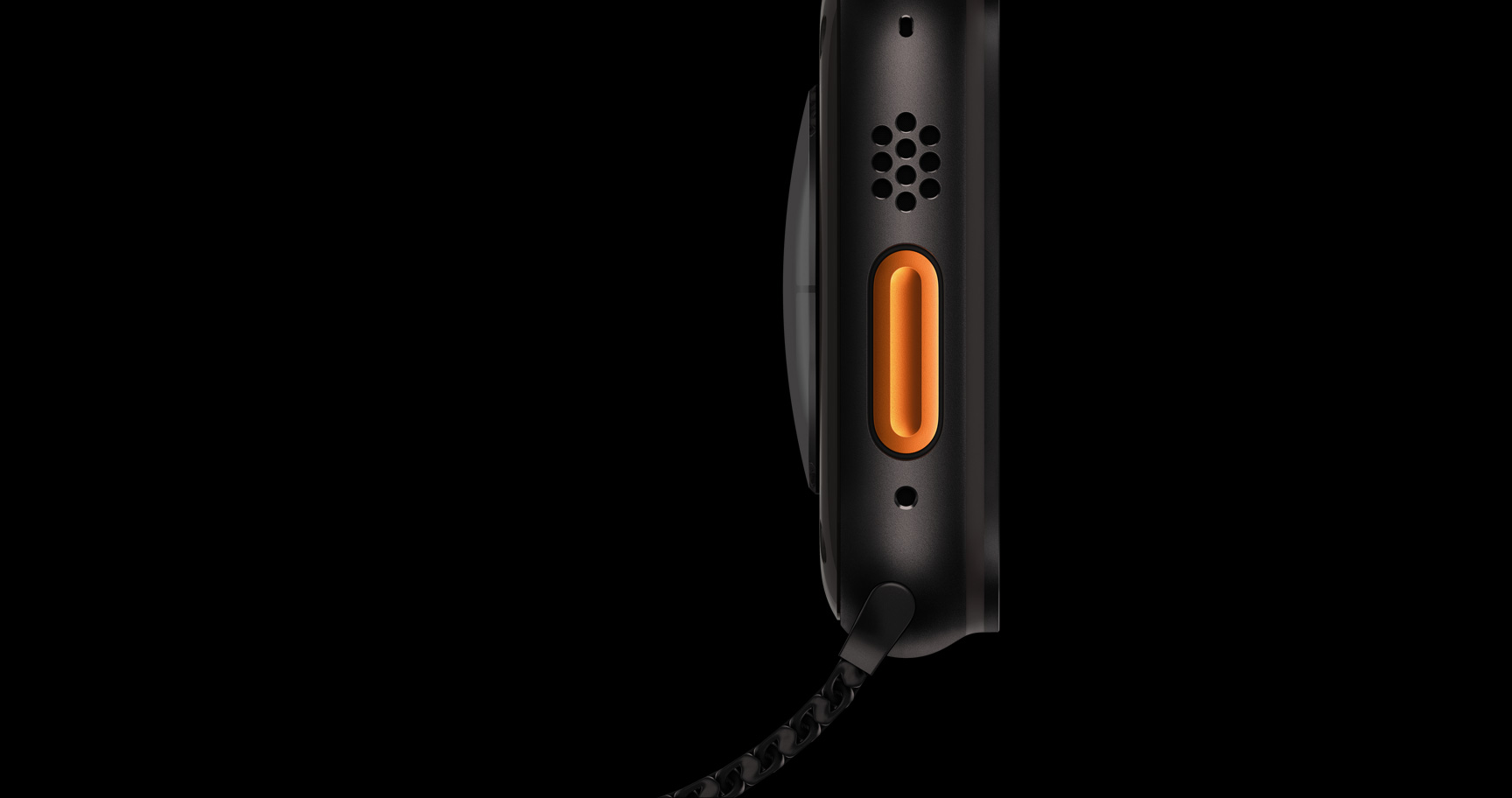
Both watches are built to take serious abuse, but their design languages speak to different audiences. The Apple Watch Ultra 3 wears its 49mm titanium case with a raised edge to protect the flat sapphire crystal. At 100 meters of water resistance, it handles open-water swimming and recreational diving. The orange Action Button is both a functional shortcut and a design signature. It looks like a premium tech product — rugged, yes, but unmistakably Apple.
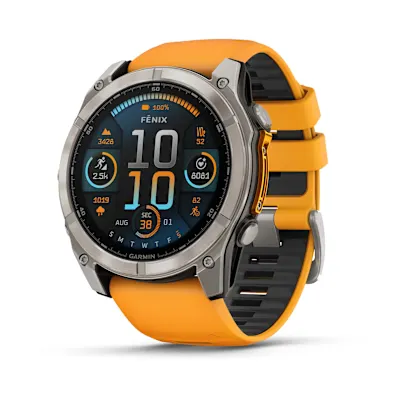
The Garmin Fenix 8 leans harder into tool-watch territory. Available in 43mm, 47mm, and 51mm sizes with stainless steel or titanium options, it offers more flexibility in fit. The Fenix 8 functions as a certified dive computer to 40 meters, complete with depth gauge, water temperature, no-decompression limit tracking, and automatic dive logging — a full dive tool, not just water resistance. The built-in LED flashlight is genuinely useful for camp setup and nighttime trail navigation. Five physical buttons provide tactile, gloves-on control that touch screens cannot match in cold or wet conditions.
The Fenix 8's button-driven interface is a real advantage in harsh conditions. Wet fingers, thick gloves, muddy hands — none of these defeat physical buttons the way they can frustrate a touchscreen. The Ultra 3 does have the Action Button and Digital Crown, but primary navigation still relies heavily on touch input.
Winner: Draw. The Apple Watch Ultra 3 is the more refined object. The Garmin Fenix 8 is the more capable tool. Preference here comes down to aesthetic values and which conditions you expect to encounter.
Ecosystem & Compatibility
This is a binary decision for many buyers. The Apple Watch Ultra 3 requires an iPhone. Full stop. No Android compatibility, no standalone setup, no workarounds. If you carry a Samsung, Pixel, or any other Android device, the Ultra 3 is not an option.
The Garmin Fenix 8 works with both iPhone and Android through the Garmin Connect app. It does not care about your phone ecosystem. This universal compatibility is a significant practical advantage — it means switching phones never orphans your watch, and households with mixed devices can share the same platform.
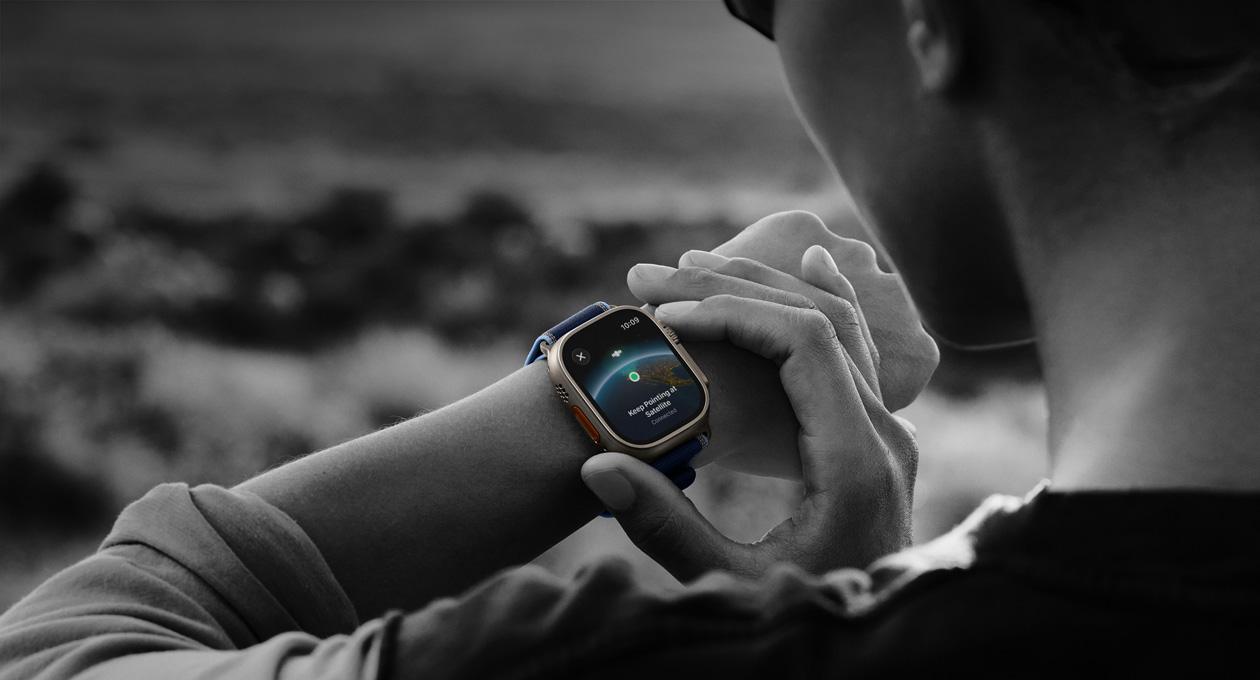
Within its ecosystem, the Apple Watch excels. Integration with iPhone, Mac, AirPods, and HomeKit is seamless. The Ultra 3's satellite messaging capability — SOS and two-way text messaging via satellite, with two years of free service — is a standout safety feature that Garmin matches only through its separate inReach subscription service.
Garmin's ecosystem runs deep in its own way. Garmin Connect is one of the most comprehensive fitness platforms available, with robust data export, third-party integration with Strava, TrainingPeaks, and other services, and detailed long-term trend analysis. The Fenix 8's 32GB of storage supports offline maps and music without phone dependency.
Winner: Garmin Fenix 8 for compatibility. Apple Watch Ultra 3 for ecosystem integration (if you are already in Apple's world).
Value & Pricing
The Apple Watch Ultra 3 starts at $799. The Garmin Fenix 8 AMOLED starts at $999.99 for both the 43mm and 47mm models, climbing to $1,099.99 for the 51mm. Sapphire titanium configurations push even higher, reaching $1,199.99.
That $200+ price gap is significant. The Ultra 3 includes satellite messaging with two years of free service — a feature that would cost additional monthly fees on the Garmin side through inReach. The Ultra 3 also includes 5G cellular, which Garmin does not offer at all.
However, the Garmin's longevity calculus differs. Garmin's hardware changes incrementally enough that a Fenix 8 will feel current for years — the Fenix 7 Pro is still a compelling watch in 2026. Apple Watch models receive watchOS updates for 4-5 years, but the faster upgrade cycle and ecosystem pressure mean many owners replace their Apple Watch more frequently than Garmin owners replace theirs.
Both watches see regular discounts. The Ultra 3 has been spotted around $700-750 at various retailers, while the Fenix 8 AMOLED 47mm has dipped to roughly $850-900 during sales events.
Winner: Apple Watch Ultra 3. More features per dollar at a lower starting price, with included satellite service sweetening the deal.

Who Should Buy What
Buy the Apple Watch Ultra 3 if you:
- Own an iPhone and want the best smartwatch experience available
- Need satellite SOS and messaging for backcountry safety
- Value display quality and day-to-day smartwatch functionality
- Take on weekend adventures and multi-hour workouts, not multi-day expeditions
- Want cellular independence with 5G connectivity
- Prefer a lower entry price with included satellite service
Buy the Garmin Fenix 8 if you:
- Need battery life measured in days or weeks, not hours
- Train seriously in endurance sports and rely on deep analytics
- Use an Android phone (or want phone-agnostic hardware)
- Require offline topographic maps and advanced navigation
- Pursue multi-day backcountry trips where charging is impractical
- Want a certified dive computer on your wrist
- Need physical buttons for reliable control in harsh conditions
Our Verdict
The Apple Watch Ultra 3 takes this matchup. It delivers a better display, a superior smartwatch experience, built-in satellite communications with free service, 5G cellular, and strong GPS accuracy — all at $200+ less than the Fenix 8. For the majority of active, outdoor-oriented people who own an iPhone, it is the better adventure watch.
But "majority" is doing real work in that sentence. The Garmin Fenix 8 remains the superior tool for serious endurance athletes, multi-day adventurers, and anyone who cannot tolerate a 2-3 day battery ceiling. Its training analytics are deeper, its navigation is more capable, its battery life is in a different league, and its universal phone compatibility removes a major barrier. The Fenix 8 costs more because it does more in the areas that matter most to its core audience.
The honest answer is that these watches serve overlapping but distinct markets. The Apple Watch Ultra 3 is the best adventure-capable smartwatch. The Garmin Fenix 8 is the best smart-capable adventure watch. That distinction matters, and it should drive your decision.
Specs At A Glance
| Feature | Apple Watch Ultra 3 | Garmin Fenix 8 (AMOLED, 47mm) |
|---|---|---|
| Price | $799 | $999.99 |
| Case Size | 49mm | 43mm / 47mm / 51mm |
| Case Material | Titanium | Stainless steel or titanium |
| Display | AMOLED, 3,000 nits | AMOLED |
| Water Resistance | 100m (ISO 22810) | 40m dive computer (EN 13319) |
| Battery (smartwatch) | ~42 hrs (rated), ~2.5 days real-world | ~16 days (AOD off), ~7 days (AOD on) |
| Battery (GPS) | ~14 hrs (20 hrs Low Power) | ~47 hrs continuous |
| Satellite Positioning | Dual-band L1+L5 GPS | Multi-band GNSS + SatIQ |
| Satellite Messaging | Yes (2 years free) | Via inReach (subscription) |
| Cellular | 5G | No |
| Storage | 64GB | 32GB |
| Offline Maps | Limited | Full topo + street maps |
| Training Analytics | Basic | Advanced (Training Readiness, Body Battery, HRV, Endurance Score) |
| Phone Compatibility | iPhone only | iPhone + Android |
| Flashlight | No | LED flashlight built-in |
| Dive Computer | No | Yes (certified to 40m) |
| Speaker/Mic | Yes | Yes |
| WearableBeat Score | 85/100 | 84/100 |