
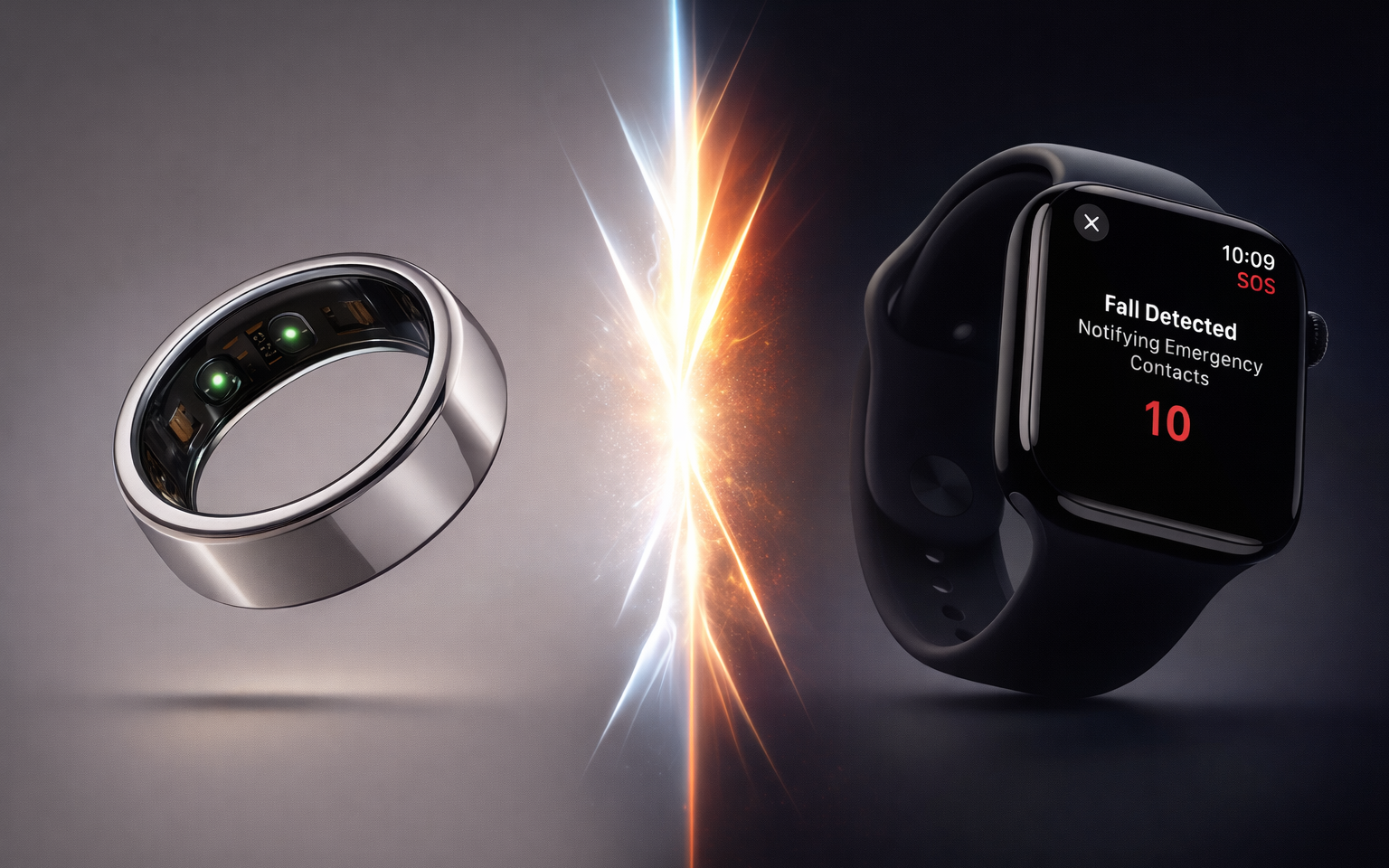
A watch or a ring. A screen you tap or a band you forget is there. Two fundamentally different philosophies for answering the same question: how is your body actually doing?
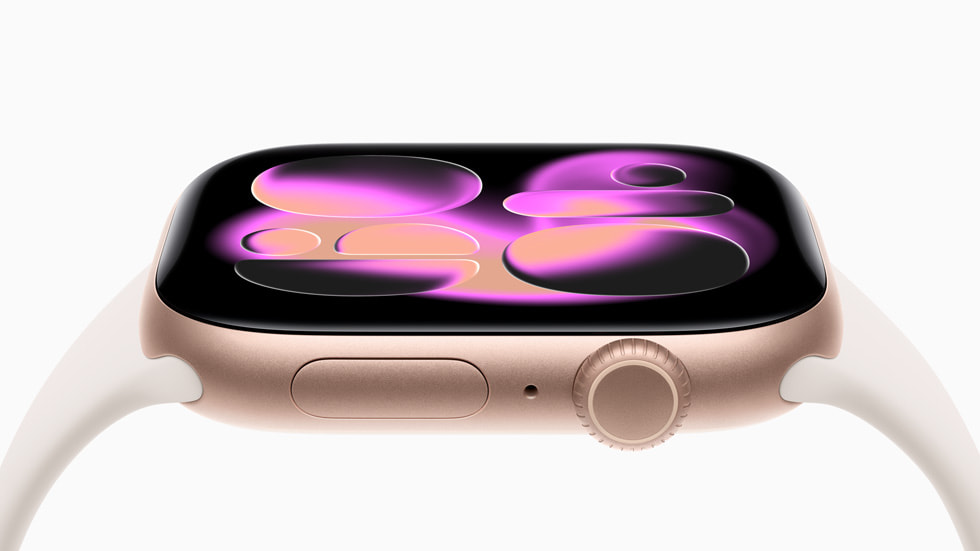
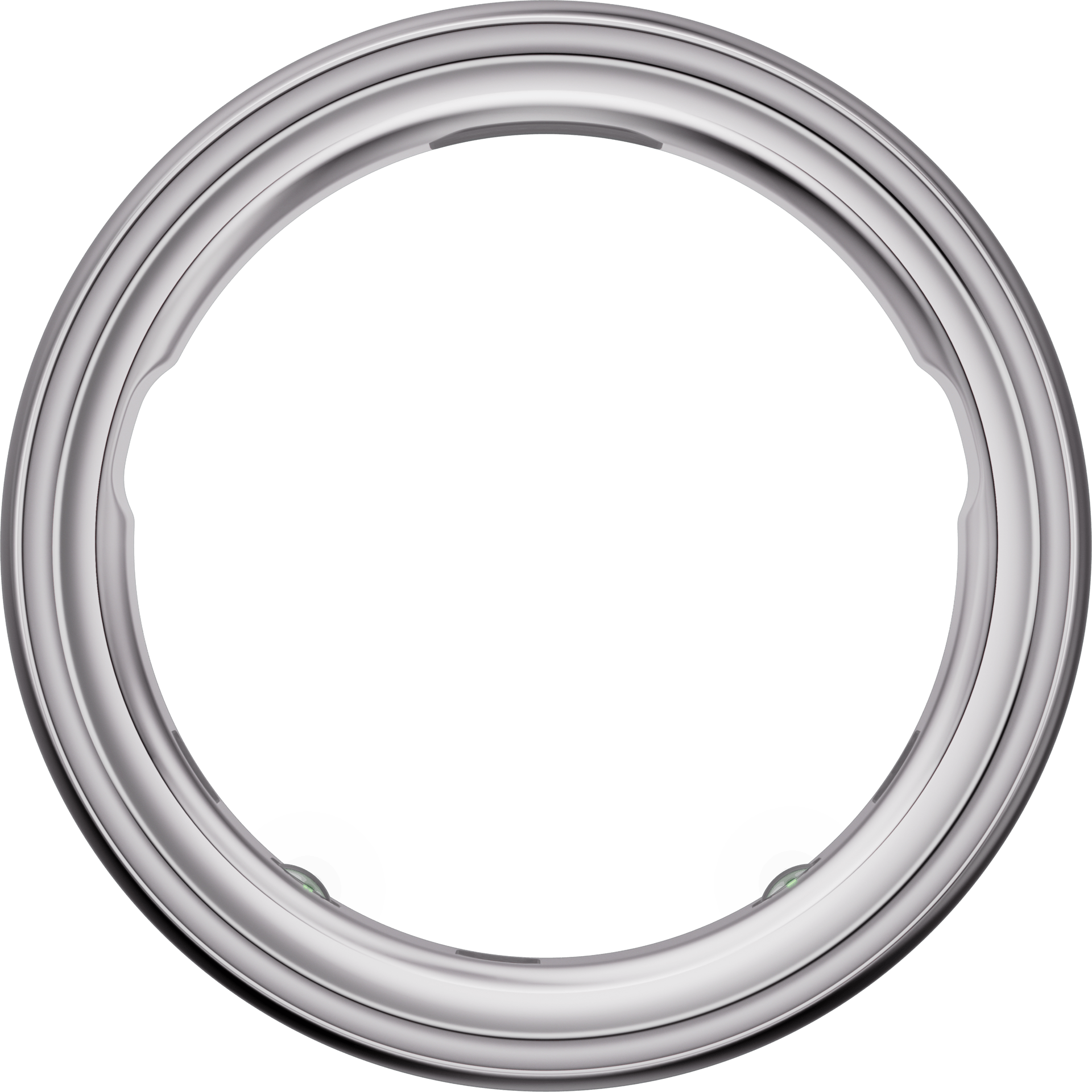
The Apple Watch Series 11 is the most capable smartwatch ever made — a miniature health clinic, fitness coach, and communication hub strapped to your wrist. The Oura Ring 4 is a 3.3-gram titanium ring with a $5.99/month subscription that does nothing except listen to your body, and does it with clinical precision. Both promise to unlock deeper health insights. Both track heart rate, HRV, blood oxygen, skin temperature, and sleep. But the way they deliver on those promises — and where each one falls short — could not be more different.
This is not a question of which device has more features. The Apple Watch wins that contest before the comparison even starts. The real question is which device makes you healthier. And the answer depends entirely on what kind of health data actually changes your behavior.
Sleep Tracking
Sleep tracking is the most consequential category in this comparison — and where the gap between these two devices is widest.
The Ring 4's 18-path Smart Sensing system reads biometric signals through your finger using infrared and red LED sensors, capturing heart rate, HRV, blood oxygen, respiratory rate, and skin temperature continuously throughout the night. The finger is an ideal measurement site — arteries are close to the surface, there is minimal motion artifact compared to the wrist, and the ring maintains consistent sensor contact without needing to be worn tightly. Clinical validation studies show the Oura Ring achieves 94.4% to 94.5% sensitivity for detecting sleep, with 75.5% accuracy for light sleep staging and 90.6% for REM sleep. Critically, its sleep stage estimates are not statistically different from polysomnography, the gold standard lab test.
The Apple Watch Series 11 tracks sleep using a combination of accelerometer data, heart rate, and wrist temperature. With watchOS 26, it introduces a Sleep Score that rolls duration, consistency, and interruptions into a single number — a welcome simplification. Sleep apnea detection with 89% sensitivity for severe cases is a genuine health feature the Oura cannot match. But the Watch's sleep staging accuracy is more variable, with sensitivity ranging from 50.5% to 86.1% depending on the stage. The wrist is simply a noisier measurement site, and the watch's bulk makes some sleepers shift positions or remove it entirely.
Then there is the battery problem. The Apple Watch lasts up to 24 hours on a charge. Track sleep overnight and you wake up with 15-20% remaining, meaning you need to find a charging window every single day. Miss that window and you lose a night of data. The Oura Ring 4 lasts five to eight days, so sleep tracking just happens — no planning required, no charging anxiety, no gaps in your data.
Edge: Oura Ring 4. More accurate sleep staging, more comfortable overnight wear, and a battery that never forces you to choose between tracking sleep and tracking the next day.
HRV and Recovery
Heart rate variability has become the metric that health-obsessed users care about most, and for good reason — HRV reflects autonomic nervous system balance and serves as one of the best single indicators of recovery status, stress load, and overall resilience.
The Oura Ring 4 measures HRV continuously during sleep using its PPG sensors. Independent peer-reviewed research confirms that Oura leads all consumer wearables tested for HRV and resting heart rate agreement — outperforming devices from Whoop, Garmin, and Polar in a study published in Physiological Reports. A separate study in Physiological Measurement found ring-based HRV measurements correlate with gold-standard ECG at r-squared of 0.980 — essentially clinical-grade accuracy from a consumer device. The Oura app wraps this data into a daily Readiness Score that synthesizes HRV, resting heart rate, body temperature deviation, sleep quality, and recent activity into a single actionable number. Low Readiness means back off. High Readiness means push harder. It is simple, and it works.
The Apple Watch also measures HRV during sleep and logs it in the Health app. The data is there, and it is reasonably accurate, though studies show a 28.88% mean absolute percentage error for SDNN measurements — substantially less precise than the Oura. More importantly, Apple does not surface HRV in an actionable way. There is no readiness score, no recovery recommendation, and no automatic correlation between your HRV trend and your training load. The raw data exists, but extracting meaning from it requires third-party apps or manual analysis.
Edge: Oura Ring 4. Better accuracy, better presentation, and a Readiness Score that turns raw HRV data into daily guidance.
Heart Rate Accuracy
Heart rate tracking splits into two distinct use cases, and each device owns one of them.
For resting and nighttime heart rate, the Oura Ring 4 is the more accurate device. The Ring 4's Smart Sensing delivers 31% fewer gaps in nighttime heart rate data compared to its predecessor and 7% fewer gaps during the day — meaning more complete, continuous readings. The finger provides cleaner optical readings with less motion noise than the wrist. For establishing your baseline resting heart rate trend — one of the most important longitudinal health markers — the ring delivers more consistent, reliable data.
For active heart rate during workouts, the Apple Watch Series 11 is in a different league entirely. Its dual-sensor optical heart rate system provides continuous real-time heart rate during exercise, with strong accuracy at steady-state efforts and acceptable performance even during intervals. Heart rate zones update live on the display. Post-workout summaries include detailed heart rate curves, recovery heart rate, and training effect estimates. The Oura Ring can detect that you worked out and provide an average heart rate after the fact, but there is no real-time feedback, no zone tracking, and no way to pace a workout using heart rate.
Edge: Split. Oura Ring 4 for resting and nighttime accuracy. Apple Watch Series 11 for workout heart rate. If you only pick one metric to care about, resting heart rate is the better long-term health indicator — which gives the Oura a slight overall nod.
Activity and Fitness Tracking
This is the Apple Watch's category, and it is not close.
The Apple Watch Series 11 supports over 100 workout types with built-in GPS for accurate pace, distance, and route mapping. It provides real-time metrics on the wrist — pace, heart rate zone, cadence, elevation, split times — along with deeper training metrics like VO2 max estimates and Training Load analysis. For runners, cyclists, swimmers, hikers, and gym-goers who want granular workout data and real-time coaching cues, the Apple Watch is a fully capable sports watch that competes with dedicated fitness devices from Garmin.
The Oura Ring 4 automatically detects over 40 activity types and logs them retroactively, providing average heart rate and calorie estimates after the fact. Step counting is adequate for daily awareness but not precision-grade. There is no GPS, no real-time display, no pace tracking, and no structured workout support. The ring knows you moved; it does not know how well you moved.
For passive activity awareness — hitting a daily movement goal, ensuring you are not sedentary — the Oura Ring is adequate. For anyone who cares about the quality and structure of their workouts, the Apple Watch is the only real option.
Edge: Apple Watch Series 11. Comprehensive fitness tracking with GPS, real-time metrics, and workout analysis versus basic activity logging.
Health Sensors and Medical Features
The Apple Watch Series 11 carries a sensor suite that no ring can match. An electrical heart sensor enables on-demand ECG readings that can detect atrial fibrillation. FDA-cleared hypertension notifications — new for 2025 — monitor blood pressure trends in the background and alert you to consult a doctor. Sleep apnea detection identifies breathing disturbances with 89% sensitivity for severe cases. Blood oxygen monitoring, wrist temperature sensing, fall detection, and crash detection round out a genuinely medical-grade feature set.
The Oura Ring 4 monitors SpO2 during sleep with significantly improved accuracy (120% signal quality improvement over Ring 3), tracks skin temperature trends that can flag illness onset up to 2.75 days before a user seeks diagnostic testing, and provides breathing disturbance index monitoring. These are meaningful health features, but the ring lacks ECG capability, cannot detect hypertension, and has no fall or crash detection.
For users with specific cardiac concerns, a family history of heart disease, or a need for proactive medical alerting, the Apple Watch's health sensor advantage is not just academic — it could be life-altering.
Edge: Apple Watch Series 11. ECG, hypertension alerts, and sleep apnea detection represent capabilities the Oura Ring simply cannot provide.
Design and Comfort
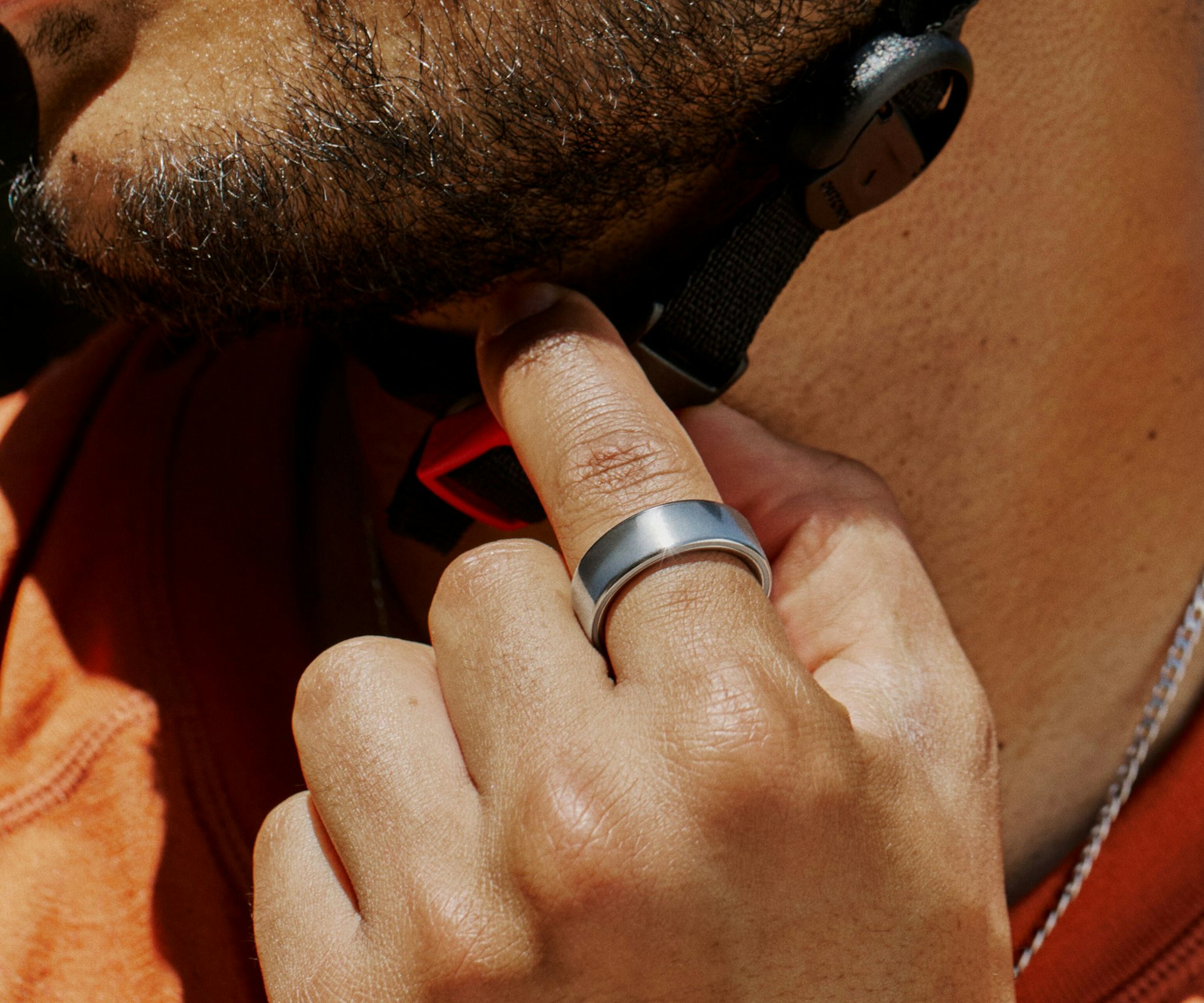
The Oura Ring 4 weighs 3.3 grams. It is a fully titanium ring available in six finishes that looks like jewelry and feels like nothing on your finger. It is water-resistant to 100 meters. You wear it in the shower, in bed, at the gym, at a wedding. It never needs to come off, and most people forget it is there within minutes of putting it on.
The Apple Watch Series 11 is Apple's thinnest mainline Watch design, but it is still a 42mm or 46mm rectangular device strapped to your wrist. The always-on OLED display is bright and sharp. The digital crown and side button provide reliable input. The Ion-X glass is twice as scratch-resistant as the Series 10. It is a well-designed watch, but it is visibly and physically a piece of technology on your wrist. For sleep, some people find it comfortable; others find the rigid case and band irritating against sheets and pillows.
The comfort gap matters most for the health tracking angle of this comparison. A device you wear 24/7 without thinking about it will generate more complete data than one you occasionally leave on the charger or take off because it is bothering you in bed.
Edge: Oura Ring 4. Invisible on the body, comfortable enough to forget, and never a reason to skip a night of tracking.

Battery Life
The Oura Ring 4 lasts five to eight days on a single charge, with charging taking 20 to 80 minutes depending on remaining battery. A week of continuous health monitoring with no interruptions, no charging windows to plan, no data gaps.
The Apple Watch Series 11 lasts up to 24 hours in normal use, stretching to 38 hours in Low Power Mode. This is a genuine improvement over previous generations — the battery is 9-11% larger, and for the first time, you can realistically wear the Watch through a full day and night of sleep tracking and wake up with battery remaining. But it still requires daily charging. Track sleep and you need to find 15-20 minutes every morning to top up. The 24-hour ceiling means any deviation from the routine — a long hike, a day away from a charger — risks losing data.
Edge: Oura Ring 4. Up to eight days versus one day is not a marginal difference. It fundamentally changes the user experience of continuous health tracking.
App Ecosystem and Subscription
The Apple Watch runs watchOS with a deep library of apps, delivers notifications, supports Apple Pay, streams music, and serves as an extension of your iPhone. The Apple Health platform aggregates data from the Watch and third-party apps into a comprehensive health dashboard. There is no subscription — everything works out of the box and continues working indefinitely.
The Oura Ring 4 pairs with the Oura app, which is beautifully designed and surfaces sleep, readiness, and activity data with clarity and depth. The app provides trends, insights, guided content, and educational context around your data. It syncs with Apple Health and Google Fit. However, full access requires a $5.99/month (or $69.99/year) membership. Without the subscription, the ring provides only basic metrics — the deep insights, trends, and recommendations that make the Oura experience valuable are locked behind the paywall. Over three years, that subscription adds $210 to the cost of ownership on the annual plan.
The subscription is the Oura Ring's most divisive feature. The hardware is excellent, but the ongoing cost creates friction that a one-time purchase does not.
Edge: Apple Watch Series 11. No subscription, broader app ecosystem, and a complete smartwatch platform versus a single-purpose app with a paywall.
Value
The Apple Watch Series 11 starts at $399 for the 42mm GPS model and scales past $1,000 for titanium cellular configurations. Everything is included — no subscription, no paywalled features. It is a smartwatch, fitness tracker, health monitor, and communication device in one package.
The Oura Ring 4 starts at $349 for the Silver finish in titanium, climbing to $499 for Gold or Rose Gold. Add the mandatory $5.99/month subscription ($69.99/year on the annual plan) and the first-year cost is approximately $419. Over three years, total cost reaches $559. The ring does one thing — health tracking — and does it exceptionally well, but it cannot replace a smartwatch for notifications, apps, or active fitness tracking.
For someone who only wants a health tracker, the Oura Ring offers focused excellence. For someone who wants a health tracker and a smartwatch, the Apple Watch is dramatically better value.
Edge: Context-dependent. Apple Watch if you value breadth; Oura Ring if you value depth in health tracking and already have a watch (or do not want one).
Who Should Buy What
Buy the Oura Ring 4 if you are:
- A sleep optimizer who wants the most accurate sleep staging and overnight biometrics available in a consumer device
- A recovery-focused athlete who builds training decisions around HRV and readiness scores
- Someone who finds watches uncomfortable for sleep and wants a wearable that disappears on your body
- A Whoop alternative seeker who wants recovery insights without the bulk of a wrist band
- A minimalist who wants health data without the constant distraction of notifications and apps on your wrist
Buy the Apple Watch Series 11 if you are:
- An active athlete who needs real-time workout metrics, GPS tracking, and structured training support
- Someone with cardiac concerns who values ECG monitoring and hypertension alerts
- An iPhone user who wants a single device covering health tracking, communication, payments, and apps
- A user who refuses to pay monthly subscriptions for hardware they already own
- Someone who wants the best health monitoring watch with the broadest sensor suite available
Consider wearing both if you are:
- An obsessive health optimizer who wants the Apple Watch's workout tracking and medical features during the day plus the Oura Ring's superior sleep tracking at night
Our Verdict
The Oura Ring 4 wins this health tracking showdown.
The framing matters. This comparison is specifically about health tracking — sleep, HRV, recovery, and the biometric signals that reveal how your body is truly performing beneath the surface. On that specific playing field, the Oura Ring 4 is the better device. Its sleep staging accuracy matches clinical polysomnography. Its HRV measurements are the most accurate of any consumer wearable tested in peer-reviewed studies. Its 3.3-gram form factor enables genuine 24/7 wear without discomfort, charging anxiety, or data gaps. And its Readiness Score turns complex biometric data into a single daily number that actually changes behavior.
The Apple Watch Series 11 is not the loser here — it is the better overall device by a wide margin. It does everything the Oura Ring does (less precisely, in most health categories) while also tracking workouts with GPS, providing ECG readings, alerting to hypertension, detecting sleep apnea, delivering notifications, running apps, and replacing your wallet. If you can only own one wearable device, the Apple Watch Series 11 is the smarter purchase. It covers more ground, demands no subscription, and integrates seamlessly into the iPhone ecosystem.
But if you already own a phone and do not need another screen on your body — if what you actually want is a device that quietly monitors your health around the clock and tells you, with clinical-grade accuracy, whether you are recovered, stressed, or getting sick — the Oura Ring 4 does that job better than anything you can strap to your wrist. The best health tracker is the one you never take off, and nothing is easier to never take off than a ring you forget you are wearing.
Specs At A Glance
| Spec | Apple Watch Series 11 | Oura Ring 4 |
|---|---|---|
| Form Factor | 42mm / 46mm smartwatch | Titanium ring (sizes 4-15) |
| Weight | ~30g (42mm aluminum) | 3.3–5.2g (varies by size) |
| Display | OLED always-on, up to 2000 nits | None |
| Heart Rate | Optical dual-sensor, continuous | PPG 18-path Smart Sensing, continuous |
| HRV | Yes (during sleep) | Yes (during sleep, best-in-class accuracy) |
| ECG | Yes (single-lead) | No |
| SpO2 | Yes | Yes (120% improved signal quality) |
| Temperature | Wrist temperature sensing | Skin temperature trending |
| Sleep Tracking | Sleep stages, Sleep Score, respiratory rate | Sleep stages, sleep score, Readiness Score |
| Sleep Apnea | Yes (89% sensitivity, severe) | Breathing Disturbance Index |
| Hypertension | Yes (FDA-cleared notifications) | No |
| GPS | Yes (built-in) | No |
| Workout Modes | 100+ | Auto-detect 40+ (post-workout only) |
| Water Resistance | 50m (WR50) | 100m |
| Battery Life | Up to 24 hours (38 hrs LPM) | 5-8 days |
| Charging Time | ~15 min for 8 hours of use | 20-80 minutes (full charge) |
| Subscription | None | $5.99/month or $69.99/year (required) |
| Starting Price | $399 | $349 (+ $5.99/month subscription) |
| Compatibility | iPhone only | iPhone and Android |
| Fall/Crash Detection | Yes | No |