
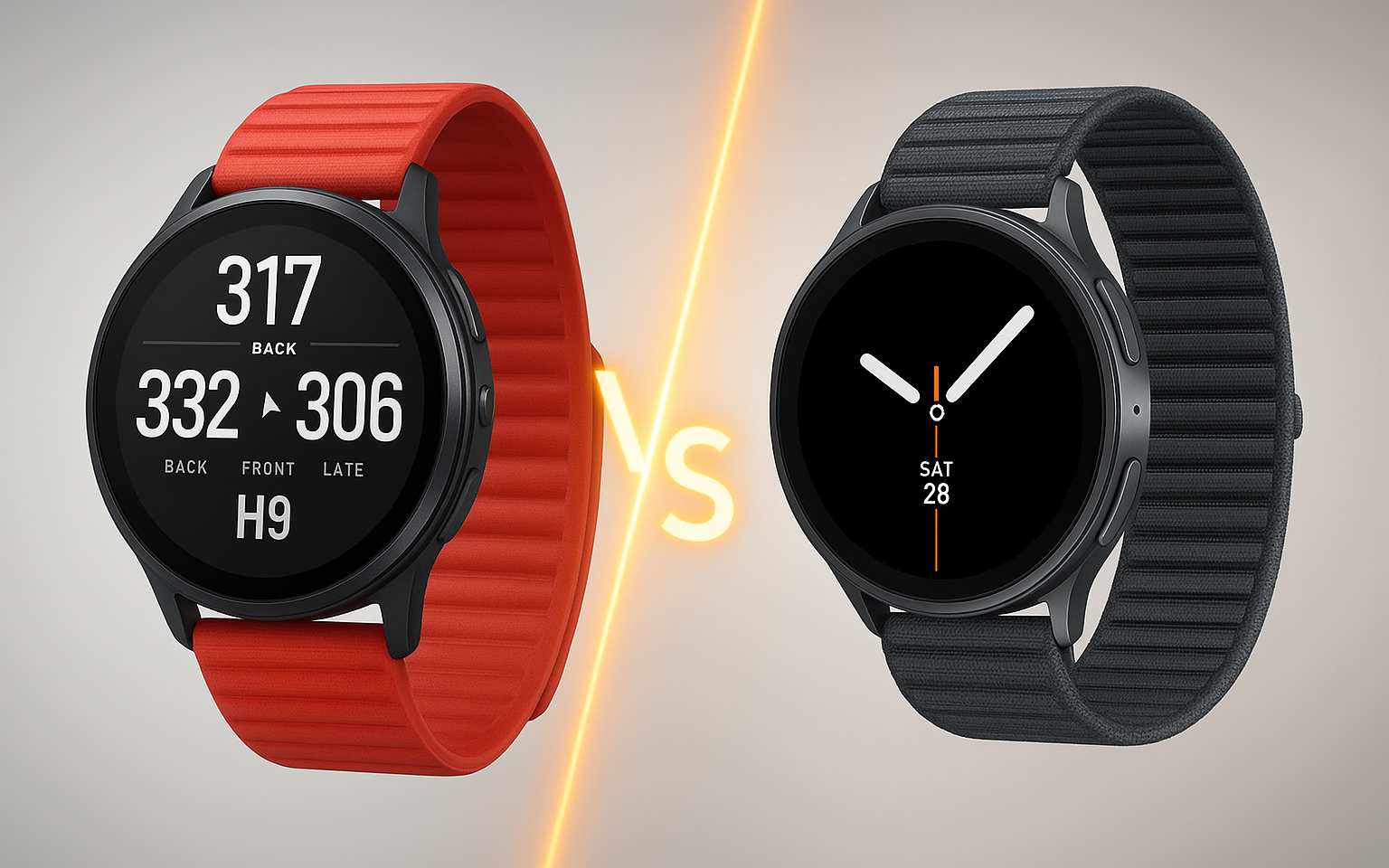
You're choosing between two radically different philosophies. The Samsung Galaxy Watch 8 is the polished Android flagship — thinner, brighter, and packed with Google Gemini AI. At $349, it delivers Wear OS's full ecosystem and the smartwatch refinement Samsung is known for. The Amazfit Balance 2 costs $299.99 and runs for three weeks on a charge. Where Samsung chases elegance and integration, Amazfit doubles down on endurance and value.
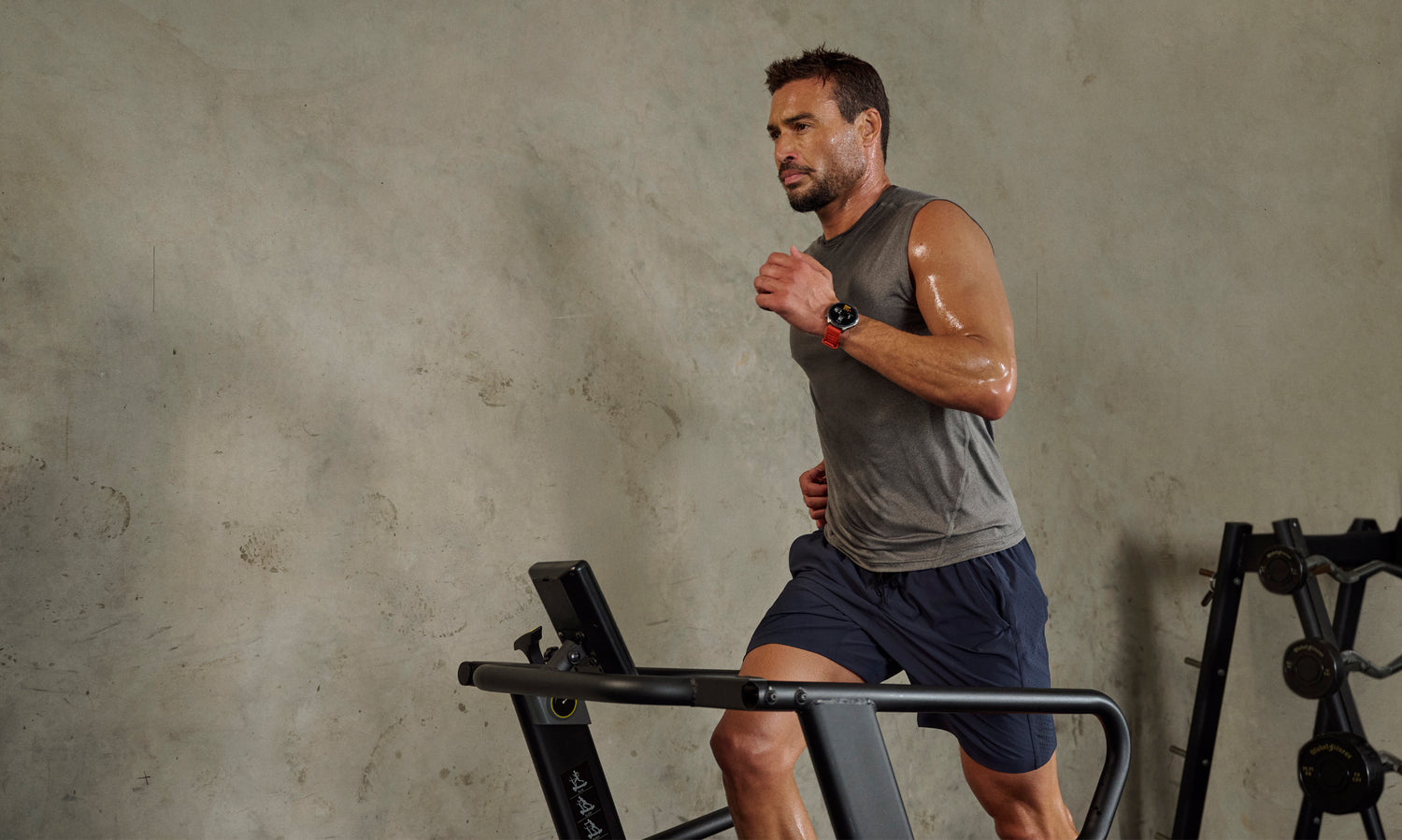
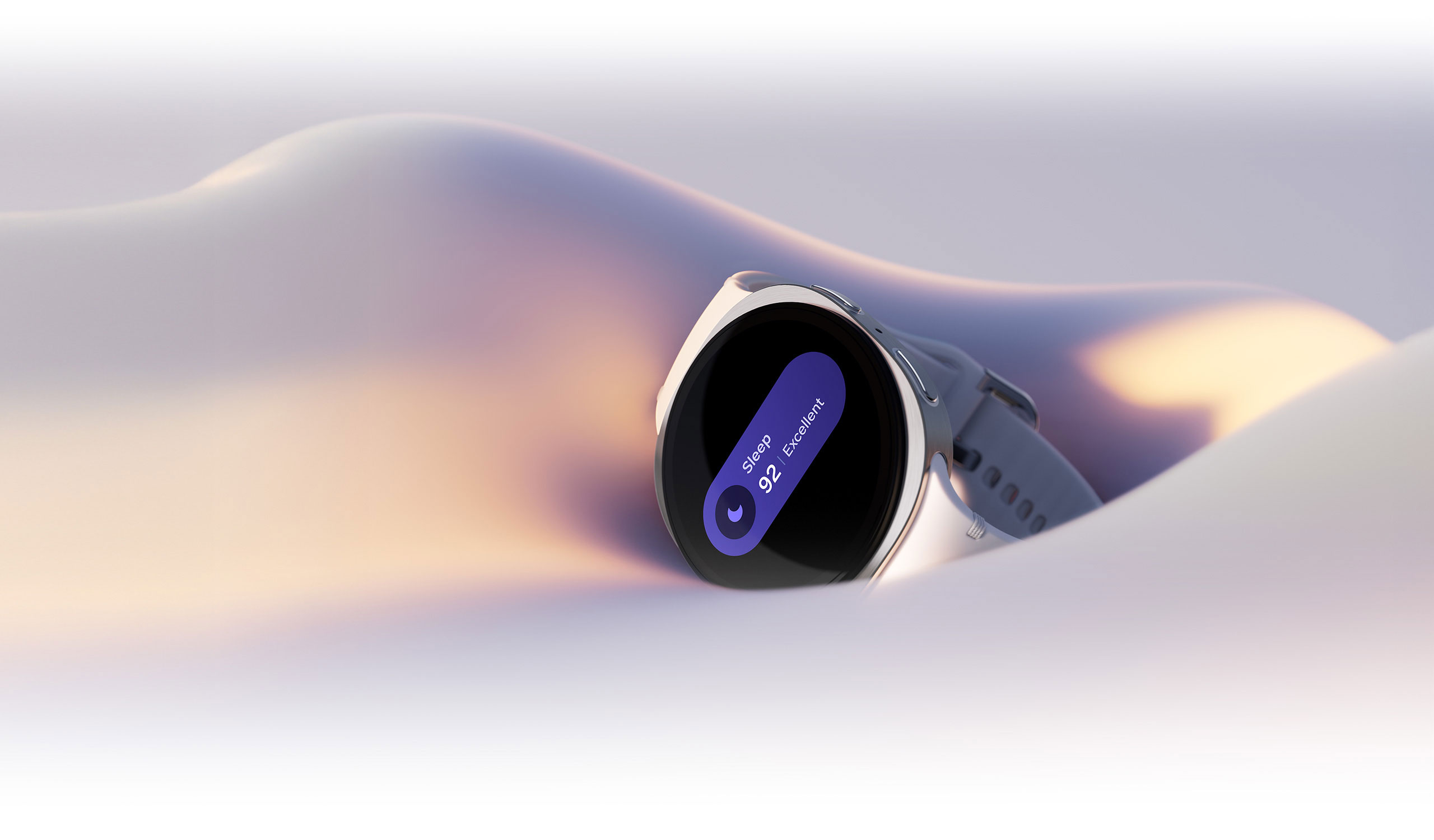
One demands daily charging for daily convenience. The other vanishes on your wrist for three weeks, tracking dives, trail runs, and workouts without subscription fees or app limitations. Both are excellent at what they do. Neither does what the other does well.
The question isn't which is better. It's which tradeoff you can't live with.
Battery Life
The Amazfit Balance 2 runs for 21 days with typical use — notifications flowing, sleep tracking every night, continuous heart rate monitoring. Enable always-on display and you still get 10 days. The 658 mAh cell powers dual-band GPS for 33 hours straight. You charge it twice a month, maybe three times if you're training hard.
The Galaxy Watch 8 lasts up to 40 hours with AOD off on the 44mm, dropping to around 30 hours with always-on display enabled on either size. Real-world testing lands closer to 24 hours with AOD. That's daily charging, full stop. Samsung added 8% more battery capacity on the 40mm model this generation, but that bought hours, not days. The gap isn't close — it's a different category entirely.
If you want a watch that disappears from your charging routine, Amazfit wins decisively. If you already charge your phone every night and don't mind adding a watch to the pile, Samsung's battery life is adequate but unremarkable.
Winner: Amazfit Balance 2
Design & Size Options
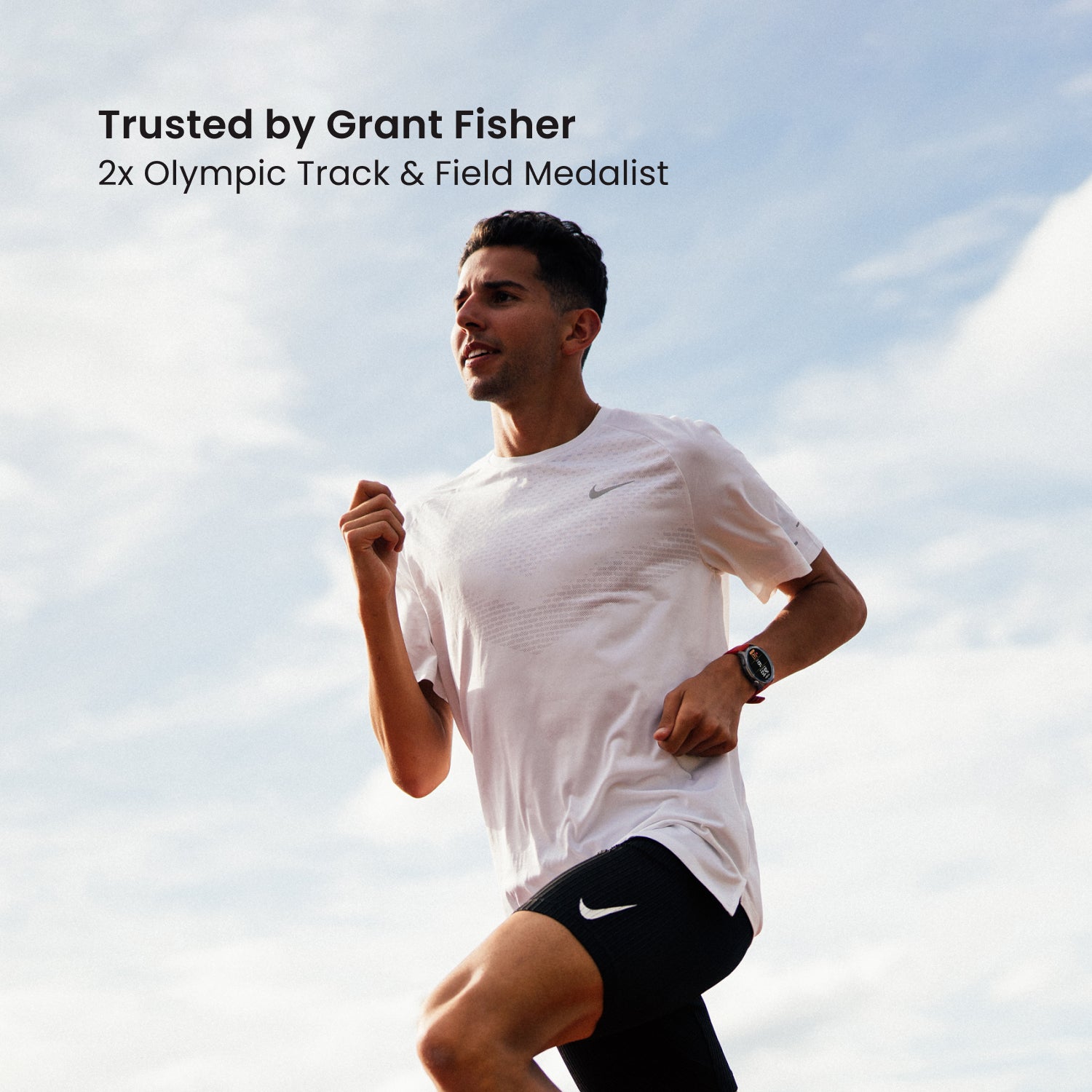
Samsung offers two sizes — 40mm and 44mm — both at a svelte 8.6mm thin. The cushion-style case curves against your wrist, and at 30 grams for the 40mm model (34 grams for the 44mm), it's barely there. The design screams premium Android accessory.
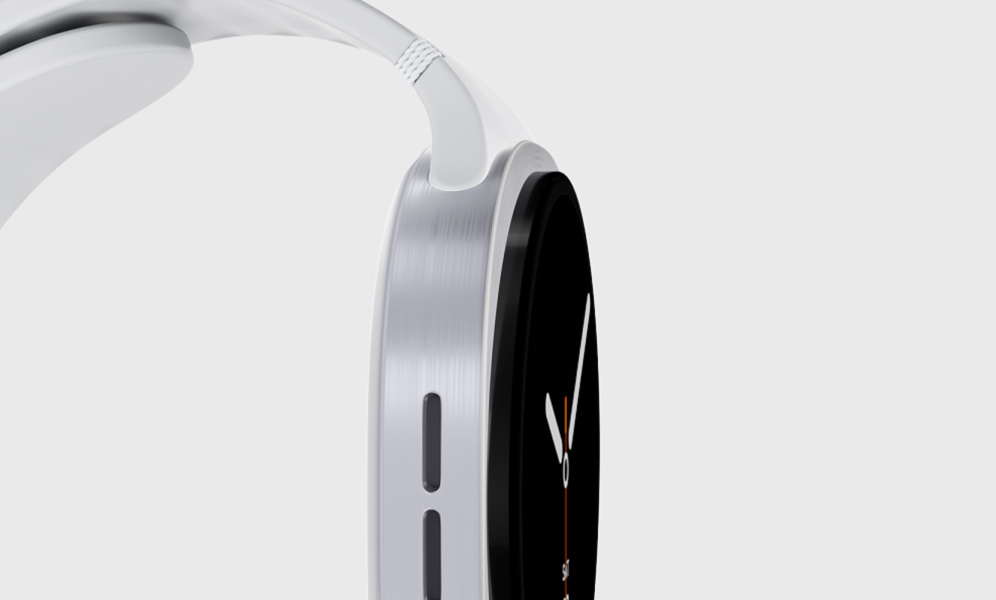
Amazfit makes one size: 47mm. At 12.3mm thick and 43 grams, it's bulkier and sits taller on smaller wrists. The sapphire crystal adds scratch resistance, and the knurled crown feels mechanical and satisfying, but the chunkier profile leans sporty rather than refined. If you have a smaller wrist, the Balance 2 wears large.
Samsung's thinner profile and dual sizing accommodate more wrists. Amazfit prioritizes durability over versatility — 10ATM water resistance rated for scuba diving to 45 meters, sapphire glass that laughs at trail rocks. Samsung's 5ATM and IP68 with MIL-STD-810H certification handle gym sweat and pool laps just fine, but the Balance 2 is built for more serious abuse.
Winner: Samsung Galaxy Watch 8 (versatility and refinement)
Display
The Galaxy Watch 8 hits 3,000 nits. Direct desert sun at noon? Readable. The Super AMOLED panel is vibrant, smooth, and legible in any condition. Samsung offers a 1.34-inch display on the 40mm (438x438) and a 1.47-inch display on the 44mm (480x480).
The Balance 2's 1.5-inch AMOLED peaks at 2,000 nits — still excellent outdoors, slightly dimmer in a head-to-head test. At 480x480 resolution, the pixel density is sharp. The sapphire crystal covering adds a layer of toughness Samsung's glass can't match, but it won't help you read the screen when the sun is glaring.
For pure visibility, Samsung edges ahead. For long-term durability, Amazfit's sapphire wins.
Winner: Samsung Galaxy Watch 8 (brightness)
Health & Fitness Tracking
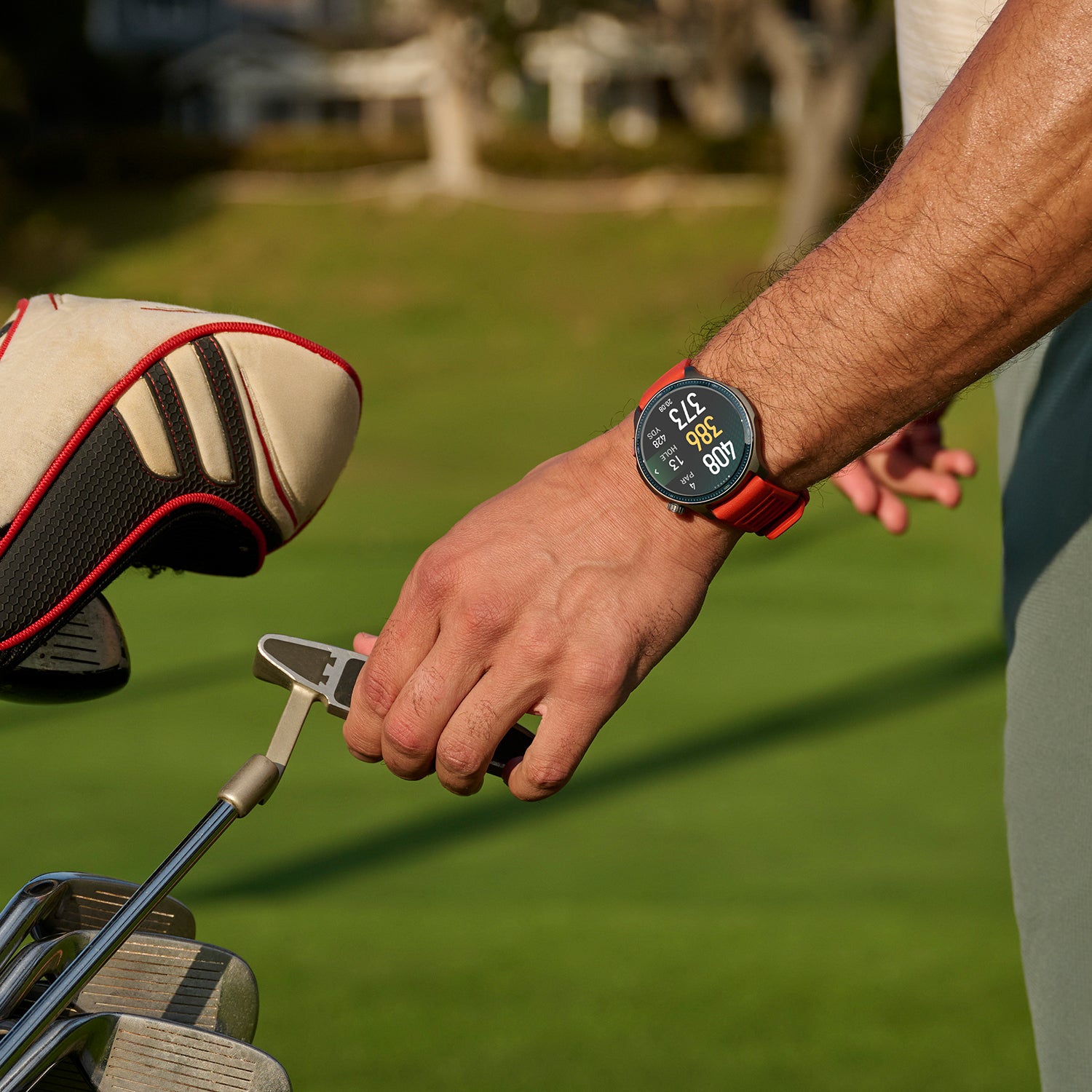
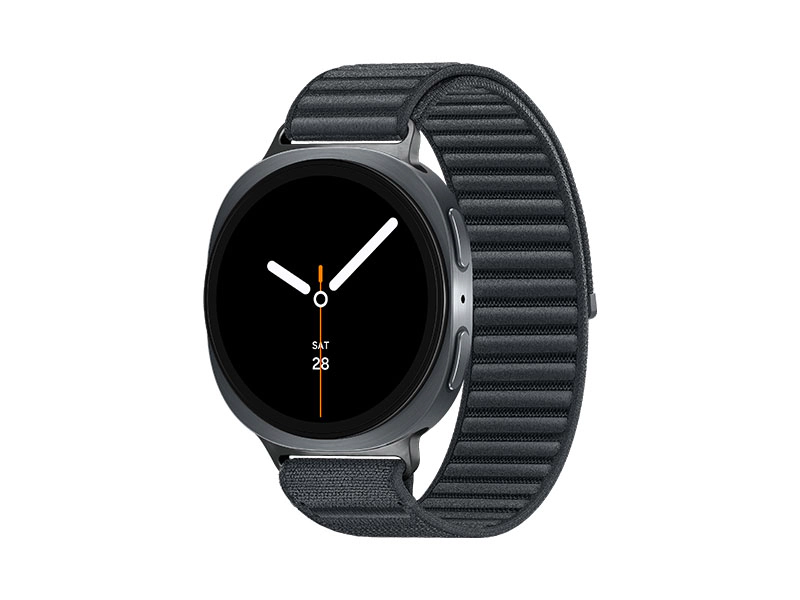
The Amazfit Balance 2's BioTracker 6.0 sensor packs 8 photodiodes and 2 LEDs. It tracks heart rate, SpO2, HRV, skin temperature, and stress around the clock. All 170+ sport modes — including HYROX-specific workouts, scuba tracking to 45 meters, and strength training that automatically identifies 25 exercises — are free. No subscriptions, no paywalled insights. The Zepp app delivers everything upfront.
Samsung's BioActive sensor adds ECG, blood pressure monitoring (where approved), and body composition analysis via bioelectrical impedance. The antioxidant index sensor sounds futuristic but proved gimmicky in testing — Wareable managed to trick it with a Cheez-It held against the sensor. Sleep coaching includes FDA-authorized sleep apnea detection, a legitimately useful health feature Amazfit can't match.
For sheer sport breadth and subscription-free tracking, Amazfit delivers. For comprehensive health monitoring with medical-grade features like ECG and sleep apnea alerts, Samsung's sensor suite is more complete. Different strengths for different priorities.
Winner: Tie
GPS & Navigation
Both watches pack dual-band GPS (L1+L5) and deliver clean track logs in open-sky conditions. But the Balance 2 has the edge in offline navigation with native maps and turn-by-turn directions built into Zepp OS, loaded directly onto the watch via Wi-Fi. You can follow hiking trails, run new routes, and navigate back to your car without touching your phone. The Galaxy Watch 8 recently gained basic Google Maps offline support via a Wear OS update, but it requires WiFi syncing and charging to download map tiles. It is not the same seamless, built-in offline navigation experience the Balance 2 offers out of the box.
GPS battery endurance is the other differentiator. The Balance 2 sustains 33 hours of continuous GPS tracking in high-precision mode, stretching to 67 hours in power-saving mode. The Galaxy Watch 8's battery simply can't compete for long outdoor adventures.
Winner: Amazfit Balance 2 (offline maps and GPS endurance)
Smartwatch Features & Ecosystem
The Galaxy Watch 8 runs Wear OS with One UI 8. That means Google Maps, Spotify streaming, calendar syncing, and thousands of third-party apps. Google Gemini integration lets you ask complex questions from your wrist and get coherent answers — it's the first genuinely useful on-watch AI assistant. LTE versions add standalone connectivity for $50 more.
The Balance 2 runs Zepp OS 5. The app selection is thin — no Spotify streaming, no robust third-party ecosystem, no LTE option. Zepp Flow, powered by OpenAI, handles voice commands but lacks Gemini's contextual depth. Zepp Pay works in 33 European countries but is not available in the United States.
If you want a smartwatch that replaces your phone for quick errands or streams music on runs, Samsung's Wear OS ecosystem is indispensable. If you want a fitness tracker with smart features and don't care about app abundance, Amazfit's simplicity is liberating.
Winner: Samsung Galaxy Watch 8
Value
The Amazfit Balance 2 costs $299.99. You get sapphire crystal, dual-band GPS, 10ATM dive rating, offline maps, 21-day battery, and zero subscription fees. Everything is unlocked out of the box.
The Galaxy Watch 8 starts at $349 for the 40mm and $379 for the 44mm, with LTE adding another $50. Samsung doesn't charge subscriptions for health data either, but the watch demands daily charging and costs $50 to $80 more upfront.
Dollar for dollar, Amazfit delivers more hardware capability for less money. Samsung charges a premium for Wear OS polish and AI smarts — whether that premium is worth it depends entirely on how much you value the ecosystem.
Winner: Amazfit Balance 2
Who Should Buy What
Buy the Amazfit Balance 2 if you:
- Want multi-week battery life and hate daily charging
- Are a runner, hiker, or triathlete who needs offline maps and marathon GPS endurance
- Value durability — scuba diving, trail running, rugged adventures
- Don't need Spotify streaming or a vast app ecosystem
- Prefer no subscriptions and straightforward fitness tracking
- Want the most hardware for under $300
Buy the Samsung Galaxy Watch 8 if you:
- Want the best Android smartwatch ecosystem with Wear OS apps and Spotify
- Find Google Gemini AI genuinely useful on your wrist
- Need medical-grade health tracking — ECG, blood pressure, sleep apnea detection
- Value a sleek, thin design with size options for smaller wrists
- Already charge devices nightly and battery life doesn't bother you
- Want LTE connectivity as an option
Our Verdict
The Amazfit Balance 2 is our pick for most Android smartwatch buyers. For $50 less than Samsung's entry price, you get three weeks of battery life, sapphire crystal toughness, dual-band GPS with offline maps, scuba-rated durability, and zero subscription fees. If you're a fitness-focused user who's tired of nightly charging, nothing else at this price comes close.
But the Galaxy Watch 8 is the better smartwatch. Wear OS's app ecosystem, Google Gemini, ECG and sleep apnea monitoring, and a sleek design that fits any wrist size make it the polished daily driver for Android users who prioritize convenience and connected features over battery endurance.
Pick the Amazfit Balance 2 if you're fitness-first and allergic to daily charging. Pick the Galaxy Watch 8 if you want the most polished Android smartwatch experience and prioritize ecosystem over endurance.
Specs At A Glance
| Feature | Amazfit Balance 2 | Samsung Galaxy Watch 8 |
|---|---|---|
| Price | $299.99 | $349 (40mm) / $379 (44mm) |
| Battery Life | 21 days typical, 10 days AOD | Up to 40h (AOD off) / ~30h (AOD on) |
| Display | 1.5" AMOLED, 480x480, 2,000 nits | 1.34"/1.47" Super AMOLED, up to 3,000 nits |
| GPS | Dual-band L1+L5, multi-constellation | Dual-band L1+L5, multi-constellation |
| Health Sensors | BioTracker 6.0 (8PD+2LED), HR, SpO2, HRV, skin temp | BioActive, HR, ECG, BP, body composition |
| OS | Zepp OS 5 | Wear OS / One UI 8 |
| Sizes | 47mm only (12.3mm, 43g) | 40mm (8.6mm, 30g) / 44mm (8.6mm, 34g) |
| Water Resistance | 10ATM (dive to 45m) | 5ATM, IP68, MIL-STD-810H |
| Offline Maps | Yes, native | Google Maps offline (limited) |
| LTE | No | Yes (+$50) |
| NFC Payments | Zepp Pay (33 EU countries, not US) | Samsung Pay |