
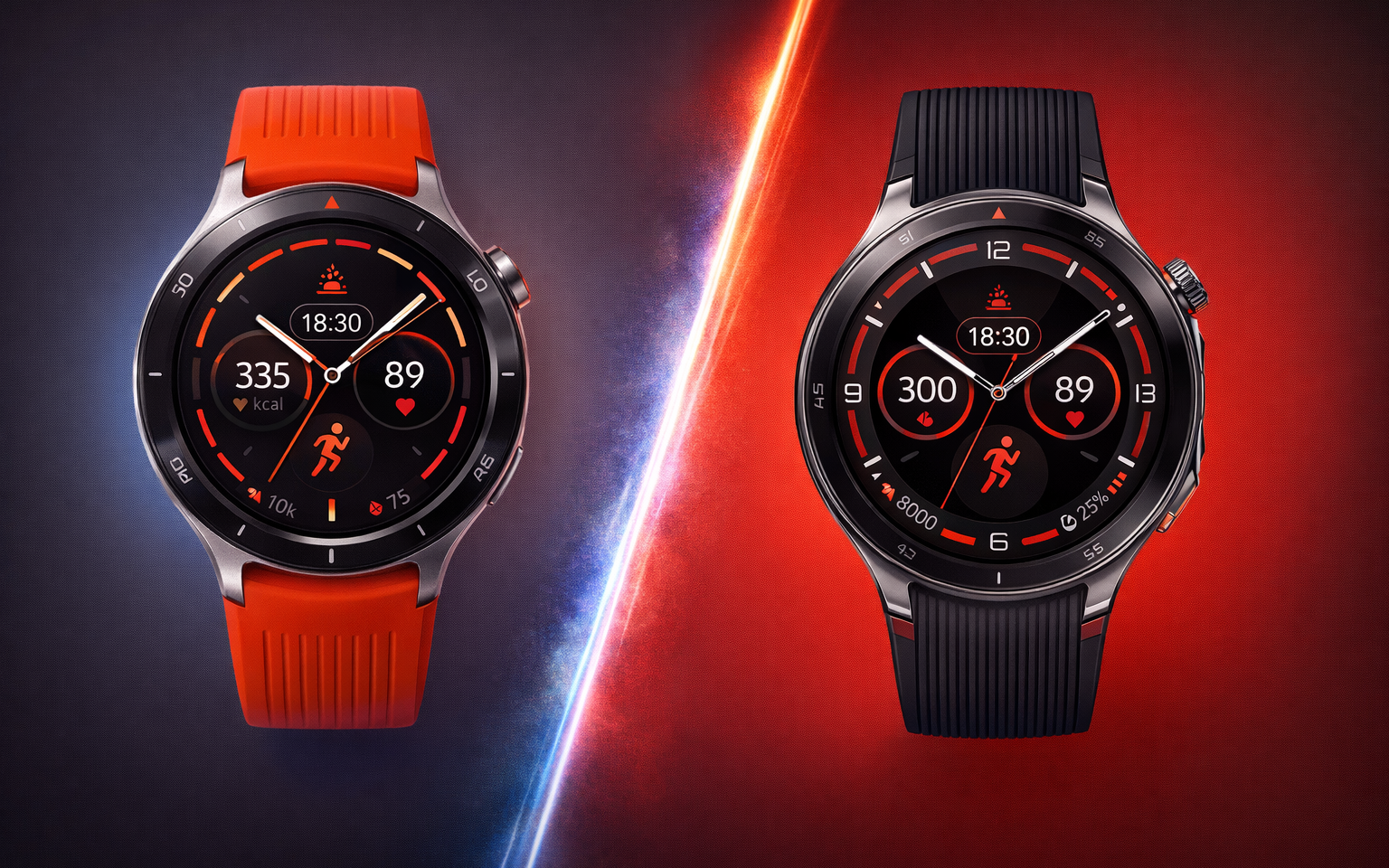
The sub-$350 Android smartwatch has never been this good. For years, budget-conscious buyers had two choices: accept the compromises of a cheap fitness band, or pay Samsung or Google $350-plus for a Wear OS watch that died every night. The Amazfit Balance 2 and the OnePlus Watch 3 reject that premise entirely. Both pack premium materials and multi-day battery life, and both are good enough to make you question whether the Galaxy Watch or Pixel Watch are worth the premium.
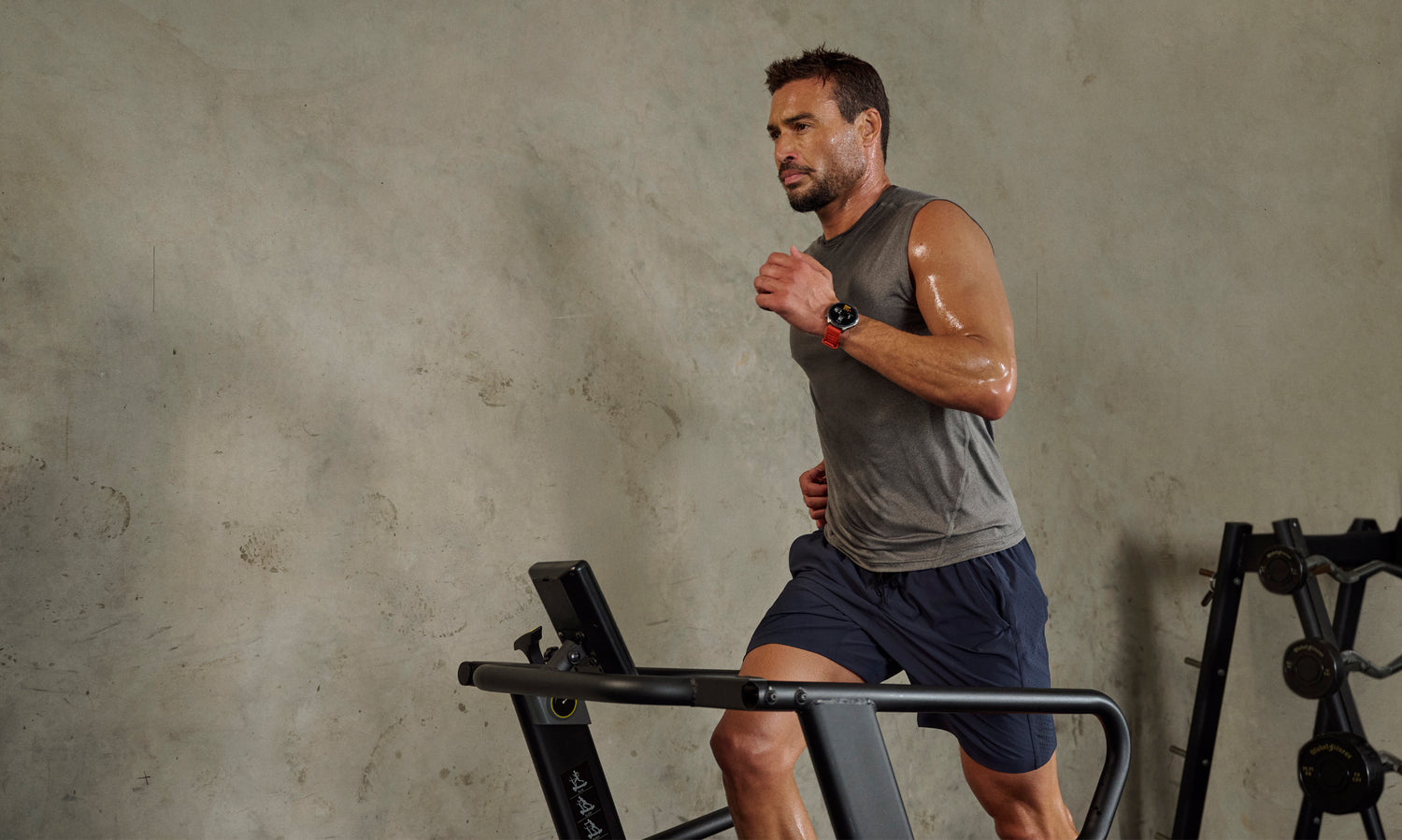
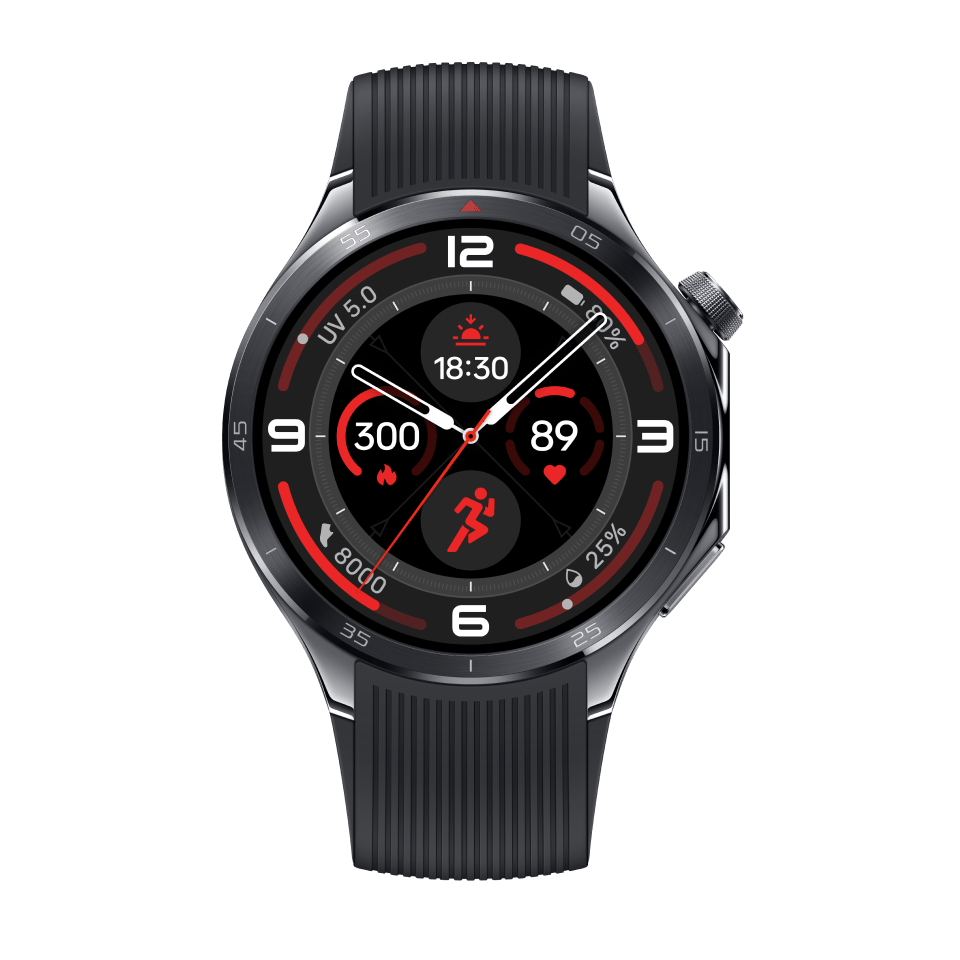
But these two watches could not be more different in their approach. The OnePlus Watch 3 is a full-fat Wear OS smartwatch with Google Play Store access, a titanium-bezel build, and the kind of app ecosystem that makes it a genuine extension of your Android phone. The Amazfit Balance 2 runs Zepp OS -- a proprietary platform with a fraction of the third-party app support -- but counters with three-week battery life, deeper fitness tracking, and compatibility with both Android and iPhone. One wants to be the smartwatch on your wrist. The other wants to be the fitness coach.
The right choice depends entirely on a single question: do you want a smartwatch that happens to track fitness, or a fitness watch that happens to be smart? Here is how they compare across every category that matters.
Design & Build
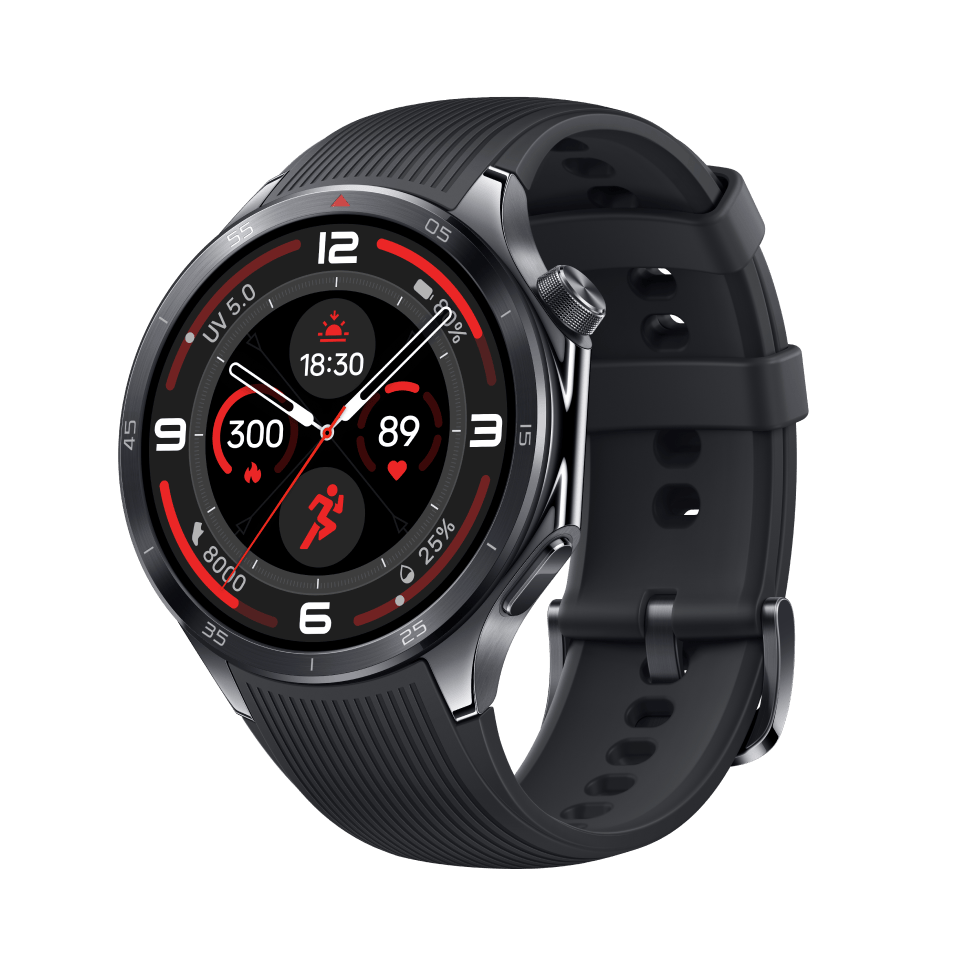
Both watches share a 47mm circular case and 1.5-inch display, but they occupy different design philosophies. The OnePlus Watch 3 leans into the classic dress watch aesthetic with a stainless steel case and titanium alloy bezel that gives it a refined, almost traditional look. The titanium is corrosion-resistant and holds up well against scratches and daily abuse. The rotating digital crown with its tapered, pyramid-patterned grip is a satisfying interaction point.
The Amazfit Balance 2 takes the sporty route with an aluminum alloy and fiber-reinforced polymer case. It looks clean and modern rather than dressy, and the premium feel punches well above its price point. At 42 grams without the strap, it is dramatically lighter than the OnePlus Watch 3's 49.7 grams (81 grams with the strap). That weight difference is not trivial -- it translates directly into comfort during workouts and sleep tracking.
The OnePlus Watch 3's size is its most divisive trait. At 46.6mm wide and nearly 12mm thick, it wears large. The lug design can feel awkward on average-sized wrists, and during runs the watch can bounce noticeably. OnePlus addressed this by releasing a 43mm variant at $299, which trims the bulk significantly but drops the display to 1.32 inches and the battery to 345mAh. The Amazfit Balance 2, despite its 47mm case diameter, sits flatter at 12.3mm thick and its lighter weight makes it far less intrusive during physical activity and overnight wear.
Both watches feature sapphire crystal glass over the display, and both are built to withstand daily abuse. The OnePlus Watch 3 carries MIL-STD-810H certification and IP68/5ATM water resistance, suitable for swimming but not diving. The Amazfit Balance 2 goes further with 10ATM water resistance and support for recreational scuba diving down to 45 meters -- a genuinely differentiating capability for water sports enthusiasts.
Display
On paper, these displays are closely matched. Both are 1.5-inch AMOLED panels under sapphire crystal, and both support always-on display. The resolution difference -- 480x480 on the Amazfit Balance 2 versus 466x466 on the OnePlus Watch 3 -- is imperceptible in daily use. Both displays are sharp, vibrant, and render watch faces and workout data with excellent clarity.
The OnePlus Watch 3 wins the brightness war with a peak output of 2,200 nits compared to the Amazfit Balance 2's 2,000 nits. That 10% advantage is marginal in most conditions, but in harsh direct sunlight during outdoor workouts, the OnePlus panel holds a slight edge in legibility. Both watches are comfortably bright enough for outdoor use in most scenarios -- this is not the dramatic gap you see between budget and flagship watches.
The OnePlus Watch 3 uses an LTPO AMOLED panel, which dynamically adjusts refresh rate to save power. This is one of the enabling technologies behind its strong battery performance despite running full Wear OS. The Amazfit Balance 2's display is no less pleasant to look at in everyday use, and the gap between these panels is far narrower than what separates either from true budget watches.
Both watches support always-on display modes, though enabling AOD impacts battery life differently given the vast gap in their baseline endurance. On the Amazfit Balance 2, AOD costs roughly 10% battery per day -- meaningful but manageable with a 21-day baseline. On the OnePlus Watch 3, the hit is proportionally larger against its five-day runtime.
Performance & Software Ecosystem
This is where the two watches diverge most dramatically, and it is the single most important factor in choosing between them.
The OnePlus Watch 3 runs Wear OS 5 powered by a Qualcomm Snapdragon W5 Gen 1 chipset with 2GB of RAM and 32GB of storage. It is a full Android smartwatch with access to the Google Play Store, Google Maps with turn-by-turn navigation, Google Assistant, Spotify streaming, Strava, and the entire Wear OS app ecosystem. You can reply to messages from your wrist, take calls, and interact with notifications the way you would on a Samsung Galaxy Watch or Google Pixel Watch. The dual-chipset architecture -- Snapdragon W5 for performance tasks and a BES2800 efficiency chip for low-power operations -- is the secret behind its ability to deliver Wear OS functionality with multi-day battery life.
OnePlus has committed to three years of software updates covering Wear OS 5, 6, and 7, with quarterly security patches through 2027. Performance is smooth and responsive -- app launches are quick, animations are fluid, and the overall experience matches or exceeds what Samsung and Google deliver on their own hardware.
The critical limitation: the OnePlus Watch 3 works only with Android phones. No iOS support whatsoever.
The Amazfit Balance 2 runs Zepp OS 5, a proprietary operating system built by Zepp Health. It is powered by the in-house Huangshan 3 processor with 32GB of storage. The Zepp Store offers hundreds of downloadable mini-apps and watch faces, and Zepp Flow provides AI-powered voice control for settings, health queries, and notification readback. The watch works with both Android and iOS devices via the Zepp companion app.
But the app ecosystem gap is enormous. There is no Google Maps, no Spotify, no Play Store, no third-party app ecosystem that comes close to Wear OS. Notification handling is functional but limited -- you can read notifications and use quick replies, but the depth of interaction is shallow compared to a Wear OS watch. Smart features are competent but clearly secondary to the fitness focus.
For anyone who wants their smartwatch to be a genuine extension of their phone -- responding to messages, navigating with maps, streaming music, installing new apps -- the OnePlus Watch 3 is the only option here. For anyone who primarily wants health and fitness tracking with basic smart notifications, the Amazfit Balance 2's software is perfectly adequate and its platform-agnostic compatibility is a meaningful advantage.
Health & Fitness Tracking
The Amazfit Balance 2 is the stronger fitness tool, and it is not particularly close.
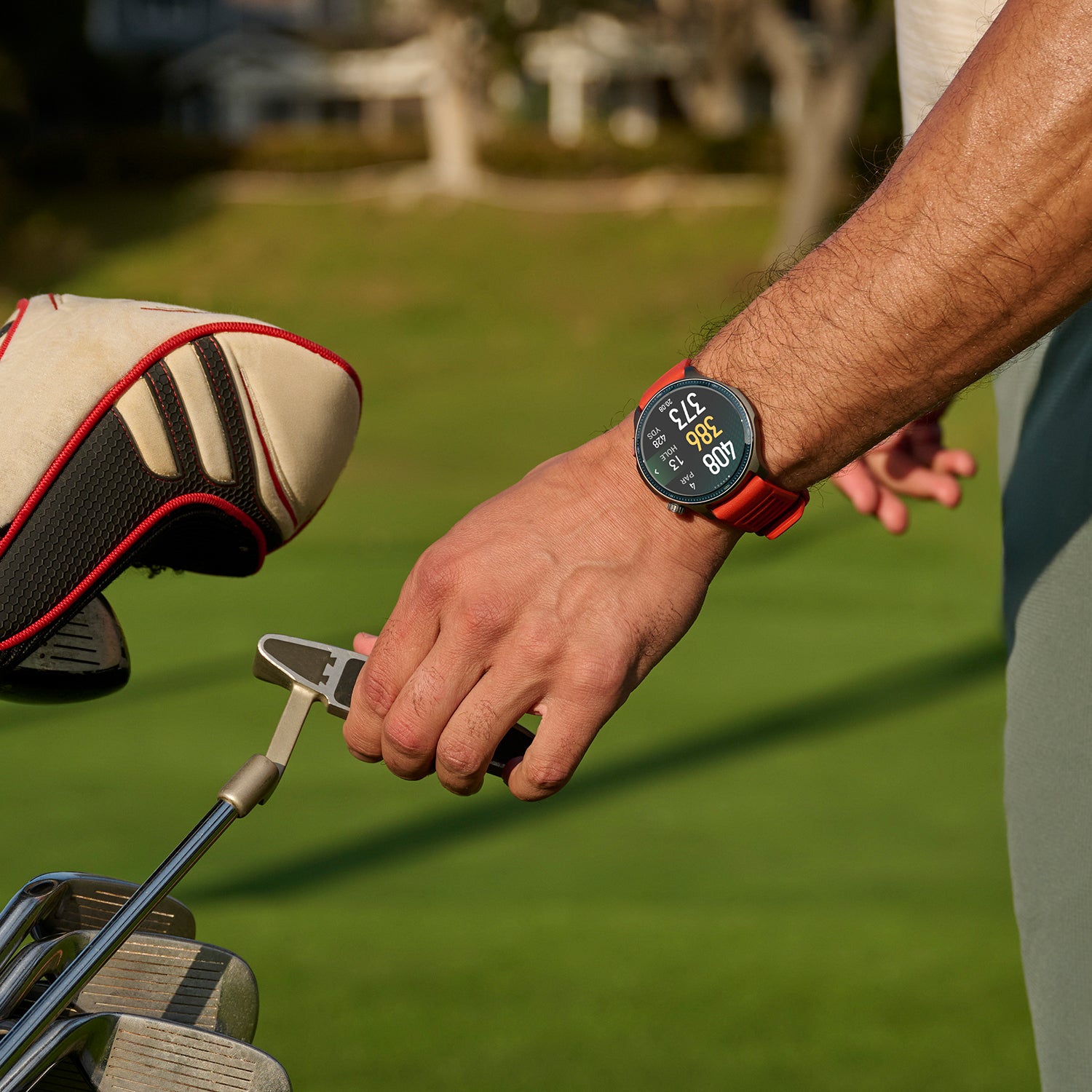
With over 170 sport modes, official HYROX training and competition tracking, downloadable maps for 40,000 golf courses, and professional-grade scuba diving support, the Balance 2 covers an extraordinary range of activities. The new BioTracker 6.0 PPG sensor uses an advanced multi-channel optical array paired with a skin temperature sensor to deliver heart rate, blood oxygen, and stress monitoring. Dual-band GPS delivers reliable accuracy with minimal drift over long distances, though dense urban environments with tall buildings can cause occasional waypoint scatter.
The AI food logging feature in the Zepp app is a standout -- it requires no subscription and offers genuinely useful nutritional tracking that most competitors lock behind a paywall. VO2 Max estimation, recovery time recommendations, training load analysis, and sleep tracking round out a comprehensive fitness package. The insights can be generous -- sleep scores tend to run high, and training load assessments lean optimistic -- but the breadth of data is impressive for the price.
The OnePlus Watch 3 covers over 100 sport modes with solid running metrics including stride length, cadence, vertical ratio, and running power. Heart rate accuracy has improved significantly over the Watch 2, with readings that generally land within one to two beats per minute of dedicated fitness watches. Dual-band GPS provides quick satellite lock and good accuracy, with only minor distance overreporting compared to dedicated GPS sports watches.
Where the OnePlus Watch 3 falls short is in the details. Sleep tracking accuracy for restorative stages -- REM and deep sleep specifically -- remains unreliable. The temperature monitoring implementation is basic, requiring you to manually select a potential cause rather than offering intelligent analysis. Health tracking is much improved over previous OnePlus watches but still trails Samsung, Google, and now Amazfit in depth and accuracy.
The Amazfit Balance 2's optical heart rate sensor has a caveat worth noting: it defaults to spot measurements outside of active workout modes, rather than continuous monitoring. During intense activities with heavy wrist movement -- barbell exercises, for instance -- heart rate readings can lag. These are not dealbreakers, but they are the kind of limitations that serious athletes should be aware of.
Battery Life
Battery life is the category where both watches embarrass the established competition, but the Amazfit Balance 2 operates on a different plane entirely.
The Amazfit Balance 2 is rated for 21 days of typical use on its 658mAh battery. Real-world usage with regular workout tracking, notifications, and heart rate monitoring lands closer to 14 days -- still extraordinary. Heavy use with always-on display and frequent GPS workouts brings it down to roughly 10 days. Continuous GPS mode runs for approximately 33 hours. You can realistically charge this watch every other week and never worry about it dying.
The OnePlus Watch 3 is rated for 120 hours -- five days -- in smart mode on its 631mAh battery, with a power saver mode that extends to 16 days by switching from Wear OS to the low-power RTOS. In daily use with Wear OS active, notifications flowing, and the occasional workout, four to five days is realistic. That is still remarkable for a Wear OS watch -- the Samsung Galaxy Watch 8 and Google Pixel Watch 3 barely last a day or two. The OnePlus Watch 3 gives you a full workweek on a single charge.
The gap between these watches is the gap between "charge it weekly" and "charge it biweekly." Both are vastly superior to the daily-charging routine that Samsung and Google demand. But if battery anxiety is your primary concern -- if you travel frequently, camp, or simply hate the ritual of nightly charging -- the Amazfit Balance 2's endurance is in a class of its own among feature-rich smartwatches.
Value & Pricing
The Amazfit Balance 2 sells for $299.99. The OnePlus Watch 3 starts at $299 for the 43mm model and $349.99 for the 46mm. Since the 46mm is the more direct competitor to the Balance 2 in terms of display size and battery capacity, the Amazfit holds a $50 price advantage at the comparable tier. If you are comfortable with the smaller 43mm OnePlus Watch 3, the price is identical.
Both watches include features that typically command a premium: sapphire crystal glass, dual-band GPS, comprehensive health sensor suites, and multi-day battery life. Neither requires a subscription for core health features -- a pointed contrast to Fitbit's Premium model and a growing trend among competitors to gate features behind monthly fees.
The Amazfit Balance 2 adds cross-platform compatibility (Android and iOS), no-subscription AI food logging, and deeper water resistance. The OnePlus Watch 3 adds the full Wear OS ecosystem, Google Play Store, titanium bezel construction, and guaranteed software updates through Wear OS 7.
At these prices, the Amazfit Balance 2 in particular makes the $349-plus Samsung Galaxy Watch 8 and the $349-$399 Google Pixel Watch 3 look like they are charging a premium for brand name alone. The value proposition from both Amazfit and OnePlus is genuinely compelling.
Who Should Buy What
Buy the Amazfit Balance 2 if you:
- Prioritize fitness and health tracking above smart features
- Want battery life measured in weeks, not days
- Use an iPhone but want a capable fitness watch that is not an Apple Watch
- Need water resistance for swimming or recreational diving
- Travel frequently and cannot tolerate daily or even weekly charging
- Want AI-powered food logging without a subscription
- Prefer a lighter watch that disappears on the wrist during workouts and sleep
Buy the OnePlus Watch 3 if you:
- Want a true smartwatch experience with apps, maps, and message replies
- Value the Google Play Store ecosystem -- Spotify, Strava, Google Maps on your wrist
- Prefer a dressier, more traditional watch aesthetic with titanium accents
- Want guaranteed Wear OS updates through 2027 and beyond
- Need seamless deep integration with your Android phone
- Are comfortable with four-to-five-day battery life (still exceptional for Wear OS)
- Want a watch that works as well at dinner as it does at the gym
Our Verdict
There is no single winner here because these watches serve fundamentally different purposes, and now at slightly different price points.
The OnePlus Watch 3 is the better smartwatch. If you want a wearable that extends your Android phone to your wrist -- with real apps, real navigation, real message handling, and the full weight of the Wear OS ecosystem -- it delivers that experience better than any watch under $350. The titanium build quality, five-day battery life, and smooth performance make the Samsung Galaxy Watch and Google Pixel Watch genuinely difficult to justify at higher prices. For the Android user who wants a do-everything smartwatch, the OnePlus Watch 3 is the value play of the year.
The Amazfit Balance 2 is the better fitness watch. If your primary relationship with your watch is tracking workouts, monitoring health metrics, and getting through multi-day adventures without hunting for a charger, nothing at this price comes close. The three-week battery life, 170-plus sport modes, scuba diving support, and cross-platform compatibility create a package that competes with dedicated sports watches costing significantly more. The smart features are limited, but if you have accepted that your phone handles the smart stuff, the Balance 2 is an outstanding fitness companion.
The deciding question is simple: do you reach for your watch to check messages and open apps, or do you reach for it to start a workout and check your heart rate? Answer that honestly, and the right watch reveals itself.
Specs at a Glance
| Spec | Amazfit Balance 2 | OnePlus Watch 3 (46mm) |
|---|---|---|
| Price | $299.99 | $349.99 ($299 for 43mm) |
| Display | 1.5" AMOLED, 480x480, 2,000 nits | 1.5" LTPO AMOLED, 466x466, 2,200 nits |
| Case Material | Aluminum alloy + fiber-reinforced polymer | Stainless steel + titanium alloy bezel |
| Glass | Sapphire crystal | Sapphire crystal |
| Weight (no strap) | 42g | 49.7g |
| Dimensions | 47.4mm x 12.3mm | 46.6mm x 11.8mm |
| Processor | Huangshan 3 | Snapdragon W5 Gen 1 + BES2800 |
| RAM | N/A (proprietary OS) | 2GB |
| Storage | 32GB | 32GB |
| OS | Zepp OS 5 | Wear OS 5 |
| Battery | 658mAh / Up to 21 days | 631mAh / Up to 120 hours (5 days) |
| Water Resistance | 10ATM (100m, dive-rated to 45m) | 5ATM + IP68 (MIL-STD-810H) |
| GPS | Dual-band | Dual-band |
| Health Sensors | BioTracker 6.0 PPG, SpO2, temp, stress | PPG HR, SpO2, temp |
| Sport Modes | 170+ | 100+ |
| Phone Compatibility | Android + iOS | Android only |
| App Ecosystem | Zepp Store (mini-apps) | Google Play Store |
| NFC Payments | Yes | Yes (Google Wallet) |
| Software Updates | Not specified | 3 years (Wear OS 5-7) |