
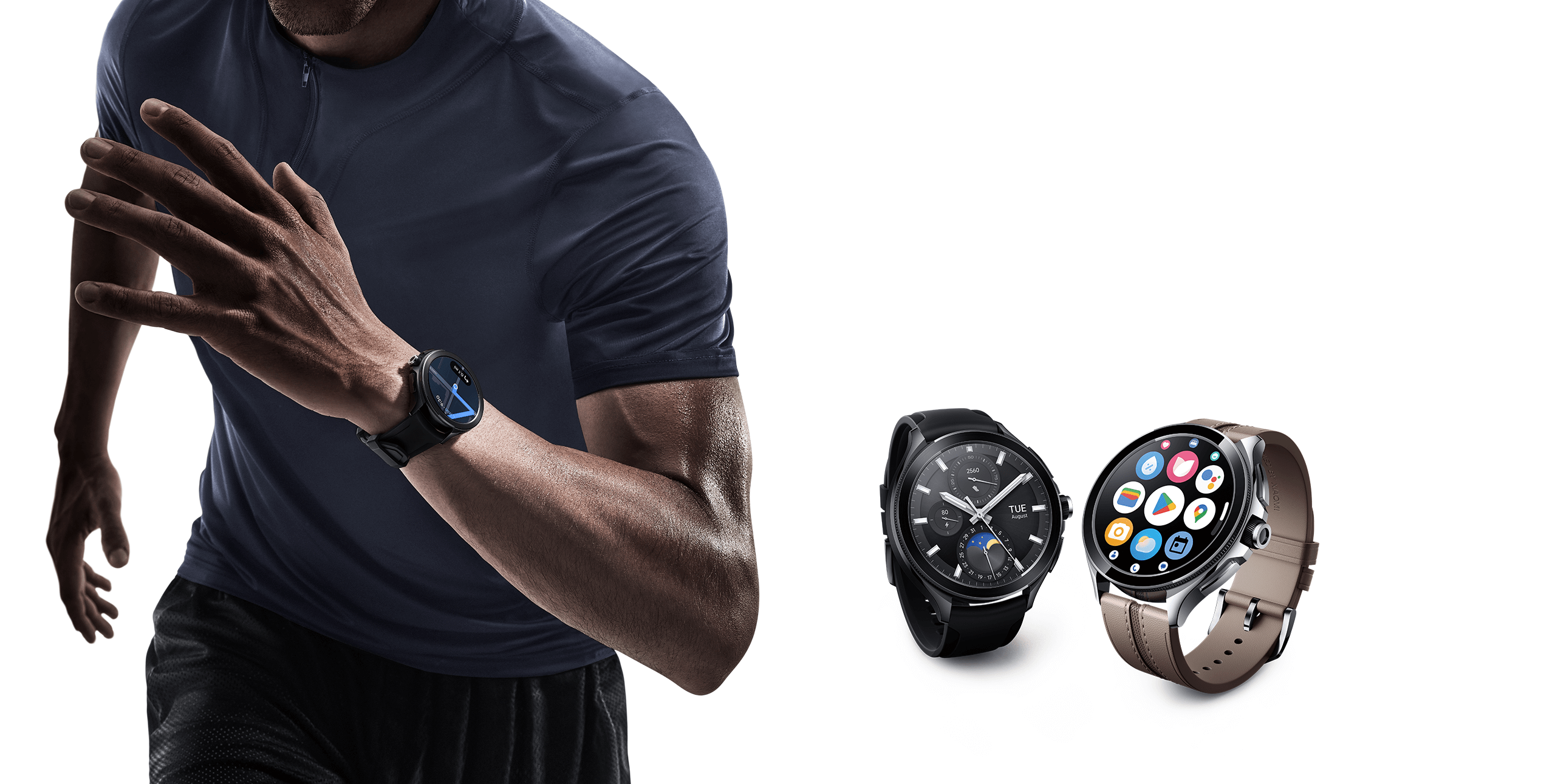
At £239.99, the Xiaomi Watch 2 Pro looks irresistible on paper. Wear OS (launched with 3.5, since updated to Wear OS 4) with full Google services. Snapdragon W5+ Gen 1 processor. Dual-band GPS. Body composition analysis. A gorgeous 1.43-inch AMOLED display wrapped in stainless steel. All for £110 less than a Pixel Watch 2.
Then you actually use it, and the cracks appear fast. The display freezes on a loading screen after charging. Heart rate tracking drops 5-7 BPM low during intervals. GPS wanders 100-200 meters off course despite dual-frequency hardware. The Mi Fitness app shows your sleep data in weekly view but refuses to show last night's breakdown. The body composition sensor swings 2-3% between consecutive readings.
This is the Xiaomi Watch 2 Pro: premium hardware sabotaged by software that feels rushed out the door.
Design & Build
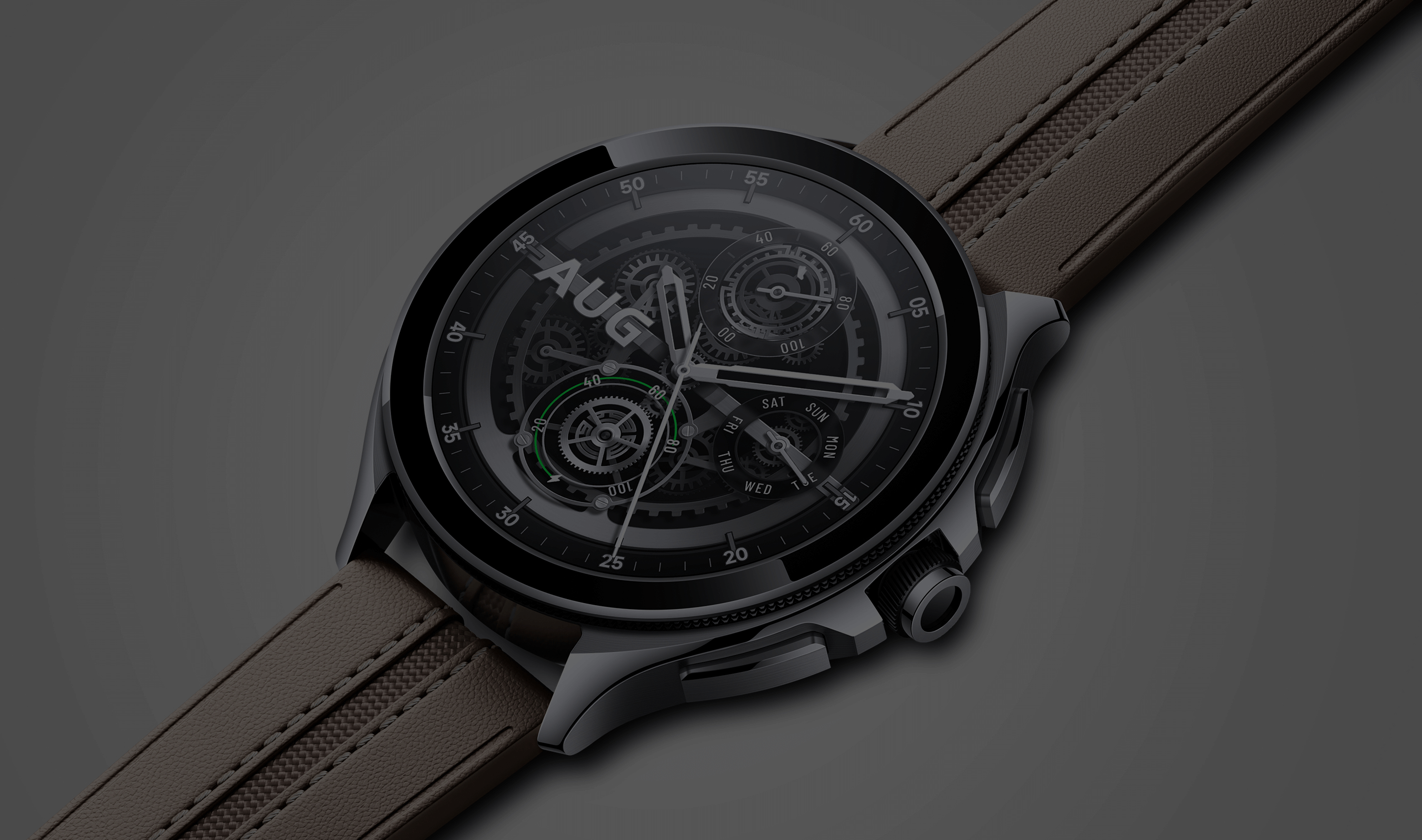
The Watch 2 Pro wears its premium ambitions on your wrist. The 47.6mm stainless steel case catches light beautifully, with a textured bezel that adds tactile sophistication. Available in black with a fluororubber strap or silver with brown leather, both configurations feel like they belong in a higher price bracket.
But that premium feel comes with bulk. At 11.8mm thick and 54.5g without the strap, this watch has presence. Smaller wrists will find it cumbersome, and sleep tracking becomes uncomfortable after a few hours – the size and weight make overnight wear feel unnatural.
The rotating crown is the design highlight. Set into the right side of the case, it rotates with subtle haptic feedback that makes scrolling through menus genuinely satisfying. A short press opens the app grid, while a long press summons Google Assistant. The tactile response rivals watches costing twice as much.
Water resistance hits 5ATM, making it suitable for swimming. Automatic stroke detection works during pool sessions, though GPS accuracy issues undermine open-water tracking.
Display
The 1.43-inch AMOLED display is excellent. At 466x466 pixels, text renders sharp even at small sizes. The 600-nit peak brightness handles direct sunlight with ease, and the 60Hz refresh rate makes animations and scrolling feel fluid – noticeably smoother than 30Hz panels on budget competitors.
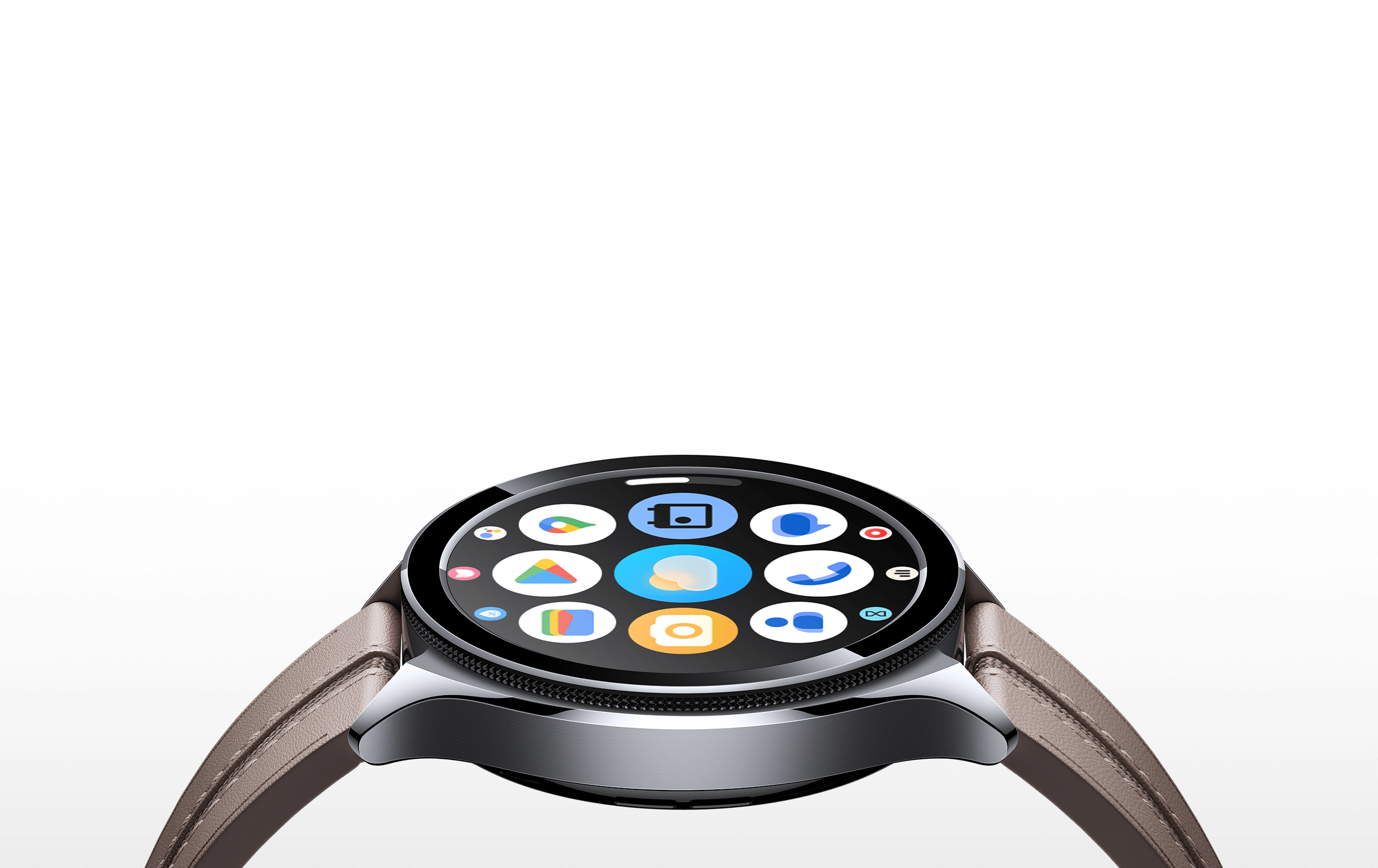
Colors pop with typical OLED vibrancy. Watch faces look crisp, and the always-on display remains legible in most lighting conditions. Xiaomi made smart use of the circular screen – the interface rarely feels cramped, and Wear OS apps scale well to the larger canvas.
Performance & Features
The Snapdragon W5+ Gen 1 chipset paired with 2GB RAM delivers smooth performance when the software cooperates. Apps launch quickly, voice dictation responds without lag, and multitasking between Google Maps, Spotify, and fitness tracking feels fluid. The 32GB storage provides ample room for offline music and apps.
Wear OS brings the full Google ecosystem: Play Store, Google Pay, Google Maps, Assistant, and third-party apps. The LTE variant supports eSIM for phone-free connectivity, though UK carrier support is limited to Vodafone and O2.
The software is where the painful catch begins. Software bugs pervade the experience. The watch occasionally freezes on a loading screen after charging, requiring a forced restart. Spotify crashes mid-playlist. The interface stutters despite powerful hardware – Xiaomi's skin over Wear OS feels unoptimized, with jittery animations that contradict the 60Hz display.
Automatic workout detection does not work reliably. Activities like step counting randomly stop tracking mid-day. The alarm function stopped ringing entirely during testing, requiring a factory reset to fix. These are not isolated incidents – they persist even after software updates.
The 150+ sports modes cover everything from running and cycling to surfing and dancing. Real-time stats display pace, distance, heart rate zones, and calories. The spec list is comprehensive. In practice, the data quality undermines the feature depth.
Body composition analysis uses bioimpedance sensors to measure body fat percentage, muscle mass, and bone density. It is a rare feature at this price point. The problem? Readings fluctuate wildly. Back-to-back measurements showed body fat percentage swinging 2-3%, and results ran 5% higher than validated smart scales. Useful for long-term trends, but do not trust the absolute numbers.
Health & Fitness
The Watch 2 Pro's fitness tracking sounds impressive until you examine the data closely.
Heart rate monitoring at steady-state efforts – easy runs, walks, resting heart rate – performs adequately. But introduce intervals or intensity changes, and accuracy collapses. During high-intensity sessions, the watch consistently registered 5-7 BPM lower than chest strap monitors. Some interval workouts failed to detect heart rate entirely, requiring mid-session restarts. The pattern is consistent across multiple test scenarios: the optical sensor struggles when heart rate changes rapidly.
GPS tracking uses dual-band hardware (L1+L5) across five satellite systems. That is high-end hardware typically reserved for sports watches costing £400 or more. Yet the results disappoint. Distance measurements landed 100-200 meters off compared to Garmin reference accuracy. The hardware capability is there; the software optimization is not.
Sleep tracking logs light, deep, and REM phases with reasonable accuracy. But the Mi Fitness app bugs undermine usability – sleep data often displays only in weekly or monthly views, refusing to show individual night breakdowns. More problematic: the watch's size and weight make overnight wear uncomfortable, interfering with the sleep it is meant to track.
VO2 Max and training load calculations exist but amount to rough ballpark figures compared to Garmin or Polar. Without accurate heart rate and GPS data, advanced training metrics become estimates built on shaky foundations.
Battery Life
Xiaomi claims up to 65 hours for the Bluetooth model and 55 hours for LTE. Real-world testing tells a different story.
With always-on display enabled, all-day heart rate tracking, sleep monitoring, and notifications, expect one to two days at best. Heavy GPS use pushes that further down – an hour of dual-band GPS tracking drains 15-20% of the battery.
Fast charging offers partial redemption. The magnetic USB-C charger hits 60% in 15 minutes and a full charge in 32-45 minutes. If you can build a daily charging routine, battery life becomes manageable. But if you wanted a watch that lasts multiple days between charges, the Watch 2 Pro does not deliver.
One charging design flaw: the magnetic charger uses exposed pogo pins that require precise alignment. Dirt or slight misalignment causes charging failures – not as foolproof as wireless charging on competitors.
Who It's For
The Xiaomi Watch 2 Pro works for a narrow audience: budget-conscious Google ecosystem users who prioritize Wear OS app access over tracking accuracy, casual fitness enthusiasts who want basic step tracking without precision, and people with larger wrists comfortable with a large 47mm case who have tolerance for troubleshooting software issues. If you want to stay in the Xiaomi ecosystem but prefer a non-Wear OS alternative, the Xiaomi Watch S4 offers better battery life and build quality at a lower price.
Who Should Skip
Avoid this watch if you train seriously with heart rate zones, need accurate GPS for running or cycling, value software reliability, have smaller wrists, expect multi-day battery life, or plan to use sleep tracking regularly.
At this price, the Samsung Galaxy Watch FE offers better software polish and tracking accuracy. The TicWatch Pro 5 delivers superior battery life and fewer bugs. The Google Pixel Watch 2 is pricier but provides a far more polished Wear OS experience. The Xiaomi Watch 2 Pro's hardware deserves better software – until Xiaomi delivers that, competitors offer better value despite higher prices.
For a wider look at affordable options, see our best budget smartwatches guide, and for Android-specific picks, check our best smartwatches for Android roundup.
The Verdict
Score: 52/100
| Category | Weight | Score | Weighted |
|---|---|---|---|
| Core Function | 30% | 40/100 | 12.0 |
| Build Quality | 15% | 80/100 | 12.0 |
| User Experience | 20% | 40/100 | 8.0 |
| Value | 20% | 60/100 | 12.0 |
| Battery | 15% | 53/100 | 8.0 |
| Total | 52/100 |
The Xiaomi Watch 2 Pro earns 52 out of 100 – a masterclass in squandered potential. The hardware is genuinely impressive – stainless steel build, vibrant AMOLED display, rotating crown, dual-band GPS, and a flagship chipset for under £250. On paper, it undercuts the Pixel Watch 2 significantly.
But software quality matters more than spec sheets. Heart rate tracking that drops 5-7 BPM during intervals is not useful – it is misleading. GPS that wanders 200 meters off course wastes dual-frequency hardware. Body composition readings that swing 3% between measurements are not data – they are noise. An app that will not show your sleep from last night defeats the point of sleep tracking.
For casual users who prioritize Google integration and style over accuracy, the Watch 2 Pro offers a cheap entry into Wear OS. But cheap is not the same as good value. Saving £100 does not matter if the data you collect is wrong or the software freezes mid-workout. If you are weighing similarly priced alternatives, the Amazfit Balance 2 delivers more reliable tracking with longer battery life.