
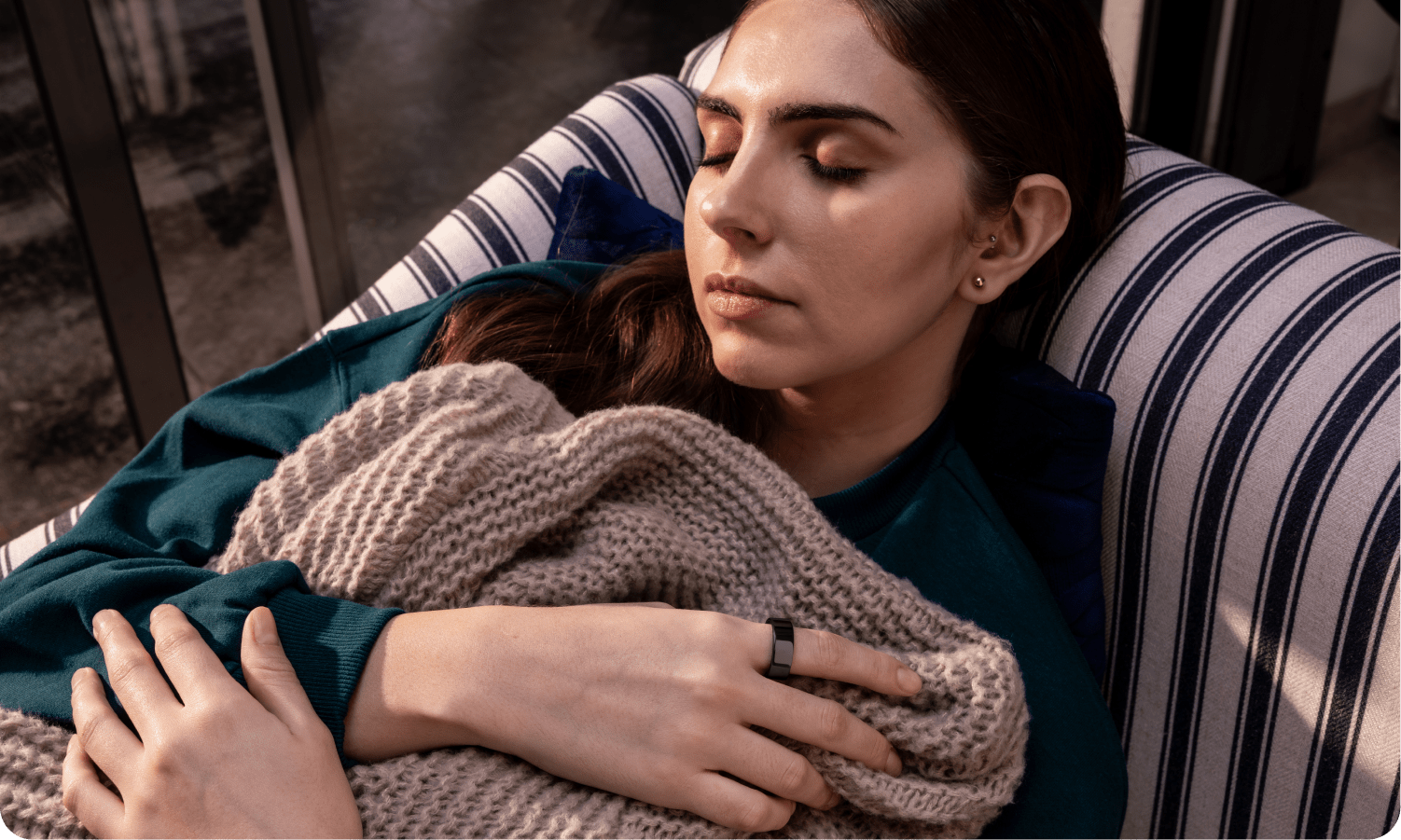
The Ultrahuman Ring Air promises everything smart ring buyers want: featherlight comfort at 2.4 grams, no subscription fees, and comprehensive sleep tracking. At $349, it matches the Oura Ring's price while eliminating the recurring costs. But after examining months of user feedback and community reports, a troubling pattern emerges: rings dying within three months, batteries bloating beyond recognition, and a replacement process that leaves owners frustrated. This is a product whose biggest selling points are undermined by hardware that struggles to survive its first year.
The problems are not isolated incidents. Trustpilot reviews, Reddit discussions, and long-term user reports paint a consistent picture of premature failure. When your $349 ring becomes a paperweight before the warranty expires, the "no subscription" savings become meaningless.
The Verdict
Score: 57/100 – The Ultrahuman Ring Air is not recommended. While the hardware concept is sound and the no-subscription model is genuinely appealing, widespread reports of premature battery failure, bloating, and durability issues make this a risky purchase at $349. The October 2025 US import ban adds further uncertainty. Buyers seeking subscription-free sleep tracking should consider the Samsung Galaxy Ring instead, or pay for Oura's reliability despite its fees.
| Category | Weight | Score | Notes |
|---|---|---|---|
| Core Function | 30% | 62 | Sleep tracking decent when working; HR unreliable during exercise |
| Build Quality | 15% | 55 | Titanium premium feel, but scratches easily and battery bloat reports |
| User Experience | 20% | 68 | App well-designed, no subscription great, but data gaps frustrate |
| Value | 20% | 50 | $349 for hardware with 3-6 month failure risk; US ban complicates purchase |
| Battery | 15% | 45 | Widespread premature failures documented; advertised 6 days, real-world 3-4 |
The Battery Problem
The most damaging issue is battery longevity. Ultrahuman advertises up to six days of battery life, but real-world use typically delivers three to four days. That is acceptable. What is not acceptable is the pattern of complete battery failure within months of purchase.
User reports are consistent and alarming: - "After 3 months, it suddenly died, refusing to charge or reconnect" - "Excellent for the first few months and then the battery gives up. Already on my second ring" - "The ring started to bloat and could no longer fit on the charger" - "My ring was dead in 3 months. When new, each charge lasted a few days but this quickly deteriorated"
Battery bloating is particularly concerning. Multiple owners report their rings physically swelling, making them impossible to charge. This is not normal wear–it suggests a fundamental issue with the battery or thermal management.
Ultrahuman's own FAQ acknowledges that "a gradual reduction in battery life can be expected after 1 to 2 years" and that battery-related replacements are not covered beyond the warranty period. The company is unusually transparent about expected degradation, which is admirable, but the community reports suggest degradation happens far faster than "1 to 2 years."
Build Quality: Premium Materials, Disappointing Durability
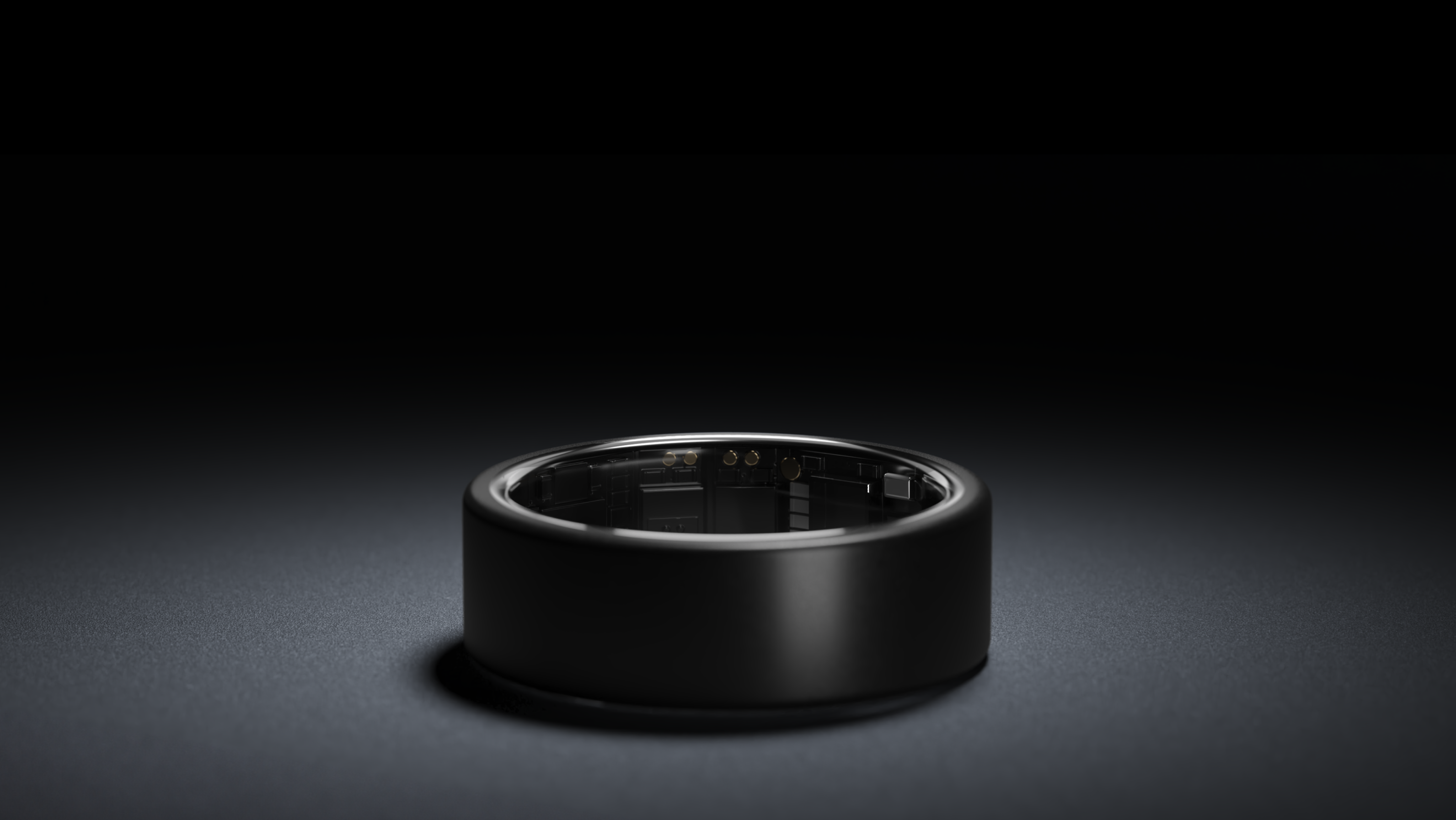
The Ring Air is constructed from "fighter jet-grade titanium" with a tungsten carbide coating and weighs just 2.4-3.6 grams depending on size. On paper, this sounds durable. In practice, the matte black finish scratches easily–even from everyday activities like holding a glass bottle or lifting weights.
TechRadar noted the ring was "prone to scratching," and Digital Trends observed "a handful of scuffs" after just one week. Ultrahuman's own guidance recommends against wearing the ring during weight training or when handling metal objects. For a device designed to be worn 24/7, these restrictions feel limiting.
The internal resin is medical-grade and hypoallergenic, which is good. But the external durability does not match the premium price. By comparison, the Oura Ring 4 uses a similar titanium shell but has far fewer reports of premature cosmetic damage.
Sleep Tracking: Inconsistent Results
Sleep tracking is supposed to be the Ring Air's strength. The results are mixed.
When working correctly, the Ring Air provides detailed sleep stage breakdowns, recovery scores, and temperature trends. The data presentation in the app is genuinely good–comprehensive without being overwhelming, with actionable recommendations for sleep timing and caffeine consumption.
But accuracy is inconsistent. One reviewer noted the Ring Air registered them as asleep while they were reading in bed. Another found sleep duration consistently 1.5-2 hours lower than a competing ring worn simultaneously. The Ultrahuman Ring Air misses awakenings that other devices catch, particularly late in sleep cycles.
Ultrahuman has pushed software updates to address these issues–a September 2024 update reportedly fixed the "awake time counted as asleep" problem. But fundamental accuracy concerns remain, particularly compared to the Oura Ring, which consistently outperforms in head-to-head testing.
Heart Rate: Fine at Rest, Unreliable During Exercise
Resting heart rate tracking is acceptable. Ultrahuman's own validation studies show high overlap with FDA-approved devices during sleep. For overnight monitoring, the Ring Air delivers usable data.
Exercise tracking is a different story. The ring suffers from "cadence lock" during high-intensity activities–picking up the rhythm of footfalls rather than actual heart rate. The heart rate readings during workouts can be 30-40 beats per minute lower than an Apple Watch. Ultrahuman essentially acknowledges this limitation; the Ring Air is positioned for recovery tracking, not athletic performance monitoring. Wrist-based wearables like the WHOOP MG or the Amazfit Helio Ring handle exercise heart rate more reliably.
If you want a smart ring primarily for workout heart rate data, this is not your device.
The US Import Ban
In October 2025, the US International Trade Commission ruled that Ultrahuman infringed on Oura's patents, resulting in a ban on Ring Air imports. Existing owners can continue using their rings, and Ultrahuman has committed to honoring warranties and providing software updates. But new US customers cannot purchase the Ring Air from official channels, and retailers cannot restock.
Ultrahuman has appealed the ruling and announced plans for US-based manufacturing, but the legal battle continues. For US consumers, this adds significant uncertainty to an already risky purchase. International buyers are unaffected.
The Replacement Process
When hardware fails–and based on community feedback, it often does–getting a replacement is an exercise in patience. Users describe the support process as "extremely painful," requiring multiple videos and photos as proof before Ultrahuman ships a replacement.
Some owners report positive experiences with quick replacements. Others describe being passed between support staff repeatedly. The inconsistency mirrors the product itself: sometimes excellent, sometimes frustrating.
Who Might Still Consider It
If you are outside the US, allergic to subscription fees, and willing to gamble on hardware reliability, the Ring Air has genuine appeal: - Lightest smart ring available at 2.4g - No recurring costs for core features - 100m water resistance for swimming - Comprehensive app with sleep insights
But these benefits require the hardware to actually work long-term. Based on current evidence, that is not guaranteed. For a broader look at wearable options, see our guide to the best fitness trackers.
Who Should Skip It
- US buyers – Import ban makes official purchase impossible
- Anyone expecting 12+ months of reliable use – Battery failure reports are too common
- Workout-focused users – Heart rate accuracy during exercise is poor
- Those who prioritize durability – Titanium scratches more than expected
Better Alternatives
Oura Ring 4 ($349 + $6/month subscription): More expensive over time, but significantly more reliable hardware and superior sleep tracking accuracy. The subscription stings, but you are paying for a product that works.
Samsung Galaxy Ring ($399, no subscription): Slightly heavier, Samsung ecosystem only, but no battery failure epidemic. Solid choice for Android users who want subscription-free tracking. For even more options, check out our list of the best WHOOP alternatives.