
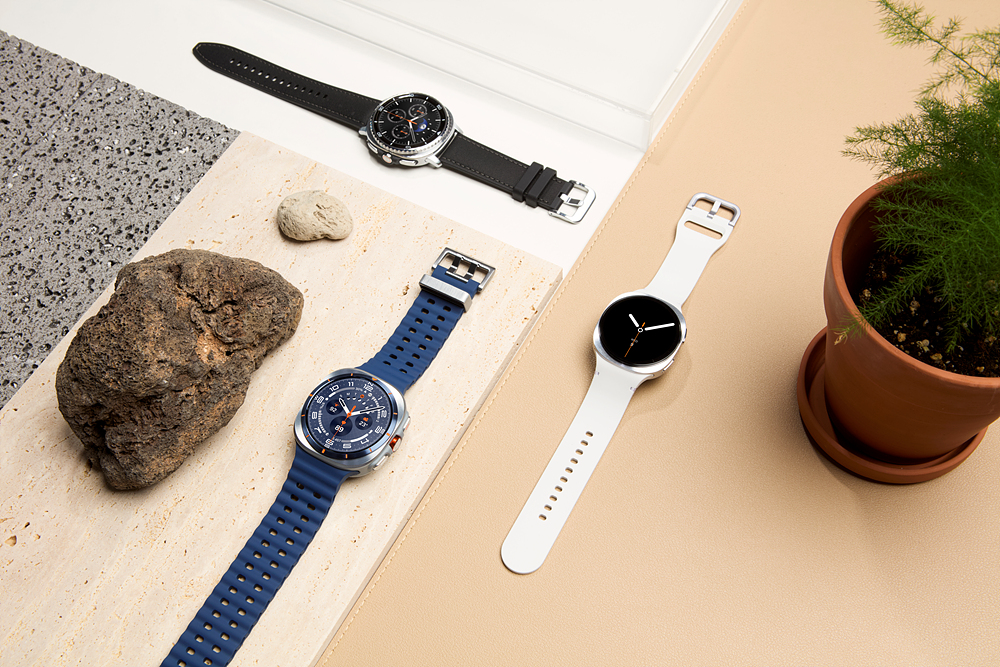
The Samsung Galaxy Watch 8 is the best Wear OS smartwatch you can buy right now–and that's precisely the problem. Samsung has delivered genuine improvements in design, display brightness, and AI capabilities, but the fundamentals that have held back Galaxy Watches for years remain stubbornly unchanged. Battery life still demands nightly charging, a new proprietary band system abandons your existing collection, and a $50 price hike asks you to pay more for what amounts to an iterative refinement.
If you're coming from a Galaxy Watch 4 or earlier, the Watch 8 represents a meaningful upgrade. If you bought a Watch 6 or 7, keep your charger where it is–you already own most of what matters here.
Design & Build: Thinner at a Cost
Samsung has shaved the Galaxy Watch 8 down to 8.6mm thick, an 11% reduction from the Watch 7 that makes a noticeable difference on the wrist. The watch sits flatter, slides under shirt cuffs more easily, and generally feels less like wearing a small computer. It's available in 40mm ($349) and 44mm ($379) sizes, with LTE adding $50 to either configuration.
The squircle case design remains polarizing. Samsung has committed to this rounded-square aesthetic, and you either appreciate its modern distinctiveness or find it awkward compared to traditional circular watches. The build quality itself is excellent–5ATM water resistance, IP68 rating, and MIL-STD-810H durability certification mean this watch can handle real-world abuse.
Here's the frustrating part: Samsung has introduced a new Dynamic Lug band system that breaks compatibility with all existing Galaxy Watch bands. If you've invested in Samsung's band ecosystem over the years, those bands are now obsolete. This isn't a technical necessity–it's an ecosystem decision that prioritizes future lock-in over customer goodwill.
The rotating bezel, beloved by longtime Samsung watch users, remains absent from the standard Watch 8. If physical controls matter to you, the Watch 8 Classic is your only option.
Display: Finally Readable in Sunlight
The 3,000-nit Super AMOLED display is the Watch 8's least controversial upgrade. At 50% brighter than the Watch 7, it's genuinely readable in direct sunlight–a persistent weakness of previous generations. Colors remain vibrant, blacks are deep, and the always-on display is now actually usable outdoors without cupping your hand over the screen.
This is the kind of straightforward improvement that makes upgrading worthwhile. No caveats, no asterisks.
Performance & Features: Gemini Changes Everything (If You Use It)
The 3nm Exynos W1000 processor delivers snappier performance across the board. Apps launch faster, animations are smoother, and the general responsiveness finally matches what you'd expect from a $350+ device. The chip also promises better power efficiency, though real-world battery gains are modest.
The headline feature is native Google Gemini integration–the Galaxy Watch 8 is the first smartwatch to run Google's AI assistant directly on the wrist. You can ask Gemini to summarize notifications, draft quick replies, answer questions with web-connected context, and handle multi-step requests that would have required pulling out your phone before.
In practice, Gemini is genuinely useful about 60% of the time and frustrating the rest. Voice recognition works well, responses are typically relevant, and the convenience of not reaching for your phone is real. But Gemini on a watch still struggles with complex queries, occasionally misunderstands context, and can feel slower than just doing things manually.
The new Running Coach feature uses AI to analyze your running form and provide real-time coaching cues. It's most useful for beginners establishing good habits; experienced runners will find the advice generic.
One caveat: the One UI 8 Watch software shipped with bugs causing battery drain and false stress alerts. Samsung has acknowledged these issues and promised fixes by January 2026, but buying a watch expecting a future software fix is always a gamble.
Health & Fitness: Comprehensive but Question the Antioxidant Sensor
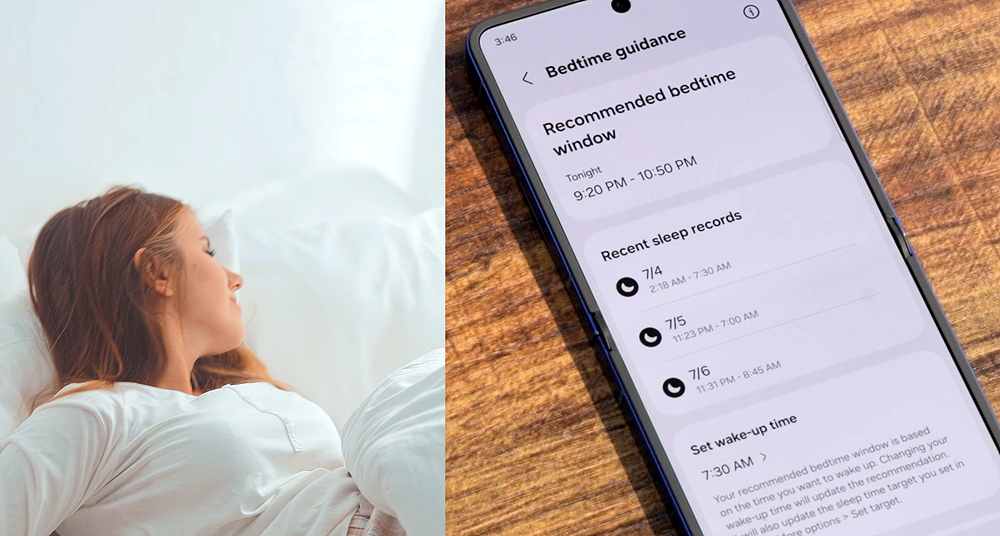
Samsung's health tracking suite remains the most comprehensive in the Android smartwatch space. The BioActive sensor handles heart rate, ECG, blood oxygen, and body composition measurements. Sleep tracking is detailed and reasonably accurate. Workout detection and GPS tracking perform well.
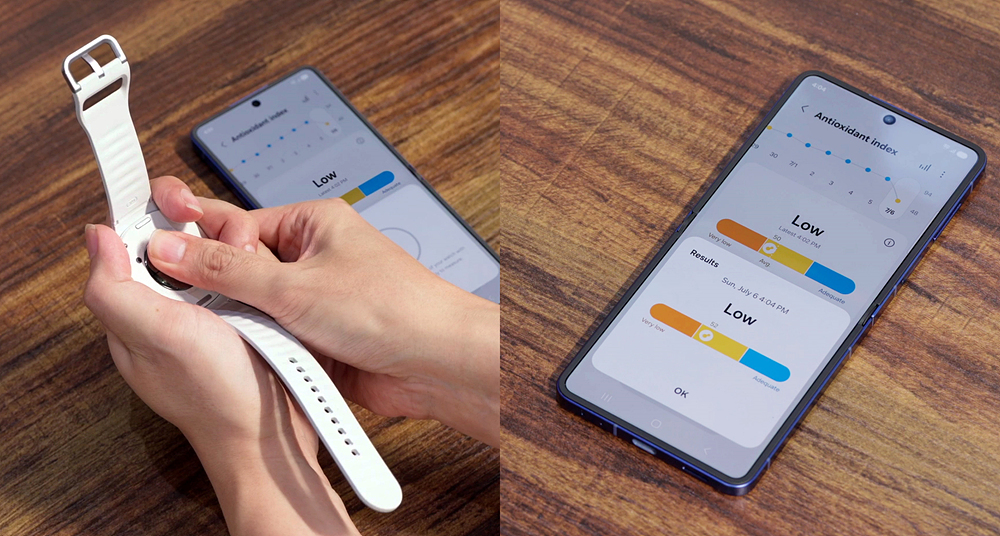
The new antioxidant index sensor is the Watch 8's most dubious addition. It claims to measure your body's antioxidant levels through optical sensing–a metric that sounds impressive until you learn the sensor can be fooled by holding Cheez-Its against it. This isn't a feature ready for real health decisions; it's a marketing checkbox that may improve with future updates but currently lacks the accuracy to be meaningful.
Body composition measurements remain estimates rather than medical-grade data–useful for tracking trends over time, not for precise measurements. Understand these limitations before making the health sensors your primary purchase justification.
Battery Life: The Unavoidable Disappointment
The Galaxy Watch 8 will last approximately 30 hours with the always-on display enabled. That means daily charging is mandatory–not optional, not occasional, mandatory.
Samsung has marginally improved efficiency, and the always-on display drains less power than before, but the fundamental reality hasn't changed since the Galaxy Watch 4. Heavy workout tracking with GPS will drain the battery significantly faster; conservative use with AOD disabled might stretch beyond a full day, but not by much.
If you're coming from a Garmin, Apple Watch Ultra, or any multi-day wearable, this will feel like a significant regression. The 325mAh (40mm) and 435mAh (44mm) batteries simply cannot support extended use with current display and processor technology.
Notably, Samsung has removed reverse wireless charging–the ability to charge your watch from your phone. It was a niche feature, but its removal while prices increased feels like taking with both hands.
Who It's For
Buy the Galaxy Watch 8 if: - You use an Android phone (Samsung preferred) and want the most capable Wear OS watch available - You're upgrading from a Galaxy Watch 5 or earlier - AI assistant features genuinely excite you - You're starting fresh with no existing band collection - Daily charging is already your routine
Skip the Galaxy Watch 8 if: - You own a Galaxy Watch 6 or 7–the improvements don't justify the cost - Battery life is a priority (consider Garmin or Amazfit instead) - You use an iPhone (not compatible) - You've invested in Samsung's previous band ecosystem - You prefer the Classic model's rotating bezel (buy that instead)
For rugged outdoor use and longer battery life, the Galaxy Watch Ultra remains Samsung's top-tier option, though at nearly double the price.
The Verdict
WearableBeat Score: 76/100
| Category | Score | Weight | Weighted |
|---|---|---|---|
| Core Function | 8.5/10 | 30% | 2.55 |
| Build Quality | 8.0/10 | 15% | 1.20 |
| User Experience | 7.5/10 | 20% | 1.50 |
| Value | 7.0/10 | 20% | 1.40 |
| Battery Life | 6.5/10 | 15% | 0.98 |
| Total | 76/100 |
The Samsung Galaxy Watch 8 is a good smartwatch held back by familiar limitations. The thinner design, brighter display, and Gemini integration represent real progress. But battery life remains a daily concern, the new band system abandons existing customers, and the $50 price increase isn't justified by the incremental improvements.
For Android users starting fresh, this is still the smartwatch to beat. For everyone else, the value proposition requires careful consideration of what you're actually gaining versus what you're giving up–including your current band collection and an extra $50.
Samsung's best smartwatch in years is still a smartwatch that needs to charge every night. That equation hasn't changed, and until it does, the Galaxy Watch line will remain excellent rather than exceptional.