
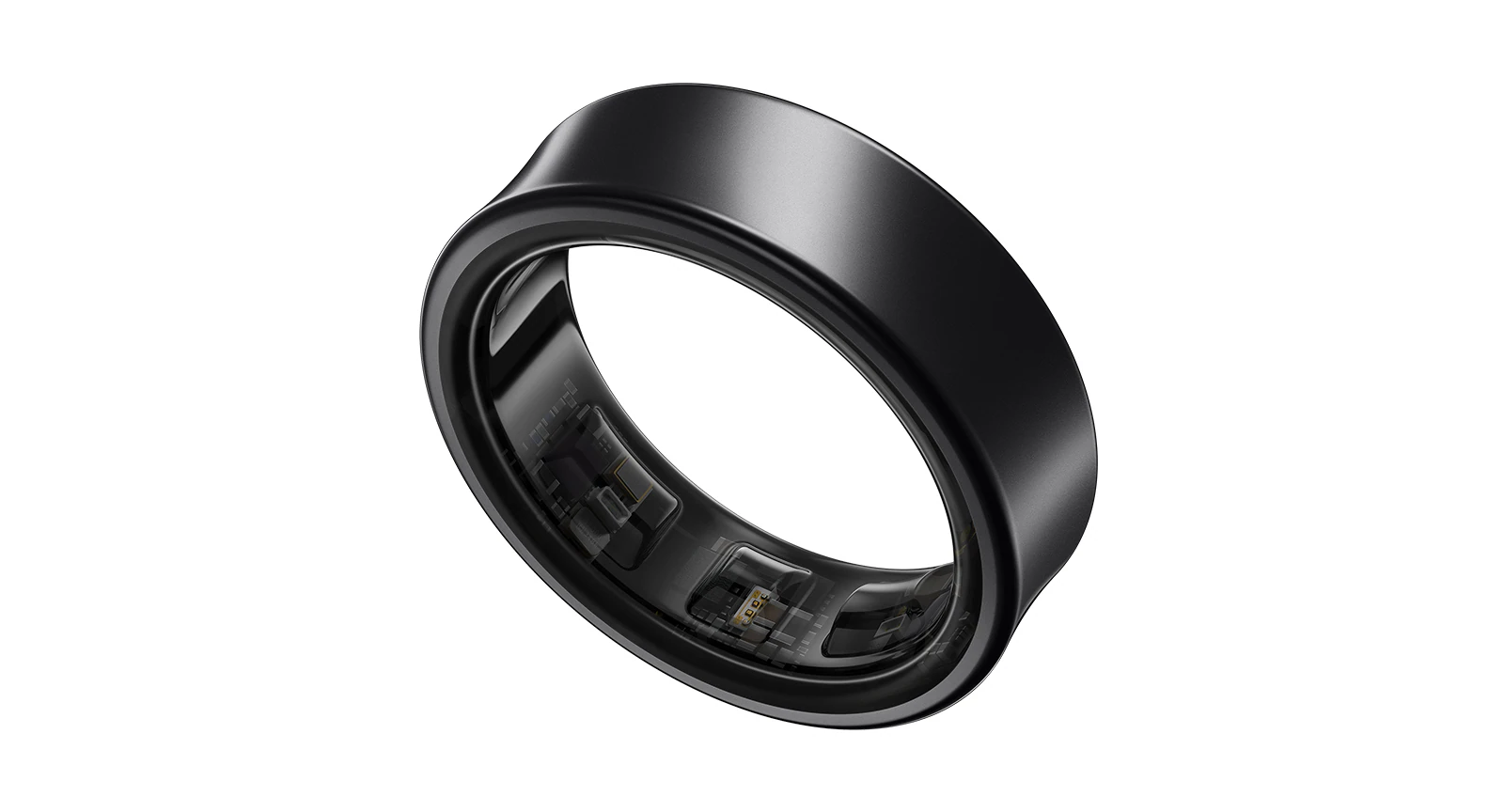
Samsung nailed the hardware but the software needs another generation. The Galaxy Ring is beautifully made, incredibly light, and comes with no subscription fee–a rarity in smart rings. But inconsistent SpO2 readings, unreliable workout tracking, and a two-app software experience reveal this is very much a first-generation product. The foundation is solid. The execution needs work.
Important: The Galaxy Ring is Android-only. iPhone users cannot use it at all. Even among Android users, the best features require a Samsung phone with One UI 6.1+. This isn't a cross-platform device–it's a Samsung ecosystem product.
At $399.99, the Galaxy Ring sits in premium territory without delivering premium reliability across all its features. It's a smart ring for Samsung loyalists who value comfort and ecosystem integration over sensor accuracy. Everyone else should wait for version two.
The No-Subscription Advantage
Before diving into features, let's address the elephant in the room: the Galaxy Ring has no subscription fee. Ever. All features are included at purchase.
Compare that to the Oura Ring 4, which charges $5.99/month ($72/year) just to see your own health data beyond the basics. Over three years of ownership, that's $216 in subscription fees you won't pay with the Galaxy Ring. This alone makes the $399 price tag more palatable–and makes the Galaxy Ring the better long-term value despite costing $50-100 more upfront than Oura.
Design & Build
The Galaxy Ring is among the lightest smart rings available. At 2.3 to 3.0 grams depending on size, it weighs less than most traditional wedding bands. Slip it on and you forget it's there. This is the Galaxy Ring's strongest argument–you can wear it 24/7 without ever thinking about it.
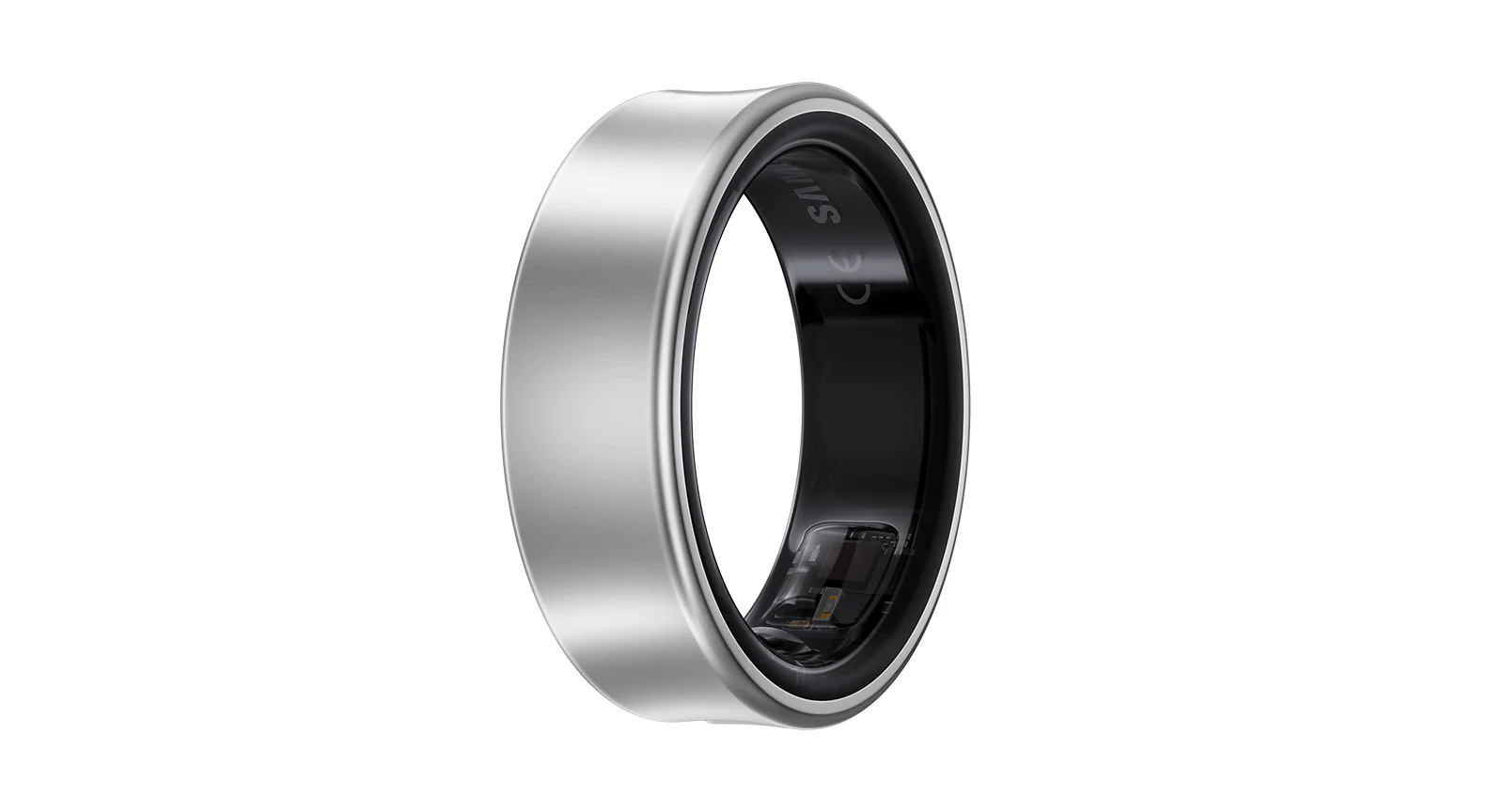
Grade 5 titanium construction gives it genuine durability. The same material used in aerospace and medical implants handles daily wear without scratching or denting. Three color options–Titanium Black, Silver, and Gold–all look understated enough to pass as regular jewelry. No one will ask why you're wearing a computer on your finger.
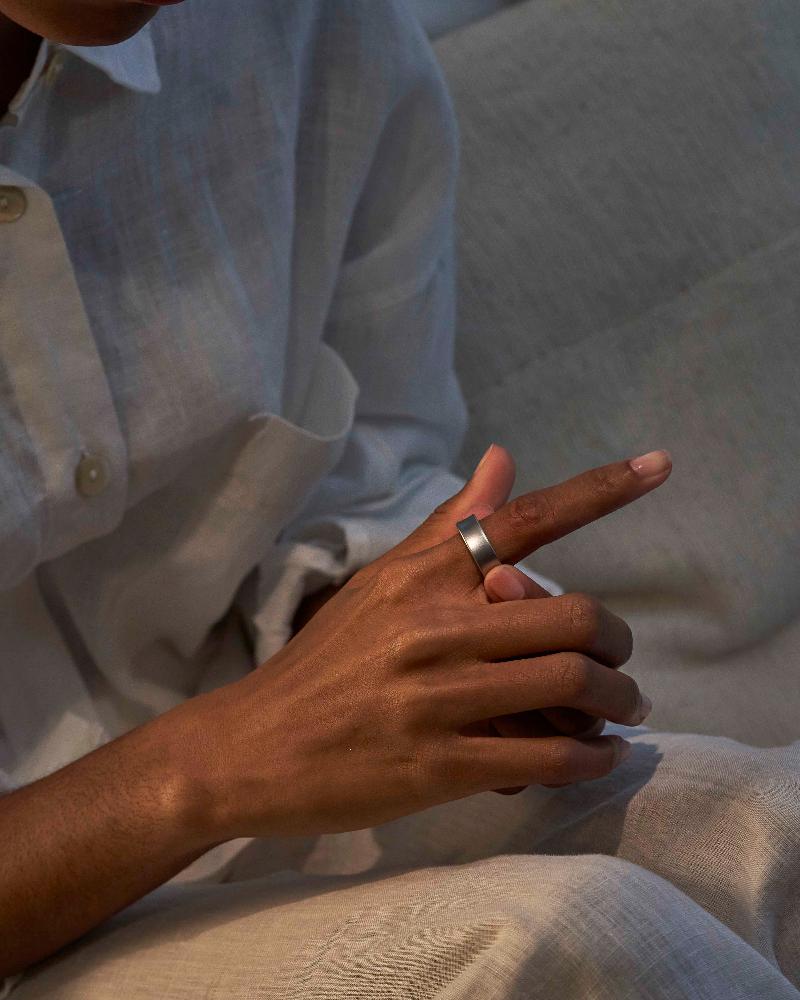
The concave inner surface sits comfortably against skin. Nine sizes (5-13) cover most fingers, though Samsung's sizing kit is essential before purchase–ring sizes vary between manufacturers, and a proper fit affects sensor accuracy. At 2.6mm thick, it's slim enough to wear alongside other rings without looking bulky.
Water resistance hits 10ATM, meaning showers, swimming pools, and accidental submersions are fine. The titanium shows no corrosion after weeks of daily wear including water exposure.

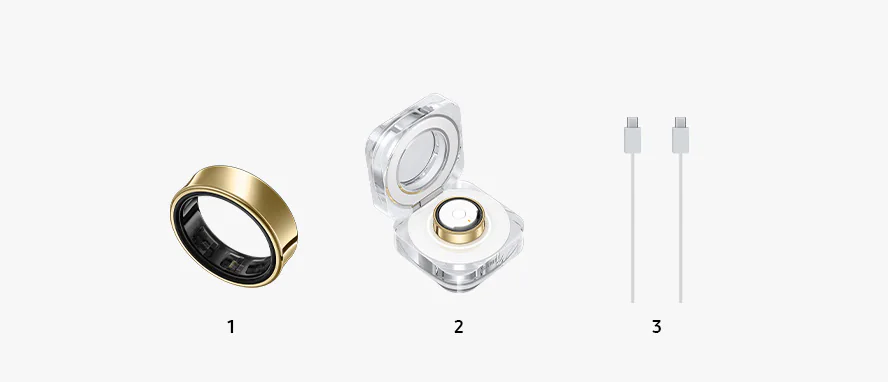
The charging case deserves special praise. It's a compact clamshell that holds a charge for multiple ring top-ups, similar to wireless earbuds cases. Drop the ring in, snap it closed, and charging happens automatically. This is the best charging solution in the smart ring market–far more practical than Oura's plug-in dock that requires finding an outlet. The case itself charges via USB-C.
Performance & Features
Here's where frustration sets in: Samsung requires two separate apps to use the Galaxy Ring. Samsung Health displays your metrics. Galaxy Wearable manages device settings and firmware updates. Want to check your sleep score? Open Samsung Health. Need to adjust a setting? Close it, open Galaxy Wearable. Updated the ring and want to see if your data synced? Back to Samsung Health.
This constant app-switching feels like an oversight that should have been caught in beta testing. Oura, Whoop, and every other major health wearable consolidates everything into one app. Samsung should do the same.
Energy Score is the flagship feature–a daily readiness metric based on sleep, activity, heart rate, and skin temperature. The number (0-100) appears each morning, telling you whether to push hard or take it easy. When the data is reliable, Energy Score provides genuinely useful guidance. The problem is the data isn't always reliable.
Sleep tracking captures time asleep and estimates sleep stages. The overnight heart rate and skin temperature data inform recovery metrics. Sleep stage accuracy feels approximate rather than precise, but the overall sleep duration tracking is dependable. The ring's comfort makes overnight wear effortless–a real advantage over bulky wrist-based trackers that disturb sleep.
Gesture controls let you dismiss alarms and snap photos by double-pinching your thumb and finger. It works, though the novelty wears off quickly. Most users will forget this feature exists after the first week.
For Galaxy Watch owners, wearing both devices extends ring battery life by up to 30%–the watch becomes primary, and redundant ring sensors deactivate.
Health & Fitness: The Accuracy Problem
Sensor accuracy is where the Galaxy Ring stumbles–and for a health-focused device, this matters.
The PPG heart rate sensor performs adequately for resting measurements–the kind of all-day passive tracking that informs recovery scores. But push into active workouts and the reliability drops. During runs, the ring may underreport or overreport significantly compared to a chest strap. Interval training produces particularly erratic data. If you're training by heart rate zones, the Galaxy Ring cannot be your primary source.
SpO2 readings are unreliable to the point of being meaningless. Blood oxygen measurements swing wildly–I've seen readings bounce from 75% to 98% within minutes, with no physiological explanation. A genuine 75% reading would indicate severe hypoxia requiring emergency medical attention. The fact that the ring casually displays readings this low–when other devices show normal 96-99%–means you simply cannot trust this sensor. Do not use Galaxy Ring SpO2 data for any health decisions.
Distance tracking for walks and runs is also inconsistent. Without onboard GPS, the ring relies on step counting and stride estimation, producing distance figures that often don't match reality.
What works well: resting heart rate trends, skin temperature patterns, and basic activity counting. The passive, always-on health monitoring that informs daily readiness scores is where the Galaxy Ring adds value. Active fitness tracking is not this device's strength.
Note what's missing: no ECG, no blood pressure monitoring, no sleep apnea detection. These may come in future generations–Samsung has the technology in their watches–but the first-gen ring focuses on basics only.
Battery Life
Battery life is genuinely excellent. Six to seven days between charges is realistic with typical use–passive health monitoring, sleep tracking, occasional workout sessions. Heavy users who trigger more frequent sensor readings will land closer to six days. Larger ring sizes with bigger batteries can push past seven.
The portable charging case changes the daily experience. Instead of remembering to dock the ring each night, you simply drop it in the case whenever convenient. The case holds enough charge for multiple full ring charges, meaning you can travel for a week without packing a cable. This setup outclasses every other smart ring charging solution.
A full charge from empty takes about 80-90 minutes, and you can get 40% in just 30 minutes. The case itself charges fully in about two hours via USB-C.
Who It's For

Buy the Galaxy Ring if you: - Own a Samsung phone and want seamless ecosystem integration - Prioritize comfort and 24/7 wearability above all else - Refuse to pay subscription fees for health data - Want passive health monitoring without a bulky watch - Are upgrading from no wearable and want something invisible
Skip the Galaxy Ring if you: - Own an iPhone (it won't work–period) - Need accurate workout heart rate tracking - Take SpO2 readings seriously for health monitoring - Expect polished, single-app software - Want advanced health features (ECG, blood pressure) - Are considering the Oura Ring 3 and can afford the subscription
The Verdict
The Samsung Galaxy Ring is a first-generation product that shows tremendous promise alongside real limitations. The hardware is exceptional–lightweight titanium construction, outstanding portable charging case, and no subscription fees. Samsung built one of the most comfortable smart rings available and made the ownership experience friction-free.
The software and sensors need another generation. SpO2 is unreliable. Workout tracking is inconsistent. The two-app experience is clunky. These aren't minor complaints–they undermine the core health tracking purpose.
For Samsung users who want passive health monitoring in an invisible form factor, the Galaxy Ring delivers enough value to recommend cautiously. For anyone seeking accurate fitness tracking or using an iPhone, look elsewhere. The Ultrahuman Ring Air and RingConn Gen 2 both offer subscription-free alternatives with stronger sensor accuracy. If you want wrist-based tracking with a full suite of fitness features instead, the Apple Watch Series 11 remains the gold standard – though at a higher price and with a very different form factor. For a comprehensive comparison of wearable options, see our best fitness trackers guide.
Score: 72/100 – Outstanding build quality (90%) and battery (80%) offset by weak core function (65%) due to unreliable sensors, middling UX (70%) from the two-app experience, and questionable value (65%) at $399 for first-gen software.