

The smart ring market has a pricing problem, and the RingConn Gen 2 exposes it ruthlessly. At $299 with zero subscription fees – ever – it delivers sleep and health tracking that comes within striking distance of the Oura Ring 4, a device that costs $349 upfront and then charges $5.99 per month for the privilege of accessing your own data. Over two years, that Oura investment totals roughly $489. The RingConn Gen 2 stays at $299 – same health insights, same finger, roughly $190 less.
That value gap alone makes the Gen 2 worth serious consideration for anyone interested in passive health monitoring. But value without substance is just a cheap product. The RingConn Gen 2 is not cheap – it is genuinely capable where smart rings matter most: sleep tracking, heart rate monitoring, and sheer wearability. Fitness tracking is the clear weak spot – workout heart rate accuracy falls apart during intense exercise, and the exercise mode library is thin. If you can live with that trade-off, the Gen 2 is the most compelling value in the category.
Design and Build
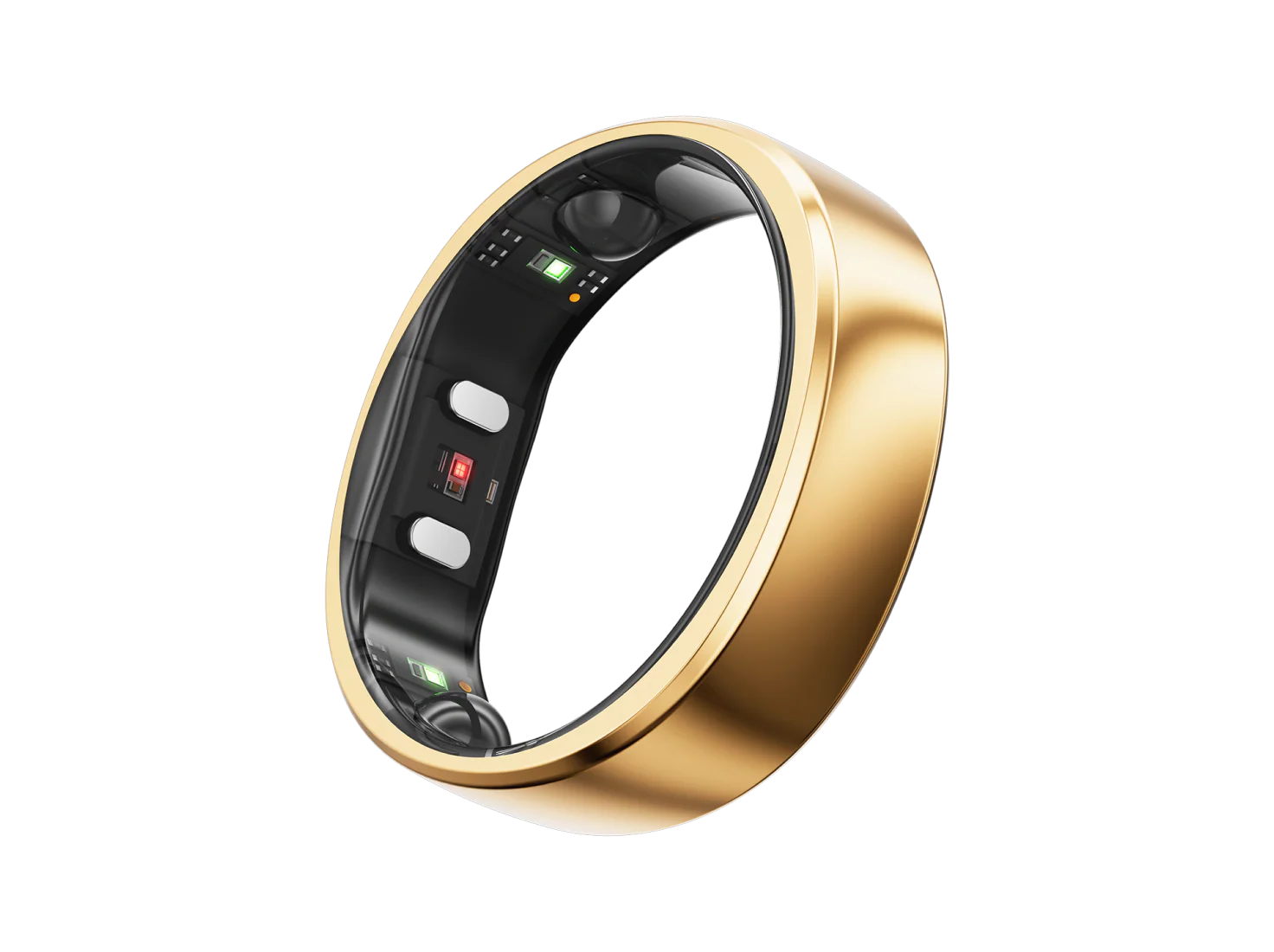
The Gen 2 is a marvel of miniaturization. At 2mm thick and between 2 and 3 grams depending on ring size, it is the thinnest and lightest smart ring available. The Oura Ring 4, by comparison, measures 2.88mm thick and weighs 3.3 to 5.2 grams – nearly a millimeter thicker and up to twice as heavy. The Samsung Galaxy Ring sits at 2.6mm. These differences are immediately noticeable on the finger. The Gen 2 feels like wearing a simple titanium band – the kind of ring you might pick up at a jewelry counter. Within an hour of sliding it on, it effectively vanishes from conscious awareness.
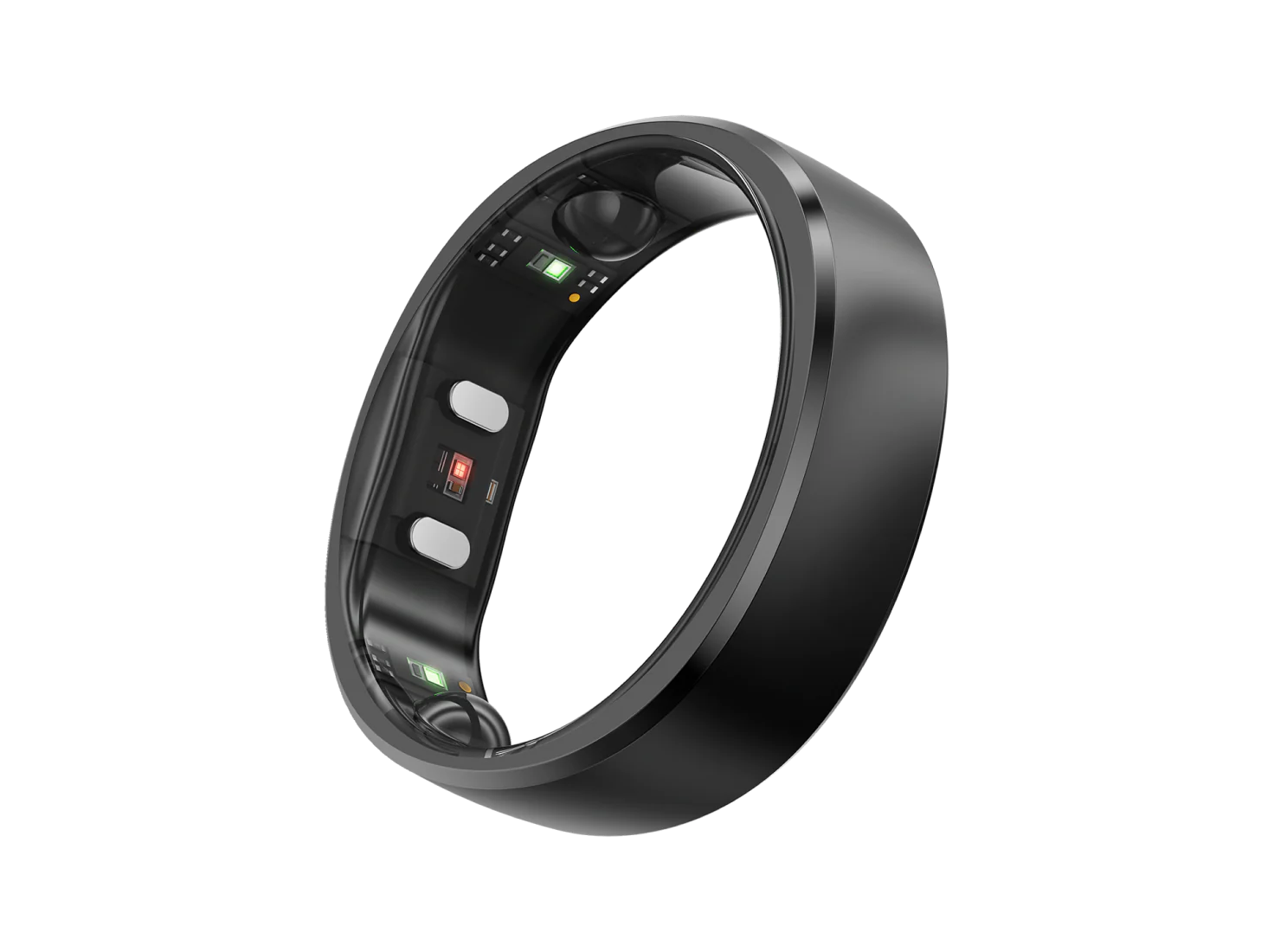
The titanium alloy construction feels solid and premium. RingConn offers the Gen 2 in four finishes: Future Silver, Matte Black, Royal Gold, and Rose Gold (the latter commanding a $60–$100 premium at $359–$399). All finishes use a PVD (physical vapor deposition) coating that gives the ring a clean, modern look out of the box. However, the PVD coating is not invincible. Over time, the palm-side edges – where the ring contacts surfaces during gripping, typing, and general hand use – begin to show visible wear. The ring remains structurally sound, but the cosmetic degradation is worth knowing about upfront, particularly if you choose one of the darker finishes where wear marks stand out more.
Water resistance is a strength. The Gen 2 carries an IP68 rating tested to 100 meters, doubled from the original RingConn's 50-meter rating. Showers, swimming pools, ocean swims, dishwashing – none of it requires a second thought.
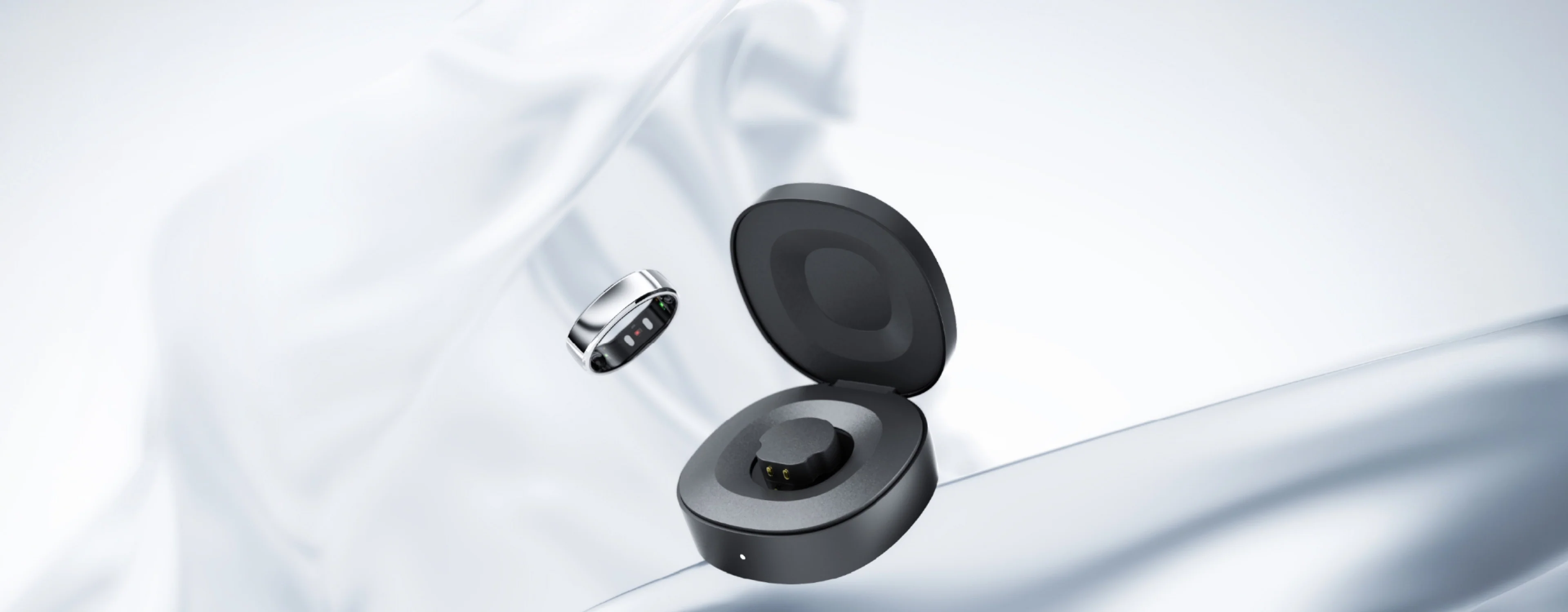
The charging case deserves special mention. A compact magnetic case charges via USB-C and holds enough juice to recharge the ring over fifteen times. Plug the case into a wall once, and it provides over 150 days of total ring battery life before needing a recharge itself. Samsung's Galaxy Ring case manages roughly 1.5 recharges by comparison. The RingConn case turns battery management from a weekly chore into a quarterly afterthought.
Sizing runs from US 6 through 14. RingConn ships a free sizing kit, and given that smart ring fit directly affects sensor accuracy, ordering one before committing is strongly recommended.
Health and Sleep Tracking
Sleep tracking is where the RingConn Gen 2 earns its keep. The ring automatically detects when you fall asleep and tracks duration, sleep stages (light, deep, REM), heart rate throughout the night, blood oxygen saturation, skin temperature deviations, and breathing patterns. Morning results appear in the app with a composite sleep score out of 100.
The quality of this sleep data is genuinely competitive with Oura. Sleep scores land within a few points of what the Oura Ring 4 produces for the same nights. That level of correlation, from a ring costing $190 less over two years, is the Gen 2's strongest argument.
Beyond basic sleep staging, the Gen 2 offers a feature no other smart ring currently matches: sleep apnea monitoring. The ring analyzes breathing patterns and blood oxygen fluctuations overnight to flag potential apnea events. RingConn claims 90.7% detection accuracy. This is a genuinely novel capability – but it comes with a critical caveat. The feature has no FDA clearance and no independent clinical validation. It is better understood as an interesting screening tool than a medical diagnostic. It should not replace a proper sleep study, but for someone who suspects they might have apnea and wants a low-friction way to gather preliminary data, the feature has real utility as a conversation starter with a doctor.
Daytime health tracking covers the expected bases. Continuous heart rate monitoring via four PPG optical sensors produces resting readings that align within 2–3 BPM of other wearables – reliable enough for trend tracking and baseline monitoring. HRV and stress scores provide useful longitudinal data. SpO2 readings tend to run slightly lower than expected compared to medical pulse oximeters, a common quirk of optical sensors that does not undermine the trend data. Skin temperature tracking runs passively overnight and flags deviations from your established baseline, useful for early illness detection and menstrual cycle tracking.
The Gen 2 also delivers a daily wellness balance score that synthesizes sleep quality, activity, and recovery metrics into a single number. It is a helpful snapshot for deciding whether today is a push-it day or a take-it-easy day, though it lacks the granular coaching that Oura's readiness score provides.
Fitness Tracking
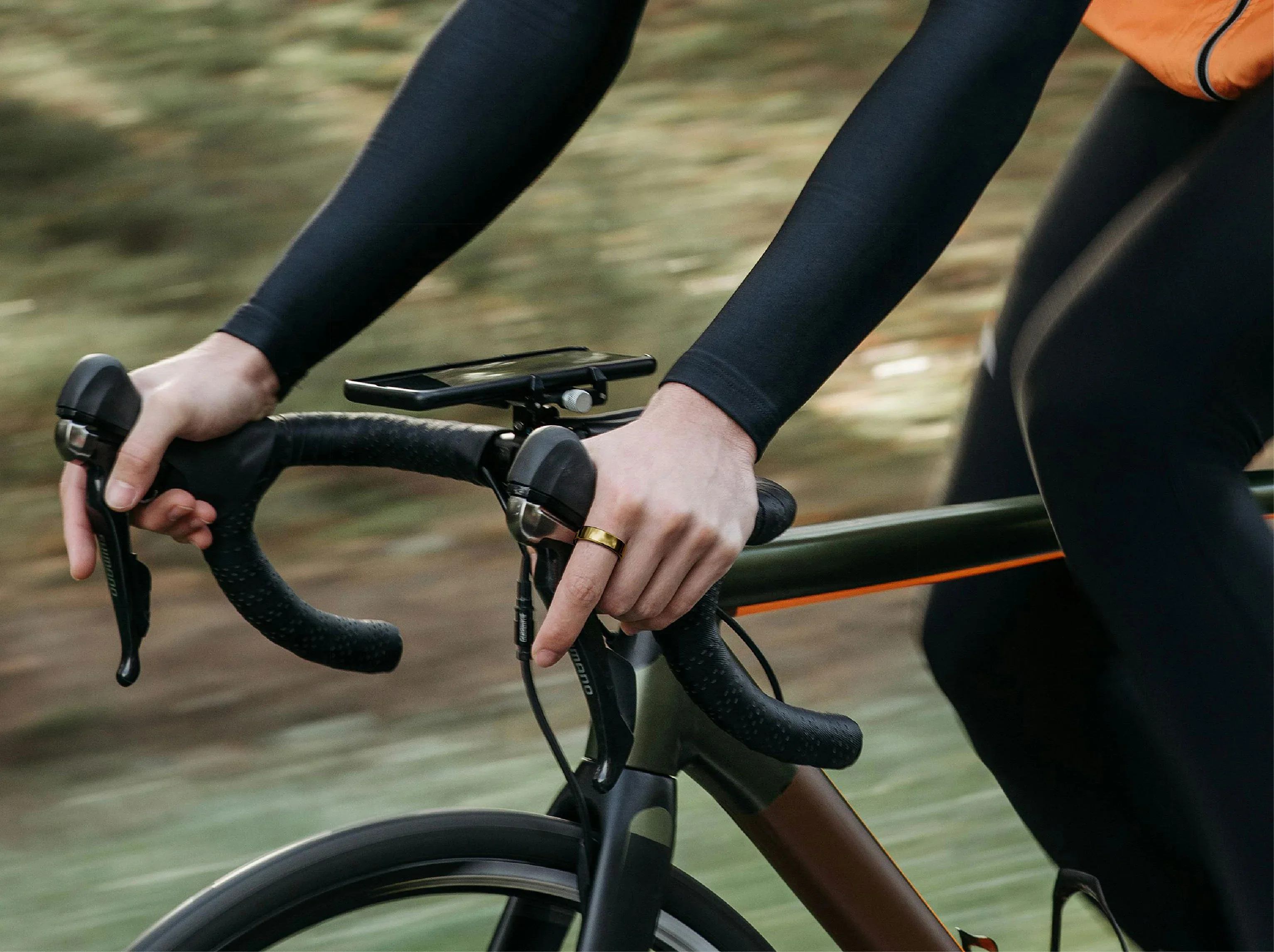
Here is where the RingConn Gen 2 stumbles, and it stumbles hard. At launch, the ring supported only a handful of manual exercise modes – outdoor running, indoor running, cycling, and walking. A 2025 software update added automatic workout detection for sessions over ten minutes, which is a meaningful improvement, but the exercise library remains narrow compared to what the Oura Ring 4 and Samsung Galaxy Ring offer. There is no onboard GPS; route tracking requires your phone.
Exercise heart rate accuracy is the bigger concern. During low-to-moderate activity, readings are broadly reliable. Push into vigorous territory – interval sprints, heavy lifting, high-intensity cycling – and heart rate readings become erratic, sometimes spiking well above actual values. This is not unique to RingConn; optical sensors on a finger struggle with blood flow disruptions during intense movement. But it means the Gen 2 cannot serve as a reliable exercise heart rate monitor for serious training.
For anyone who considers workout tracking a primary use case, the Gen 2 is the wrong tool. A dedicated fitness tracker or fitness watch will always be the right answer for rigorous training data. The Gen 2 is a sleep and health ring that happens to count steps – not a fitness tracker.

App Experience
The RingConn app syncs fast – data pulls from the ring in seconds, a significant improvement over the original RingConn, which could take minutes. The app is functional, stable on both iOS and Android, and presents a comprehensive volume of health data across sleep, heart rate, HRV, SpO2, temperature, stress, and activity metrics.
The problem is not the quantity of data but how it is presented. The app tends to overwhelm. Screens are dense with numbers, charts, and metrics, but the app rarely steps back to tell you what any of it means in plain language. Oura's app excels at this: it takes your data and translates it into actionable guidance – "Your HRV dropped 15% overnight; consider lighter activity today." The RingConn app gives you the HRV number and leaves interpretation to you. For data-literate users who enjoy analyzing their own trends, this is fine. For anyone who wants their ring to function as a health coach, not just a data logger, the gap between RingConn's app and Oura's is the widest difference between the two products.
One additional friction point: the app requires manual syncing. There is no persistent background connection that keeps your phone updated in real time. You open the app, it pulls data, you review it. This is a minor inconvenience for most people, but it means you cannot glance at a widget for your current heart rate without first opening the app and waiting for a sync.
Battery Life
Battery life is the Gen 2's headline feature, and it delivers. RingConn claims 10 to 12 days per charge. Real-world usage with all monitoring features enabled – continuous heart rate, SpO2, sleep tracking, temperature – lands closer to 8 to 10 days, which is still class-leading by a wide margin. The Oura Ring 4 officially claims 5 to 8 days. The Samsung Galaxy Ring gets 6 to 7. The Ultrahuman Ring Air stretches to 4 to 6. The RingConn Gen 2 comfortably outpaces every competitor.
Combined with the charging case's 150-plus days of reserve power, the battery situation transforms from a strength into a lifestyle advantage. Toss the ring in the case while you shower, and twenty minutes later you have added a day or two of charge. The ring reaches full capacity from empty in about an hour. The practical result: you almost never think about battery.
One note of caution: battery degradation is a real concern after approximately twelve months of daily use, with capacity dropping significantly from the original runtime. RingConn is a relatively young company, and long-term battery longevity data is still limited.
Who It Is For
Buy the RingConn Gen 2 if:
- Sleep and passive health monitoring are your primary interests
- Subscription fees are a dealbreaker – you want full-feature access at a flat $299
- Battery life matters – charging every week or two instead of every few days is a genuine quality-of-life improvement
- You want the most discreet, comfortable smart ring available
- You are curious about sleep apnea screening and understand the limitations of a non-FDA-cleared feature
- You already use a fitness watch for workouts and want a ring purely for sleep and recovery
Who Should Skip
- Fitness enthusiasts who need reliable exercise heart rate, auto-detection across many sports, and GPS tracking
- Anyone who wants an app that coaches with actionable insights, not just raw data
- Users who need FDA-cleared health features for medical decision-making
- Those deeply invested in the Samsung ecosystem who want seamless Galaxy integration
- Anyone who prioritizes long-term product durability and proven company track record above all else
If you do want Samsung ecosystem integration, the Samsung Galaxy Ring offers tighter One UI connectivity at $399 with no subscription. For buyers willing to pay more for a polished app and coaching experience, the Oura Ring 3 remains available at a lower hardware price, though the subscription adds up. And for a subscription-free alternative with a different design philosophy, the Circular Ring 2 is worth a look. Those who prioritize raw sensor accuracy and a minimalist health approach may also want to consider the Amazfit Helio Ring.
The Verdict
Score: 80/100
| Category | Weight | Score | Weighted |
|---|---|---|---|
| Core Function | 30% | 72 | 21.6 |
| Build Quality | 15% | 82 | 12.3 |
| User Experience | 20% | 74 | 14.8 |
| Value | 20% | 90 | 18.0 |
| Battery | 15% | 92 | 13.8 |
| Total | 80.5 → 80 |
The RingConn Gen 2 is the smart ring to buy if you have decided that sleep and health monitoring matter more than fitness tracking, and that $190 saved over two years matters more than a polished coaching app. It does not beat the Oura Ring 4 on accuracy, app quality, or ecosystem depth. It does not need to. It delivers roughly 80% of Oura's capability at 60% of the total cost, wrapped in the thinnest, lightest, longest-lasting hardware in the category.
For the growing number of people who want to understand their sleep, track their heart rate trends, and monitor their recovery without wearing a watch to bed or paying a subscription indefinitely, the RingConn Gen 2 is the clear recommendation. Its fitness tracking limitations are real and disqualifying for serious athletes – but for everyone else, this is the smart ring that finally makes the category feel accessible.