
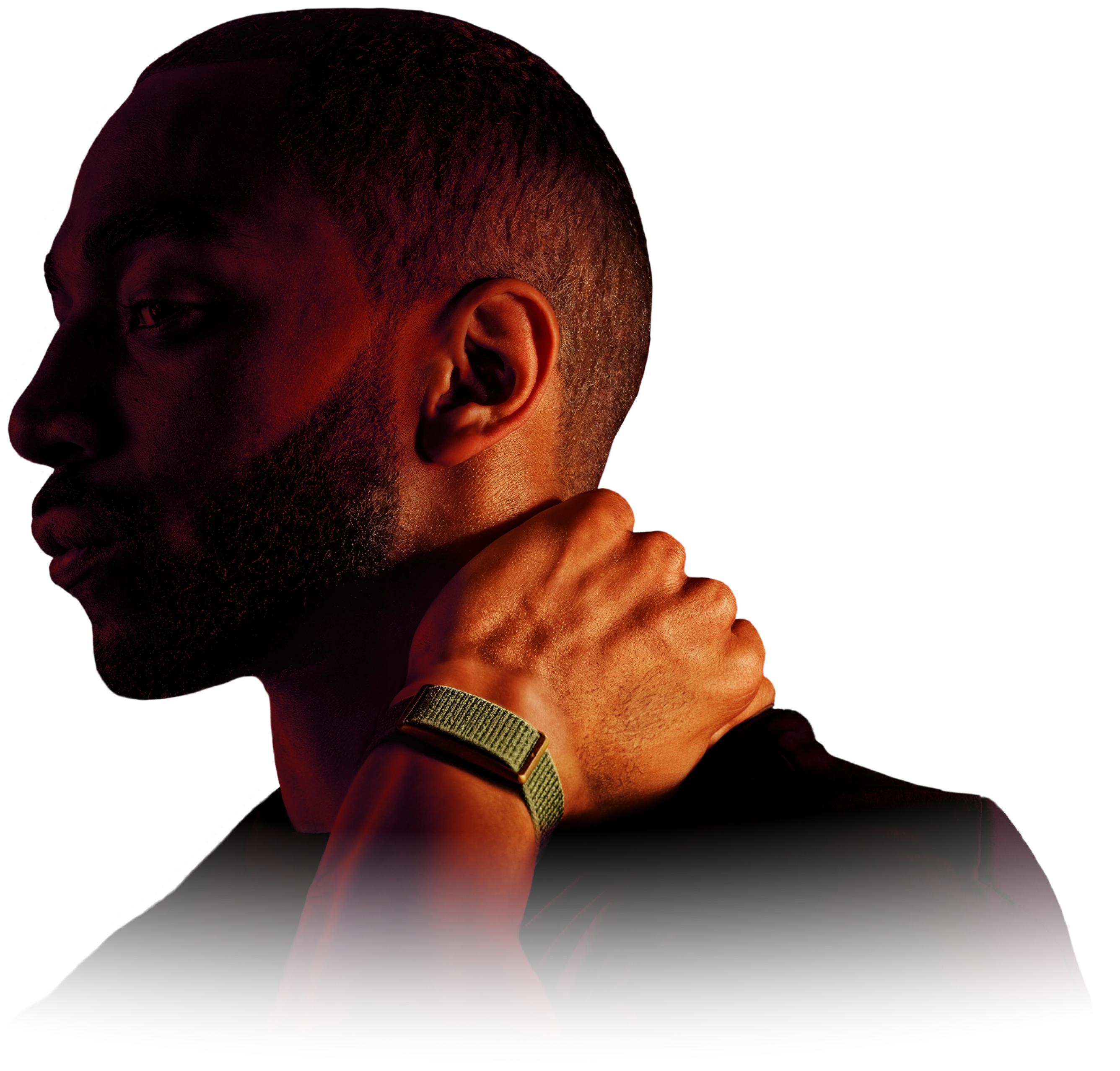
When Polar announced the Loop in September 2025, the pitch was irresistible: Whoop-style recovery tracking without the $199-to-$239-per-year subscription albatross. For a flat $199, you would get 24/7 heart rate monitoring, sleep analysis, and training load insights in a discreet, screenless band that would not distract you with notifications or demand daily charging.
Four months in, the verdict is clear – Polar got the business model right but shipped the software too early.
The Loop delivers on its core promise of affordable, subscription-free wellness tracking. Nightly Recharge recovery scores prove surprisingly useful, sleep stage detection holds up against pricier competitors, and the 29-gram fabric band disappears on your wrist in a way chunky smartwatches never can. But catastrophic automatic workout detection – missing entire sessions, fragmenting others, and offering zero manual correction – undermines the training load calculations that serious athletes need.
This is not a Whoop killer. Not yet. It is a promising hardware foundation waiting for the software overhaul Polar says is coming in 2026.
Design & Build: Comfortable Minimalism With Premium Touches
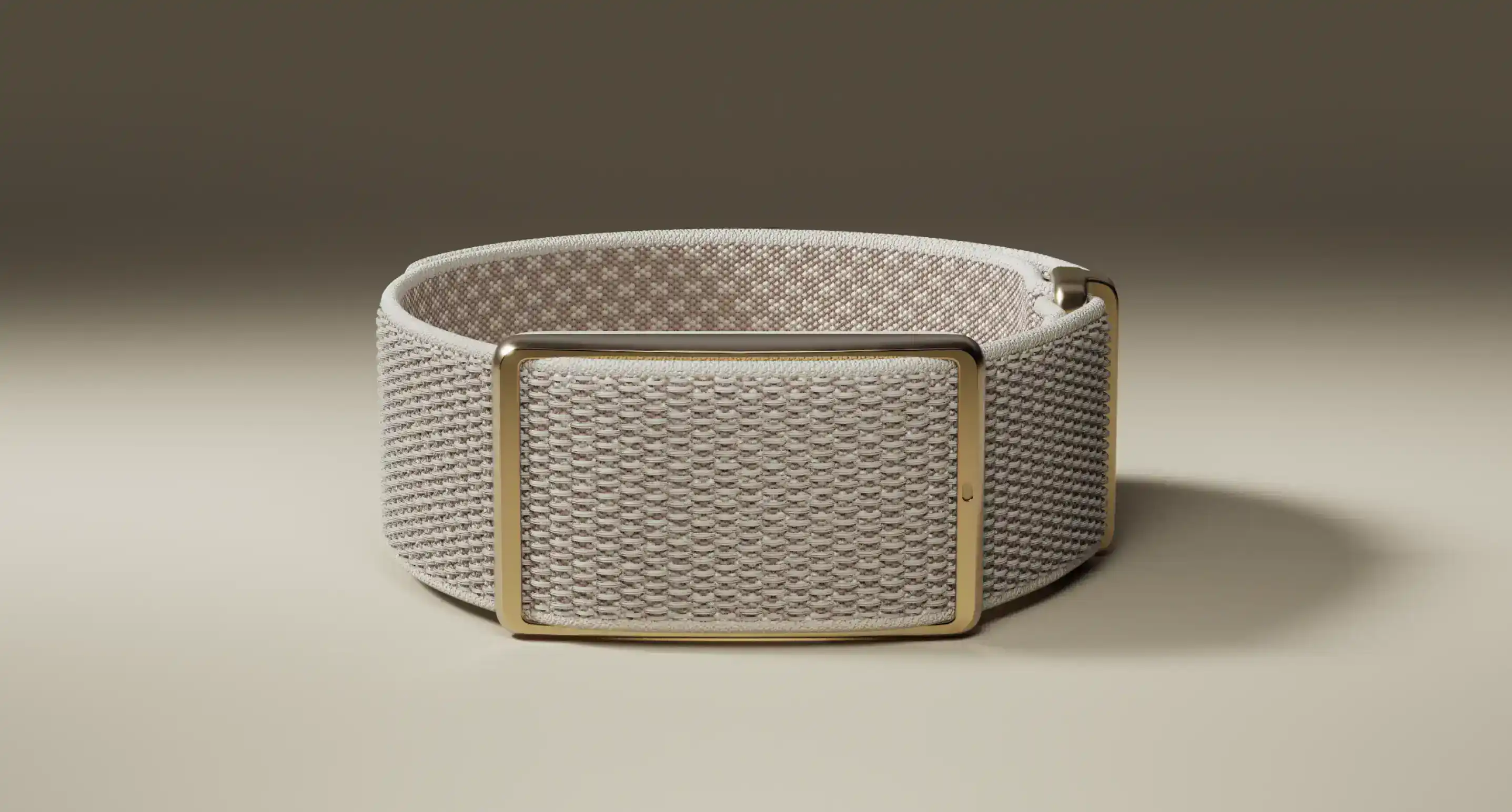
The Loop wears its Whoop inspiration openly – a stainless steel sensor pod cradled in a SoftWeave fabric band, secured with a velcro-style clasp. At 29 grams total (just 19.5 grams for the sensor alone), it is light enough to forget you are wearing it during sleep, showers, or workouts. The 9mm thickness profile stays flat against your wrist, sliding easily under long sleeves without the bulk of a traditional watch.
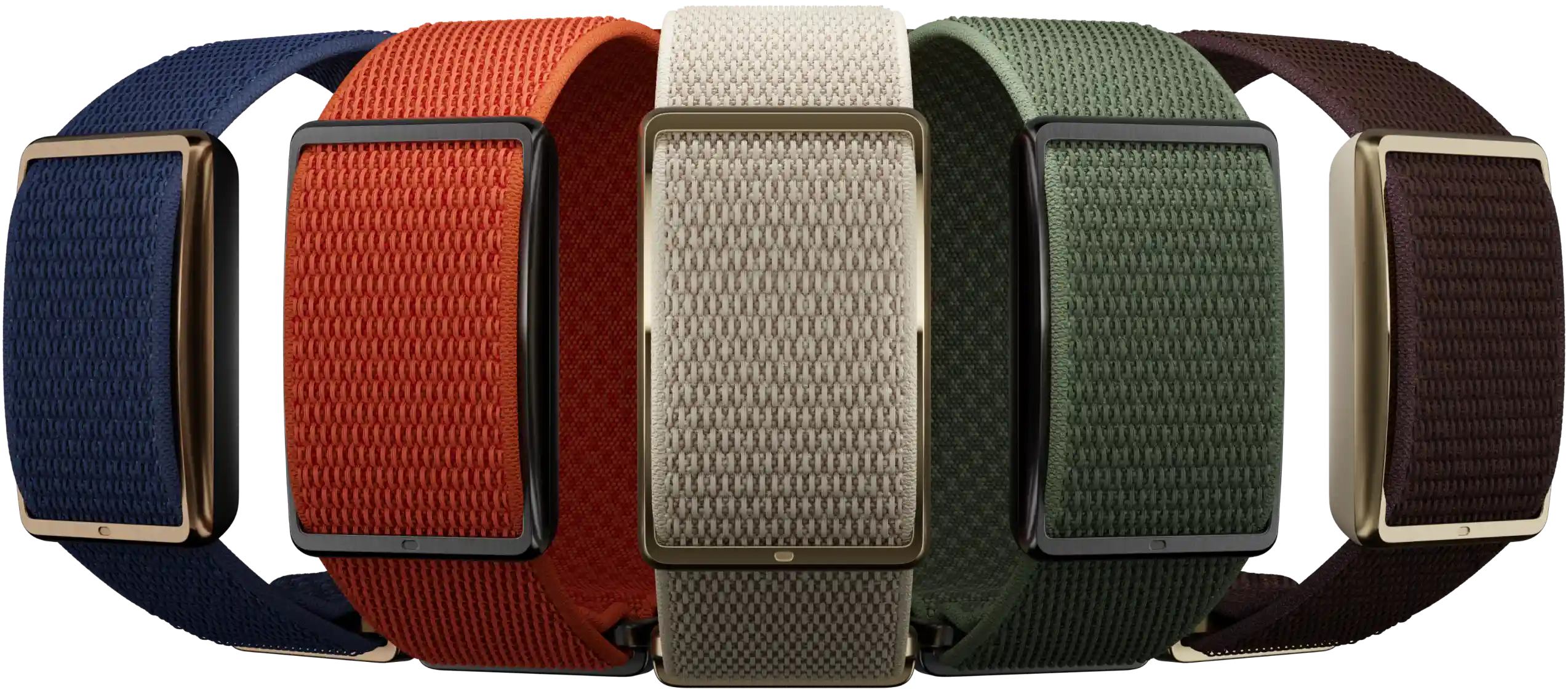
Polar's material choices elevate the experience beyond budget-tracker territory. The stainless steel buckle and case feel solidly engineered, and the fabric band – available in Night Black, Greige Sand, or Brown Copper – manages to look intentional rather than utilitarian. Replacement bands run $30, a reasonable price for variety without committing to multiple devices.
The screenless design eliminates decision fatigue. No tapping to cycle through stats, no glancing mid-conversation to check notifications. The Loop collects data silently and stays out of your way. For users drowning in smartphone alerts and smartwatch complications, the enforced simplicity feels refreshing rather than limiting.
WR30 water resistance (rated to 30 meters) handles showers, pool laps, and rain without issue. The velcro clasp stays secure through vigorous movement, though you will want to occasionally check the closure after toweling off – it can occasionally loosen when snagged.
The only aesthetic quibble: the design does not exactly scream originality. Place a Loop next to a Whoop 5.0, and most people would struggle to identify which is which at a glance. Whoop filed a lawsuit in October 2025 over design similarities, and while legal outcomes remain pending, the family resemblance is undeniable.
Performance & Features: Where the Promise Breaks Down
This is where enthusiasm crashes into reality.
The Loop Automatic Training Detection is its single biggest liability. During testing across running, cycling, strength training, and yoga, the device missed complete workout sessions, fragmented others into disconnected chunks, and routinely ended tracking 30-45 minutes after workouts finished. An indoor cycling session disappeared entirely. A 45-minute trail run got chopped into two separate 18-minute fragments with the middle portion vanishing into the data void.
Every detected workout, regardless of actual activity type, gets classified as "Other Indoor." Running, cycling, strength work – all get the same generic label. Whoop, by comparison, identifies dozens of specific activity types and prompts you to confirm or correct its guesses.
The fatal flaw: you cannot manually edit detected sessions or retroactively tag periods of elevated heart rate as workouts in the Polar Flow app. If the Loop misses your workout, that training load simply does not exist in your weekly totals. For athletes using training load to manage fatigue and prevent overtraining, this unreliability destroys trust in the system.
Polar's official documentation acknowledges potential delays "if your hands are cold and blood circulation is low" or if "heart rate stays elevated after intense workouts." In practice, the detection is unpredictable. Adjusting the sensitivity slider (Low/Medium/High) helps marginally, but no setting reliably catches all sessions.
The irony: Polar's Training Load Pro methodology is actually superior to Whoop in several ways. It uses TRIMP (Training Impulse) calculations with rolling 7-day and 28-day load windows, offering more physiological nuance than Whoop's 0-21 daily strain scale. But brilliant algorithms mean nothing when the foundational workout detection fails.
Health & Fitness: Solid Sensors Held Back by Software
Strip away the workout detection disaster, and the Loop's health tracking performs competently.
Heart Rate Accuracy: Polar Precision Prime Gen 3.5 optical sensor delivers reliable measurements at rest and moderate intensity. Compared against a Polar H10 chest strap and Garmin watch during controlled testing, the Loop stayed within +/-2 bpm during easy runs and zone 2 cycling. However, high-intensity intervals revealed larger deviations – 5-6 bpm off during threshold efforts, and occasional wild spikes during walks that registered 120 bpm when actual heart rate never broke 85 bpm.
Moving the sensor to a bicep band (compatible third-party arm straps are available) dramatically improved accuracy across all intensities. Wrist-based optical sensing inherently struggles with rapid heart rate changes and arm movement; the bicep placement minimizes both issues. If you are serious about heart rate training, budget an extra $30 for the armband.
Sleep Tracking: The Loop Sleep Plus Stages accurately identified sleep and wake times within minutes of an Oura Ring 4 during parallel testing. Sleep scores and duration matched subjective experiences – poor scores on restless nights, high scores after solid 8-hour blocks. The system recognizes light, deep, and REM sleep stages, though like all wrist-worn devices, it occasionally misclassifies sleep stages when you are lying still but awake.
Recovery Metrics: Nightly Recharge is the Loop's most valuable feature. Each morning, you receive a score based on heart rate variability (HRV) and autonomic nervous system (ANS) recovery during sleep. After wearing the Loop for the required 3-night calibration period, the Recharge scores consistently aligned with subjective readiness – low scores on nights after hard training or poor sleep, high scores when well-rested.
The insights rival Garmin's Body Battery and approach Whoop recovery scores in usefulness, though the Polar Flow app buries them under confusing menus rather than surfacing them prominently. You will spend time hunting through tabs to find data that should greet you on the home screen.
What is missing: blood oxygen (SpO2), skin temperature, ECG capability, and stress tracking. These features appear in competitors like the Oura Ring 4 and even budget trackers. Polar's decision to stick with a focused feature set keeps complexity down but limits clinical utility.
Battery Life: A Week Between Charges
The 8-day battery estimate holds up in real-world use. With continuous heart rate tracking, nightly sleep monitoring, and periodic workouts, the Loop consistently lasted 7-8 days before needing a charge. The USB-C cable magnetically attaches to the sensor pod, providing a full charge in roughly 90 minutes.
Here is where Whoop maintains a meaningful advantage: its PowerPack battery pack clips onto the band, charging the device without removal. You genuinely never take Whoop off. The Loop requires you to unclip the sensor from the fabric band, losing continuity in your data stream during charging sessions.
For most users, this interruption registers as a minor annoyance rather than a dealbreaker. Charge overnight once a week while you sleep with a different tracker (or nothing at all), and you will barely notice. But if you are chasing continuous HRV trends or want perfect 24/7 data coverage, the Whoop MG approach is objectively superior.
Who It Is For
You will appreciate the Loop if: - You already own a Polar watch for workout tracking and want a complementary 24/7 recovery band - You value subscription-free ownership and reject ongoing service fees - You prefer discreet, screenless wearables that do not demand attention - You are willing to manually log workouts in the app when automatic detection fails - You want legitimate sleep and recovery insights without Oura Ring or Whoop pricing
Skip the Loop if: - You need reliable automatic workout detection for accurate training load tracking - You train more than four times per week with varied activities requiring specific categorization - You want a polished, intuitive app experience today (not after 2026 updates) - You expect wrist-based optical heart rate to stay accurate during high-intensity intervals - You are comparing directly to Whoop's seamless, mature ecosystem and want feature parity
The Verdict
The Polar Loop costs $199 with zero subscription fees. Whoop costs $0 upfront but requires between $199 and $239 annually (depending on plan tier). Over two years, the Loop saves you $199 to $279 depending on which Whoop tier you would choose. That math is compelling – if the software delivered on the hardware's potential.
Right now, it does not. Automatic workout detection is so unreliable that serious athletes will spend frustrating minutes daily hunting for missing sessions that never get logged. The Polar Flow app, while functional, feels dated and confusing compared to Whoop's streamlined interface. Critical recovery data hides behind multiple taps instead of greeting you front and center.
Polar promises a comprehensive Flow app redesign in early 2026, with improved metric visibility, customizable dashboards, and a unified interface across devices. If those updates materialize and address the workout detection catastrophe, the Loop could evolve into a legitimate Whoop alternative. Until then, it is a capable heart rate and sleep tracker hamstrung by half-baked activity recognition.
For existing Polar ecosystem users who already track workouts with a Vantage or Grit watch, the Loop makes sense as a comfortable 24/7 band for recovery insights. For everyone else, Whoop's higher annual cost buys you mature software, reliable detection, and an experience that genuinely works without constant babysitting.
The Polar Loop is not a Whoop killer. Not yet. Check back in six months.
Score: 67/100 – Promising hardware, unfinished software, questionable value until updates arrive.