
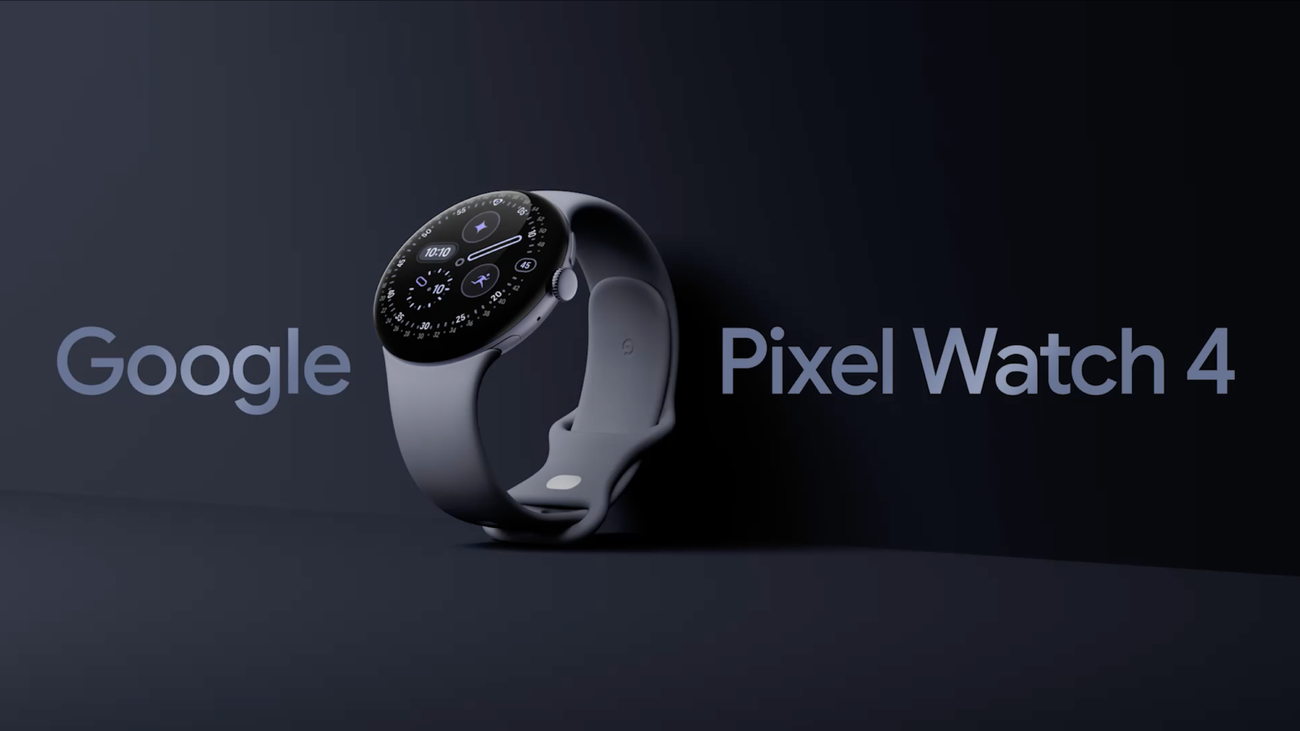
Four generations in, Google has finally built the smartwatch it always promised. The Pixel Watch 4 isn't just iterating on familiar ground–it's staking out territory no other wearable has claimed. Between standalone satellite emergency communication, AI that actually anticipates your needs, and a display bright enough to read at the beach, this is the first Pixel Watch that feels like it's leading rather than catching up.
But leadership comes with growing pains. That gorgeous domed display scratches if you look at it wrong. The best features require either an LTE model, a Fitbit subscription, or both. And if you're not deeply embedded in Google's ecosystem, some of the magic simply won't appear. The Pixel Watch 4 is genuinely excellent–but it's excellent with asterisks.
Design & Build
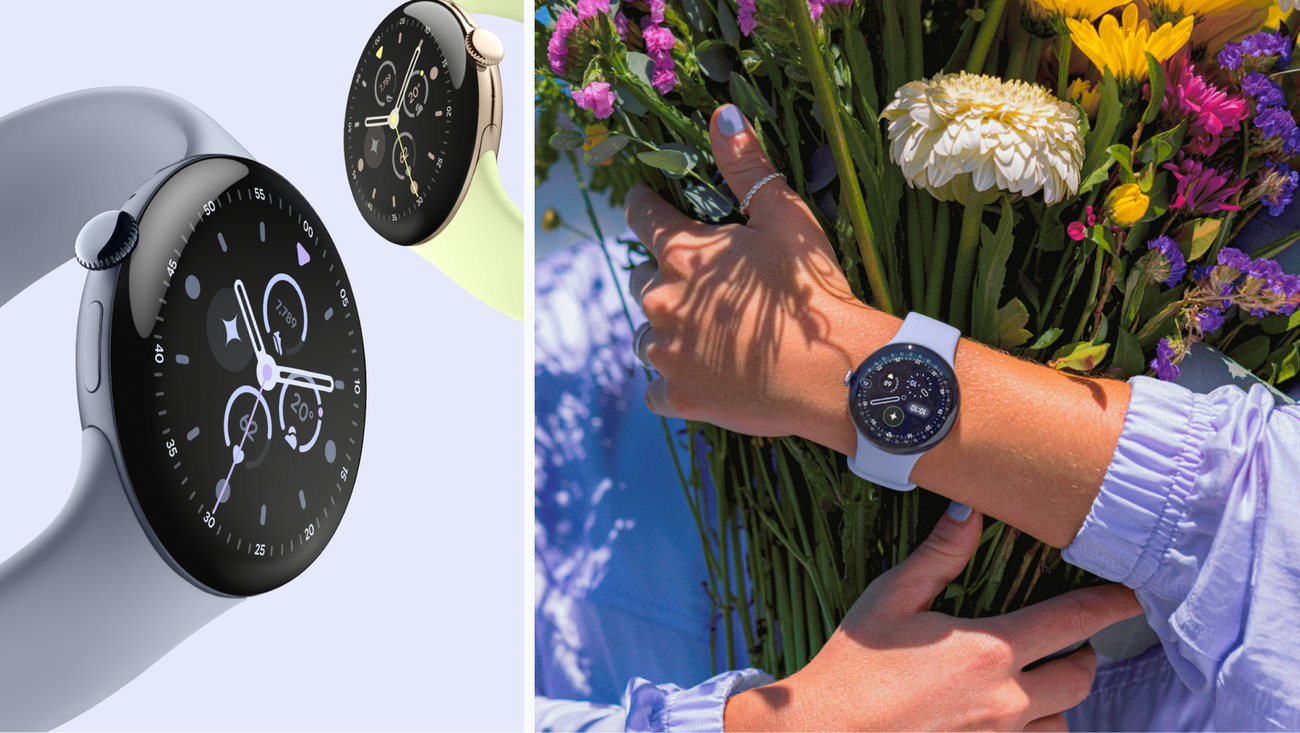
Google has refined rather than reinvented the Pixel Watch aesthetic, and that's the right call. The circular, domed design remains distinctive in a market dominated by rectangular displays and flat-faced competitors. At 31g for the 41mm and 37g for the 45mm, this is a remarkably light smartwatch that disappears on the wrist during workouts and sleep tracking alike.
The aluminum case feels premium without the heft of stainless steel alternatives, and the matte finish resists fingerprints admirably. Google's proprietary band attachment system continues to be both a blessing and a curse–the mechanism is secure and allows for quick swaps, but you're locked into Google's band ecosystem or paying extra for third-party adapters.
Here's what's genuinely groundbreaking: the Pixel Watch 4 is the first repairable smartwatch on the market. Google designed the internal components so users can replace the battery and display themselves–a radical departure from the industry norm of treating smartwatches as disposable two-year devices. This alone shifts the value proposition significantly for anyone thinking long-term.
The elephant in the room is durability. Gorilla Glass 5 protects that stunning display, but the domed design acts as a scratch magnet. Fine scratches appear quickly, catching the light at certain angles. This isn't unique to the Pixel Watch 4–it's physics meeting design–but if scratch resistance matters to you, budget for a screen protector immediately.
Display
The 3,000-nit peak brightness isn't just a spec sheet victory–it's a genuine quality-of-life improvement. Reading notifications in direct sunlight used to require cupping your hand over the watch and squinting. Now, the LTPO AMOLED panel cuts through even harsh midday glare without breaking a sweat.
For context, Apple's latest tops out at 2,000 nits. That 50% brightness advantage is immediately noticeable when you're outdoors. The display drops to 1 nit for always-on mode, preserving battery while remaining readable in dark rooms without becoming a distraction.
Colors are vibrant without veering into oversaturation, and the LTPO technology smoothly scales the refresh rate to balance responsiveness and efficiency. Text is crisp, animations are fluid, and the overall experience feels premium in a way earlier Pixel Watch displays simply didn't.
Performance & Features
The Qualcomm Snapdragon W5 Gen 2 processor, built on a 4nm process, finally gives the Pixel Watch the horsepower it deserves. Apps launch promptly, the interface responds instantly to swipes and taps, and I encountered none of the micro-stutters that plagued previous generations. With 2GB of RAM and 32GB of storage, there's room for offline music, podcasts, and a full complement of apps without worrying about space management.
Gemini integration is the headline feature, and it's legitimately impressive. The "Raise to Talk" gesture–lift your wrist and start speaking–sounds gimmicky until you use it. Asking for directions while your hands are full, setting a timer while cooking, or composing a quick reply while walking the dog becomes genuinely effortless. This is the first voice assistant interaction on a smartwatch that feels natural rather than performative.
The caveat: Gemini requires a Pixel 9 or newer phone and a consistent internet connection. If you're using the watch with an older Pixel or another Android device, you get standard Google Assistant, which is capable but lacks Gemini's contextual intelligence.
Satellite SOS on the LTE models represents a potential paradigm shift for outdoor safety. This is standalone satellite communication–no phone required. If you're hiking, biking, or otherwise venturing beyond cell coverage, you can contact emergency services directly from your wrist. It's a feature you hope to never use, but its presence transforms the watch from a convenience into genuine safety equipment. Currently US-only, which limits its utility for international travelers and non-American buyers.
Wear OS 6 is the most polished version of Google's smartwatch platform yet, though it still requires occasional patience. Third-party app quality varies wildly, and some fitness apps remain better on Apple's platform. Google's first-party apps–Maps, Keep, Messages–work beautifully.
Health & Fitness
The Pixel Watch 4's health tracking represents genuine progress. Heart rate accuracy tested within 1-3 BPM of a chest strap monitor under optimal conditions, though accuracy can vary up to 13 BPM during high-intensity activities–running, cycling, weight training, and swimming. That's exceptional for optical wrist-based measurement and puts the Pixel Watch 4 at the head of its class.
Sleep tracking is comprehensive, capturing light, deep, and REM stages alongside blood oxygen levels and respiratory rate. The sleep score algorithm feels calibrated to actual rest quality rather than time in bed. One note: users with irregular sleep patterns report occasional HRV tracking issues, so if you work nights or have highly variable schedules, accuracy may suffer. For watches that excel at health metrics, our best health monitoring watches guide covers top picks across all platforms.
Swim tracking leverages the 5ATM water resistance (tested to 50 meters) with reliable lap counting and stroke detection. The watch handles pool swimming admirably, though open water tracking depends on GPS reliability.
About that GPS: a Galileo satellite dropout bug causes accuracy issues specifically during cycling. Routes can show phantom deviations and distance calculations suffer. Google has acknowledged the issue, and a software fix is expected, but as of now, serious cyclists should be aware.
The Fitbit integration brings robust workout tracking and guided programs, but–and this is significant–the full feature set requires Fitbit Premium at $10/month. Without it, you lose detailed readiness scores, advanced sleep insights, and personalized health recommendations. The subscription requirement feels particularly egregious at this price point.
Battery Life
Google claims 30 hours for the 41mm model and 40 hours for the larger 45mm variant. In practice, the 45mm comfortably lasted through a full day and night with always-on display, GPS-tracked workouts, and regular notification checking. The 40-hour claim holds up under normal use.
The 41mm model is tighter. Heavy notification days and tracked workouts can push you into battery anxiety territory by evening. If you want to sleep track without worrying about morning charge levels, the larger model is the wiser choice.
Charging speed partially compensates for any battery limitations. The 50% charge in 15 minutes claim is accurate and genuinely useful–a morning shower provides enough charging time to get through another half-day. Note that the new charger is incompatible with previous Pixel Watch chargers, so you're starting fresh regardless of Google hardware loyalty.
Who It's For / Who Should Skip
Buy the Pixel Watch 4 if you: - Use a Pixel 9 or newer phone and want seamless integration - Value outdoor safety and the LTE-enabled satellite SOS - Prioritize display brightness and readability - Care about long-term sustainability (that repairability matters) - Want the best AI assistant experience on a smartwatch - Primarily run, swim, or do gym workouts
Skip the Pixel Watch 4 if you: - Refuse to pay subscription fees (Fitbit Premium unlocks too much) - Need reliable cycling GPS tracking (until the bug is patched) - Are rough on watches (that glass will scratch) - Use an iPhone (this isn't for you) - Can't justify $449+ for satellite SOS (the LTE tax is real) - Live outside the US (satellite features are geo-locked for now)
For Android users weighing alternatives, the Samsung Galaxy Watch 8 and Galaxy Watch 8 Classic offer strong competition with better durability. The Garmin Venu 4 trades smart features for vastly superior battery life. And if you are coming from the Pixel Watch 3, the upgrade is meaningful but not essential. See our best smartwatches for Android guide for a full comparison.
The Verdict
Score: 84/100
This is the smartwatch Google has been building toward since the original Pixel Watch launched in 2022. The combination of genuinely useful AI, potentially life-saving satellite communication, and a display that sets the new brightness benchmark makes this the most compelling Android smartwatch available. The repairability story is quietly revolutionary for the category.
But the asterisks accumulate. The Fitbit Premium paywall gates important features behind an ongoing subscription. The scratch-prone display demands protection. The GPS cycling bug needs addressing. And the satellite SOS feature–arguably the most innovative addition–requires both an LTE model and US residency.
For Pixel phone users who want the best possible smartwatch integration, this is an easy recommendation. For everyone else, the calculus involves weighing genuinely innovative features against real-world limitations. The Pixel Watch 4 is excellent, but it's excellent with conditions attached.